

Advertisement
Just a short drive south from Madang, you’ll arrive at a magical place: Balek Wildlife Sanctuary. This small ecological reserve is nestled in a lowland area surrounded by tropical rainforest. Some say it resembles a fairy-tale forest, others liken it to a lost Eden, but the most common description is: “This is the real-life Wizard of Oz.” As you stroll along the shaded paths, witness crystal-clear springs bubbling up from the ground, and watch exotic birds glide overhead, you'll realize this isn't an exaggeration—it's a meticulously crafted immersive fantasy experience by nature itself.
Advertisement
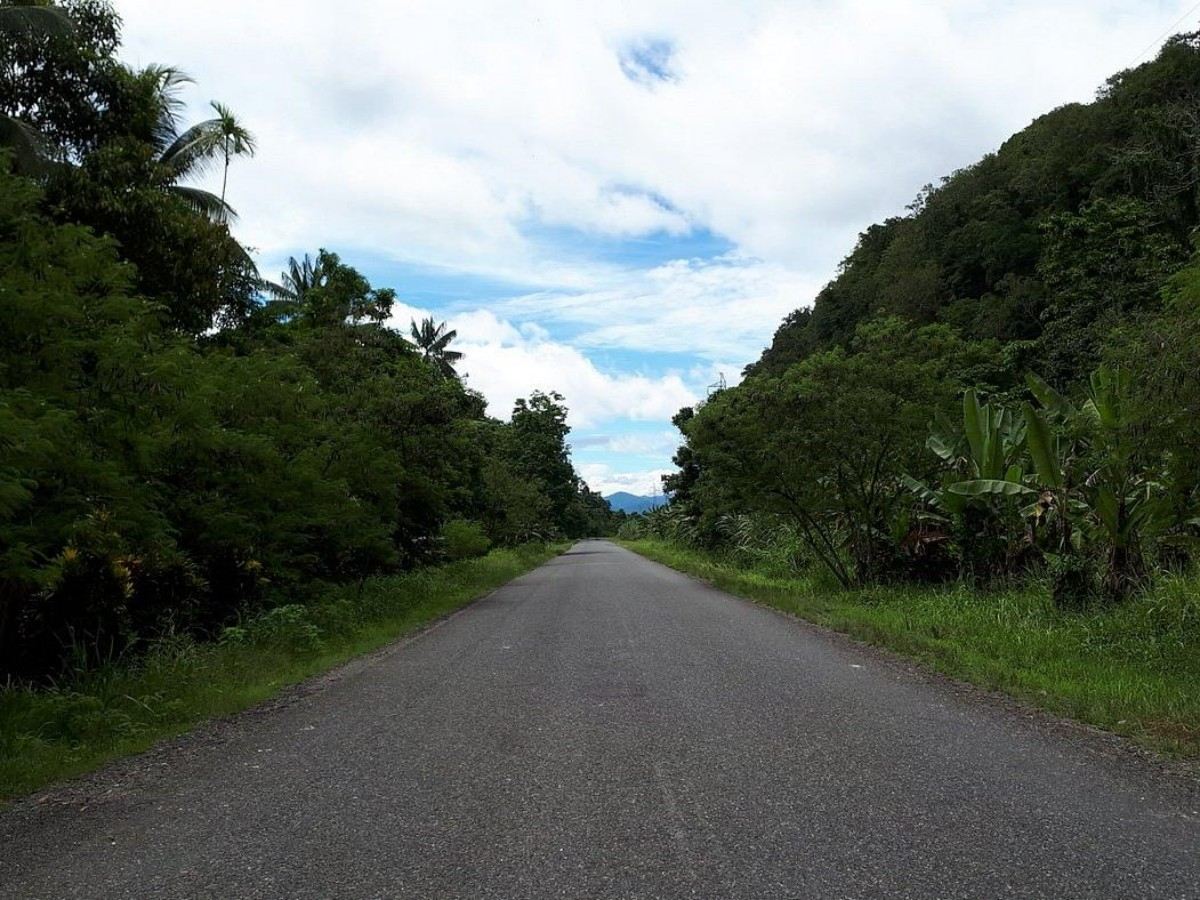
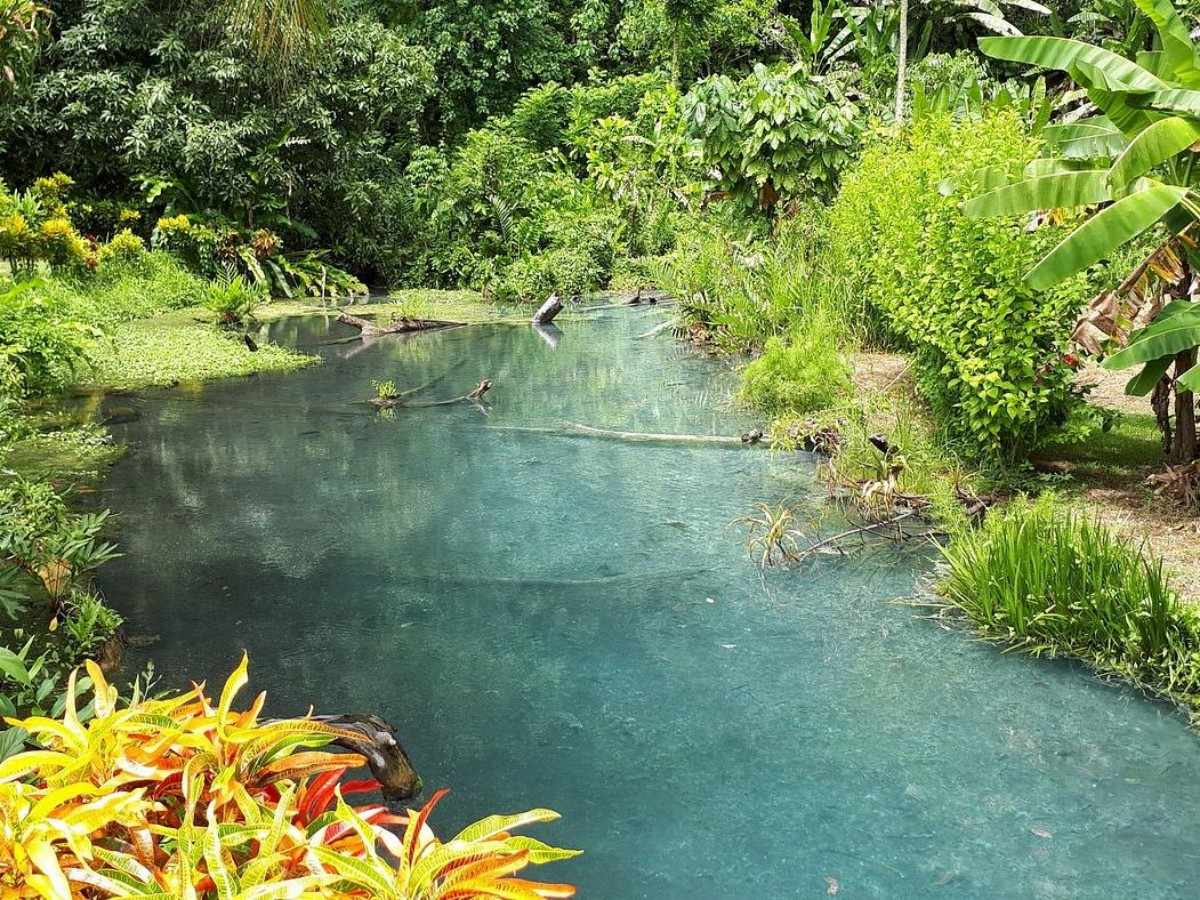
Balek's greatest natural wonder is its bottomless spring. At first glance, it appears to be just a pond in the forest, but upon closer inspection, you will notice that the water has a rare emerald green color, and bubbles continuously rise from the bottom, as if something mysterious lurks beneath the surface. The locals told me it’s a geothermal spring, with water sourced from deep underground rock layers, its unique color due to its high mineral content.
Advertisement
In Madang’s indigenous culture, this spring is far more than just “beautiful.” It’s revered as the dwelling place of ancestral spirits. It is said that long ago, this forest was home to a shaman named Balek, whose soul transformed into the guardian spirit of the spring after his death. As a result, the nearby villages regard the spring as a sacred source. During droughts or times of crisis, locals come to the spring to pray for rain or seek guidance from the spirit.
Today, these legends still circulate in the villages, and as a visitor, you can feel an indescribable quiet power when you approach the spring—not loud or flashy, but deeply flowing through the air. While taking photos is fine, it is recommended to keep your voice and movements quiet, showing respect for this land cherished by generations.
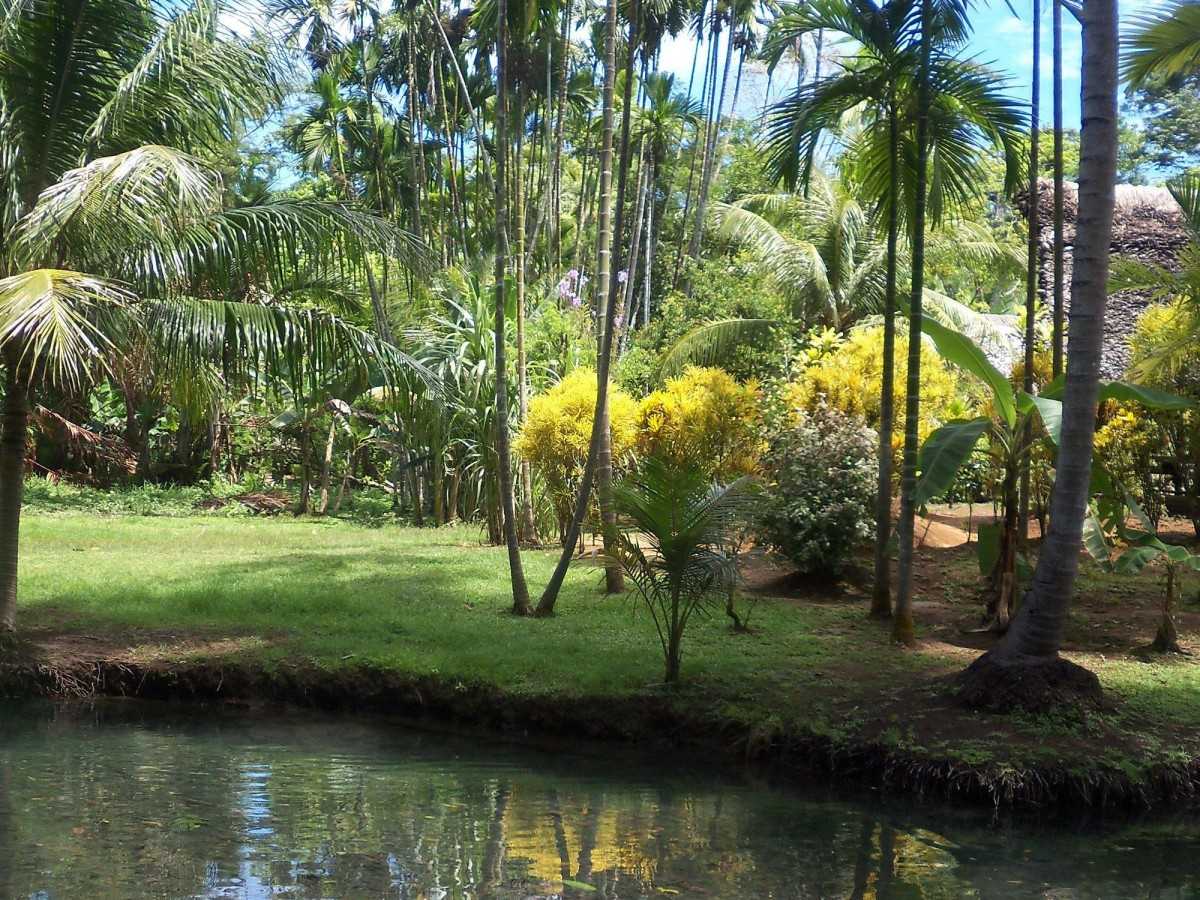
Although the Balek Wildlife Sanctuary is not very large in total area, its internal trails crisscross, and it is indeed easy to get lost or go in circles if you are unfamiliar with the route. Generally, the recommended tour route is as follows:
Advertisement
Registration and ticket purchase at the entrance (sometimes local children may collect a small fee, approximately 5–10 Kina);
The main path leads to the spring (approximately a 10-minute walk, with a mixed surface of dirt and stone slabs);
The small platform next to the spring is ideal for taking photos and a short break;
After walking back for about 5 minutes, take the fork into the forest trail to explore wildlife and waterfall areas;
Return via the same path, or exit through another exit to reach the roadside transfer point.
The entire loop takes approximately 1.5 to 2 hours. If you include time for photography and relaxation, it is recommended to allocate at least half a day.
Wear slip-resistant hiking boots or river-crossing shoes, especially during the rainy season when the ground is slippery; it is recommended to bring hiking poles, a hat, and insect repellent. There are no shops along the way, and no drinking water is provided, so remember to bring your own water and light snacks.
Some sections are shaded but have dense mosquito populations, so it is recommended to wear long sleeves and pants. Some visitors enjoy bringing lightweight hammocks or picnic blankets to rest briefly by the springs or in small clearings in the forest, which is also a very comfortable experience.
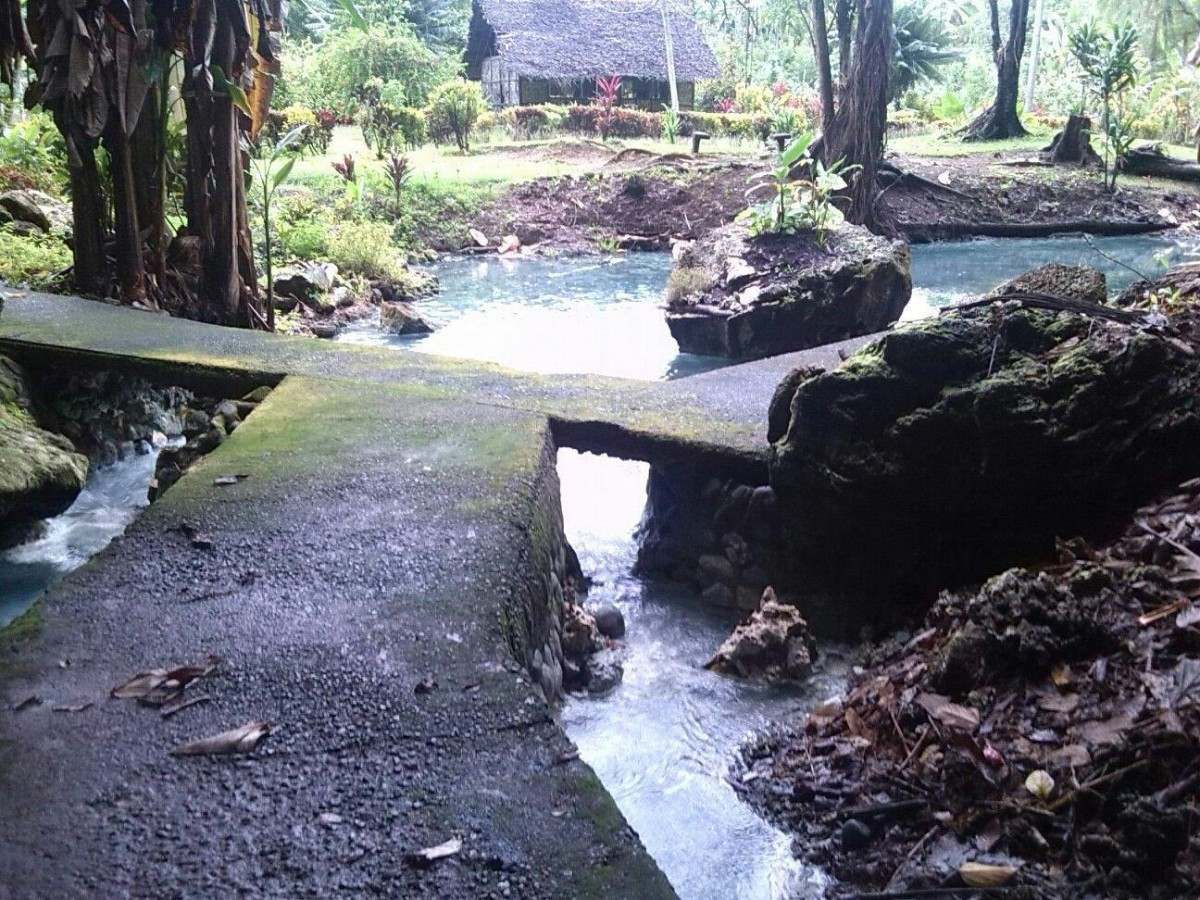
Although Balek is called a “Wildlife Sanctuary,” it is more akin to a “semi-natural reserve,” with no fences, cages, or artificial display areas. The wildlife here are species that originally lived in the Madang Forest. You are not “visiting them,” but rather a guest “allowed to enter their territory.”
Here, you may see:
Paradise Birds: If you're lucky, you might see male birds with tail feathers like ribbons dancing on tree branches; they are most active at dawn or dusk;
Papuan Owls: A small owl species that sometimes quietly hides in tree hollows, with alert eyes;
Exotic insects and tree frogs: Colorful small frogs, long-legged mantises, or transparent-winged moths often hide among the green leaves;
Small lizards and flying foxes: Common inhabitants of the tropical forest, often seen basking in the sun on tree trunks and rocks.
However, this is not the place for visitors expecting to “fill an entire field guide.” Animals are free and elusive; often, you will only hear their sounds or catch a fleeting glimpse of their shadows. It is recommended to slow down, avoid fixating on “what you can photograph,” and instead immerse yourself in the forest's rhythm: breathe, listen, observe. Without preconceived expectations, you are more likely to encounter surprises.
We highly recommend bringing binoculars and a silent camera. Drones are not recommended (the local community is not fond of them), and please avoid loud noises or disturbing animal activities.
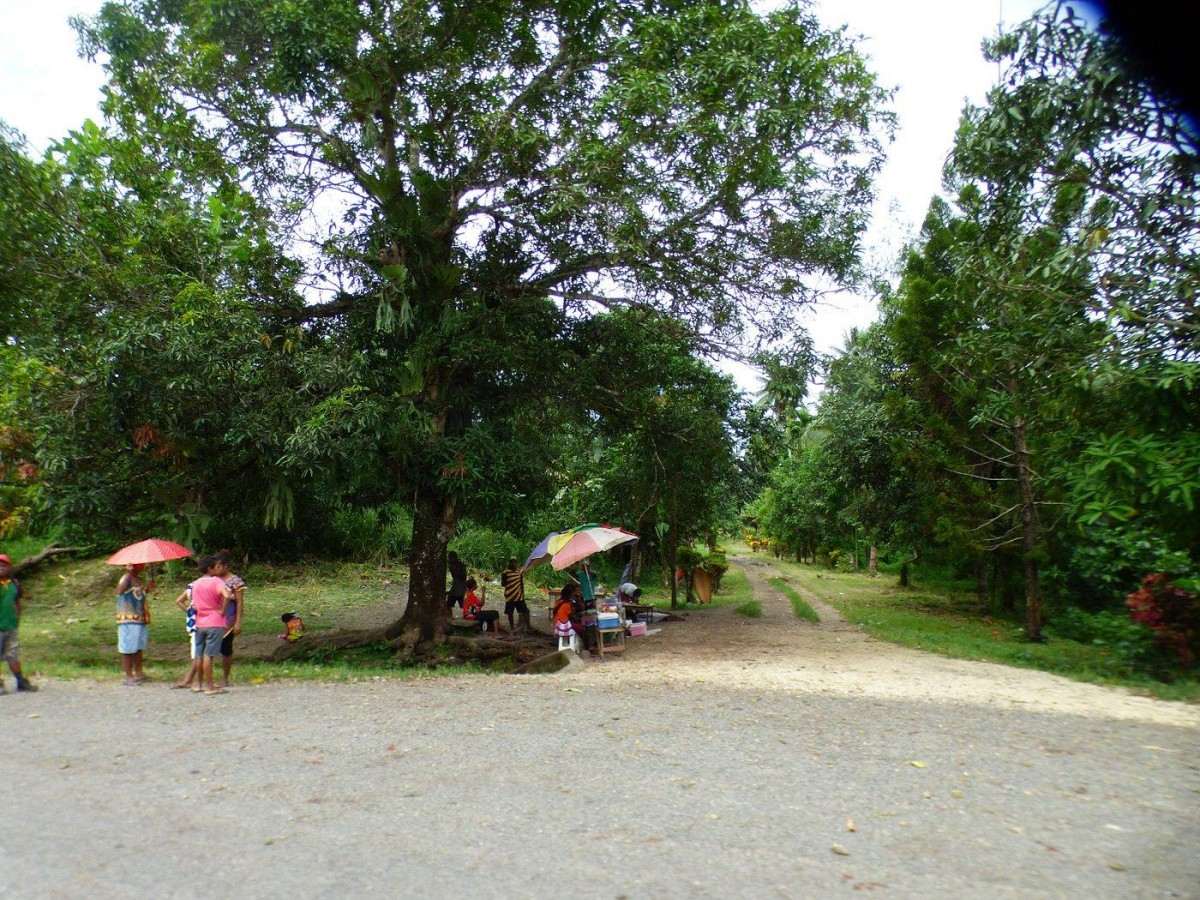
Balek is not a “closed attraction” but an open forest area adjacent to two indigenous villages. Therefore, as you traverse the forest and head toward the springs, you are actually walking on land that has been the home of villagers for generations. They welcome outsiders but place greater emphasis on mutual respect and trust.
You may encounter the following situations:
Children may approach you or follow you: they are not guides and do not charge fees; they are simply curious about your presence. If you wish, you can ask them for directions, and sometimes they may tell stories or sing in exchange for a small tip;
Elderly people sitting by the forest edge weaving or quietly smoking: please do not take photos without permission; if you wish to interact, smile and gesture first;
Villagers selling fruits or handicrafts at stalls: prices are reasonable, and showing goodwill by not haggling will earn you a sincere response;
The maintenance of the entire reserve, path repairs, and visitor reception are almost entirely carried out by the community on their own initiative, with no involvement from large tourism companies and little government funding. This form of “community-centered nature tourism” has instead preserved the area's most primitive wildness and simplicity.
If you wish to express gratitude for their efforts, consider purchasing some handicrafts before leaving or donating a small amount of change at the village entrance to support their ongoing operations.
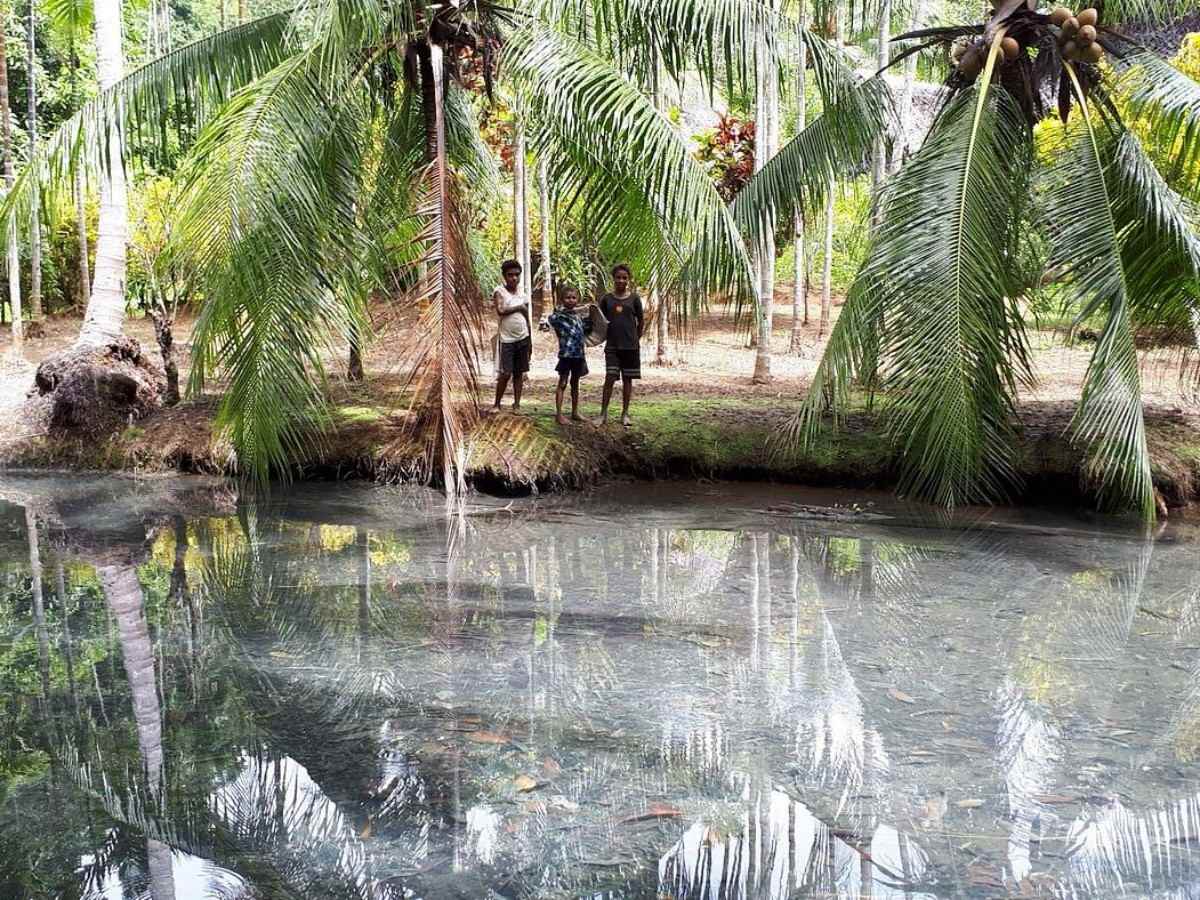
To fully experience Balek Wildlife Sanctuary, consider the following one-day itinerary:
Half-Day Itinerary:
08:00 Depart from Madang and arrive at the Balek entrance after a 30-minute drive;
08:30 Take a leisurely walk through the forest, exploring springs and ecological trails;
10:30 Return or take a short break at a small clearing near the forest edge;
11:30 Return to the city center for lunch at the Coastwatchers Hotel or explore the market.
Full-Day Itinerary Recommendation:
Morning as above; in the afternoon, extend the trip to Amele Village for cultural exchange, which is connected to Balek and accessible by foot;
or extend to the nearby Gogol River for a rafting experience (requires prior booking of a local guide);
return to Madang at sunset to enjoy the harbor sunset.
The meaning of travel is not always about pursuing iconic landmarks or Instagram-worthy photos, but about discovering a long-lost sense of purity in an unexpected corner. Balek Wildlife Sanctuary is such a place. It has no ticket system, no promotional posters, and no standardized reception procedures, but it has real trees, breathing springs, and a quiet forest where you can coexist with ancestral spirits. You won’t find laughter, noise, or thrills here. Instead, you’ll slow down, quiet your mind, and relearn how to perceive nature with all five senses, measuring stories with your footsteps.