
Advertisement
On the northern coast of Papua New Guinea lies a city with stunning coastlines and a peaceful walking pace—Madang. Unlike the bustling port of Lae or the urban hustle and bustle of Port Moresby, Madang offers a reason to slow down. Here, if you ask a local where to go to unwind, they’ll likely point to the coast and say, “Take a stroll to Kalibobo Lighthouse.” This snow-white lighthouse stands at the tip of the Madang Peninsula, where sea breezes blow year-round and coconut palms sway gently. The beauty lies not in the lighthouse itself, but in the scenery, air, and mood along the way.
Advertisement
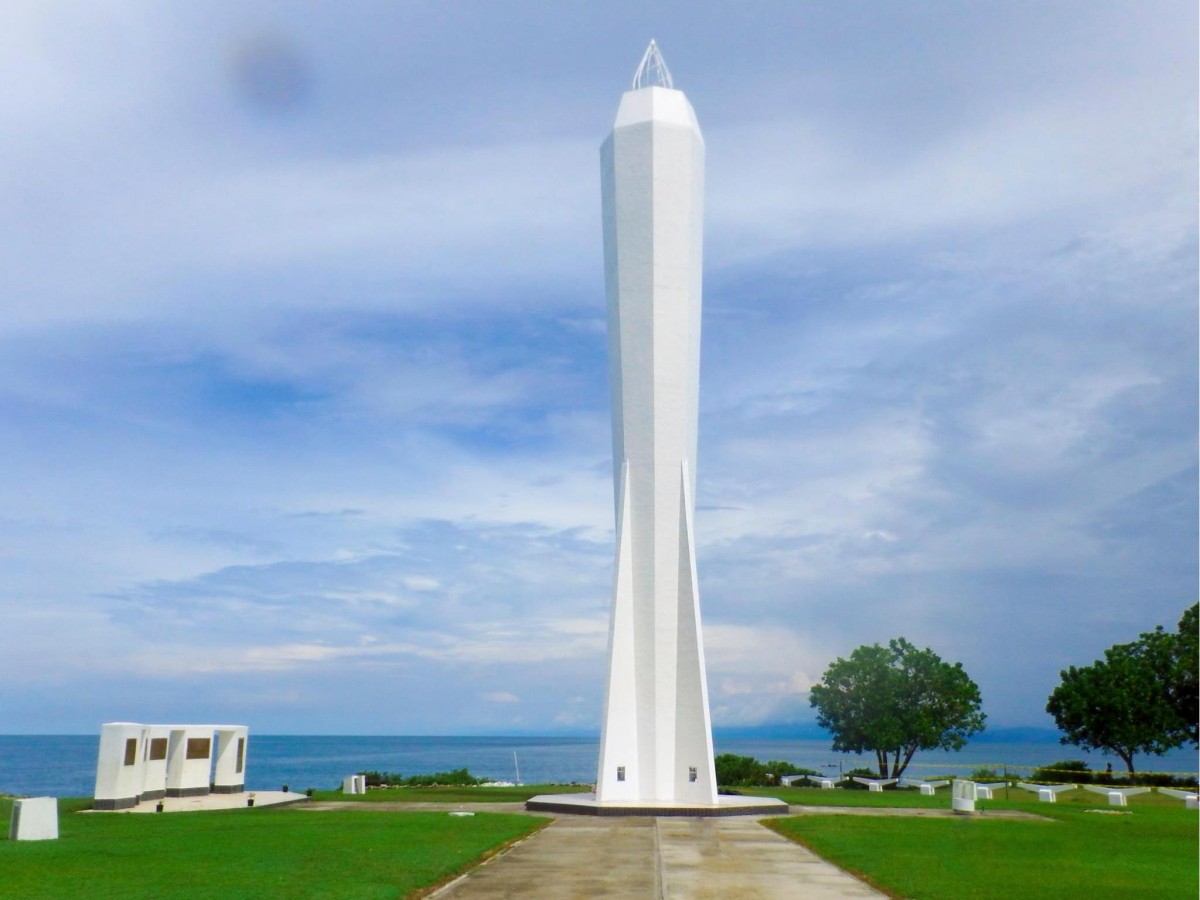
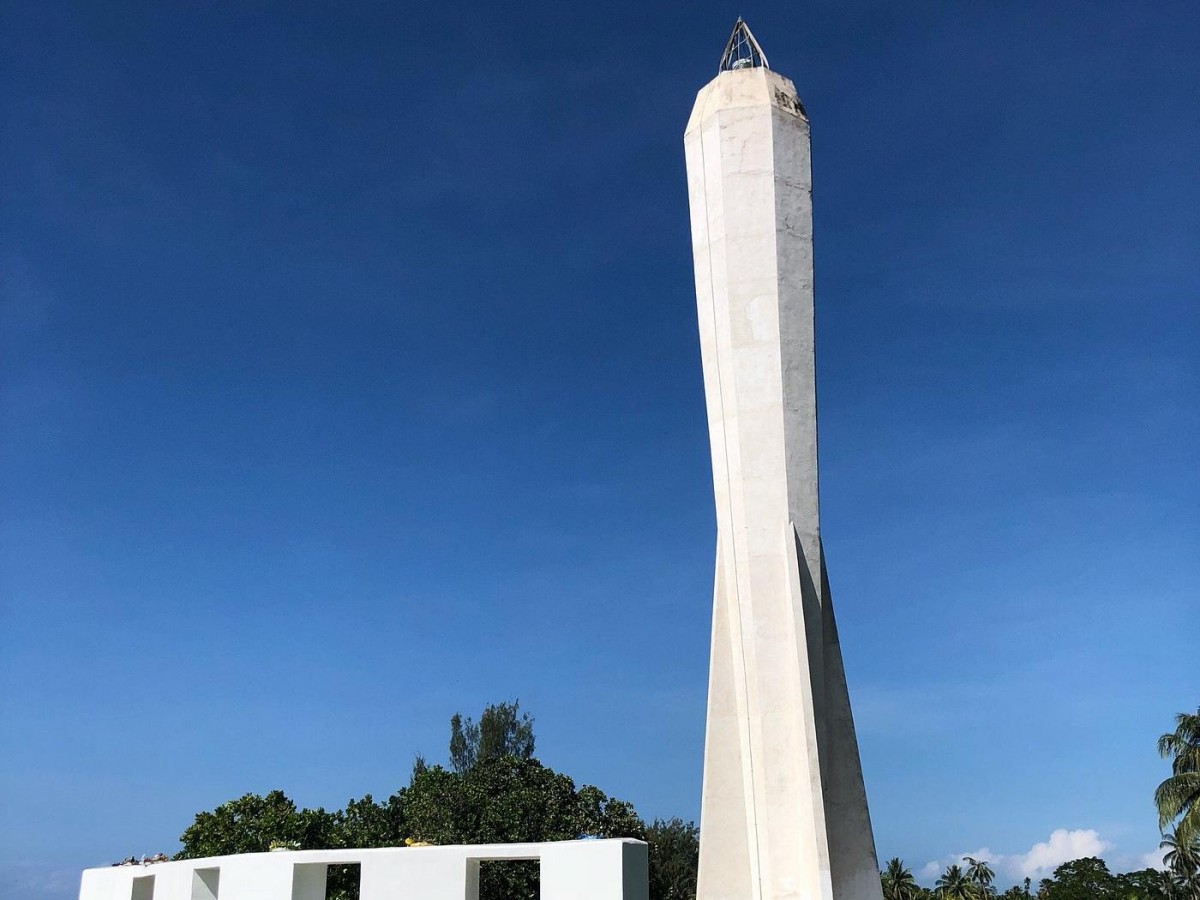
Kalibobo Lighthouse was built in the early 20th century, originally serving as a functional structure to help ships identify the coastline. However, its location is truly unique: situated at the easternmost tip of the Madang Peninsula, it is almost entirely surrounded by sea, appearing from afar like a small island floating on the water. It is not only a beacon for sailors but has also gradually become a symbol of “home” in the hearts of the local people.
Advertisement
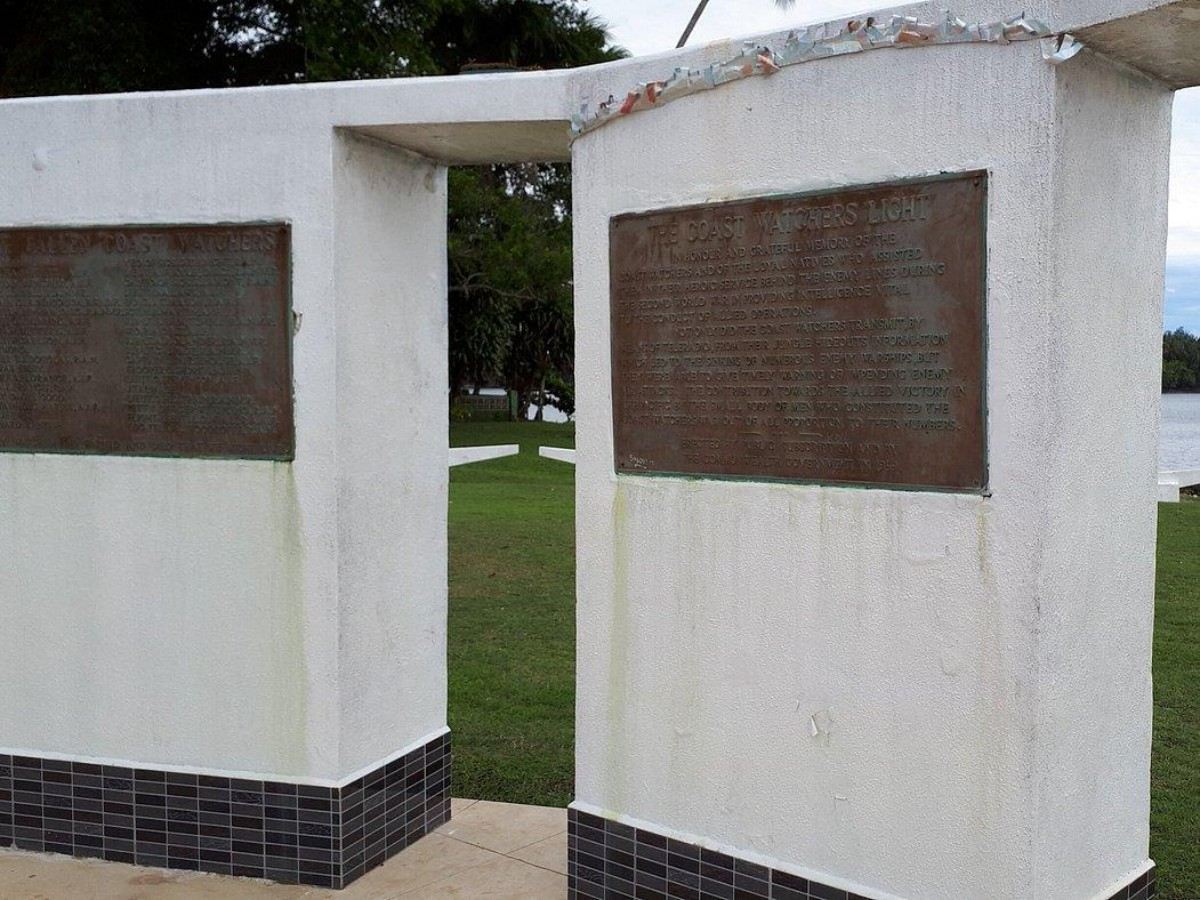
More importantly, this lighthouse was actually built to commemorate sailors and fishermen who lost their lives in the Pacific during World War II. During the war, the Madang area was a strategically contested location between Japan and the Allied forces, with ports, airports, and villages all suffering destruction. After the war, a memorial plaque was erected at the base of the lighthouse to honor the souls who never returned home. As a result, Kalibobo became a place where memory and hope intersect.
Today, although the lighthouse is still operational, more people come here not for navigation but for walking, taking photos, and sitting by the sea. It has become the favorite spot for Madang residents to take a stroll and a must-visit spiritual landmark for tourists.
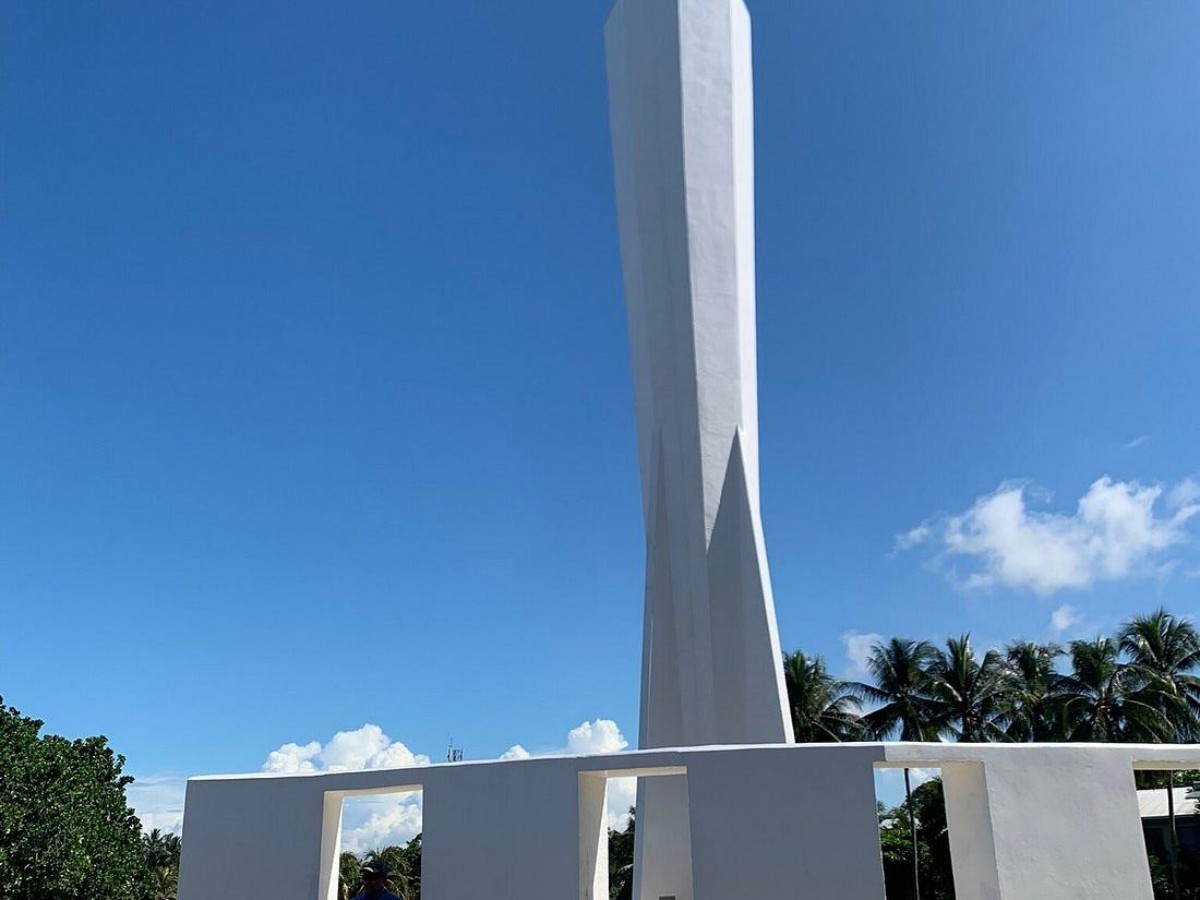
To reach Kalibobo Lighthouse, the most recommended way is not by car but on foot. Walking along the coast from the center of Madang to the lighthouse forms a roughly 2.5-kilometer “coastal walking trail,” which takes about an hour with stops along the way, making it ideal for a leisurely half-day outing.
Advertisement
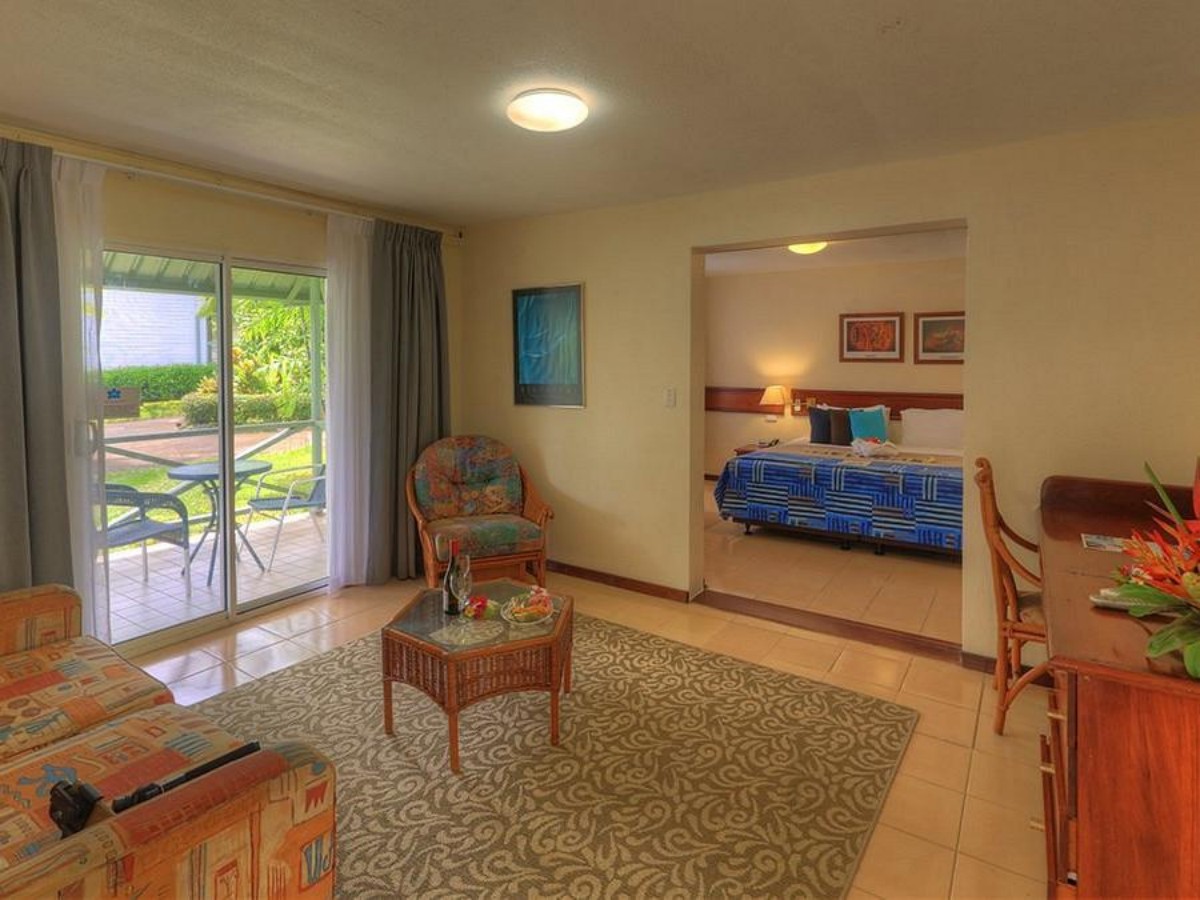
The starting point can be set at Madang Resort Hotel—this historic resort faces the port and is a popular spot for tourists to stay. After passing through the resort's back gate, you'll find a path facing the sea. One side of the path features rocky shores with waves crashing against them, while the other side is lined with tall palm trees and local residences. Along the way, you can see:
Children catching crabs and diving among the rocks;
Elderly people sitting on bamboo chairs weaving nets, with freshly dried fish hanging nearby;
Street stalls selling fresh coconuts, mangoes, and hand-carved wooden sculptures;
Occasional canoes gliding across the sea, gently creating ripples.
The trail is not entirely paved; some sections are gravel and concrete, while others are dirt paths that are more comfortable to walk on barefoot. Remember to wear comfortable sandals or sneakers. There is little shade along the way, so it is recommended to bring a hat or sunscreen clothing. During the afternoon when the sun is strong, it is advisable to visit in the morning or evening instead, when the light is softer, the temperature is more comfortable, and the photo quality is better.
When you finally reach the base of the Kalibobo Lighthouse, you’ll inevitably pause to take it all in. This is a place where you can truly “do nothing and be okay with it.”
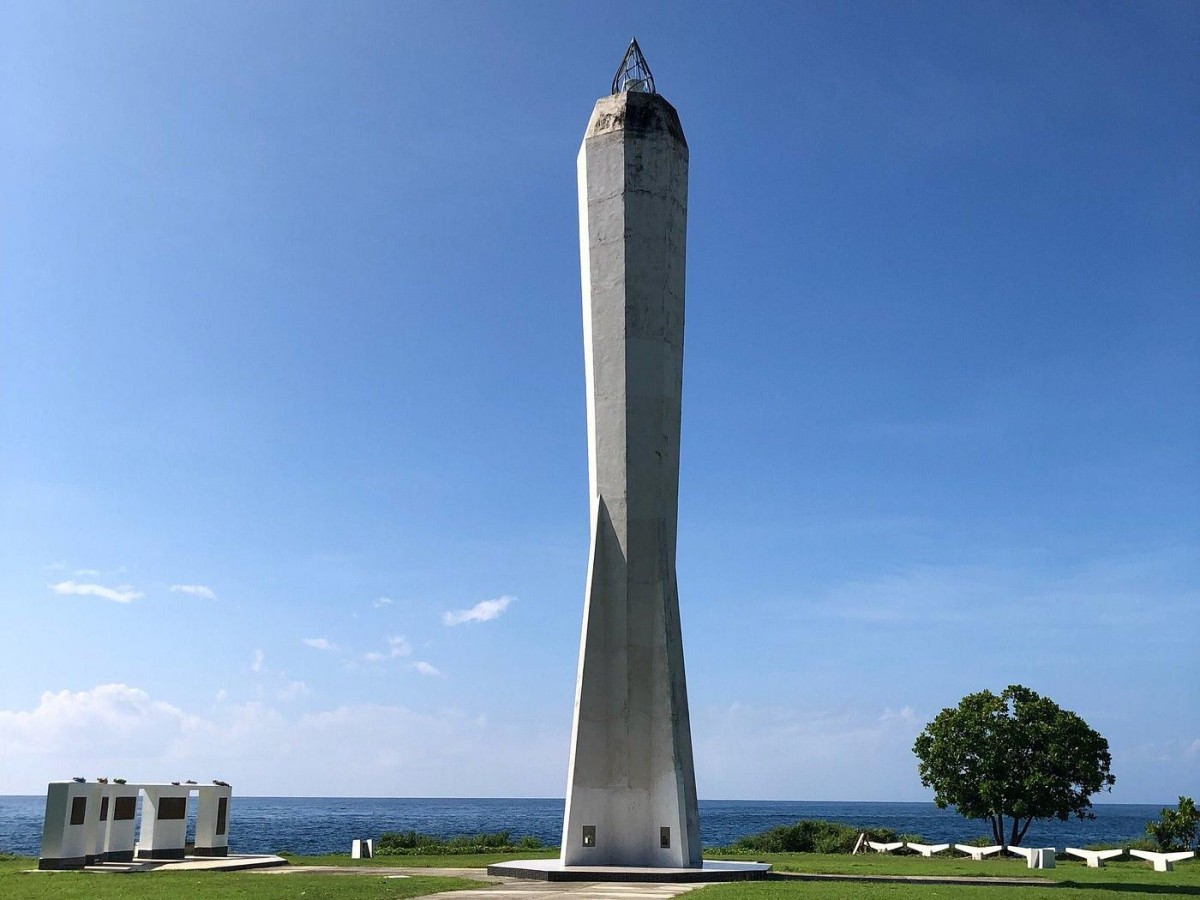
The lighthouse itself is not very tall, about 10 meters high, and its white tower has a simple beauty in the sunlight. Beside it is a slightly elevated grassy area where you can overlook the distant bay and small islands; below are a few rocks suitable for sitting, with crystal-clear water visible at your feet. There are no fees, no barriers, no crowds of tourists, and little artificial decoration—everything is natural.
You can:
Sit on the rocks and watch the sea for an hour;
Write in your travel journal, take photos, and watch the fishing boats sail away;
Lean against a coconut tree and daydream, listening to the sound of the wind rustling through the leaves;
Or chat with the locals strolling by—they’ll enthusiastically tell you where to find the most authentic “kokoda” (local pickled fish).
Even more romantic is the soft light at dusk, when the lighthouse glows gently in the sunset, and the sea turns from blue to orange. Take a silhouette photo—no filters needed for a stunning shot.
The path to Kalibobo is not only scenic but also a journey into the daily life of Madang. You'll walk from the city's edge to the village boundary, passing:
Traditional bamboo-walled houses: some still feature totem decorations, reflecting the cultural heritage of the Tolai and Madang communities that coexist here;
Handicraft stalls: women sit by the sea weaving grass baskets and making shell necklaces. They don’t actively sell their wares but welcome you to stop and watch;
Churches and community halls: you can see children playing soccer on the lawn after school or gathered around for outdoor classes;
Community music: At certain times, you may hear the sounds of hand drums and choirs, especially on weekends, when small outdoor gatherings are often held near the lighthouse, and occasionally weddings take place.
These everyday fragments make you not just a tourist but a temporary guest on your journey. You will discover that Madang is not merely a scenic destination but a place where people live, and this “authenticity” is a precious quality often missing from many tourist spots.
If you’re planning to walk this relaxing path yourself, the following information may be very useful:
Best Time: 6:30–9:00 AM or 4:00–6:00 PM, avoiding the midday heat while enjoying the best lighting;
Transportation: Walkable from Madang city center, no special transportation required;
Safety: Very safe during the day, with friendly locals, but sparsely populated at night, so not recommended for evening visits;
Dress Code: Breathable clothing, hats, sunscreen, sandals, or comfortable shoes are all acceptable;
Essentials: Bring water, insect repellent, a camera or phone (plenty of photo opportunities);
Admission: No entrance fee for the lighthouse area, fully open;
Dining and Rest: It is recommended to walk back to Madang Resort or the city center for meals, as there are no shops near the lighthouse;
Special Note: Bring a picnic blanket and snacks, as many local families picnic on the lighthouse lawn, creating a warm and cozy atmosphere.
Additionally, during weekends or festivals, the community occasionally sets up a small stage near the lighthouse to host cultural performances such as traditional dances, drum music, and bamboo flute performances, offering an excellent opportunity to experience local culture.
The meaning of travel is often not about how many sights you see or how many photos you take, but about finding a rhythm in which you are willing to pause and breathe. Kalibobo Lighthouse is such a place. It is simple, uncommercialized, and quiet, but it sincerely welcomes you to approach and linger briefly at its base. You may not remember how many steps it has, how big the lightbulb is, or how long its history is, but you will remember standing there for a long time in the sea breeze, letting your mind wander in the shimmering waves, and finally finding peace with yourself at the edge of the small town.