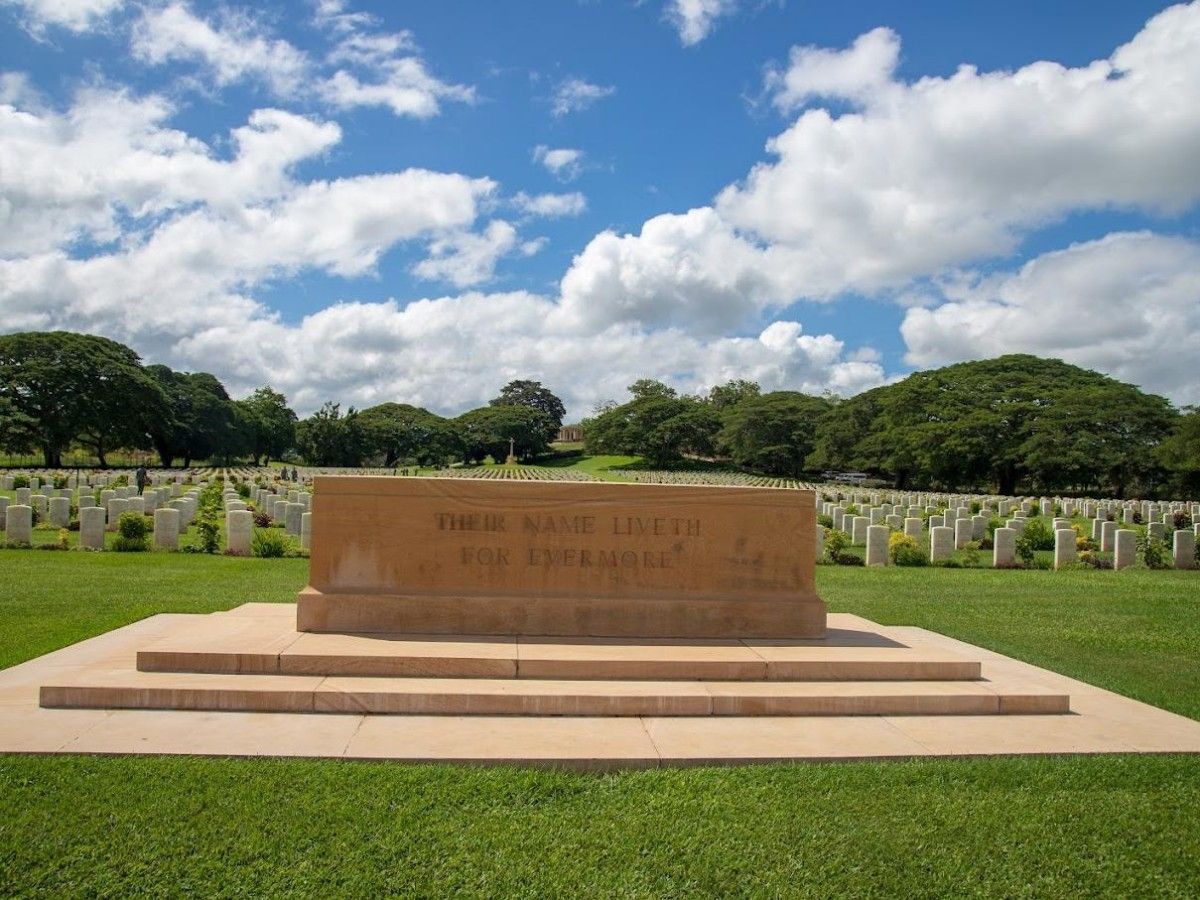
In the eastern suburbs of Port Moresby, the capital of Papua New Guinea, there is a solemn Bomana War Cemetery. This cemetery is famous all over the world. It is not only a memorial site, but also a witness to a heavy history. It carries the stories of countless brave soldiers and contains profound cultural and historical values.
Advertisement
The fame of Bomana War Cemetery first stems from its historical background closely linked to World War II. During World War II, Papua New Guinea was in an important strategic position and became a battlefield for fierce confrontation between the Allied forces and the Japanese army. In 1942, the Japanese army landed in Papua New Guinea, and then the two sides launched a series of arduous battles here, such as the famous Battle of the Kokoda Trail. In this battle, the Australian and Papua New Guinean troops stubbornly resisted the Japanese attack under harsh terrain and climatic conditions. Many young soldiers charged into battle in the hail of bullets, shed their blood on this land to defend their homeland and justice. After the war, the Bomana War Cemetery came into being to commemorate the soldiers who died in these battles. Nearly 3,800 Allied soldiers who died for their country in World War II are buried here, most of whom are Australians. Behind each tombstone is a living life. They gave everything for the cause of peace. This tragic history makes Bomana War Cemetery an important place for people to remember the martyrs and remember history.
Advertisement
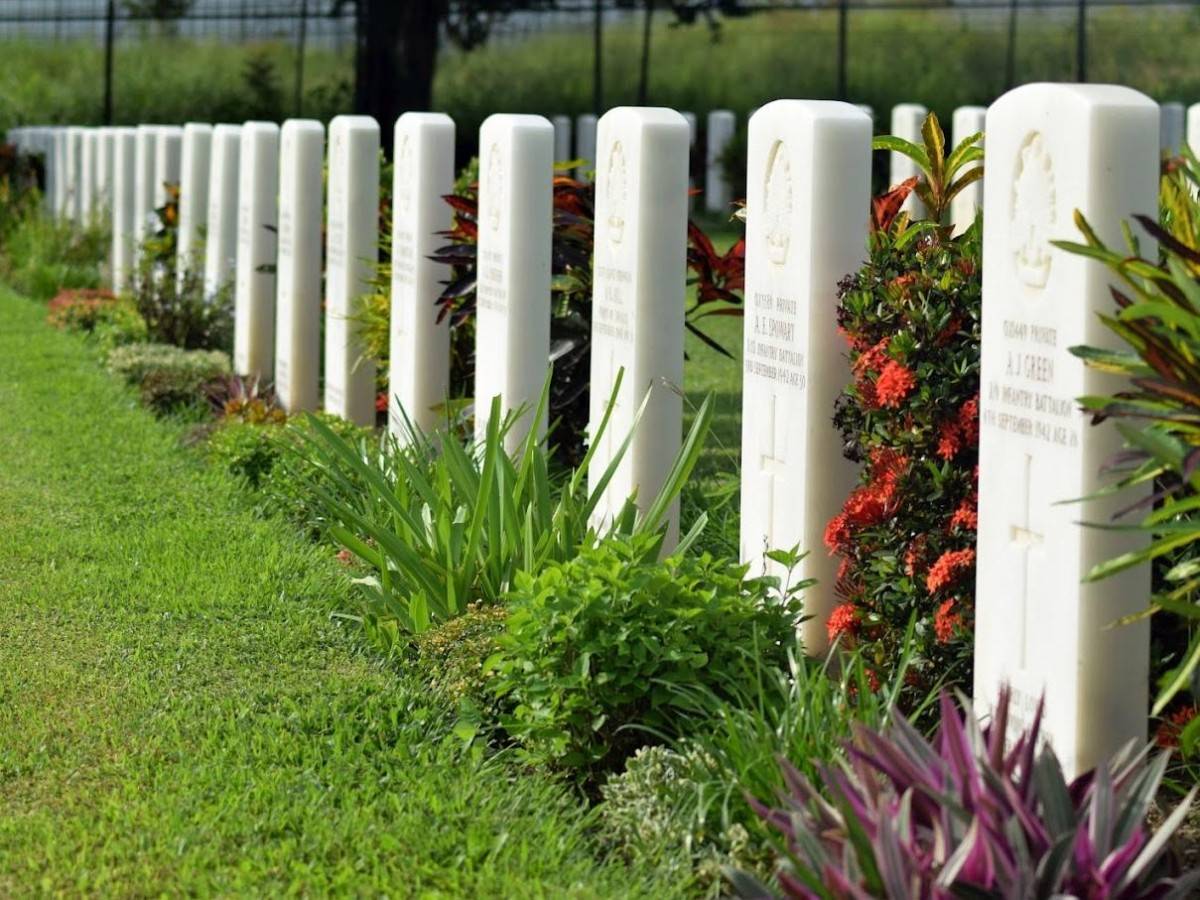
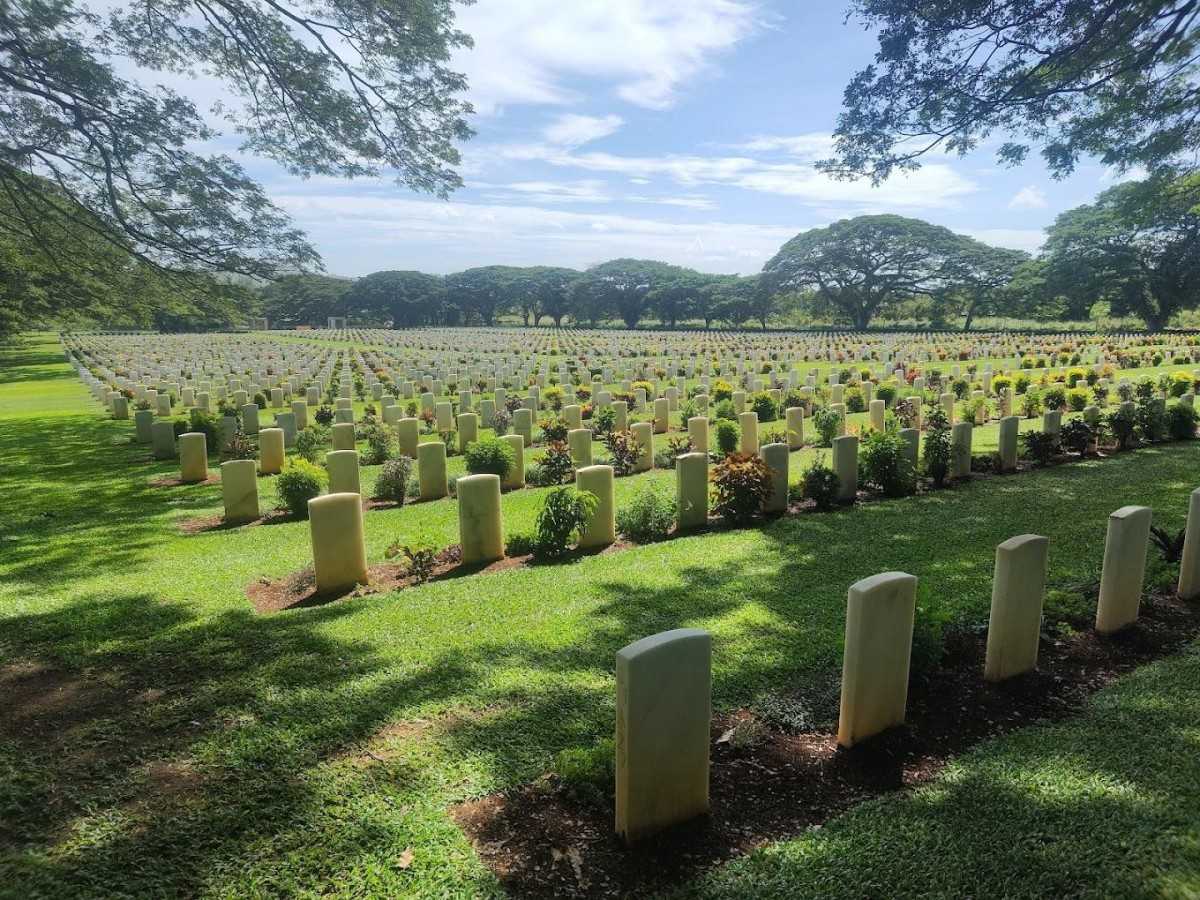
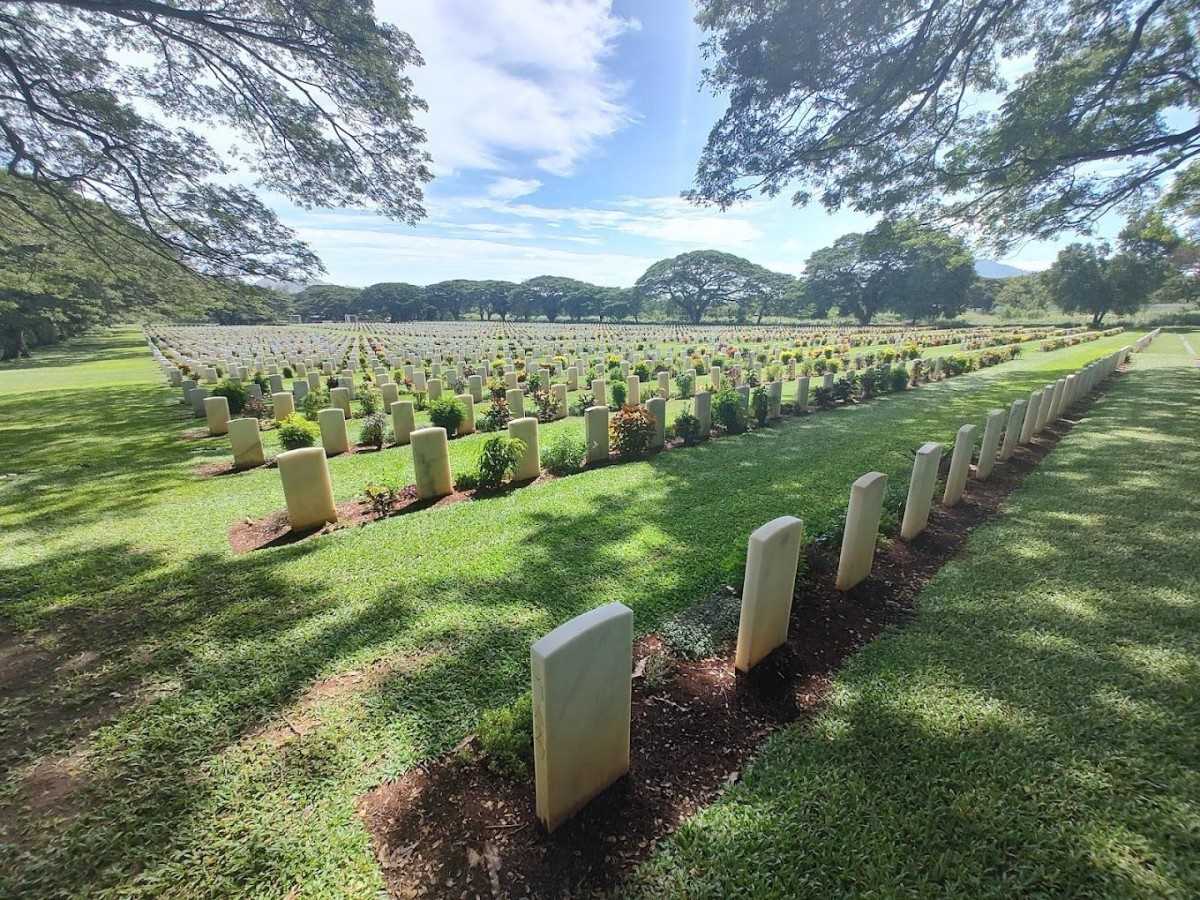
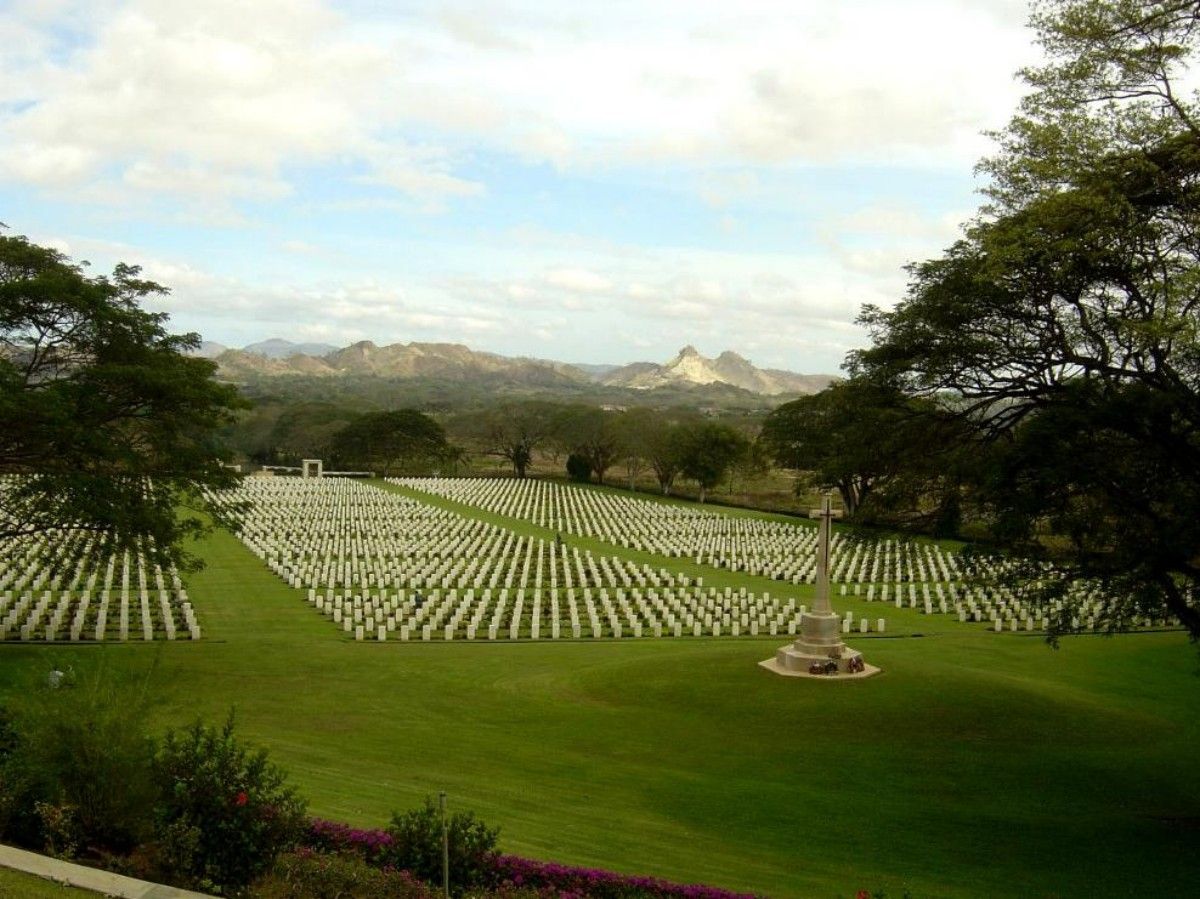
The scale and layout of Bomana War Cemetery are also important factors in its fame. The cemetery covers a large area and is very well planned. When you step into the cemetery, you will see rows of neatly arranged white tombstones, which are like soldiers marching in a solemn formation, silently telling stories of the past. The tombstones are arranged in order according to the military organization, nationality, etc. This regular layout reflects the respect and reverence for the deceased. In the center of the cemetery stands a majestic memorial tower, which stands tall, as if announcing the heroic deeds of these soldiers to the world. The memorial tower is engraved with the names of soldiers who died in the war but whose bodies could not be found, so that they can also be remembered by future generations. Surrounding the memorial tower are carefully trimmed lawns and lush trees. These green plants not only create a quiet and solemn atmosphere for the cemetery, but also symbolize the continuation and hope of life. The grandeur and regularity of the entire cemetery bring a strong visual impact and spiritual shock to everyone who comes to visit, and also make it stand out among many war memorial sites.
Advertisement
For countries such as Australia and Papua New Guinea, the Bomana War Cemetery has irreplaceable memorial significance. It is an eternal tribute to the soldiers who bravely sacrificed their lives for their country and freedom. Every year, on important memorial days, such as ANZAC Day, grand memorial activities are held here. Government officials, soldiers, citizens, students and other people from all walks of life in Australia and Papua New Guinea come here one after another. With reverence, they lay wreaths, pay silent tributes, and remember the great achievements of the martyrs. Here, people can deeply feel the cruelty of war and the hard-won peace. For the families of the fallen soldiers, the Bomana War Cemetery is their spiritual sustenance. Although their loved ones have left, their heroic souls are resting here. Family members can come here to have a dialogue across time and space with their deceased loved ones and express their endless thoughts. This strong memorial significance makes the Bomana War Cemetery a spiritual bond connecting the past and the present, the living and the dead, and occupies an extremely important position in people's hearts.
Bomana War Cemetery also contains unique cultural value. It witnesses the deep friendship between Australia and Papua New Guinea during World War II. This friendship is not only reflected in the mutual support during the war, but also continued in the cooperation and exchanges between the two countries in various fields after the war. The existence of the cemetery is a constant reminder of the difficult times that the people of the two countries have experienced together, and promotes the integration and understanding of the cultures of the two countries. In addition, the tombstone design in the cemetery, the architectural style of the memorial tower and the surrounding environment layout all incorporate cultural elements of Australia and Papua New Guinea. In addition to the basic information such as the name and rank of the deceased, there are also some patterns that reflect personal characteristics or military logos on the tombstones. These details reflect the way of commemorating the deceased under different cultural backgrounds. From the perspective of cultural communication, Bomana War Cemetery has attracted many tourists and scholars from all over the world. While learning about the history of World War II here, they can also deeply experience the collision and integration of different cultures under the background of war, which further enhances its global popularity.
The Bomana War Cemetery has become a world-renowned war memorial site with its special historical background, grand and regular scale layout, profound commemorative significance and unique cultural value. It always reminds people to cherish peace and respect the martyrs who have heroically sacrificed for the cause of peace. It is famous not only for its existence, but also for the history and spirit it carries, which will always shine in people's hearts.