On the Patagonian Plateau in southern Argentina, between the Andes and the Atlantic Ocean, a deep blue body of water is set between glaciers and snow-capped mountains - this is Lago Argentino. As one of the largest glacial lakes in South America, it attracts travelers from all over the world with its 1,414 square kilometers of vast waters, the spectacle of an 80-meter-high ice wall, and the mysterious legend of the water monster. It is not only a paradise for nature lovers, but also a frozen geological epic, witnessing millions of years of glacial movement.
Advertisement
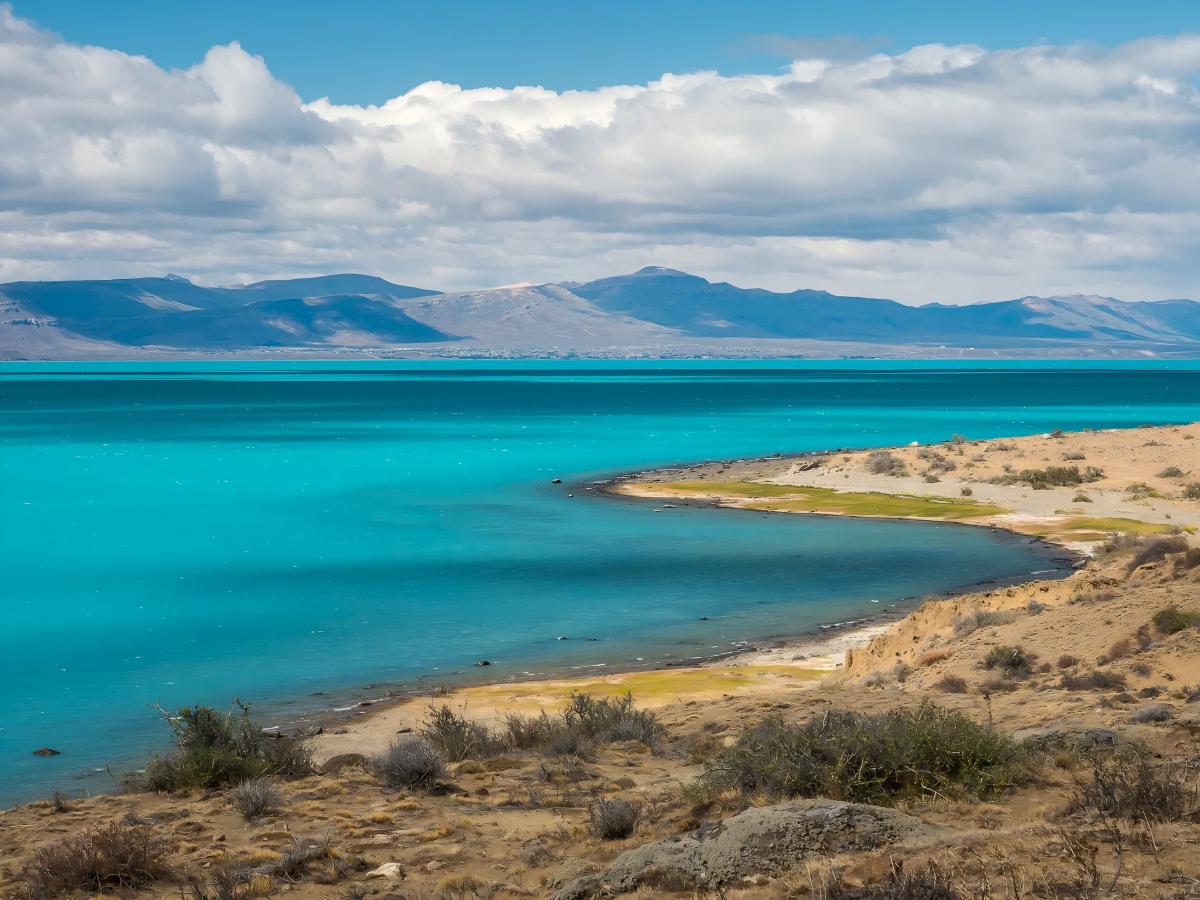
Located in the province of Santa Cruz and nestled in the eastern foothills of the Andes, Lake Argentina is an important part of the Patagonian Ice Sheet. Its water is mainly derived from the meltwater of more than 150 surrounding glaciers, and with a maximum depth of 500 meters, it ranks among the top 20 deepest lakes in the world. Due to the glacier grinding minerals suspended in the water, the lake surface shows a unique emerald color, with the light changes show varying shades of blue-green luster, like a huge gem inlaid in the wilderness.
Advertisement
The formation of the lake is closely related to the retreat of the Patagonian Ice Sheet. About 12,000 years ago, glacial movements cut deep canyons, and when the ice caps melted, the water accumulated and became lakes. Today, there are still glaciers such as Moreno and Uppsala that extend right up to the shore of the lake, forming “ice tongues”. When a huge ice cube breaks off and crashes into the lake, the roar reverberates through the valley, a spectacular sight.
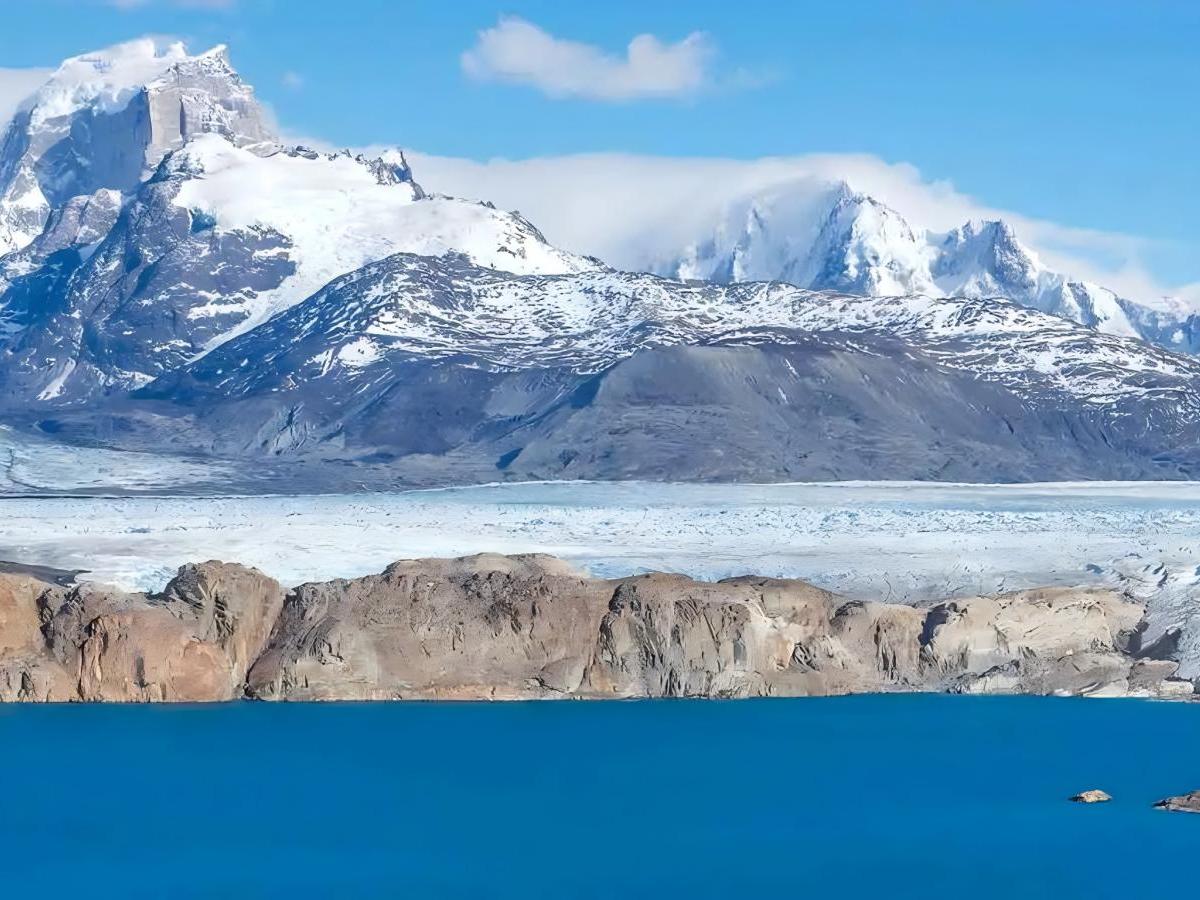
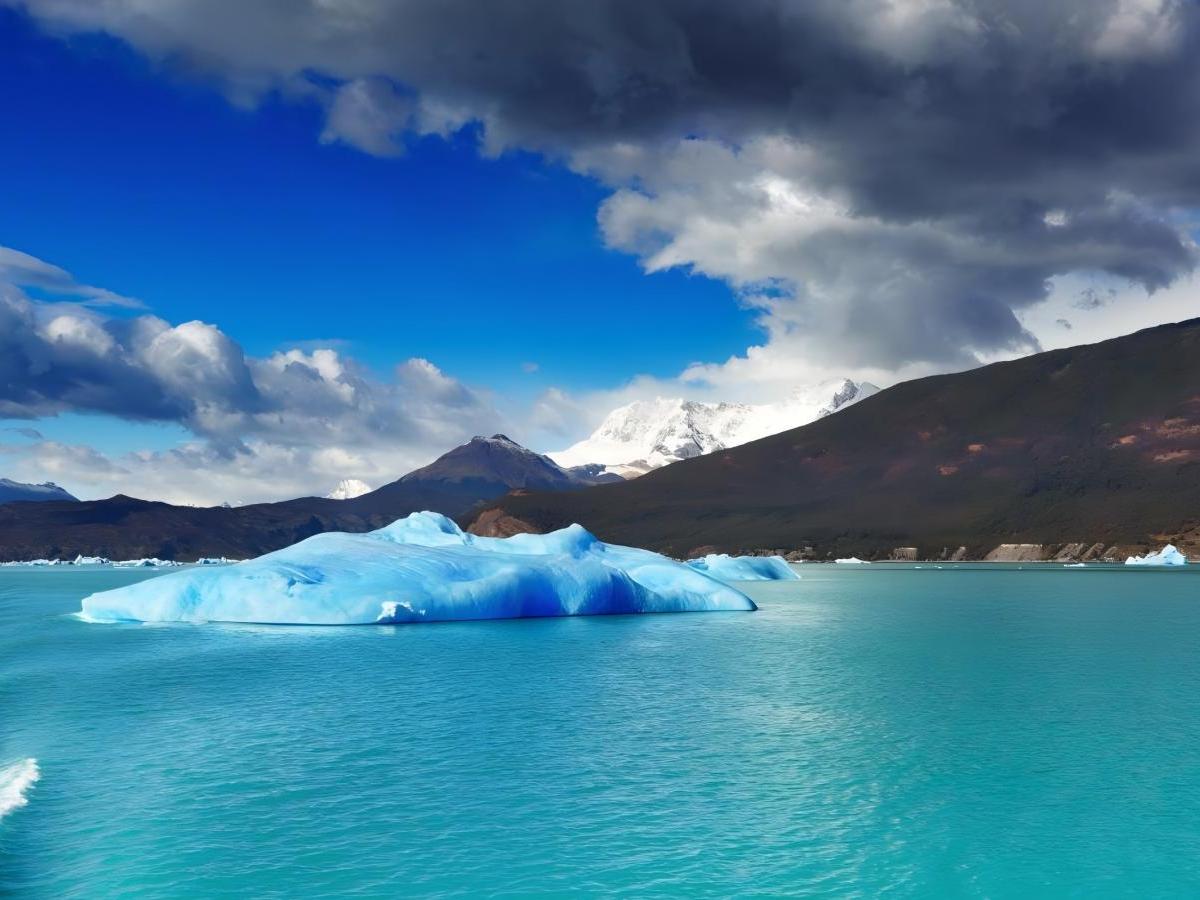
Upsala Glacier: The largest ice sheet in the southern hemisphere, the Glaciar Upsala is one of the most famous glaciers on Lake Argentina, with a surface area of 780 square kilometers and a tongue of ice that extends to the center of the lake, forming a vertical wall of ice up to 60 meters high. When approached by boat, the wall's blue-white texture reflects fantastically in the sunlight, and the broken ice floats on the surface of the lake like a flowing crystal maze. Visitors can choose to take a boat or kayak to observe the glacier up close and feel the majesty and fragility of the glacier.
Advertisement
Moreno Glacier: The eternal dancer of ice, the Glaciar Perito Moreno is one of Argentina's most famous glaciers, even though it is located about 80 kilometers west of Lake Argentina. One of the few active glaciers still advancing, its tongue of ice clogs the surface of the lake every few years, forming a natural dam that eventually collapses under the pressure of the water, triggering a stunning “ice avalanche” phenomenon. Visitors can hike to the Glacier Viewing Platform or join the “Big Ice Trek”, where they can step onto the ice with a professional guide and explore the mysterious world of ice cracks and ice caves.
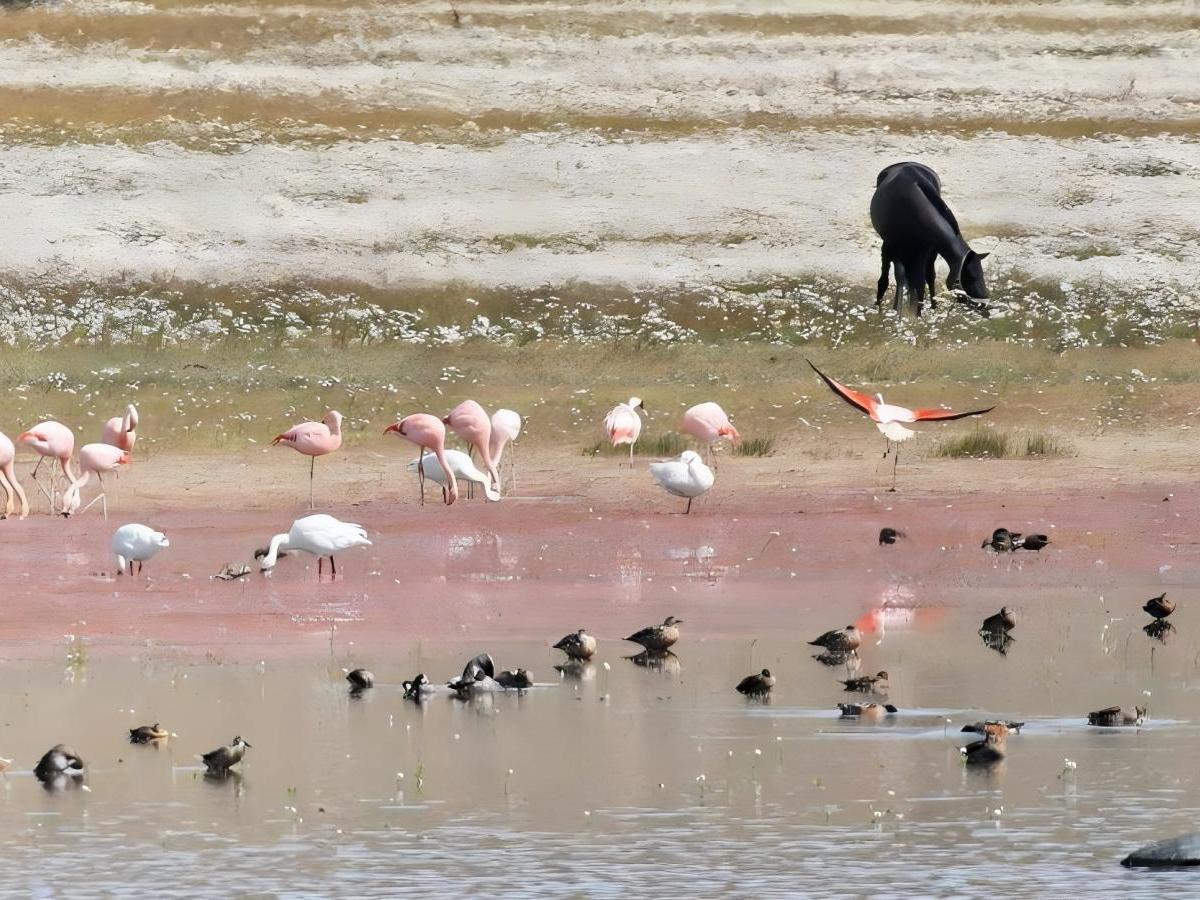
The ecosystem around Lake Argentina is equally amazing. Drought-resistant shrubs and mosses grow along the shores of the lake, while beech and fir forests are found at higher altitudes. The lake is home to many bird species, including black-necked swans, flamingos and Andean vultures. The Reserva Natural Laguna Nimez, on the eastern shore of the lake, is a birdwatcher's paradise, where visitors can observe more than 200 species of birds, including the endangered Chilean flamingo.
The lake is home to cold-water fish such as rainbow trout and brown trout, which attract anglers. In addition, the grasslands around the lake are home to the occasional guanaco and fox, which, along with the glaciers and lakes, form a unique ecological landscape in Patagonia.
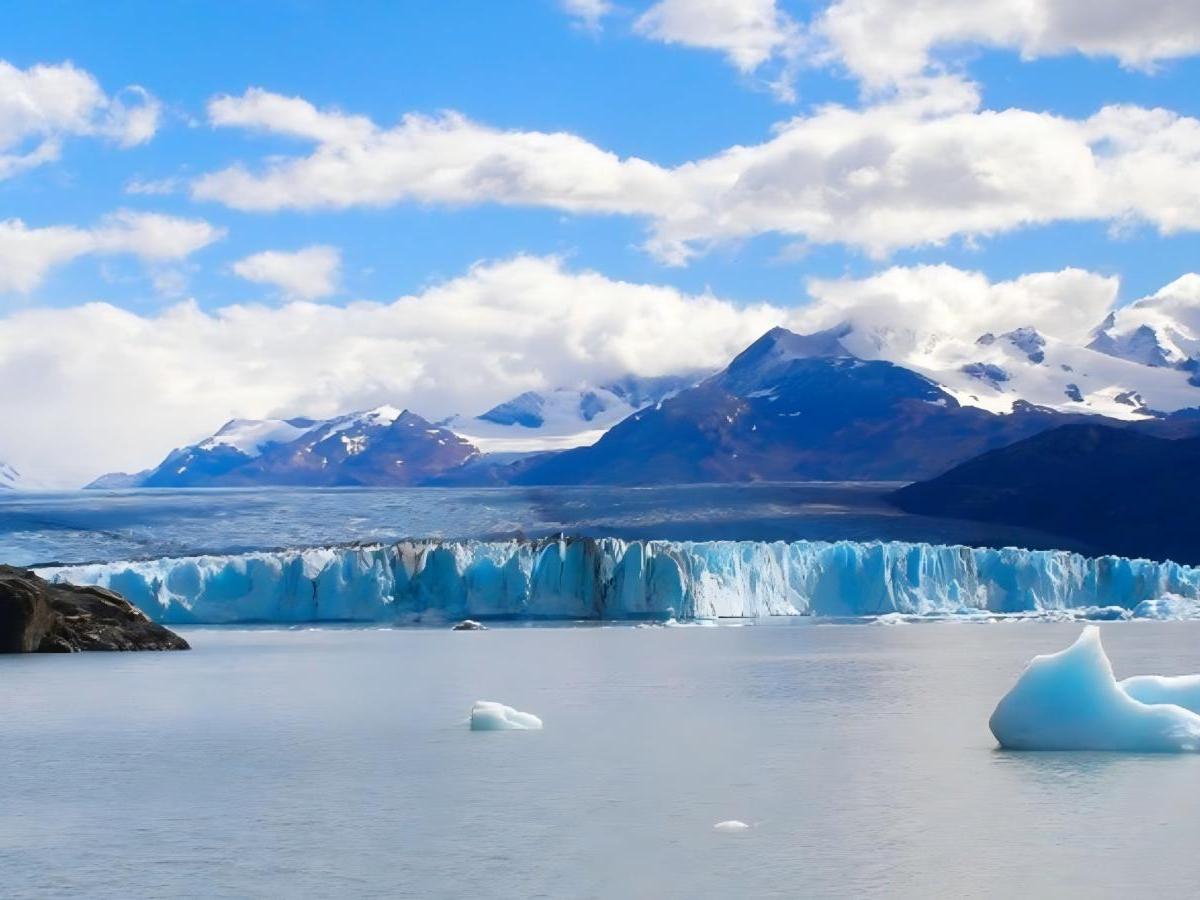
Hike the Great Icefield, don ice crampons, explore the ice of the Moreno Glacier with a professional guide, and get a close-up look at blue ice caves. There's also the Uppsala Glacier Cruise, take an icebreaker ride through an ice floe area and feel the crush of giant ice blocks. Ice camping: pitch your tent at the edge of the glacier and look up at night at the bright stars of the southern hemisphere.
Cycling and horseback riding across the lake, Lake Argentina's Ring Road is an ideal route for cycling enthusiasts. Starting from El Chaltén, the ride follows the shore of the lake, alternating between snow-capped mountains, forests and lakes. For a more authentic Patagonian experience, ride through the grasslands, visit Gaucho ranches, and savor the traditional asado.
Cultural explorations and monster lore add a touch of fantasy to the mystical legends of Lake Argentina. Since the 19th century, native peoples and European settlers have reported sightings of a 10-15-meter-long, snake-necked dragon called the Nahuelito. Although its existence has yet to be confirmed by science, tourists continue to come every year to try to catch a glimpse of this mysterious creature. A small museum in El Chalten contains reports of sightings and related artifacts.
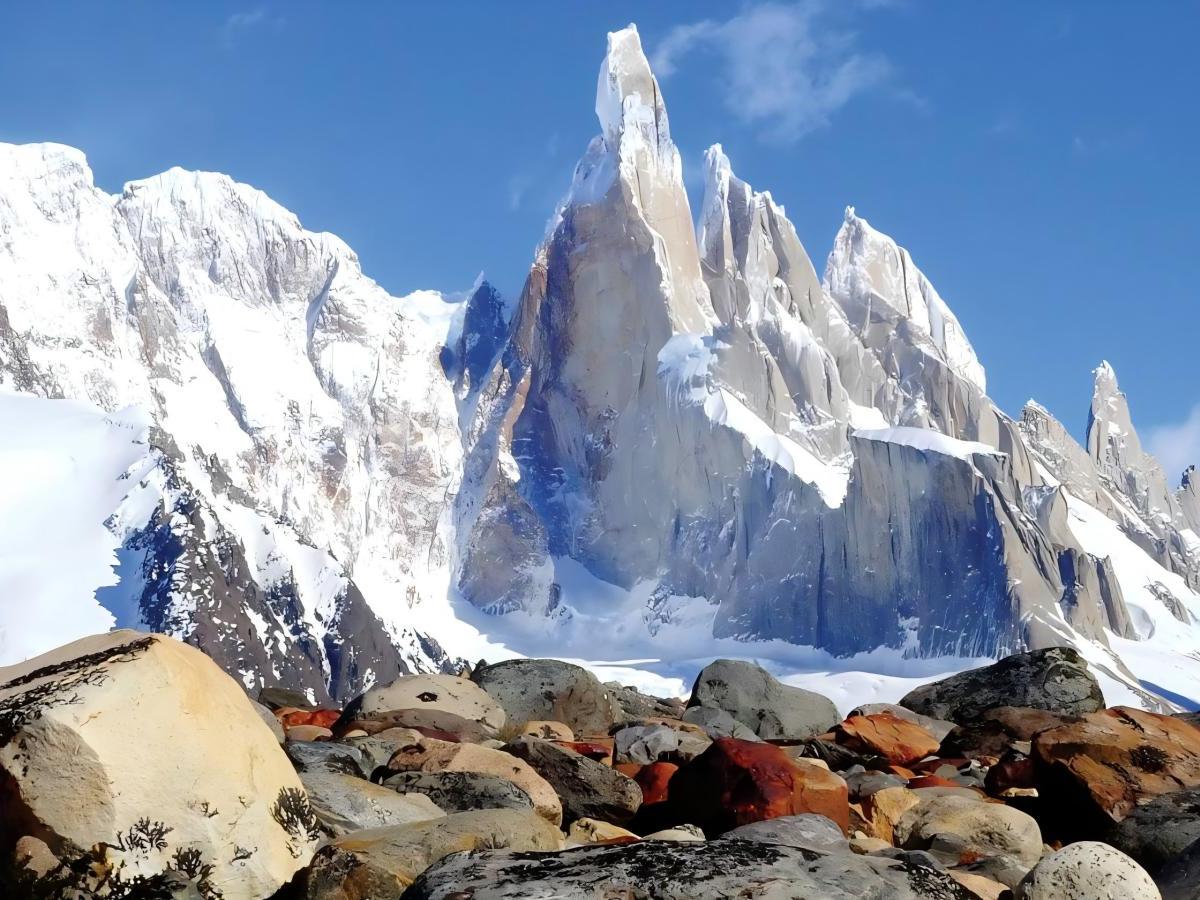
El Chalten: A hiker's paradise, El Chalten, on the southwestern shore of Lake Argentina, is known as the “hiking capital of the world”. Not only is it the gateway to exploring the Moreno Glacier, but it also boasts several classic hiking routes, such as the “Circuito Fitz Roy” (Fitz Roy Mountain Loop), which offers a close-up view of the granite giants at an altitude of 3,405 meters.
Town of El Calafate: A hub for glacier tourism and the main entrance to Lake Argentina, the town of El Calafate is known for its glacier-themed museums, chocolate workshops and specialty barbecue restaurants. Visitors can restock their supplies, book a glacier adventure tour, or take an evening stroll along the lakeshore to enjoy the breathtaking sight of the setting sun coloring the snow-capped mountains gold.
The Route of the Seven Lakes: An emerald necklace of nature, if you have enough time, you can drive along the “Route of the Seven Lakes” (Ruta de los Siete Lagos), which links seven alpine lakes such as Lago Argentino and Nahuel Huapi. Along the way, snow-capped mountains, forests and pastures are intertwined, and every turn of the road offers new surprises.

The cold waters of Lake Argentina are rich in rainbow trout and brown trout, which are firm and flavorful. Try the smoked trout with glacier berry sauce, which balances the delicacy of the fish with the sweetness and tartness of the berries. La Anónima in El Calafate specializes in lake food, and its trout sashimi with lime and olive oil is excellent. El Cucharón's trout stew (Trucha al Horno), slow-cooked in glacial meltwater and served in a rich broth, is a great way to warm up in winter.
Glacial blue ice meets dessert: at Cacao & Cía, a chocolate workshop in the town of El Calafate, you can sample handmade chocolates made with glacial meltwater. Recommended Blue Ice Chocolate, inspired by glacial minerals, is covered in crushed cocoa and infused with espresso for a bittersweet blend. In addition, the local Mantecol ice cream store is known for its wild blueberry flavor, which blends sweet and tart fruitiness with rich creaminess. For a specialty dessert, the Dulce de Leche Pancakes (pancakes with caramel sauce) are a perfect choice, and paired with glacier-brewed coffee, the feeling of well-being is overpowering.
Aboriginal flavors with a modern twist: at Fueguino in El Chalten, try the creative fusion of Aboriginal cuisine. Lengua de Guanaco (camel's tongue) is slow-cooked in red wine to give it a crispy texture, while Empanadas de Lobo (wolf dumplings) are flavored with game and spices to bring out the wild charm of Patagonia. Puchero de Cordero (lamb stew) is a warming and nourishing stew made with local herbs and glacier water.
Lake Argentina, the blue heart surrounded by glaciers and snow-capped mountains, is not only a living fossil of the earth's geologic movements, but also a sacred place where mankind can have a dialogue with nature. When you stand in front of the Uppsala Glacier, listening to the roar of the ice falling into the lake, or meditating under the starry sky of El Chalten, you will understand: true travel is not about conquering nature, but about integrating into it, so that every breath becomes a salute to life. Perhaps this is the ultimate charm of the Argentine Lake -- it is always there, with a thousand years of unchanged posture, waiting for every brave person, with feet to measure its depth, with the heart to feel its eternity.