
Advertisement
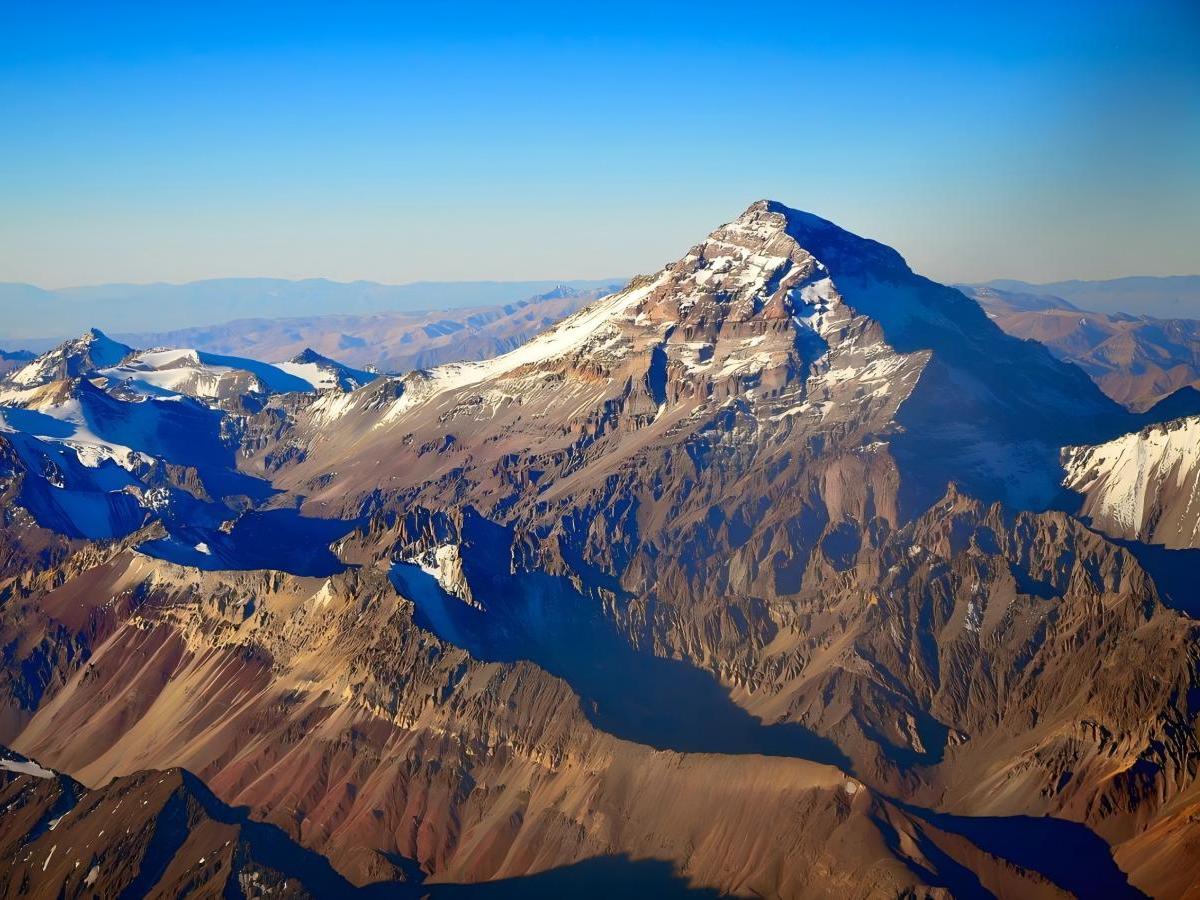
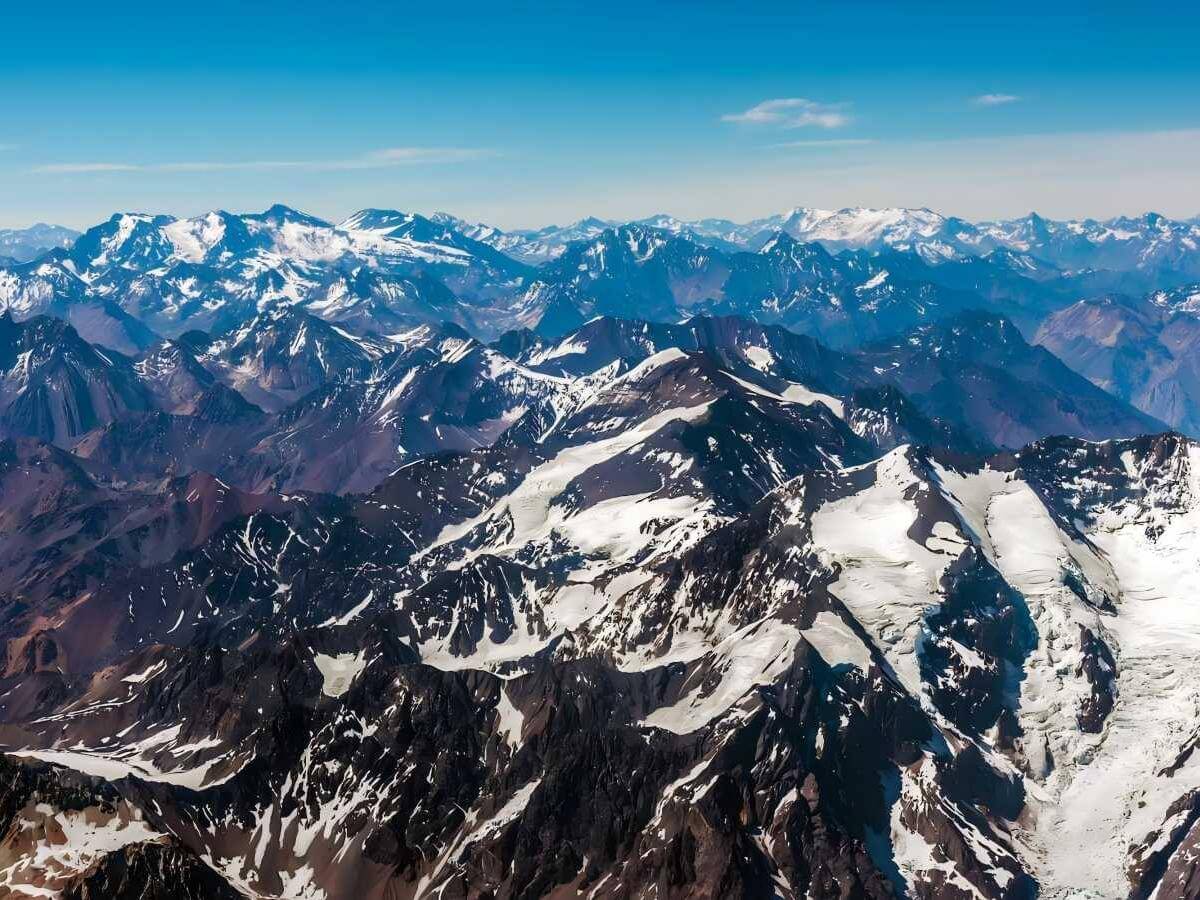
In the western part of the South American continent, a majestic mountain range like a dragon winding coiled, it is the Andes. As the longest mountain range in the world, the Andes span a number of countries, including Venezuela, Colombia, Ecuador, Peru, Bolivia, Chile and Argentina, and are not only blessed with breathtaking natural landscapes, but also with a deep historical and cultural heritage. Whether you're an adventurous traveler, a photographer with a passion for natural beauty, or a history buff with a desire to explore ancient civilizations, the Andes will satisfy your expectations and provide you with a trip of a lifetime.
Advertisement
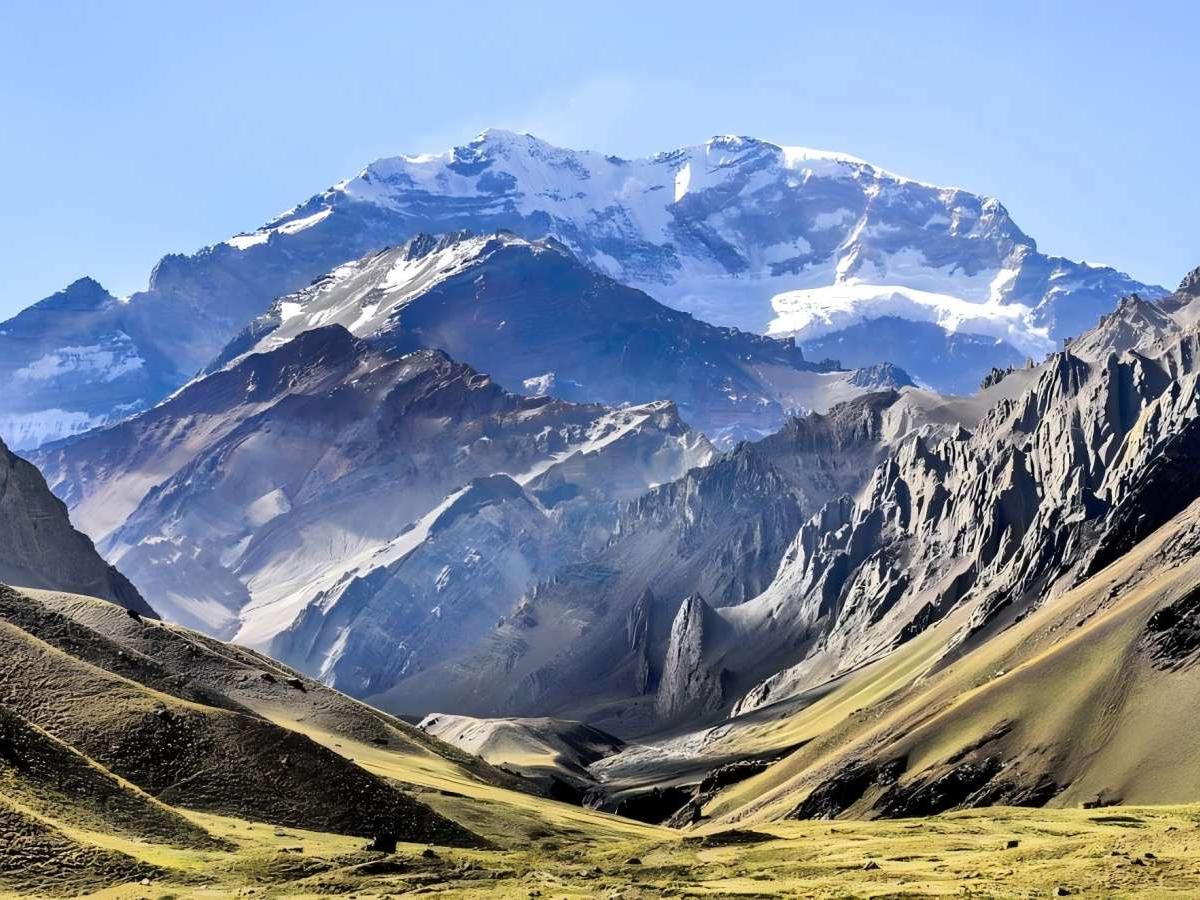
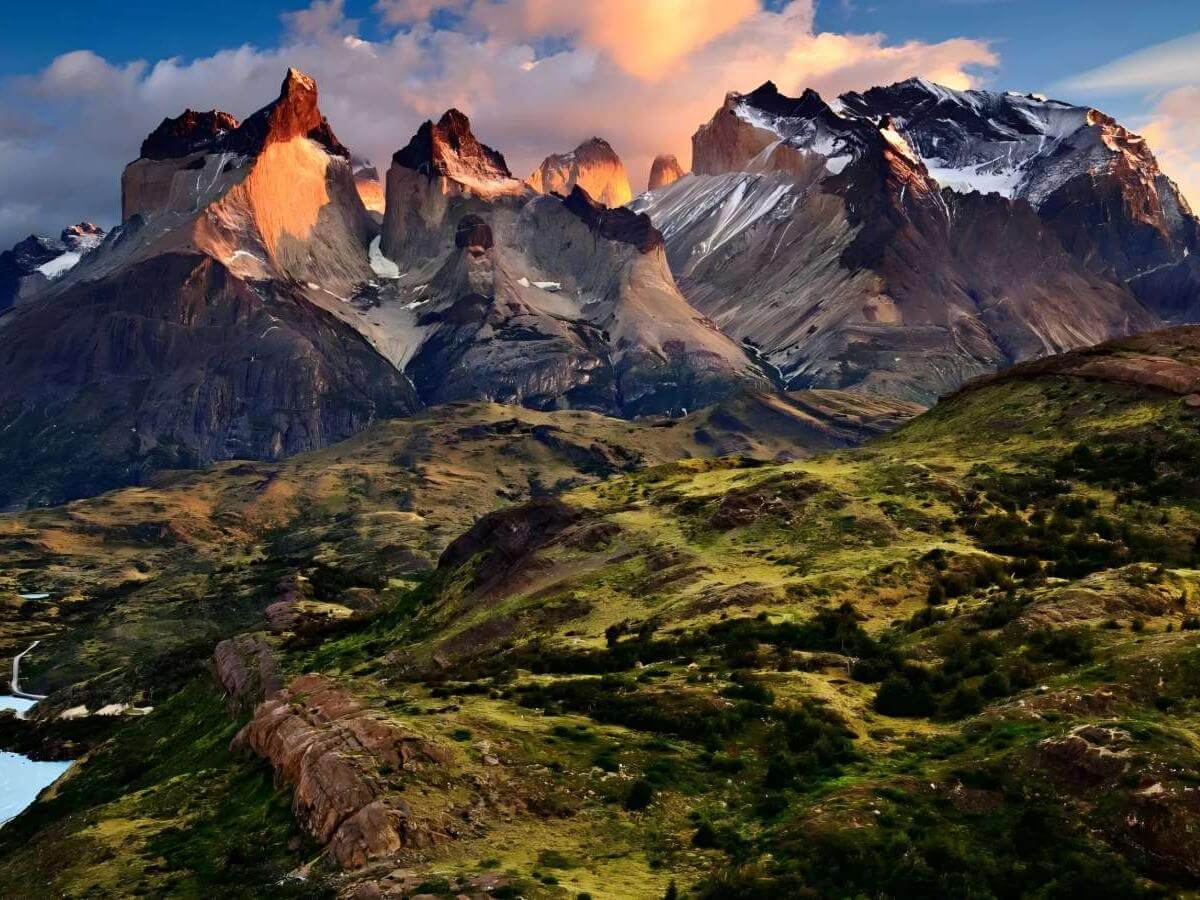
The Andes span different climatic zones from north to south, resulting in an extremely diverse geography. In the northern region, cloudy rainforests and snow-capped peaks contrast with each other, and the unique ecological environment has bred countless rare plants and animals. The central Andes are dominated by plateaus and salt lakes, and the Uyuni Salt Lake is like a huge mirror, which reflects the sky and distant mountains after rain, like a dream, attracting a large number of tourists to take pictures. The Andes in the south show a cooler side, with glaciers, fjords and dense forests forming a magnificent picture. Here you can enjoy the spectacular view of the Perito Moreno Glacier, a huge glacier shining blue in the sun, and from time to time you can hear the roar of the glacier breaking off, giving you a sense of the power of nature.
Advertisement
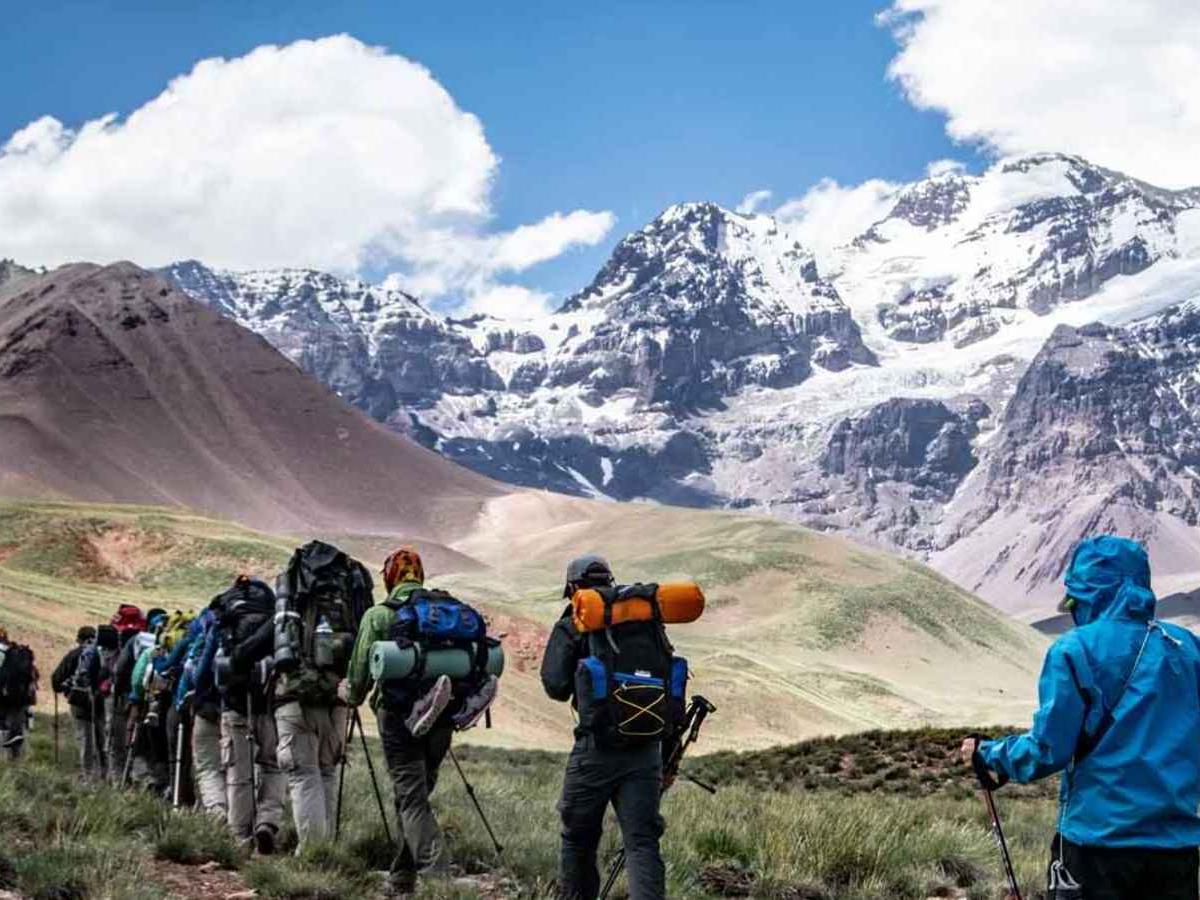
For mountaineering and trekking enthusiasts, the Andes are undoubtedly paradise. Peru's Huascaran National Park, with peaks over 6,000 meters high, attracts climbers from all over the world. The famous Inca Trail is a mecca for hikers, an ancient path that winds along the mountain range and offers breathtaking views of the mountains, ancient Inca ruins and rich cultural landscapes. The entire trek takes approximately 4 days and 3 nights, starting in Cusco and traveling through high mountain valleys, cloud forests, and finally reaching Machu Picchu. During the trek, you will not only experience the charm of nature, but also gain insight into the history and culture of the Inca civilization. In addition, Fitzroy Peak in Argentina is also a popular destination for mountaineers, whose unique mountain shape and changeable climate provide a challenging experience for climbers.
Advertisement
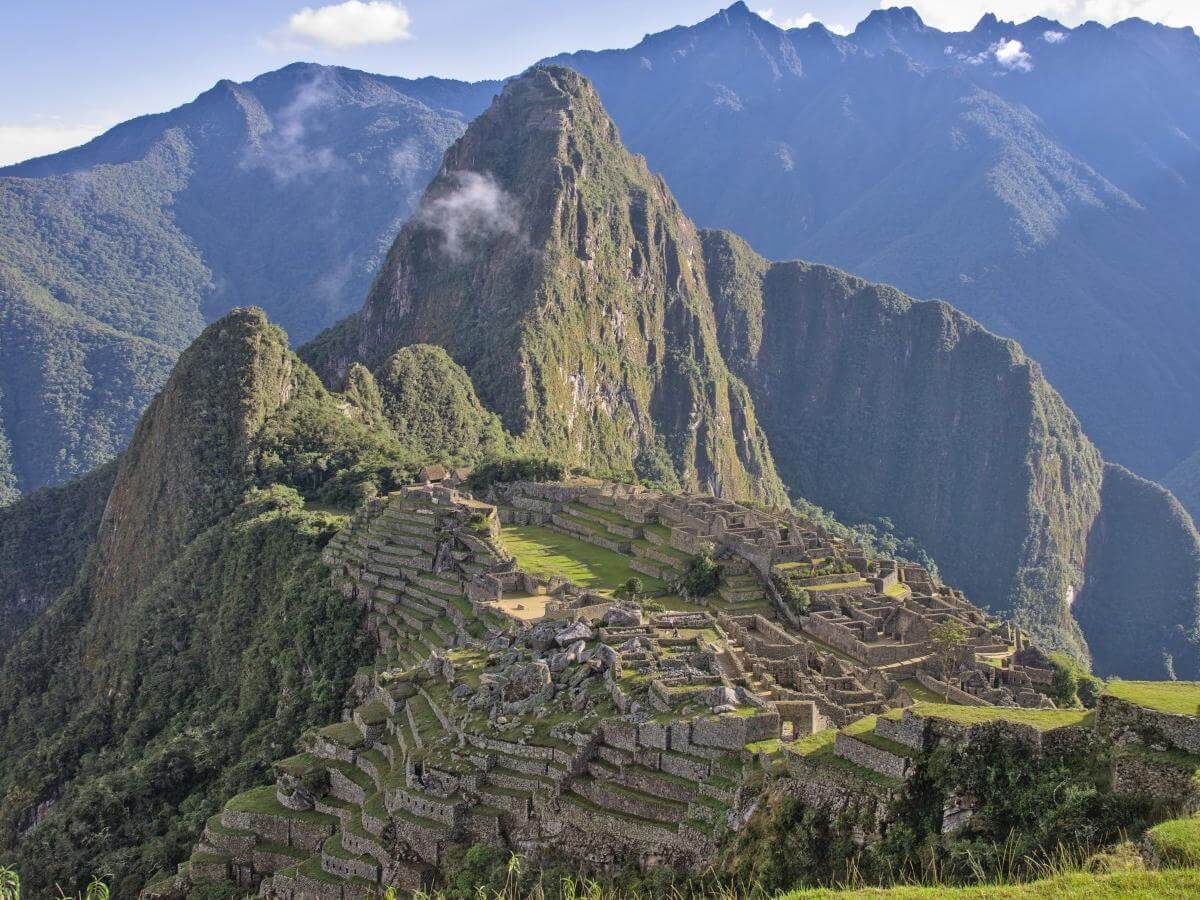
The Andes were the birthplace of the ancient Inca civilization, which left many precious historical sites here. Machu Picchu is undoubtedly the most famous, the Inca site known as “The Lost City”, perched on a ridge at an altitude of 2,430 meters overlooking the Urubamba Valley. It is made of huge blocks of stone and has an elaborate architecture that still amazes people today. Standing on the observation deck of Machu Picchu, looking out at the clouded mountains and ancient buildings in the distance, it is as if you can hear the echoes of history. In addition to Machu Picchu, Cusco, Peru was also an important center of Inca civilization, where a large number of Inca buildings and colonial churches have been preserved, and the two styles have blended with each other to create a unique cityscape. In Cusco, you can visit the Temple of the Sun to learn about the Inca's worship of the sun, and stroll through the narrow streets to taste the local cuisine and experience the city's unique charm.
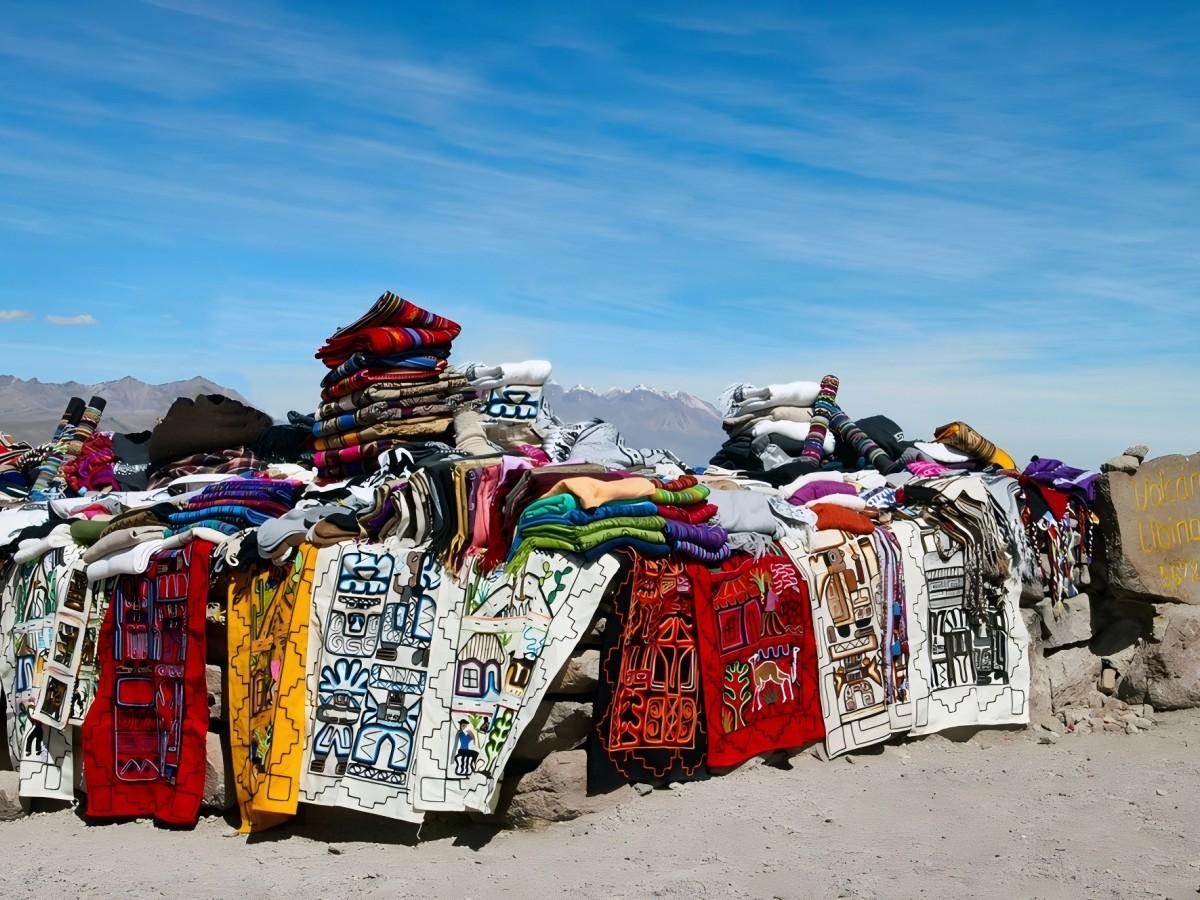
The Andean region is rich in cultural traditions and the local Indians still retain many of their ancient customs and traditions. At the Otavalo Market in Ecuador, you can see Indian women dressed in brightly colored traditional costumes selling handicrafts, agricultural products and textiles. The handicrafts are known for their craftsmanship and unique designs and are a great place to buy souvenirs. Also, in Bolivia's Lake Titicaca, you can visit the floating islands of the Uru people and learn about their unique way of life. The Uru people build floating islands out of reeds and live on them, creating a unique aquatic culture. In Lake Titicaca, you can also take a boat trip to enjoy the scenery of the lake and the charm of this mysterious lake.
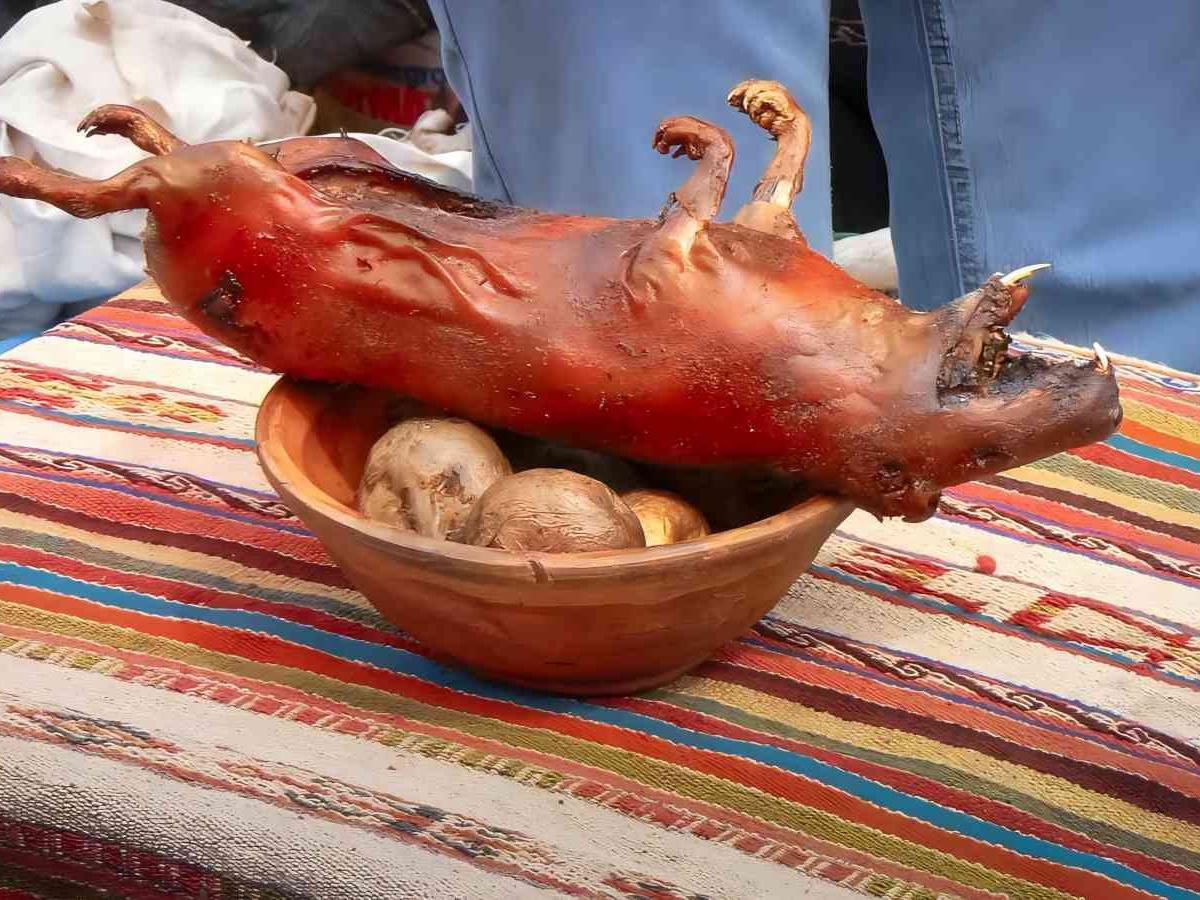
The cuisine of the Andes is also unique, combining Indian, Spanish and African food cultures. Peru is known for its rich and varied cuisine. The national dish of Peru is ceviche, which is made from fresh raw fish marinated in lemon juice, chili peppers and onions, and is deliciously refreshing. Peruvian roasted guinea pig is also a specialty, with its crispy skin and tender meat, it is a traditional local dish. In Bolivia, you can taste a pie called “Saltña”, which is usually filled with beef, potatoes and vegetables, with a crispy skin and rich flavor. Argentina, on the other hand, is famous for its barbecue, where a variety of meats are grilled over charcoal and served with Argentina's unique maté tea.
Traveling to the Andes requires adequate preparation. Due to the high altitude of the mountain range and the thin air, it is easy to have plateau reaction. It is recommended to take precautions in advance, such as taking anti-plateau reaction drugs in advance and avoiding strenuous exercise. In addition, the climate in the Andes is variable, with large temperature differences between day and night, so you need to carry enough warm clothing. In mountaineering and hiking activities, be sure to choose a regular travel agency and tour guide to ensure their own safety. At the same time, respect the local culture and customs, protect the natural environment, so that this beautiful mountain range can always maintain its magnificent and mysterious.
The Andes, this land full of charm, waiting for you to explore. Here, you will appreciate the nature's ingenious workmanship, feel the charm of the ancient civilization, taste the unique cuisine, harvest an unforgettable travel experience. Come on this mysterious land, start your Andean journey!