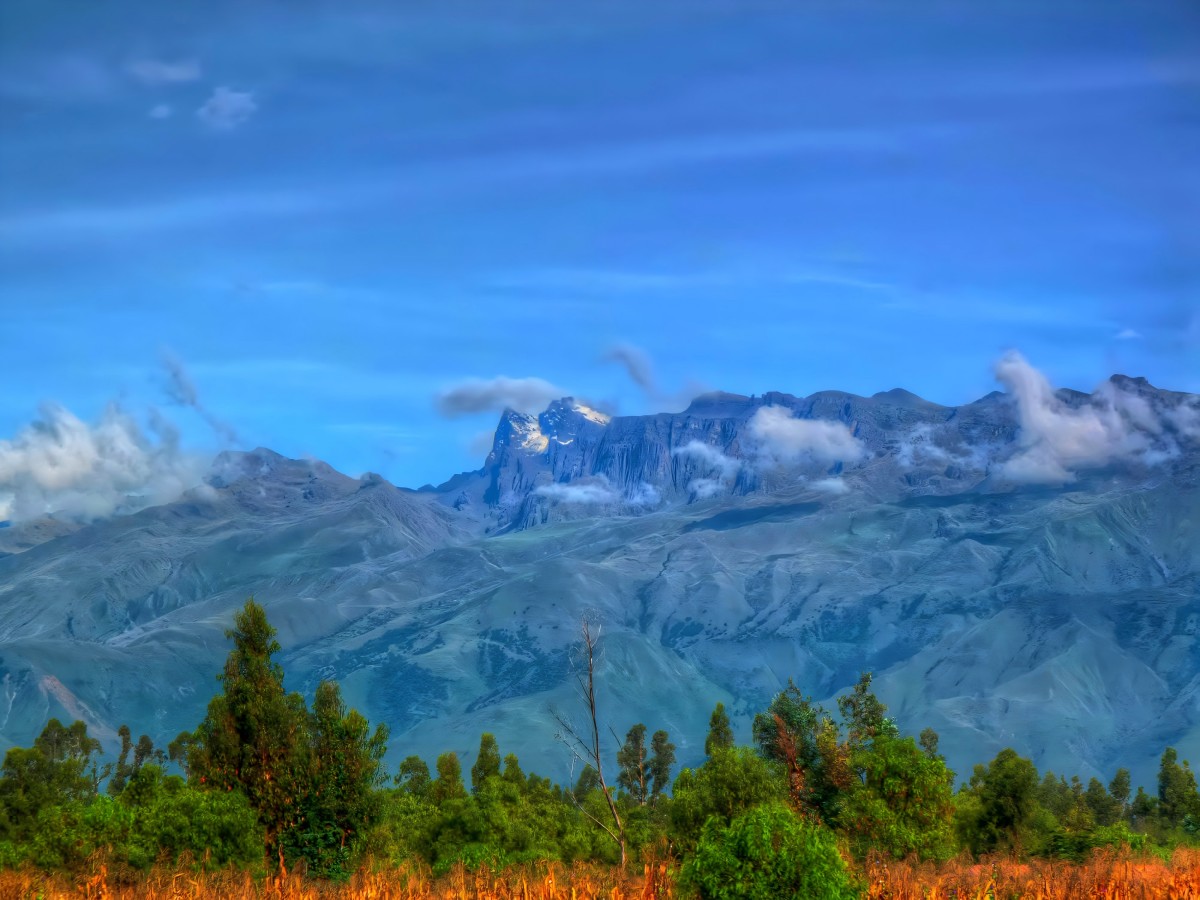
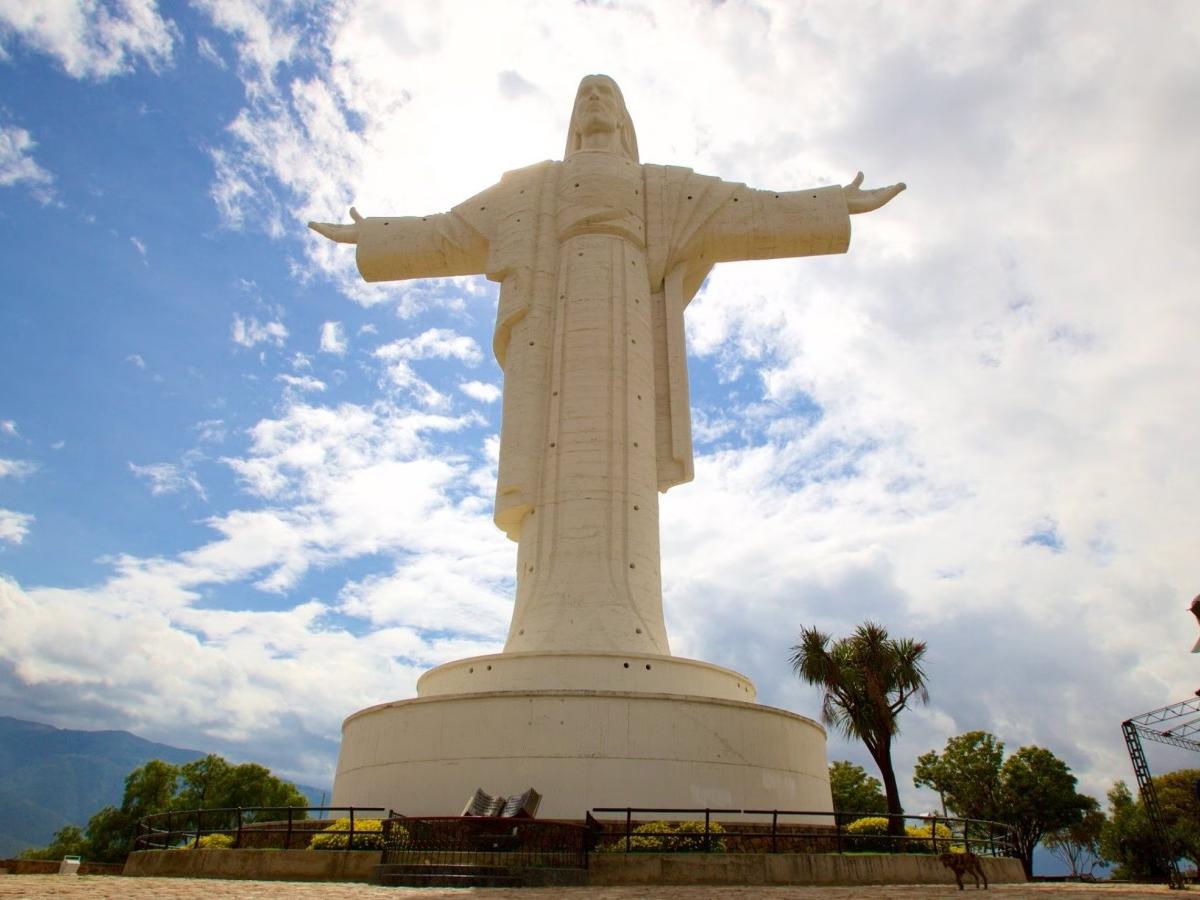
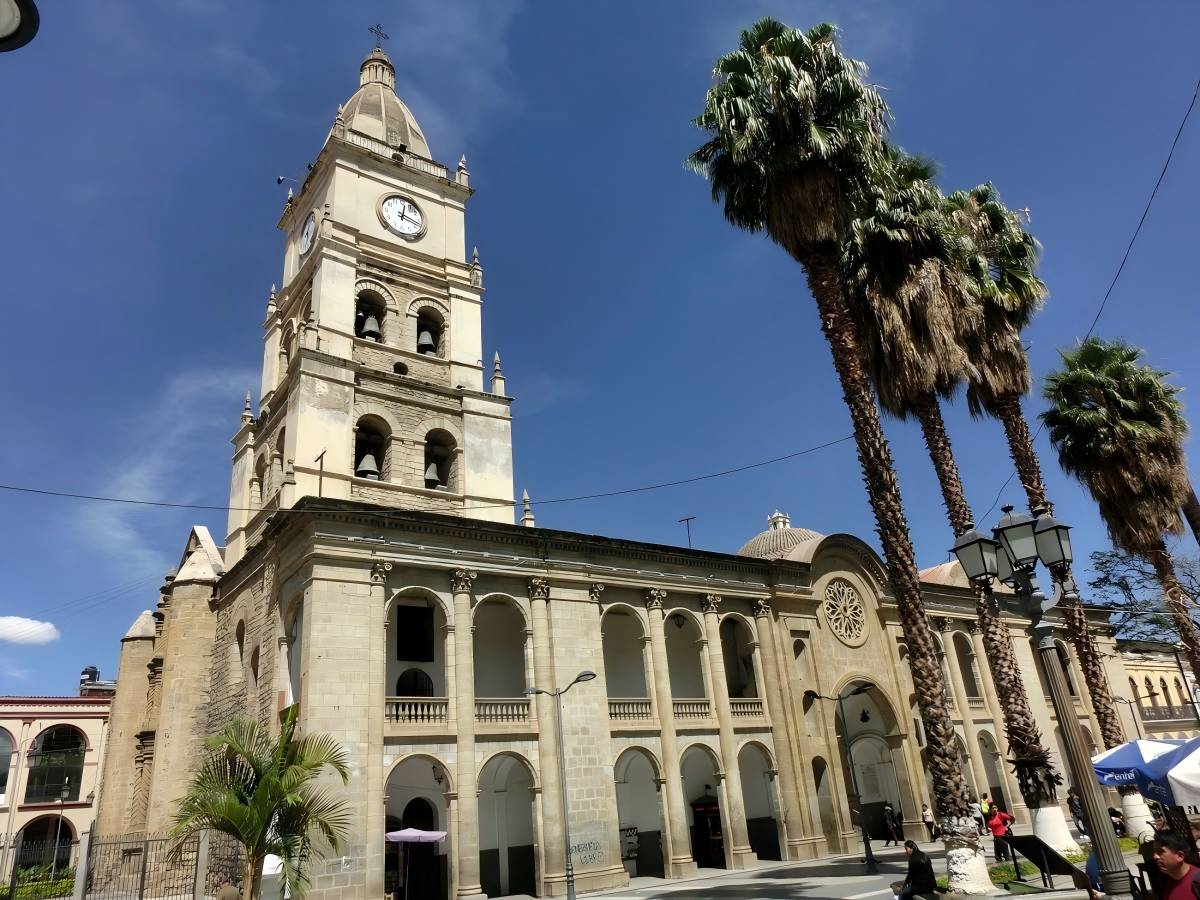
Cochabamba in central Bolivia is a city with rich history and diverse culture, located in a fertile valley. It has both the ancient traces of highland civilization and the imprint of the Spanish colonial period, and it has shown new vitality in the wave of rapid modernization in modern times. In the central square of this city, Plaza 14 de Septiembre, stands a majestic church: Catedral Metropolitana de San Sebastián. This building is not only a center of religious belief, but also a "living history book", witnessing the entire process of Cochabamba from colonialism to modernization.
Advertisement
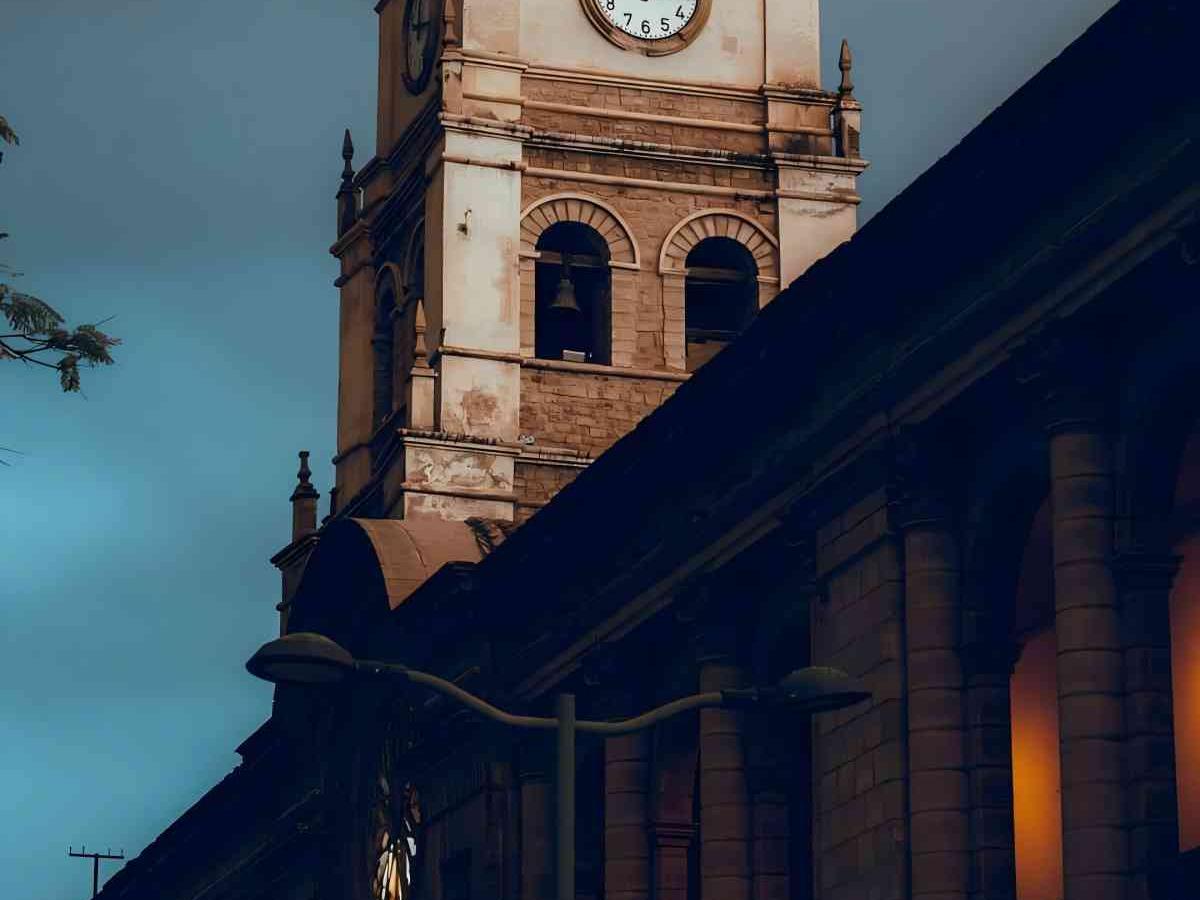
The history of Cochabamba Cathedral can be traced back to the 18th century. The church was first built by Spanish colonists and was an important part of the missionaries and royal power to spread Christian culture to the Andes. The church at that time was relatively small, and the building materials were mainly earth bricks and local wood. The structure was simple and the religious atmosphere was strong, symbolizing the mission of Spanish colonists to spread Catholicism in the New World.
Advertisement
With the gradual development of the city and the increase in believers, the original church could no longer meet the needs of religious ceremonies and the community. So at the end of the 18th century, the church began to expand, gradually forming the architectural appearance of the interweaving of Baroque and neoclassical styles that we see today. The towering bell tower, symmetrical facades, and magnificent stone carvings all show the profound influence of European architectural art in South America.
The most eye-catching part of the front of the church is its twin tower design, which represented the symbol of "terrestrial authority" during the Spanish colonial period. The internal altar is inlaid with gold foil and wood carvings, showing the ingenious combination of local craftsmanship and European religious art. During the construction of the church, the participation of Indian laborers can also be seen. Through their labor, they quietly integrated the aesthetics of their culture into the carvings and decorations of the church, making this building a carrier of cross-cultural dialogue.
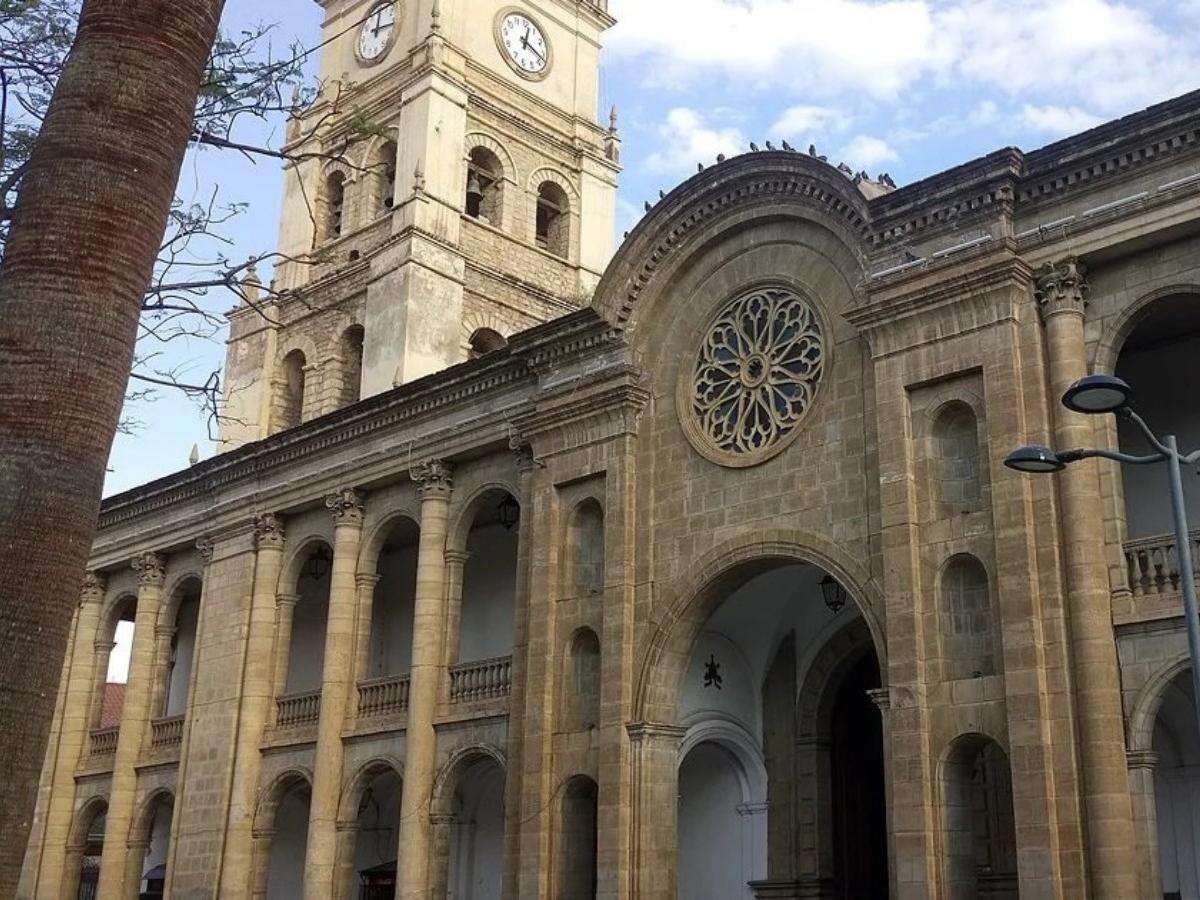
In the 19th century, Bolivia gained independence from Spanish colonial rule, and religious sites gradually transformed from colonial tools to symbols of national identity. Catedral Metropolitana did not decline due to the change of regime, but instead consolidated its status as a spiritual landmark in the city center.
Advertisement
During this period, the church not only continued to serve the religious life of Catholics, but also became a witness to social movements and political gatherings. On many independence anniversaries or national mourning moments, citizens of Cochabamba would spontaneously gather in front of the church to listen to the speeches of clergy and express their loyalty to the country and faith.
The murals and artworks in the church have gradually added more localized elements. For example, in the painting above the altar, Jesus no longer has a typical Western face, but gradually presents more "Indianized" features. This visual transformation is a symbol of the awakening of Bolivian cultural self-identity, and also shows that the role of religion in the new era is quietly changing.
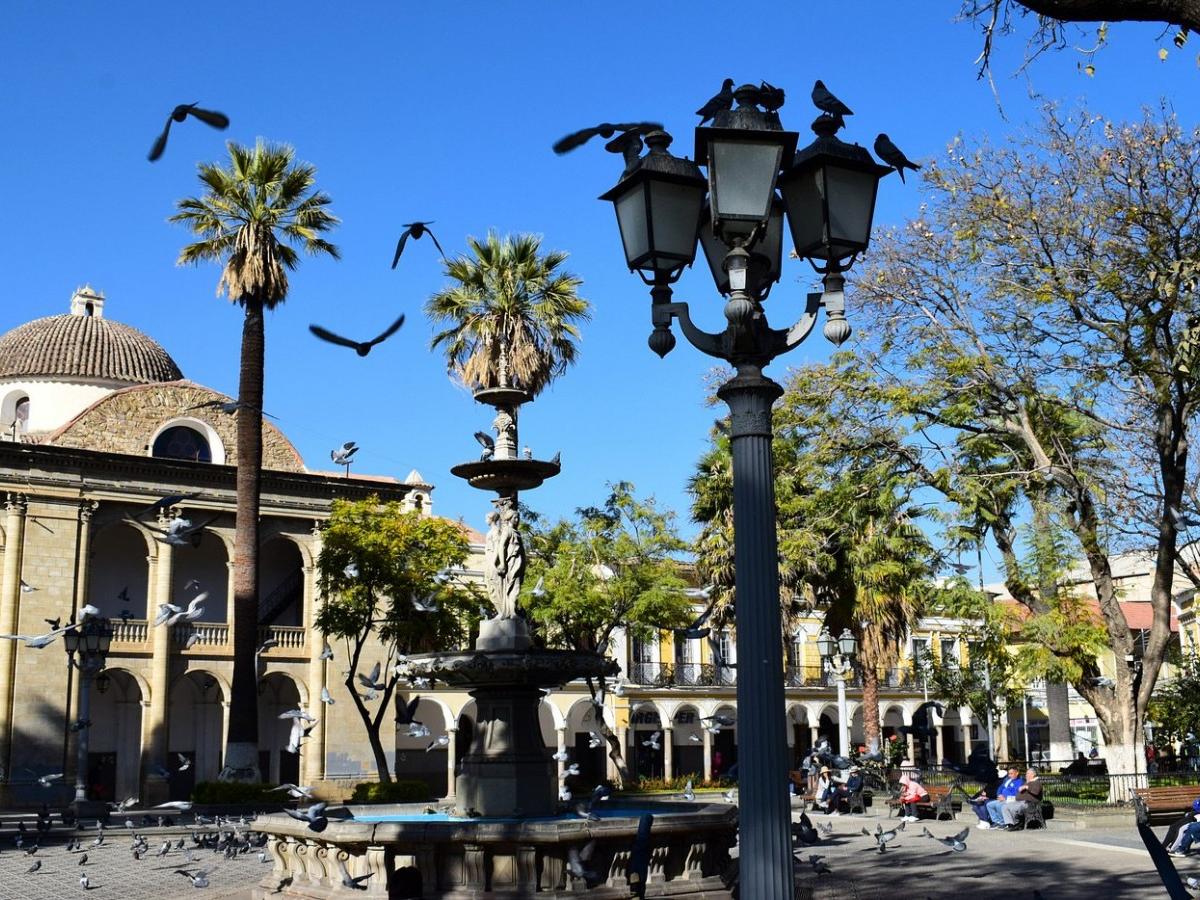
In the 20th century, with the acceleration of Cochabamba's urbanization process, the appearance of Plaza 14 de Septiembre has changed dramatically: surrounded by high-rise buildings, shops, banks, and office buildings, but Catedral Metropolitana has always guarded the heart of the city, like an old watcher.
After the 1960s, the Bolivian government launched a protection and restoration project for the country's cultural heritage, and Cochabamba Cathedral became one of the key projects. After several restorations, the church has not only been strengthened in structure, but also added lighting systems, tourist guides, and voice interpretation equipment, giving this ancient religious building a new life as a modern tourist attraction.
Today, the cathedral is not only a place for believers to hold ceremonies such as mass, baptism, and weddings, but also an important collective memory of the locals. Whether it is a religious parade on a major festival or the laughter of children running and playing in front of the square, the church is always a part of life. For tourists, it is a must-visit place and a window to understand the history and culture of the city.
Catedral Metropolitana is not just a symbol in architectural history, it is part of the soul of Cochabamba. From a religious ruling center in the colonial period to a witness to the independence movement, and then to a historical coordinate in the modern city, it faithfully records the rise and fall and changes of this city over the past few hundred years. Its bells still ring day after day, reminding people not to forget the history and beliefs that have shaped the foundation of this city in the daily hustle and bustle. Between the light and shadow of the cathedral, we can read not only Cochabamba's past, but also its hope and persistence towards the future.