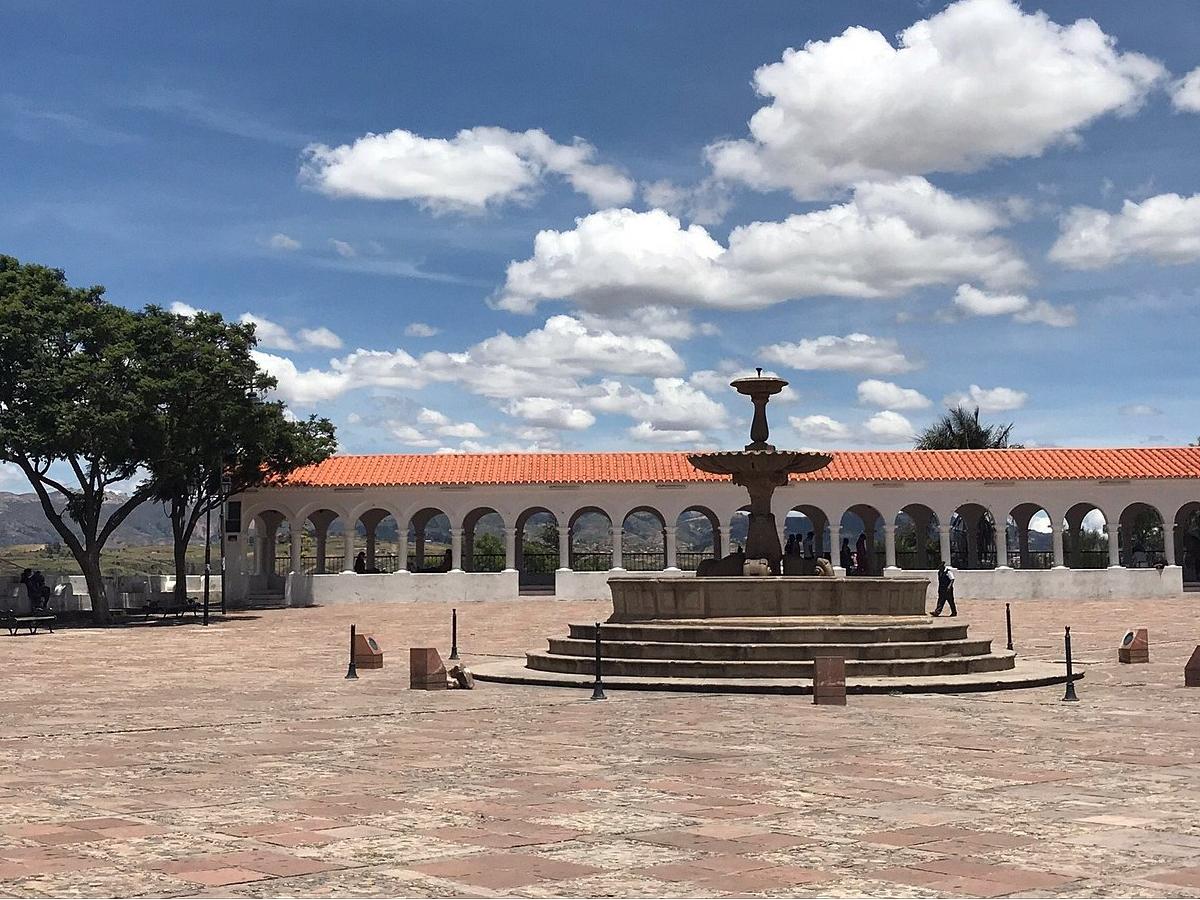
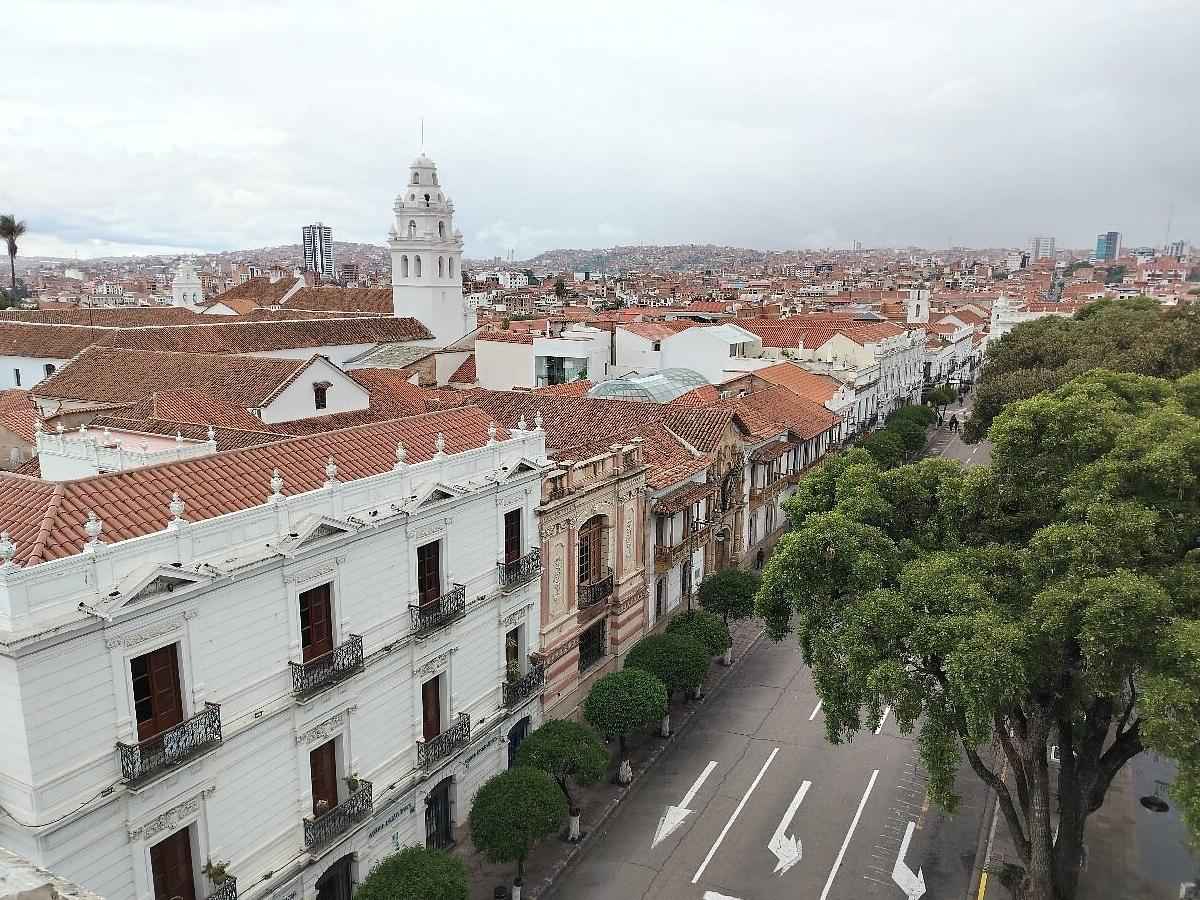
Your journey begins in Sucre - the place where time stands still. Stepping onto a cobblestone street, the air is filled with the faintest hint of history and the smell of hot, hollowed-out pasties. You are in Sucre, Bolivia's whitewashed gem, where stories of revolution and courage still whisper from the city's walls. As you walk through the colonial buildings, your eye catches a structure that stands out not only for its beauty, but also for what it represents: the Casa de la Libertad.This is more than just a tourist attraction. This is not just a tourist attraction; it is a sacred cradle where Bolivia was born, where freedom sprouted, where the future of an entire nation was written in ink and sealed with a bold voice.
Advertisement
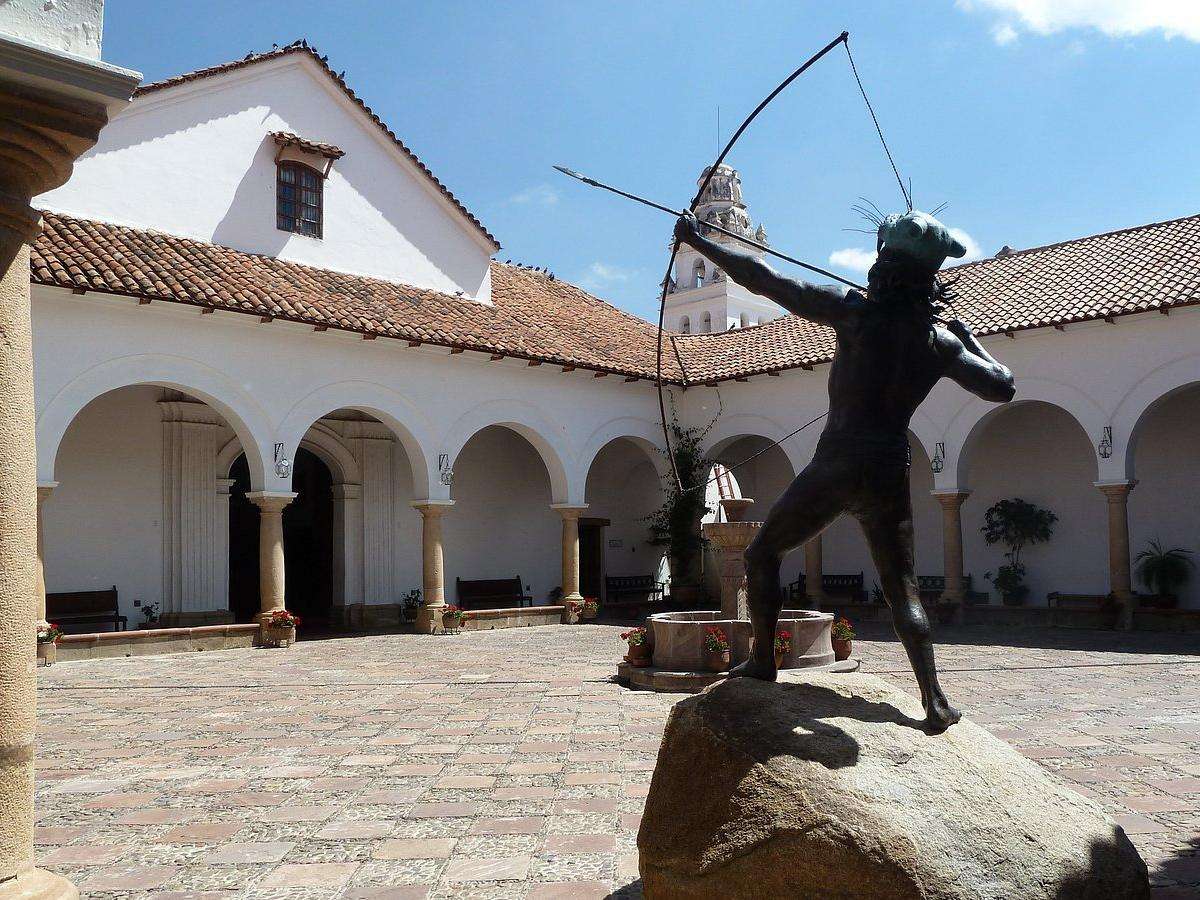
Through the grand entrance, the building seems to breathe. Before it became a symbol of independence, it was once part of the Jesuit College of St. Xavier. Yes, this quiet place filled with display cases and velvet ropes once echoed with the footsteps of scholars and monks. You can almost imagine them hurrying through the corridors with books under their armpits, not realizing that their classroom would one day be the birthplace of a nation, and that in 1825, the Congress gathered here, hopeful and with trembling hands, as they signed the Bolivian Declaration of Independence within these walls. You can almost hear the murmuring, the pounding of fists on old wooden tables, the sharp intake of breath before someone declared, “We are free!” before the sharp intake of breath.
Advertisement
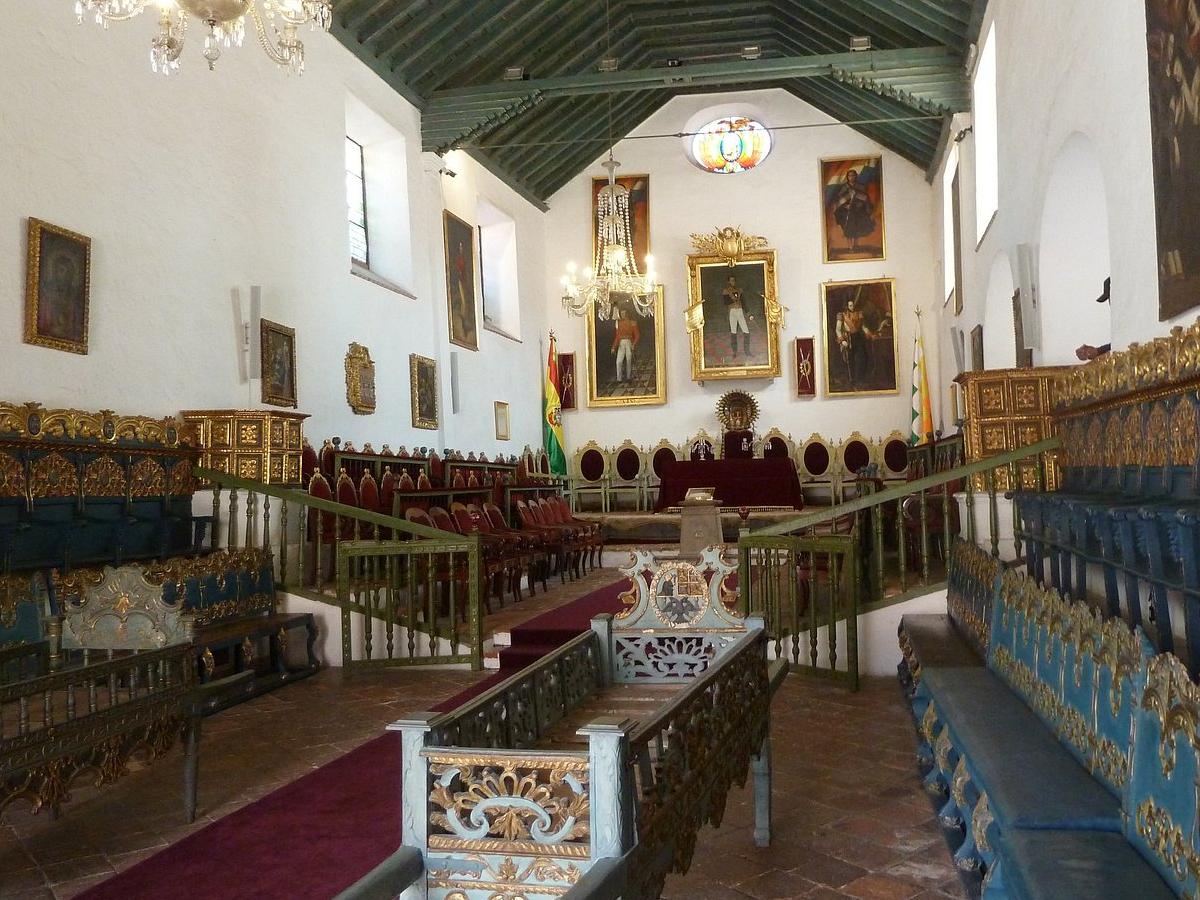
When you step into Independence Hall, you feel it. The solemnity. The reverence. The room is not large, but carries the weight of centuries. The wooden floor under your feet creaks softly, as if to say something. The original presidential chair sits in front of it, with a large portrait of the Liberator, Simón Bolívar, hanging above it. His gaze follows you across the room - not in a creepy way, but in a way that makes you straighten up, as if you're being judged by history. The walls are covered with flags, coats of arms, and handwritten documents, each one the product of blood, sweat, and ink. You stand there thinking, this is more than a museum. It's a shrine to the spirit of rebellion, where young idealists dared to imagine something greater than themselves.
Advertisement
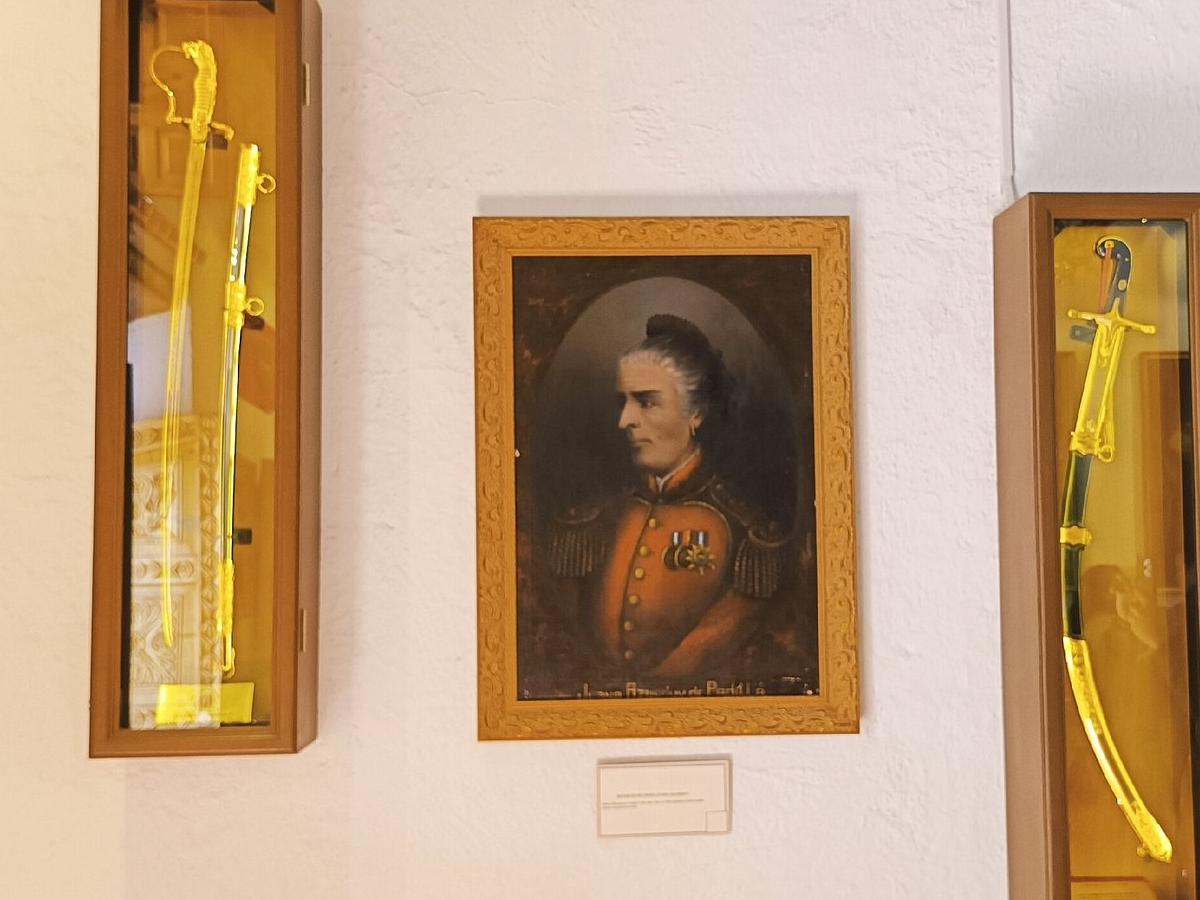
The paper of the Declaration of Independence is yellowed, and the words are elegant and strong. These were more than just names on a page. They were dreamers who shaped a nation. These men were not superheroes. They were human beings. Some of them may have had trembling hands, some of them may have been terrified, but they wrote anyway. Turn the corner and you will see portraits of Simón Bolívar and Antonio José de Sucre. Here they give the impression of being real people. Bolivar has a grave expression and a determined gaze, like a man who knows he has an entire continent on his shoulders. Sucre looks calmer, almost gentle, like a man who will fight only as a last resort, but will also fight to the end. In Bolivia, their names are everywhere, but in Freedom House, they feel less like legends and more like companions. You get the sense that they still walk these halls, nodding approvingly at schoolchildren on field trips, or lingering silently behind visitors like you who come here seeking a connection to something bigger than history books.
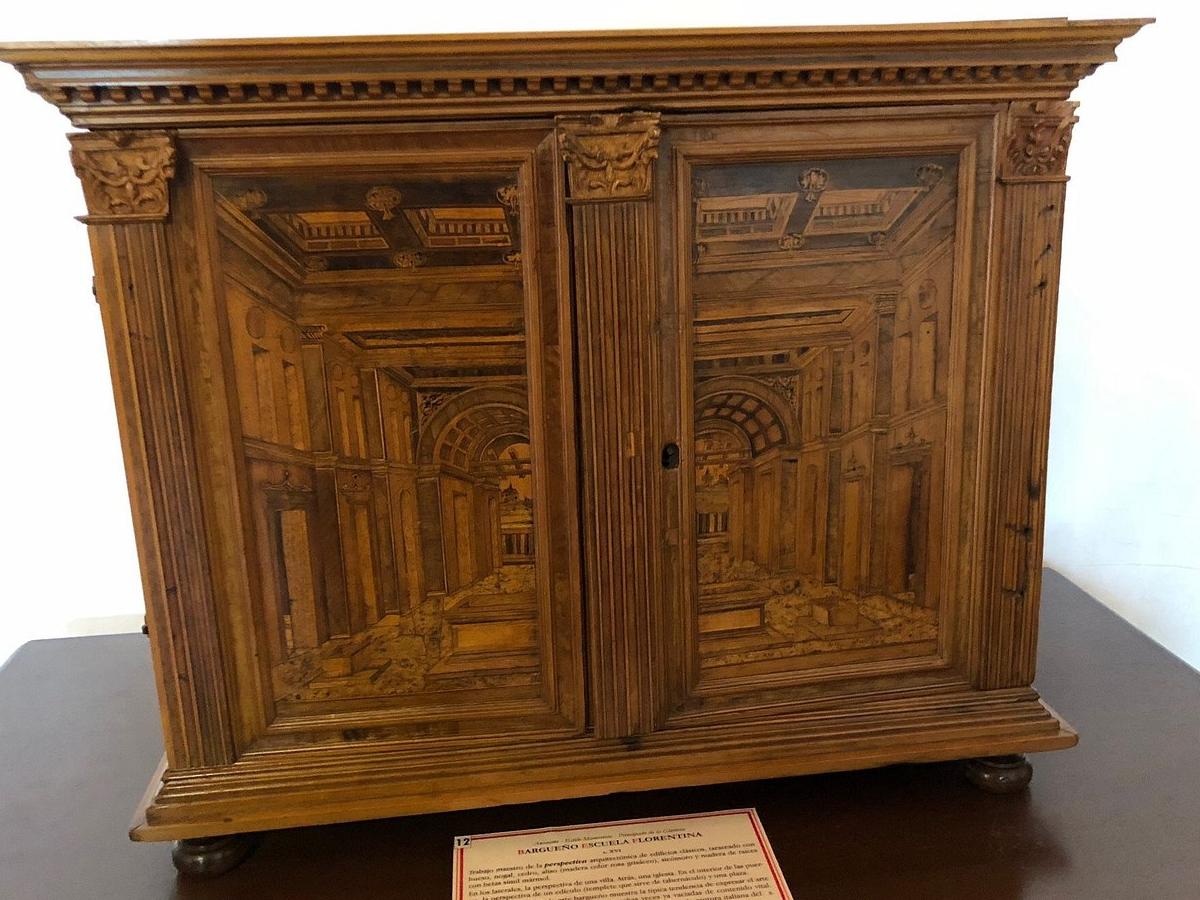
It's not just the objects or the buildings that make this place special, it's the fact that you're here. The crunch of your footsteps adds to the story. The windows shed just the right amount of light on your face, making you feel like a character in a historical drama. It's a moment that will give you goosebumps when you realize you're not just watching history, but standing in the midst of it. In one of the rooms, there is an old ink bottle on display. It's just a little thing. You might walk past it without thinking. But stop for a moment. Think of the hand dipped in ink, think of the quill pen scratching out ideas that will one day become a nation. The other room is filled with historical flags, each with its own symbolism and story. There were the red, yellow and green flags we know today, as well as much older flags. Some of the flags are rough around the edges and were hand sewn by men who may not have known how long the battle would last, but still believed in their cause. You start to notice how different the early flags were - some had suns on them, some had mountains on them, and some had stars on them. It's like a visual brainstorm of a nation trying to find itself.
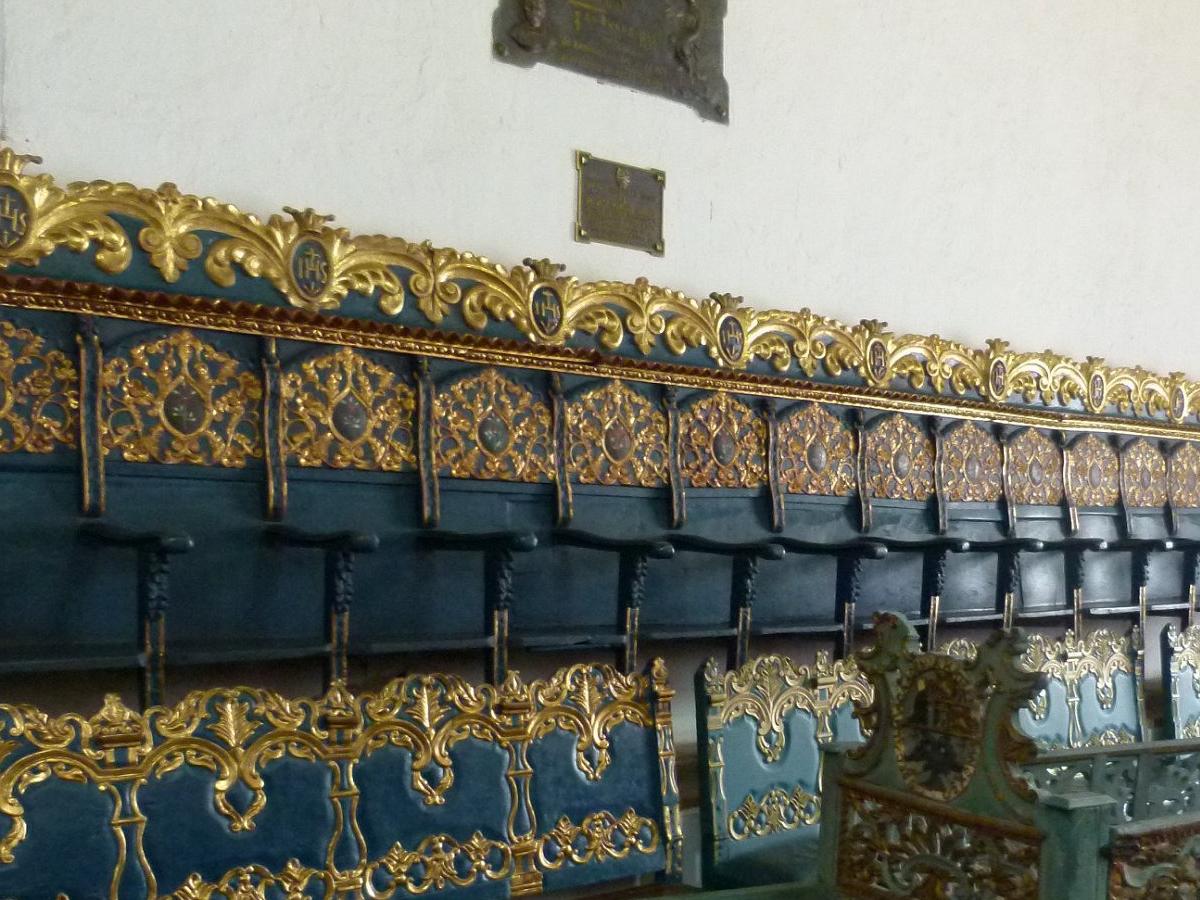
You are led into a Jesuit classroom. Wooden pews. Stone floors. The chalkboard is worn. But here's the twist: this is not just a place to learn math or Latin. This is where young minds sharpen their swords. This is a breeding ground for ideas that will one day challenge the empire. You can sit on a bench for a while and imagine you are a student here. Would you raise your hand to speak? Would you ask questions about freedom, about injustice, about what it means to be Bolivian? The vigor of youthful debate still lingers in the air. The deeper you go, the more Casa de la Libertad becomes like a mirror of your ideals. Are you free? What does freedom mean to you? It's not just about dusty documents and faded portraits, it's about courage. About the small decisions you make every day.
The story of Bolivia's birth doesn't just belong to the 19th century - it's in your conversations, your values, the way you treat others, and the dreams you refuse to give up. As you stand by one of the windows, you can almost hear their voices - the voices of those who argue, dream and rebel. Their Spanish may sound a bit trite, but the emotions are déjà vu. Frustration. Passion. Hope. Strange isn't it? How can a building of stone and wood be so alive?Casa de la Libertad isn't flashy. It doesn't need to be. It quietly radiates power, like a flame that never goes out. It reminds you that history is not trapped in the past, but walks with you. It lives in the choices you make and the stories you pass down.