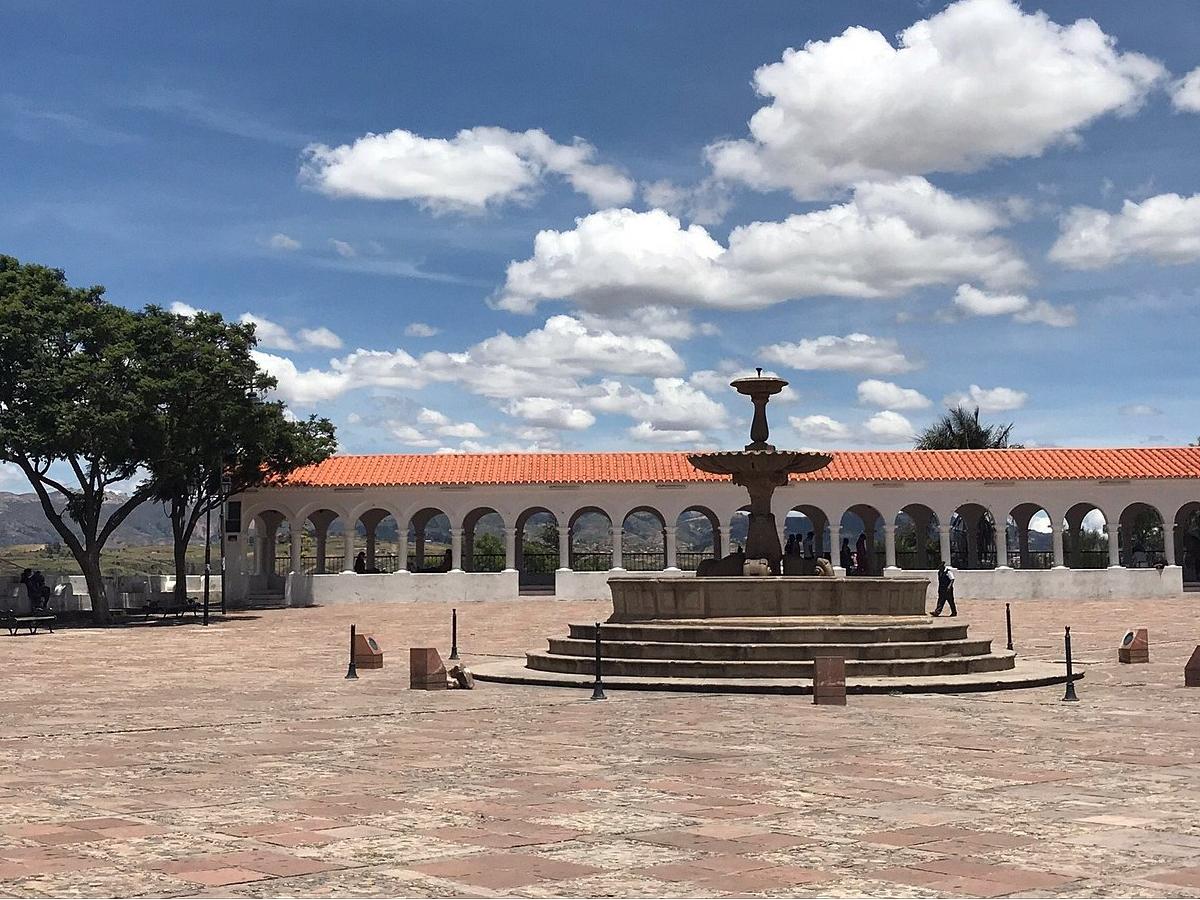
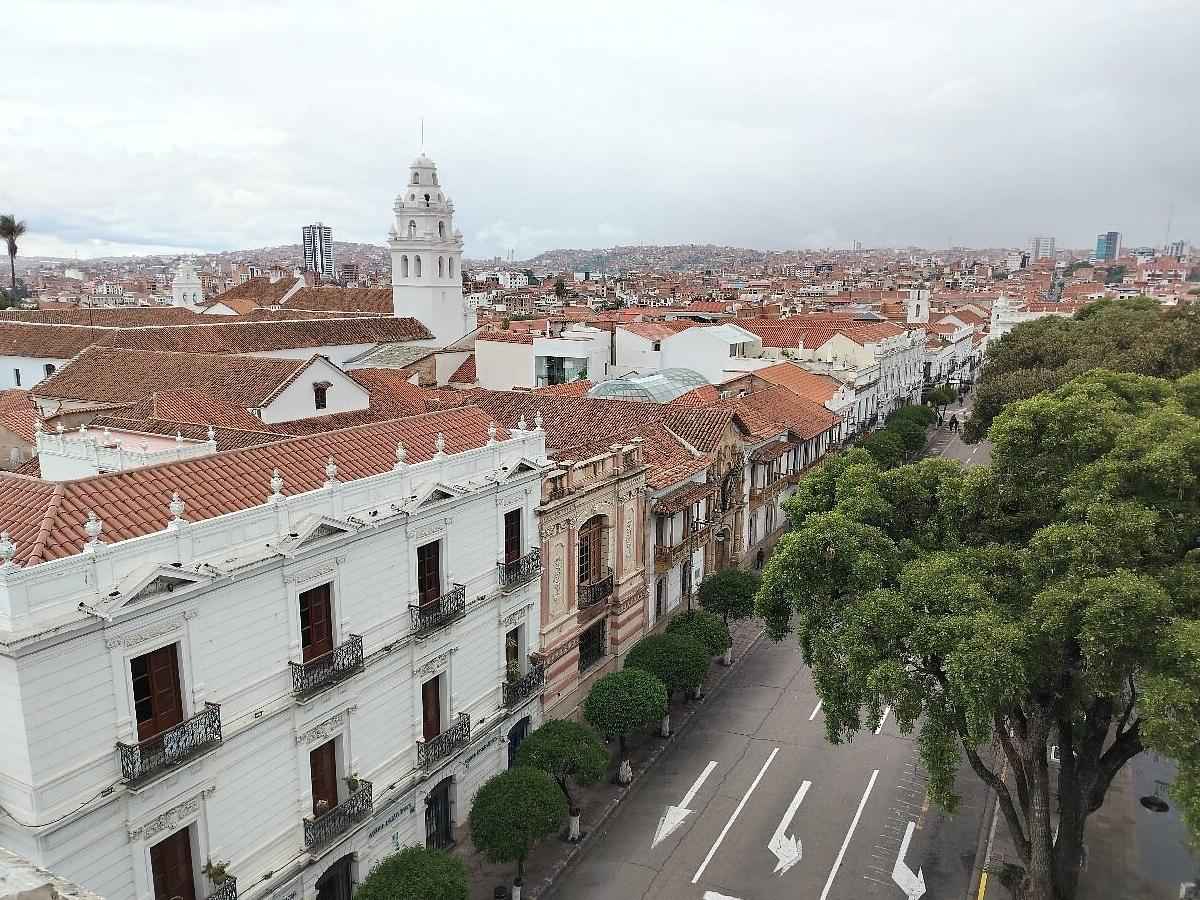
Your first steps into the ancient world stand on a dusty Bolivian mountaintop, just a short distance from the bustling city of Sucre. The air is warm and dry, the sun is high in the sky, and the view stretches for miles. Mountains loom in the distance and a strangely shaped cliff lies ahead of you, like a giant wave of rocks frozen in time. Welcome to Parque Cretacico, one of the most stunning places in the world, a haven for dinosaur enthusiasts, curious travelers, and anyone who dreams of seeing prehistory recreated There are more than 5,000 fossilized footprints of at least eight different species of dinosaurs embossed like ancient graffiti on the vertical cliff face. What's about to begin is not just a trip to the park, but a journey through hundreds of millions of years of Earth's history, where every footprint tells a story older than human civilization.
Advertisement
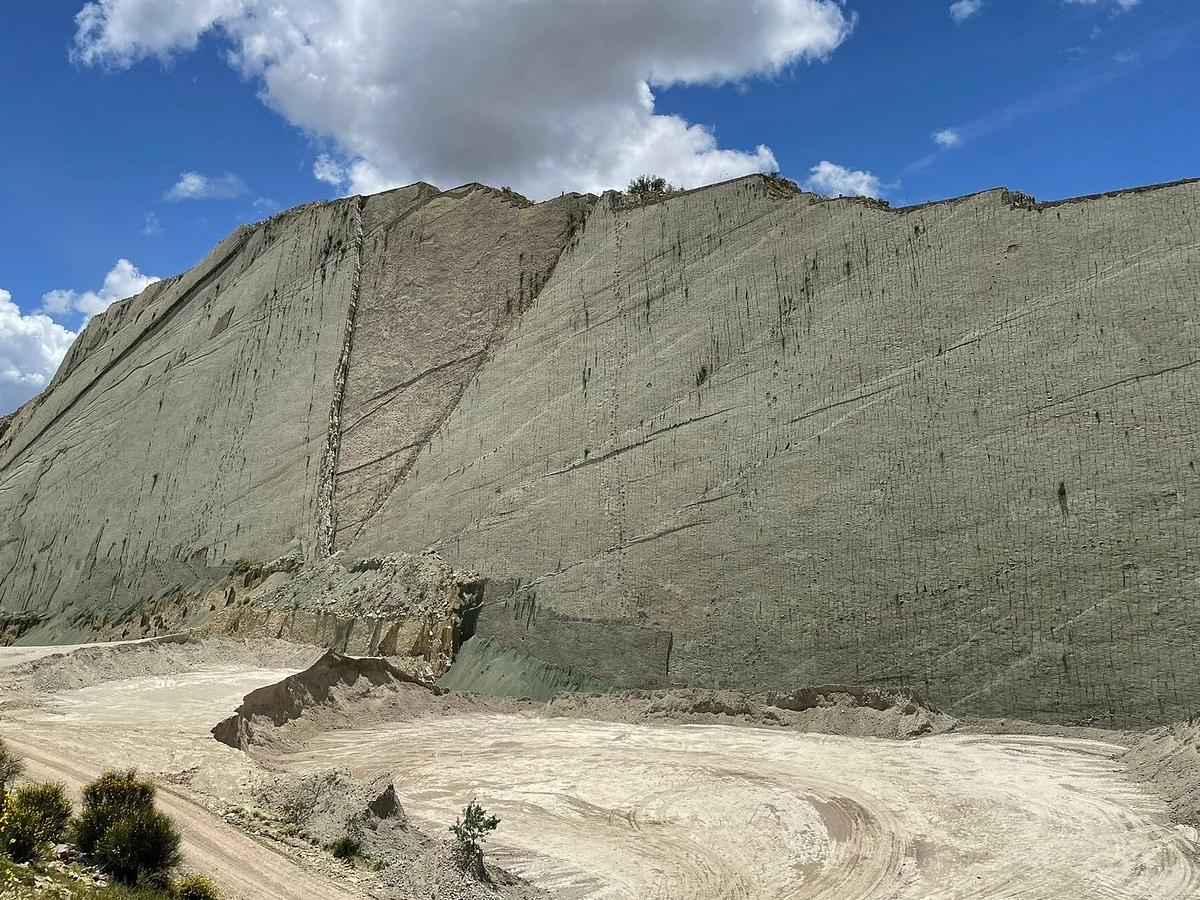
It all started with a surprise. You might not expect a major dinosaur discovery to happen right next to a cement factory, but that's exactly what happened here in the 1990s. Workers at the cement company Fancesa were mining limestone when they noticed some strange engravings in the rock - a series of strange repeating engravings. The marks turned out to be dinosaur footprints, and more than a few of them. As scientists and paleontologists investigated further, they discovered a vertical rock wall covered with thousands of fossilized tracks. It wasn't just a few ancient footprints. It's an entire dinosaur highway, frozen in time for more than 68 million years. These footprints arose during the Cretaceous period, the end of the age of dinosaurs. It's like the last echoes of life before an asteroid impact. Somehow, they ended up in Sucre, Bolivia, waiting to be discovered.
Advertisement
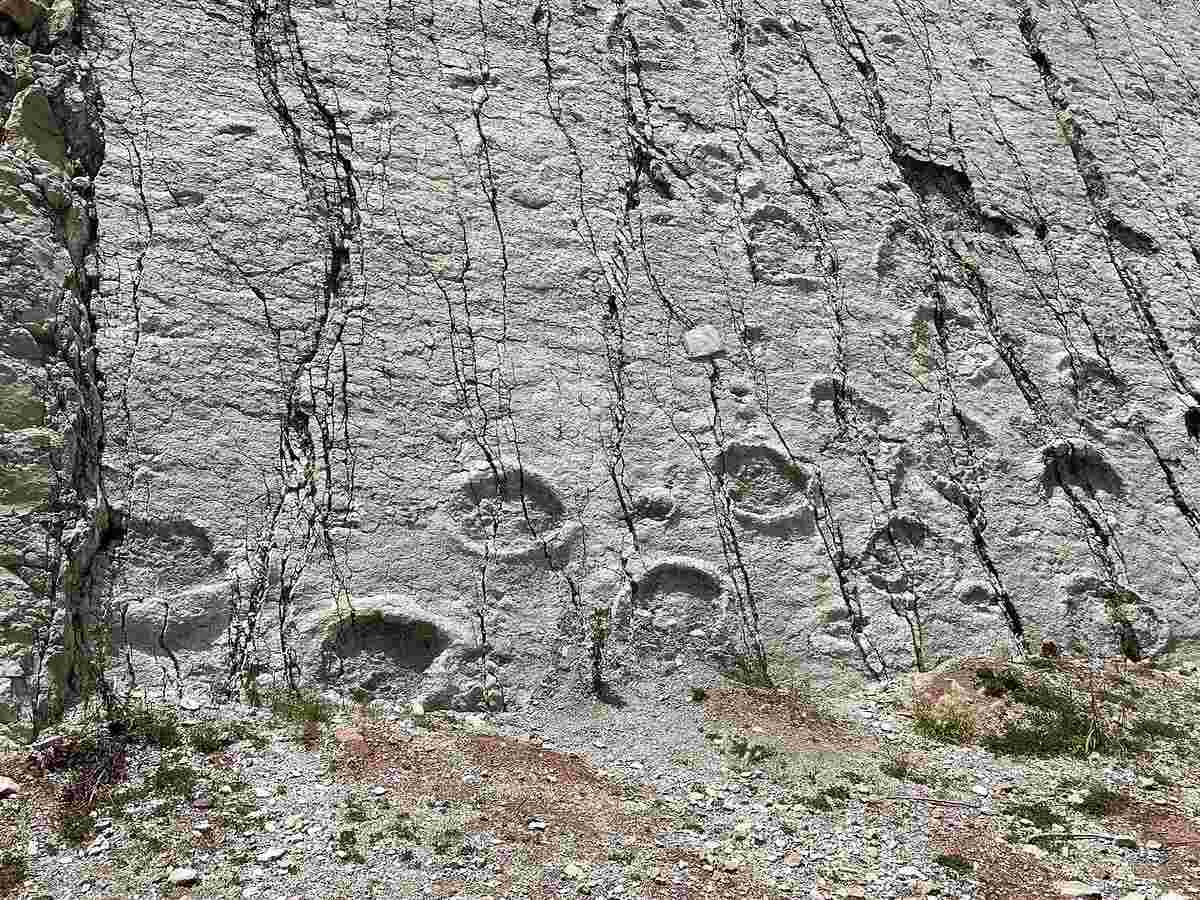
Walking through the park, you are greeted by the famous Cliffs of Karloch, which are so huge that the limestone wall is 1.2 kilometers long and more than 100 meters high. The moment the fingerprints are discovered, you will freeze. You see more than just a wall. You see time, movement and life turned to stone. The footprints wind, climb, twist and turn across the cliff face like the paths traveled by ghostly giants. You can actually see the movement of the dinosaurs - some walking slowly, some running, some alone, some in groups. There are tracks of meat-eating theropod dinosaurs, large plant-eating sauropod dinosaurs, and even small bird-like dinosaurs. Here's what's impressive: these aren't just “fossils.” They are moments. A sauropod walked here. A predator chases something here. A baby dinosaur followed its mom there. You can almost hear their cries echoing in the wind.
Advertisement
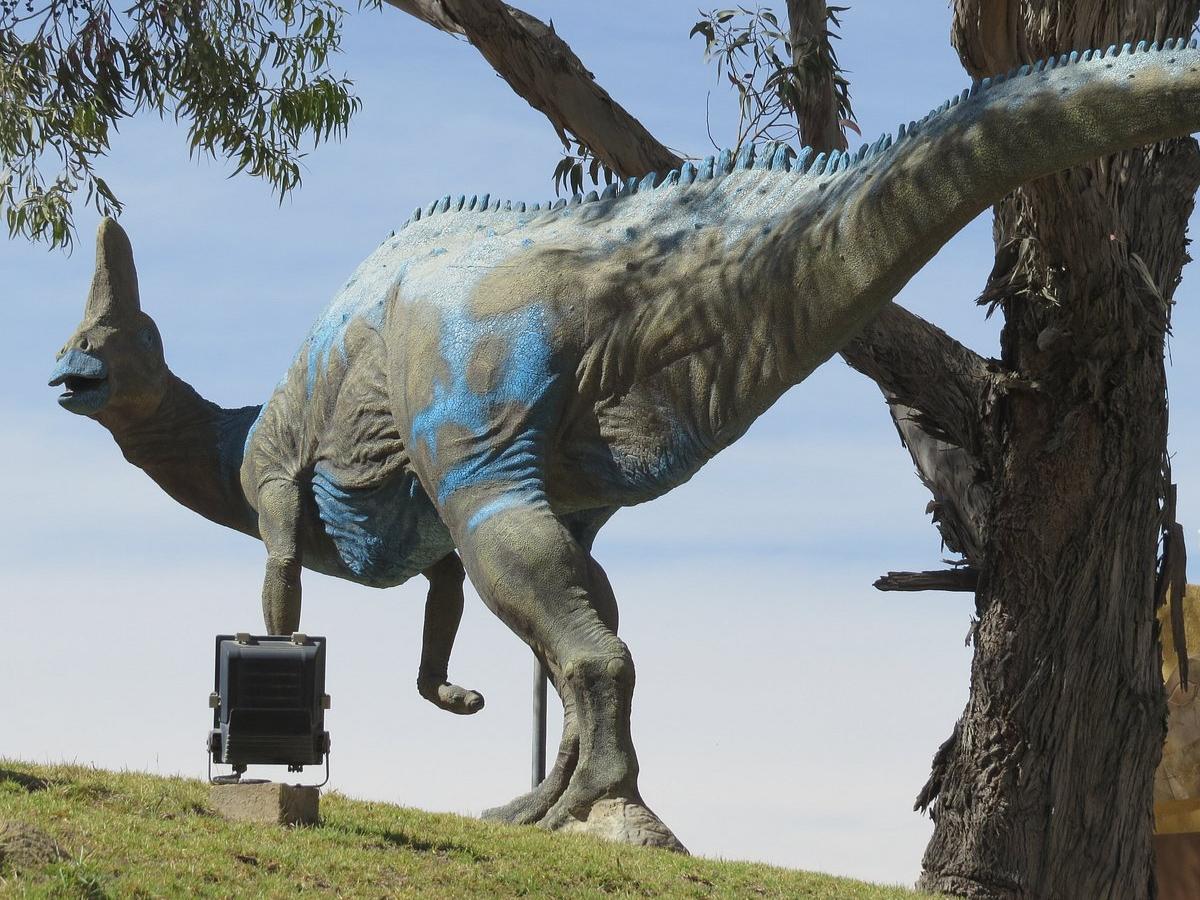
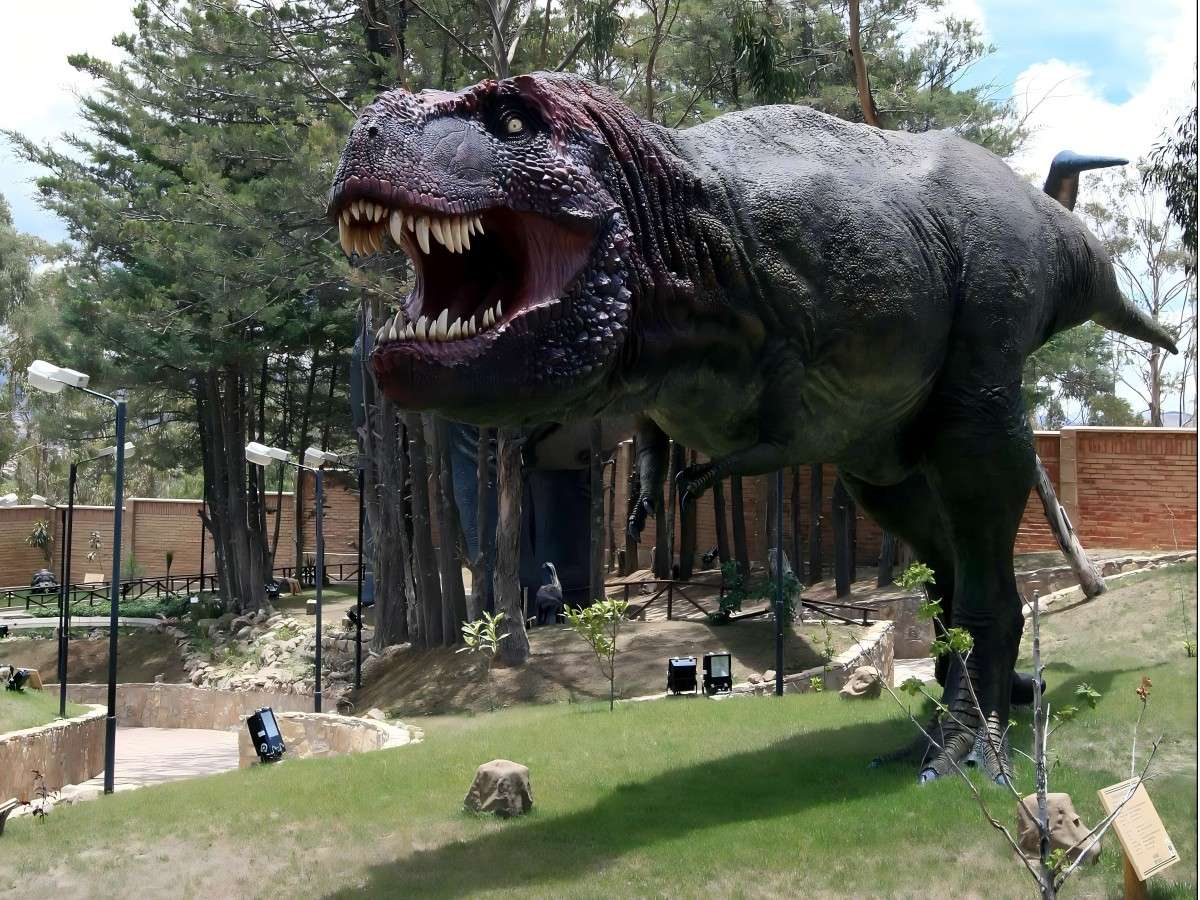
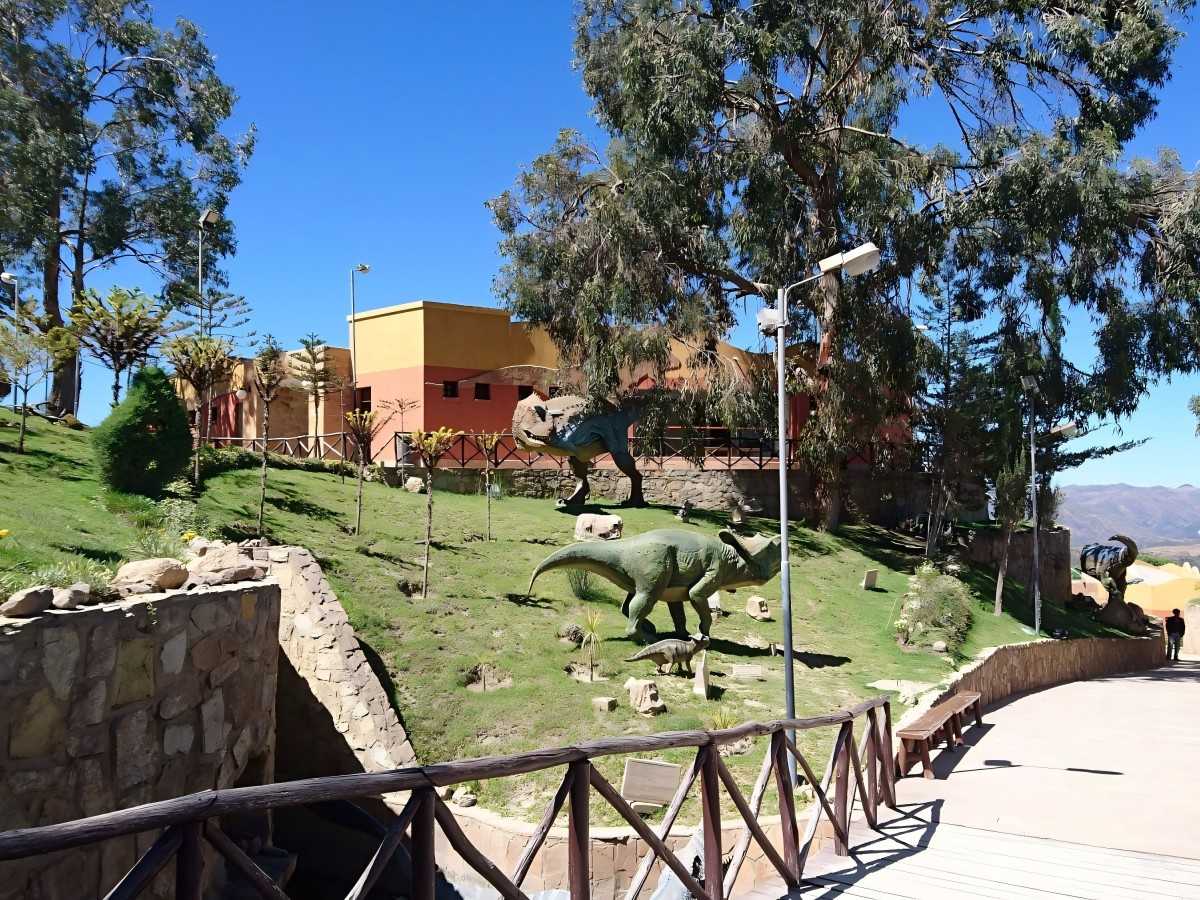
Parque Cretacic is more than just a wall of footprints; it's a complete experience, with life-size dinosaur models spread throughout the park. These models aren't cheesy electronic animatronics, but are scientific, accurate, incredible, and huge.
A titanosaur stands nearby, its long neck reaching for the sky. A Tyrannosaurus rex roars, reminding it of what rules the food chain. A group of Velociraptors seems to be hovering in the bushes, ready to pounce. It's as if you're in a real Jurassic scene. The placement of these models matches the type of footprints found on the cliffs. Don't worry if you're not a dinosaur expert, the park offers guided tours and they are fantastic. They will show you the different types of footprints, pointing out subtle differences in toe shape, stride length and direction. You'll learn how to tell the difference between Carnotaurus and Iguanodon tracks, and even spot signs that a dinosaur may have slipped or changed its pace. It's amazing how much you can read from a few shallow indentations in a rock.
If you're lucky, you might get a peek at some of the behind-the-scenes research going on at the park. Paleontologists are still studying the site, using 3D scans, drone photography, and even artificial intelligence to analyze footprints. You'll stand in awe of the scientists who work for hours in the hot sun, carefully measuring footprints, wiping away debris, and trying to decipher the movements of creatures that haven't walked the earth in tens of millions of years. More than just a place for scientists, the park is also a place for education and community. Local children come here for field trips and learn to love science through adventure. Artists come here for inspiration. Travelers like you find perspective here. There are interactive exhibits, hands-on fossil replicas, and a charming little gift store full of dinosaur merchandise. There's even a 3-D theater where you can watch short films about how footprints are formed and discovered, and your heart will race at the sight of claw marks left by tall herbivores or long-gone predators. But at the same time, you are learning, understanding, and being exposed to the real ancient world in a way that books or movies can't provide.
It was all worth it, traveling along a path at the base of the cliffs, where footprints loomed overhead like signs from another world. Some of the footprints are surprisingly small - only a few inches across - while others are as big as a car tire, and it's possible to stand underneath them, run your fingers along the indentations, and realize: this is exactly where the dinosaurs would have stepped, this is exactly where the dinosaurs stepped, right here. This is more than just a photo opportunity. This is a moment that will stay with you for the rest of your life. Standing on the footprints of creatures that existed long before humans existed humbles you. It reminds you of how short our time on earth is. It tells you that everything changes, but the marks remain.