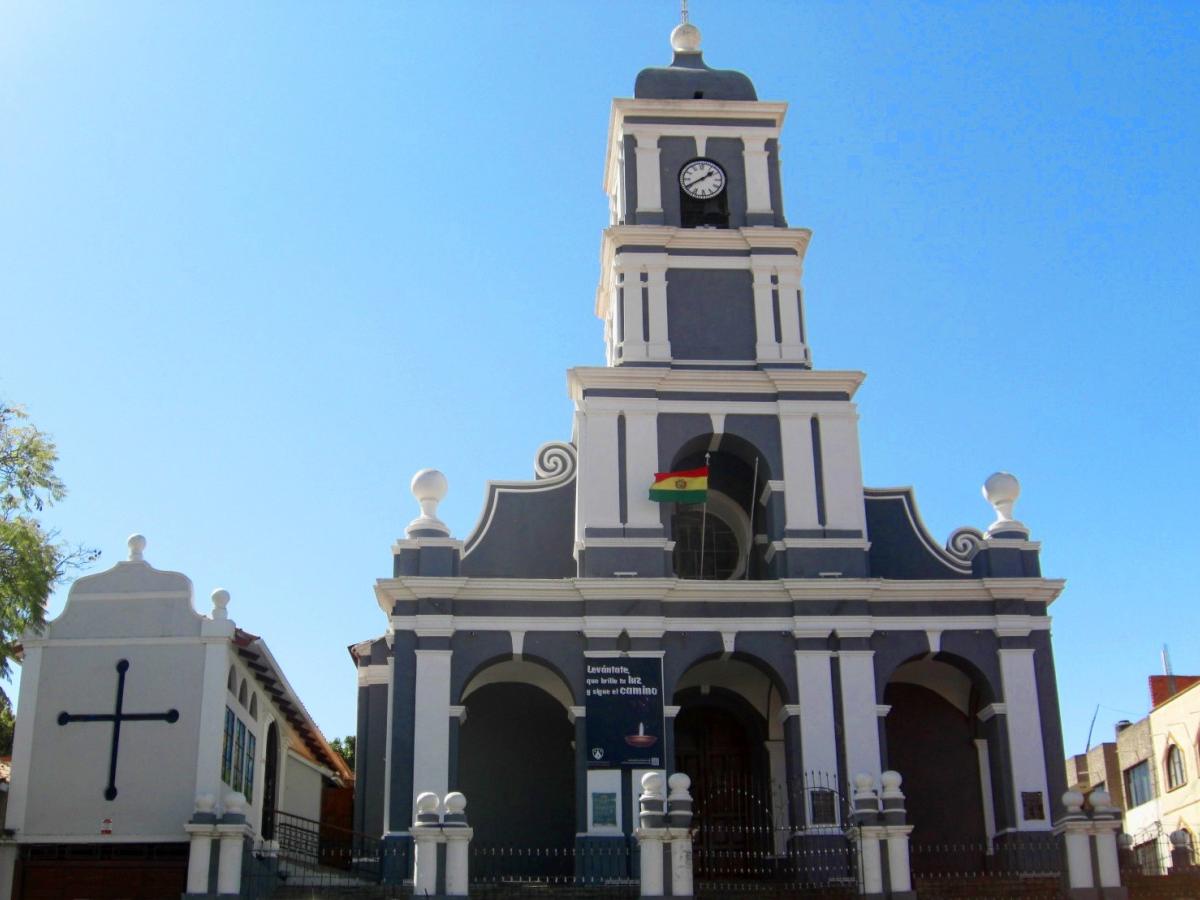
In the gentle south of Bolivia, the city of Tarija is known for its mild climate, its elegant vineyards and its rich culture. And in the heart of the city lies the Iglesia de San Roque, an ancient church of faith and legend, not just a building, but an important pillar of the spiritual world of the people of Tarija. The story of the Iglesia de San Roque has traveled through the centuries and has become an integral part of local history and folklore.
Advertisement
The history of Iglesia de San Roque dates back to the end of the 16th or the beginning of the 17th century, a time when Tarija was still under Spanish colonial rule. According to legend, the plague was raging in South America at that time, and the disease took the lives of countless people. In the midst of great fear, the inhabitants of Tarija prayed to the heavens for help, expecting to receive divine protection. It was at this time that the name of San Roque spread throughout the region.
Advertisement
San Roque, the famous Catholic patron saint of the plague, was known for his healings and miraculous cures during his lifetime. During the Black Death in medieval Europe, the image of San Roque became a symbol of hope in the midst of despair, and the inhabitants of Tarija believed that if they could build a church for him in the center of the city, they would receive his blessing and protection from the plague.
So the construction of the Iglesia de San Roque was begun in what was then a key location in the city, and legend has it that on the occasion of the laying of the church's foundation stone, a strange light appeared in the sky, as if the saint himself had descended to promise refuge to the people. Since then, San Roque has been regarded as the patron saint of Tarija, and thousands of people make pilgrimages to the church every year to thank San Roque for his grace and to pray for health and peace.
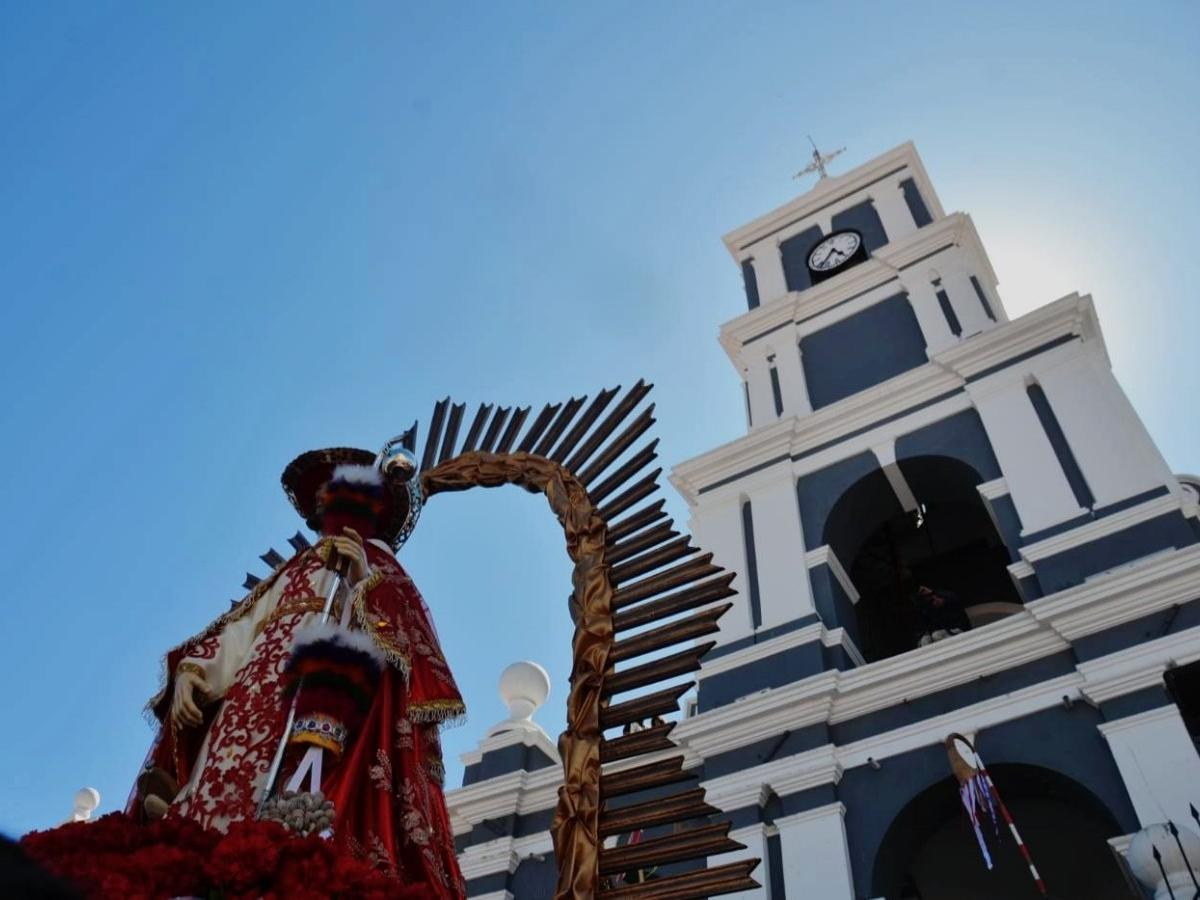
Inside the church is a statue of St. Roch, which is believed to have been carved at the beginning of the church's construction. Dressed in robes and holding a pilgrim's staff, he stands next to a faithful dog - a symbol of St. Roch's dependence on the dog to bring him food to keep him alive when he was ill. The statue is not only revered by locals, but is also believed by many out-of-town visitors to have magical healing powers.
The Iglesia de San Roque is not only profoundly significant in terms of faith, it is also a work of art in its own right. The church's architecture is a blend of Spanish colonial Baroque elements and local craft traditions. The exterior is dignified and simple, while the interior is covered with beautiful carvings and paintings, especially on the wooden ceiling and altar, showing an unparalleled level of craftsmanship.
Advertisement
Stepping into the church, the first thing that strikes you is the soaring vaulted ceiling and ancient stone pillars, which silently tell the story of centuries of erosion by wind and rain. The sunlight through the stained glass windows falls on the church floor, and the dappled light seems to bring the prayers of the believers to the door of heaven. The low and gentle sound of bells echoing in the church brings inner peace and tranquility to the pilgrims.
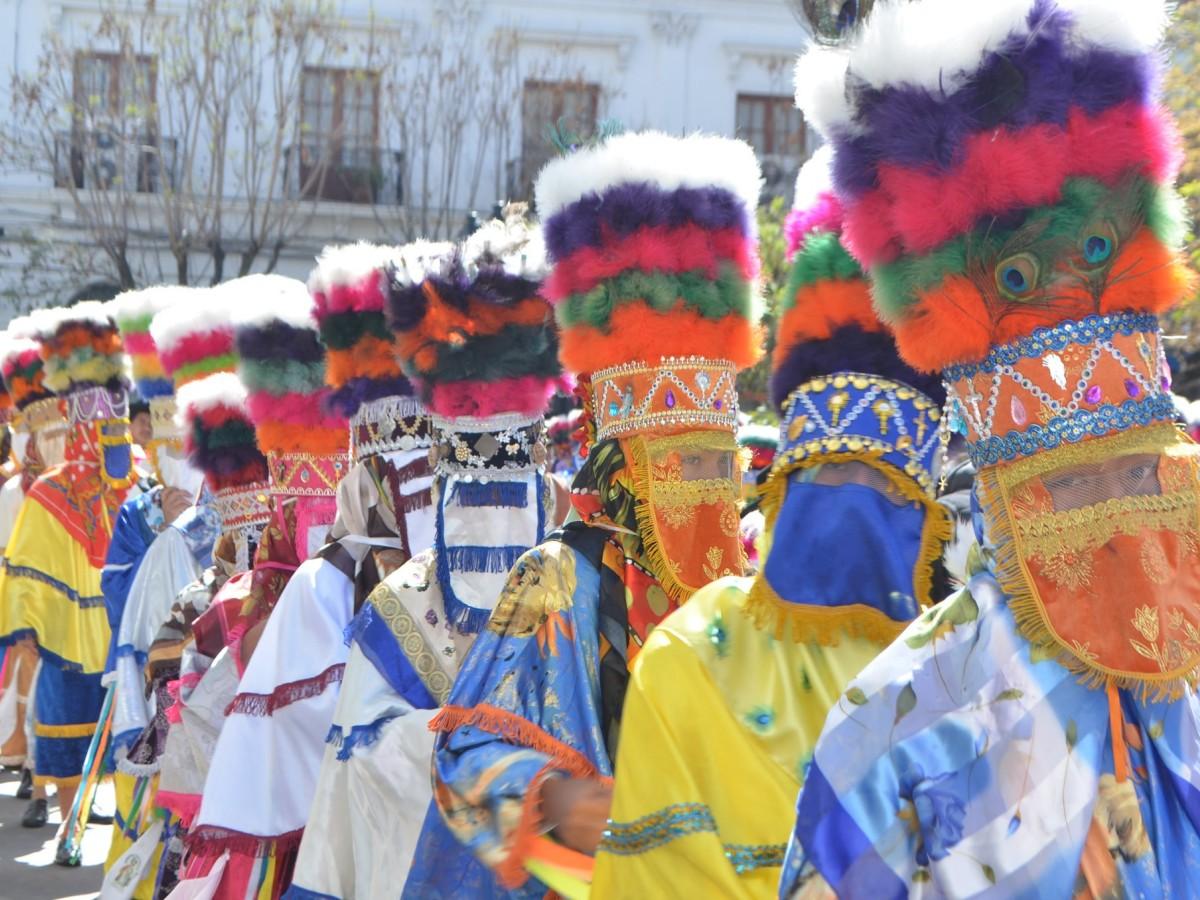
Every September, the Iglesia de San Roque becomes the center of Tarija's most important festival, the Fiesta de San Roque. This great religious festival lasts for several days and includes music, dancing, processions and large masses. Particularly famous are the “chunchos”, dancers dressed in colorful traditional costumes and feathered headdresses, who dance to the rhythm of drums and pipes, as if physically expressing their admiration and gratitude to San Roque.
During the festival, countless devotees walk and even kneel to the Iglesia de San Roque just to pay homage to the statue of the saint in person. This deep intertwining of faith and culture makes the church not only a place for religious activities, but also a link between the hearts and traditions of the people of Tarija. Even non-believers can feel the solemnity and emotion that wells up from their hearts here.
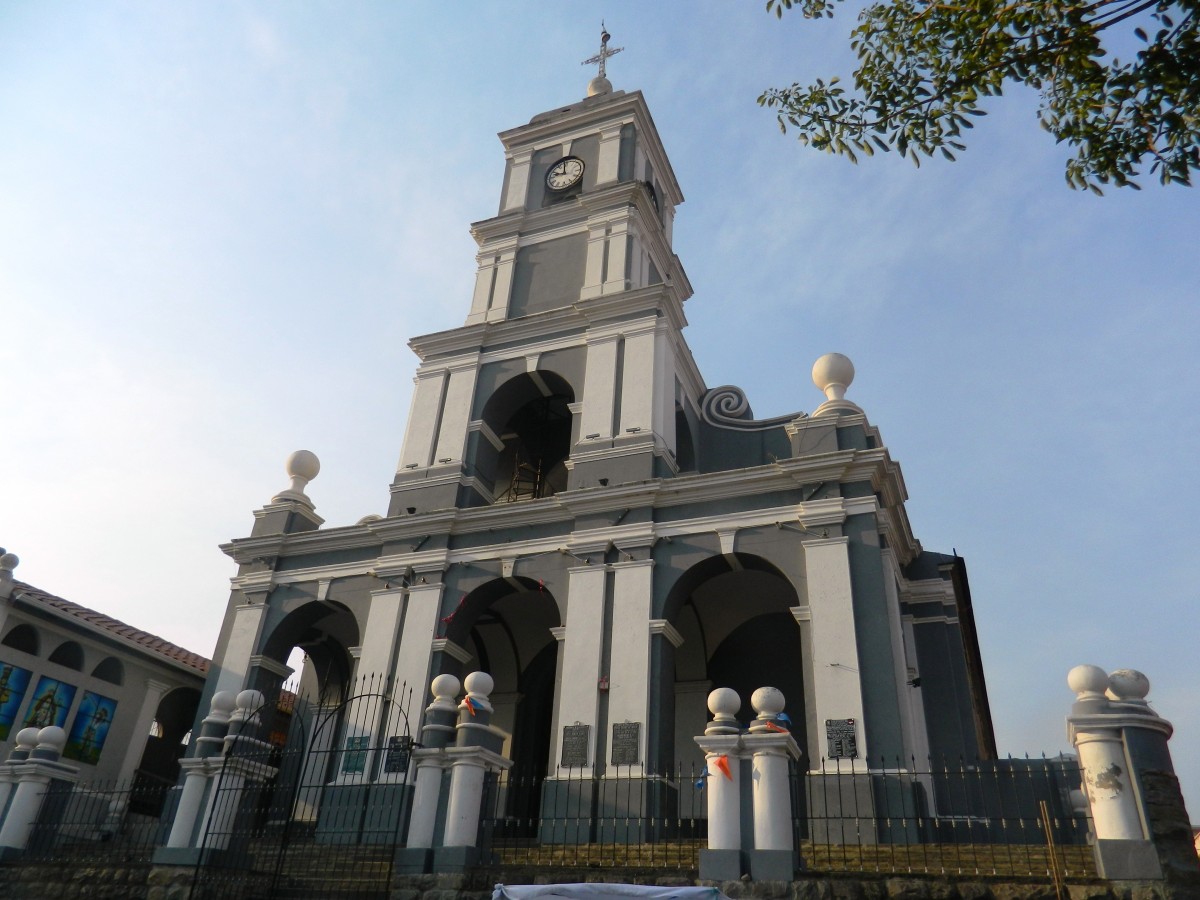
Today, the Iglesia de San Roque is an integral part of the city of Tarija. It is not only a symbol of religious faith, but also a witness to history, art and culture. Both locals and tourists from far and wide who come to Tarija are always attracted by this ancient church and linger in its historical atmosphere.
Although it has undergone many renovations, the church still retains its original appearance. The people of Tarija share the responsibility of preserving this cultural heritage, and the local government has invested a great deal of resources in its restoration and maintenance to ensure that it will continue to stand in the center of the city, guarding it for generations to come.
In recent years, with the development of tourism, the Iglesia de San Roque has become an important tourist attraction in Tarija. Whether you are a tourist interested in religion and culture, a photographer fascinated by historical buildings, or just want to experience a sense of silence and sanctity, you will find your own touch here. As the sun goes down, the church glows in the twilight, as if it were telling the world an ancient legend of faith, hope and miracles.
Iglesia de San Roque is not just a building, but a piece of living history, part of the soul of the city of Tarija. It is a place where time seems to freeze, where history meets modernity, where faith meets art, and where unforgettable imprints are left behind. In Tarija, no matter what, the Iglesia de San Roque is definitely worth stopping by to listen to the whispers that span centuries and to feel the most sincere and ancient guardianship.