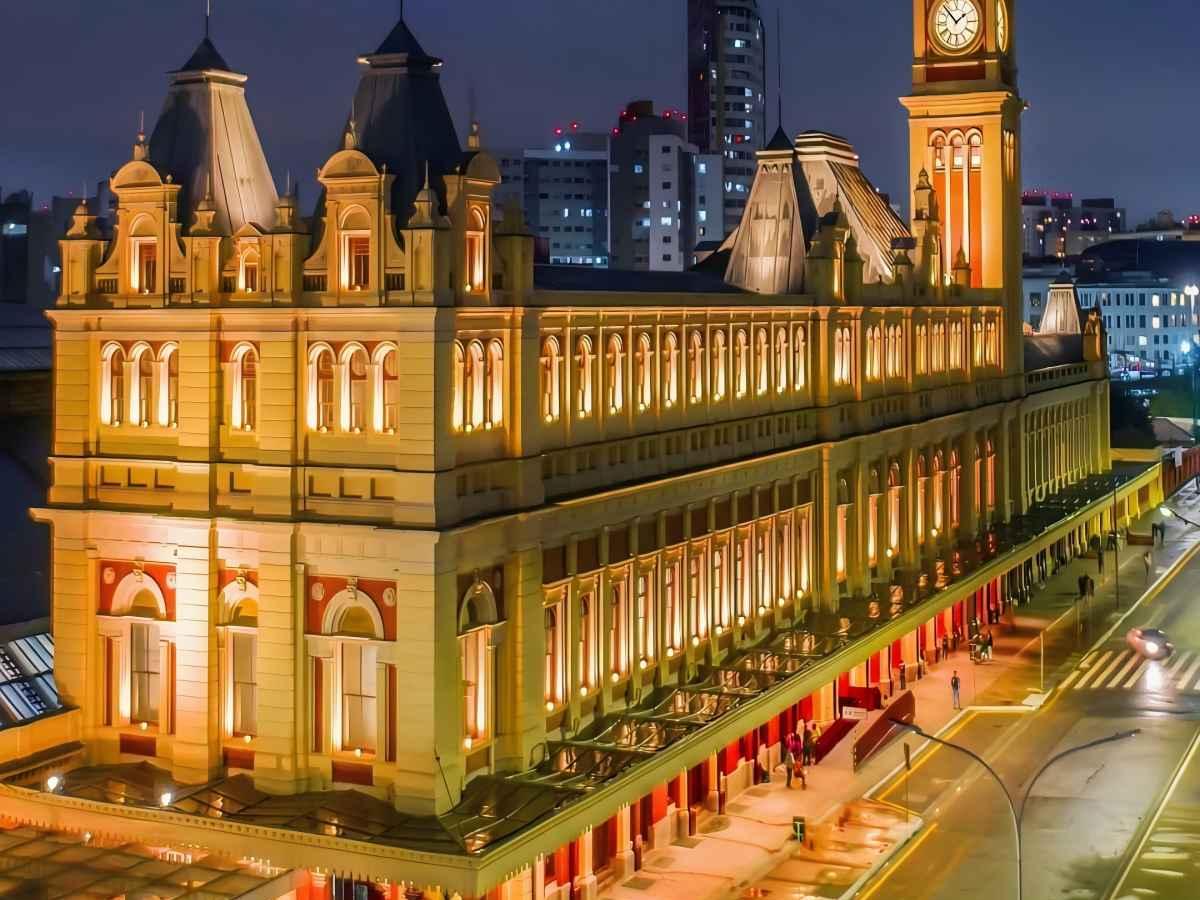
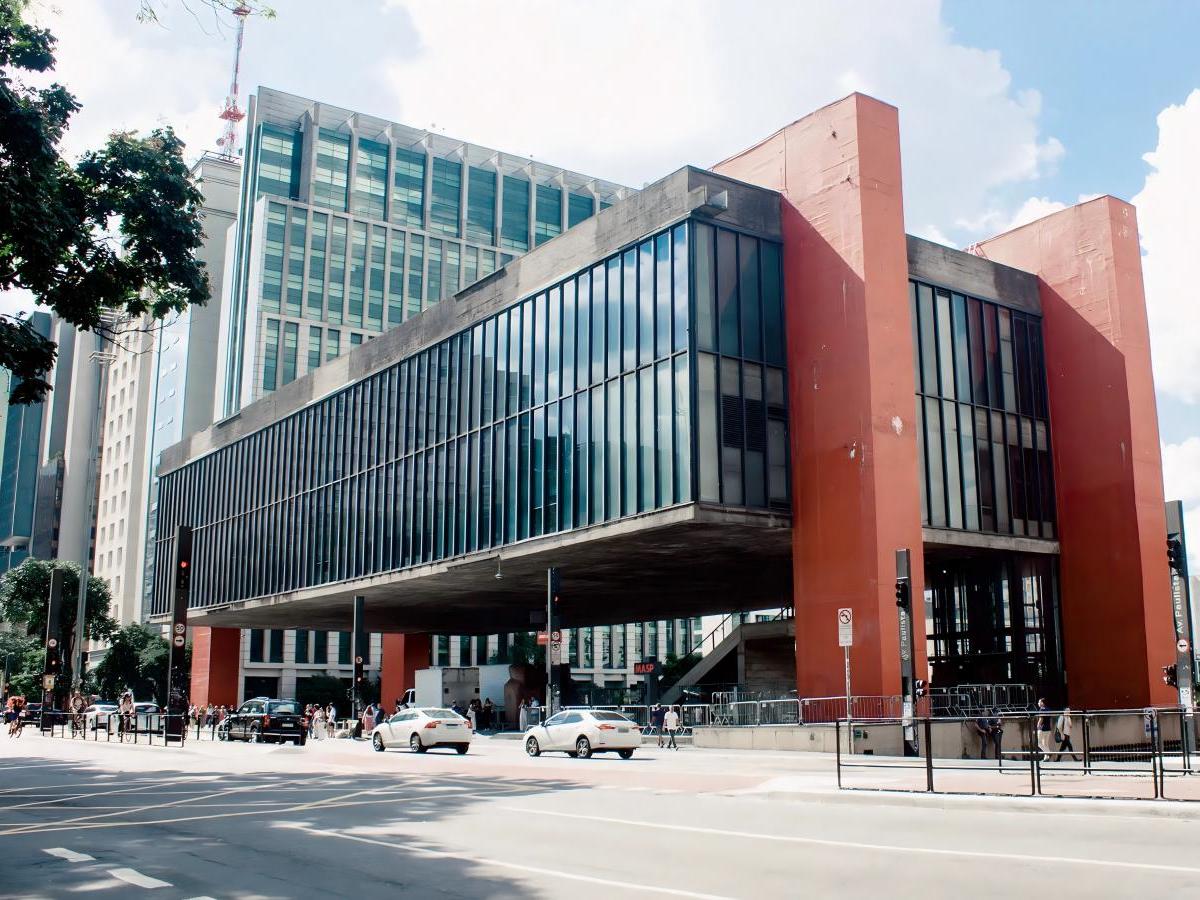
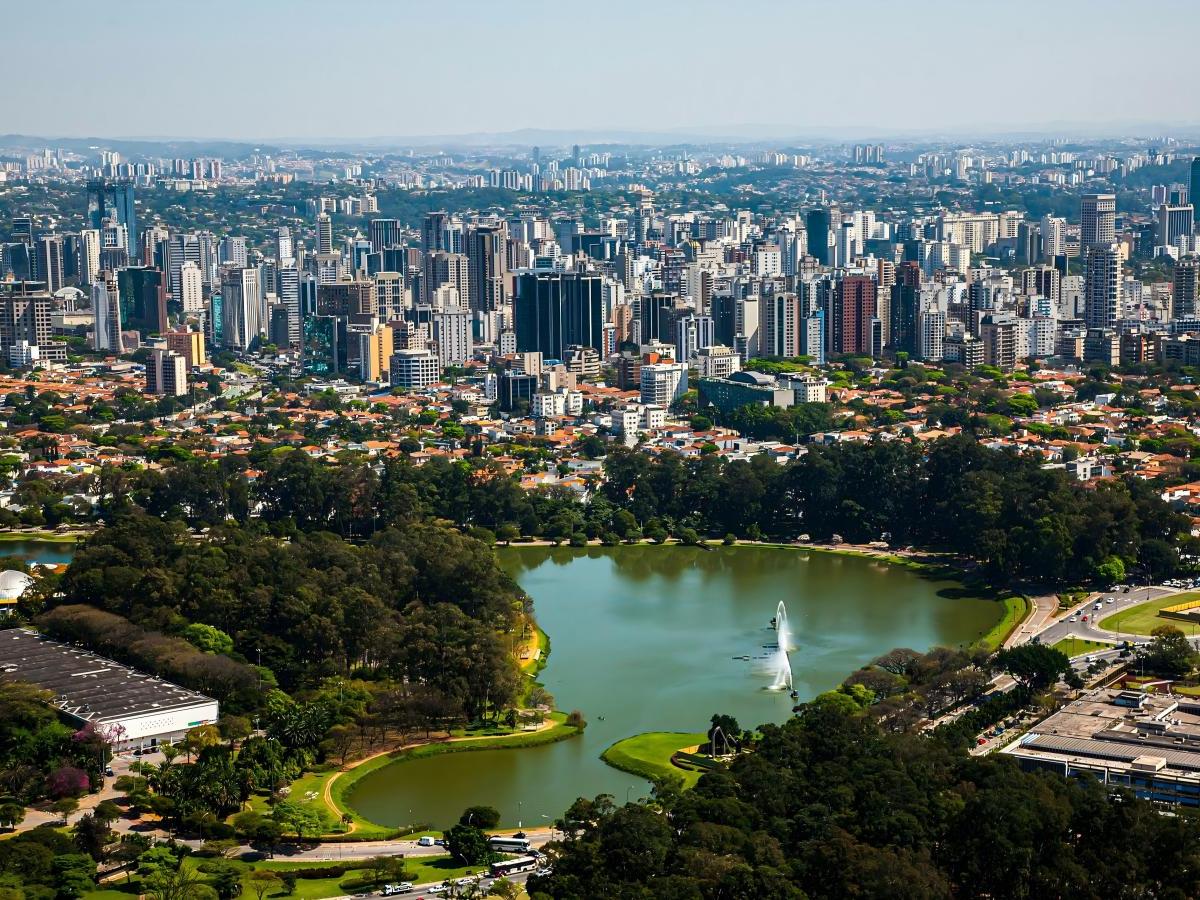
In the steel jungle of Sao Paulo, the largest metropolis in South America, Ibirapuera Park sculpts the city's most precious emerald heart with 1.6 million square meters of verdure. This oasis, carefully created by Brazilian landscape architect Roberto Bray Marx, is not only a refuge for more than 4,000 native trees, but also a container for 500 years of Brazilian civilization. When the pure white dome of the Museum of Modern Art penetrates the clouds, when the bronze lintels of the Museum of Africa Brazil reflect the morning light, and the hot South American sun is reflected in the dry landscape courtyard of the museum on that day, this park uses the double brush of nature and humanity to write the eternal proposition of human civilization and ecology.
Advertisement
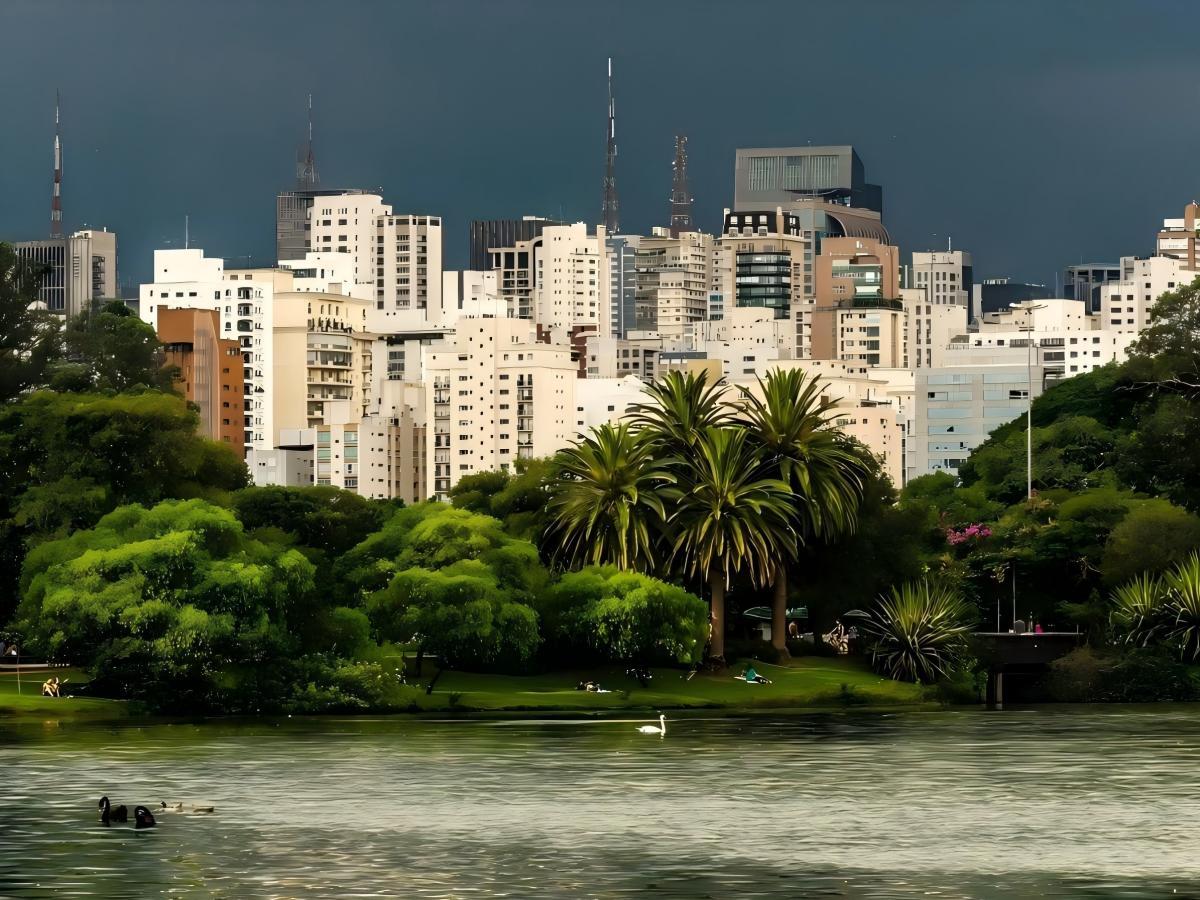
When the skyscrapers of Sao Paulo weave into an impenetrable jungle in the skyline, Ibirapuera Park rises out of the sky with 1.6 million square meters of greenery, like South America's version of Central Park. Built in 1954 to commemorate the 400th anniversary of the city of Sao Paulo, this urban oasis uses more than 4,000 native trees to weave a three-dimensional ecological barrier to shut out the urban noise. Black swans and koi carp swimming on the artificial lake, squirrels jumping in the forest and birds singing, constitute a wonder of the urban ecosystem.
Advertisement
By five o 'clock in the morning, when the first rays of sunlight break through the clouds, joggers are already sprucing up along the six-kilometre walk around the lake. On weekend lawns, yoga enthusiasts stretch in the morning fog, skateboarders flip on ramps, and the sounds of family picnics mingle with the smell of churacai. It is not only an arena for sports lovers, but also a spiritual habitat for urban people looking for inner peace.
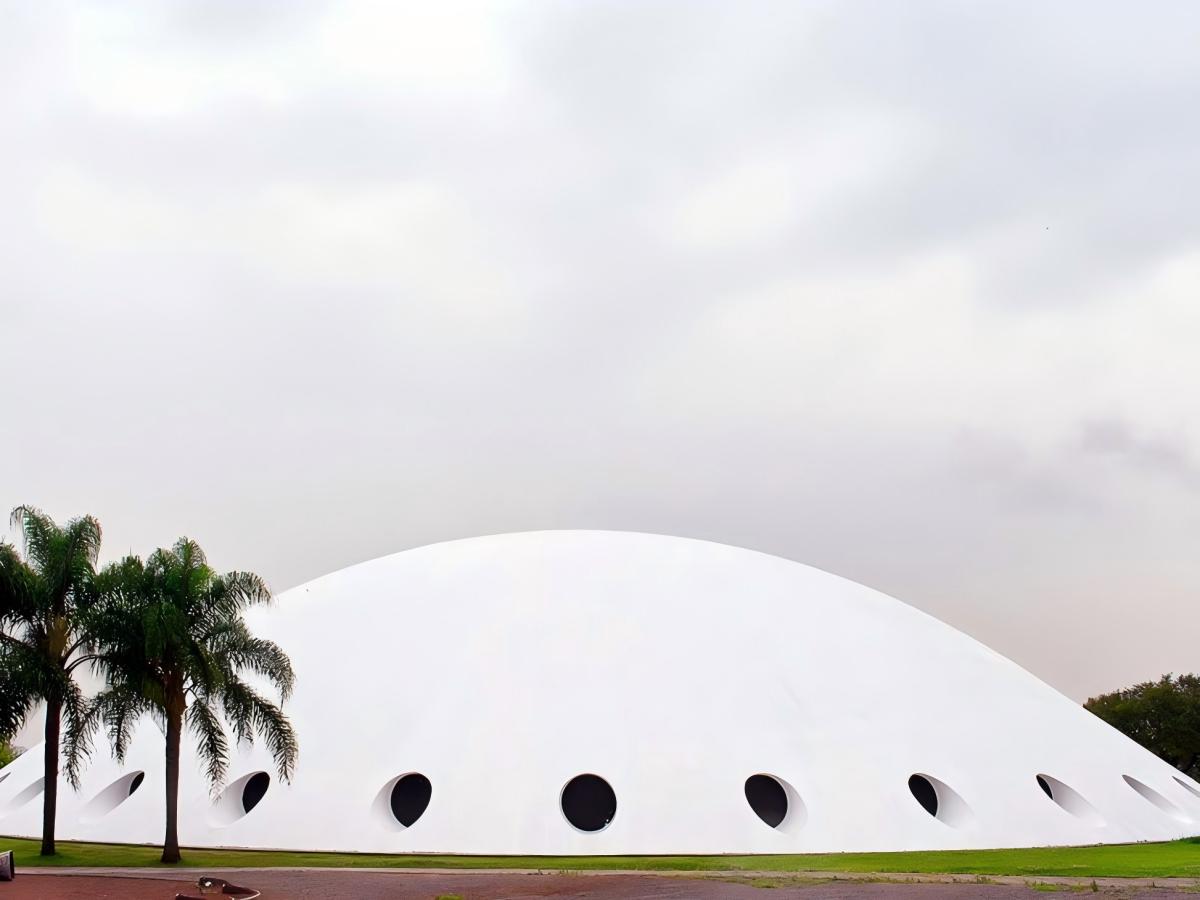
The pure white architecture of the Museum of Modern Art (MAM) is like a giant ship in full sail, carrying more than 5,000 art treasures. From Picasso's Cubism to Pollock's abstract expressionism, from the pioneers of Brazilian modernism to contemporary new media art, the permanent exhibition from Europe to the Americas reconstructs the history of art from a cross-cultural perspective. In the sculpture garden outside the pavilion, Roberto Bray Marx designed 6,000 square meters of space, the works of 30 Brazilian sculptors co-exist with tropical plants, forming a flowing art gallery.
Advertisement
Images of slave ships and palm trees cross the bronze relief lintels of the African Brazil Museum, where more than 6,000 exhibits tell of the rebirth of African culture in Brazil. Yoruba drum equipment and Kandombre ritual items, combined with holographic projection technology, recreate the memories of civilizations cut off by the Atlantic Ocean.
Oscar Niemeyer's modernist masterpieces are dotted here: the Oca pavilion, whose hyperbolic dome resembles a flying saucer of alien descent, hosted the Sao Paulo Biennale's installation; The undulating concrete structure of the Marquise Promenade is both a transportation hub and a free stage for skateboarders; The Japanese Pavilion's dry landscape courtyard, moss and gravel interpretation of the Oriental Zen, the museum regularly held tea ceremony experience and ukiyo-e exhibition, tell the Japanese immigrants to the cultural contribution of Brazil.
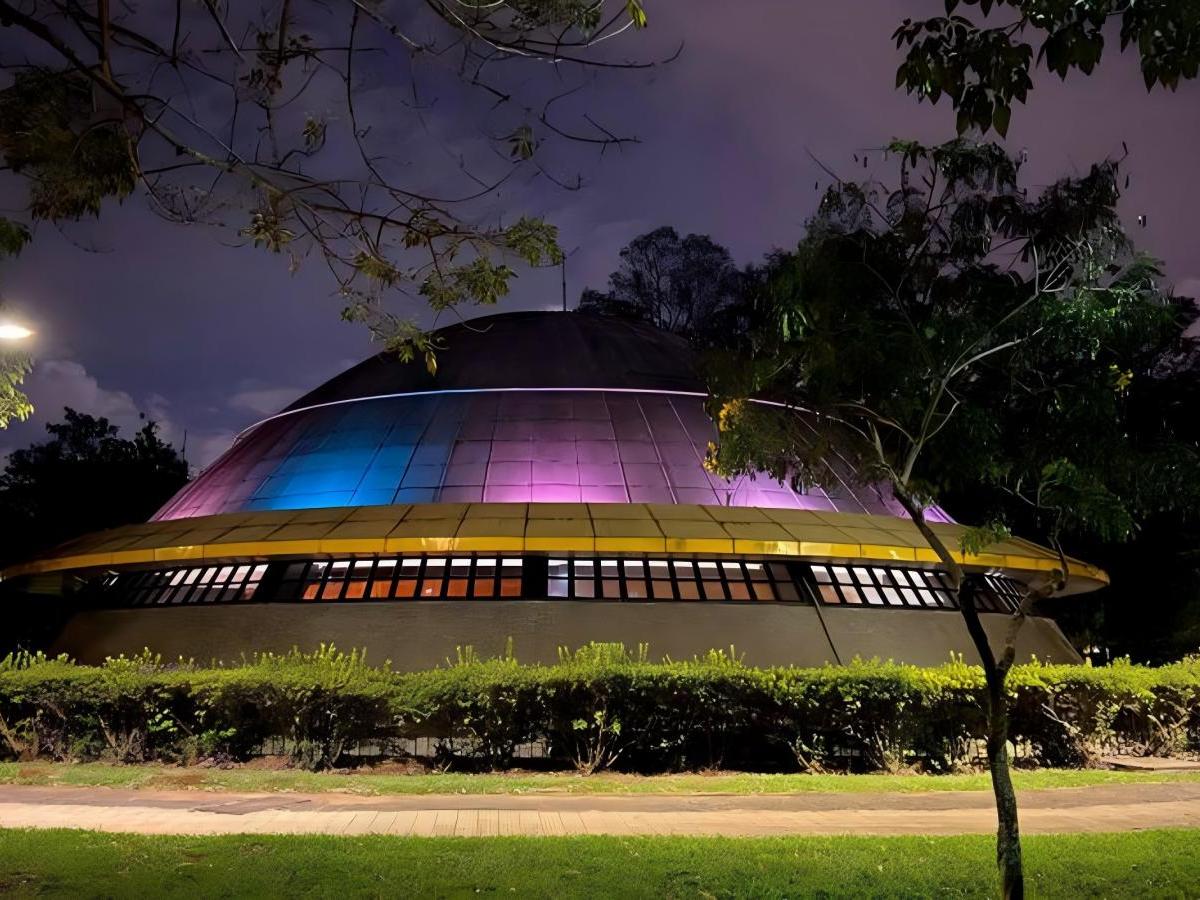
Every September, giant posters for the 35th Sao Paulo Biennale are rolled out at the entrance to the park. Artists from 121 countries turned the pavilion into a laboratory of ideas: Philippine director Chira Tasimik's "Noah's Ark" built from tropical rainforest wood, and Brazilian musician Tigana Santana's "Psychedelic Forest" built from holographic projections, discussing the survival of human civilization. The free concert at the amphitheater features music ranging from bossa Nova to electronic music, from traditional Indian folk to African rhythms, reflecting the cultural inclusiveness of Sao Paulo as the "melting pot of the world."
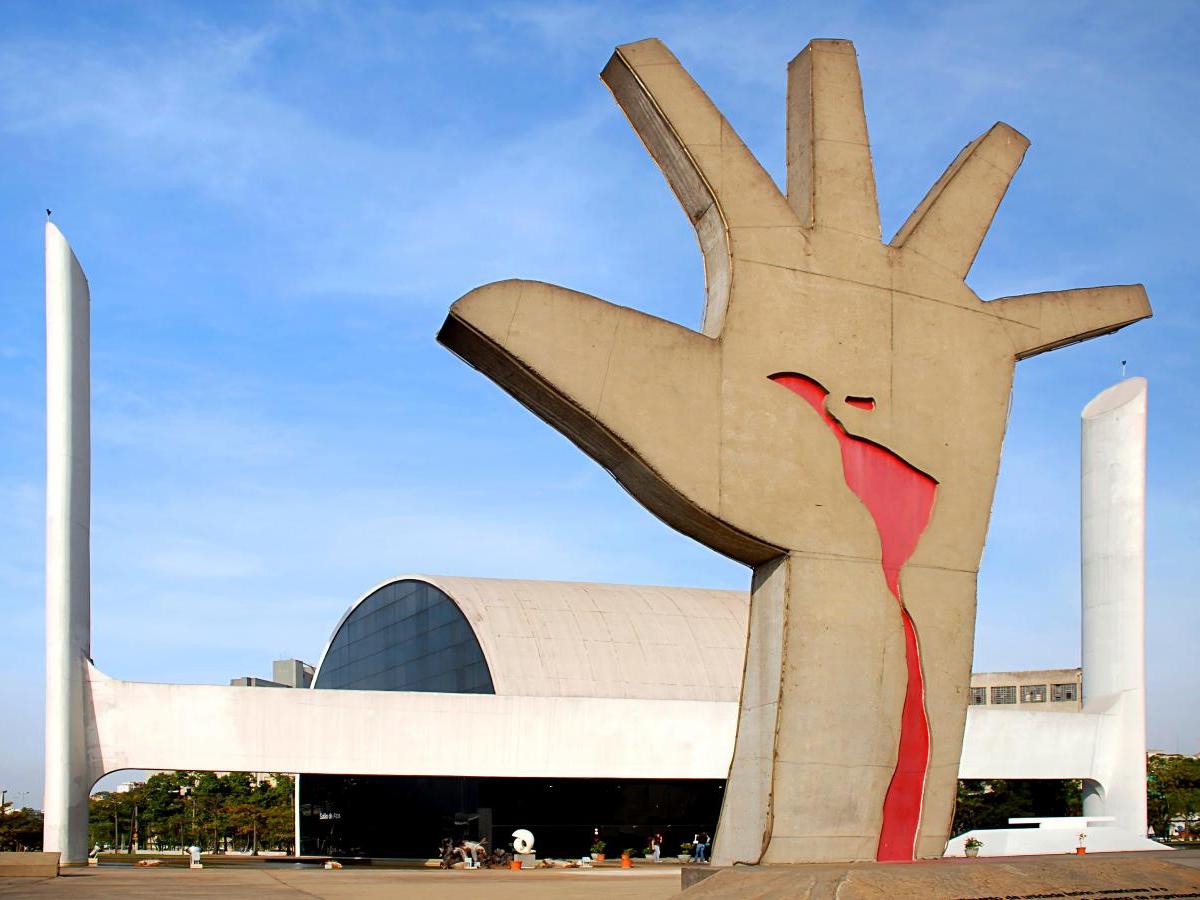
The pioneer sculpture at the park's main entrance is a manifestation of the Brazilian national spirit: European knights waving flags, black laborers pulling ropes, Indian guides gazing into the distance, forming a symbiotic picture of diverse civilizations. In the ring-shaped exhibition hall of the Latin American Memorial, 17th-century Portuguese colonial documents are juxtaposed with contemporary digital paintings of indigenous peoples, telling a complex history of civilisations.

Best tour route: Enter the park from the south gate, first to the pioneer carving experience the history, along the central axis north to visit the MAM Museum, Sculpture garden, Japan Pavilion, picnic in the afternoon by the artificial lake, evening to the amphitheater to enjoy free performances.
Special experiences: "Cultural Open Day" on the first Sunday of each month, free admission to all museums and interactive workshops; Rent the park's intelligent guide car (including Chinese system), and restore the historical scene through AR technology.
Churrasco by the Lake: Located on the east side of the artificial lake, the open-air barbecue area serves Brazil's national dish, "Saculasco," featuring Angus beef with secret spices, tapioca and acai juice, and a live samba band every weekend.
Sakura Teahouse: Taste matcha and fruit in a Japanese courtyard, and recommend trying the seasonal "Sakura Snapper", which has a crispy skin and a dense filling of red beans, perfectly recreating the street flavor of the Edo period.
Afro-Brazilian Food Truck: Purple food trucks that flow around the Latin American Memorial serve "Mokumba stew," a fusion of African kale and Brazilian black beans, served with spicy palm oil rice balls and accompanied by a traditional drum performance.
MAM Cafe: A panoramic restaurant on the top floor of the museum, the chef combines Brazilian rainforest ingredients with contemporary art on a plate, recommending the "Heart of the Amazon" set menu: Brazil nut mousse with Amazon-berry gel, the plate design echoes the theme of the permanent exhibition in the museum.
Safety tips: It is recommended to visit during the day and avoid carrying valuables; The main walk is only open at night, which is suitable for enjoying the light show but be careful to walk in groups.
The very existence of Ibirapuera Park is a metaphor: at a time when the modern city has lost its way in concrete and steel, this oasis reminds us that the true progress of civilization lies in living in harmony with nature. Here, with 400 years of wisdom, Brazilians have fused primitive forests, colonial history, and modern art into unique samples of civilization, providing a poetic answer to the process of global urbanization. When the sunset falls on Niemeyer's white buildings and the city skyline and natural landscape are perfectly reflected in the lake, at that moment, the eternal dialogue between human civilization and natural ecology is being staged.