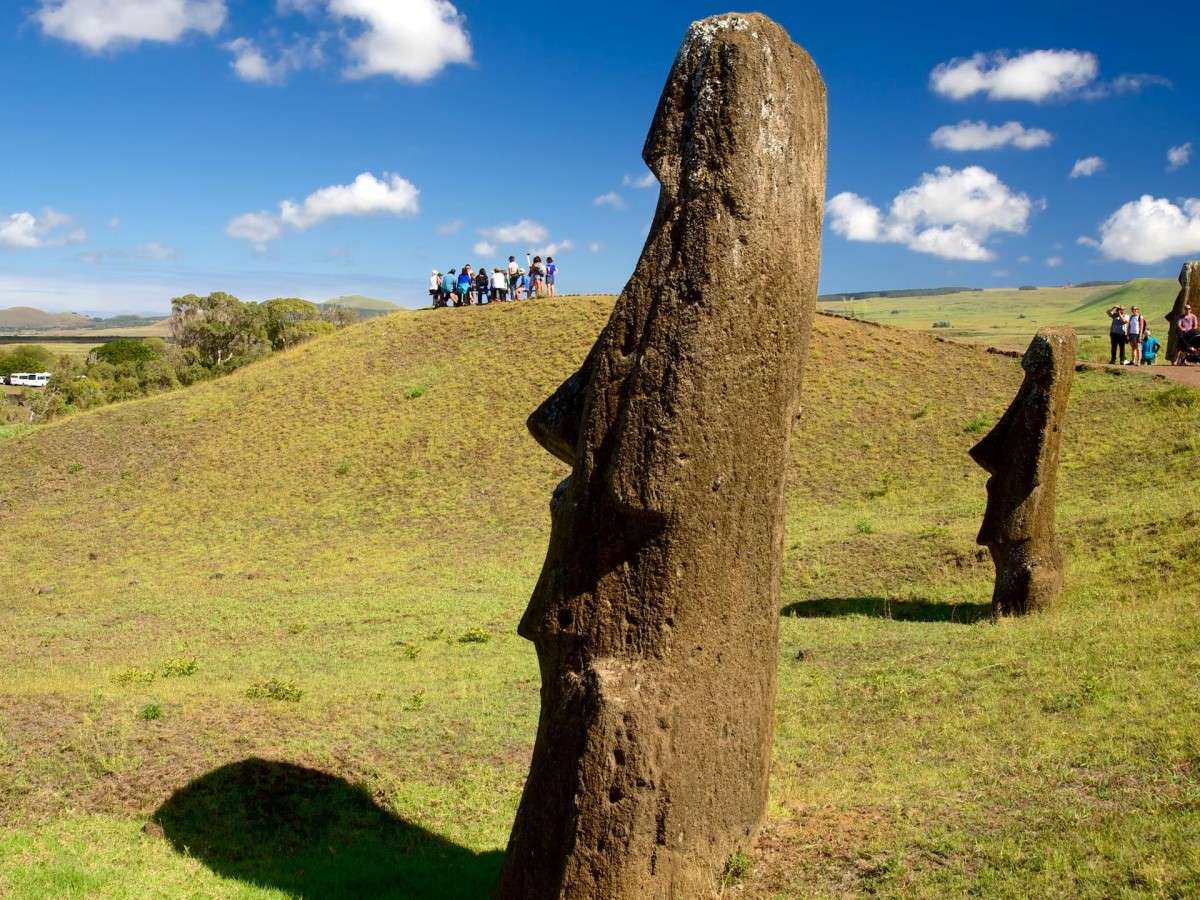
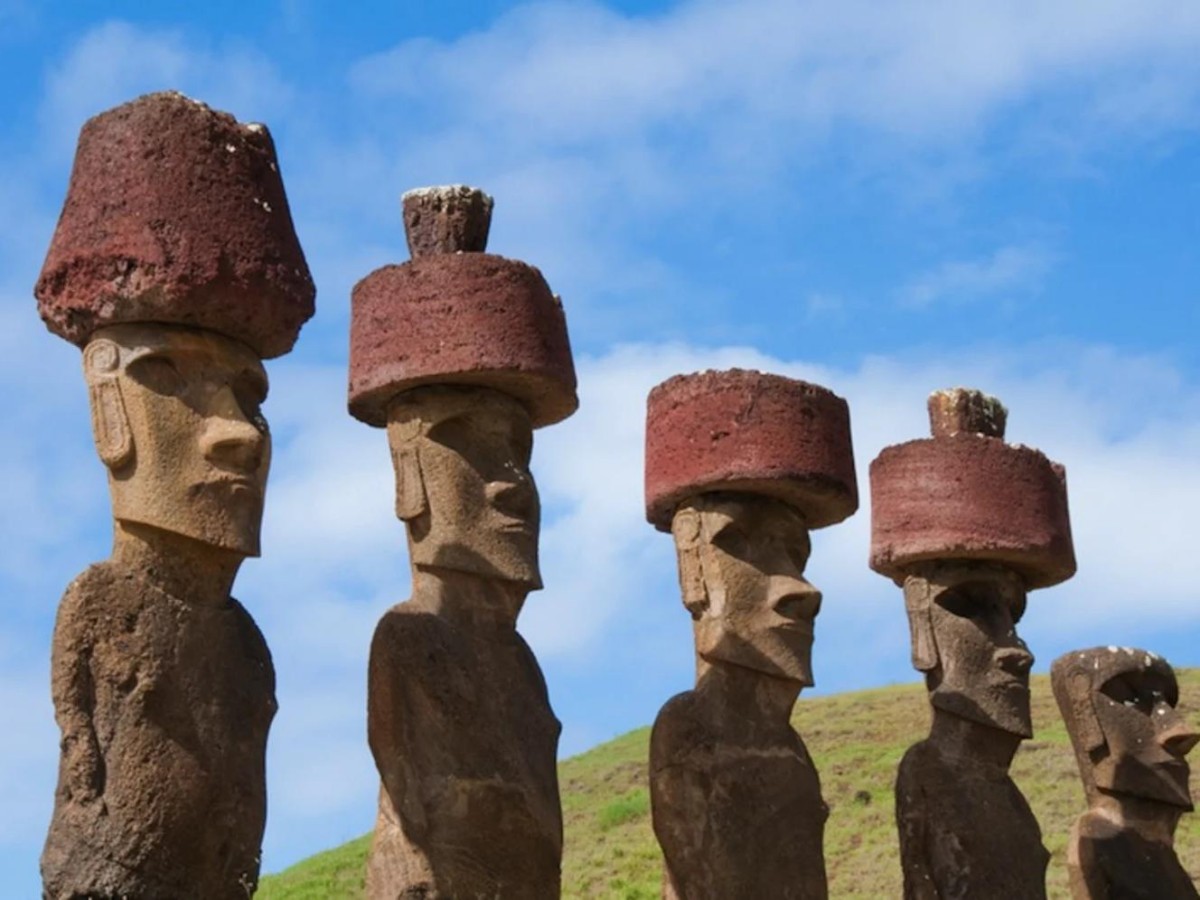
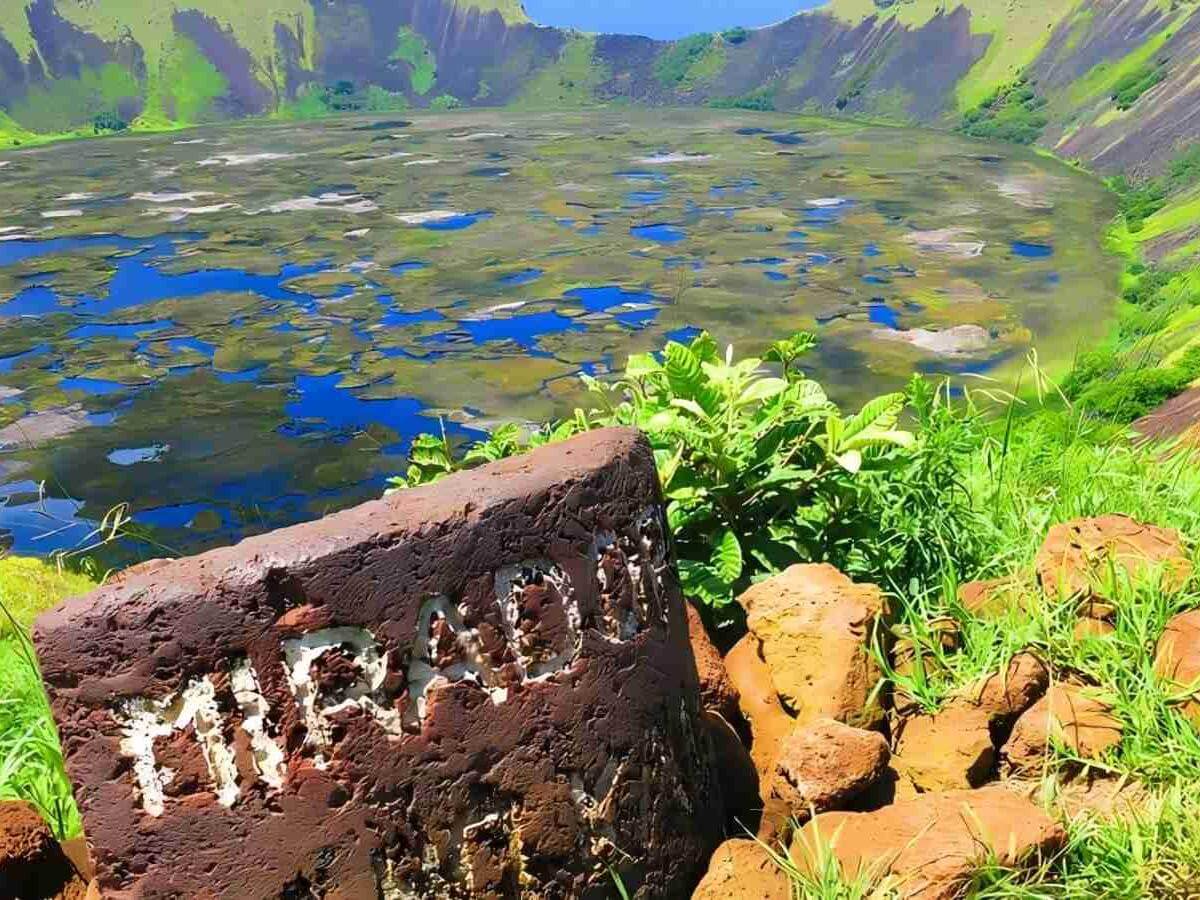
In the vast Pacific Ocean, Easter Island is famous for its mysterious Moai Statues. And behind these massive stone statues lies a place that holds their origins and history - this is Rano Raraku, a volcano that was once the main quarry for the Moai statues, and where hundreds of unfinished or untransported statues still remain today, making this one of the most important historical sites on Easter Island. If you are interested in ancient civilizations, mysterious ruins and spectacular landscapes, Rano Raraku is definitely a must-explore place in Easter Island.
Advertisement
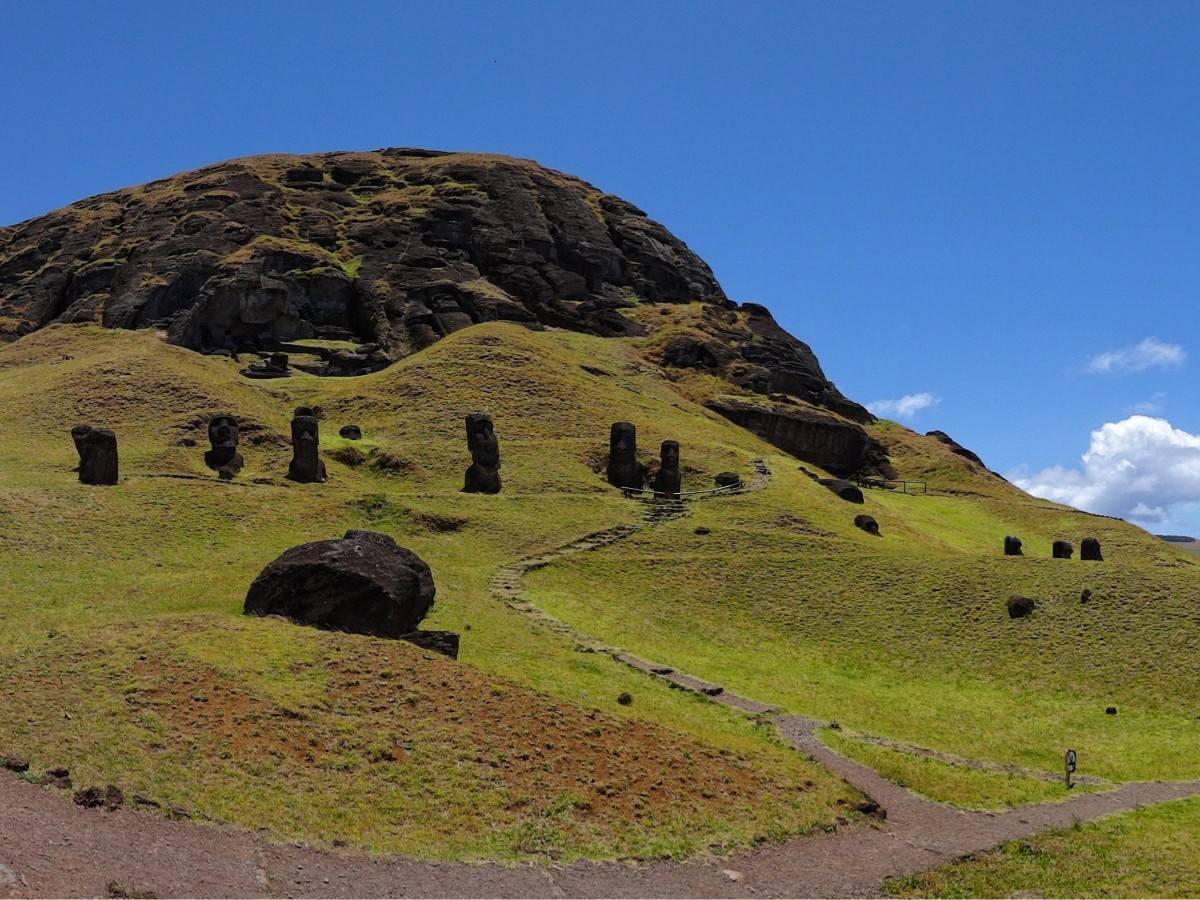
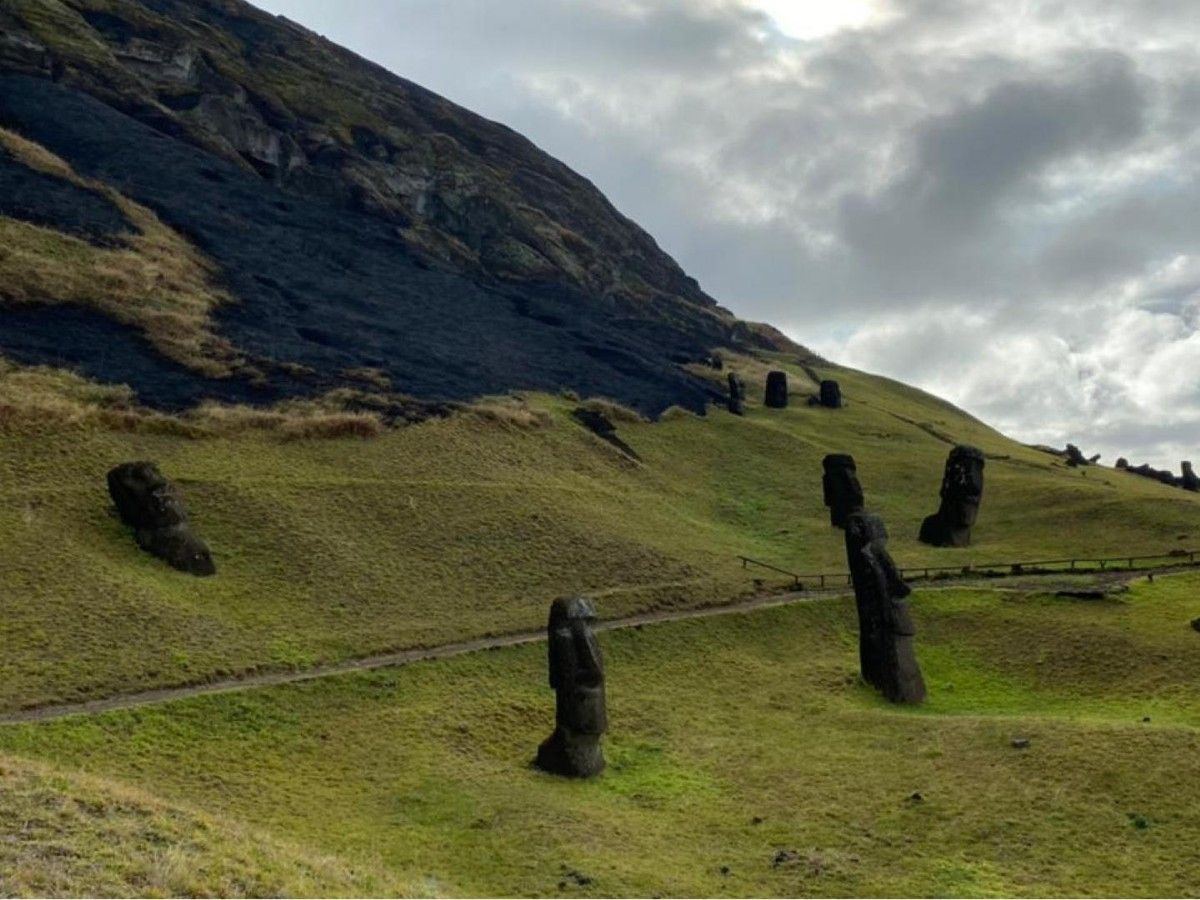
Rano Raraku is an extinct volcano whose softer volcanic rock is ideal for carving, and thus became the main site for the making of moai statues at Rapa Nui. Between 1250 and 1500 A.D., artisans carved nearly 1,000 moai statues here, about 400 of which still remain around the volcano.
Advertisement
The statues represented tribal leaders or important figures and were believed to protect the islanders and provide spiritual strength. Once the statues were carved, the Aboriginal people would haul them to different villages using ropes and wooden frames. However, due to the gradual depletion of the island's resources and conflicts between tribes, the transportation of the Moai stone statues eventually ceased, and many of the statues were thus left forever in Rano Raraku, creating the unique landscape that exists today.
These unfinished or collapsed statues allow archaeologists to study the carving process of the Moai statues and add to the mystery of the place.
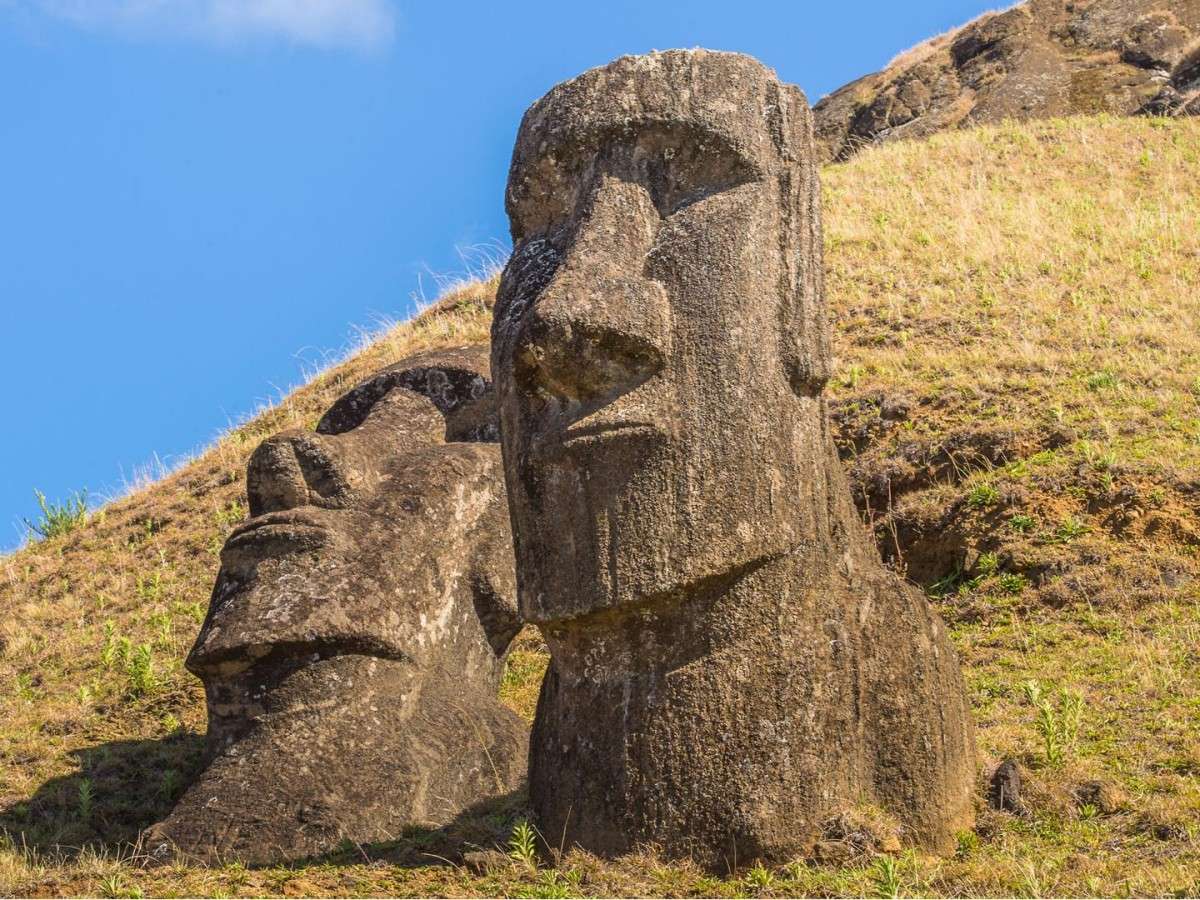
The “Half-Buried” Moai Stones
Advertisement
At Rano Raraku, you will see many Moai statues that seem to be “half-buried” in the ground, revealing their large heads. In fact, most of the body parts of these statues are buried in the ground and can be more than 7 meters long. This is due to centuries of weathering and sedimentation, resulting in their partial burial. This phenomenon makes these stone statues look even more mysterious and has become one of the most famous sights on Easter Island.
El Gigante, the largest Moai stone statue
One of the largest Moai statues ever built, El Gigante, stands at 21 meters tall and weighs more than 160 tons, but it remains unfinished and has never been transported anywhere. It makes you think: if the islanders of the time had actually managed to move it, it would have been one of the most spectacular stone statues in the world.
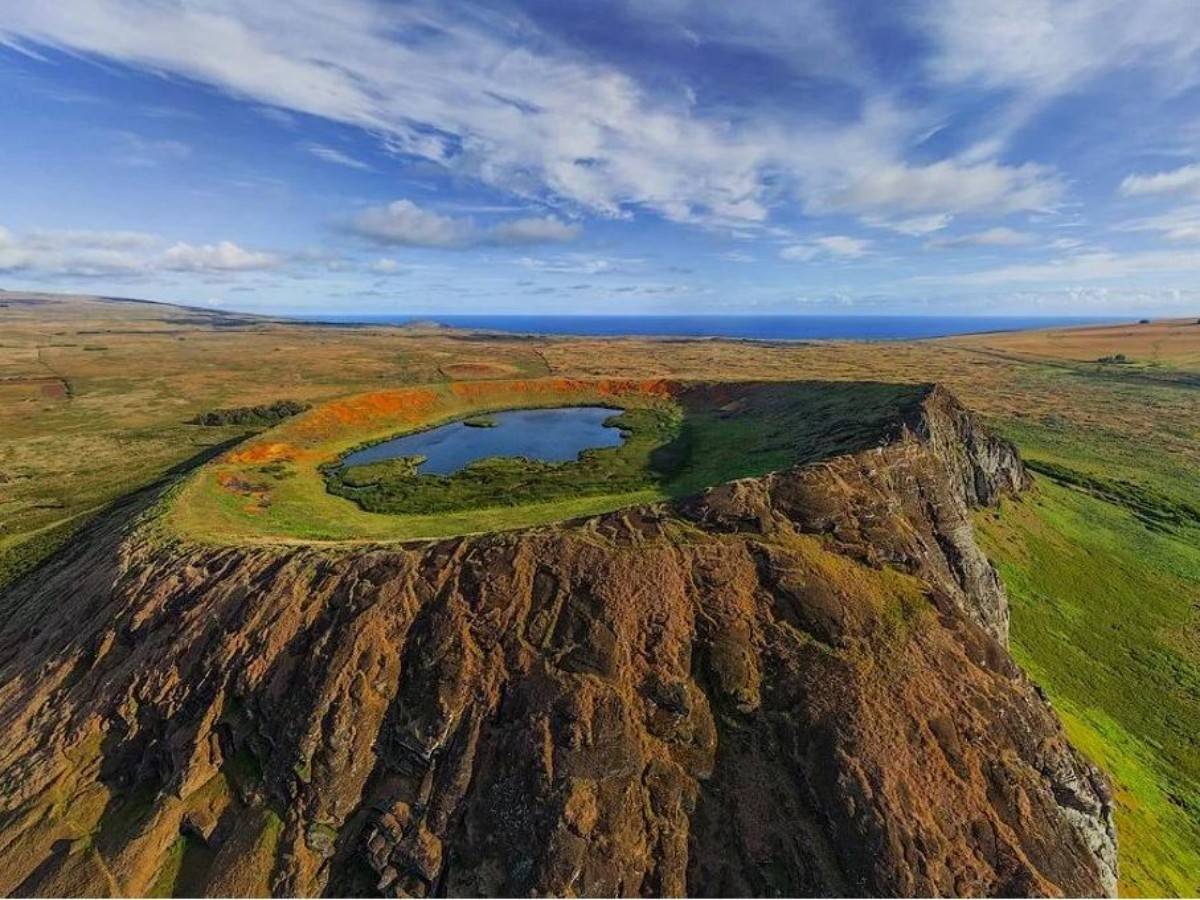
360° panoramic view
In addition to the mysterious Moai stone statue, Rano Raraku is also a great spot to overlook the entire Easter Island. Standing on the slopes of the volcano, you can admire the blue Pacific Ocean, the green grasslands, and the other Moai ruins on the island. It is not only a paradise for archaeology lovers, but also a dream scene for photographers.
Easter Island has a subtropical climate with favorable temperatures throughout the year, but different seasons will affect your travel experience.
Best time to travel: October to April (spring and summer)
The weather during this time is warm, with temperatures generally ranging between 20-28°C and less rainfall, making it ideal for hiking and taking photos. In addition, the island hosts the Tapati Festival every February, which is the perfect time to experience the local culture.
May to September (Fall/Winter)
Temperatures are slightly cooler during this time, ranging from around 15-22°C, with occasional strong winds and rainfall. However, there are fewer tourists and the sites are quieter at this time of year, making it suitable for travelers who prefer to avoid the crowds.
Tickets and guided tours
Rano Raraku is part of Rapa Nui National Park, and a park ticket is required to enter the scenic area, costing around $80 (prices are subject to change). It is recommended to hire a guide so that you can learn more about the history and culture of the Moai stone statues.
How to get there
Rano Raraku is about a 20-minute drive from Hanga Roa town and there is no public transportation on the island, so you have options:
Renting a car or motorcycle (self-driving is recommended for flexibility and convenience)
Cycling (for those who like sports, but there are a lot of uphill sections)
Join a local tour group (suitable for tourists who want to listen to professional explanation)
Duration of the tour
It is generally recommended to stay at Rano Raraku for 1.5 to 2 hours, which gives you enough time to explore all corners on foot while enjoying the breathtaking views of the island.
Precautions
-It is forbidden to climb or touch the Moai stone statues: these sites are very precious and visitors need to remain respectful or they may be fined.
-Be prepared for sun and wind: there is not much shade and UV rays are strong, so it is advisable to bring sunscreen, a hat and sunglasses.
-Wear comfortable shoes: some of the terrain is rugged and non-slip hiking shoes are recommended.
Rano Raraku is not only the birthplace of the Moai stone statues, but also one of the most historically valuable sites on Easter Island. Hundreds of unfinished stone statues are scattered here, each carrying ancient stories and unsolved mysteries. Standing on this legendary land, you can feel the wisdom and creativity of the Rapa Nui people while enjoying the magnificent natural scenery. If you are curious about ancient civilizations and want to explore one of the most mysterious sites in the world, then Rano Raraku is definitely worth a visit. Grab your camera and embark on this journey through time!