
Advertisement
I thought museums in South America would be dominated by color and folklore, until I walked into one in Punta Arenas and realized - this land near the end of the world also harbors layers of human migrations, polar expeditions, oceanic civilizations, and an intertwined history of wealthy Europeans and indigenous peoples that you've probably never heard of. It's definitely in the top three of the recommended list of places to spend two hours perusing.
Advertisement
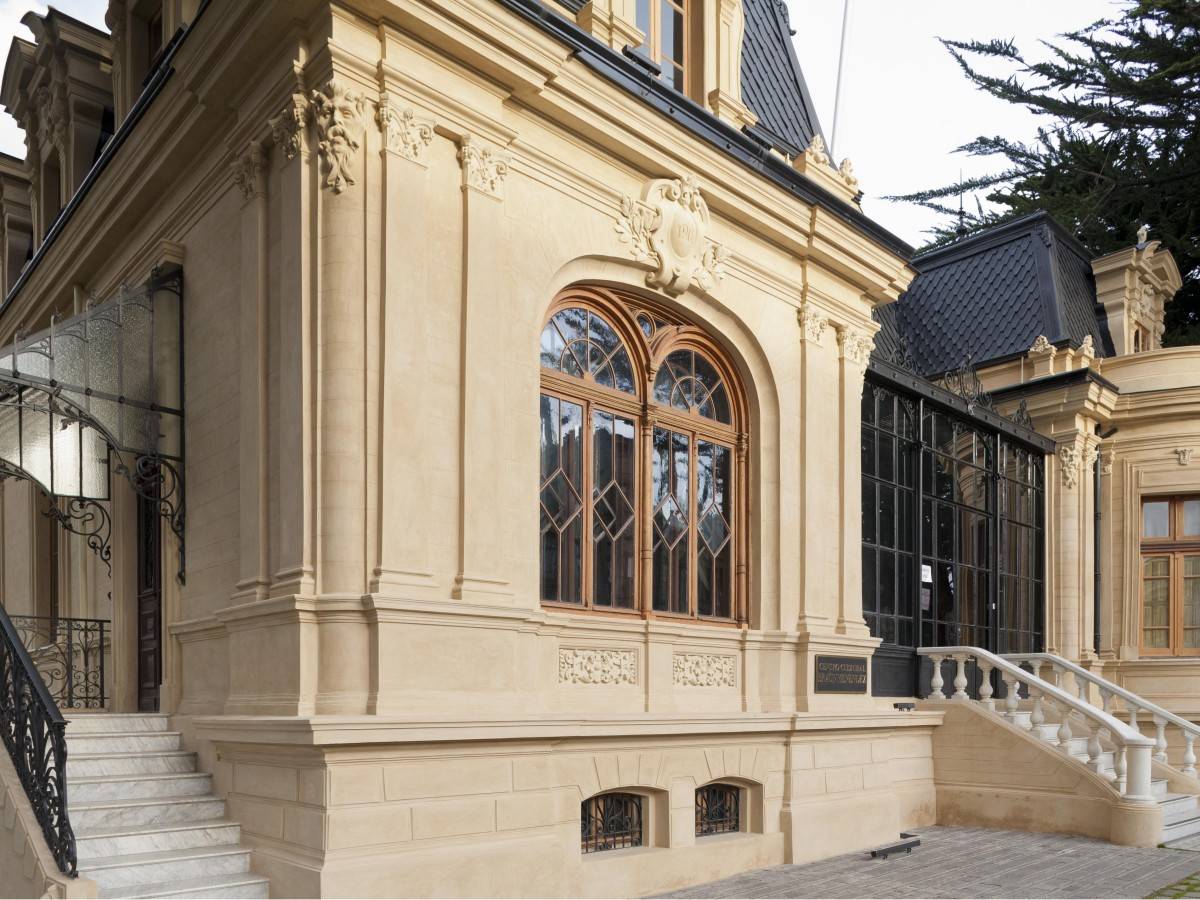
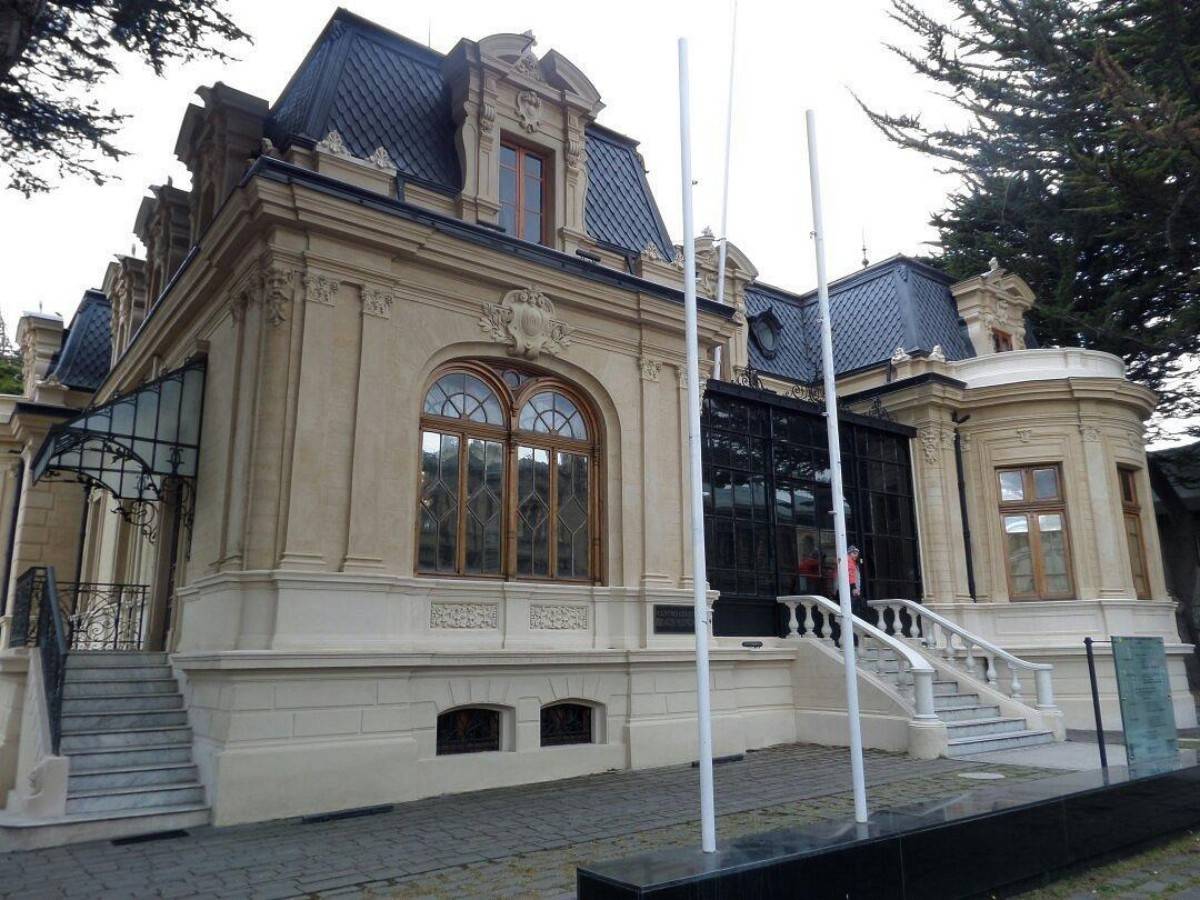
The building, officially known as Museo Regional de Magallanes, was originally a French mansion in the late 19th century. Stepping through the front door gives you the illusion of stepping back in time - gilded chandeliers, bronze sculptures over the fireplaces, red velvet chairs, oil portraits, detailed wooden staircases, everything looks like a movie set. Even the pattern of the floor tiles in the foyer hides an elegant European aesthetic.
Advertisement
The mansion belonged to the Balmaceda family (the Bories or Menéndez family, depending on the source), one of the most powerful families of the Magellanic region in their time, whose wealth was derived from wool, trade and colonization. As you stand in the main hall and look up at the oil portraits of the suited and booted men, it's hard not to wonder how these men managed to build such a life of luxury in the far south of South America.
That's what makes this museum so special: it's not just about “looking at the exhibits,” it's about stepping into a sophisticated but complex historical living space. You can see the ink bottles and typewriters in the owner's office, the silverware and china bowls in the kitchen, and even the hostess's piano and the embroidered chair backs in the living room - each one says: “This was their world”.
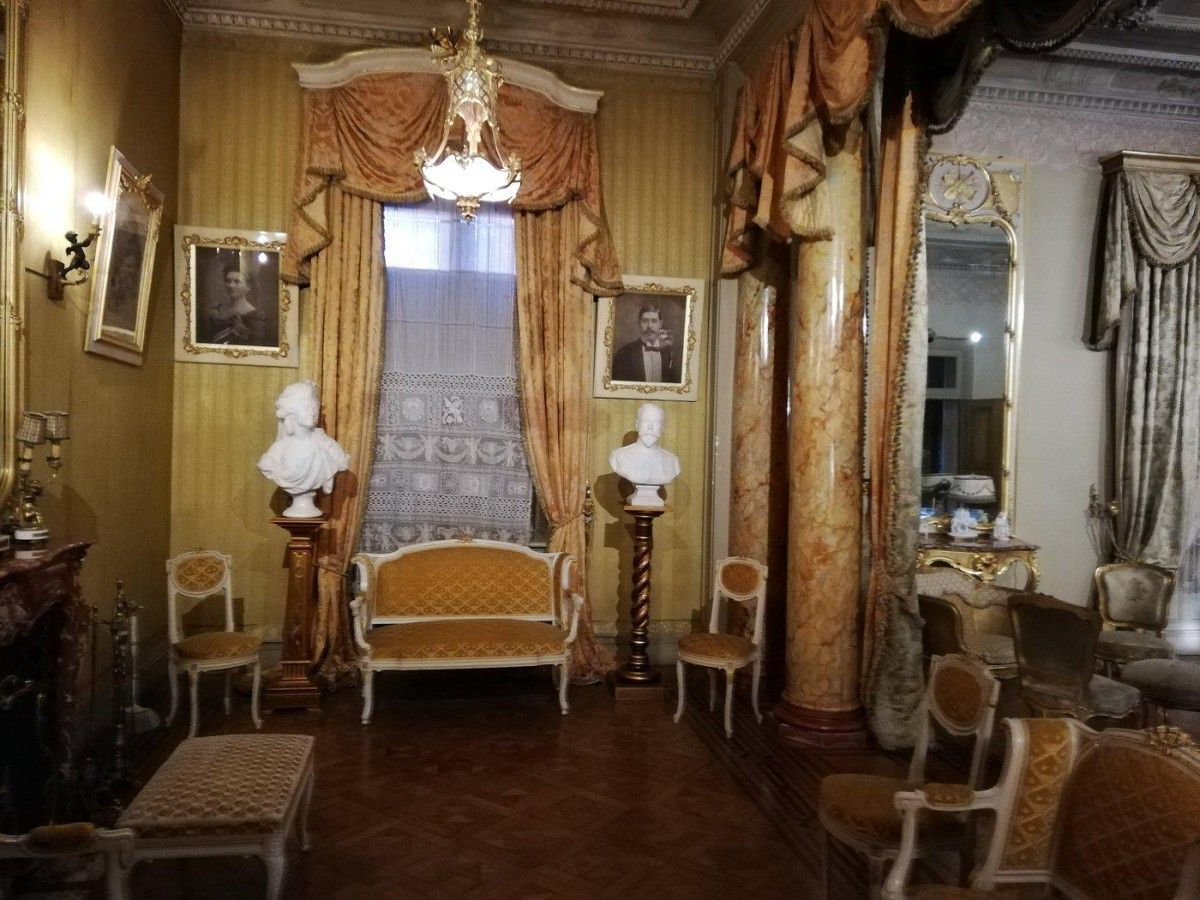
If the first floor shows the lives of European immigrants, the section after going upstairs stretches the timeline wider and deeper into the eye: aborigines, explorers, whalers, geographic discoverers, and the distant and mysterious Antarctic.
Advertisement
The permanent galleries on the second floor focus on regional evolution and cultural exchange, such as the restored scenes of the lives of the Aboriginal Selk'nam and Yaghan - you'll see their boats, tools, masks, and murals, and how the Europeans of the time documented them (some of the images are uncomfortable, but must be faced). These exhibits are not just displays, but a reminder of what these cultures perished for and what they left behind.
In another room, there is a display of how Chile is involved in polar research. You'll see vintage navigational instruments that traveled through icy seas, models of icebreakers, and a wall of photos from Antarctic expeditions. Who would have thought that half a century of polar dreams could be hidden in a mansion like this one?
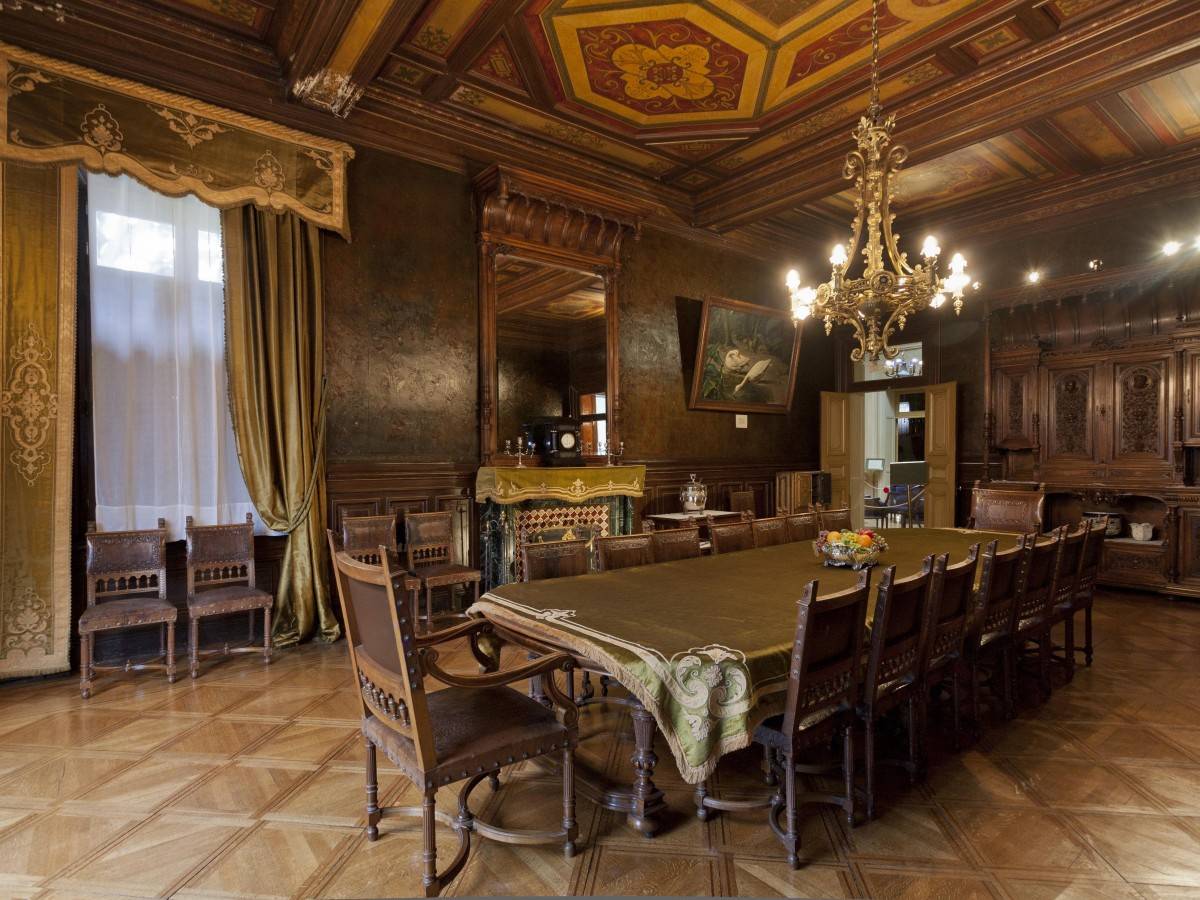
The museum is not big, but it is very rich in content, so if you walk around, it is easy to miss a lot of details. It is recommended that you visit the museum in this order:
Living space on the first floor: including the main hall, office, living room, kitchen. This floor is mainly for living, so it is recommended to take your time to look around and observe the details of the furniture, the style of furnishings, the portraits on the walls and the family stories, which will help you get into the mood quickly.
First floor aisle leading to the backyard: don't miss the small display cases here, some of the artifacts about the trade of the time are exquisite, as well as the silver compass used by the family for sailing.
Second floor Aboriginal and Polar exhibits: it is recommended to set aside 40 minutes, this part is more informative, with videos, replica models, and a lot of insightful historical information, so look slowly to understand the pulse.
Smaller thematic exhibits (if open): Occasionally there are temporary exhibits ranging from photography exhibits to polar research results. You can take a final sweep to see if there are any special exhibits for the day.
There are volunteer docents on each floor, but the information is mostly in Spanish with a relatively limited English section, so it is recommended to know the background of the main exhibits in advance, or use Google Lens to translate the labeled content for a more complete experience.
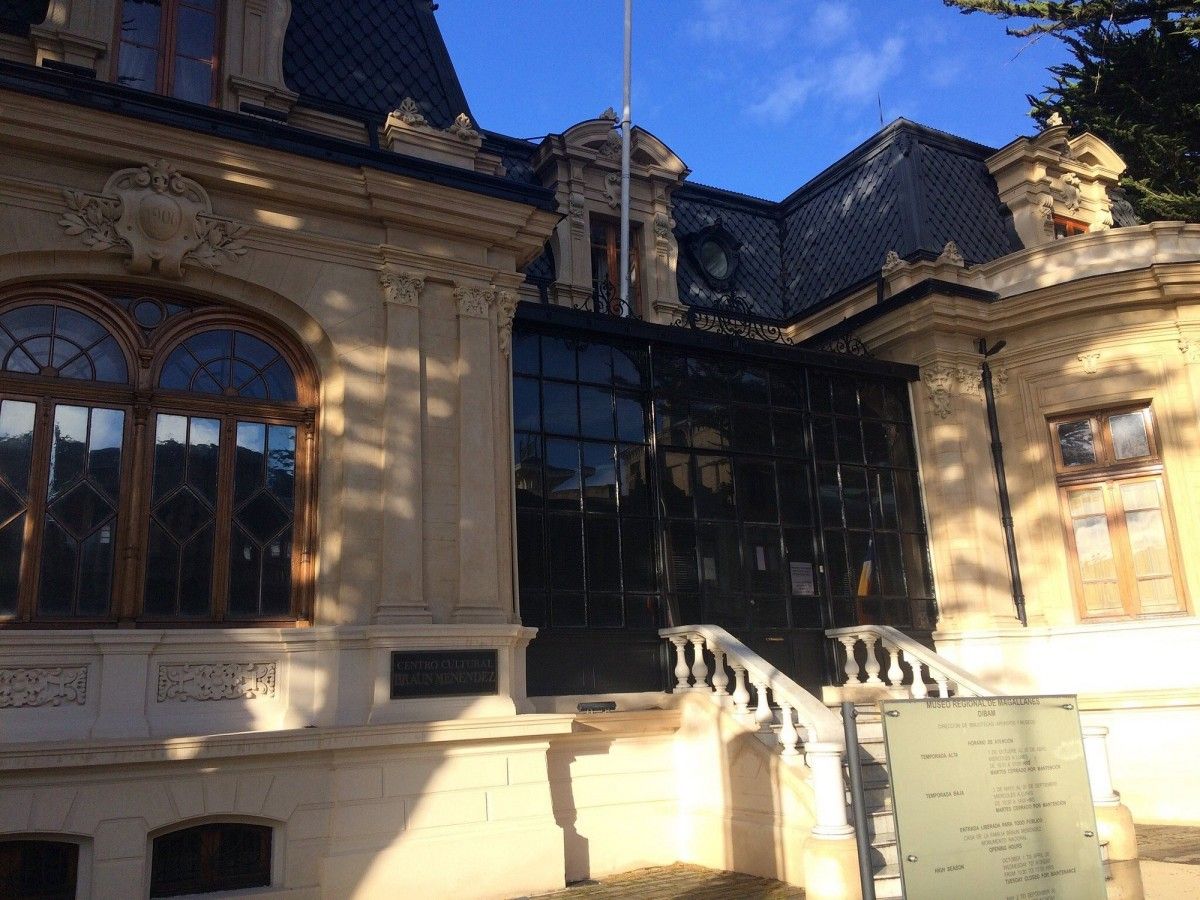
Address and opening hours: Located on Hernando de Magallanes Street in the center of Punta Arenas, it is open from Tuesday to Sunday (closed on Mondays), usually from 10:30 to 17:00, and is closed at lunchtime, but this may change on holidays, so it is recommended that you check the official website or Google Maps before you leave.
Admission: Admission to the permanent exhibitions is free, but some of the temporary exhibitions or guided tours may charge a fee, which is usually not too expensive (about 2,000 Chilean pesos).
Language and signage: Most exhibit descriptions are in Spanish, with limited signage in English. If you don't speak Spanish, it is recommended that you download a translation tool or ask a docent volunteer for help.
Photography: Photography is permitted but flash photography is not allowed, especially in the antiques section.
Time required: It is recommended to allow 1.5-2 hours for a comfortable pace that is both immersive and non-tiring.
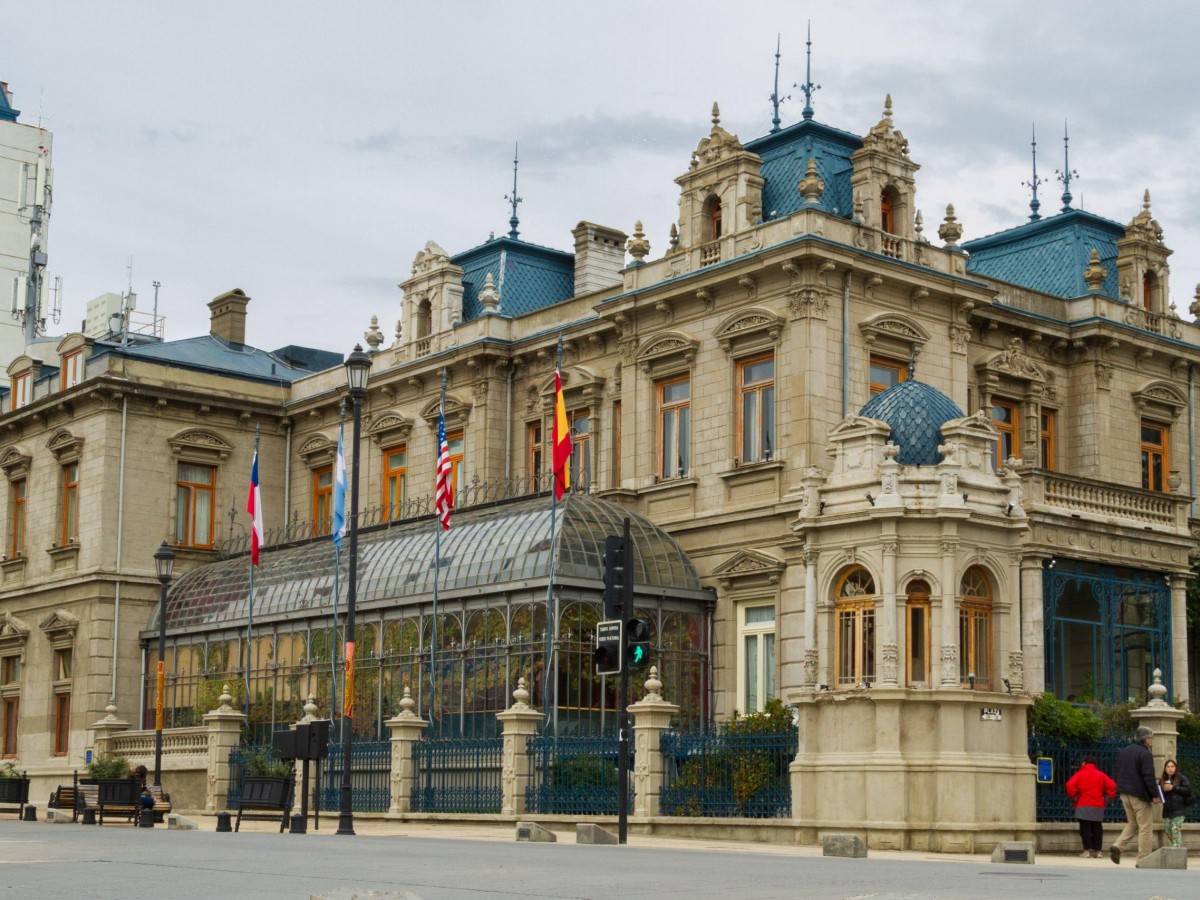
Suggestions for nearby side trips: the main plaza, Plaza Muñoz Gamero, is just a short walk from the museum, where you can see the statues and surrounding buildings, and Sara Braun's palace (another luxurious mansion) is a five-minute walk away.
I used to think of “museums” as a slightly heavier part of the trip, something to be saved for when the weather is bad or I don't have plans. But this local history museum in Punta Arenas has completely changed that impression. It not only tells you where the city came from, but also reminds you that the people who lived here built civilizations, navigated, exchanged, clashed, and adapted in the storms that raged at the edge of the Polar Regions. So if you're also embarking on a journey to the southern tip of Chile, you might want to put this place high on your list. Listen to the whispers of this city before you head for the Baiene National Park. You'll better understand why the journey through the snow and faraway lands is so worth it.