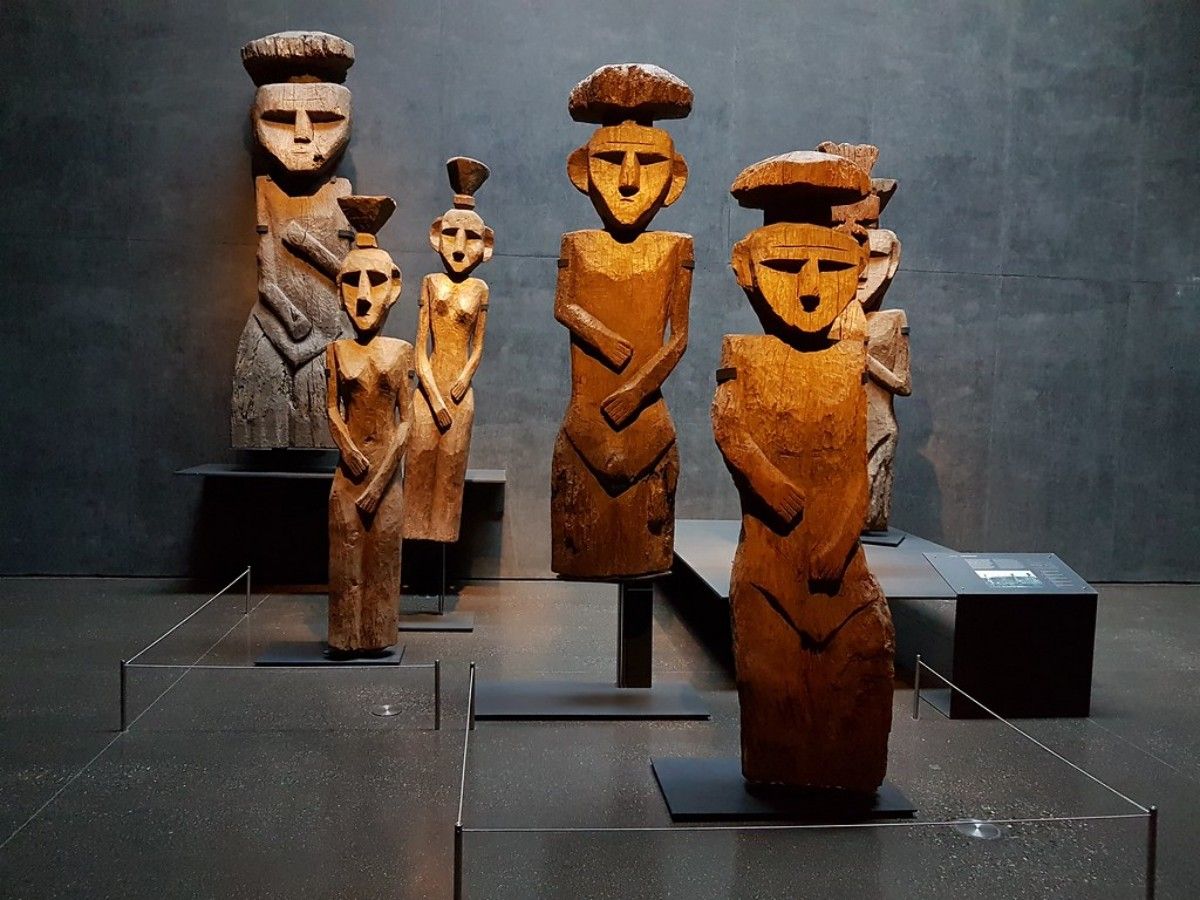
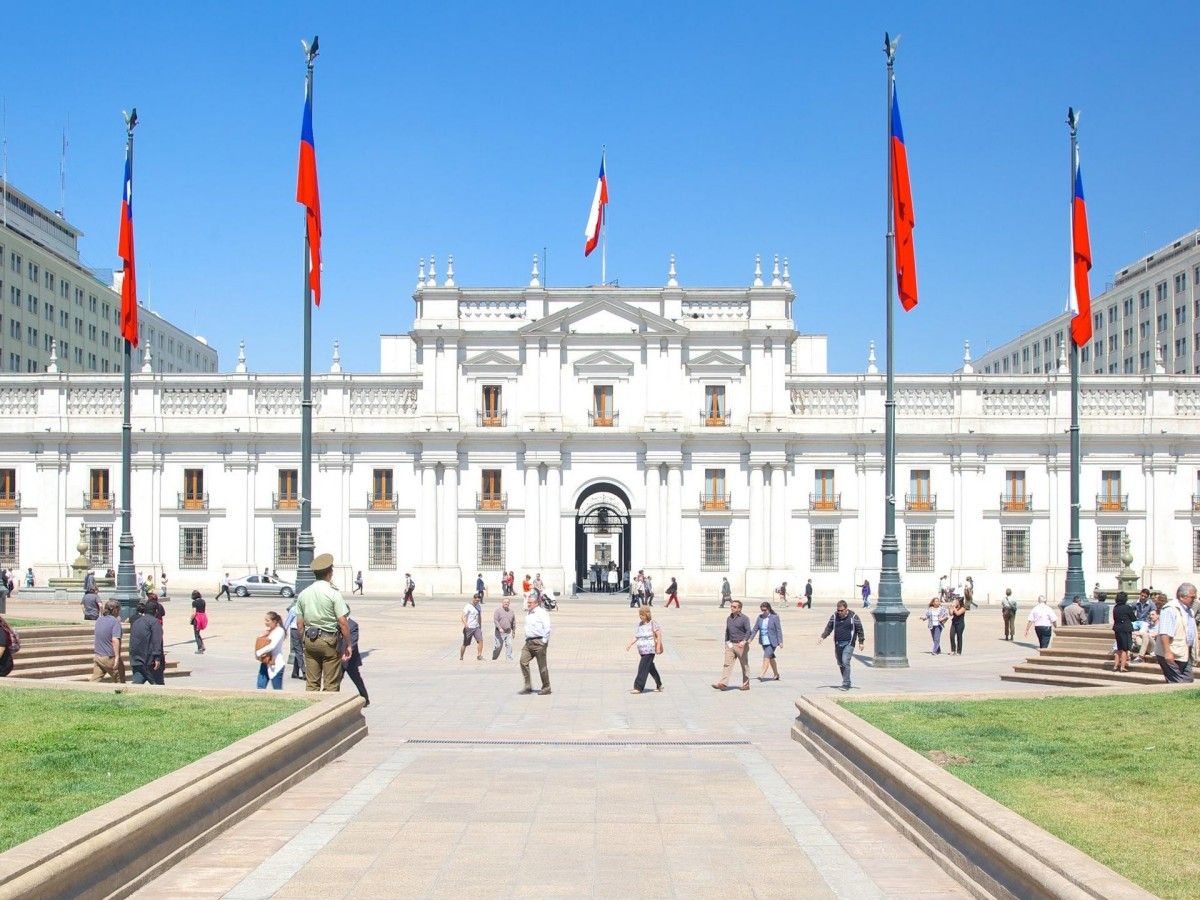
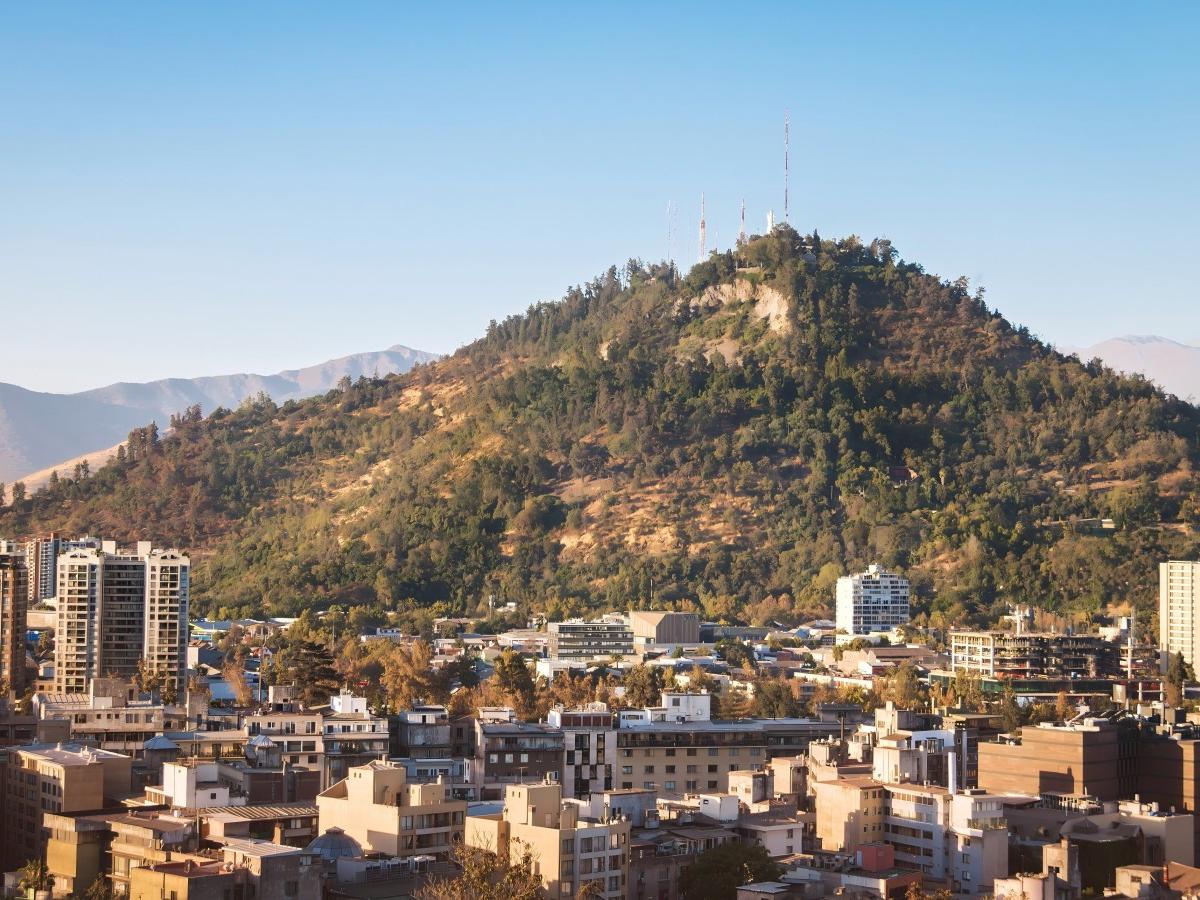
Over the long course of time, ancient American civilizations have left behind a series of brilliant cultural heritages with their unique artistic style, mysterious symbolic system and extraordinary craftsmanship. The Museum of Pre-Columbian Art in Santiago, Chile is the bridge to this brilliant history. It houses precious cultural relics from ancient civilizations such as Maya, Aztec, and Inca. They are not only the crystallization of the skills of ancient craftsmen, but also carry the unsolved civilization codes for thousands of years, waiting for tourists to decipher.
Advertisement
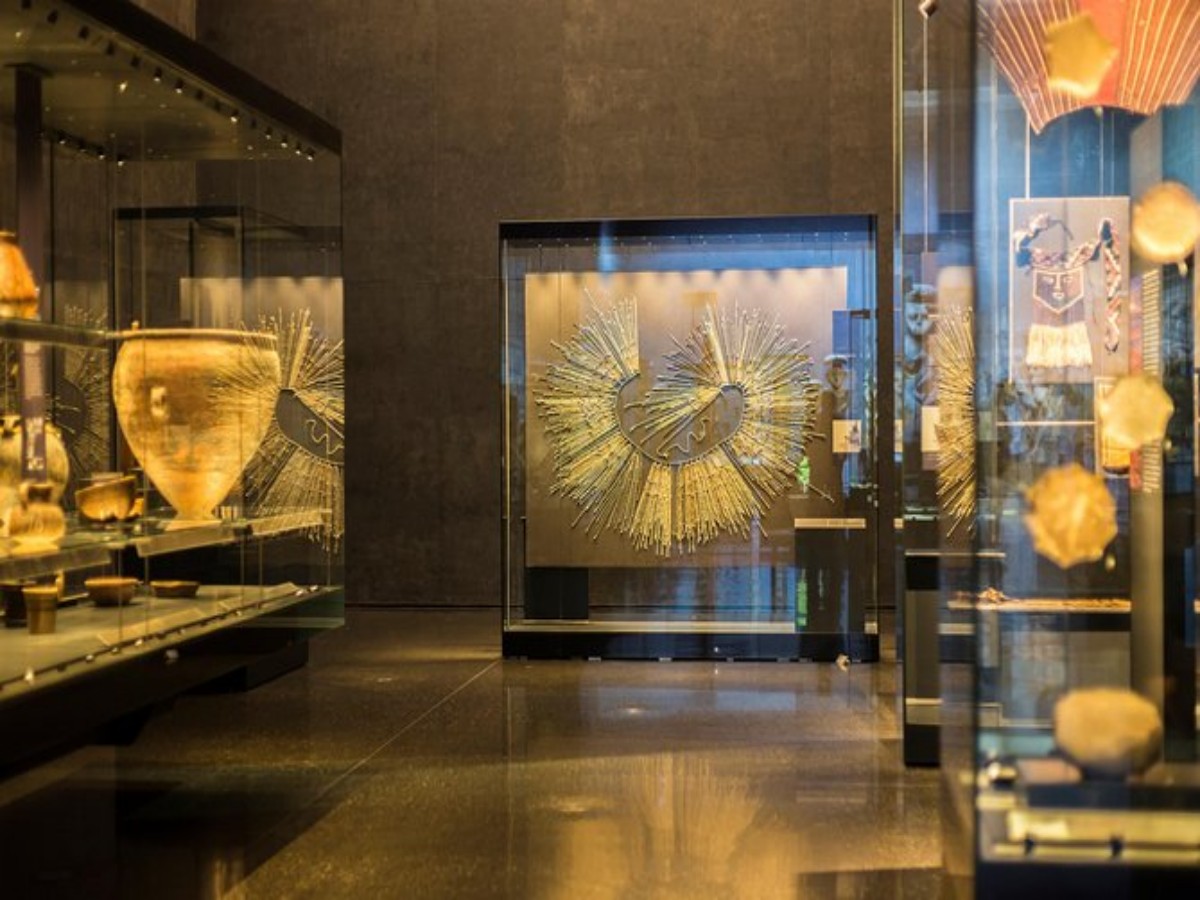
The Museum of Pre-Columbian Art is located in Santiago, the capital of Chile. It exhibits nearly 3,000 exquisite works of art, covering many ancient civilizations from Mexico to South America. The museum's building itself is a work of art. Its solemn appearance combined with the modern display space inside provides visitors with an immersive experience of traveling through time and space. Stepping into the museum, it is like entering a mysterious time tunnel. The pottery, gold, stone carvings, textiles and other antiquities in front of you will take you directly to the brilliant art of the pre-Columbian period.
Advertisement
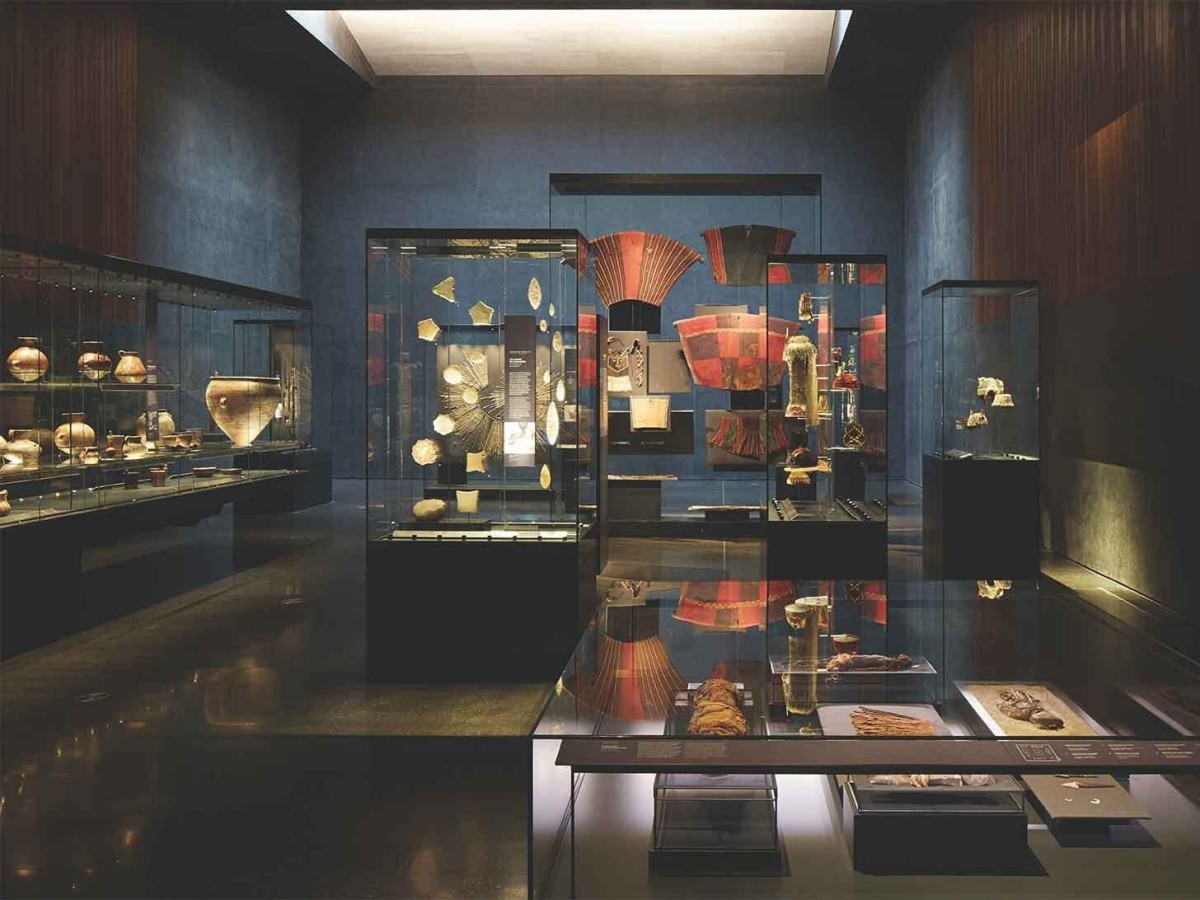
The charm of ancient American art lies not only in its exquisite craftsmanship, but also in the symbolic meaning hidden behind the works. These artworks are like an ancient code book, and every symbol, form and color scheme carries profound cultural significance.
Advertisement
1. Sun and Universe: Symbol of Power and Life
In pre-Columbian civilization, the sun is the supreme symbol, representing life, power and the sacred cosmic order. The Aztec Sun Stone (Piedra del Sol) is a breathtaking work. It is not only a beautiful carving, but also a concrete expression of the Aztecs' concept of time and the universe. Entering the museum, visitors can see similar sun worship totems, which are not only decorated on pottery and fabrics, but also become the core of the temple.
2. Quetzalcóatl: The mysterious messenger connecting heaven and earth
In Mayan and Aztec civilizations, Quetzalcóatl is one of the most important gods, symbolizing wisdom, storms and creation. Its image is usually portrayed as a giant feathered snake coiling around, symbolizing the union of sky and earth. In the museum's collection, visitors can enjoy pottery and stone carvings engraved with Quetzalcóatl patterns, which vividly show the ancient American people's reverence for nature and gods.
3. Ancestral masks: The bridge between souls and the afterlife
In the pre-Columbian tomb culture, masks played a vital role. Whether it is the Mayan jade mask or the gold mask of the Moche culture in Peru, they are not only used for sacrifices and rituals, but also considered to be a pass to the afterlife. In the museum's exhibition hall, you can find these amazing masks, which are inlaid with precious gems or carved with exquisite patterns, as if they are still telling the world about the ancient mysterious beliefs.
4. Weaving Art: Expression of Symbols and Identity
The Inca civilization in the Andes is famous for its exquisite weaving craftsmanship. The Inca nobility would wear gorgeous fabrics with complex geometric patterns, which not only represented identity but also contained profound cultural significance. In the textile exhibition area of the museum, visitors can see colorful alpaca wool fabrics, delicate textures and exquisite patterns, showing the excellent skills of ancient weaving craftsmen.
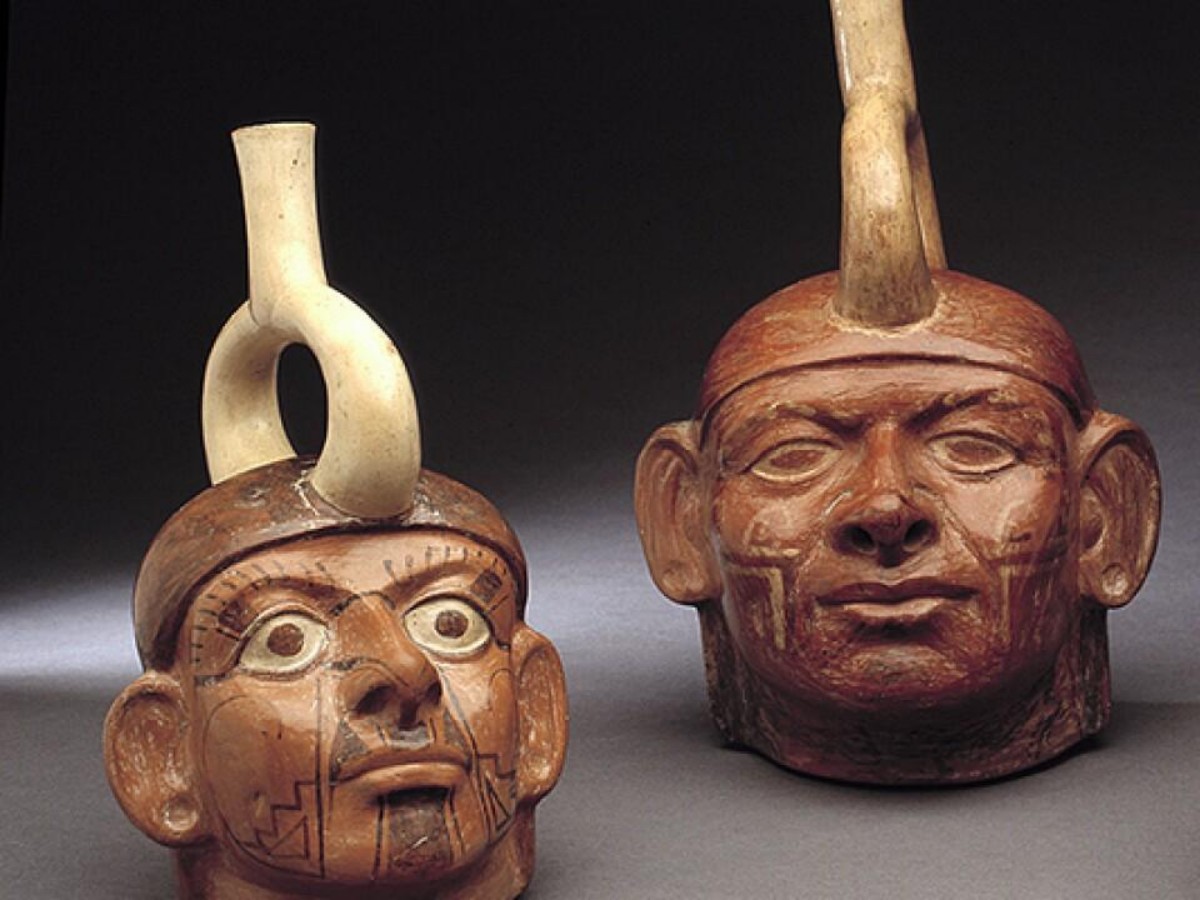
The Museum of Pre-Columbian Art is not only a place to display artworks, but also a space for visitors to interact with ancient civilizations. The museum provides a rich immersive experience, allowing visitors to feel the charm of ancient American art while also understanding the essence of these civilizations more deeply.
Interactive exhibitions: Some exhibition halls are equipped with multimedia technology, allowing visitors to touch virtual artifacts and understand their historical background and production process.
Archaeological experience: The museum regularly holds simulated archaeological excavation activities, where visitors can dig "relics" with their own hands and experience the work of archaeologists.
Art workshops: Visitors can make their own ancient American-style artworks in weaving, pottery or metal craft workshops.
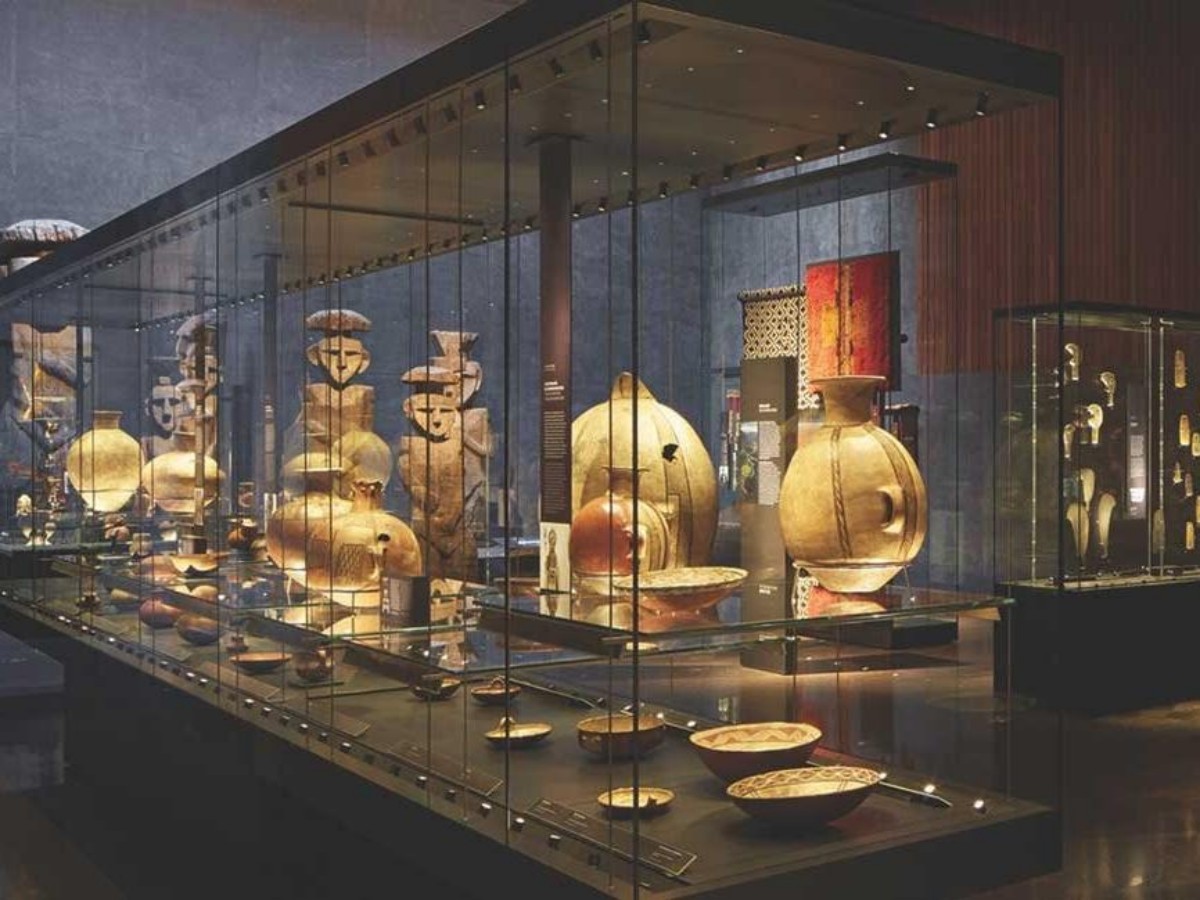
Must-see exhibits: Aztec sun stone, Mayan jade mask, Inca gold jewelry.
Best time to visit: It is recommended to enter the museum at the opening time in the morning to avoid peak traffic.
Tips: There is an audio guide in the museum, and Chinese explanations can be selected to help visitors better understand the exhibits.
Enter the pre-Columbian world and decipher the code of civilization The Museum of Pre-Columbian Art is a cultural hall that connects the past and the future. Here, every exhibit carries thousands of years of wisdom, and every symbol hides the mysterious code of ancient civilization. Whether you are a history lover or an art explorer, this place will bring you a double feast of vision and soul. If you want to uncover the mystery of ancient American art and crack the symbolic code of pre-Columbian civilization, then you might as well embark on this wonderful journey and personally enter this legendary world.