

Advertisement
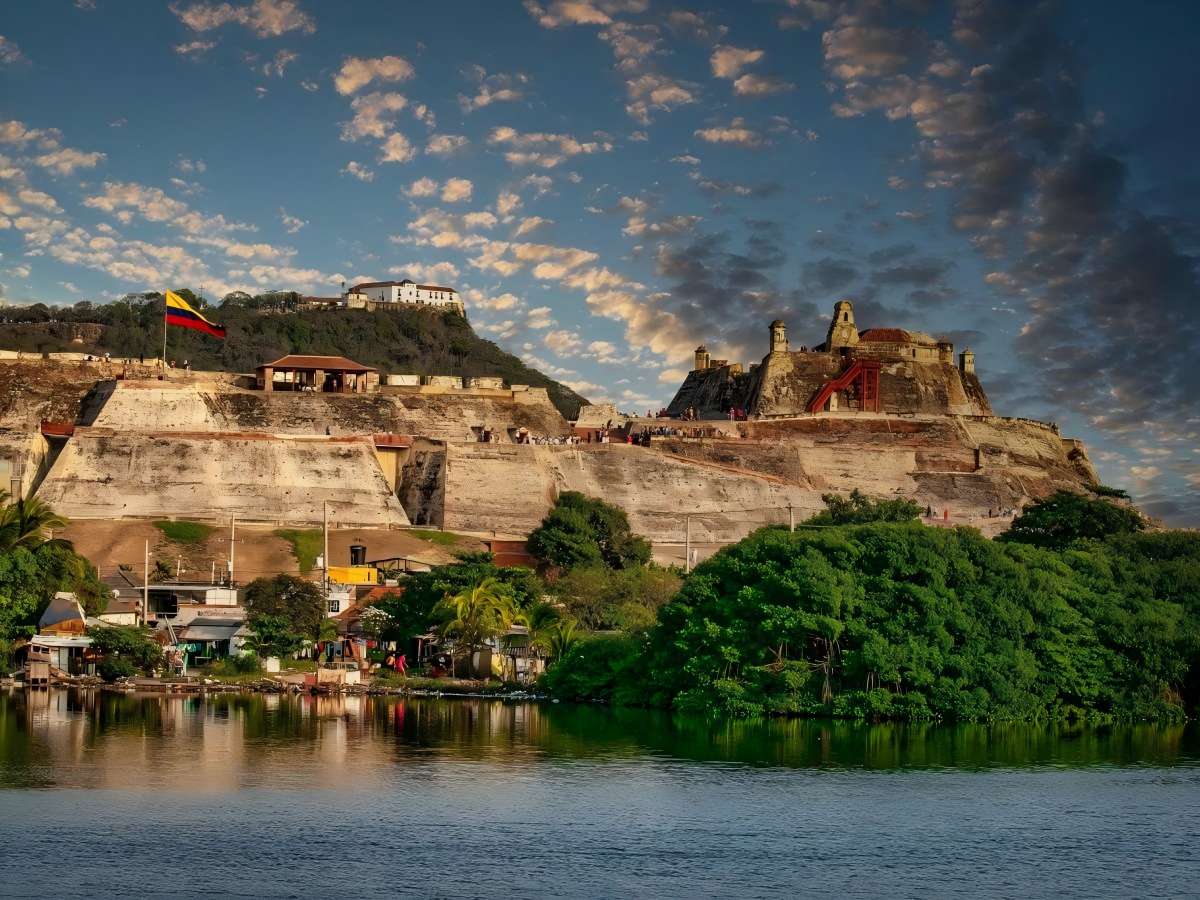
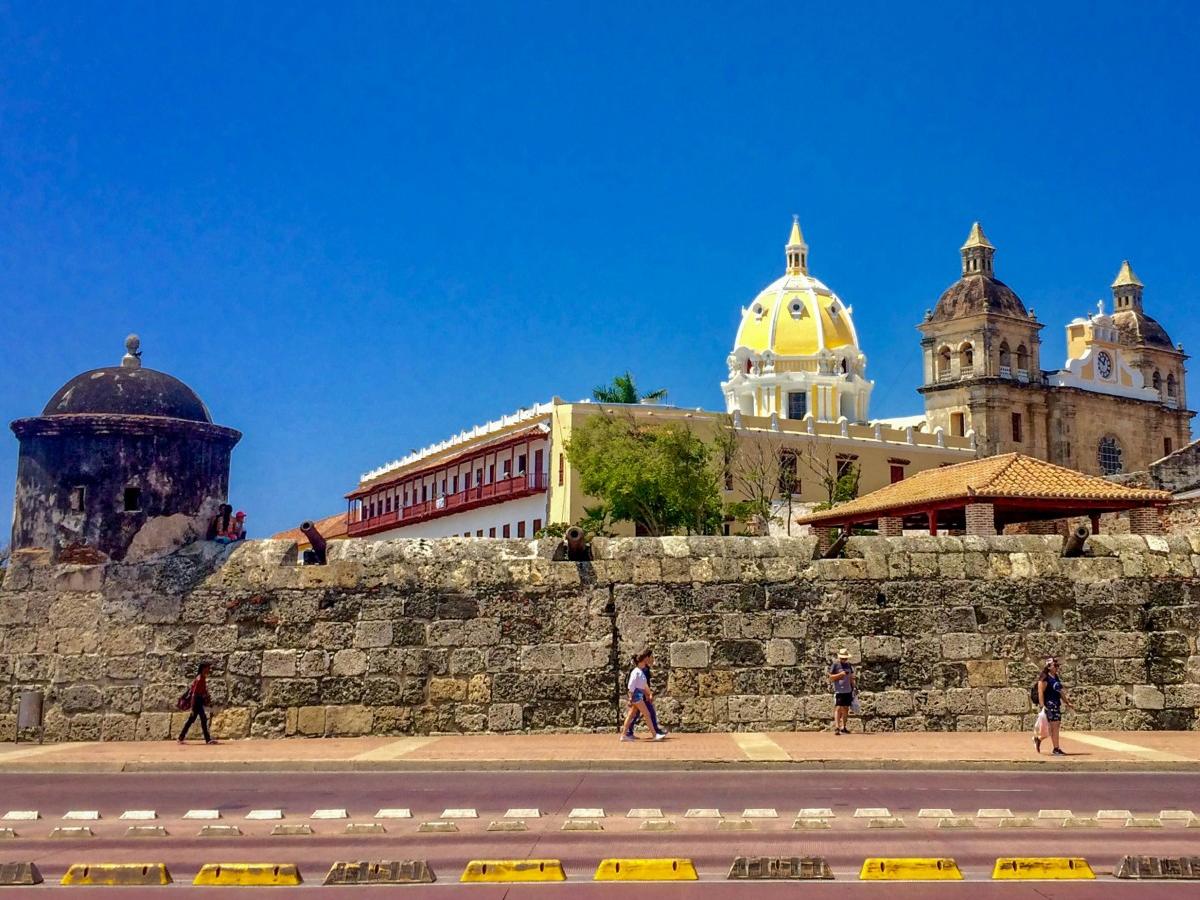
Cartagena, a port city on Colombia's Caribbean coast, is like a scroll of history baked in the sun, and at the heart of the city is Cartagena Walls, a wall that bears memories of time and glory. Built to defend the city against pirates in the past, this fortification has weathered the storms of the past few centuries and has now shed the armor of war and become the city's most representative cultural symbol. The Cartagena Walls is one of the best preserved colonial defense systems in Latin America. It surrounds the old town like a strong and elegant arm, protecting history, art, life and faith. Standing on top of the walls, you can feel the sea breeze on your face as well as hear the stones whispering about the past, as if you were traveling back to the golden age when seafaring adventure and colonial conflict intertwined.
Advertisement
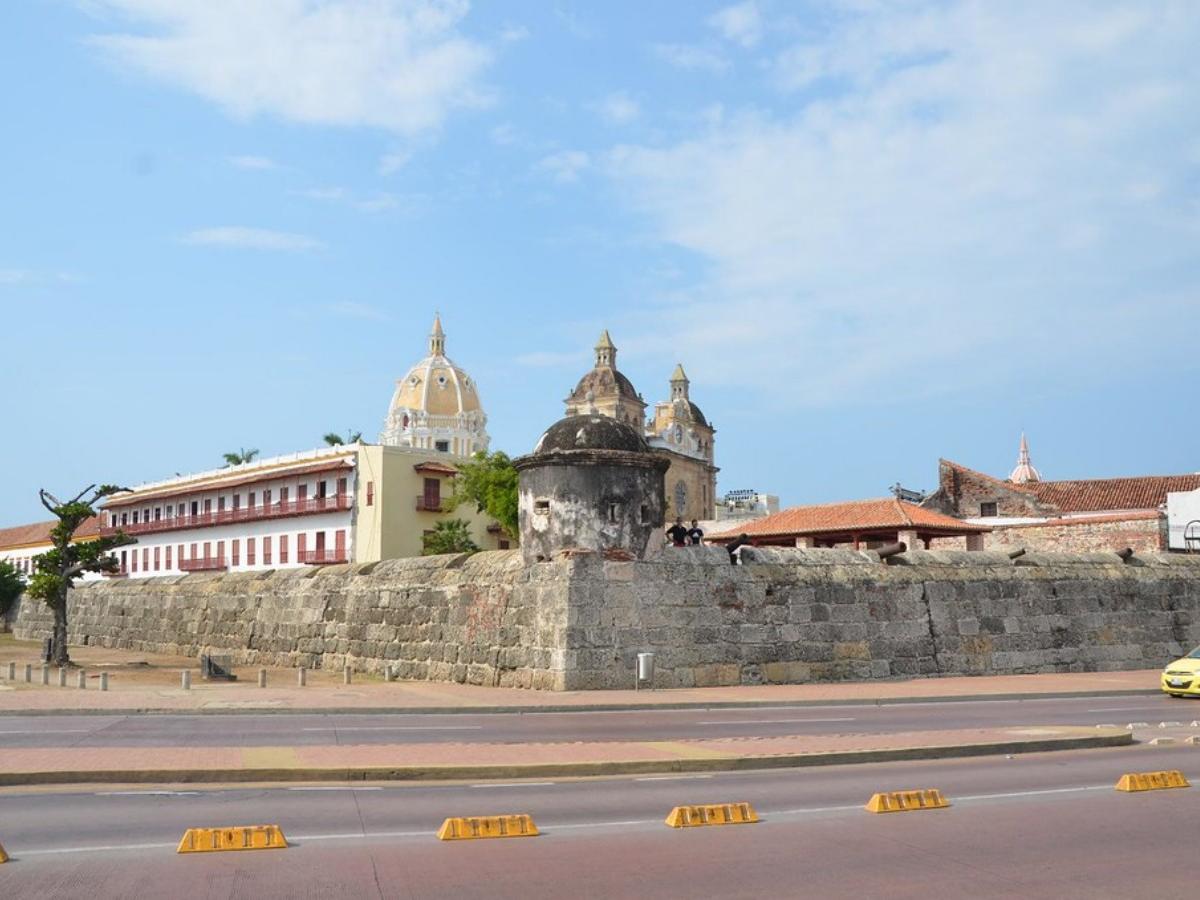
Cartagena's history began in 1533, when Spanish conquistador Pedro de Heredia established a colony here. As a key port to the gold and silver treasures of the New World, Cartagena quickly became an important stronghold of the Spanish Empire in the Americas. But prosperity also brought crisis - pirates and fleets of hostile nations frequently attacked, the city experienced many sacks and destructions in a short period of time, especially after the fierce attack of the English pirate Francis Drake in 1586, Cartagena was forced to re-examine its defense system.
Advertisement
As a result, the Spanish Crown decided to invest in a complete and sturdy defense network, and the construction of the Cartagena Walls began. Spanning nearly two centuries, the entire project was constructed from coral rock from local quarries and designed by a number of architects, including Italian engineer Juan Bautista Antonelli, incorporating the aesthetics of Renaissance military architecture. The thick stone walls are not only bullet-proof and blast-resistant, they are also skillfully integrated into the terrain, with prongs, towers, turrets and trenches forming a line of defense, making it a true “military city”.
These structures are not cold stones, but living history. Over the years, they have witnessed key moments in Colombia's transition from colonial rule to the War of Independence, the change of power in the world, and the souls of countless people who have fought for freedom and dignity.
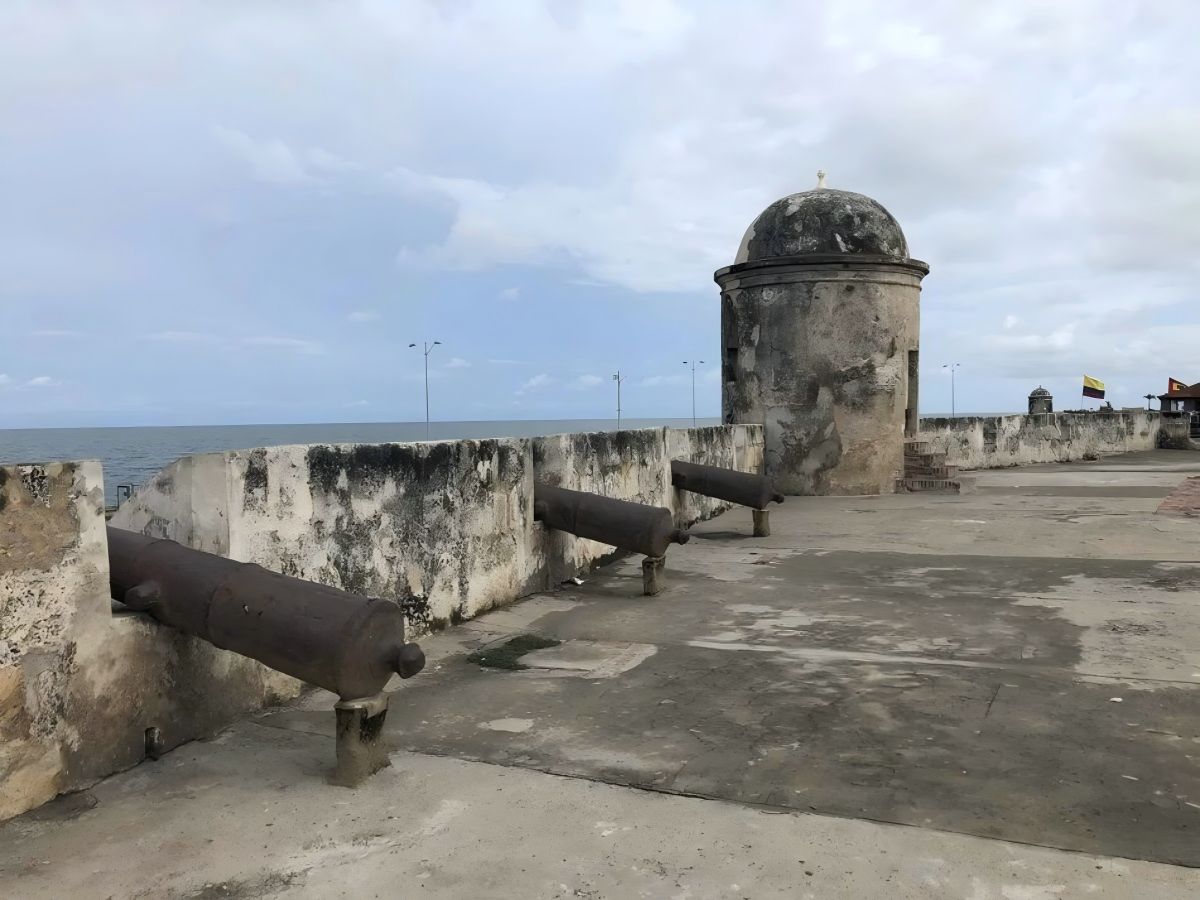
Nowadays Cartagena Walls no longer face cannons and spears, but welcome thousands of tourists from all over the world. Strolling on top of the stone walls under the light of the setting sun, one can see the azure waters of the Caribbean Sea against the red-tiled roofs of the old town. Every stone seems to be steeped in the echoes of centuries, and every corner hides countless stories and legends.
Advertisement
Walkways on the walls connect several important areas of the city, from Las Bóvedas (the old prison converted into a bazaar) to San Felipe de Barajas Castle, to the San Pedro Church and the Gold Museum in the Old Town district, every step is a cultural immersion. At nightfall, street performers, vendors and lovebirds decorate the walls with a lively and romantic atmosphere. Here, history is no longer dusted off, but becomes part of everyday life, revitalized by laughter, music and rhythm.
For the locals, the Cartagena Walls are the backdrop to their upbringing and the framework for their lives. They organize festivals and folk performances on the walls, where they also express their emotions and tell their dreams. Countless weddings have been filmed here, countless painters have captured light and color here, and the walls have become a carrier of emotional projection and urban memory.
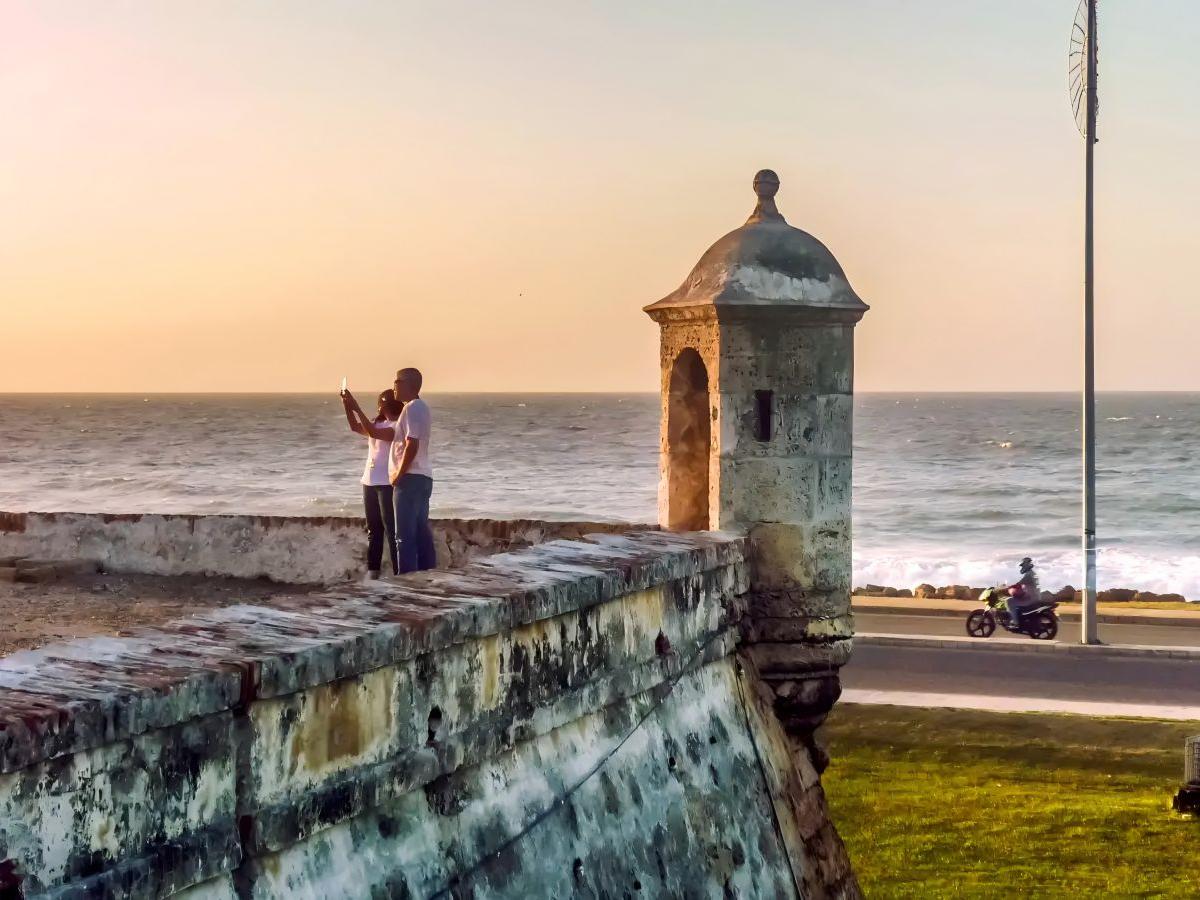
The Cartagena Walls are not only a Colombian treasure, but also an important part of the cultural heritage of all mankind, and in 1984 UNESCO recognized the outstanding value of Cartagena's walls for their architectural, historical and cultural diversity by designating them a World Heritage Site along with its Old Town.
The walled city bears both the history of colonial oppression and the imprint of multiculturalism. Spanish architectural styles and the skills of local craftsmen, the labor contributions of African slaves, and the climatic conditions of the Caribbean are intertwined in a complex but moving symphony of history within these solid stone walls.
In the 21st century, Cartagena has continued to promote the preservation and restoration of the wall. Despite the challenges of over-tourism, climate change and saltwater erosion, the local government, in collaboration with several international organizations, is committed to keeping the wall alive through technology and community involvement. Examples include the use of laser scanning technology for structural inspections, the use of environmentally friendly materials to repair deteriorated areas, and the opening of interpretive stations and museums to raise public awareness of the history of the wall.
This shift in role from “defense” to “culture” makes the Cartagena Walls not a fortress against foreign enemies, but a window to the world. It invites people to come closer to history rather than away from it; it no longer conveys the fear of war, but the inheritance and resonance of civilization.
Cartagena Walls tells the story of Cartagena's journey from war to cultural renaissance with its calm demeanor. It is not a cold military ruin, but an urban epic still being written. In the sea breeze and under the setting sun, it speaks quietly and embraces warmly - the magnificent transformation of this wall has not only rewritten its own destiny, but has also given the whole city a unique glow of life.