

Advertisement
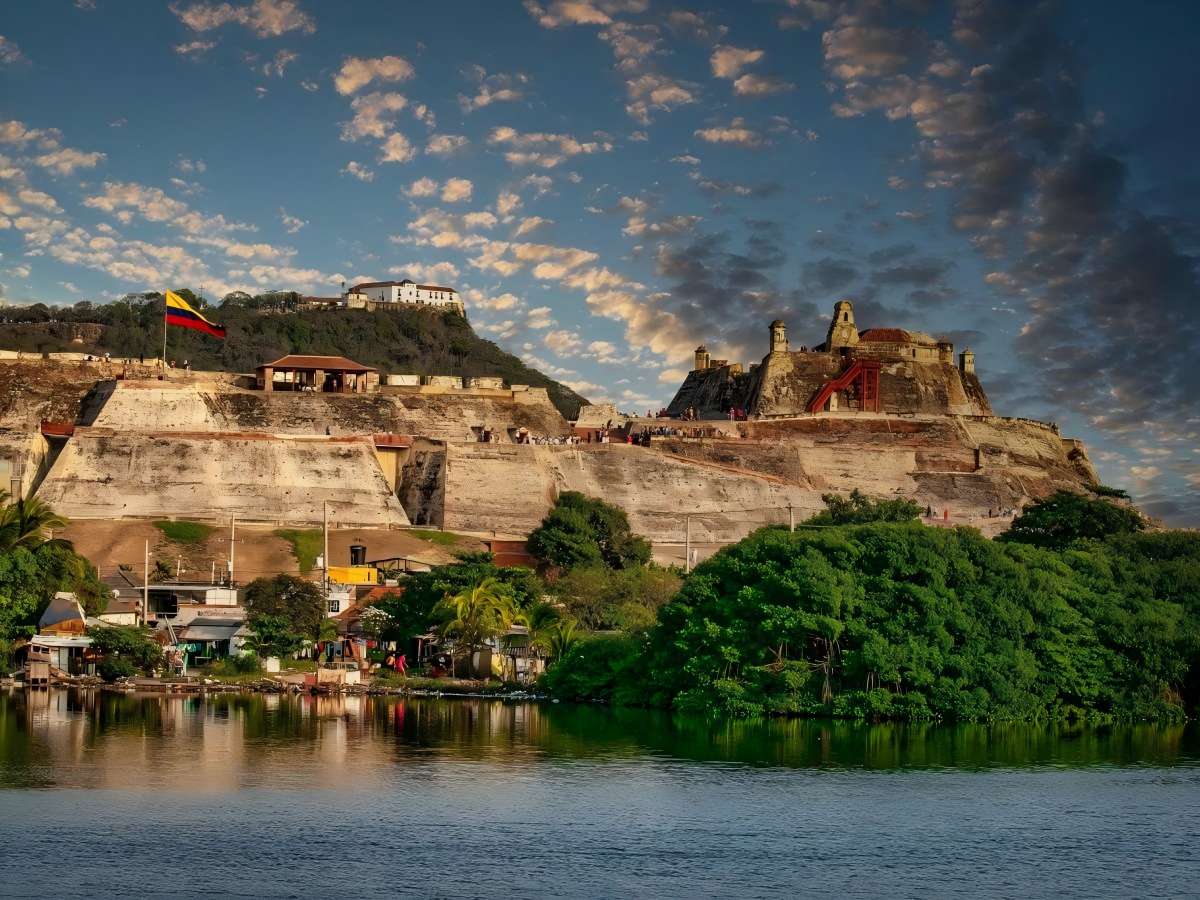
Under the bright sunshine of Colombia's Caribbean coast, an ancient fortress stands in silence as a testament to Cartagena's changing landscape over the centuries. Castillo San Felipe de Barajas, one of the most emblematic military buildings of the Spanish colonial period, is not only a military fortress made of stone, but also a magnificent history of perseverance, resistance and cultural fusion. Standing at the top of this fortress overlooking Cartagena is not only gazing at the city's silhouette, but also dialoguing with time.
Advertisement
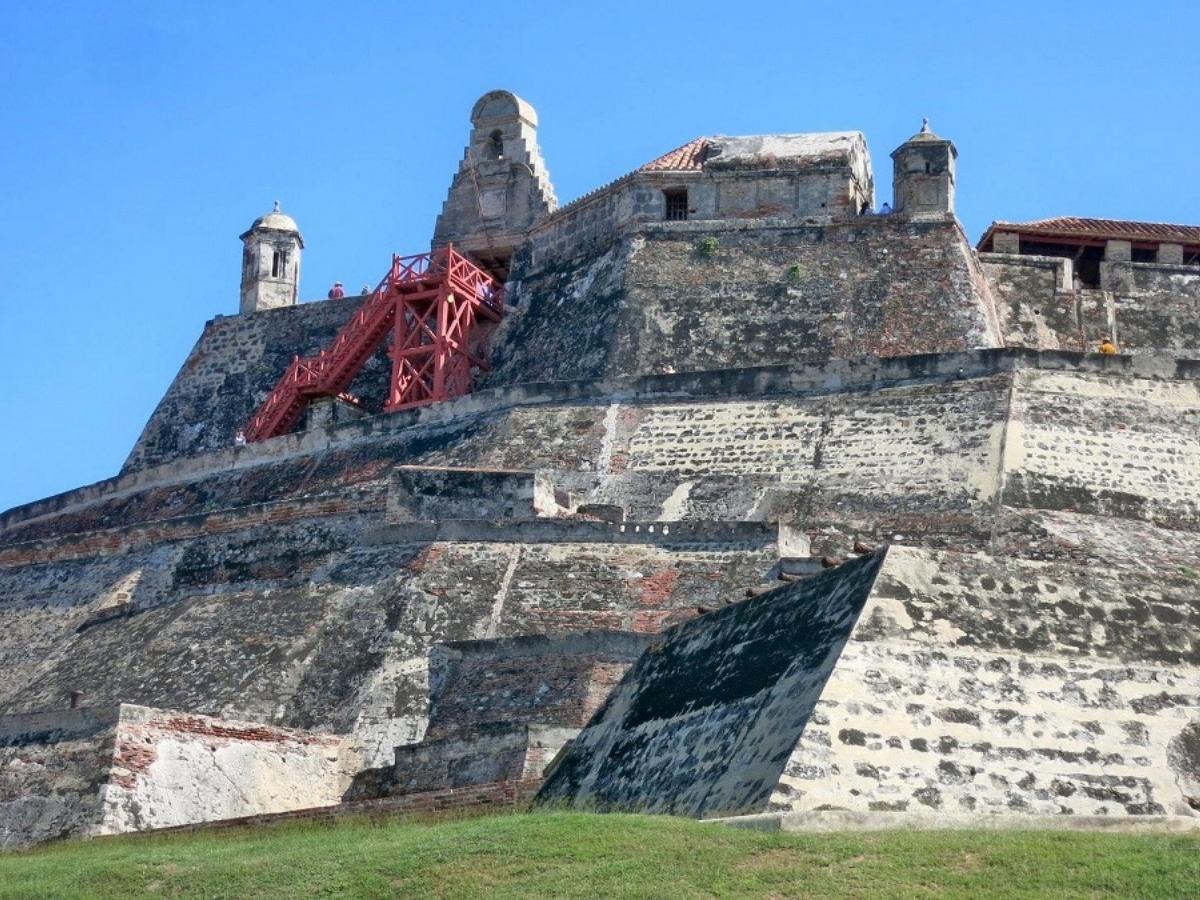
The story of Castillo San Felipe de Barajas begins in 1536, initially as a small observatory for defense against invasions from the sea. However, as Cartagena's role in colonial trade grew in importance, especially as a key port for the export of gold and wealth to the Spanish colonies, the fortress expanded rapidly, eventually reaching its present-day size in 1657, making it one of the strongest military fortresses of the Spanish Empire in the Americas.
Advertisement
Its construction was not just a technical achievement, but a symbol of colonial history. Thousands of slaves and laborers were forced into the construction, forging this impregnable fortress, spade by spade, in the face of heat and disease. The fort's unique sloped structure greatly enhances its defenses, and its intricate system of underground passages contains hidden weapons caches, escape routes, and listening devices. Behind each thick stone wall lies the wisdom of fighting against strong enemies and the hidden pain of the colonial era.
In 1741, when the Anglo-Spanish War broke out, the fort was put to one of its fiercest tests. The British attacked Cartagena with nearly 200 ships and 20,000 soldiers, while the city had less than 5,000 defenders. But thanks to the design of the fortress and the tenacity of the resistance, the British eventually retreated, and the battle not only became a classic in military history, but also made the fortress an unshakeable symbol in the hearts of the people of Cartagena.
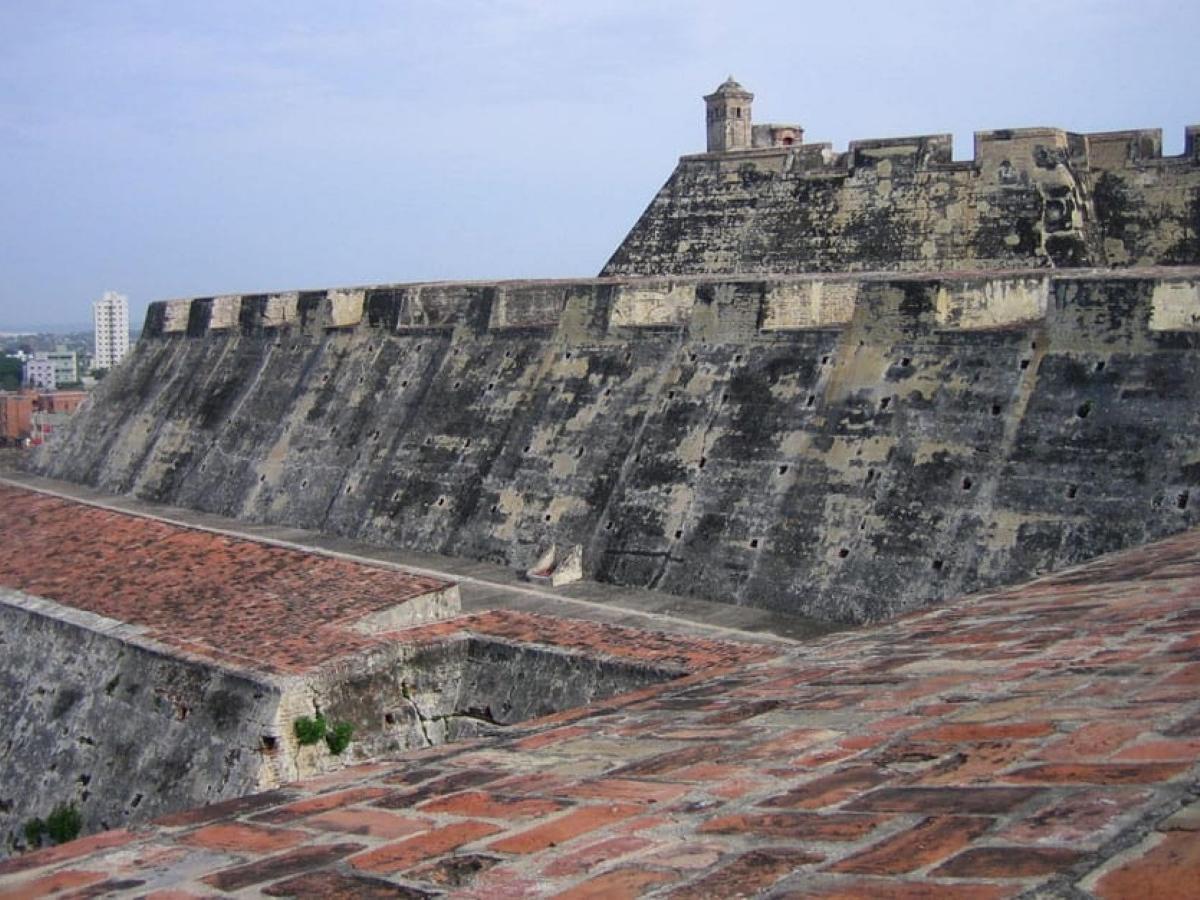
Standing on the high ground of Castillo San Felipe de Barajas, Cartagena is in full view. In the distance, the turquoise Caribbean Sea sparkles in the sunlight, and the sea breeze brushes your face, taking away the dust of history and the hustle and bustle of reality. Between the sea and the sky, the red-tiled roofs of the old city and the modern high-rise buildings are intertwined, as if telling the trajectory of the city from the colonial period to modern civilization.
Advertisement
From the high point of the city wall, one can clearly see the busy port and the extension of the new city outside the wall, while the old city area is like a quiet time puzzle, with colorful streets and old houses with flower-filled balconies. This visual experience of history intertwined with modernity is a unique charm that other cities can hardly offer.
In addition to the stunning view, what is even more amazing is the structural beauty of the fort itself. As visitors climb step by step, the stone steps under their feet are sometimes steep and sometimes twisting, as if they are also guiding people back to the era of smoke and mirrors. The underground passages that can still be accessed not only provide a hint of coolness, but also a sense of the tense atmosphere of the wars of yesteryear. The sound of footsteps echoing in the dim light seems to ring in your ears the shouts of soldiers and the roar of artillery.
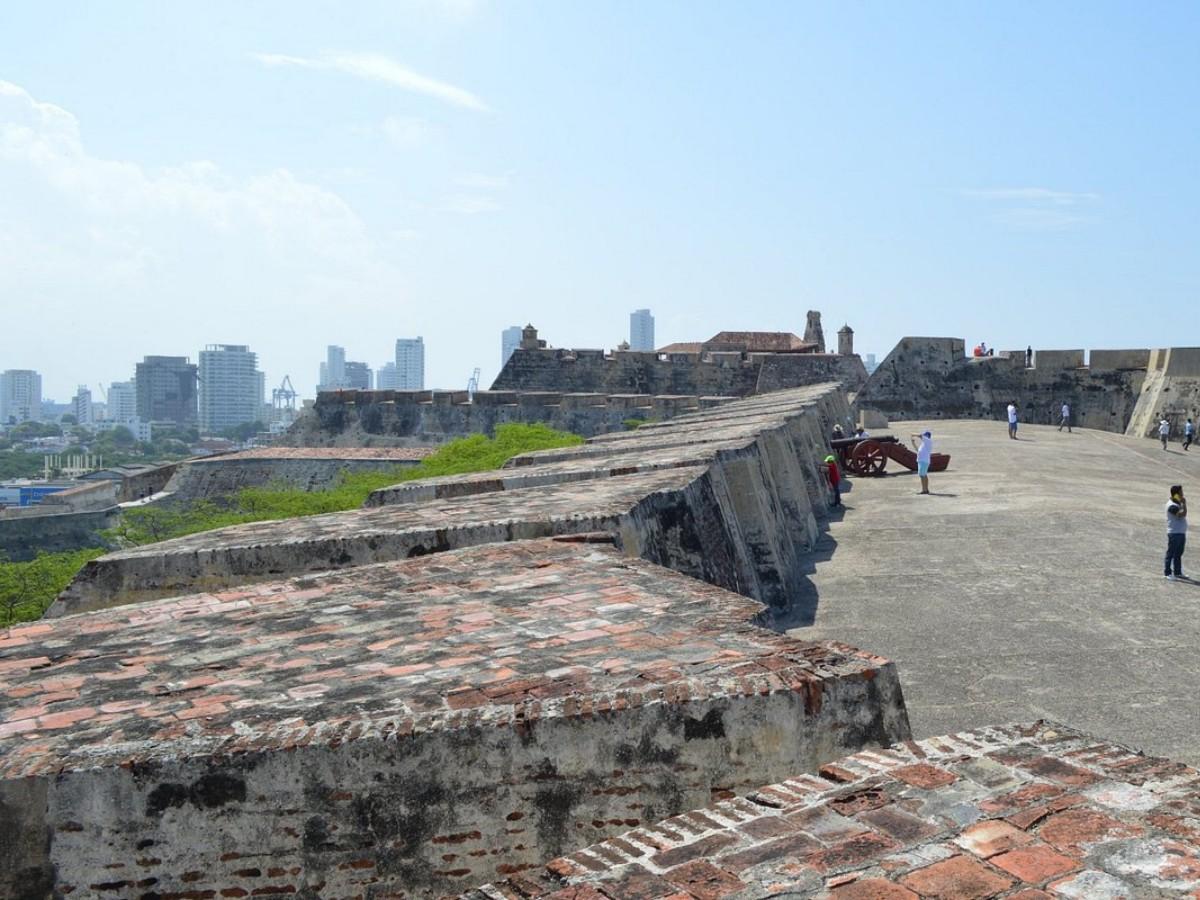
The charm of Castillo San Felipe de Barajas is not only reflected in its military function, it is also an exquisite architectural work of art. In a time when modern equipment was not available, engineers used geometric knowledge and fieldwork to integrate the fort's architecture with the natural terrain. This adaptive strategy not only enhanced the defense effect, but also demonstrated the peak of architectural wisdom of that era.
The fortress is now part of the UNESCO World Heritage List and is part of Colombia's national identity. Many local schools organize visits for their students to learn about this far-reaching history through the lively explanations of docents and displays of historical information for the new generation.
In addition, it is one of the stages for many cultural events in Cartagena. Every year a number of art festivals, concerts and historical reenactments take place in front of the fortress, giving new cultural life to a place that was once a war fortress. As a result, the fort is no longer just a static site, but a cultural node connecting the past with the present.
Tourists can visit the place not just for sightseeing, but also for a spiritual visit. It is a reminder that what makes a city unique is not its modern architecture, but its history, memory and culture.
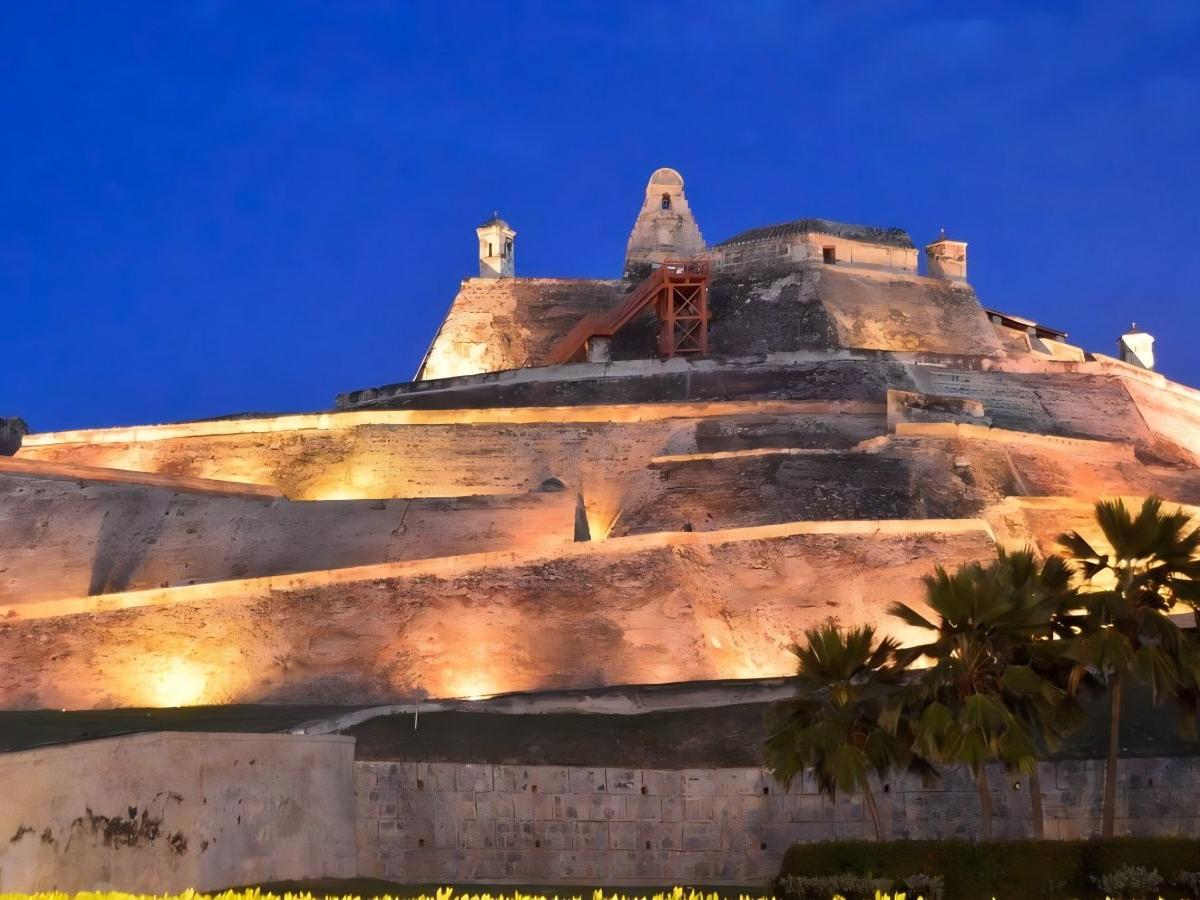
For a deeper experience of Castillo San Felipe de Barajas, it is recommended to visit in the early morning or late afternoon. The sunlight on the stone walls at these times of day brings out the colors and the temperature is ideal for walking and exploring. In the evening, as the sun sets, the whole of Cartagena is colored a warm orange-red with golden light, and every wall of the fortress glows.
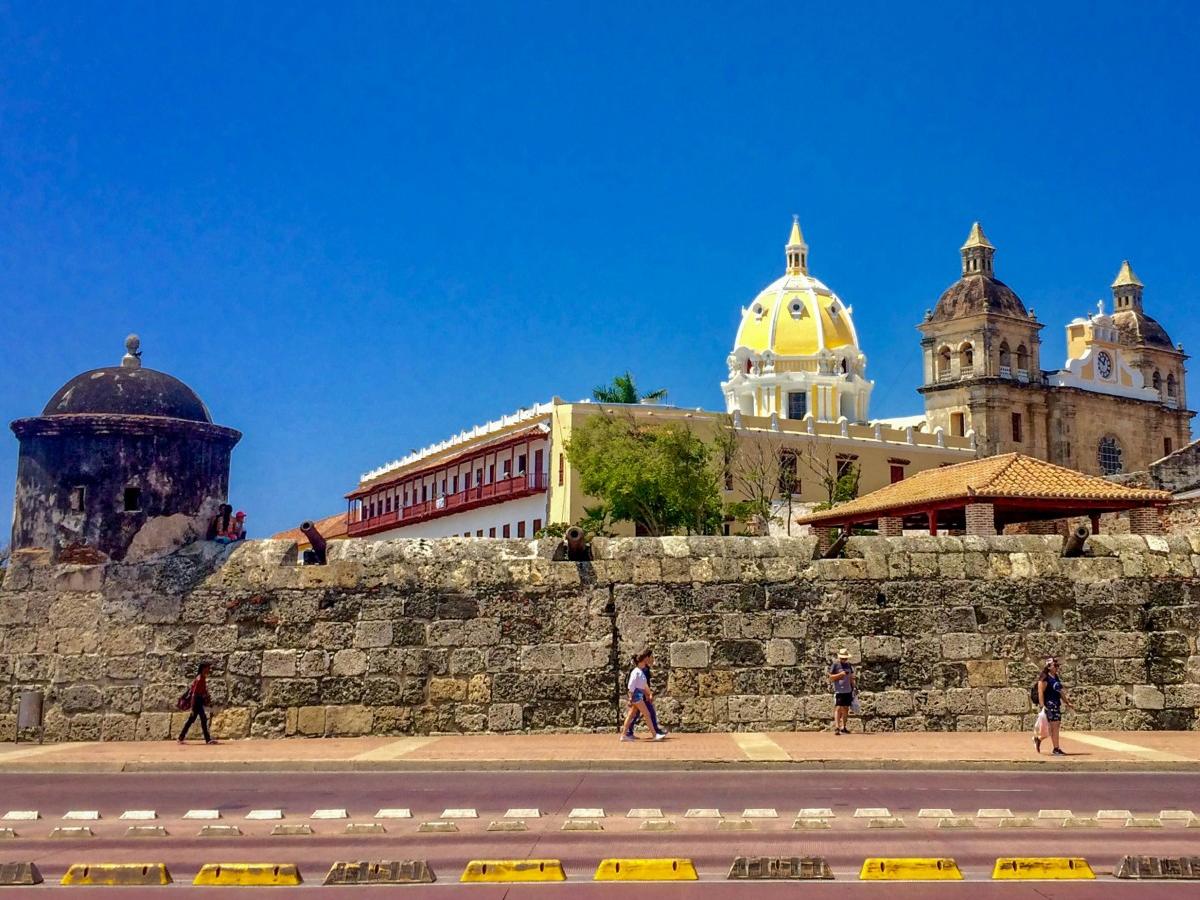
Along the perimeter of the fortress, there are more historical sites and cultural neighborhoods to explore. From here, it's a short walk to the San Pedro Clavier Church, the Bell Tower Square and the colorful streets of the Old Town. Every corner, every mural, every interaction with the locals may become the most moving memory of the trip.
And when night falls, the fortress lights up and stands quietly on the edge of the city, watching over the historic city like a guardian. Looking back from the heights, it is as if you can hear the whispers of the ages, recounting Cartagena's magnificent years of weathering storms, and looking forward to the hope that the city will continue to move forward.
Castillo San Felipe de Barajas is not only a landmark of Cartagena, but also a microcosm of Colombian history. It has written the story of the war in stone and connected the past to the future with its vision. A visit here is not just a tour, but a deep conversation with time, space and culture. When you stand on top of this fortress, looking at the sunlight pouring down on the sea and the city, you will realize that the meaning of travel may be redefined precisely in this silent magnificence.