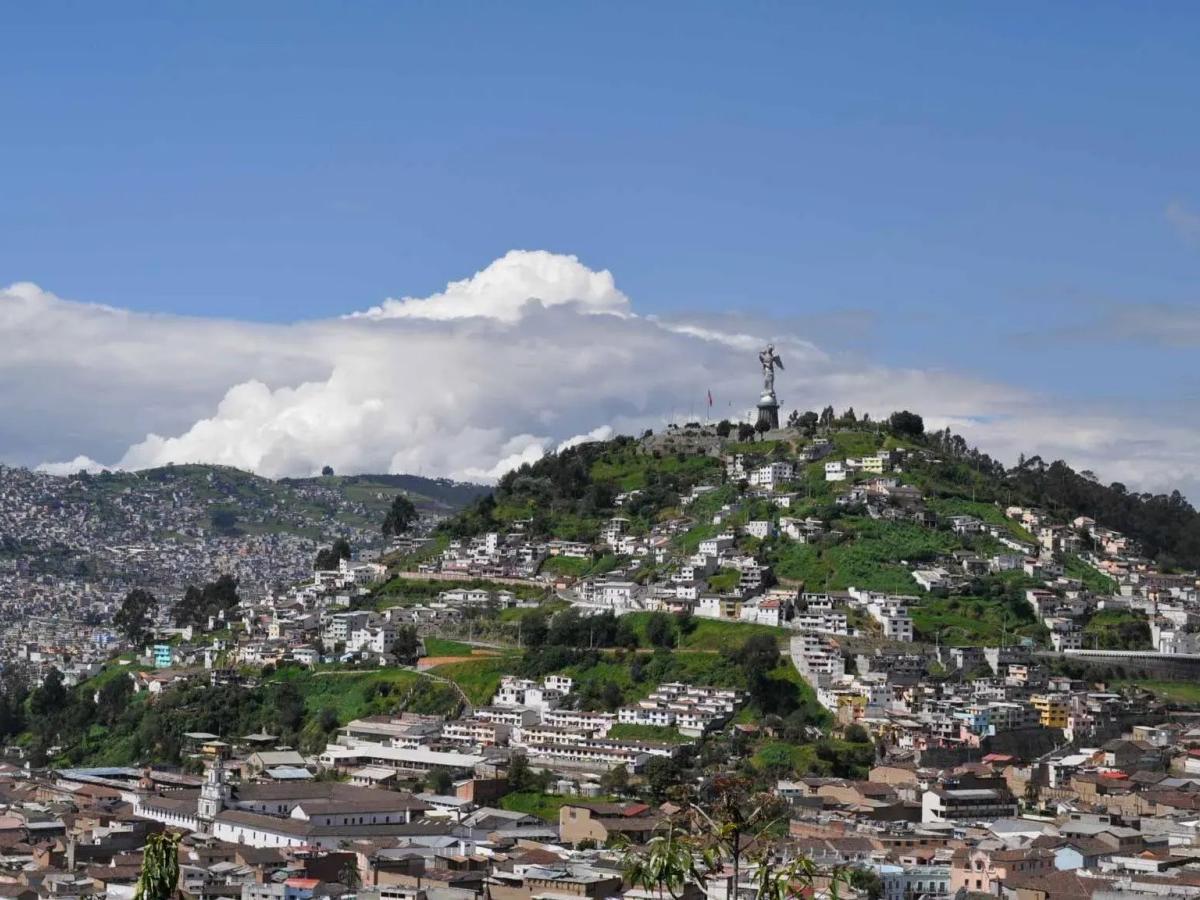
In the midst of the Andes Mountains in South America, a city stands at an altitude of 2,850 meters above sea level. Its name is Quito and it is the capital of Ecuador. The city's Historic Center of Quito was not only one of the first inductees of the World Heritage Site assessed by UNESCO in 1978, it is also known as the “Pearl of the Andes”. One of the best-preserved colonial cities in Latin America, its rich history, architectural aesthetics and religious art seamlessly link the past with the present, making it a cultural treasure for travelers.
Advertisement
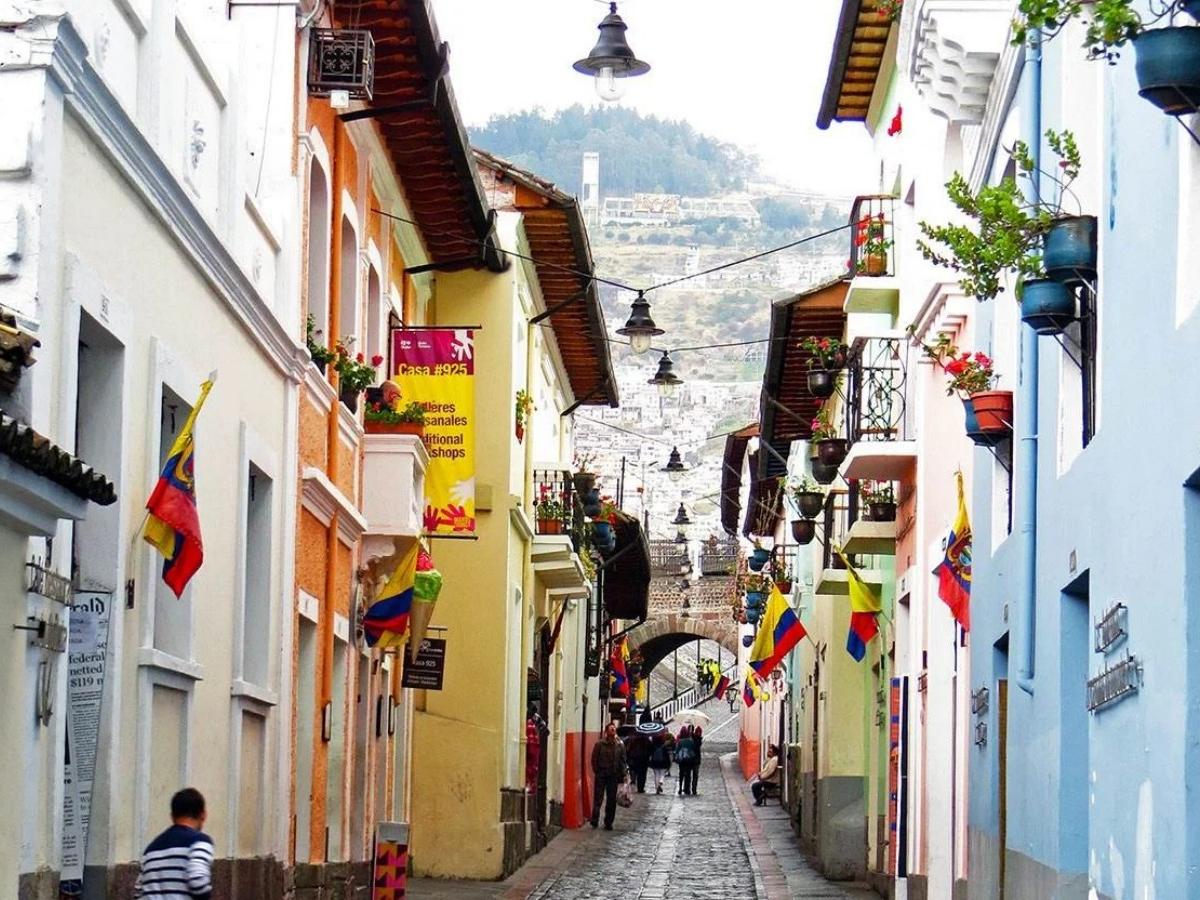
Walking into the Historic Center of Quito is like entering a living museum. The streets are paved with cobblestones, and every step you take is like stepping on history. Churches, plazas and convents built hundreds of years ago line the winding alleys, and the mottled paint on the walls and wooden window panes reveal traces of time. Covering an area of more than 320 hectares, this historic center is the most extensive and well-preserved colonial urban core in Latin America.
Advertisement
The most amazing thing about the city is that although it is old, it is not cut off from the modern world. The historic center is home to a vibrant marketplace, cultural cafes, small art exhibition spaces, and a variety of independent bookstores. Local residents live and work in the centuries-old buildings, breathing in history. It is this sense of “living” history that makes the Historic Center of Quito so different from other ancient cities frozen in time.
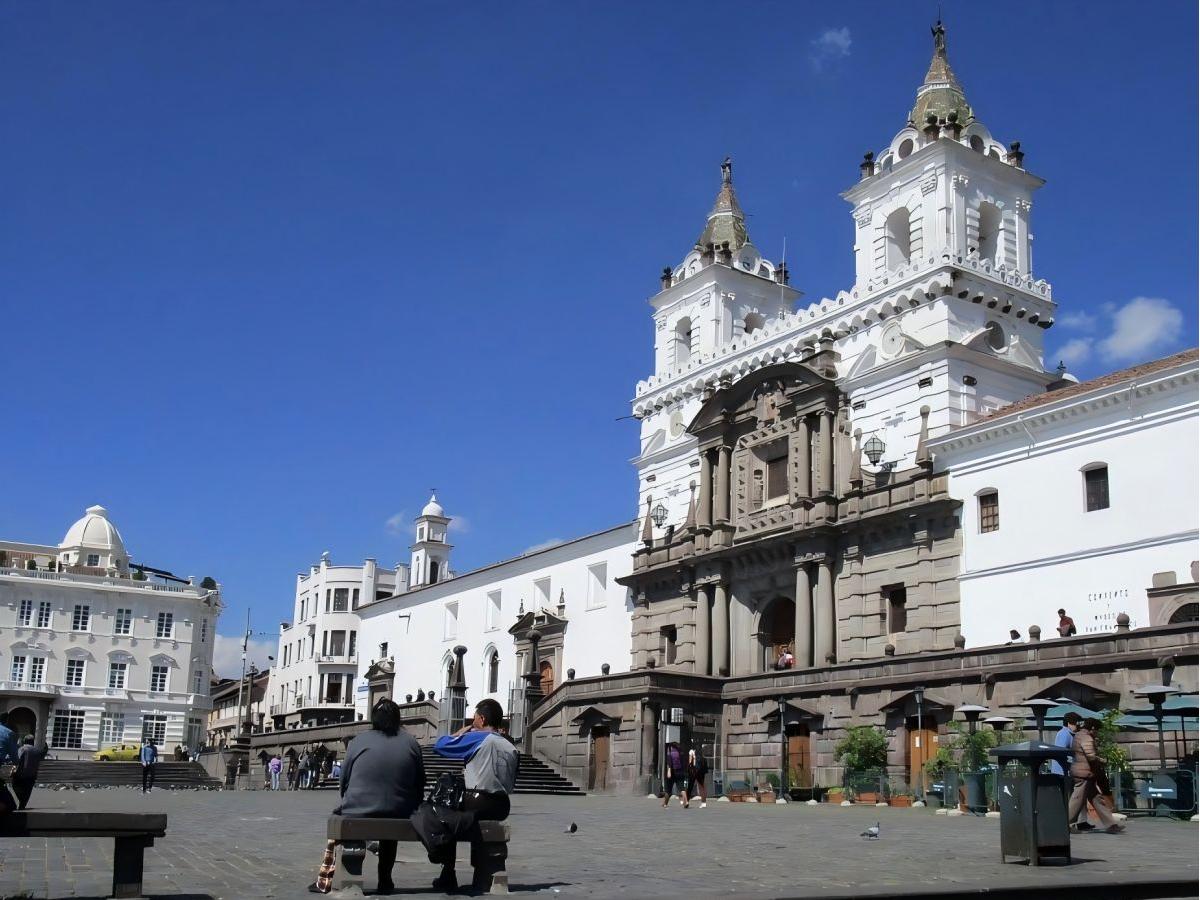
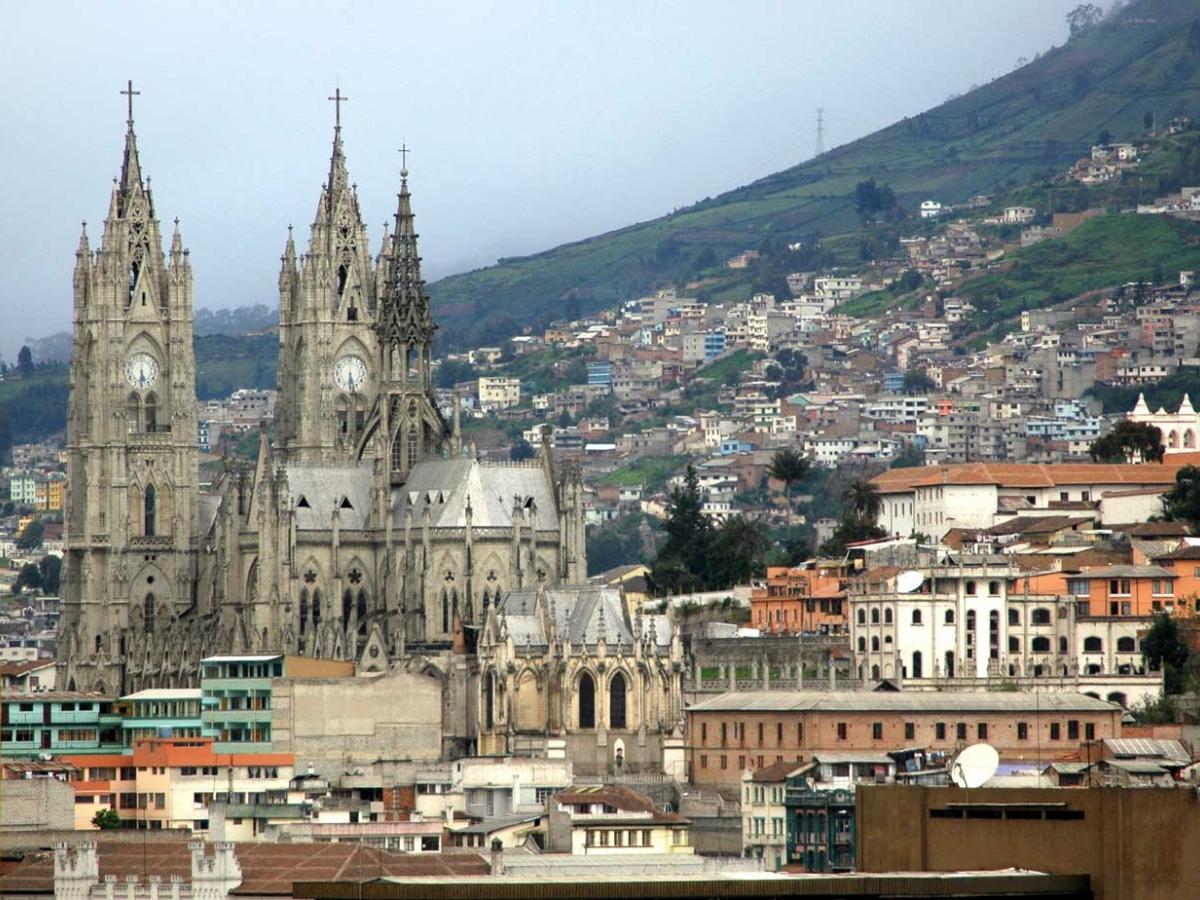
One of the most striking landmarks in the Historic Center of Quito is the Church of San Francisco, one of the oldest churches in South America, which was built in 1534, shortly after the Spanish conquest of Quito. While the exterior of the church is solemn, the interior is magnificent, with a visual feast of gold leaf-covered altars, baroque reliefs, and religious frescoes that blend Indian and Spanish culture. These religious buildings are not only symbols of faith, but also the crystallization of art.
Advertisement
In addition to the Church of San Francisco, there is also La Compañía de Jesús, an architectural wonder that has amazed countless visitors. Its interior is almost entirely made of gold, and it has been described as “the Baroque treasure of the Americas”. The mix of art and religion conveys an important message: colonial Quito was one of the major centers of missionary activity in South America, and as a result, its art and architecture reached a high level of achievement.
Another feature of these religious buildings that should not be overlooked is that they reflect the cultural clash between the natives and the Spanish colonizers. You'll find a mix of Indian mythology, Andean elements and Catholic iconography in many of the religious paintings and carvings, a distinctive “Creole style” that is one of the roots of what makes Quito's historic center unique.
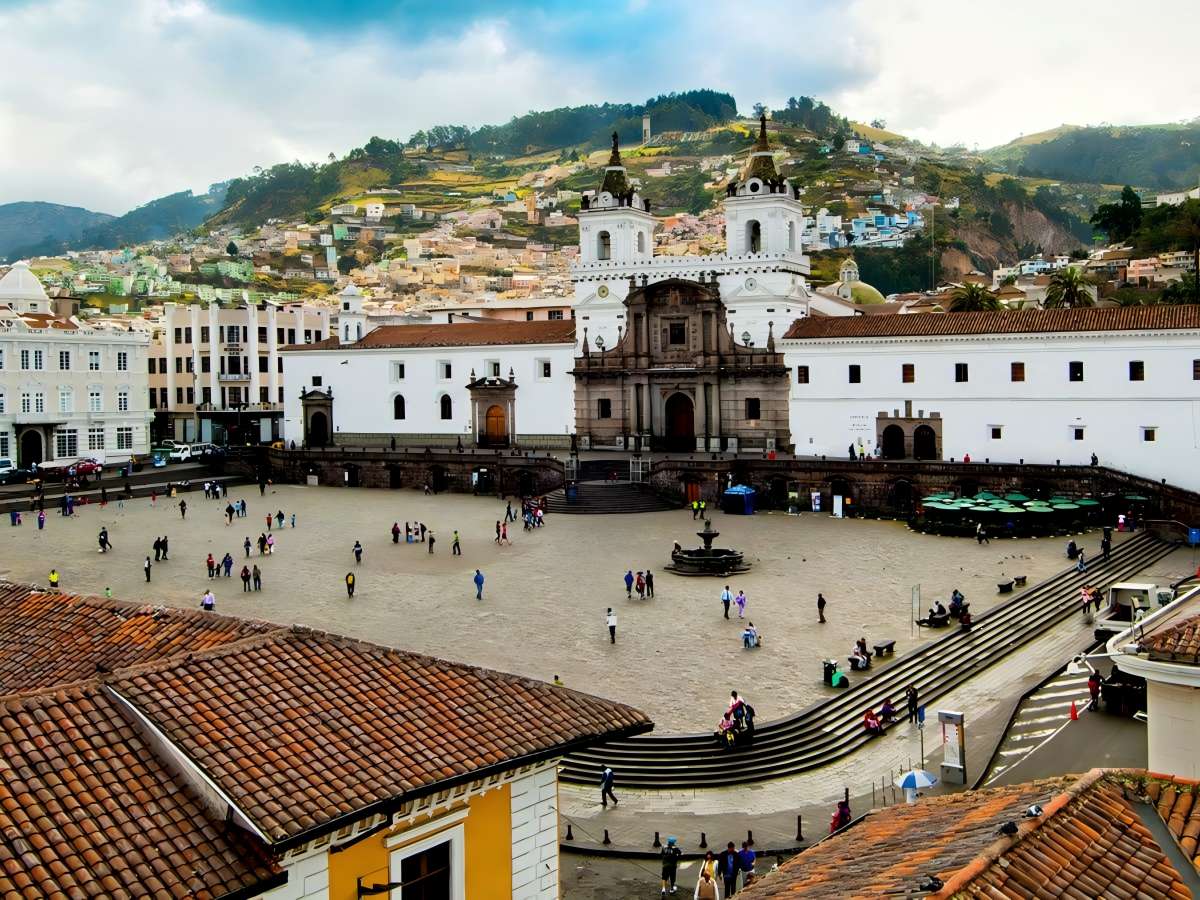
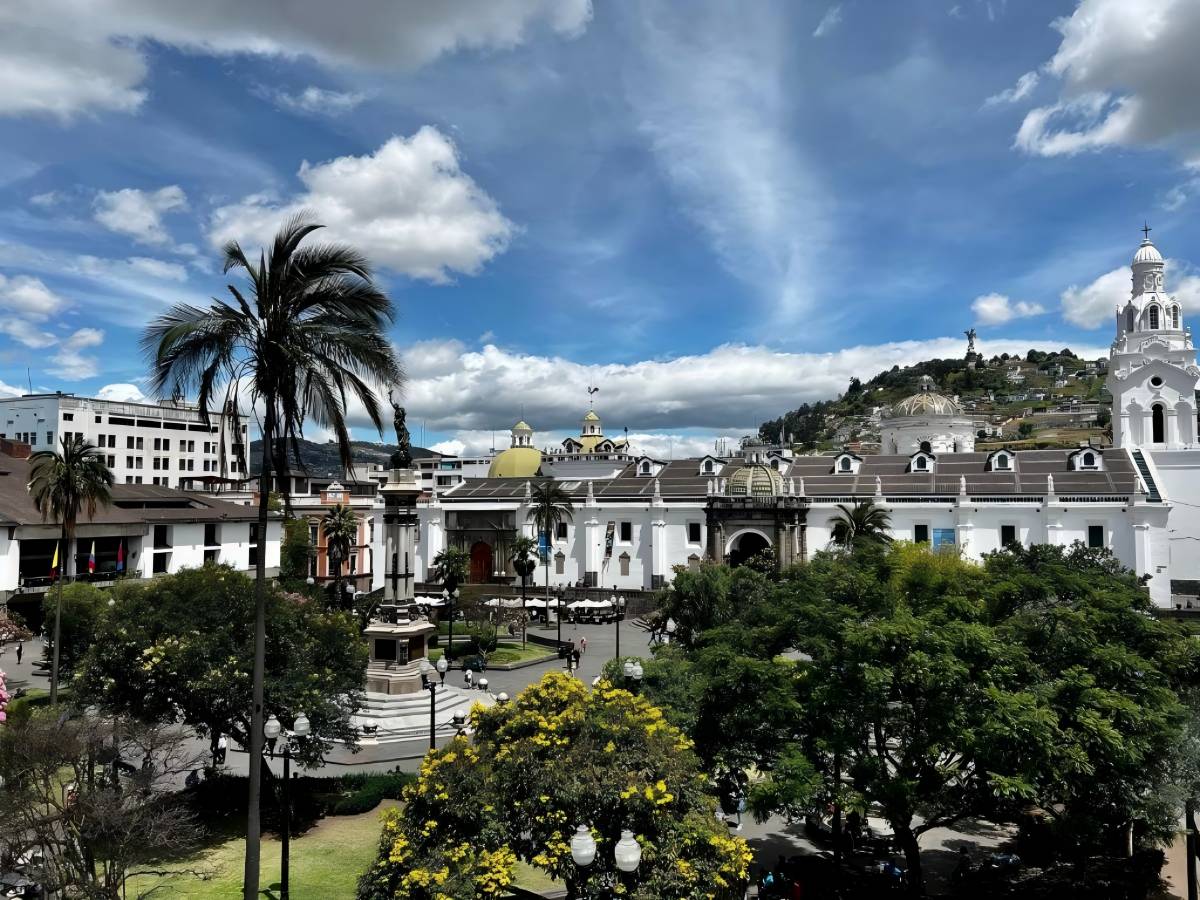
Quito's Historic Center is more than just a collection of churches and museums; it is a witness to the course of Ecuador's history. Walk to the heart of the city, Plaza Independencia, and you'll feel a strong political and cultural presence. This is where the Ecuadorian Government Palace, the Bishop's Palace, City Hall and other institutions of power are located. In the center of the plaza, stands a monument symbolizing the War of Independence, which records the struggle of the Ecuadorian people to free themselves from Spanish colonial rule in the 19th century.
Standing in the Independence Square and looking around, you can see the outline of the city surrounded by the Andes Mountains, especially in the early morning or evening, the clouds and mist, the sunlight jumping in the red-tiled roofs, the whole city is like a layer of mystery veil. This blend of natural and human landscapes is one of the most enchanting charms of Quito's historic center.
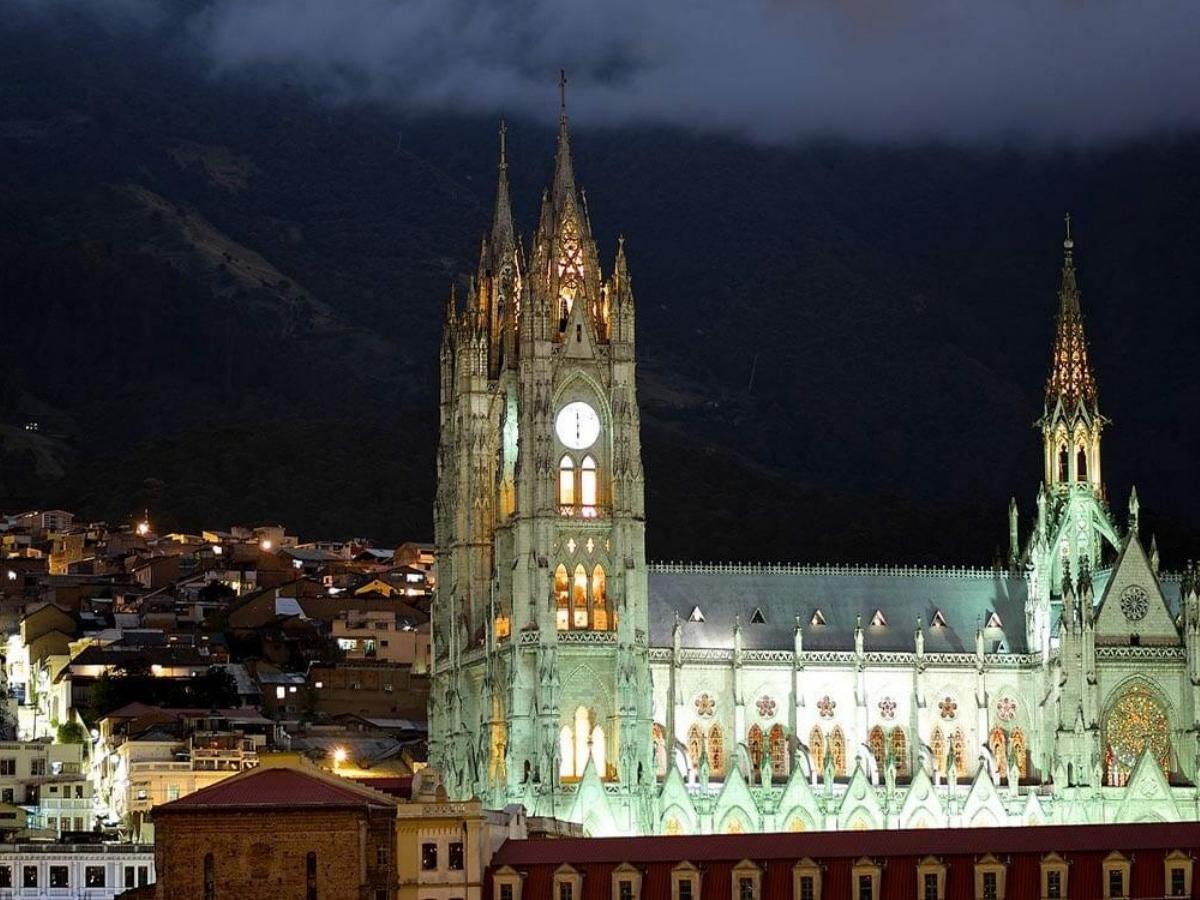
Being known as the “Pearl of the Andes” is not only a tribute to its beauty, but also a responsibility. In recent years, with rising tourism and urbanization, the historic center has been under pressure to maintain and renew. On the one hand, the government and UNESCO continue to invest resources in restoration and preservation; on the other hand, there are also voices that worry that over-commercialization may dilute the cultural essence of the historic center.
But the people of Quito have a deep emotional attachment to this land. Many communities have taken the initiative to organize cultural festivals, traditional craft fairs, and even street theaters that tell the history of Quito, in order to safeguard the cultural memory in their own way. These efforts not only allow visitors to see the “exterior” of an ancient city, but also feel its beating “heart”.
The historic center of Quito is not only an old town, but also a microcosm of South American history, a meeting point of faith and art, and a living cultural heritage. In this land gently surrounded by time, the past and the present coexist as one. Walking in the middle of it, you will not just be a traveler, but a witness of time. This is why the heart of the city deserves the name “Pearl of the Andes”.