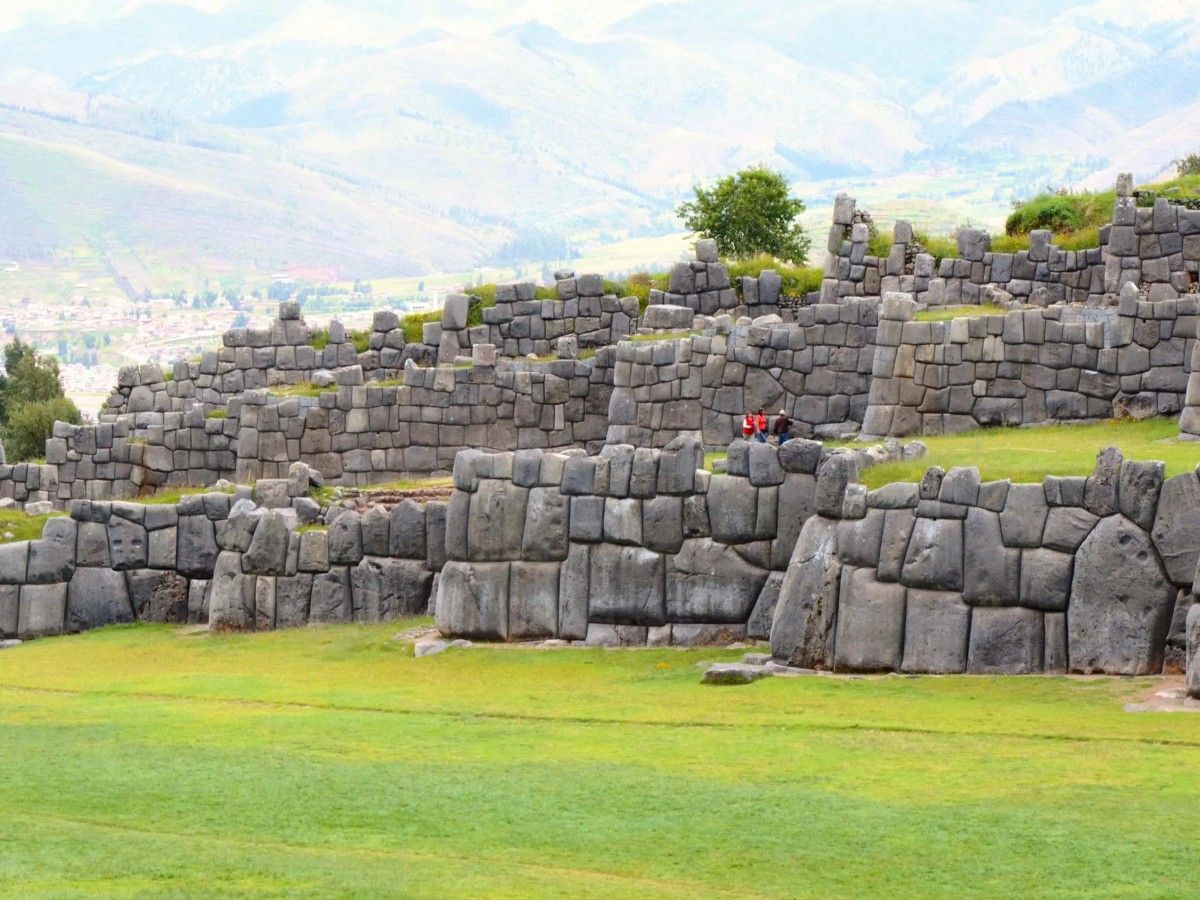
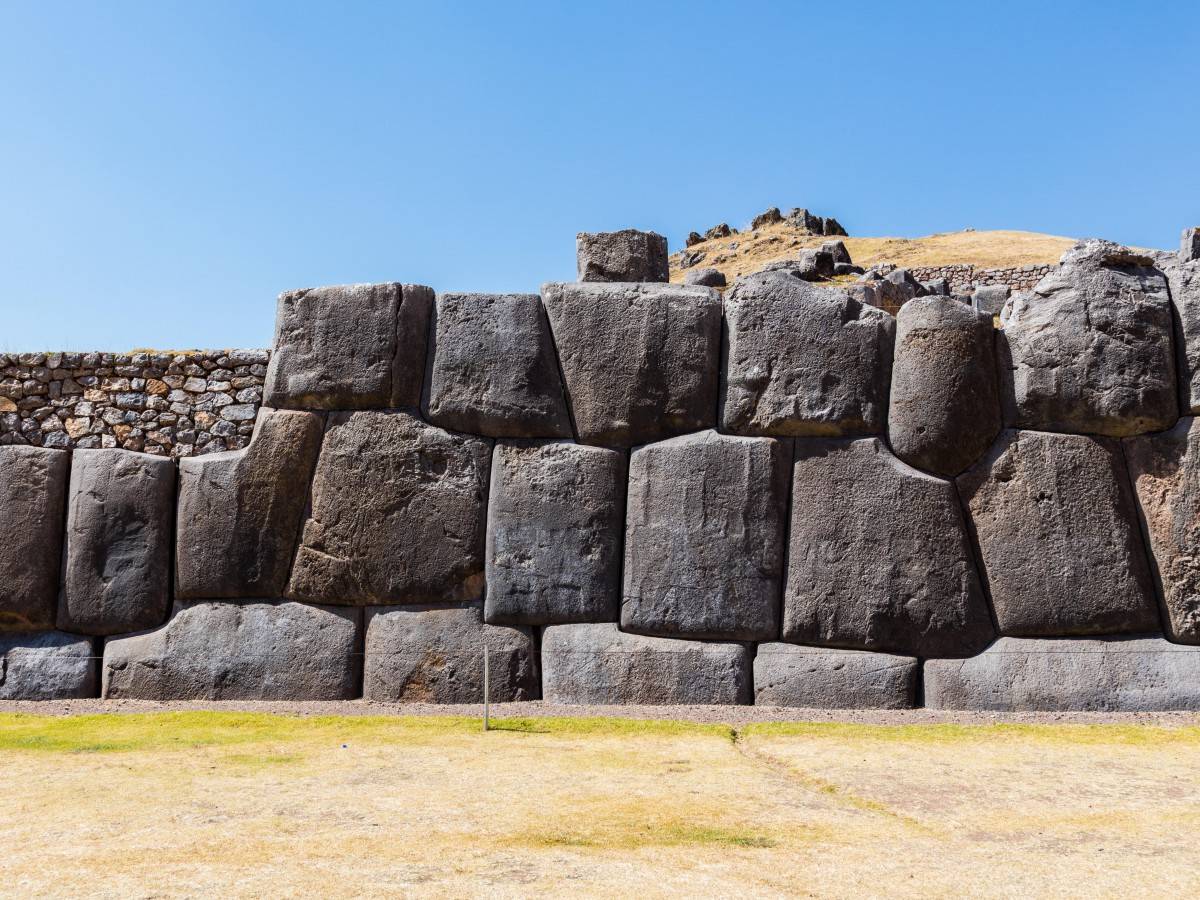
In the embrace of the Andes Mountains, stands a megalithic site that amazes the world - Sacsayhuaman. This Inca site, only 2 kilometers away from the ancient city of Cusco, Peru, uses boulders weighing hundreds of tons to weave into a zigzag stone wall. The gaps between the stones are so tight that even A4 paper is difficult to insert. It is not only the pinnacle of Inca architectural skills, but also the key to unlocking the code of Andean civilization. This article will take you into this mysterious stone maze, explore the history behind the megaliths, and provide a complete guide from transportation to experience.
Advertisement
Military Totem of the Inca Empire
Advertisement
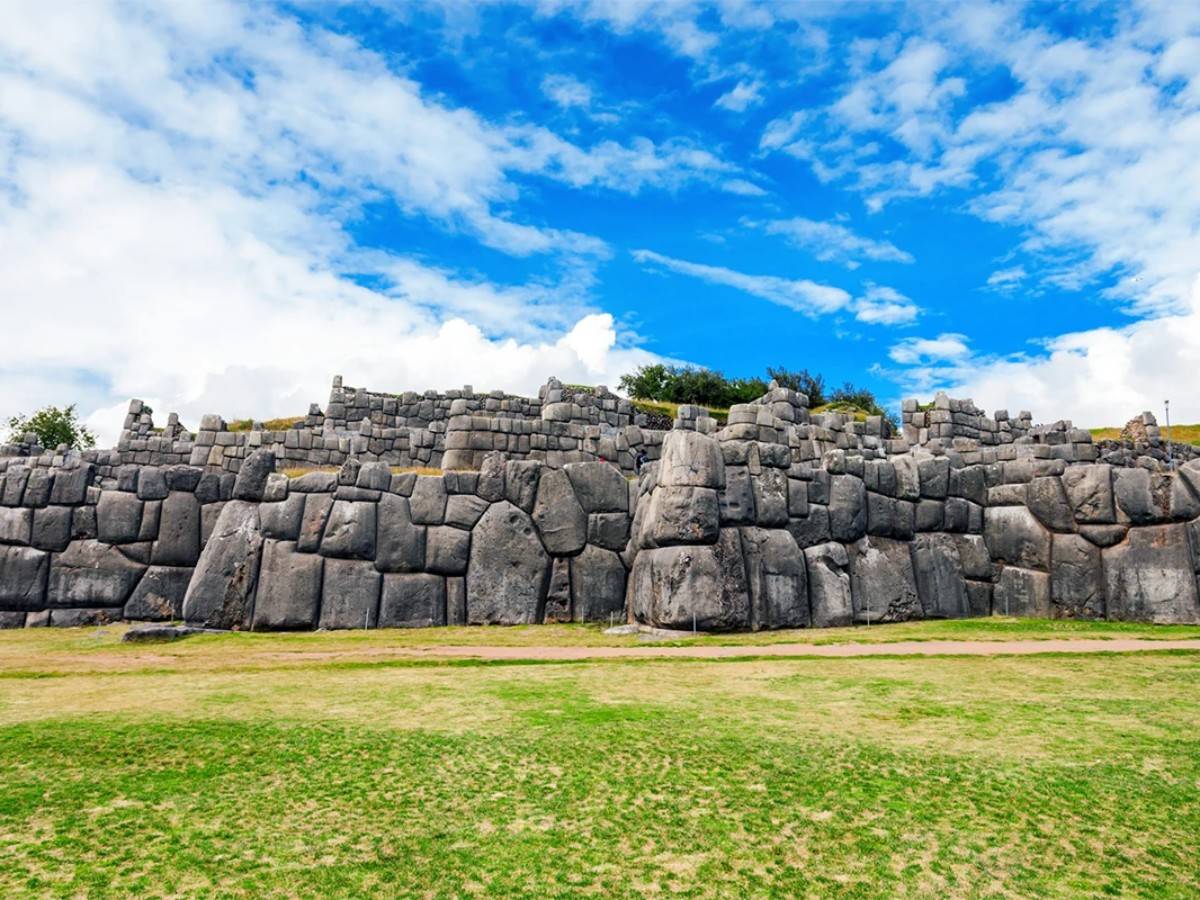
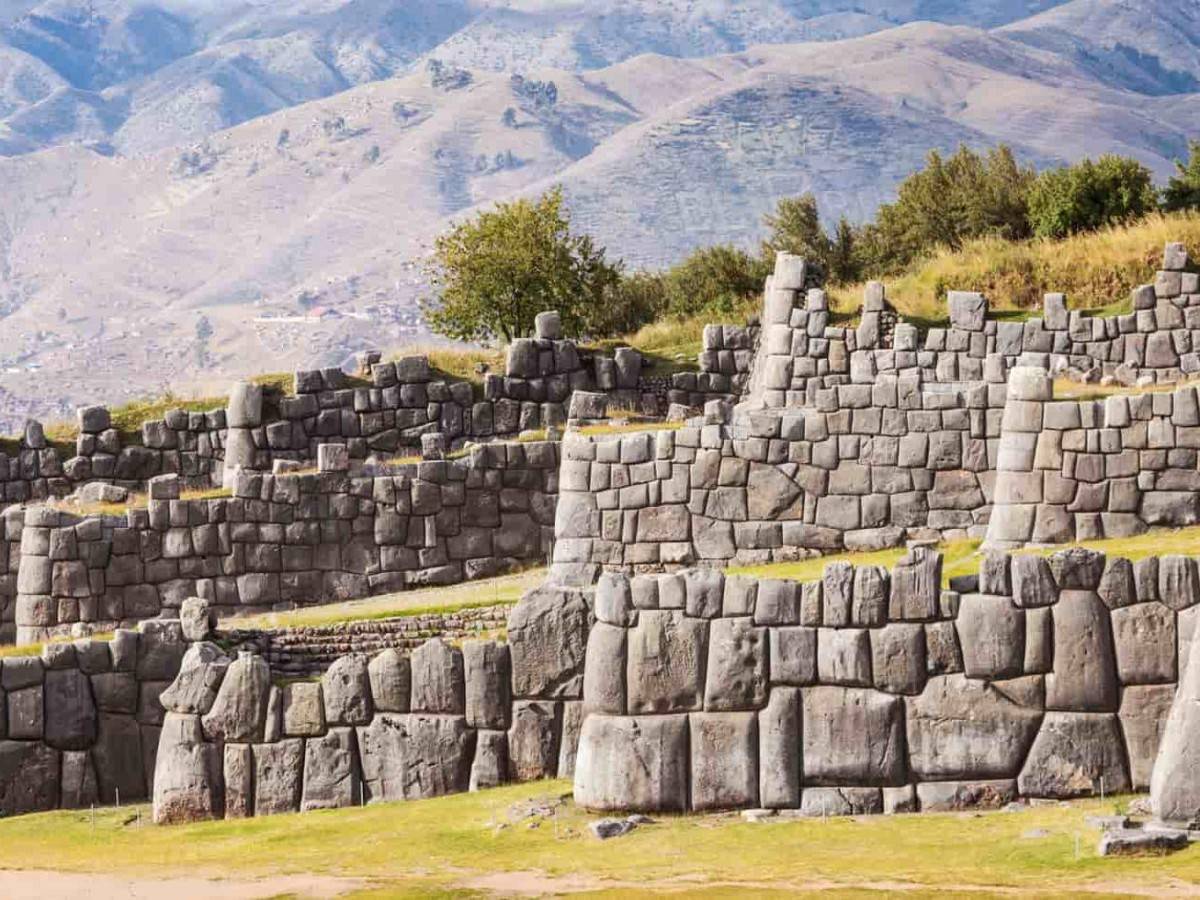
The construction of Sacsayhuaman began in the 15th century during the expansion of the Inca Empire. Three monarchs - Pachacutec, Tupac Inca Yupanqui and Huayna Capac - spent nearly a hundred years and mobilized tens of thousands of people to build this megalithic fortress. There is much controversy about its original function: Spanish colonists believed it was a military fortress, but modern archaeological discoveries have shown that it was designed more as a sacred place for the Incas to hold military exercises and sacrificial ceremonies. The huge stone wall bites into the mountain like a sawtooth. Looking down from a certain angle, the outline of the wall is surprisingly similar to the wings of the Andean condor, demonstrating the Incas' awe of nature and gods.
The technical mystery of the architectural miracle
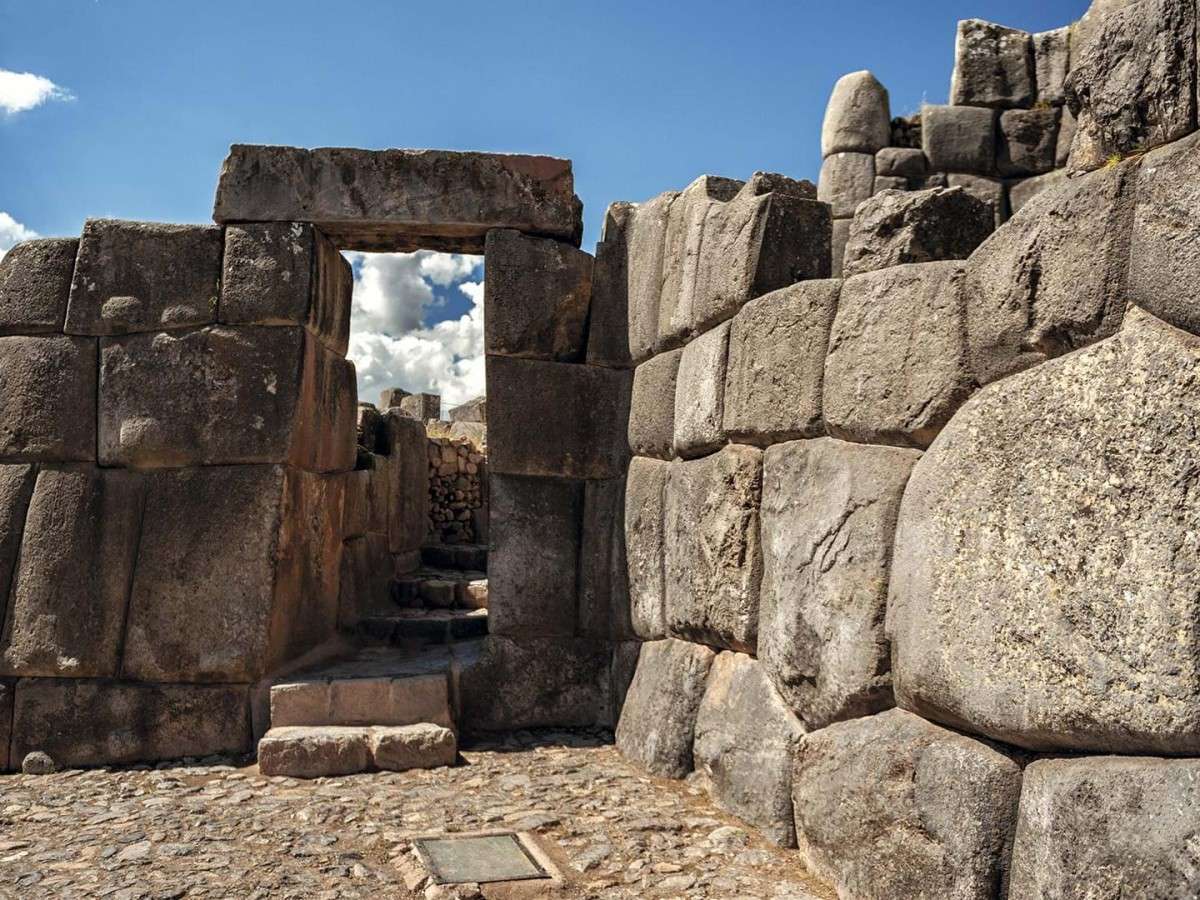
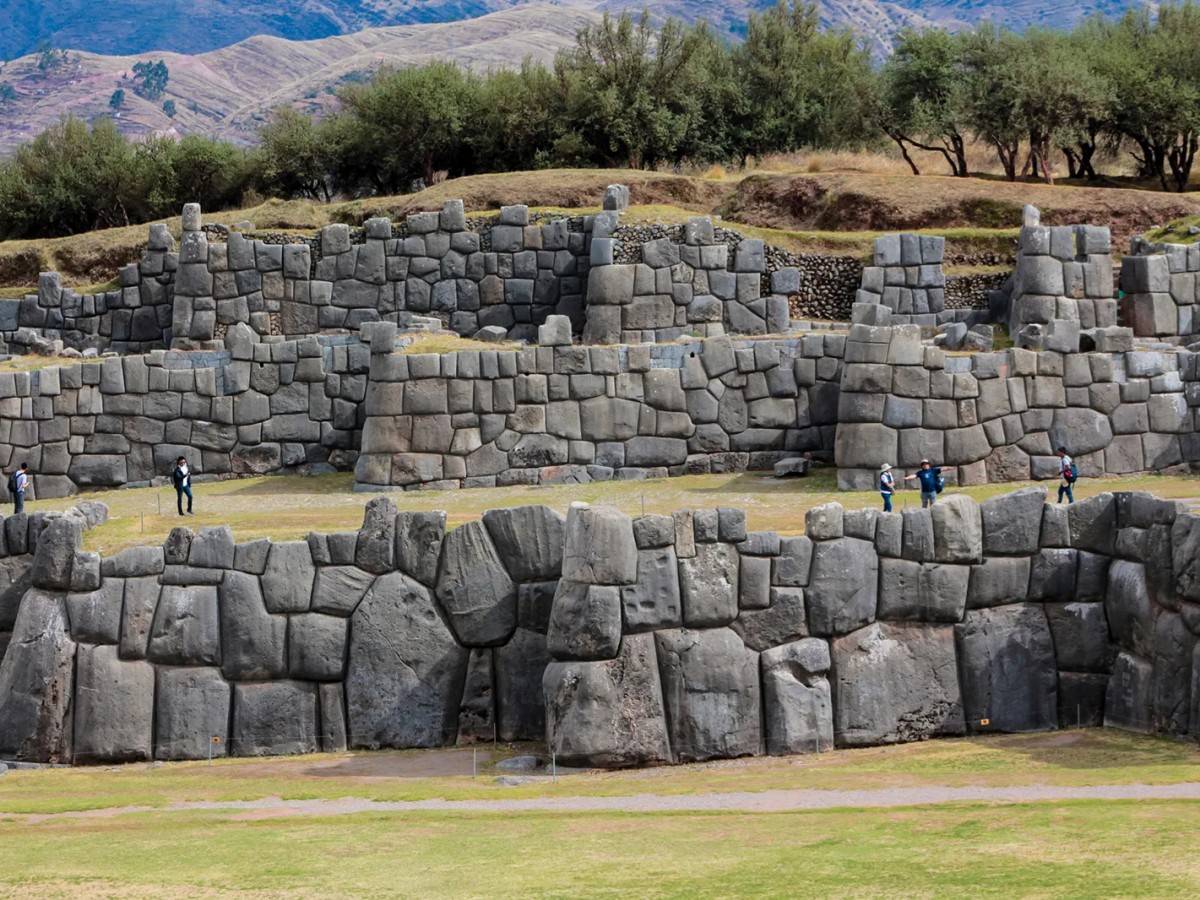
The boulders in the ruins weigh an average of 128 tons, and the largest stone is about 5 meters high and weighs more than 300 tons. How did the Incas cut, transport and accurately stack these boulders without metal tools and modern machinery? Archaeologists speculate that they used the principle of thermal expansion and contraction to excavate stones, transported stones through lubricated wooden tracks, and finally relied on manpower and ropes to complete the "seamless" splicing. The inclination angle of the stone wall is consistent with the principles of seismology, allowing the building to stand after several strong earthquakes.
From Cusco
Advertisement
Hiking: Walk north along Calle Triunfo Street from Cusco's Plaza de Armas, and you will reach the entrance of the ruins in about 25 minutes. You can admire the colonial-style buildings along the way and gradually integrate into the thin air at high altitudes.
Taxi: Take a taxi at the Plaza de Armas, the one-way fare is about 11 new soles (about 3 US dollars), and it takes 10 minutes to drive directly. It is recommended to choose a regular taxi company vehicle to ensure safety.
Tour bus: Many travel agencies offer "Cusco City Tour" packages, including attractions such as Sacsayhuaman and Plaza de Armas, which are suitable for tourists with tight schedules.
High Altitude Acclimatization Tips
Cusco is 3,400 meters above sea level, and Sacsayhuaman is as high as 3,701 meters. It is recommended to arrive in Cusco two days in advance to acclimate to the environment, avoid strenuous exercise, drink plenty of water and carry oxygen cylinders to prevent altitude sickness.
Core area: Three Walls Ruins
Main entrance to the first wall: Go up the stone steps, and the first wall that comes into view is the first wall made of huge limestone. The surface of the stone has been finely polished, and it has a cold luster in the sun.
Second wall and "Sun-tie Stone": Continue to the second wall and look for the huge stone called "Sun-tie Stone". Legend has it that the Incas once held the "Inti Laimi" (Sun Festival) ceremony here, and "tie" the sun with a gold chain to pray for eternal light.
Third wall and panoramic platform: Climb to the highest point, and the third wall is winding like a dragon's spine. Here you can overlook the panoramic view of Cusco and the snow-capped peaks of the Andes Mountains in the distance.
Hidden highlights: natural stone rails and "Inca slides"
On the west side of the main ruins, there is a natural stone rail hidden, and the surface is polished smooth like a mirror. This is a "slide" built by the Incas using the terrain. Visitors can sit on the stone rails to experience the fun of sliding (please pay attention to safety).
Cultural performance time
If it is the Peruvian "Sun Day" on June 24, the site will recreate the "Inti Laimi" celebration: Inca descendants dressed in traditional costumes, perform sacrificial dances, and recreate the glory of the empire.
Opening hours: 7:00-17:30 every day. It is recommended to avoid the strong ultraviolet rays at noon and choose to visit in the early morning or evening.
Ticket price: 70 new soles (about 20 US dollars) for a single ticket, or buy the "Cusco Tour Package" (including 16 attractions, the price is more favorable).
Guide service: There are Spanish and English guides at the entrance of the site, the cost is about 50 new soles/hour. You can also download "Izzi Travel" and other APPs in advance to get Chinese audio guides.
Photo tips: The light in the early morning and dusk is the softest, suitable for photographing the texture of the boulders; the panoramic platform is the best position to photograph the city of Cusco and the mountains in the same frame.
Plateau protection: Sunscreen (SPF50+), moisturizer, sunglasses, and hats are essential items. The temperature difference between day and night is large, so you need to bring a thin down jacket.
Food recommendations: Try the Cusco specialty "Cuy" (roasted guinea pig) and "Chicha" (corn beer), but pay attention to hygiene.
Safety tips: The stairs of the ruins are steep, so it is recommended to wear non-slip shoes; avoid hiking alone in remote areas.
Best season: May to September is the dry season, and the weather is sunny and suitable for sightseeing; October to April is the rainy season, and some mountain roads may be slippery.
Iglesia de San Cristóbal
A 15-minute walk from Sacsayhuaman, this white dome church is another great viewpoint overlooking Cusco.
Qenko Temple
3 kilometers away from the ruins, the giant stone altar carved by the Incas here resembles an Andean statue and is an important site for studying Inca religion.
Machu Picchu
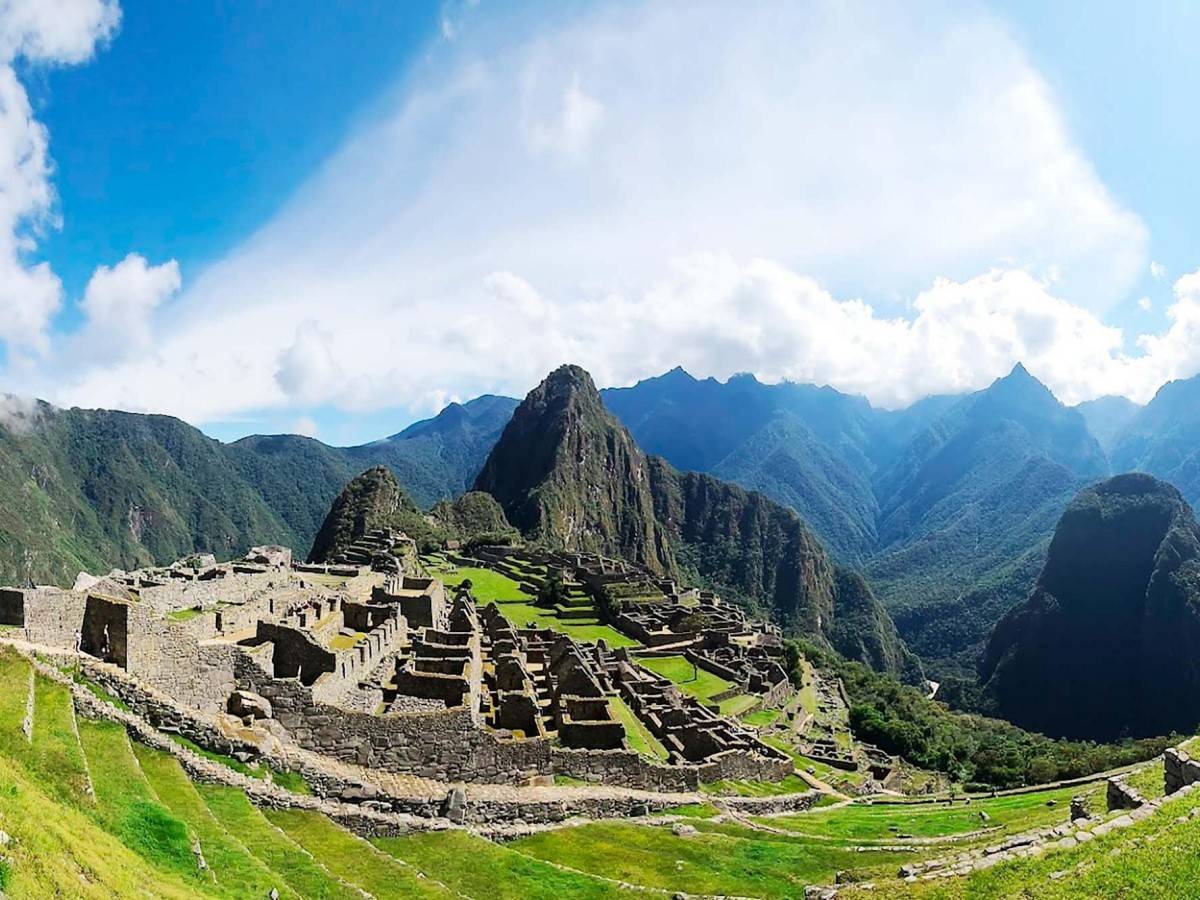
If you have enough time, you can join the "Cusco-Sacred Valley-Machu Picchu" multi-day tour. Take the train from Cusco or hike the Inca Trail to visit the "Lost City in the Sky".
Sacsayhuaman is not only a stone ruins, but also a wordless history book written by the Inca to the world. When you touch the boulders, you can hear the breathing of the stonemasons and the chanting of the priests. Here, every stone tells a story about faith, wisdom and eternity. Whether you are a history fan, architecture lover or nature explorer, Sacsayhuaman will leave an indelible mark on your trip to Peru.