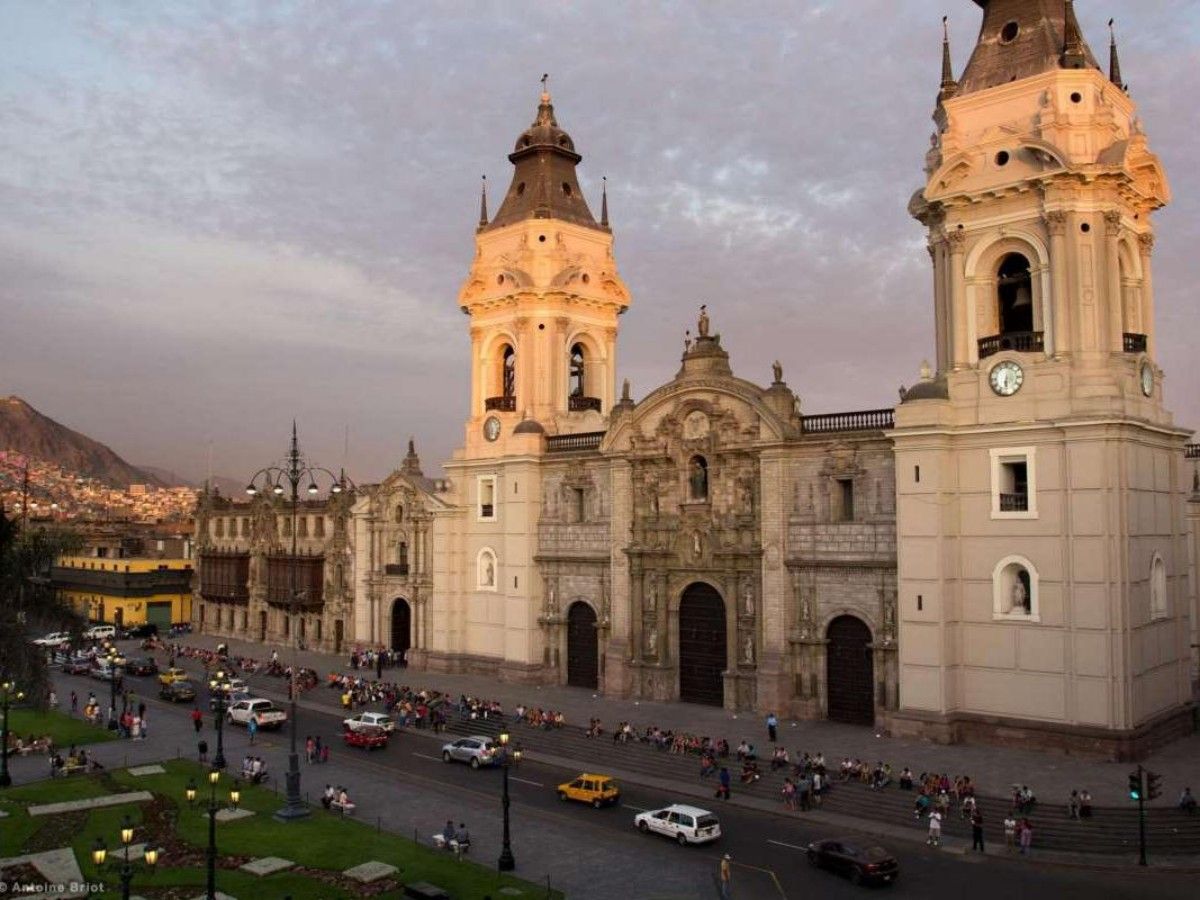
If you're in Lima, the capital of Peru, you can't miss the Lima Cathedral, a cathedral that is not only a place of worship, but also a cultural heritage that is steeped in centuries of history. From the Spanish colonial era all the way to the present day, Lima Cathedral has witnessed the changes in Peru. It is home to beautiful architecture, rich historical stories, and many artifacts worth seeing. Whether you're a history buff, an architecture fanatic, or just want to soak up Lima's cultural atmosphere, it's worth a visit.
Advertisement
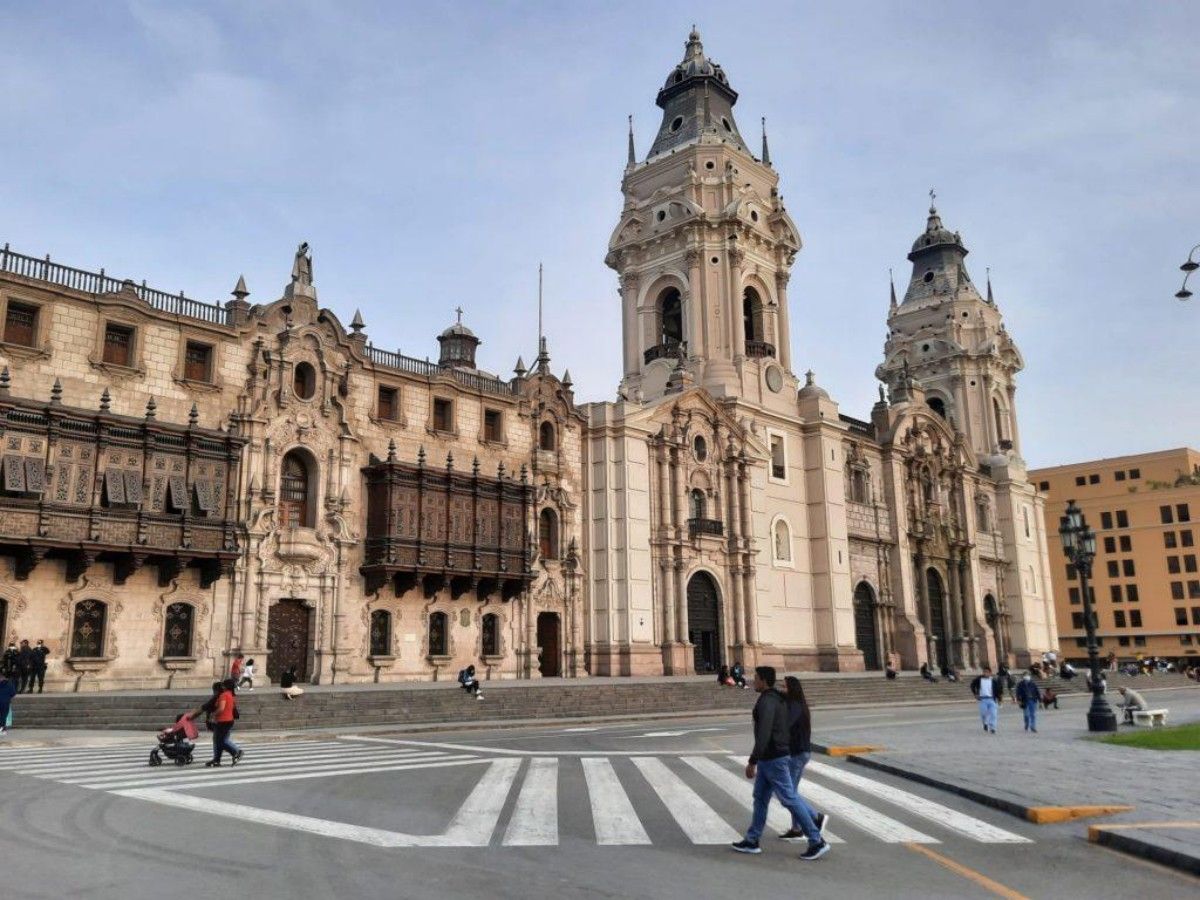
The history of the Cathedral of Lima dates back to 1535, when Spanish conquistador Francisco Pizarro ordered the construction of the cathedral as a demonstration of Spanish power and faith in Peru. At the time, Lima had just become the center of Spanish colonial rule, so the church took on an important political and religious role.
Advertisement
The original church was small, but it underwent many extensions and restorations in the following centuries. In particular, the cathedral was severely damaged after the great earthquakes of 1687 and 1746, and was restored to its present form. Although the exterior still retains its Spanish colonial style (a combination of Spanish Baroque and Neoclassicism), the interior has been decorated in a style that has evolved over time, blending European and Native American artistic features.
One of the most famous historical sites here is the mausoleum of Pizarro. As a Spanish conquistador, he ended his life here and also died here. Visitors can tour his tomb and see exhibitions about his life, and no matter how you feel about this historical figure, he has left an indelible mark on Peruvian history.
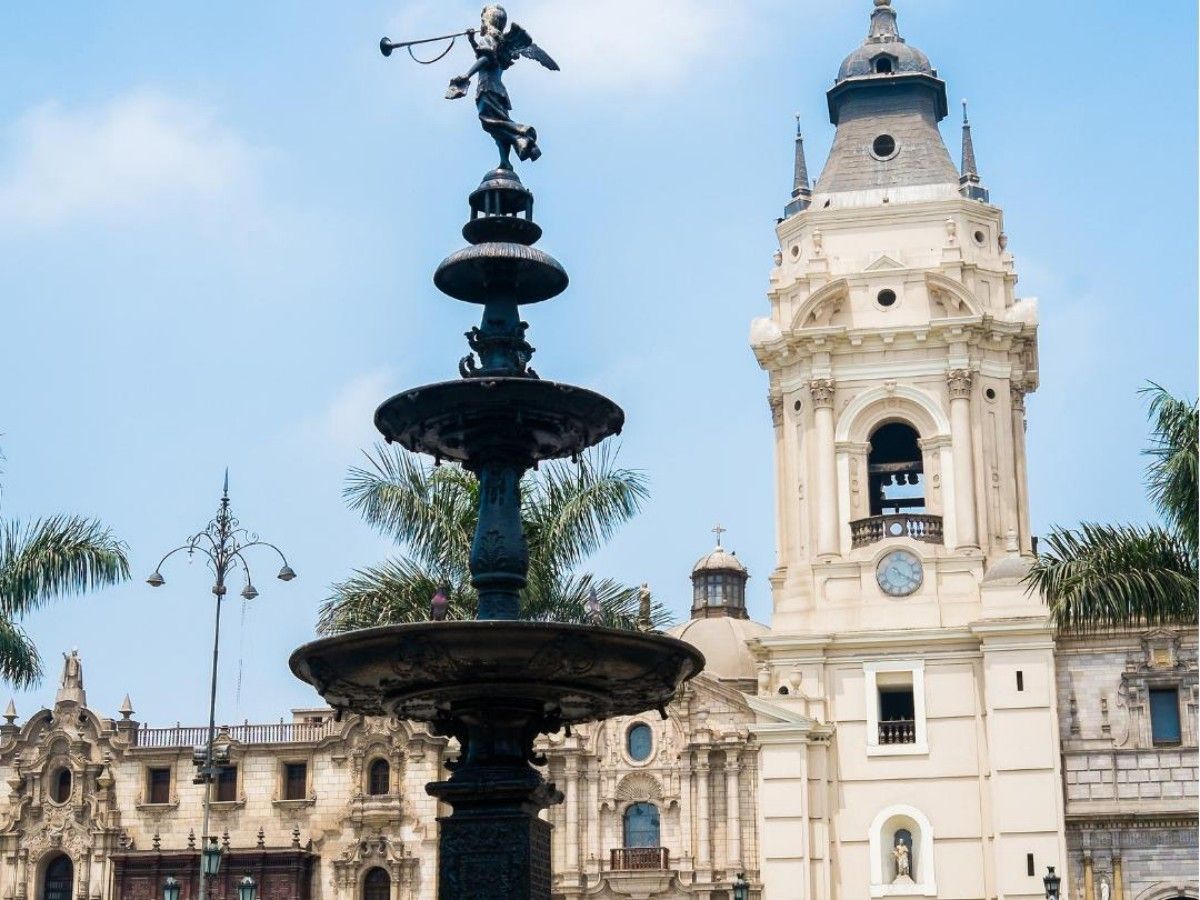
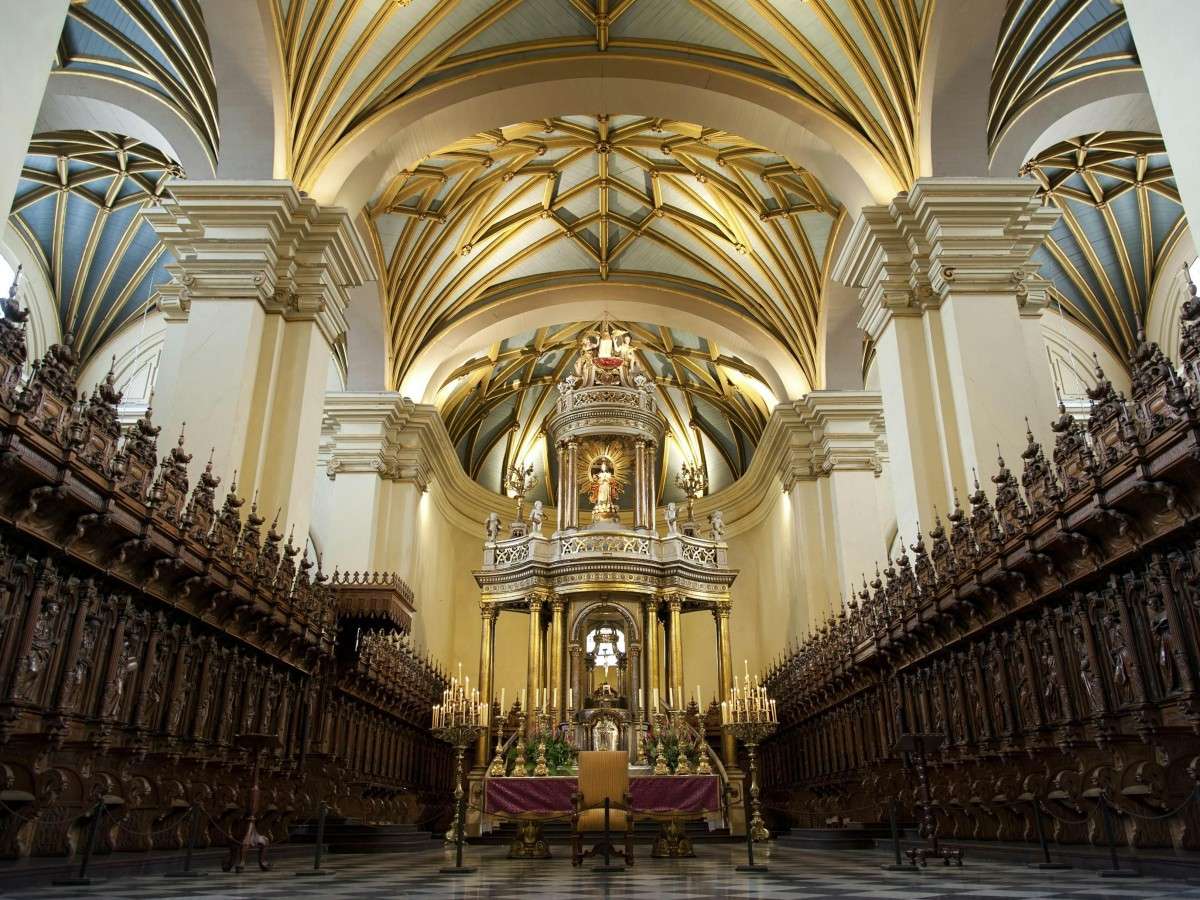
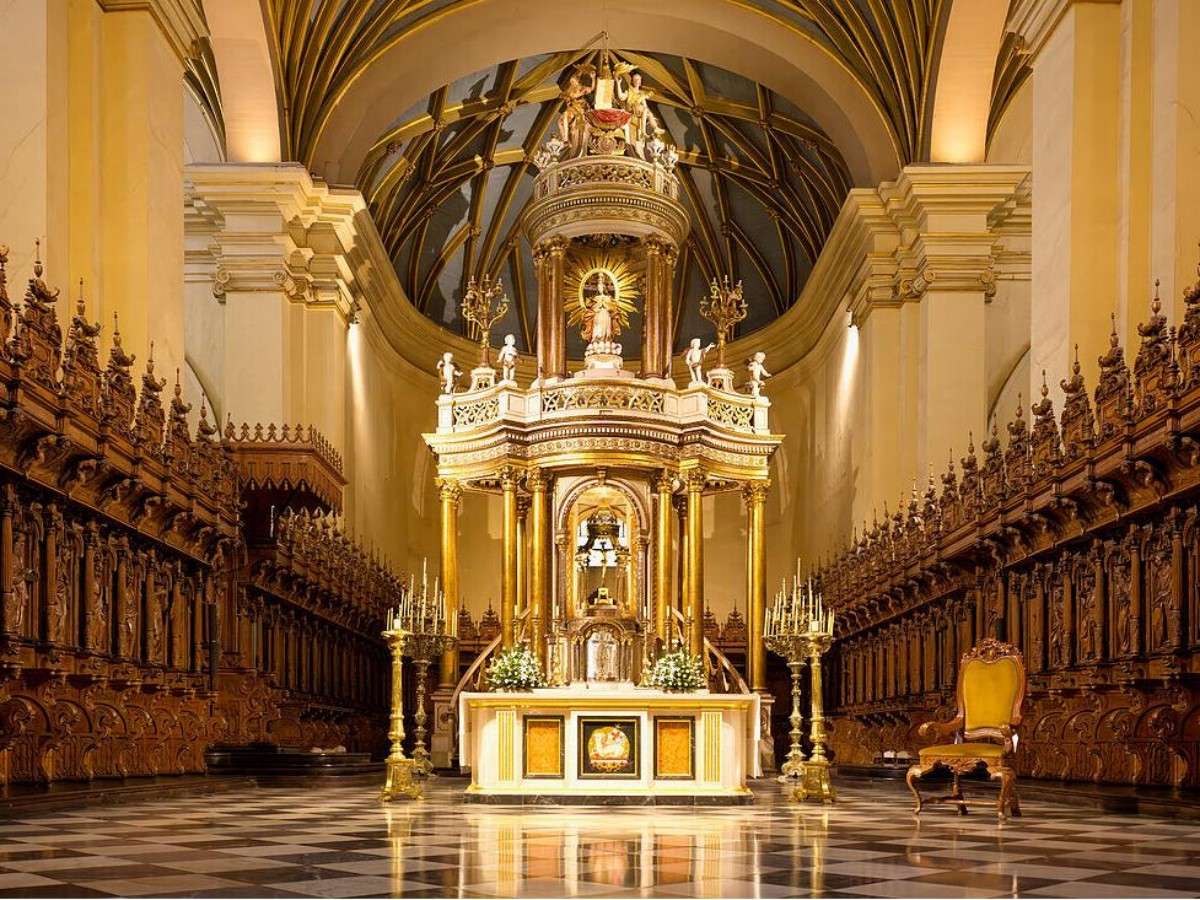
Step inside the Lima Cathedral and you'll immediately be drawn to its spectacular High Altar. Made of gold and silver, this altar is incredibly elaborate. The sunlight pours through the stained glass windows on the altar, making the entire hall look extraordinarily sacred.
Advertisement
Within the Cathedral, there are fourteen other Chapels, each adorned with exquisite carvings, paintings and altars. Each of these chapels is dedicated to a different saint, such as St. John and St. Rosa (the patron saint of Peru), showcasing the deep Catholic tradition of the region.
Another highlight is the Museum of Religious Art, a collection of religious paintings, sculptures and liturgical objects dating from the 16th to 19th centuries, offering a glimpse into the artistic styles of the period. The paintings, especially those by local and European artists, vividly depict biblical stories with cultural elements specific to Latin America.
And if you like architecture, don't forget to check out the wooden ceilings of the church. This part of the building's design was influenced by Moorish culture (Spain was ruled by the Moors in the past, so there are often Islamic elements in the architecture). The fine carvings and intricate patterns give the whole church an artistic feel.
As one of the most important attractions in Lima, the Lima Cathedral is still quite well equipped with visitor facilities. In the vicinity of the church, you can find a variety of restaurants, cafes, and souvenir stores for visitors to take a break and buy souvenirs.
If you prefer to learn more about the history of this church, you can opt for a guided tour. There are Spanish and English speaking docents who will go over the history and architectural features of the cathedral and take you to explore the hidden details.
The cathedral also offers barrier-free access, making it relatively friendly for visitors with mobility issues. However, some of the stairs are steep, so you need to be careful when visiting.
Although Lima Cathedral is open to visitors, it is still a functioning place of worship, so there are some rules to follow:
Opening hours: in general, the cathedral is open every morning and afternoon, with a short break at noon. However, there may be Mass on Sundays, so some areas may not be accessible. It is advisable to check the latest opening times before setting off.
Admission: Visiting the cathedral itself is free, but there is a small fee (around 10-20 Peruvian soles) to enter the Museum of Religious Art or take a guided tour.
Dress Code: As this is a religious site, it is recommended to dress appropriately and not wear shorts or sleeveless tops to avoid being refused entry.
No Photography: Photography is prohibited in some areas, especially in the Museum of Religious Art. Please pay attention to the signs on the site to avoid violating the rules.
Whether you're there to admire its architecture, explore Peruvian history, or simply want to soak up Lima's cultural scene, the Lima Cathedral is a place worth visiting. Carrying hundreds of years of history, this church bears witness to the splendor of the Spanish colonial era and showcases Peru's unique blend of religion and culture. If you're planning a trip to Lima, be sure to make time in your itinerary to soak up the city's historic soul.