
Advertisement
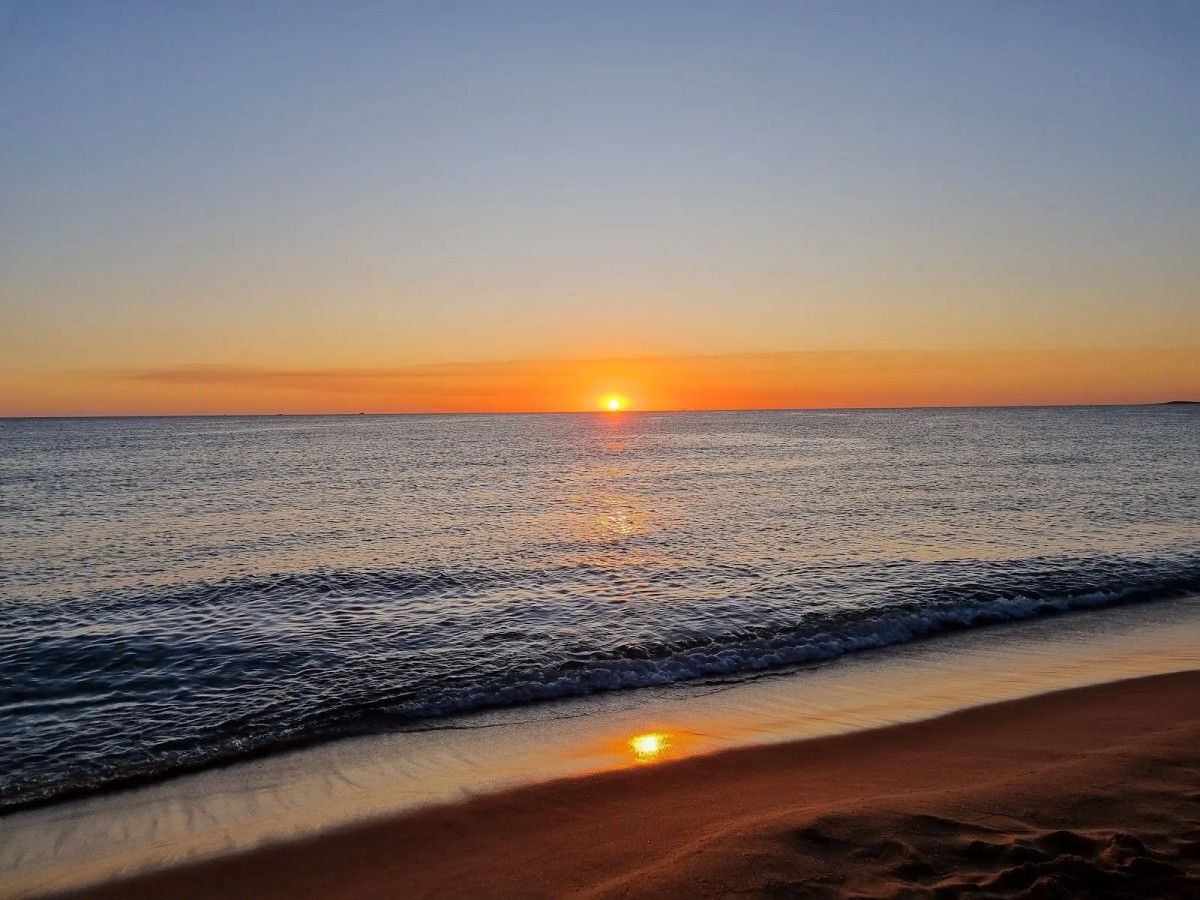
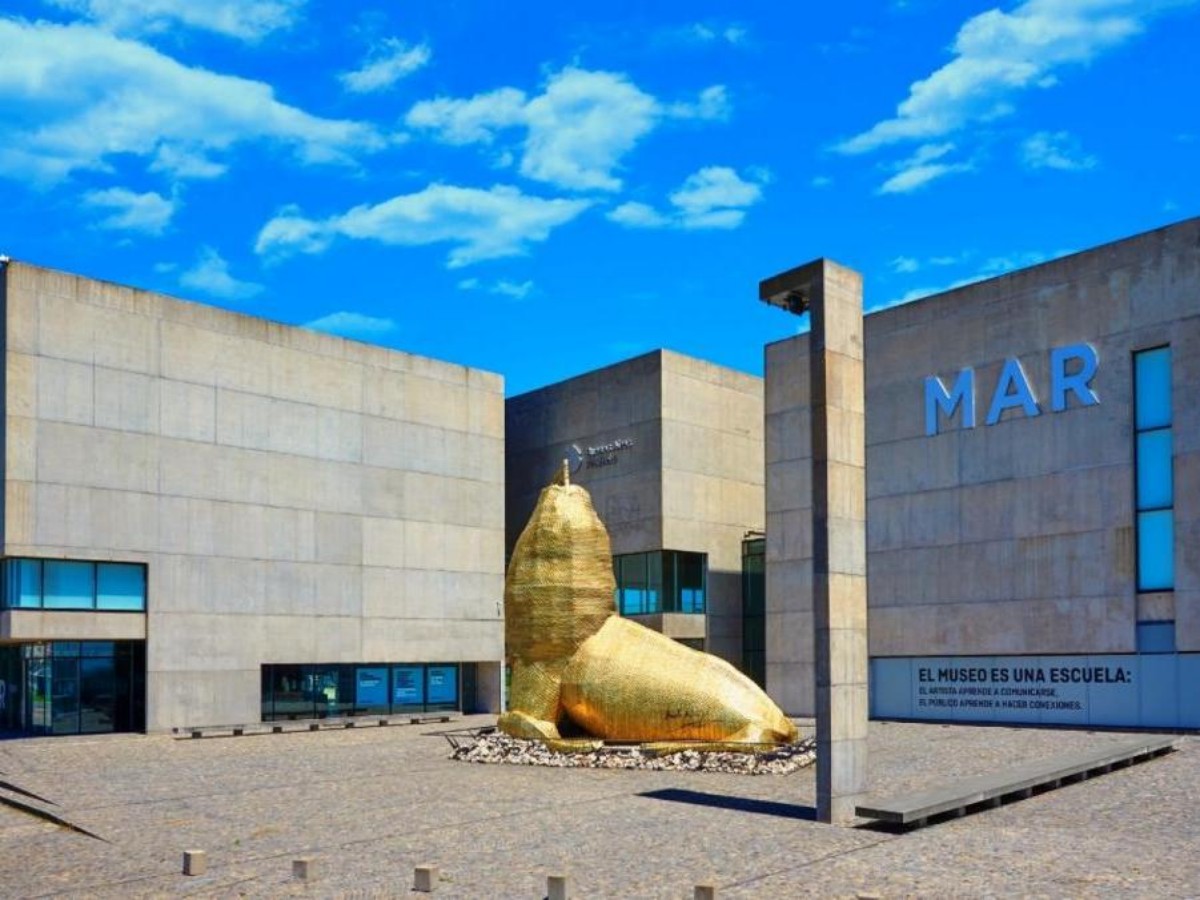
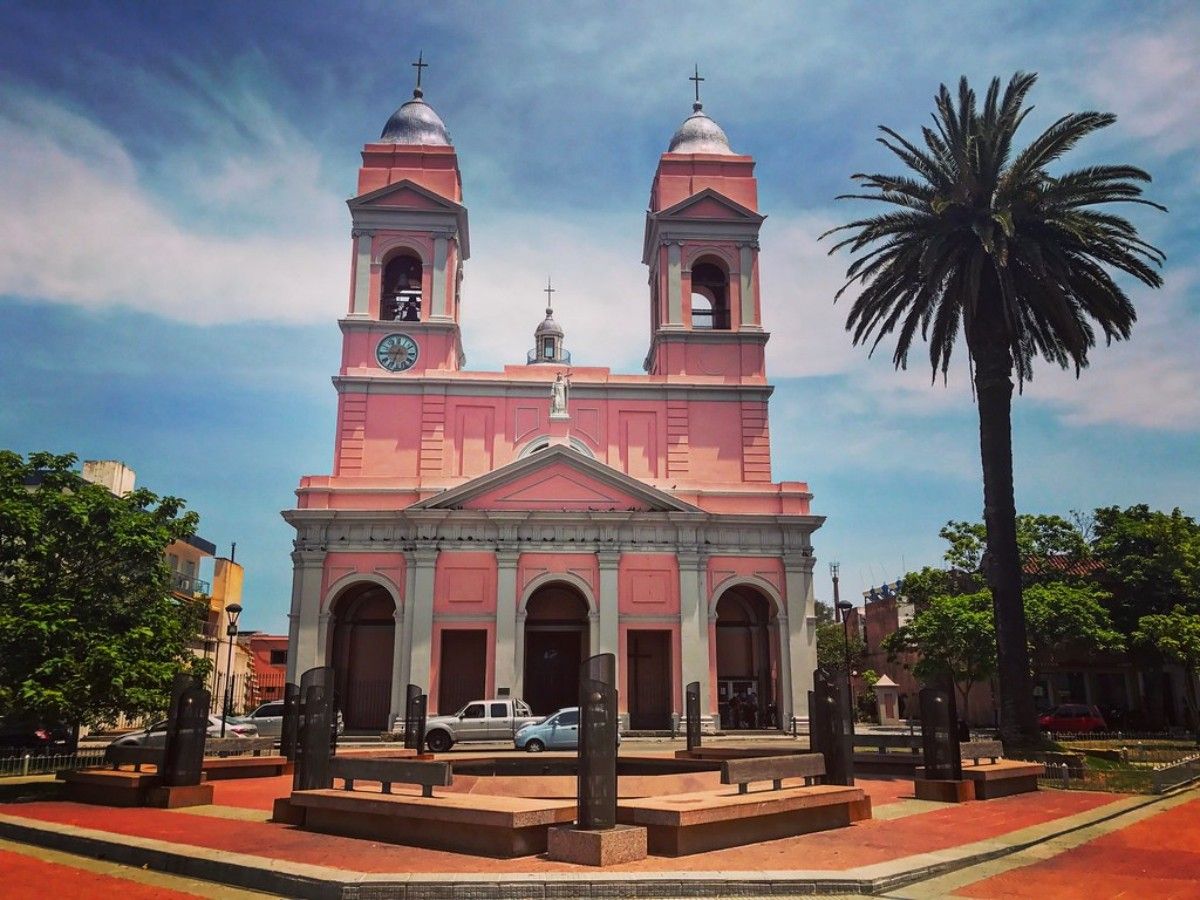
When you walk in the picturesque coastal town of La Barra in southeastern Uruguay, a museum with a simple appearance but hidden treasures inside, Museo del Mar (Marine Museum), quietly stands between the blue sky and the blue sea. It is not as high-profile as traditional large science museums, but like a gentle and knowledge-rich handmade diary, waiting for you to gently open it. For those travelers who love the sea and pay attention to ecological issues, this is not just a sightseeing, but a double voyage of mind and thought.
Advertisement
Museo del Mar was not built by the government, nor is it a product of large-scale capital exhibitions. It was founded in 1993 by Pablo Etchegaray, a Uruguayan collector who is passionate about the ocean. Based on decades of collection and research, he built this museum full of personality and warmth with bricks, tiles, shells and bones.
Advertisement
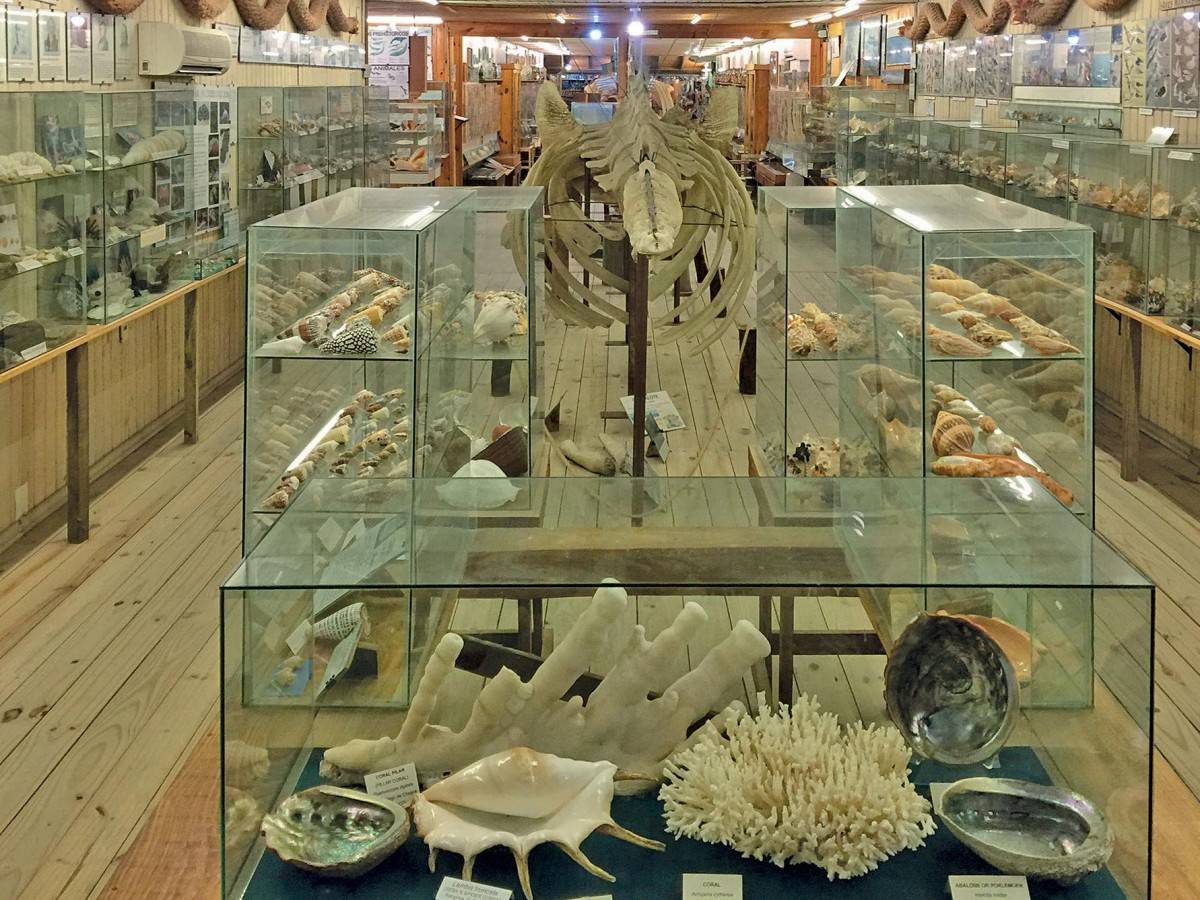
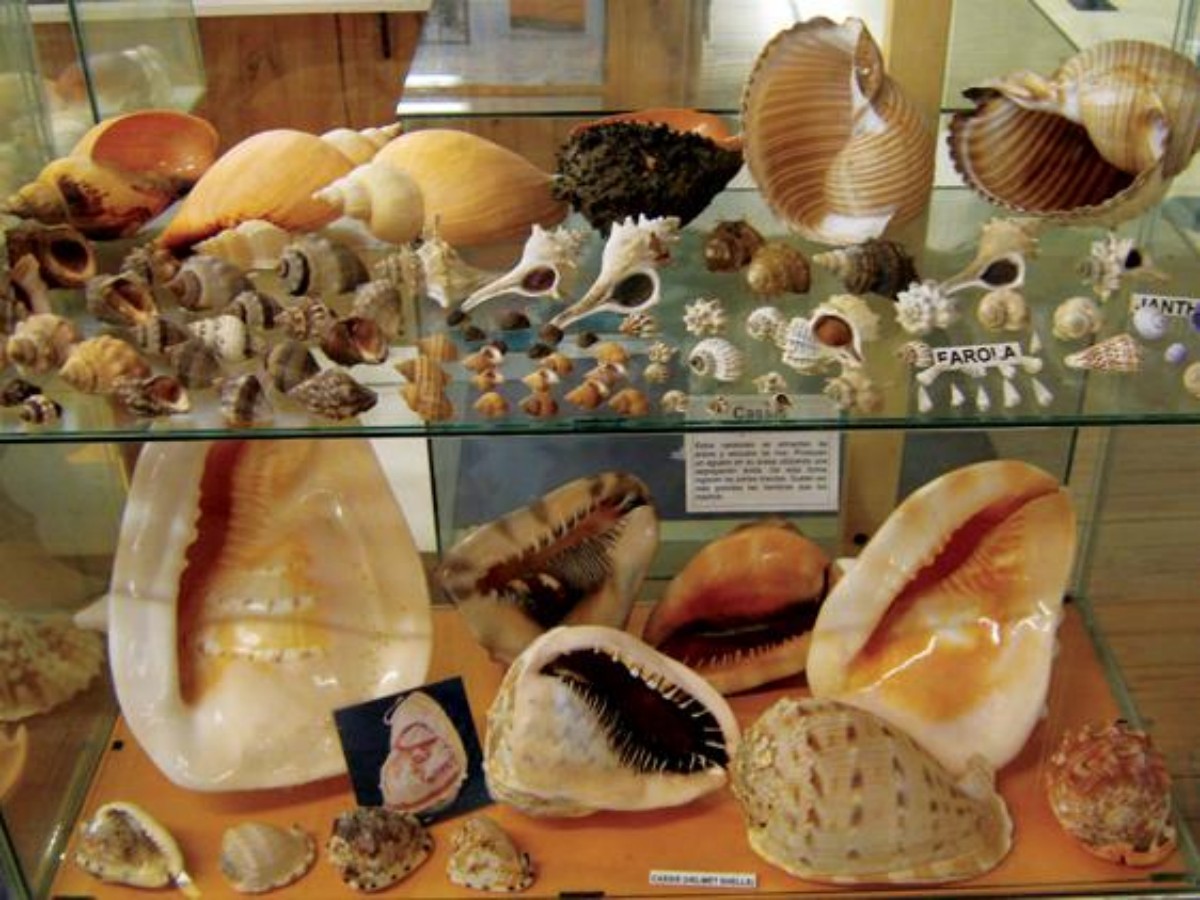
As soon as you step into the museum, you can feel this persistence and love. Thousands of shells, marine fossils, seabird specimens, seal skeletons, old fishing gear, antique diving equipment... The overwhelming exhibits seem to be telling stories about the ocean, and also like asking you a silent question: Is our relationship with the ocean one of plunder or protection?
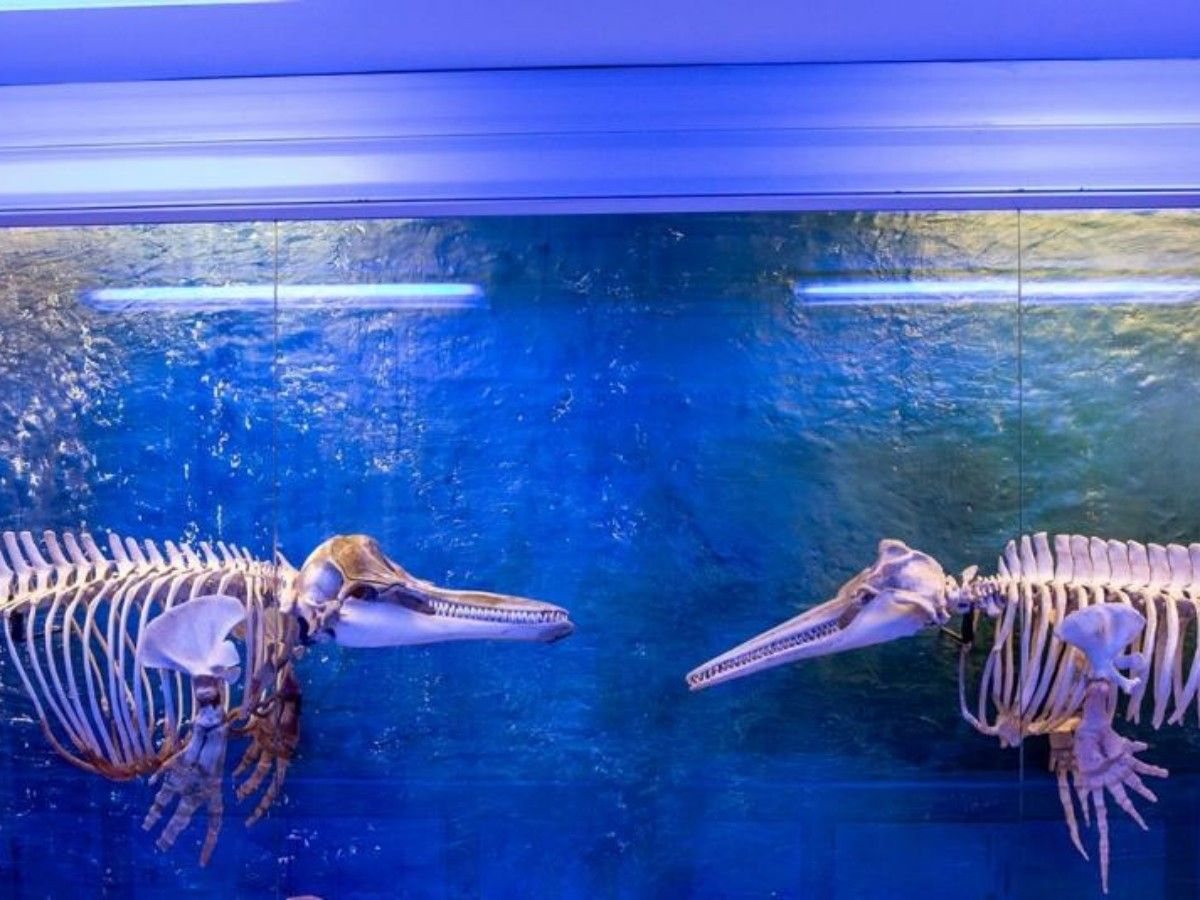
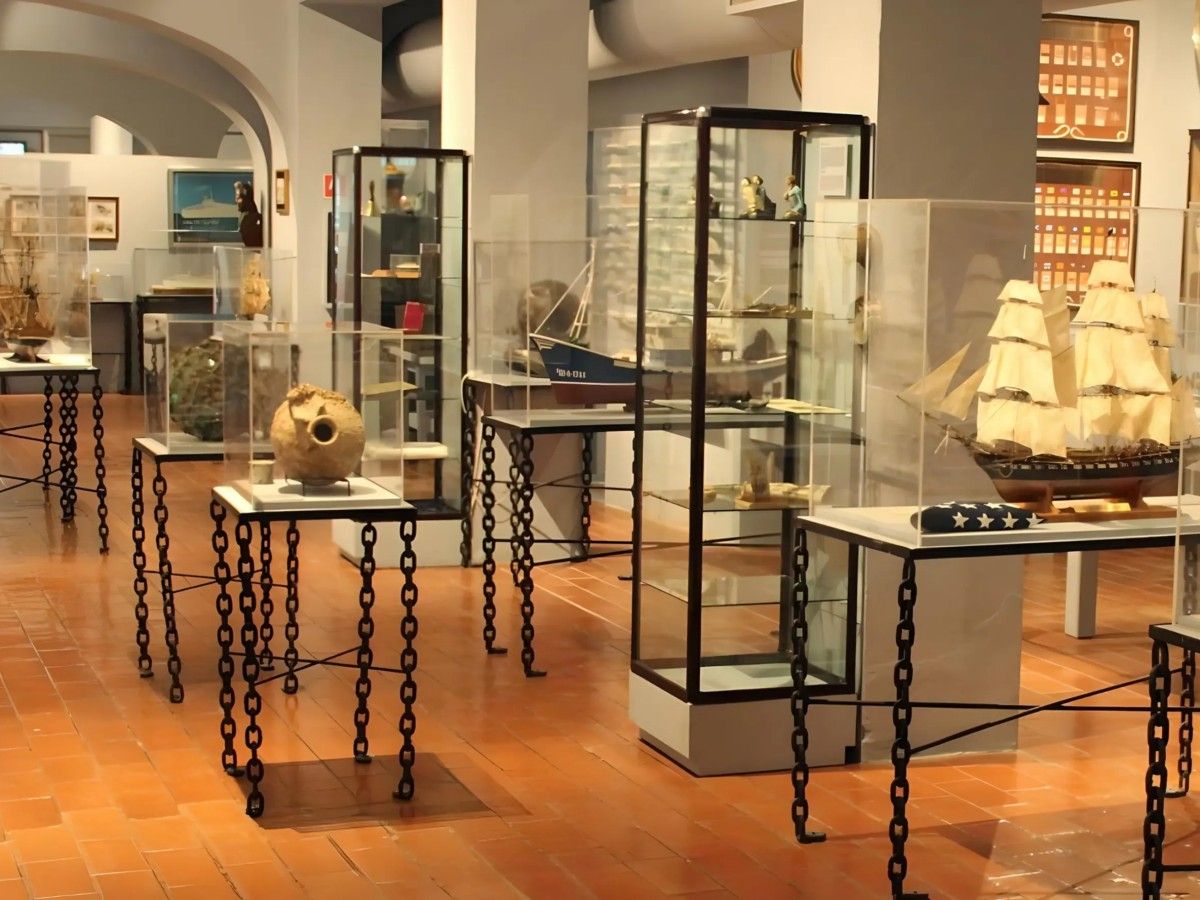
Don't get me wrong, Museo del Mar is not just a "shell exhibition". The exhibition hall is divided into several themed areas: shellfish exhibition area, marine mammal exhibition area, pirate and ship culture exhibition area, insect and butterfly annex, and even a humorous and ironic "Monster Museum", which uses alternative ways to arouse people's imagination and thinking about natural evolution.
Advertisement
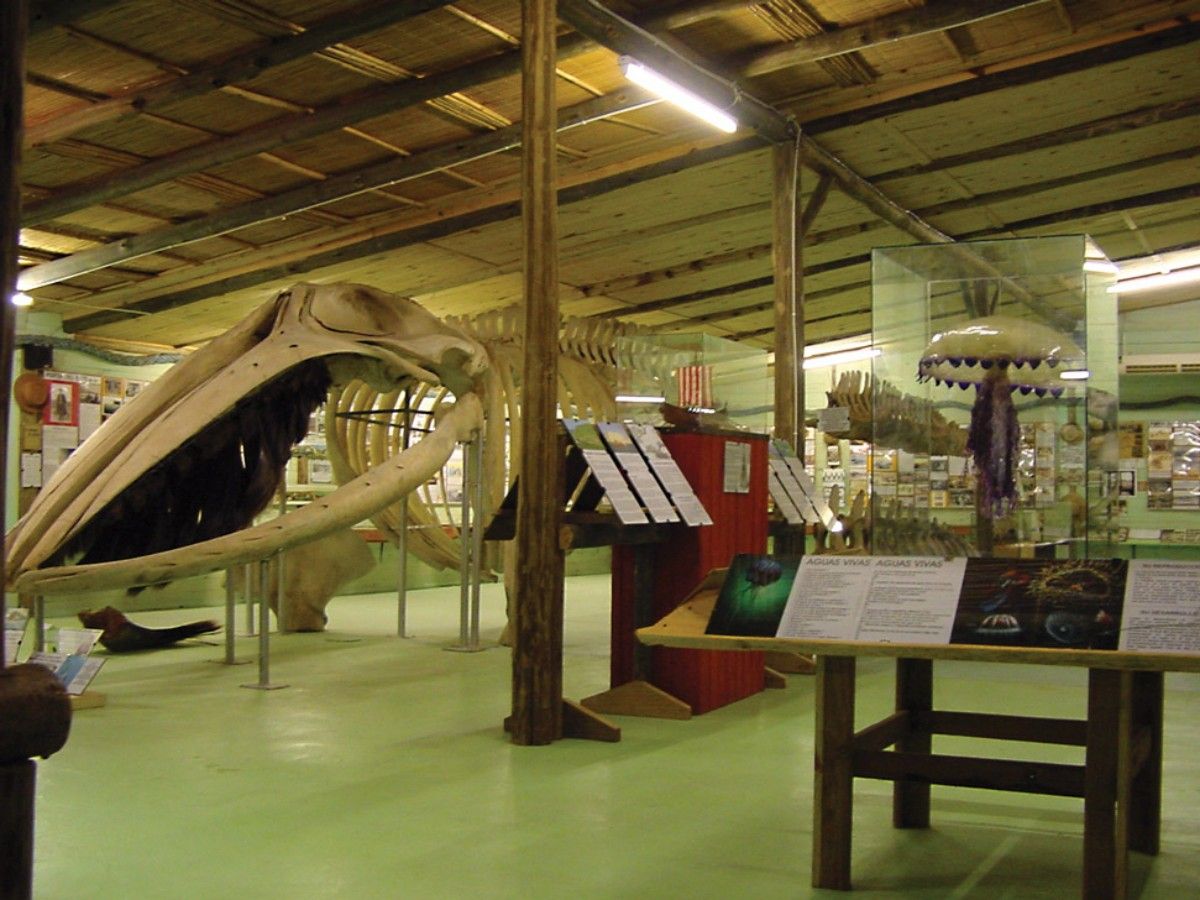
However, the most touching exhibition area is the one related to marine ecology. You will see rows of whale bones and sea lion skulls. Those huge and pale skeletons lie there quietly, as if they are memories emerging from the deep sea. Behind each bone is a life that once swam in the sea. The slogans on the wall remind visitors in brief but heavy language: overfishing, plastic pollution, sound wave interference... The "civilization" created by us humans is swallowing up these primitive free existences bit by bit.
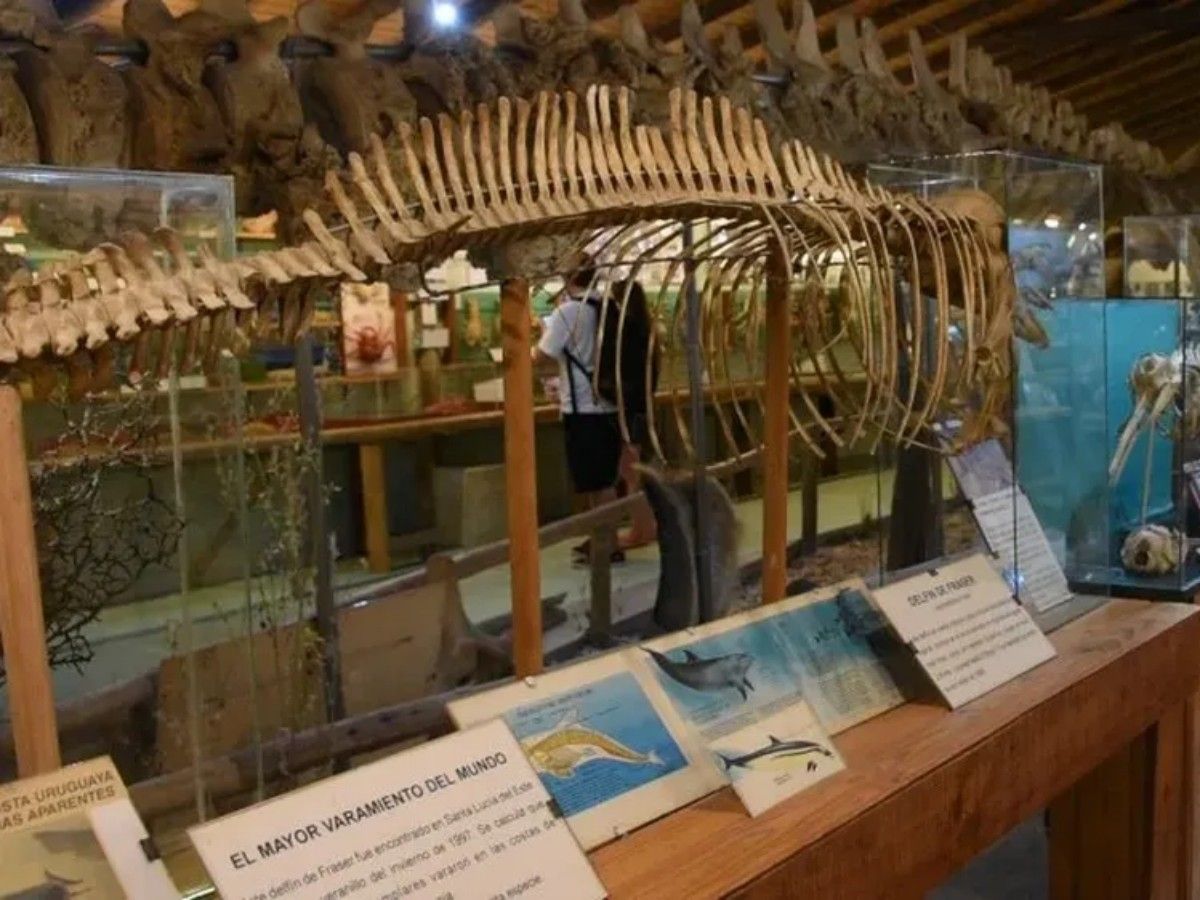
Museo del Mar is especially suitable for children. You don't have to worry about them being bored, because this is not a "do not touch" restricted area, but a place that encourages curiosity. From the structural model of the whale's throat to real shark teeth, from old-fashioned diving suits to interactive small viewing microscopes, children can learn while playing, watching and asking. The staff are also very happy to answer questions, using simple and vivid ways to let children understand what coral bleaching is, why plastic bottles can kill turtles, or how whales communicate through sound waves.
You will be surprised to find that many children will ask before leaving: "What can we do to protect the ocean?" This is the greatest charm of Museo del Mar-it is not to instill knowledge, but to plant the seeds of consciousness.
In one of the exhibition halls, there is a very special wall that displays items related to the ocean from various eras: fishing nets from the 19th century, old-style fish specimen medicine bottles, old sea charts with warning slogans, and even rusty telescopes salvaged from sunken ships. This wall seems to tell you an eternal story: we once lived in peace with the sea, and we also tried to conquer it. Now, how can we re-establish this relationship?
The museum did not give a direct answer, but used exhibits to make you think. Standing in front of this wall, many tourists will be silent for a long time-perhaps, the awakening of environmental protection does not require a serious speech, and the history of an old object is enough to arouse your cherishment of the future.
After the visit, you may wish to walk around the small shop in the museum. You will not find plastic souvenirs, but handmade conch necklaces, postcards made from recycled materials, and even works of art recycled from marine garbage. These souvenirs may seem ordinary, but they are an extension of the concept of sustainability in daily life.
In addition, the museum will occasionally hold "Marine Protection Lectures", "Coastal Cleaning Volunteer Activities" and "Children's Ecological Creation Exhibitions" to build a bridge between travelers and local residents, and truly sow the seeds of ecological protection into the real community.
Visiting time: It is recommended to visit between 10:00 am and 12:00 pm, when there are fewer people and the light is soft, which is suitable for careful viewing of exhibits.
Language service: The main explanation is in Spanish, but some display boards have English instructions. Most of the on-site staff are enthusiastic and willing to communicate in basic English.
Transportation Tips: From Punta del Este, follow Ruta 10 to La Barra, which only takes 15 minutes by car. You can also choose to ride a bicycle, and the scenery is excellent.
Ticket price: About 150 Uruguayan pesos for adults, children and students are discounted; Special tips: Please keep your tickets, and some surrounding activities are discounted.
Photography reminder: Taking photos is allowed, but please turn off the flash; do not touch certain exhibits such as the butterfly specimen area.
Final thoughts: Have you found the answer? After visiting Museo del Mar, you may take away many photos and new knowledge, but the most important thing is a deeper respect and love for the ocean. This is not a cold science popularization institution, but a dialogue space built with love, heart and creativity - a bridge between people and the sea. So, in Museo del Mar, can you find the answer to marine ecological protection? Maybe the answer is not on a certain display board or in a certain specimen, but in the moment when you realize quietly in your heart: I will start to care about the sea, from now on, starting from the little things.