
Advertisement
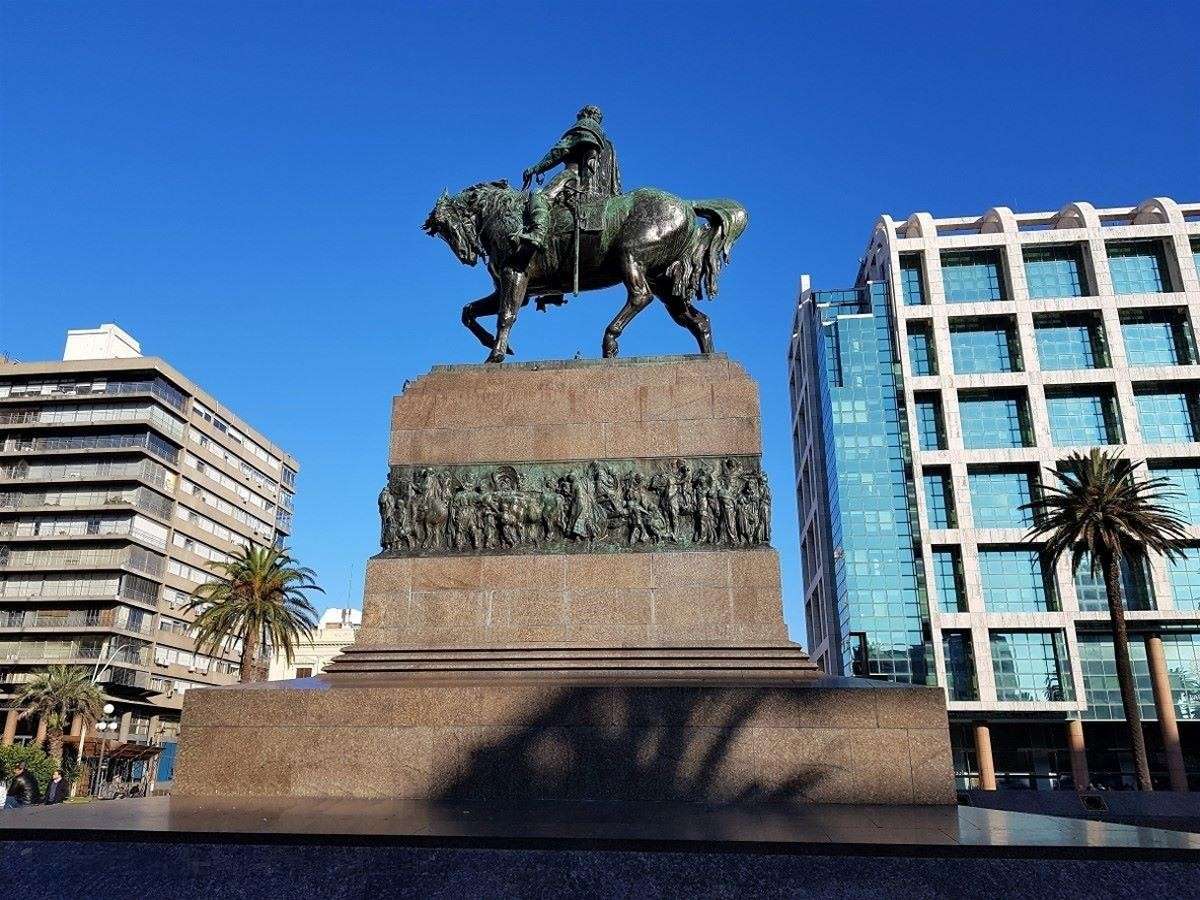
In the heart of Uruguay in South America, in the Plaza Independencia in the capital Montevideo, stands a solemn and solemn statue, that is - Monumento a Artigas. Many tourists who have just arrived may just take a quick check-in photo and turn away. However, if you are willing to stay for a few more minutes to take a closer look at this bronze sculpture, this tomb, and this history, you will find that it is far more than a monument, but a symbol of the entire Uruguayan national spirit, and a national epic engraved in the center of the square.
Advertisement
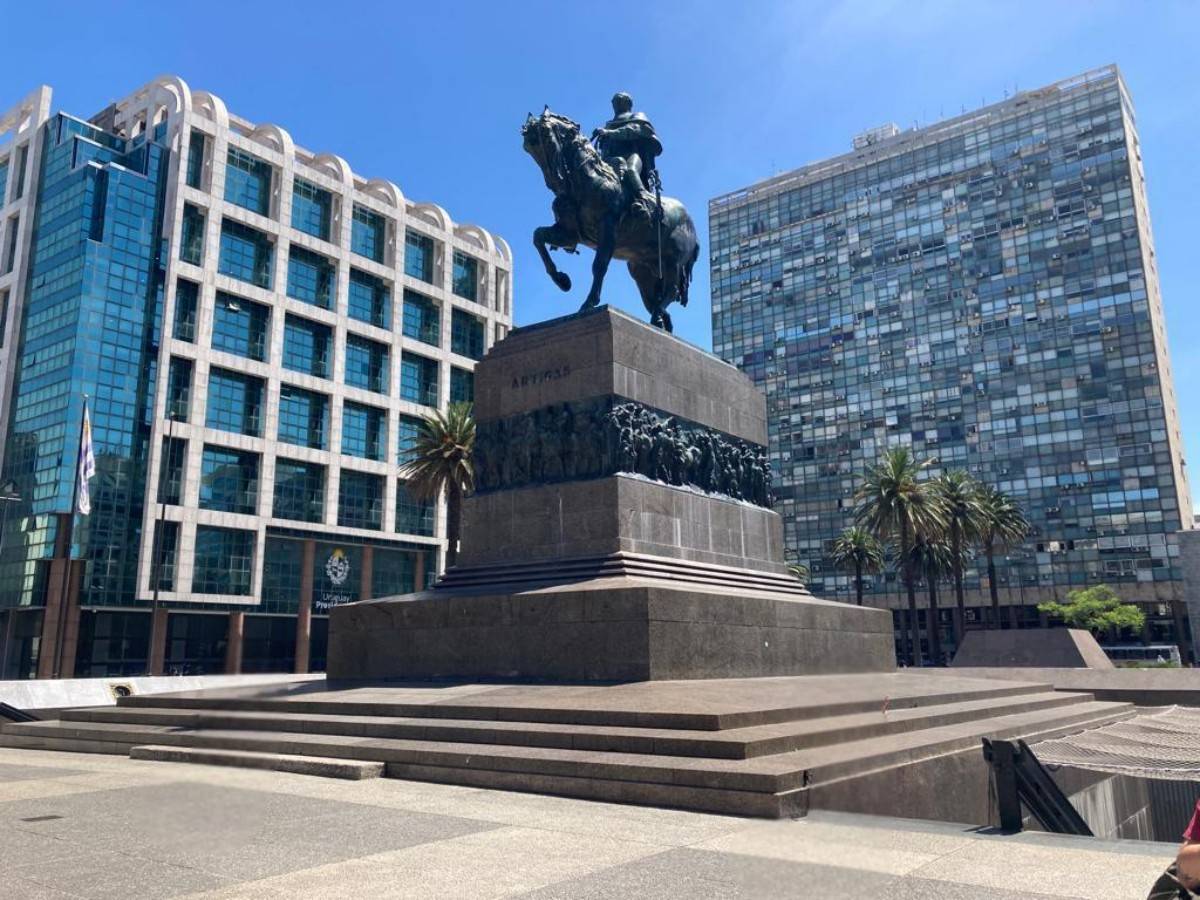
The protagonist of the monument, José Gervasio Artigas, is known as the "Father of Uruguay". He was not a royal who inherited the throne by blood, nor was he a politician of noble origin. He was a horseman who came from the grasslands and ordinary citizens, but eventually became the core symbol of the entire country.
Advertisement
In the early 19th century, Artigas led the liberation movement against Spanish colonial rule, advocated federalism and local autonomy, and put forward the concept of "freedom, justice, and equality", which far exceeded the political landscape of his time. He firmly believed that the land belongs to the tiller and the country belongs to the people, which was extremely rare in Latin America at that time. He did not fight for power, but for the people - this spirit is why he was remembered by generations of Uruguayans.
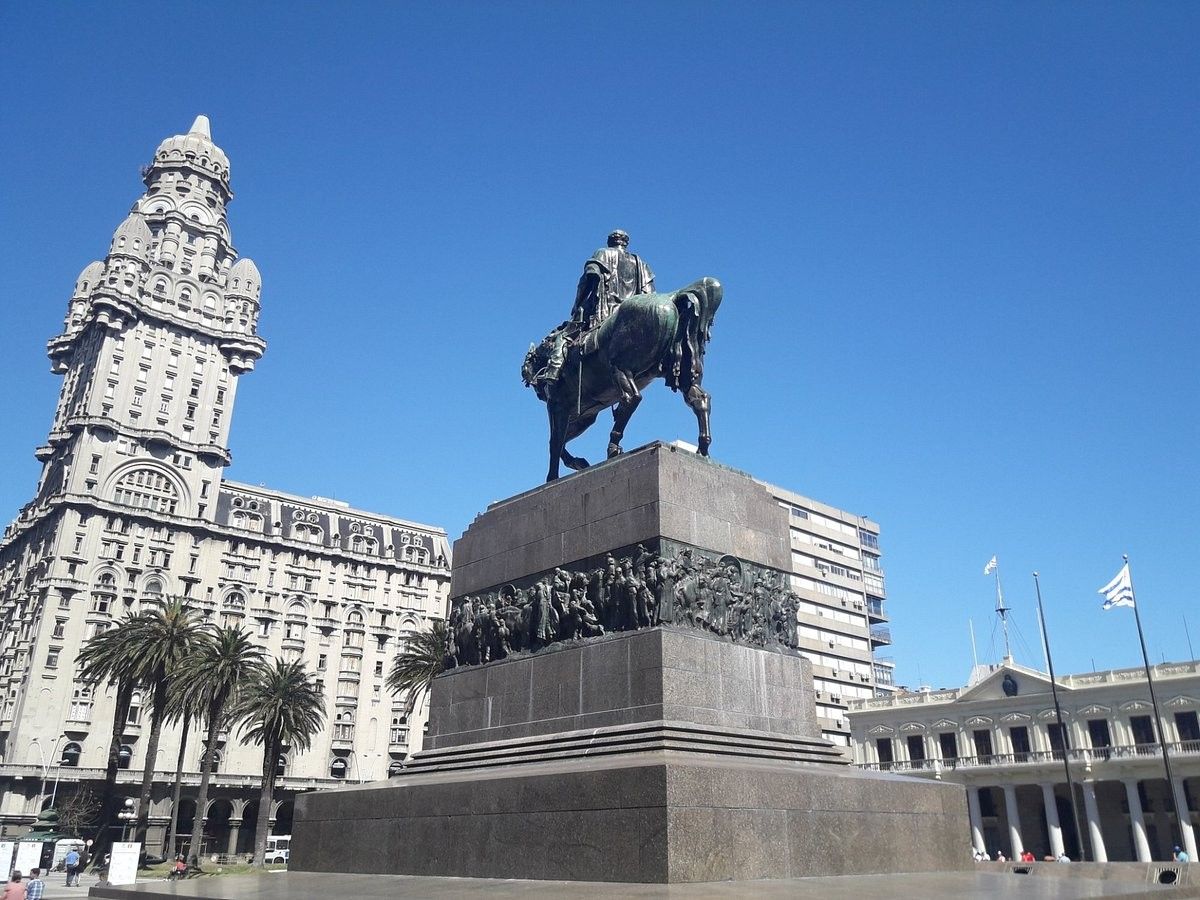
Monumento a Artigas is not a simple sculptural installation, it is very important in both form and symbolism.
Advertisement
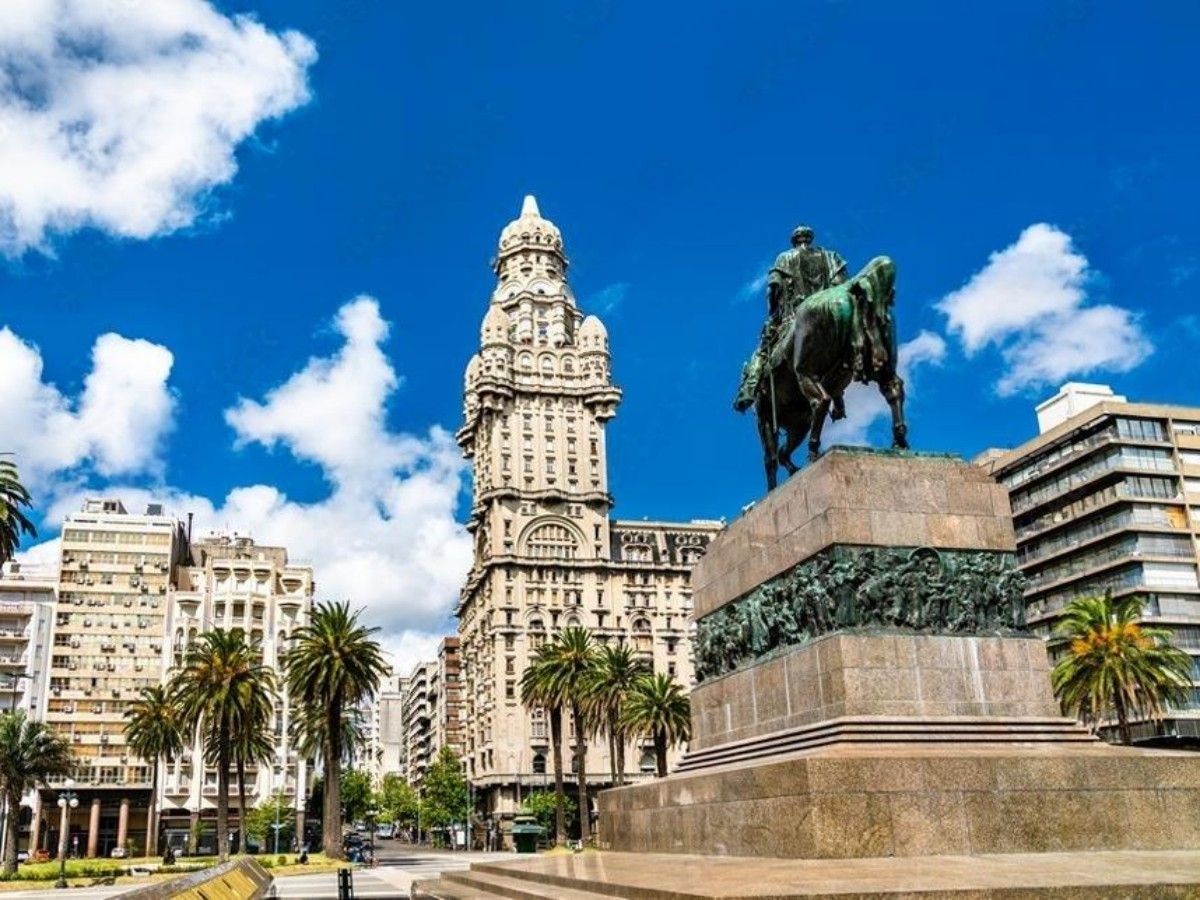
This monument is 17 meters high and was designed by the famous Uruguayan sculptor Ángel Zanelli. It was officially completed in 1930 to commemorate the 100th anniversary of Uruguay's independence. The bronze statue above is tall and majestic. Artigas rides a horse, wearing a military uniform, with a far-sighted look, and is majestic without anger. He does not hold a weapon, but his hands are hanging down, as if symbolizing the protection of the country with wisdom and faith, rather than conquering the world with violence.
The entire statue base is made of black granite, which forms a calm and solemn visual contrast with the bronze sculpture above, which is awe-inspiring. And this is just the surface part.
Perhaps the most moving is the mausoleum chamber under the monument. Walk through the stone stairs and enter the semi-underground space, where the lights are dim and the atmosphere is quiet. Here are the remains of Artigas - his ashes are buried in the center of the core square of this country, guarded day and night by two armed guards.
In the center of the mausoleum is a white marble urn, surrounded by reliefs and texts engraved with his life and ideas. One of the most touching mottos is: "Mi autoridad emana de vosotros, y cesa ante vuestra presencia soberana."
This is not only a general's tomb, but also a national spiritual palace. Walking in here, you seem to be able to hear the whispers of history and feel the responsibility and faith that has spanned a century.
Monumento a Artigas: Not only belongs to Uruguay, but also to all those who believe in freedom
Just as the French have their Voltaire, the Americans have Washington, and the Uruguayans have Artigas. This monument is special not only because it records the achievements of a hero, but also because it is a concrete expression of national spirit and belief in freedom.
For tourists, it is not only a photo-taking point, but also an entrance to understand the culture and soul of Uruguay. If you want to truly understand a piece of land, in addition to the scenery and food, you must get close to its deepest beliefs-and Monumento a Artigas is the heart of this belief.
If you want to get to know this monument in depth, here are some suggestions for your reference:
Choose to visit in the morning or evening: During these two periods, the sun shines obliquely on the statue, and the shadows and brilliance are intertwined, and the atmosphere is the most solemn.
Join an official tour or walking tour: Local guides will take you to in-depth details of Artigas' life and the monument, many of which only they know.
Be sure to visit the underground mausoleum: there is no entrance fee, the atmosphere is solemn, please keep quiet and respect the guards' duty of protection.
Extend the tour around Independence Square: The presidential palace "Esteves Palace", the Solis Theater, and the entrance to the old city are all nearby, and you can walk into the cultural context of Montevideo.
A monument, a history, a belief In today's fast-changing and diverse world, Monumento a Artigas is like a beacon, constantly reminding the Uruguayan people that freedom, dignity and justice are the foundation of the country's existence. For travelers, this monument is a shock to the soul and a new understanding of the word "hero": not a high god, but a mortal who is willing to spend his life to protect the dignity of the people. So, is Monumento a Artigas just a monument? No - it is a silent epic, an eternal torch, and the eyes of a founding father who still gazes at his people tenderly a hundred years later. When you stand in front of it, even if you only stay for a moment, you may hear the monument whispering in your heart: "May you always live for freedom and act for justice."