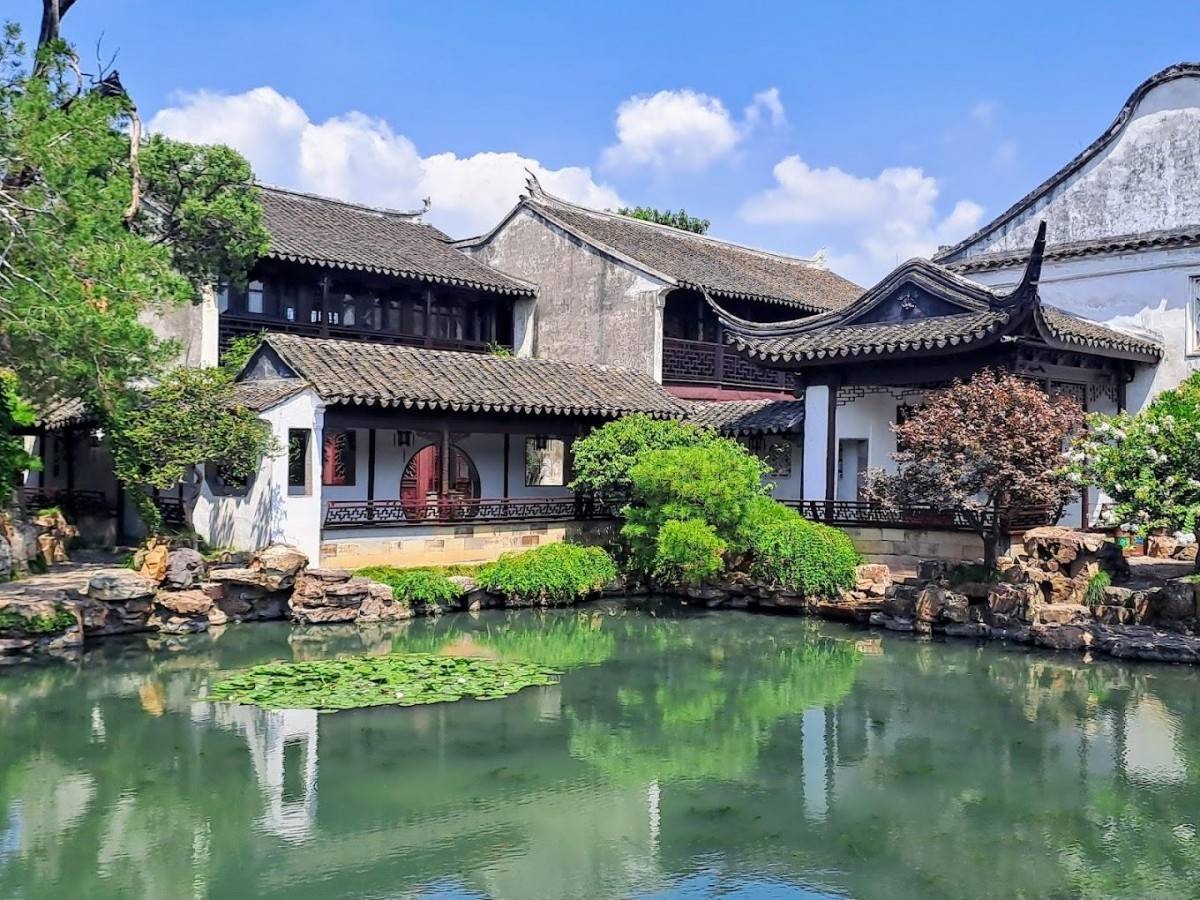
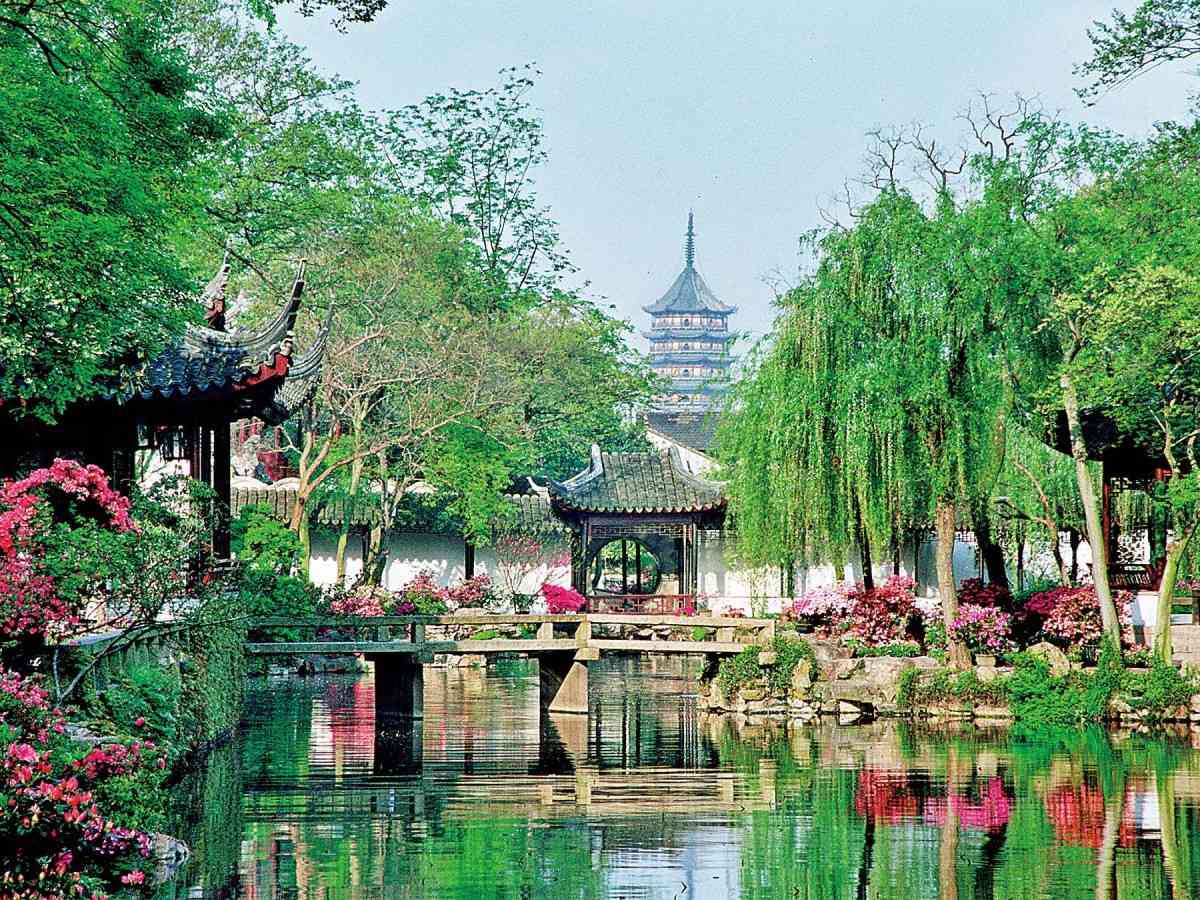
As an outstanding representative of Suzhou gardens, Humble Administrator’s Garden is famous for its unique Jiangnan water village style and exquisite garden layout. This garden, which was built during the Zhengde period of the Ming Dynasty, covers an area of 5.2 hectares and was listed as a World Cultural Heritage by UNESCO in 1997. It is one of the four major classical gardens in China. The pavilions and towers in the garden are scattered in an orderly manner, the mountains and rivers are interdependent, and the flowers, plants and trees are lush and luxuriant, like a slowly unfolding poetic painting. If you want to fully appreciate its charm, a reasonable tour route is essential. The following is a detailed introduction to a beautiful tour route that won’t let you go back.
Advertisement
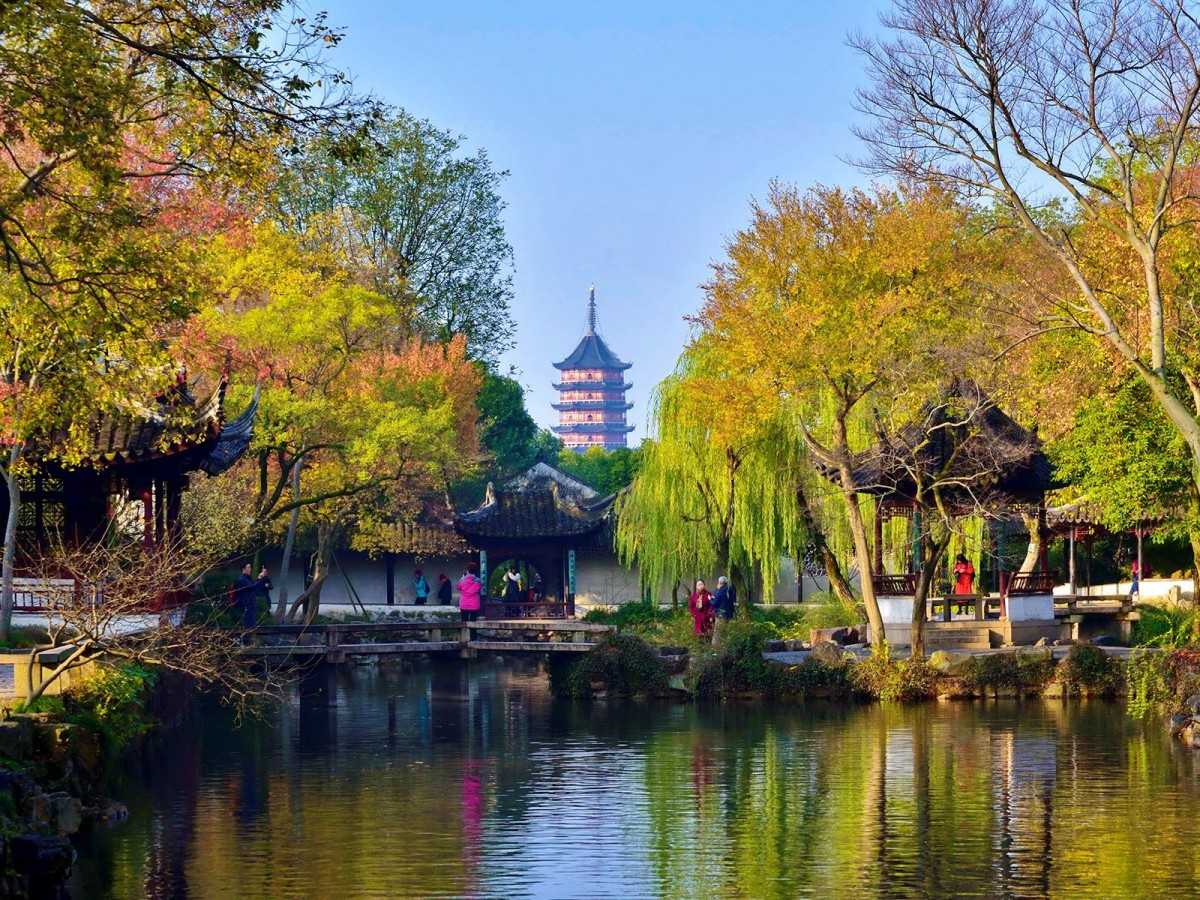
Opening hours and tickets
Advertisement
Opening hours: March 1st - November 15th, 7:30 - 17:30; November 16th - February 29th of the following year, 7:30 - 17:00. It is recommended to enter the park as early as possible after the opening, when there are relatively fewer tourists, and you can enjoy the garden scenery more quietly and feel its unique charm in the morning.
Ticket price: 80 yuan/person from April to October, 70 yuan/person from November to March of the following year. Tickets can be booked in advance through the official website and major travel platforms to avoid waiting in line for too long during the peak tourist season. When purchasing tickets, pay attention to whether there are preferential policies, such as students, the elderly, children, etc. can enjoy corresponding discounts.
Transportation Guide
Public transportation:
Subway: Take Metro Line 6 to Exit 1 of Humble Administrator's Garden Subway Station. After exiting the station, walk about 450 meters to easily reach the entrance of Humble Administrator's Garden.
Bus: There are many bus lines to get there. Take bus No. 40 West Line and get off at Baijiaxiang Station; take bus No. 5, No. 9016 Community Bus, No. 262, etc. and get off at Suzhou Museum Station, then walk according to the signs.
Self-driving: Since there are restrictions on non-local vehicles entering the Old Town (near the Humble Administrator's Garden), it is recommended to navigate to the "Donghui Park Transfer Parking Lot". There is a shuttle bus (3 yuan) that goes directly to the Humble Administrator's Garden, or you can choose to walk about 1 kilometer from the parking lot through the tunnel. However, considering the traffic conditions in the Old Town, it is recommended to choose public transportation, which is convenient and environmentally friendly.
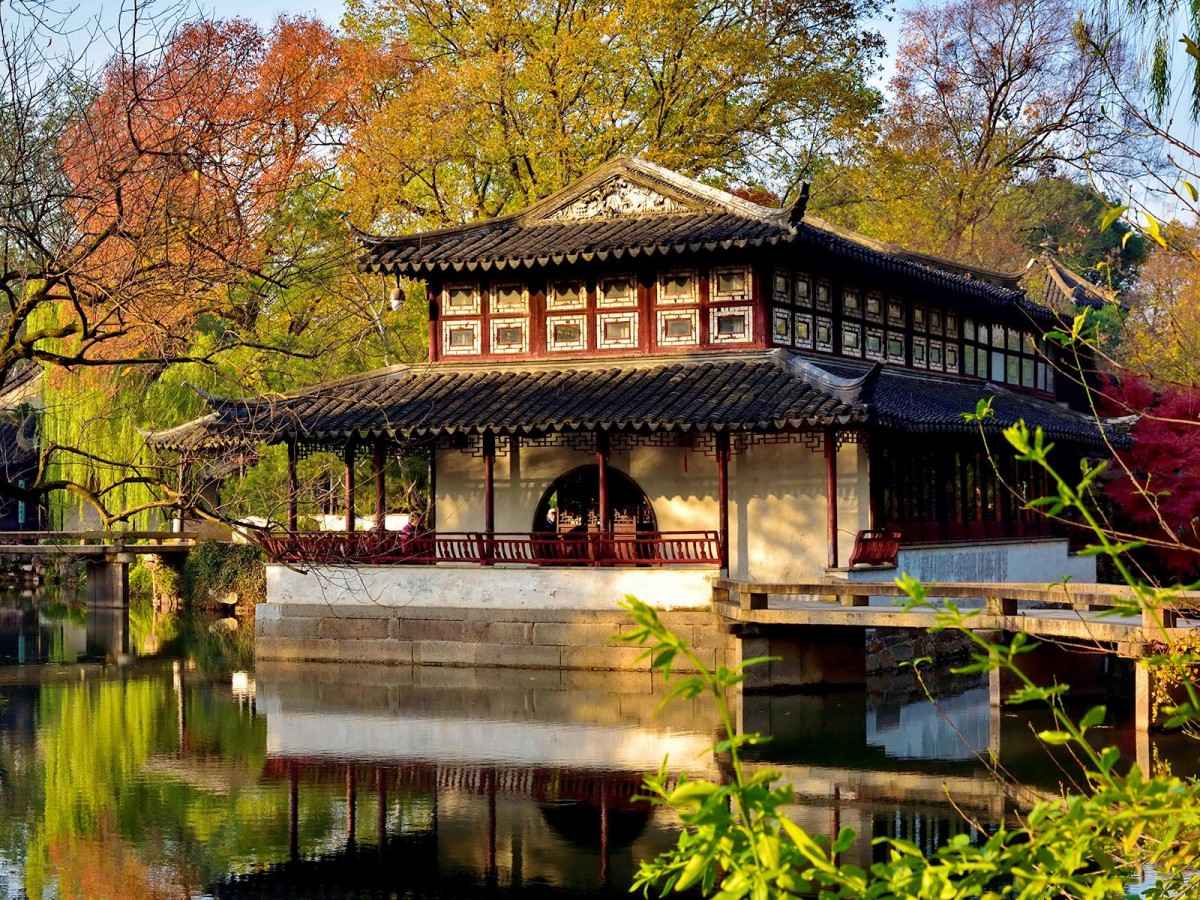
There is only one entrance to the Humble Administrator's Garden, located at the South Gate. After entering the garden, we will start a counterclockwise tour. This route allows you to appreciate the essence of the East Garden, the Central Garden, and the West Garden in turn, without turning back.
Advertisement
East Garden: The beginning of wildness and vitality
Entering from the South Gate, the first thing that comes into view is the Lanxue Hall. The name of this hall is taken from Li Bai's "Standing alone between heaven and earth, the breeze sprinkles orchids and snow". The hall displays historical materials related to the owner of the garden, Wang Xianchen, so that you can have a preliminary understanding of the historical background of the garden.
Walk along the path and come to the Furong Pavilion. The Furong Pavilion is built by the water. In summer, the lotus flowers in the pond in front of the pavilion bloom, and the pink petals and the green lotus leaves complement each other. The breeze blows and sends bursts of lotus fragrance, like a fresh summer painting.
Continue forward and you will see the Tianquan Pavilion. The pavilion has an octagonal pointed roof, which is simple and elegant. Legend has it that there was originally a well here, the well water was clear and sweet, and it never dried up all year round, hence the name. Take a short break in the pavilion and feel the breeze on your face. It is so pleasant.
The Shuxiang Pavilion not far away was once used by the owner of the garden to thresh and pound rice. There are large areas of rice in front of the pavilion. In autumn, the rice fragrance is everywhere. Although there is no rice now, you can still feel the rustic pastoral atmosphere from the architectural style.
The biggest highlight of the East Garden is Wuzhu Youju. This pavilion is exquisitely designed, surrounded by water on all sides and backed by a long corridor. Tall sycamores and verdant bamboos are planted on both sides of the pavilion, creating a quiet and peaceful atmosphere. What's more amazing is that there are four circular doorways on the walls around the pavilion, like four natural scrolls, framing the surrounding scenery. No matter from which angle you look, you can enjoy different beautiful scenery, which makes people linger.
Central Garden: The gathering of the essence of the garden
Passing through Wuzhu Youju, you enter the Central Garden. The Central Garden is the essence of the Humble Administrator's Garden. About one-third of the area of the entire garden is covered by water, forming a unique layout centered on water.
First, we came to the Xuexiang Yunwei Pavilion, which is located on the top of the earthen hill and is surrounded by plum blossoms. In the cold winter, plum blossoms bloom proudly in the snow, and the fragrance is overflowing. The name "Xuexiang Yunwei" comes from this. Standing in the pavilion, you can overlook the lake and mountains in the central garden, and the pavilions and towers in the distance and the green trees and flowers nearby are all in sight.
Walking along the lakeside, we came to the Hefeng Simian Pavilion. This pavilion is surrounded by water on all sides. In summer, lotus flowers are in full bloom around the pavilion, and the breeze blows slowly. The lotus fragrance is fragrant, making people feel as if they are in a cool lotus world. No matter which direction you look from, you can enjoy the beautiful scenery of lotus flowers from different angles. It is an excellent place to appreciate lotus.
The Jianshan Tower not far away is a waterside pavilion. The name of the building is taken from Tao Yuanming's "Picking chrysanthemums under the eastern fence, leisurely seeing the southern mountains". Climbing up the Jianshan Tower and looking out from the railing, you can see the distant Tiger Hill. The water surface in front of the building is open, and the reflection in the water and the pavilion complement each other, like a dream.
Walk across the winding stone bridge and arrive at the Reflection Building. There is a pool of water in front of the building, as clear as a mirror, which perfectly reflects the beautiful image of the building, forming a unique landscape. Here, you can quietly appreciate the reflection in the water and feel the quiet beauty of the garden.
The Li Pavilion adjacent to the Reflection Building is named because its shape resembles a bamboo hat. The pavilion is small and exquisite, and it complements the surrounding rocks and trees. Standing in the Li Pavilion, you can take in part of the scenery of the West Garden, laying the groundwork for the next tour.
Going further, it is the "With Whom to Sit Together" Pavilion. The name of the pavilion is taken from Su Shi's "With Whom to Sit Together? The bright moon, the breeze, and me". The pavilion has a unique shape and is fan-shaped, and is also called the "Fan Pavilion". There is a beauty backrest in the pavilion. Sitting on it, you can enjoy the lotus pond in front of the pavilion and the Fucui Pavilion in the distance, and feel the tranquility and leisure.
West Garden: The continuation of refinement and elegance
Passing through the "With Whom to Sit Together" Pavilion, you enter the West Garden. The West Garden is famous for its exquisite architectural decorations, among which the most famous is the Eighteen Mandala Flower Pavilion (36 Yuanyang Pavilion). This building has a unique shape, divided into two parts, north and south, by the screen and hangings in the middle. The northern part is called the "36 Yuanyang Pavilion", where you can enjoy lotus in summer; the southern part is called the "Eighteen Mandala Flower Pavilion", where the owner often enjoys the camellia and rockery scenery in winter. The wood carvings and brick carvings in the pavilion are exquisite, showing the superb level of Suzhou's traditional craftsmanship.
Walk out of the Eighteen Mandala Flower Pavilion and come to the Pagoda Shadow Pavilion. The pavilion is located in the center of the pool, with an octagonal spire. There is a miniature stone tower next to the pavilion. The tower's shadow is reflected in the water, which complements the pavilion and forms a beautiful picture.
The Liuting Pavilion not far away is a great place to enjoy the autumn. There are large lotuses planted in front of the pavilion. In autumn, the lotus leaves wither and the rain hits the lotus leaves, making a pattering sound, which reminds people of Li Shangyin's "Leave the withered lotus to listen to the sound of rain", which is full of artistic conception.
Continue to move forward, pass the moon cave gate with a unique cave, and come to Yiliang Pavilion. This pavilion is located at the junction of the West Garden and the Central Garden. From the pavilion, you can enjoy the scenery of the West Garden and the Central Garden at the same time, and the name "Yiliang" comes from this. Here, you can feel the ingenious transition and integration of the garden space.
Then pass the Magnolia Hall. There are several magnolia trees planted in front of the hall. Every spring, the magnolia flowers bloom, white as jade, and the fragrance is elegant. Some calligraphy and painting works related to the garden are displayed in the hall, adding a strong cultural atmosphere to this building.
Going further, you will come to Xiangzhou. Xiangzhou is a boat-shaped pavilion, also known as a "dry boat". It has a high bow and a light body, as if it is about to set sail. Xiangzhou has a unique architectural style and exquisite decoration. It is one of the landmark buildings in the Humble Administrator's Garden.
Walk through the Xiaofeihong Corridor Bridge and come to Xiaocanglang. Xiaocanglang is a courtyard centered on water, consisting of pavilions, corridors, bridges, waterside pavilions and other buildings, forming a quiet water courtyard. The scenery here is small and exquisite, like an ink painting of a Jiangnan water town.
Finally, return to Yiyuxuan and Yuanxiangtang. Yuanxiangtang is the main building of the Central Garden, with ventilation on all sides and a wide view. The spacious platform in front of the hall is a good place to watch lotus flowers. In summer, the lotus fragrance in front of the hall is bursting, and the name "Yuanxiangtang" comes from this. Yiyuxuan is adjacent to Yuanxiangtang, and bamboos are planted in front of the pavilion, and the environment is quiet.
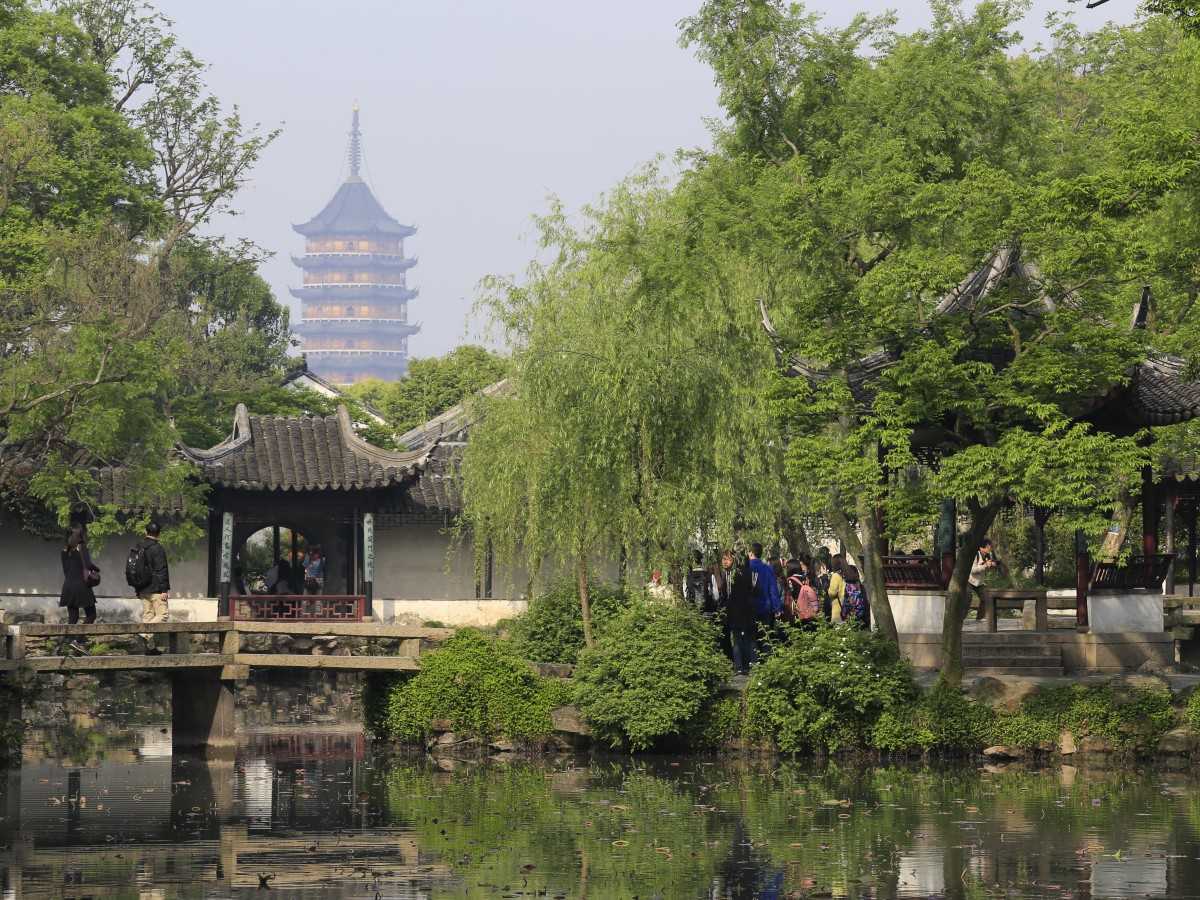
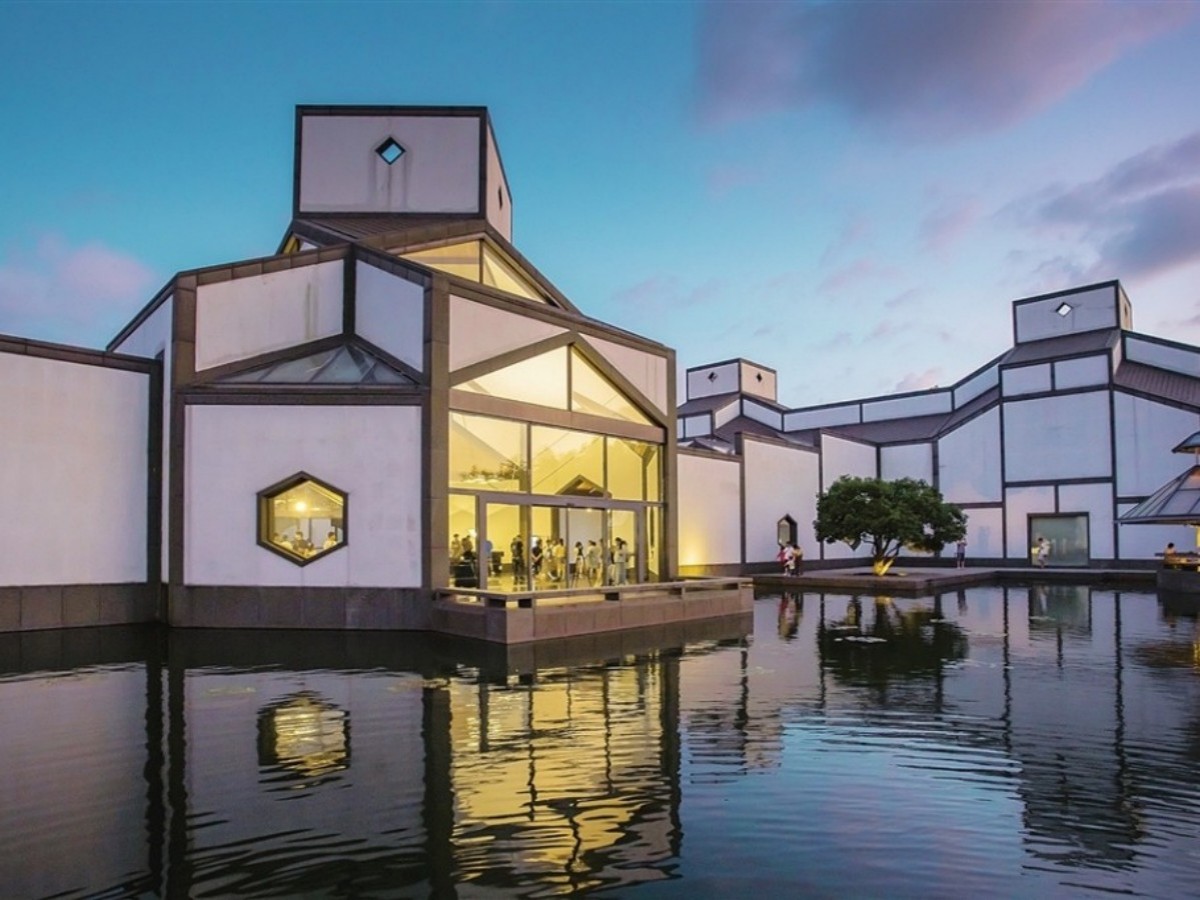
After the tour, walk out of the Humble Administrator's Garden from the south exit. At this point, you can choose to go to the residential display area, where there is the Suzhou Garden Museum, which introduces the history, culture and gardening art of Suzhou gardens in detail through real objects, models, pictures and other forms, allowing you to have a deeper understanding of Suzhou gardens. There are many attractions worth visiting around the Humble Administrator's Garden, such as Lion Grove, Pingjiang Road, Ouyuan, Guanqian Street, etc. If you have enough time, you might as well arrange to play together and feel the unique charm of the city of Suzhou. Lion Grove is famous for its unique rockery landscape. The rockery in the garden is rugged and winding, like a maze; Pingjiang Road retains the style of the ancient city of Suzhou. Walking along Pingjiang Road, you can enjoy the ancient streets, small bridges and flowing water, and special shops; Ouyuan is small and exquisite, with a compact layout, with love as the theme, full of romance; Guanqian Street is a famous commercial street in Suzhou, gathering a variety of food, shopping and entertainment venues to meet your various needs.
Tour the Humble Administrator's Garden along this beautiful route that will never go back, and you will fully appreciate the charm of this garden and feel the tenderness and poetry of the Jiangnan water town. During the tour, remember to slow down and savor the historical and cultural connotations behind each landscape. I believe that the Humble Administrator's Garden will definitely leave you with an unforgettable memory. However, please note that some areas in the garden may temporarily adjust their opening hours due to maintenance and other reasons. You can adjust them according to the on-site instructions during the visit.