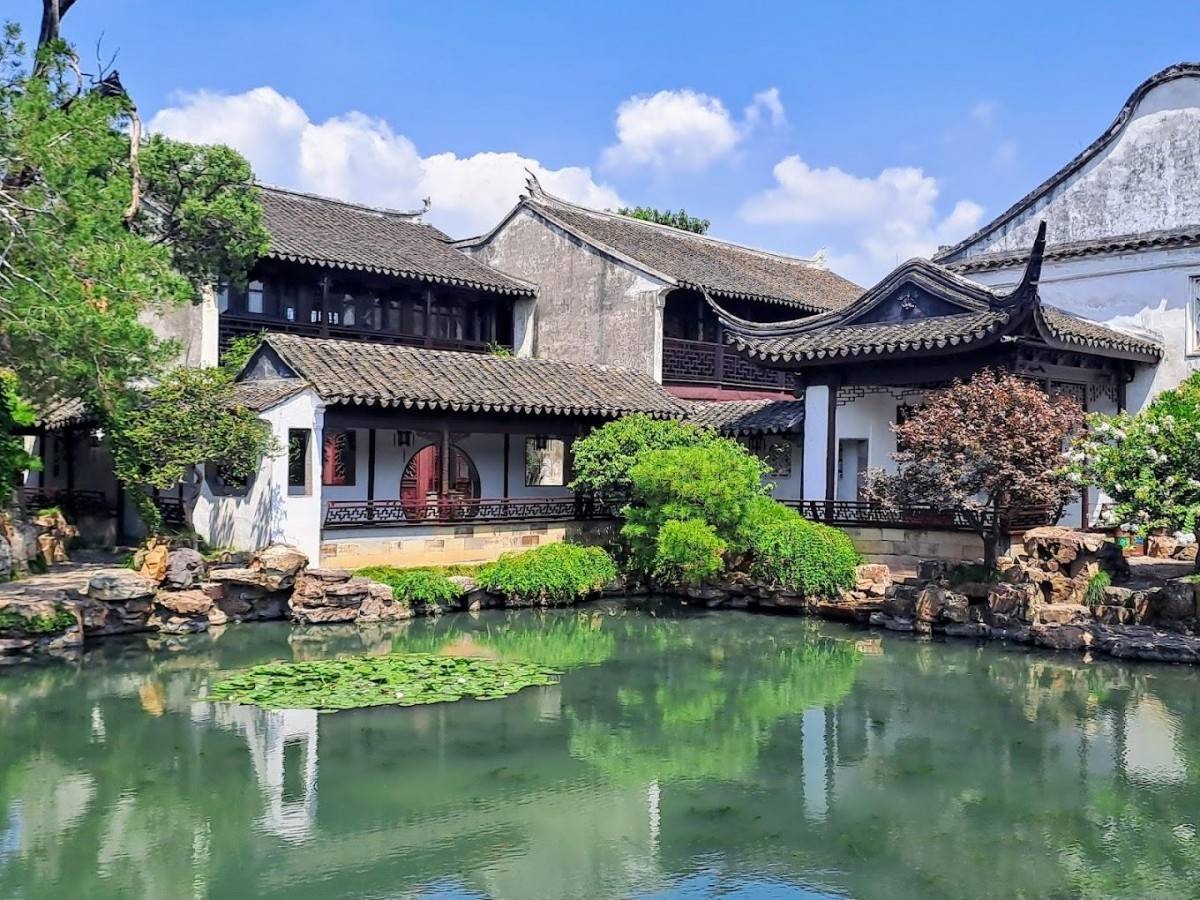
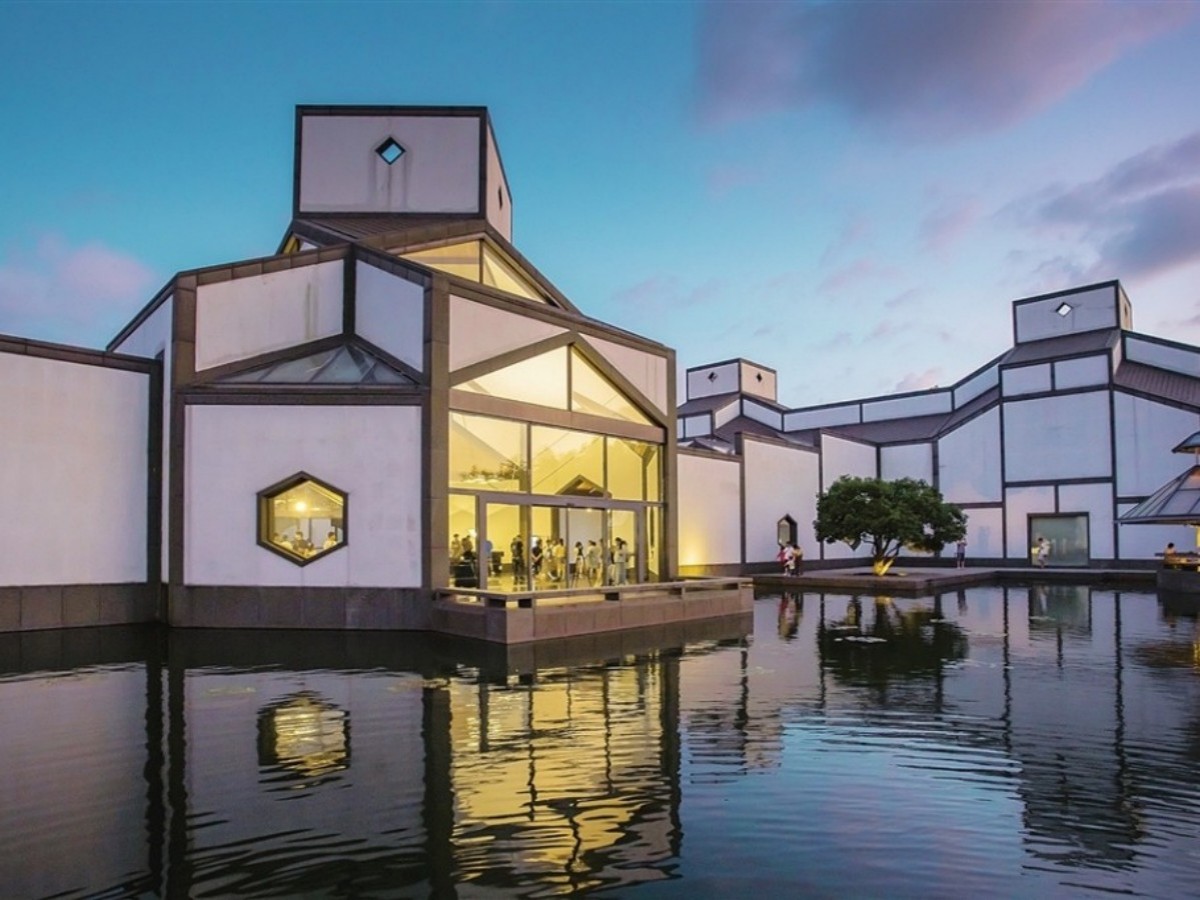
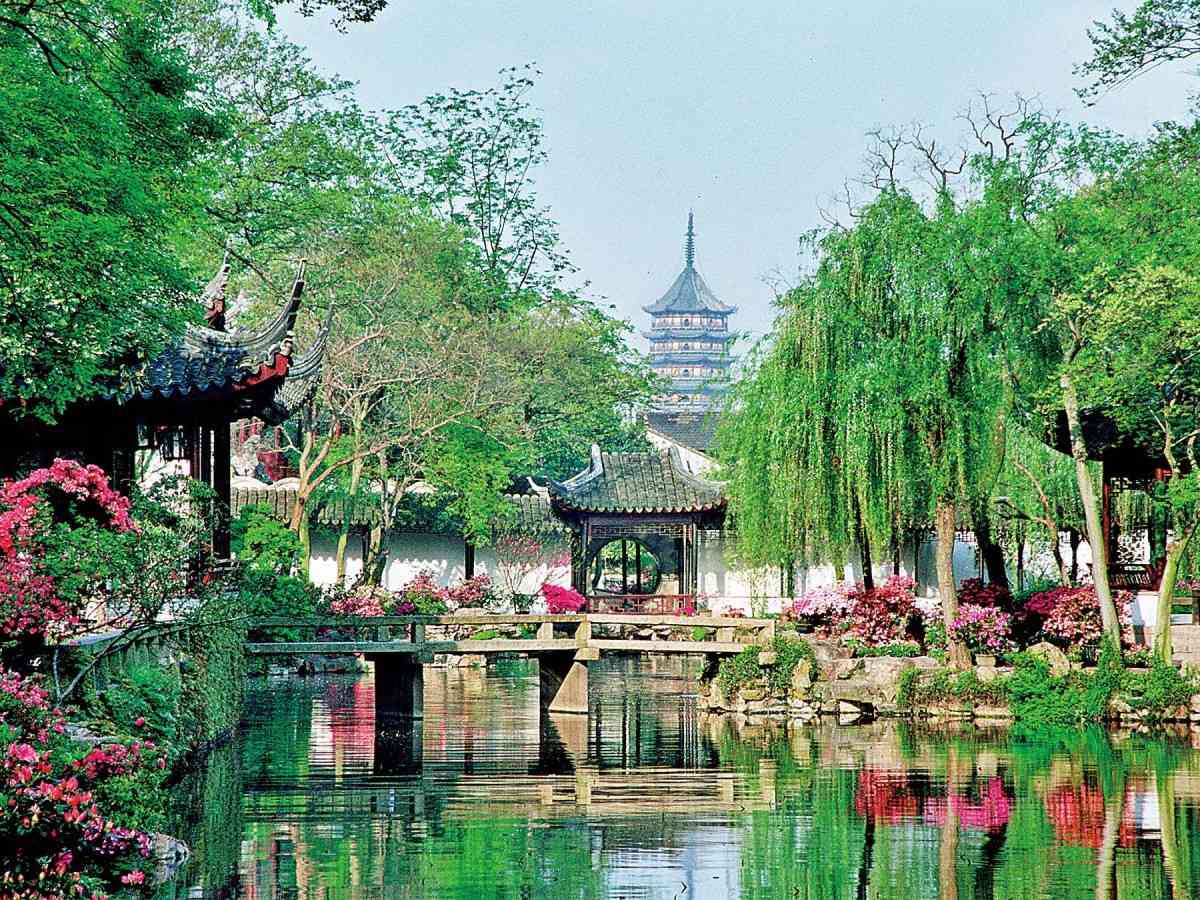
Suzhou Museum, like a cultural pearl inlaid in the Jiangnan water town, perfectly blends tradition and modernity, showing the city's profound historical heritage and unique artistic charm. Whether you are a history and culture enthusiast or a tourist who loves architectural aesthetics, this is a must-see destination.
Advertisement
Opening hours
Advertisement
Suzhou Museum is open from 9:00 to 17:00 from Tuesday to Sunday, and stops admission at 16:00. It is closed every Monday (except statutory holidays). Try to go on weekdays or in the morning to avoid the peak traffic on weekends and holidays, so that you can appreciate the beauty of exhibits and architecture more calmly.
Ticket price
Suzhou Museum implements a free appointment system. However, free does not mean no preparation, and advance appointment is crucial.
Appointment method
You can make an appointment through the official WeChat public account and official website of Suzhou Museum. The appointment system is open at 8 am every Sunday, and you can make an appointment for a visit within 7 days. For example, on Sunday, you can make an appointment for the next Monday to Sunday. You need to fill in your personal information when making an appointment. Each valid ID number is limited to 1 appointment per day. Remember to set the alarm in advance and grab the ticket on time, especially during the peak tourist season, when tickets are often in short supply.
Address
Advertisement
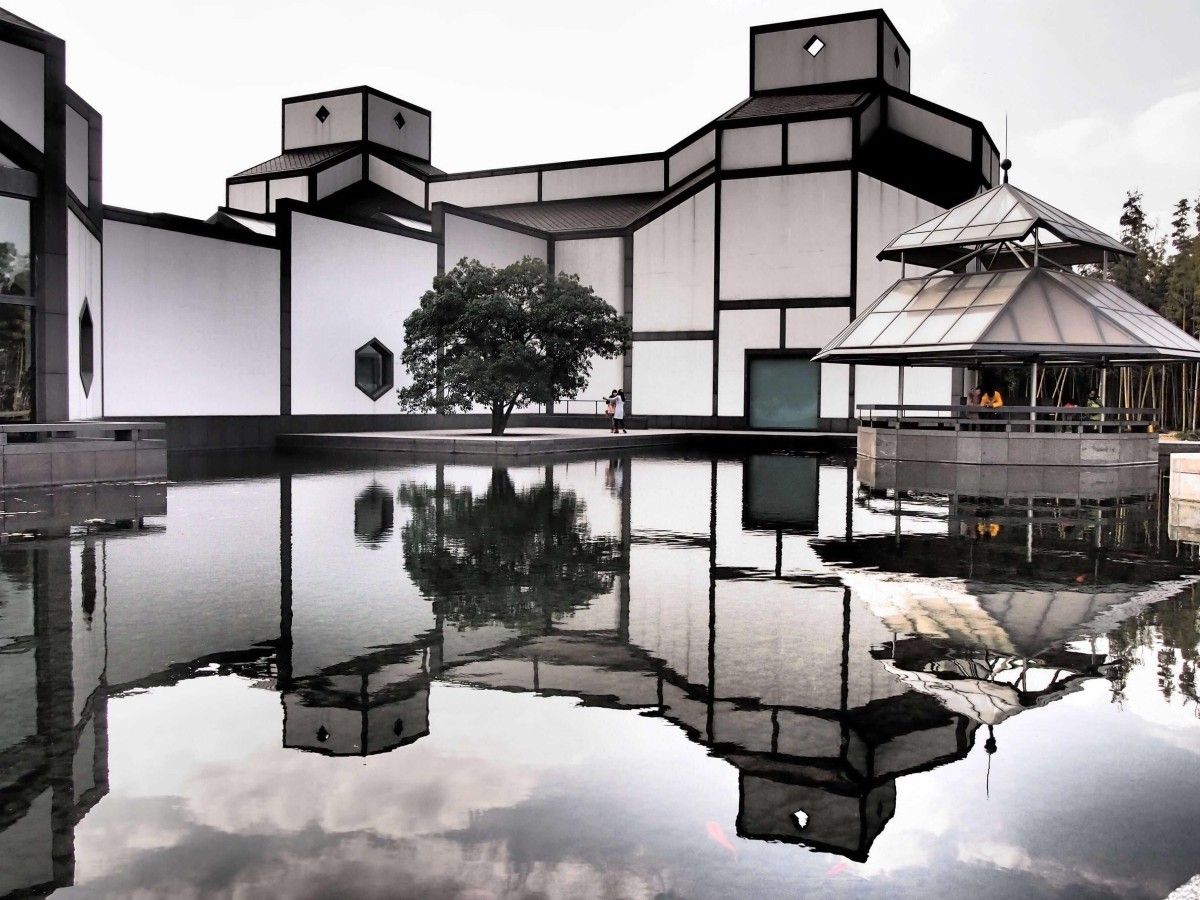
The Suzhou Museum is located at No. 204, Dongbei Street, Gusu District, Suzhou City. It is located in the core area of Suzhou Ancient City and is surrounded by many attractions.
Public transportation
Subway: Take Metro Line 6, get off at Humble Administrator's Garden Suzhou Museum Station, exit from Exit 1, and walk about 450 meters to arrive.
Bus: You can take Bus No. 40 West Line, No. 5, No. 9016 Community Bus, No. 262, etc., and get off at Suzhou Museum Station. After getting off, follow the signs to walk there, and you can also enjoy the street view of Suzhou Ancient City along the way.
Self-driving
Since the museum is located in the ancient city area, the surrounding roads are restricted and parking is inconvenient, so it is not recommended to drive there. If you really need to drive yourself, you can navigate to a nearby parking lot, such as the Humble Administrator's Garden parking lot, but you need to understand the parking fee and parking space in advance. After parking, walk to the museum.
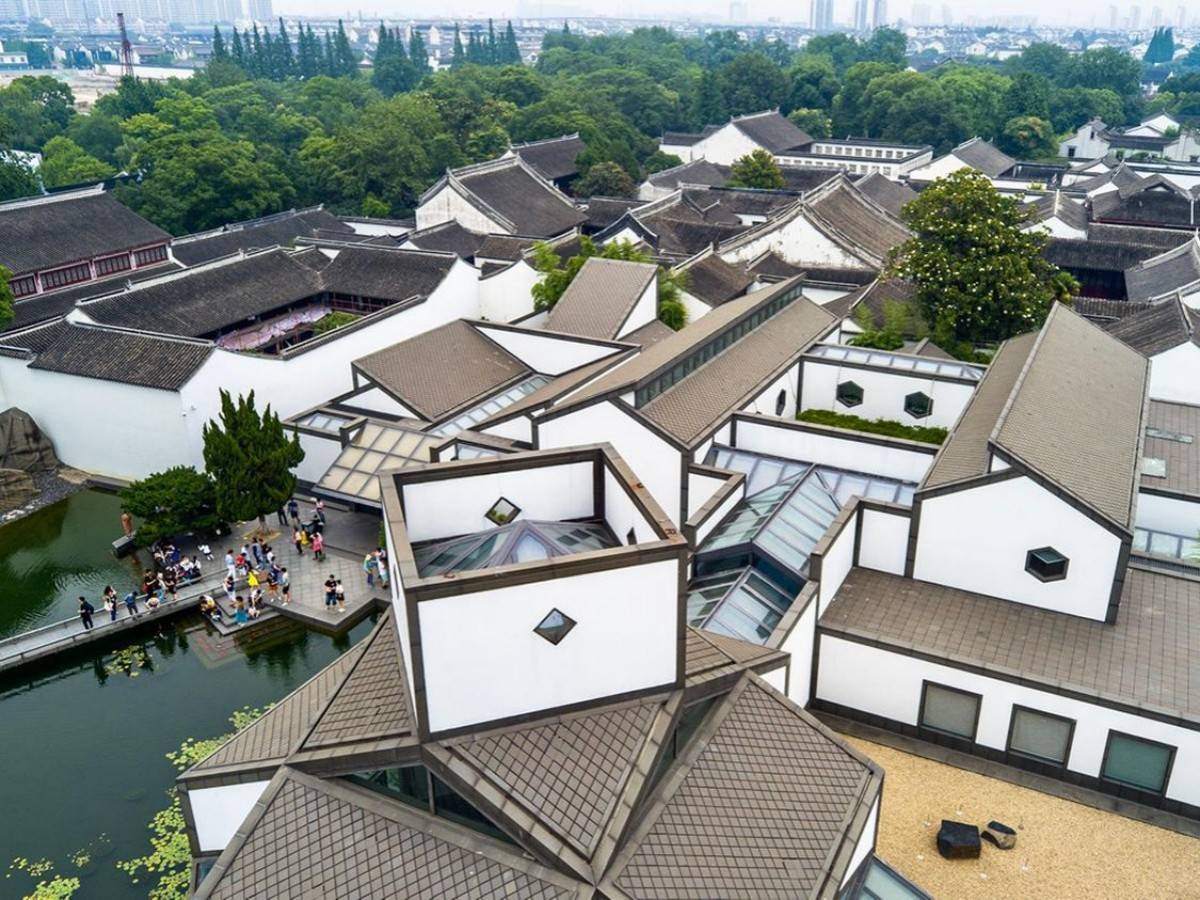
The Suzhou Museum was designed by the famous architect I.M. Pei. The new museum and the Taiping Heavenly Kingdom Zhongwang Mansion (old museum) together constitute this unique museum. The entire venue covers an area of about 10,700 square meters and is divided into 3 floors. Different floors display various rich collections.
First floor: There is an exhibition hall of "Wudi Relics", which fully displays the cultural heritage of Suzhou from ancient times to the Ming and Qing Dynasties, including ceramics, jade, bronze, etc., allowing you to appreciate the long history of Wudi. There are also special exhibition halls, which will hold various temporary exhibitions from time to time to bring fresh cultural experiences.
Second floor: The "Wumen Calligraphy and Painting" exhibition hall is the highlight here. It displays the works of famous Wudi calligraphy and painting masters in the Ming and Qing Dynasties represented by the "Four Masters of Wumen", such as Shen Zhou, Wen Zhengming, Tang Yin, Qiu Ying and others, showing the artistic style of the Wumen School of Painting. In addition, there are some special exhibition halls that introduce the cultural characteristics of Suzhou in depth.
The first floor below ground: mainly displays Buddhist relics, such as precious relics unearthed from Huqiu Pagoda, Ruiguang Pagoda, etc. Among them, the "Pearl Relics Pagoda" and the "Secret Color Porcelain Lotus Bowl" are the treasures of the museum. The Pearl Relics Pagoda is 122.6 cm high. The main body is made of nanmu wood. It is divided into three parts: Xumi pedestal, Buddha Palace and Pagoda. It is decorated with pearls and other seven treasures. It is exquisite and used to store relics; the Secret Color Porcelain Lotus Bowl consists of a bowl and a saucer. The bowl body and the outer wall are shallowly embossed with large petal lotus patterns. The shape is like a blooming lotus, dignified and elegant.
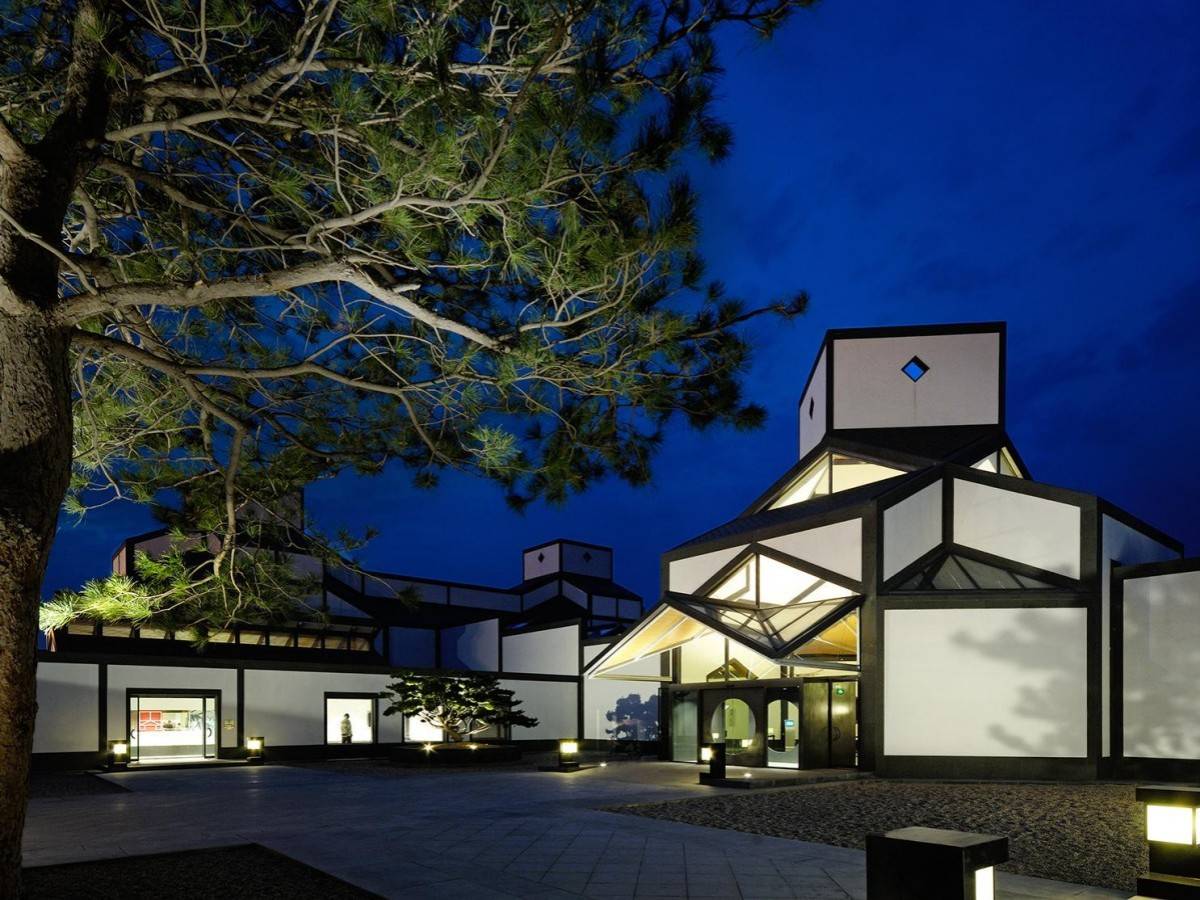
After entering the museum, you can start your exploration journey by following the following routes:
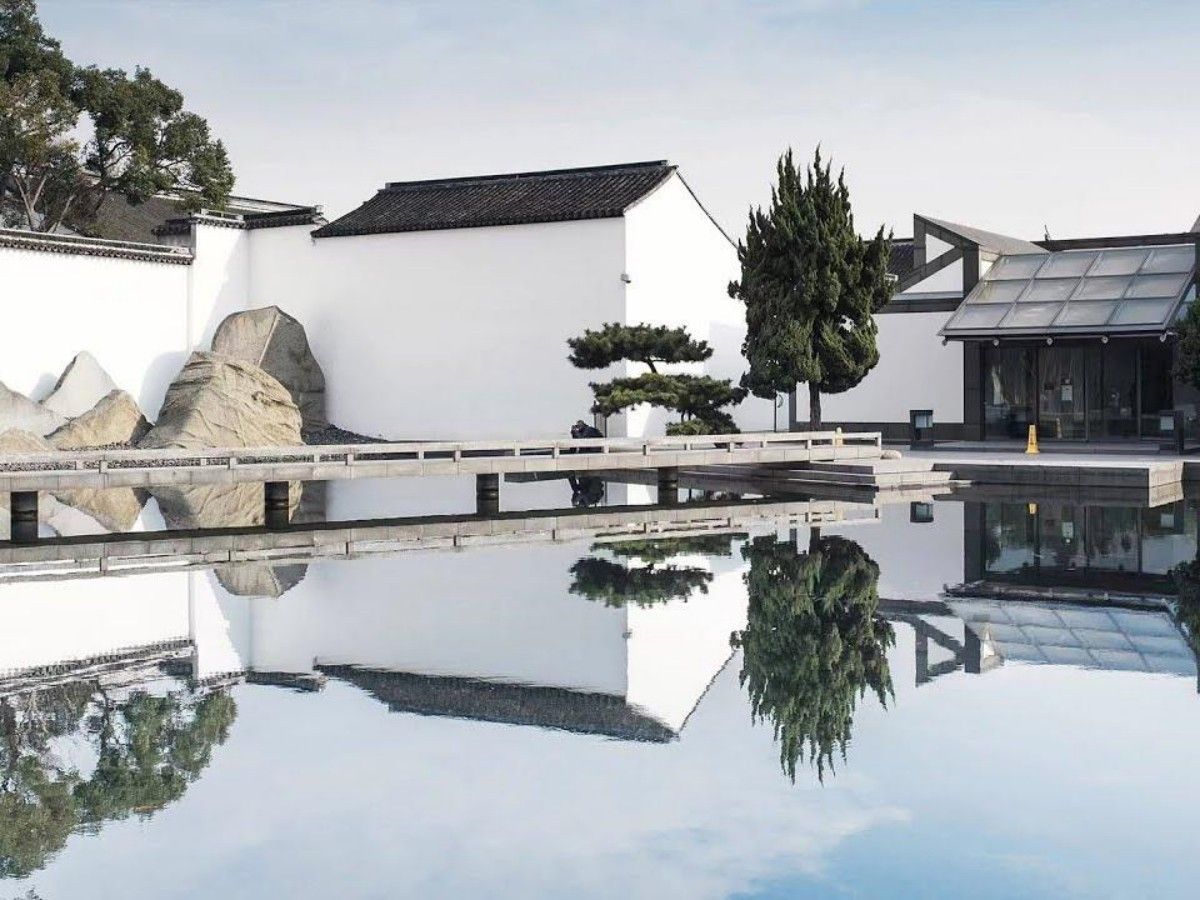
First, come to the lobby to appreciate the overall design style of the building and feel the exquisiteness of Pei's integration of Jiangnan water village elements with modern architectural concepts. Through the glass curtain wall, you can see the courtyard landscape in the museum, with white walls, green bamboo and clear water complementing each other.
Then go to the "Wu Di Yi Zhen" exhibition hall to learn about the historical development context and cultural roots of the Suzhou area.
Then visit the Buddhist cultural relics exhibition hall on the first floor to see the style of national treasures such as "Zhenzhu Relics Treasure Tower" and "Secret Color Porcelain Lotus Bowl".
Back to the first floor, through the west corridor, arrive at the "Wu Zhong Feng Ya" exhibition hall, which displays Suzhou's folk culture, traditional handicrafts, such as Suzhou embroidery, Taohuawu woodcut New Year paintings, etc., to feel the elegance of Suzhou life.
Go up the stairs to the second floor and step into the "Wumen Calligraphy and Painting" exhibition hall, immerse yourself in the artistic world of the Wumen School of Painting, and appreciate the pen and ink interest of calligraphy and painting works.
After visiting the calligraphy and painting exhibition hall, we came to the outdoor rockery area. Here, stones are used as mountains and water is used as pools. It draws on the artistic conception of traditional landscape paintings and is a popular spot for taking photos. The unique lines and light and shadow effects make every shot a blockbuster.
Continue to the modern art hall to appreciate some contemporary art works and feel the collision and fusion of tradition and modernity in the museum.
Don't forget to check in at the Wisteria Garden. The wisteria in the garden was transplanted by Mr. I.M. Pei from his hometown in Suzhou. Every spring, the wisteria flowers are in full bloom, and strings of purple flowers hang from the branches, which is extremely romantic.
Finally, we came to the museum's cultural and creative store, where there are various unique cultural and creative products, from exquisite bookmarks and notebooks to accessories and stationery with Suzhou Museum elements. You may wish to choose some as travel souvenirs.
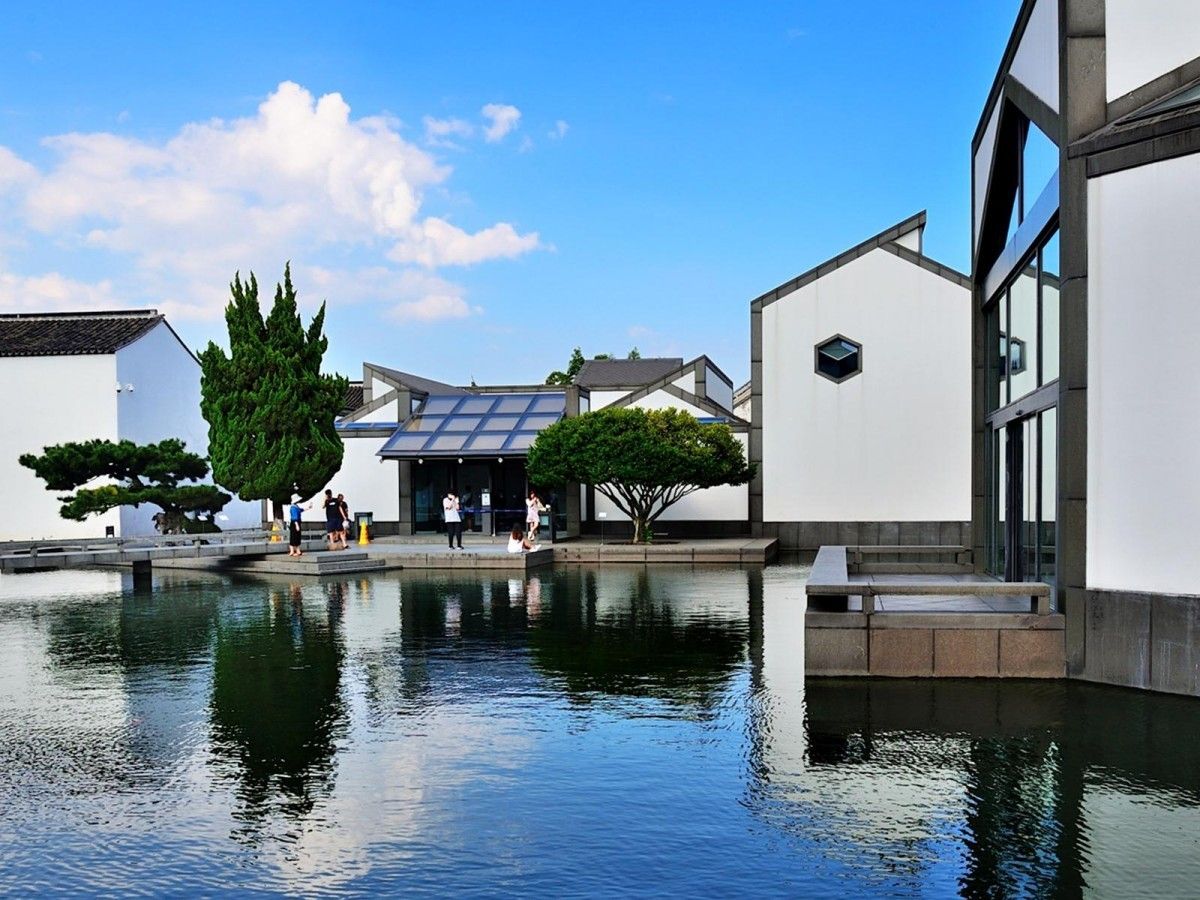
Luggage storage: You can store your luggage for free at the Visitor Service Center with your ID card, and you can also charge your phone for free, which can reduce the burden of playing and make you visit the museum easily.
Explanation service: The museum provides a variety of explanation methods. If you want to learn more about the stories behind the cultural relics, you can rent audio guide equipment. The rental fee for Chinese and Cantonese explanations is 20 yuan, and the rental fee for English, Japanese and French explanations is 30 yuan. You can also follow the Suzhou Museum WeChat official account and use the online audio guide. In addition, there will be scheduled manual explanation services. You can consult the staff at the entrance for the specific time. If you want to enjoy a more personalized explanation, you can make an appointment with a professional guide online in advance.
Rest area: There are many rest benches in the museum. You can sit down and rest at any time when you are tired, restore your strength, and continue to explore. In the tea room in the museum, you can also taste a cup of fragrant tea and enjoy a moment of tranquility.
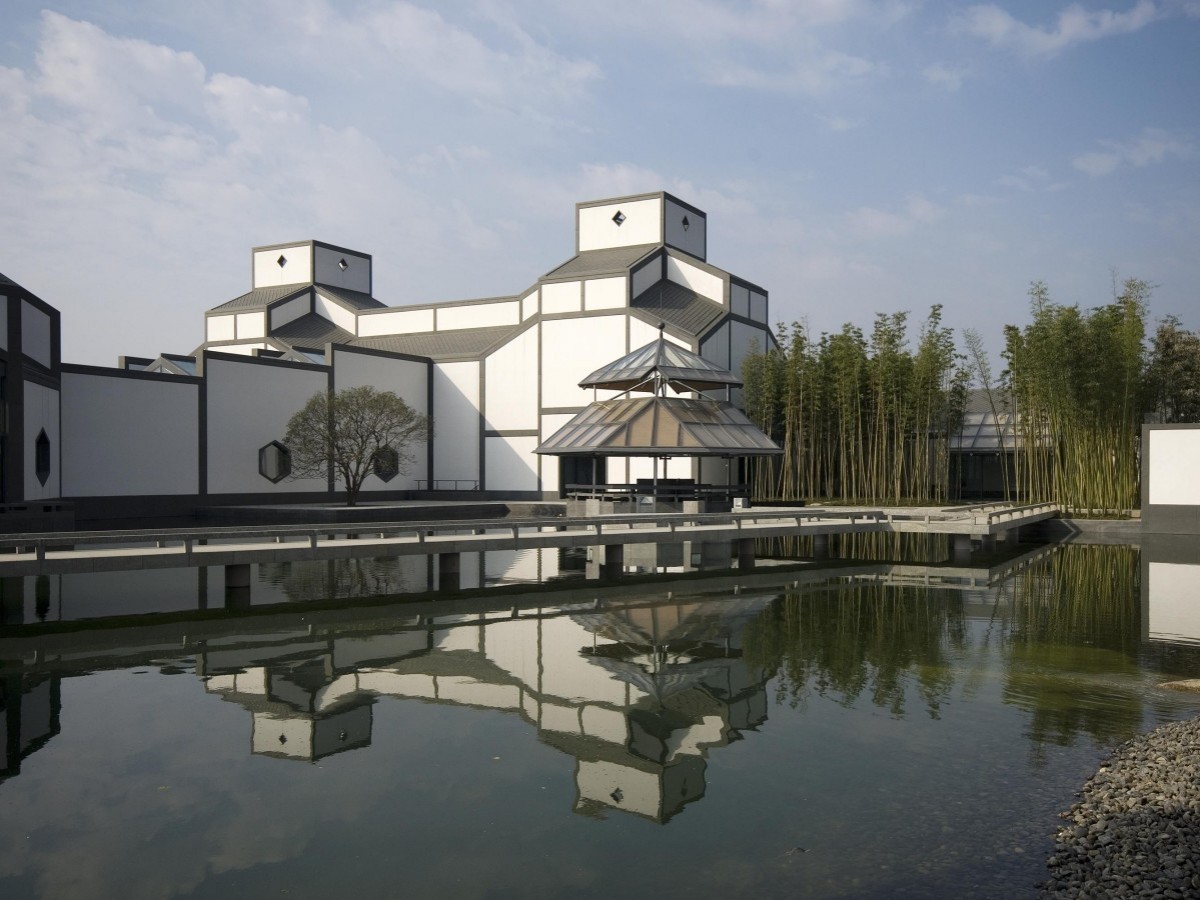
There are many attractions around Suzhou Museum. After visiting the museum, you may want to visit the surrounding areas.
Humble Administrator's Garden: It is only one street away from Suzhou Museum. It is a representative work of Jiangnan classical gardens. It is centered on water, with pavilions and towers scattered in an orderly manner. Every step is a scene, showing the graceful beauty of Jiangnan gardens. Ticket price is 80 yuan/person from April to October, and 70 yuan/person from November to March of the following year.
Lion Grove: Not far from the museum, it is famous for its rockery and strange rocks. The rockery in the garden is like a maze, winding and circling, full of fun. There are also pavilions, towers, lotus ponds and other landscapes. The ticket price ranges from 30 to 40 yuan/person, which is adjusted according to different seasons.
Pingjiang Road: It is about a 10-minute walk from the museum. This is an ancient street beside the river, which retains the style of the ancient city of Suzhou. Walking along Pingjiang Road, you can enjoy the Jiangnan scenery of small bridges, flowing water and people's homes, and taste various Suzhou specialties, such as Suzhou-style pastries, pan-fried buns, and crabapple cakes.
Follow this guide and plan your itinerary in advance. I believe you will have an unforgettable cultural journey at the Suzhou Museum and deeply appreciate the historical and artistic charm of Suzhou. However, some exhibitions in the museum may be adjusted due to maintenance, replacement of exhibits, etc. Please pay attention to the on-site instructions when visiting.