
Advertisement
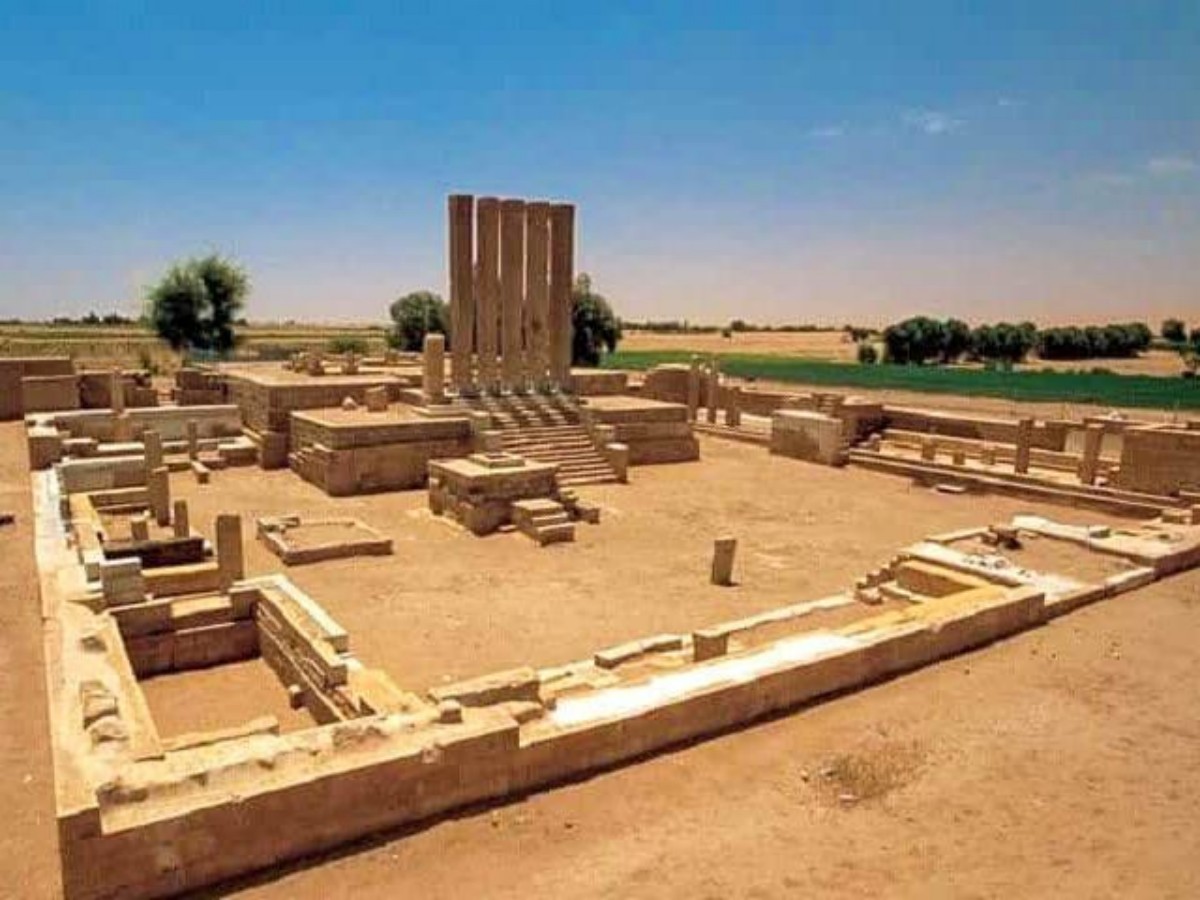
At the southern tip of the Arabian Peninsula, there stands a thousand-year-old palace site, which is known as one of the most legendary kingdom symbols in the ancient world - this is the legendary "Queen of Sheba's Palace". This is not only a mysterious and ancient archaeological site, but also a history book waiting to be read, an ancient painting depicting love, power, faith and mythology. For travelers eager to pursue mysterious oriental stories, the Queen of Sheba's Palace is a time journey that cannot be missed.
Advertisement
The Queen of Sheba, also known as Makeda, is a legendary woman who transcends culture, religion and civilization. In the Jewish Bible, the Islamic Quran and the Ethiopian Kebla, she is a symbol of wisdom and power.
Advertisement
According to the Bible, the Book of Kings, the Queen of Sheba came to Jerusalem from the south to show her wisdom to King Solomon of Israel and test his wisdom. She brought countless treasures, spices and gold, and her luxury was comparable to that of an imperial envoy. It is said that a subtle relationship developed between the two, and this royal interaction across thousands of mountains and rivers has become an important theme in the works of poets, artists and historians for thousands of years.
In Ethiopian legend, the union of the Queen of Sheba and King Solomon gave birth to a prince, Menelik I, who is considered the ancestor of the Ethiopian dynasty. This legend not only built the legitimacy of the Ethiopian royal family, but also firmly implanted the historical myth of the Queen of Sheba into the foundation of East African civilization.
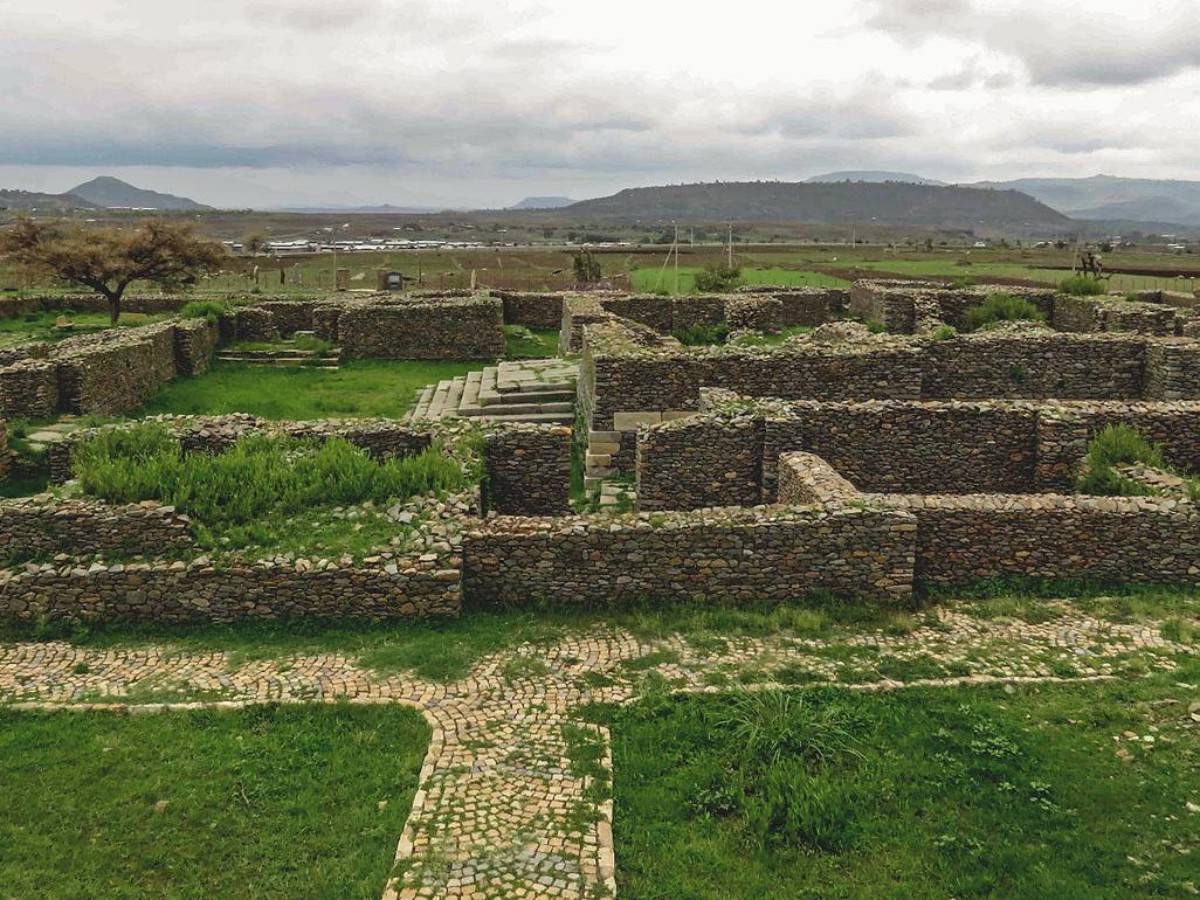
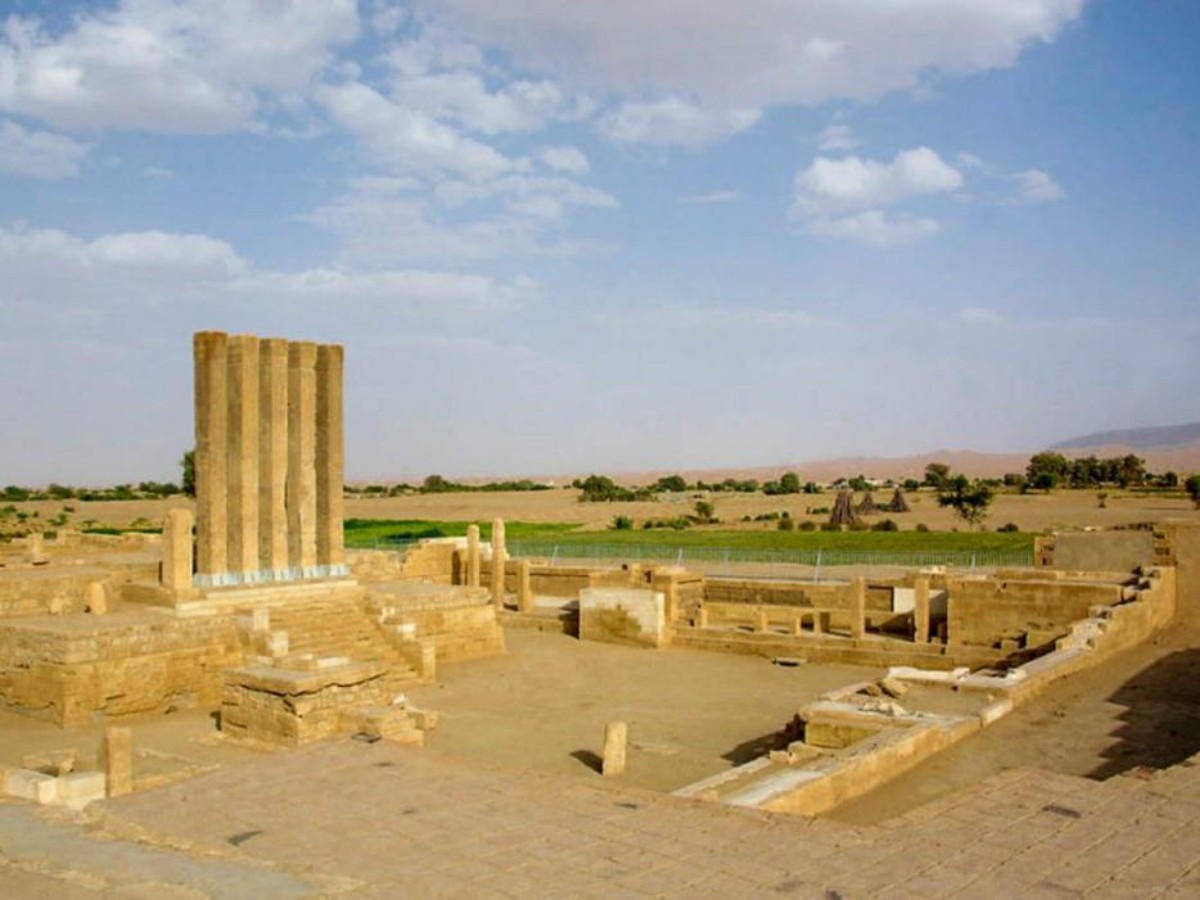
Although there is still controversy about the exact location of the Kingdom of Sheba, modern archaeology generally believes that this mysterious kingdom may be located in today's Marib, Yemen or Axum, Ethiopia. Both places have ruins called "Queen of Sheba's Palace", especially the ruins in Marib, Yemen, which is called "Mahram Bilqis" (Bilex Temple) - Bilex is the name of Queen of Sheba in the Arab world.
Advertisement
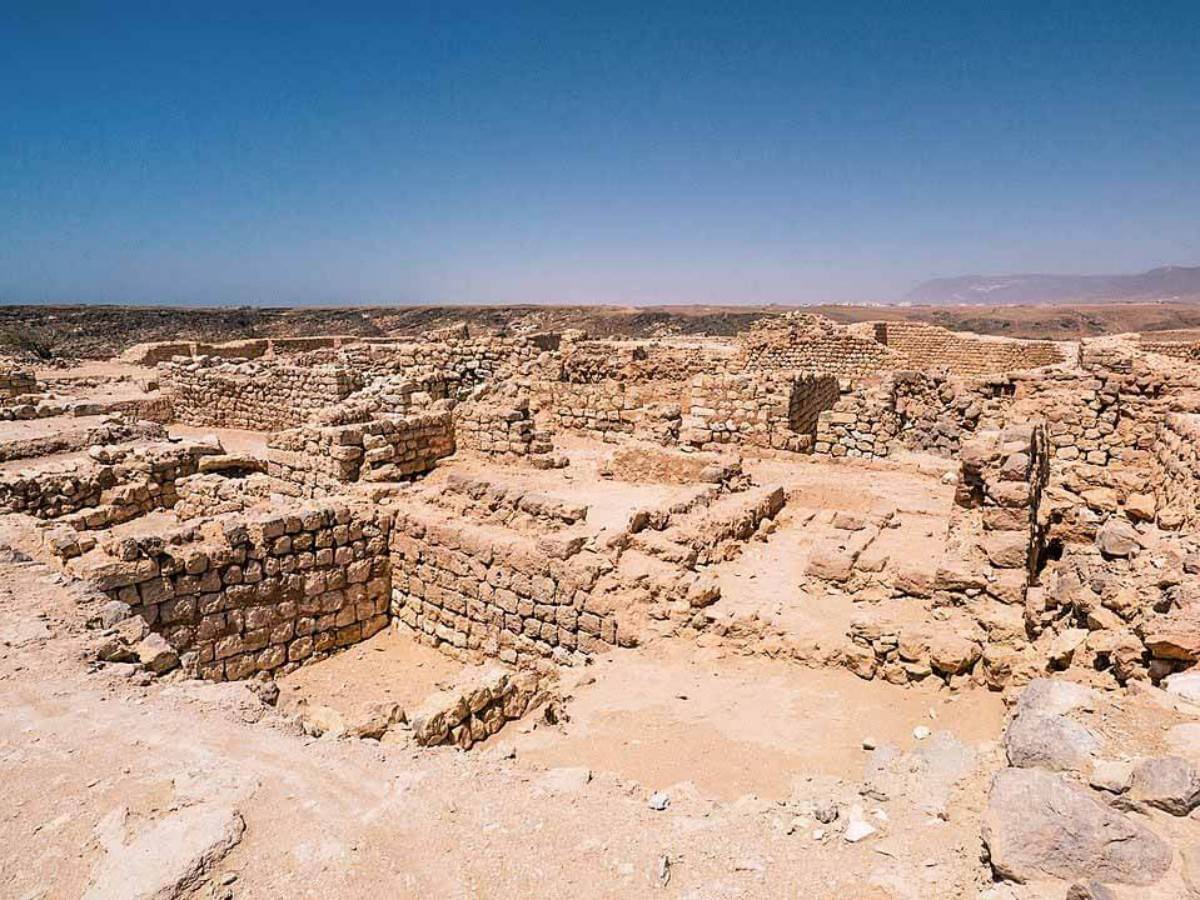
When you stand in front of the ruins of the Marib Palace, you will seem to travel back to the center of the Spice Road three thousand years ago. The broken stone pillars, wide bases, and beautifully carved thresholds silently tell the glory of ancient South Arabian civilization. This site was once an important place for worshiping the moon god Almaqah, and it was also the core area of politics, religion, and economy of the Kingdom of Sheba.
Although modern wars and natural erosion have left the palace in ruins, its mystery and historical weight are becoming more and more shocking. Walking among the stone pillars shining with golden red light in the sun, it seems that you can hear the echo of the whispers between the Queen of Sheba and King Solomon.
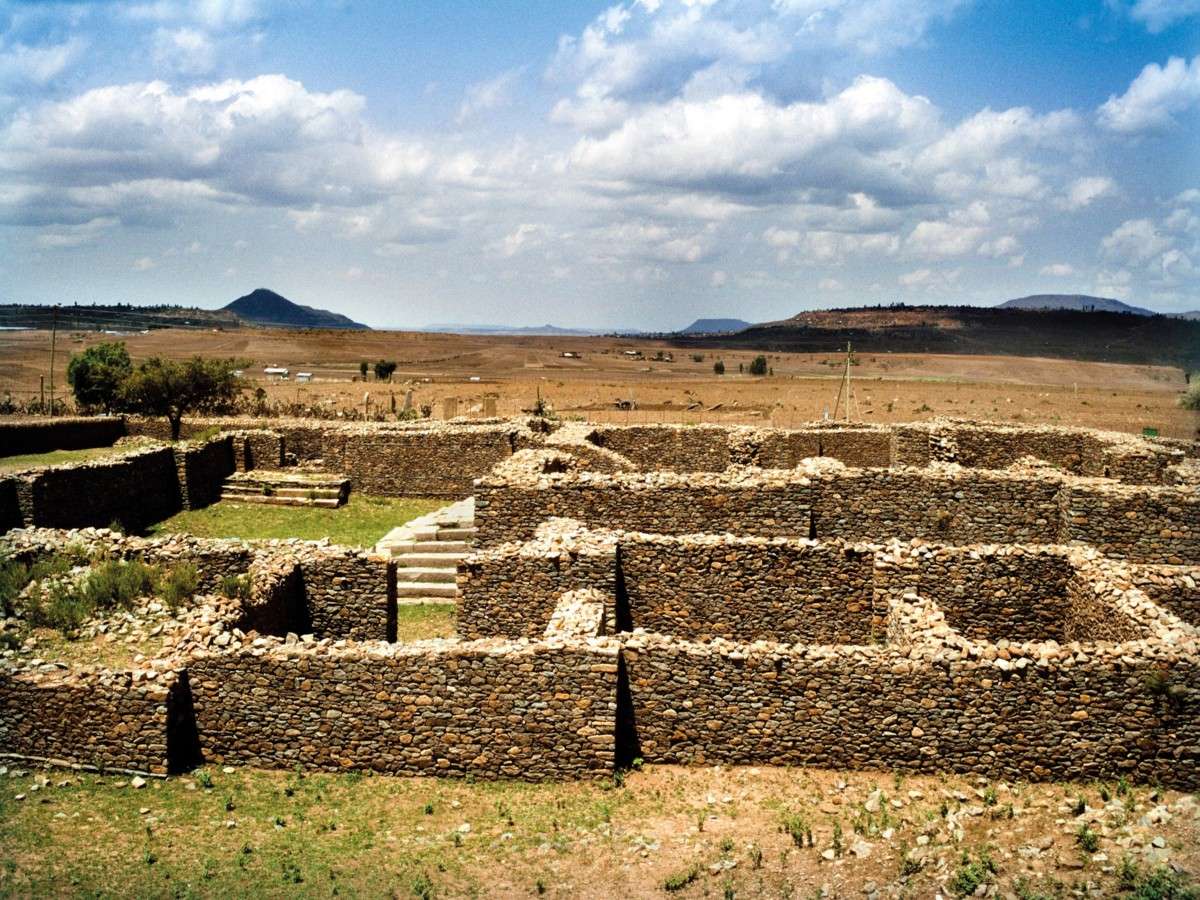
The Queen of Sheba's Palace is not only a site, but also a cultural bridge. It witnessed the exchange between the Arab world and Jewish civilization, and the contact between sub-Saharan Africa and the Mediterranean world. The story behind the palace is the collision and fusion of different civilizations.
By visiting this palace, tourists will learn:
The prosperity of the Kingdom of Sheba: famous for its spice trade, it was once one of the richest countries in the ancient world.
The culture of Arab moon worship: the palace has both religious temples and the symbolic function of royal authority.
The charm of legend and reality: the legend jointly shaped by the Bible, the Koran, and the Ethiopian epic.
Recommended route
Yemen direction (higher difficulty):
Starting point: the capital Sana'a or Marib
Recommended transportation: permission from the tour guide and local government is required
Warm reminder: In view of the current situation in Yemen, it is recommended to pay attention to the international travel safety guide, or choose a virtual way to understand the content of the site.
Ethiopia direction (relatively safe):
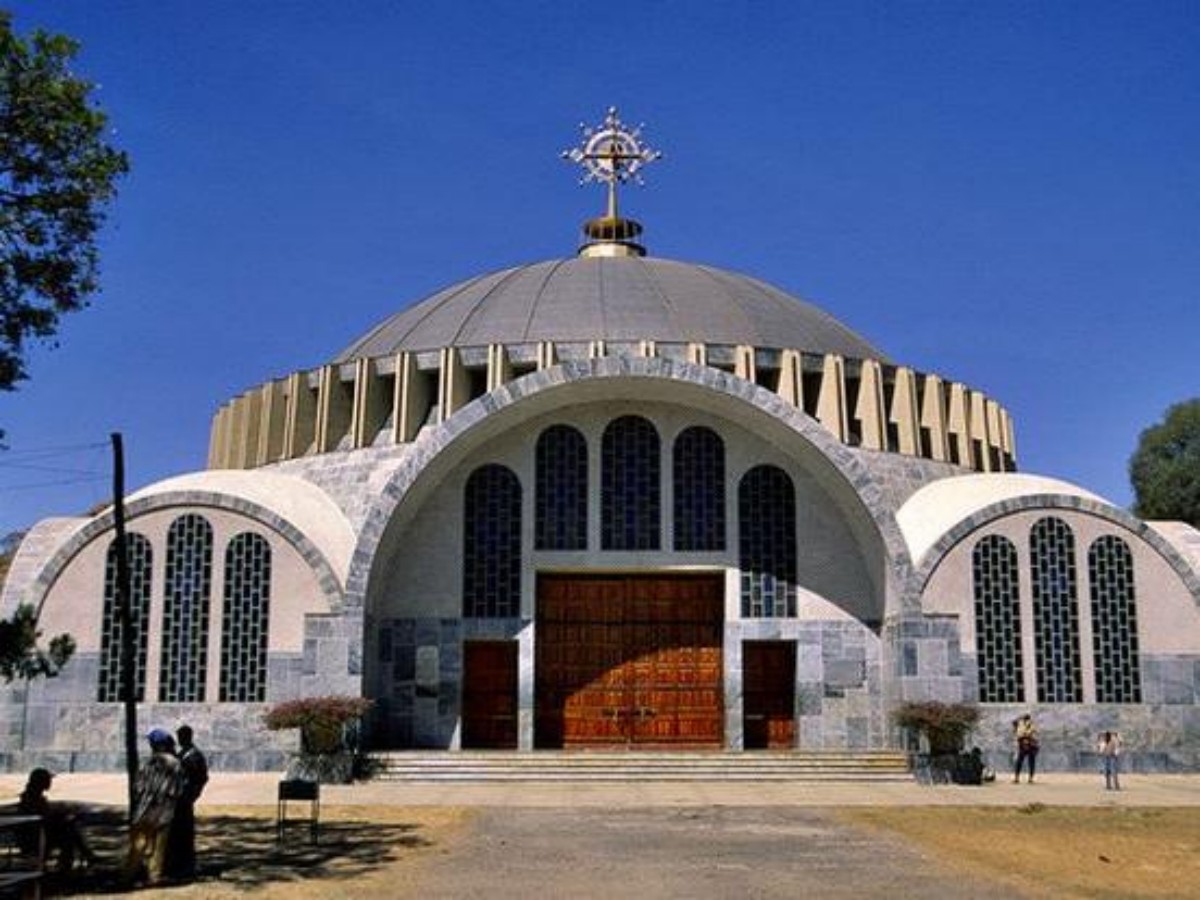
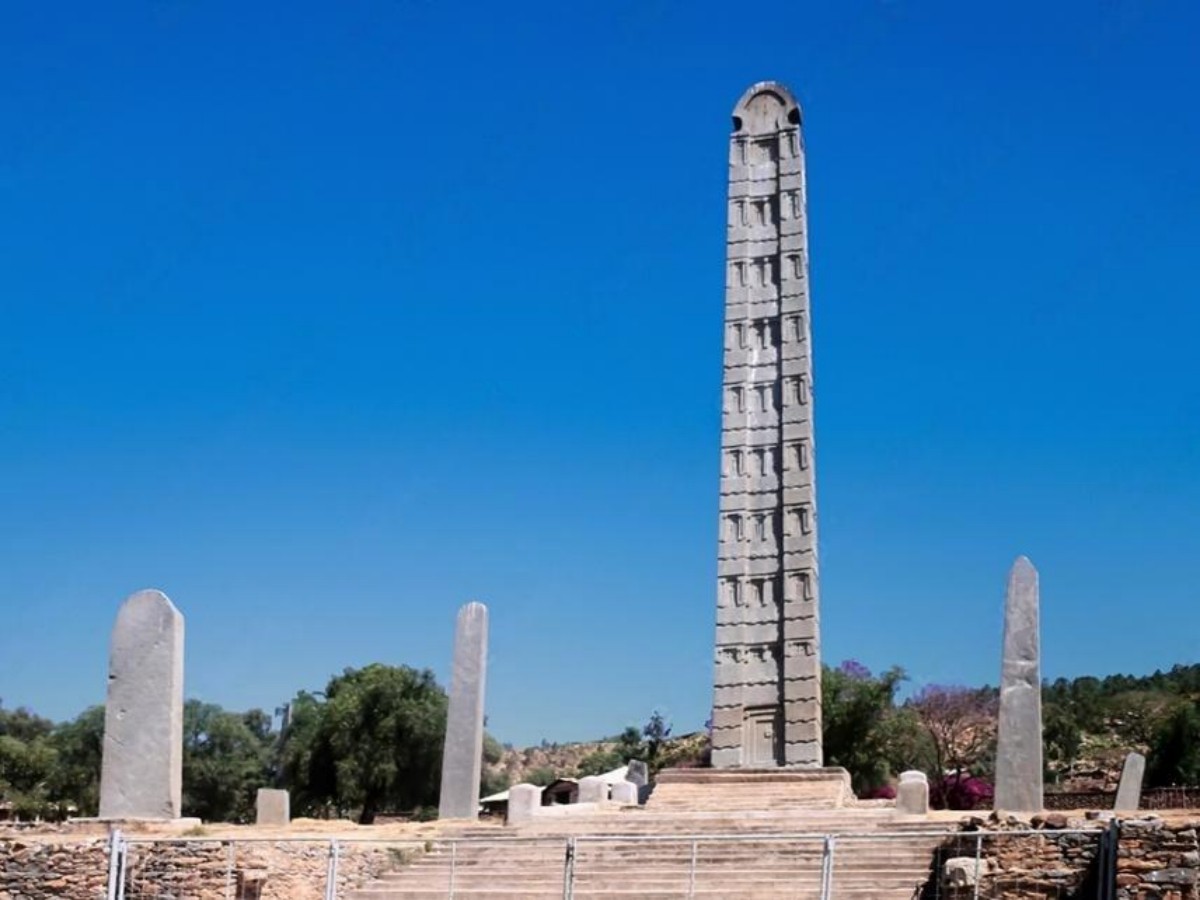
Axum is the ancient capital of Ethiopia and is considered one of the centers of the Kingdom of Sheba.
You can visit historical sites such as the Church of St. Maria Zion, the ruins of the Makida Palace, and the Aksum Obelisk.
The travel safety is relatively high, suitable for deep cultural explorers.
Travel Tips
The best travel time: November to March, the climate is pleasant, suitable for outdoor visits.
Clothing suggestions: Keep light, sun protection, respect local culture, and dress appropriately.
Historical background preparation: It is recommended to read the Bible chapters of "Solomon and the Queen of Sheba" in advance, or watch related documentaries to increase the sense of travel.
Tour guide recommendation: Please give priority to professional tour guides with historical and archaeological backgrounds, who will tell you more stories behind the ruins.
A journey, a dialogue of the soul Stepping into the ruins of the Queen of Sheba's palace is like entering a dream spanning thousands of years: the fragrance of spices, the camel bells of the camel caravan, the shadow of the Queen of Wisdom and the light and shadow passing between the stone pillars, interweave into an ancient epic in your heart. This is not only a journey, but also a dialogue with ancient civilizations, a pursuit of legends and history in the depths of the soul. So, if you have a longing for ancient legends, are curious about the unknown world, or just want to step out of your daily life and experience a journey through time and space - Queen of Sheba’s Palace is waiting for you to unveil its mysterious veil.