
Advertisement
Have you ever dreamed of touching a legend of faith that spans thousands of years? Do you have respect and curiosity for the mysterious holy object in the Bible, the Ark of the Covenant? If so, then you must not miss the holy place in Axum, Ethiopia, known as the "Jerusalem of Africa" - St. Mary of Zion Church. This church is not only one of the oldest Christian churches in Africa, but also regarded as the core of faith by hundreds of millions of Ethiopian believers. Approaching it, you will embark on a spiritual journey that combines mystery, history and holiness.
Advertisement
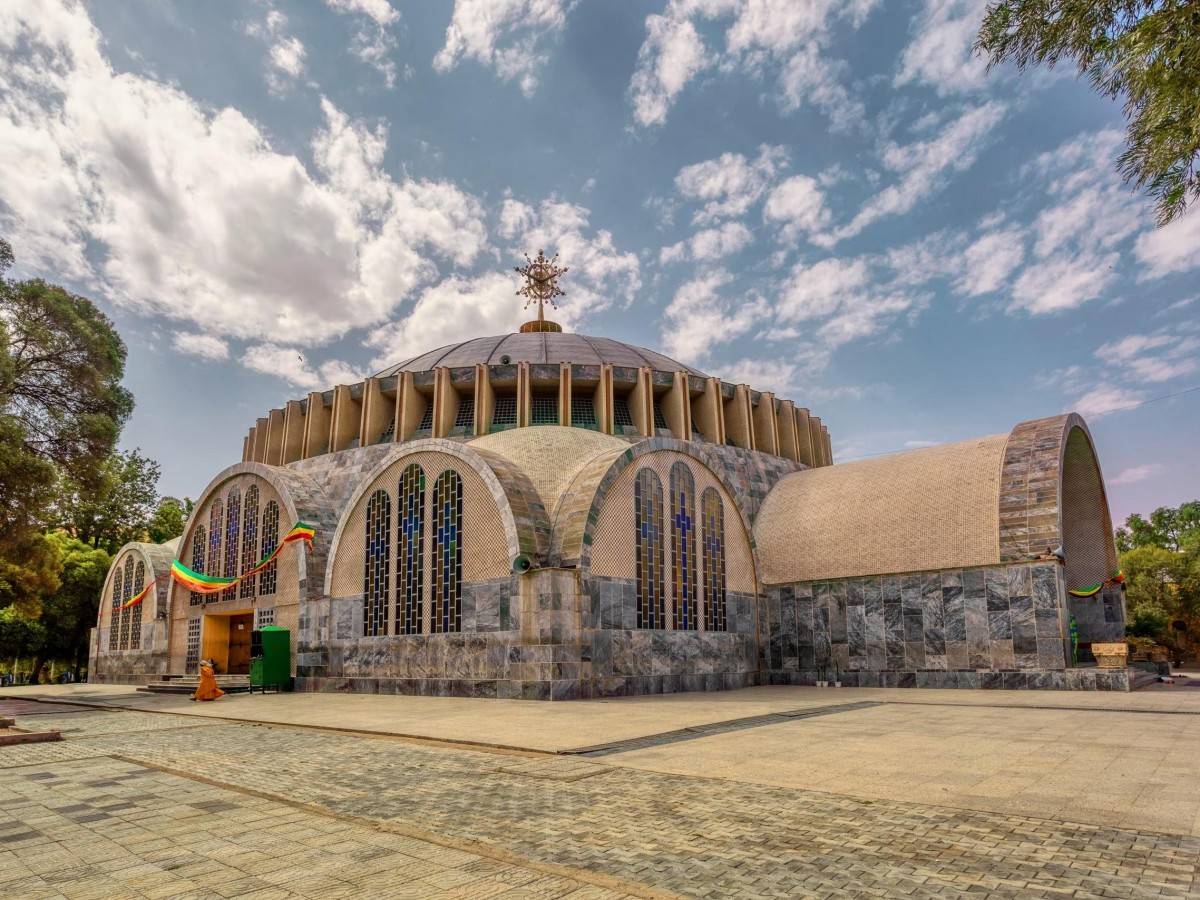
The history of St. Mary of Zion Church can be traced back to around the 4th century AD. It was built by King Ezana, the first Christian king of Ethiopia. It is said that after Ezana converted to Christianity, in order to celebrate this turning point, he personally ordered the establishment of this church in Axum as a temple dedicated to the Virgin Mary.
Advertisement
From that moment on, the church became the core holy place for the coronation and prayer of the Ethiopian royal family. Every emperor had to be blessed here to be considered a "legitimate king".
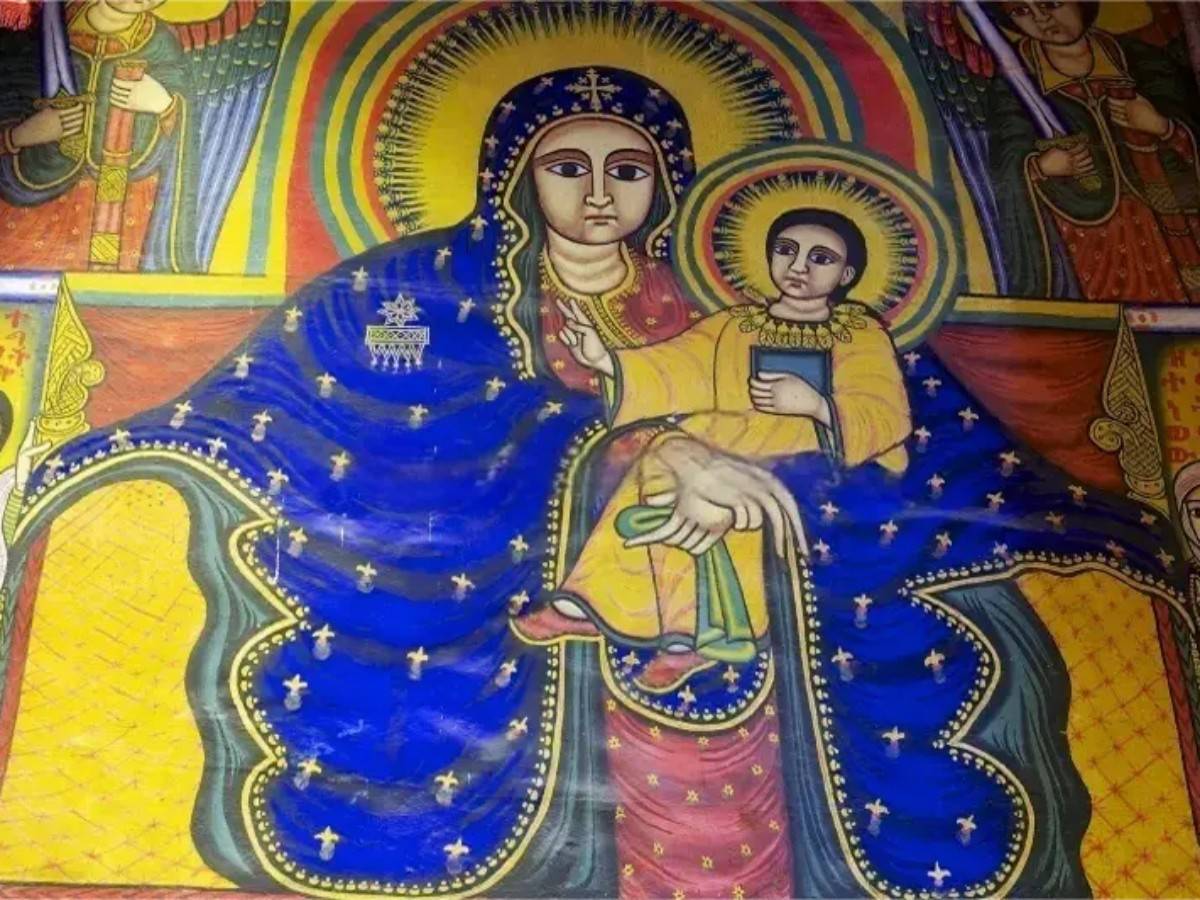
Speaking of St. Mary of Zion, the most shocking legend is undoubtedly the story of the "Ark of the Covenant".
Advertisement
According to the Ethiopian Orthodox Church, the Ark of the Covenant in the Bible, which stores the Ten Commandments stone tablets and radiates sacred energy, was not lost in history, but was brought to Ethiopia and has been placed in a secret chapel in St. Mary of Zion.
The story comes from Ethiopia's national treasure document "Kebra Nagast" - this medieval document records that King Solomon's son Menelik I went to Jerusalem to visit his father, and when he returned to Ethiopia, he secretly took the Ark of the Covenant away. Since then, this sacred relic has settled in Aksum and will never leave.
Today, only one designated monk can enter the temple where the Ark of the Covenant is stored, and he will stay there for the rest of his life. No one else, including the king, bishop, or even the pope, has the right to see the real face.
This small church is located next to the main church. It has a simple appearance, but because of the legend, it has become a "faith altar" that pilgrims from all over the world flock to.
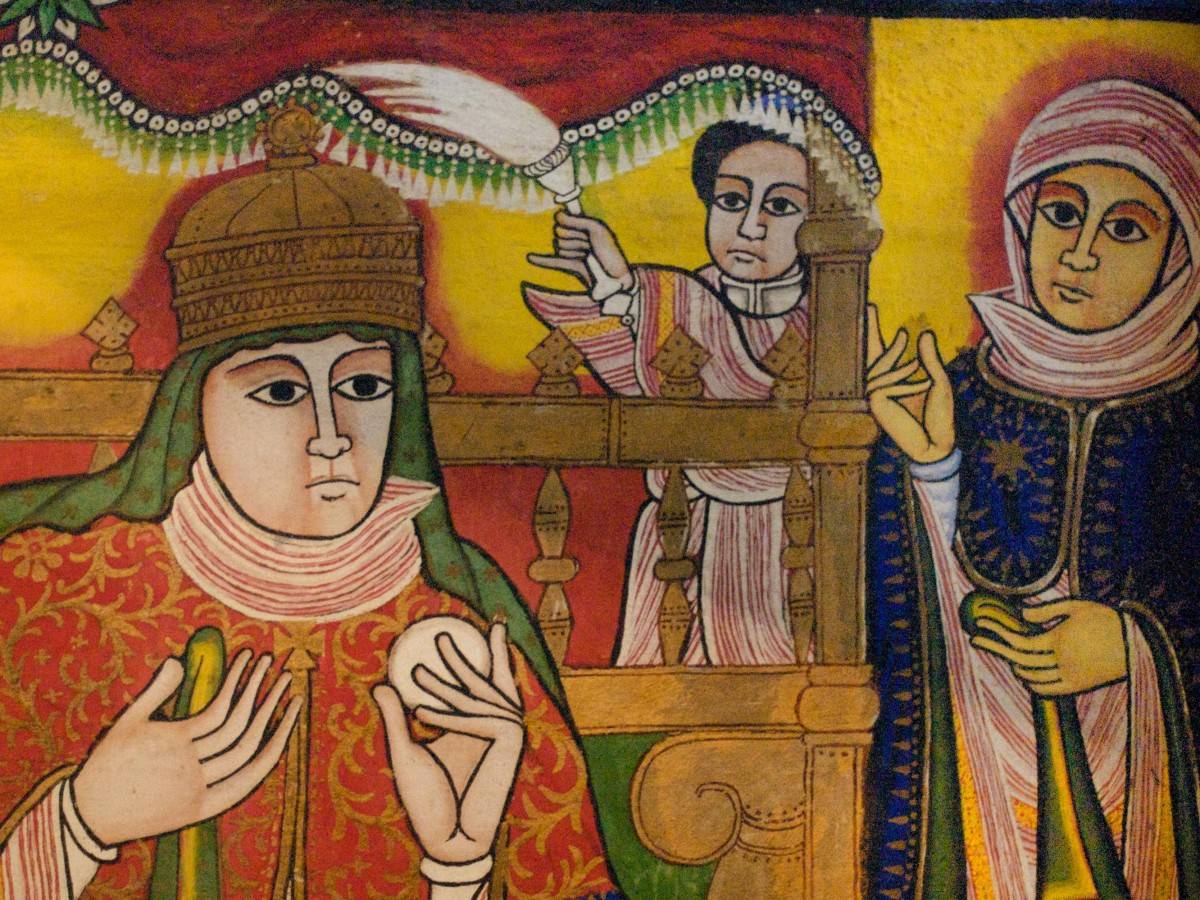
The St. Mary of Zion church complex includes churches from several historical periods, which together form a long scroll of religious art spanning thousands of years.
Ancient church: The original St. Mary of Zion is a stone structure with mixed elements of Byzantine and Aksumite styles. Although the original building was destroyed and rebuilt many times, the overall layout still retains the simplicity and solemnity of ancient Ethiopian architecture.
17th century reconstruction: Rebuilt under the leadership of Emperor Fasilides, more defensive structures were added to reflect the situation of frequent internal and external troubles at that time.
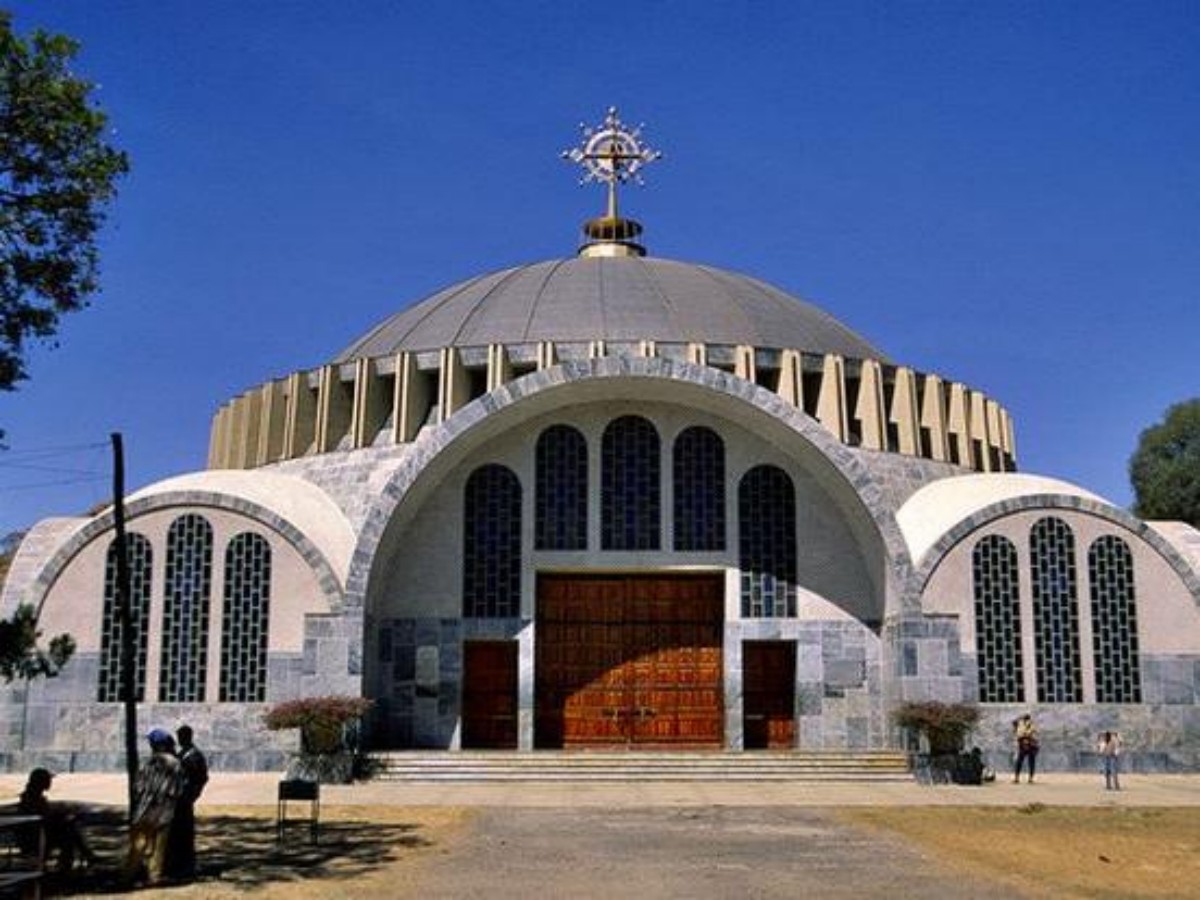
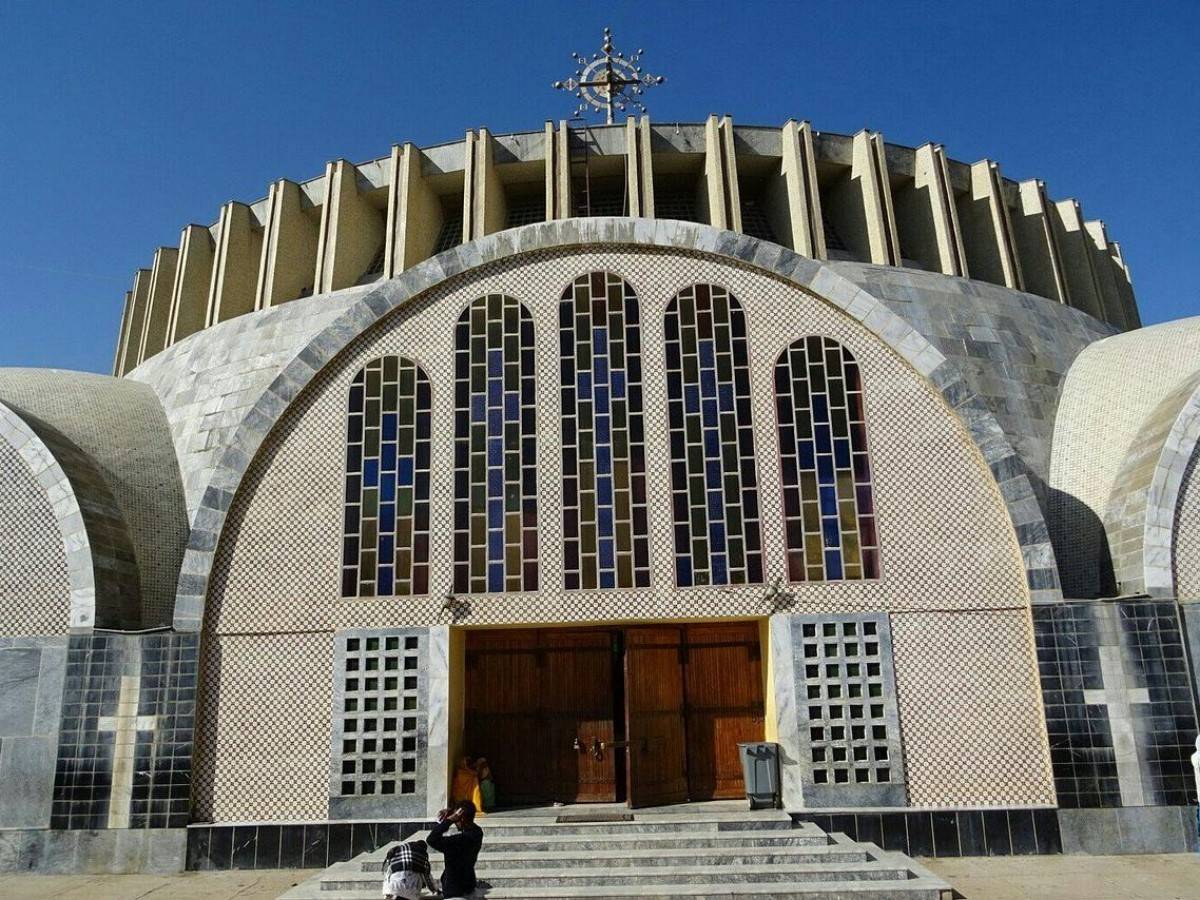
20th Century New Church: Built in 1965 by Emperor Haile Selassie, it is modern and magnificent, with a towering dome, in stark contrast to traditional architecture. Women are allowed to enter the church, and it is the main place for female believers to make pilgrimages.
Chapel of the Tablet: Located next to the main church, it is surrounded by stone walls and iron gates. There are often guards stationed outside the door, exuding a strong mysterious atmosphere.
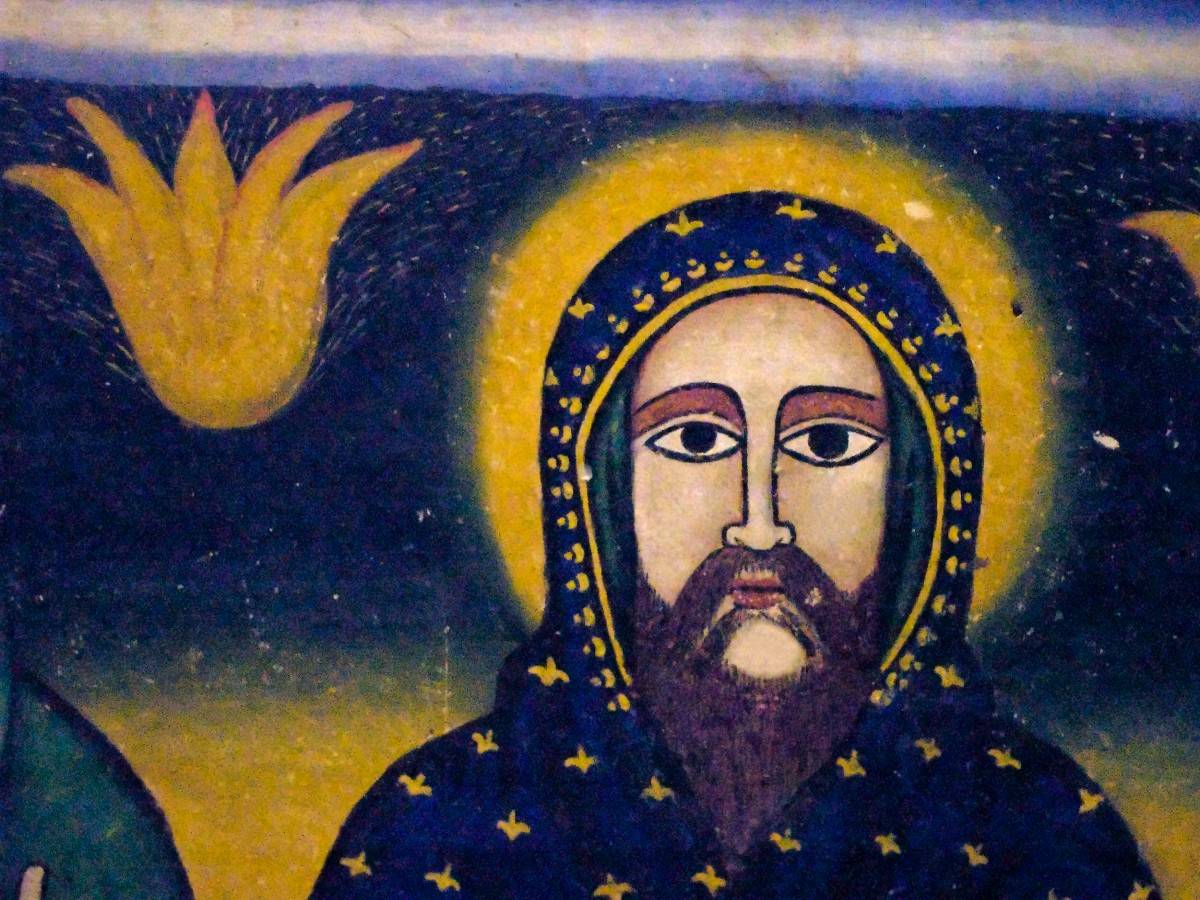
Here you can enjoy everything from Aksumite stone carvings to Byzantine murals, from reliefs of biblical stories to colorful icons. Every stone carries the weight of a thousand years of faith.
When you come to St. Mary of Zion Church, you must not miss the following experiences:
1. View the exterior of the "Ark of the Covenant Church"
Although tourists cannot enter, standing outside the high walls and gazing at this legendary temple will still make you feel awe. You can even see the monks on duty patrolling in the distance, which is a lifelong mission and lonely glory.
2. Visit the new church of the 20th century
Its modern architecture coexists with classical traditions, and the interior is intricately painted and beautiful. It is an excellent place to experience Ethiopian religious art.
3. Participate in religious ceremonies
If you happen to be there during festivals, such as "Epiphany" or "Saint Mary's Day", you will witness tens of thousands of believers wearing white robes, chanting prayers, and marching around the church. That piety will touch your heart.
4. Visit the Church Museum
The collection includes ancient Bible manuscripts, royal coronation items, gold and silver jewelry, icons, etc., which detail the development and religious life of the Ethiopian church.
Dress requirements: When entering the church area, it is recommended to dress modestly, men take off their hats, and women can prepare headscarves to show respect.
Opening hours: The church area is usually open during the day, and special religious festivals require advance reservations or event arrangements.
Photography Tips: Photography is prohibited in the Ark of the Covenant Church. Please ask for permission in other areas to avoid offense.
Best time to travel: October to March of the following year, the weather is suitable, and it is more likely to catch up with important festivals.
Transportation: You can take a domestic flight to Aksum, and then walk or take a car to the church area.
This is the core of faith and the holy mountain in the hearts of every Ethiopian;
It is the source of the world's unsolved mysteries, and you will stand in the heart of the "Ark of the Covenant Legend";
It is a living fossil spanning 2,000 years of history, and you can touch the pulse of ancient civilization;
It is a double shock of vision and soul, and the solemnity, mystery and piety will remain in your heart forever.
St. Mary of Zion Church is not an ordinary church, but the root of a civilization, the soul of a nation, and a beacon of faith. If you desire a journey beyond the scenery, a pilgrimage through time and soul, then please walk into Aksum, walk towards Zion, and experience the eternal echo of this sacred land in person. The pilgrimage begins here.