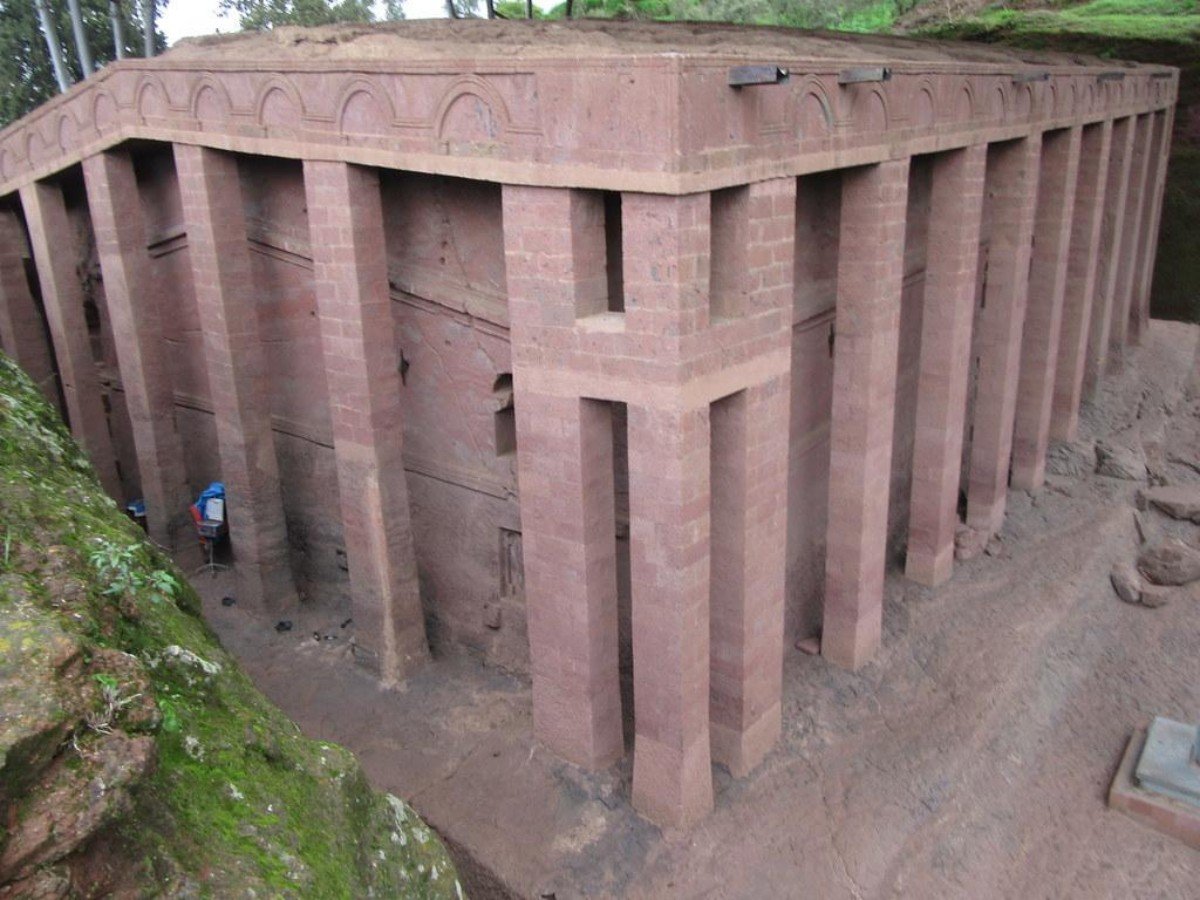
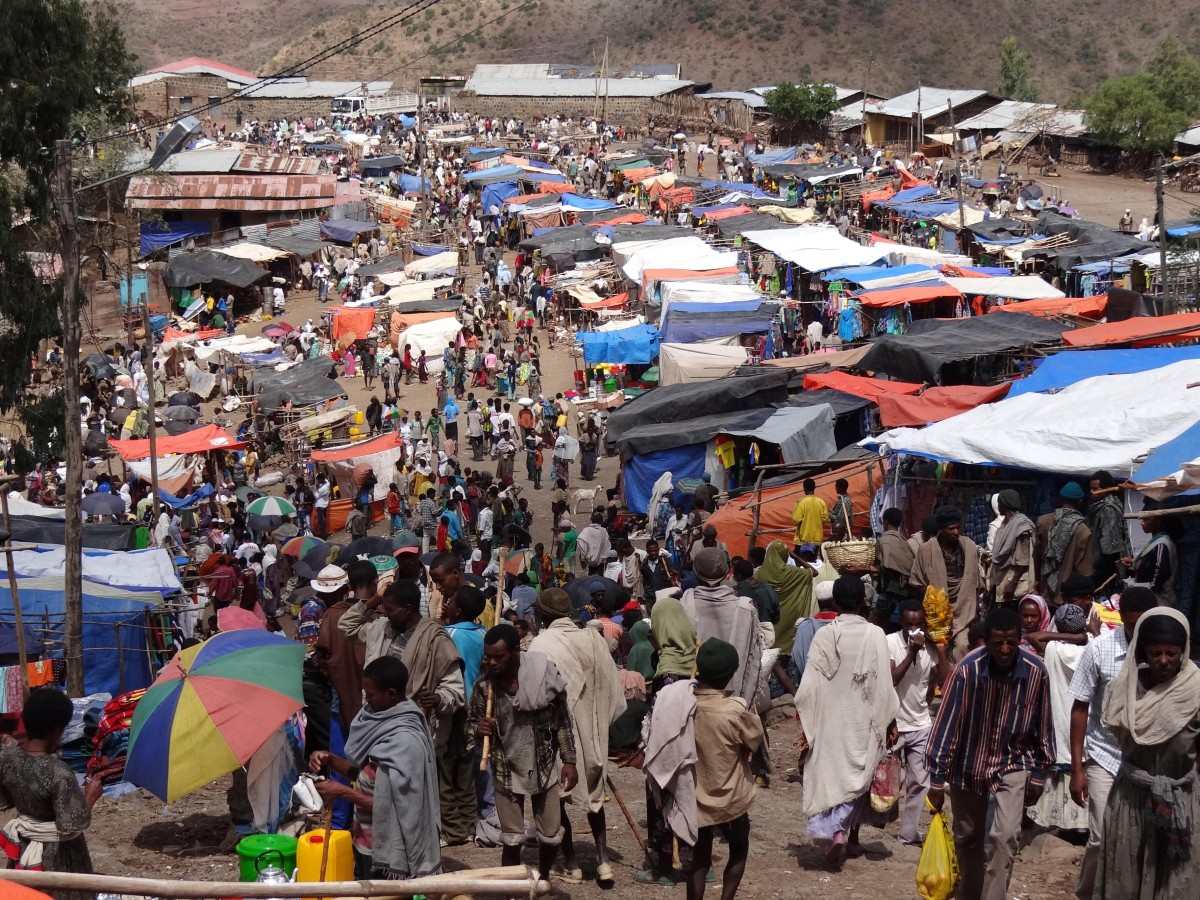
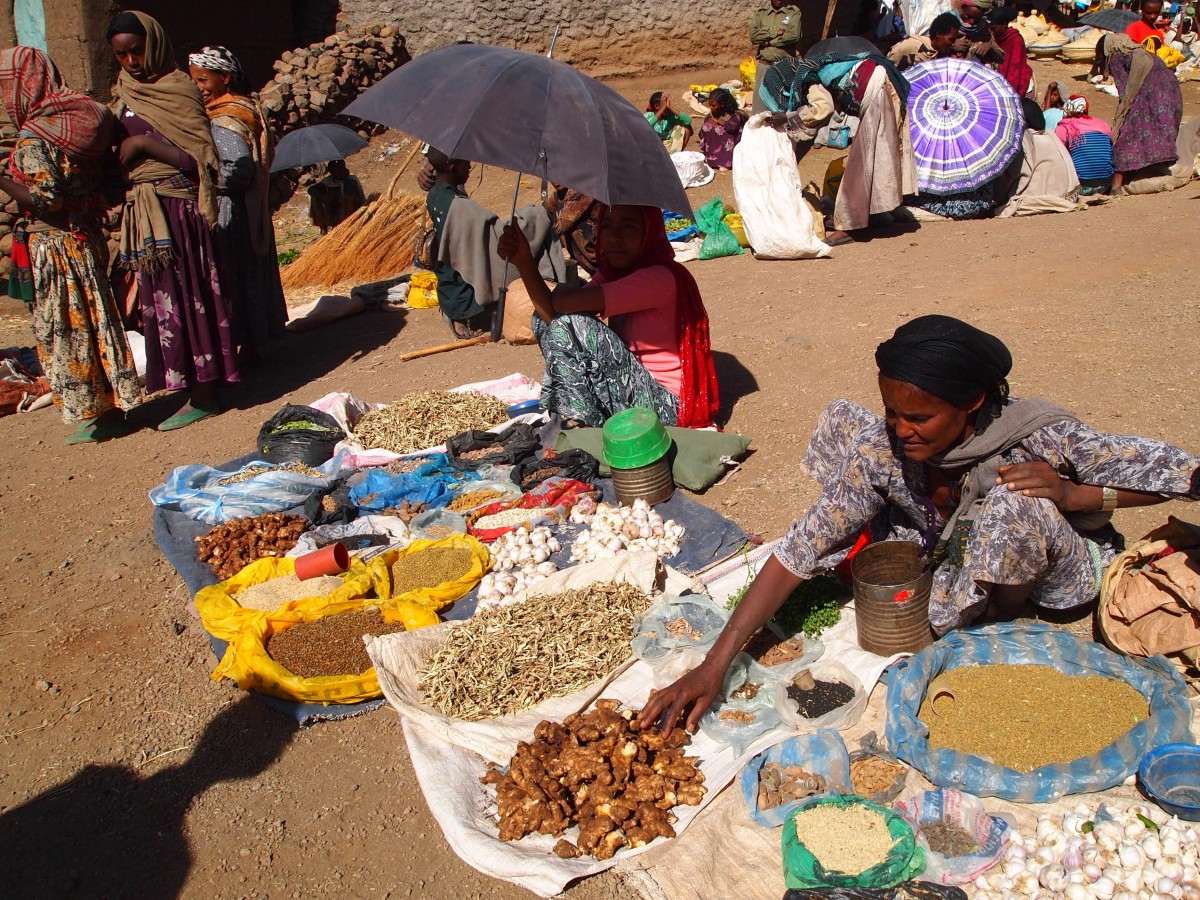
In Lalibela, northern Ethiopia, eleven rock-cut churches stand like miracles in the red volcanic rock, attracting pilgrims and explorers from all over the world. But if you want to touch the soul of this holy city, the right way to open it is to enter the maze-like Lalibela Market at six in the morning. There are no souvenir shops here, only the vendors shouting in Amharic, the sound of pottery jars colliding and the aroma of freshly ground coffee. What the locals won't tell you is that if you want to take away the St. George's Cross at a bargain price, drink the coffee hidden by the herders, or even be pulled into the kitchen by the enthusiastic vendors to learn how to make injera cakes, you must first learn their "shopping codes".
Advertisement
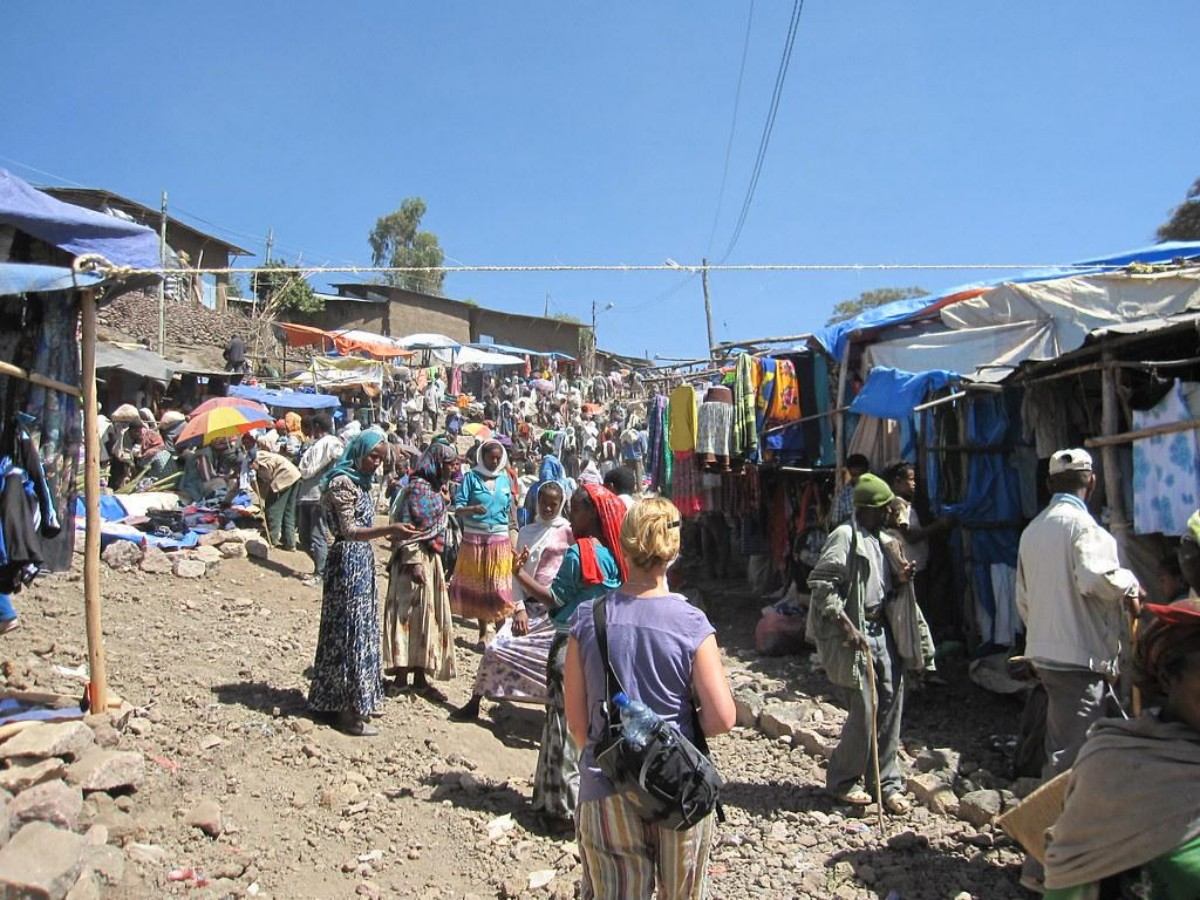
Local stall owner Abebe has been selling hand-woven baskets in the market for 30 years. He always says: "Tourists bargain like quarreling, we bargain like dancing." The market in the early morning belongs to wholesalers and housewives. If tourists rush in at this time, the price will double directly. Want to get the lowest price? The secret is to wait until the sun climbs over the date palm trees (about 9 am), when the stall owners are free and willing to "dance" with you.
Advertisement
Step 1: Use your eyes to build trust. Stare at the product you like for three seconds, and the stall owner will take the initiative to greet you, but don't rush to speak. Abebe revealed: "Locals will talk about the weather, crops or football before shopping. Asking the price directly will be regarded as a 'one-time customer'." Try to ask "Iyezzalehu?" (How are you?) in poor Amharic, and the stall owner's eyes will light up and the price will automatically soften by three points.
Step 2: Use gestures instead of bargaining knives. Stretch out your right hand, palm down, and tap your wrist gently with your index finger - this is the tacit gesture of the locals to "cheap it a little bit". If the stall owner shakes his head, don't panic, tap twice more, and show a distressed expression of "paying tuition for the child". Abebe smiled and warned: "Don't learn from tourists to cut the price in half! We think it is unlucky to curse the goods."
St. George's Cross
Advertisement
Don't buy the assembly line souvenirs engraved with "Lalibela" next to the church! The real Holy City Cross is hidden in the wood carving stall in the northeast corner of the market. It is hand-carved from local olive wood and has a miniature Bible scene engraved on the back. The old stall owner Mara will teach you to identify: the one that feels as soft as skin and has natural cracks at the bottom of the cross is the real one. The price starts from 500 birr, but remember to praise her grandson's eyes like stars when bargaining.
Pastoral coffee beans
Want to drink Ethiopian coffee that is more mellow than the Internet celebrity coffee shop? Go straight to the grain area in the center of the market and find the old man wearing a traditional sarong with sheepskin bags piled in front of him. The Yirgacheffe beans they sell are produced from their own small farm. You can ask for a handful of them to be fried on the spot before buying: when the beans make a "crackling" sound in the iron pan, take a deep breath - the caramel and citrus aromas that rush straight to your head are good beans. 200 grams is about 150 birr, enough for you to drink for a month.
"Breathing" cotton cloth
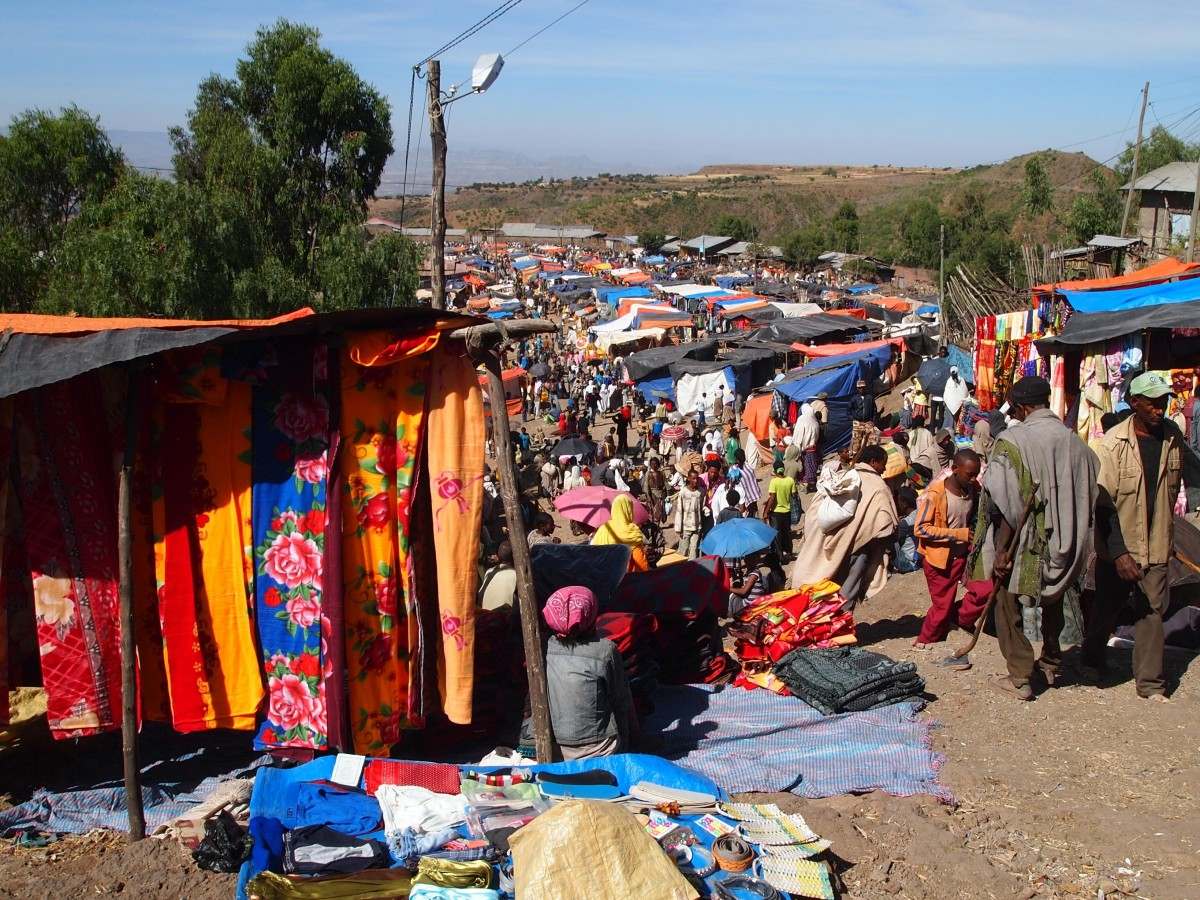
The Habesha robes that locals wear when making injera cakes are made of "air cotton" unique to the plateau. In the fabric area on the west side of the market, if you touch the cotton cloth that is as light as a cloud but densely covered with breathable holes, you will decisively buy it. Regular customers will ask the stall owner to cut a piece of it on the spot as a headscarf (about 50 birr), which is more cost-effective than buying ready-made clothes, and you can also customize the embroidery pattern.
Taboo: Never receive change with your left hand! Ethiopians believe that the left hand is unclean. The correct way is to receive the money with the right hand and lightly support the right elbow with the left hand to show respect.
Easter egg: If you see a string of dried chilies hanging in front of the stall, boldly ask "Berbere?" (local hot sauce). The stall owner may take out a private recipe from the depths of the pottery jar, or even pull you into the backyard to see how to crush volcanic rock salt and spices with a stone mortar - this is the secret of local housewives, and tourists rarely see it.
When your backpack is filled with olive wood crosses and the aroma of coffee beans penetrates into your canvas bag, don't rush to leave the market - find a tea stall full of housewives and spend 10 birr to buy a pot of boiling "spice tea". Watching the stall owner throw cloves, cinnamon and freshly ground coffee powder into the pottery cup, you will suddenly understand: in Lalibela, the best souvenir is not the product, but the wrinkles on the stall owner's smile when you bargain, and the hands of the old lady who teaches you to wrap a headscarf as warm as tree bark. Next time you venture into this sea of colour and spice, don’t be a tourist, be a neighbour visiting – after all, even the stones of St George’s Church have heard the laughter in the market place.