In the folds of the mountains in northern Ethiopia, there is a religious wonder that shocked the world - the Rock-hewn Churches of Lalibela. 1200 years ago, countless craftsmen exhausted their efforts, using the mountain as a canvas, chiseling the rock into a temple, and carving out 11 magnificent churches in the hard volcanic rock. These churches are not only a monument to the Orthodox faith, but also a miracle in the history of human architecture. Today, let us travel through time and explore this religious holy place carved in twelve centuries, and feel the majestic power of faith and craftsmanship.
Advertisement
The Lalibela Rock Church Group was built in the 12th century AD. At that time, King Lalibela of Ethiopia was a devout Christian and was determined to build a "New Jerusalem" to avoid the threat of Muslim forces and protect the spiritual home of believers. Legend has it that under the guidance of angels, craftsmen used hammers and chisels as pens, and spent 24 years digging from the top of the mountain, hollowing out the entire stone mountain, and carving out churches of various shapes. These churches are not only large in scale, but also connected to each other through underground passages and secret corridors, forming an underground "religious maze". Each church carries biblical stories and Orthodox doctrines. Its walls, columns and domes are covered with complex carvings, vividly reproducing the sacred scenes in religious legends.
Advertisement
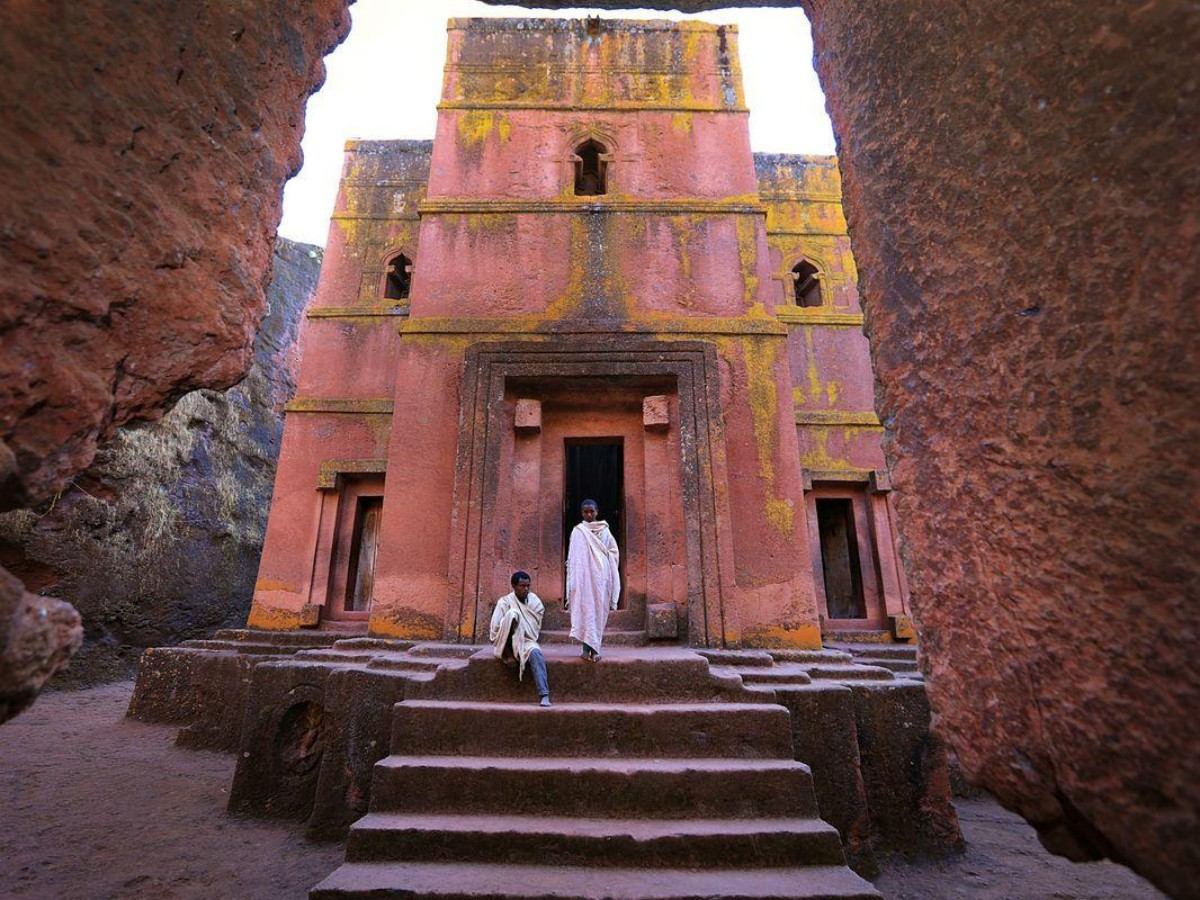
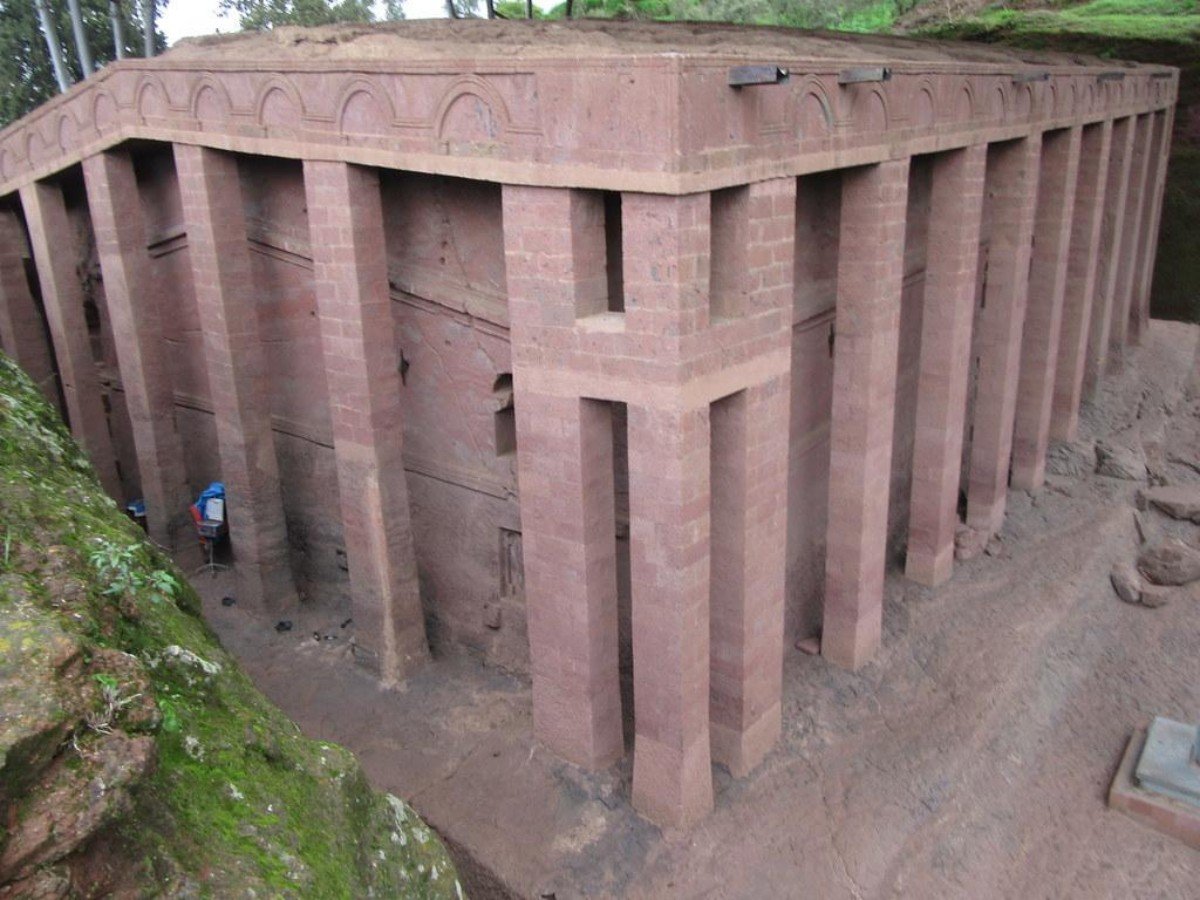
The 11 rock churches have different styles, but all show amazing architectural wisdom. Among them, the largest Bet Medhane Alem Church is like an ancient Greek temple. 36 columns support the grand interior space. It is 33 meters long, 23 meters wide and 11 meters high. It is the largest single rock church in the world. Its exterior walls are carved with reliefs of biblical figures, and the geometric patterns of the internal dome still fascinate architects. Bet Maryam is famous for its exquisite cross carvings. The cross-shaped opening on the top of the church cleverly introduces natural light, casting sacred light and shadow on the altar, as if it is guided by God.
Advertisement
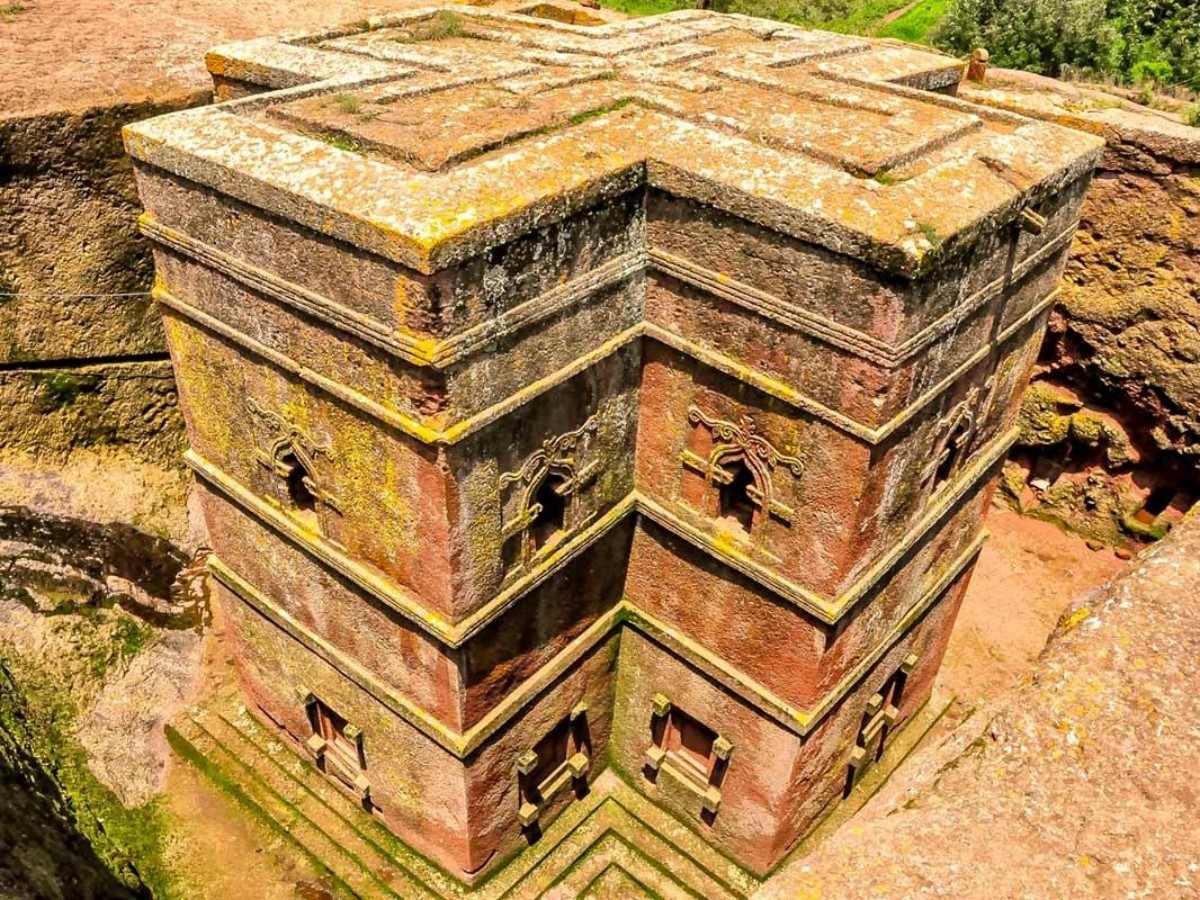
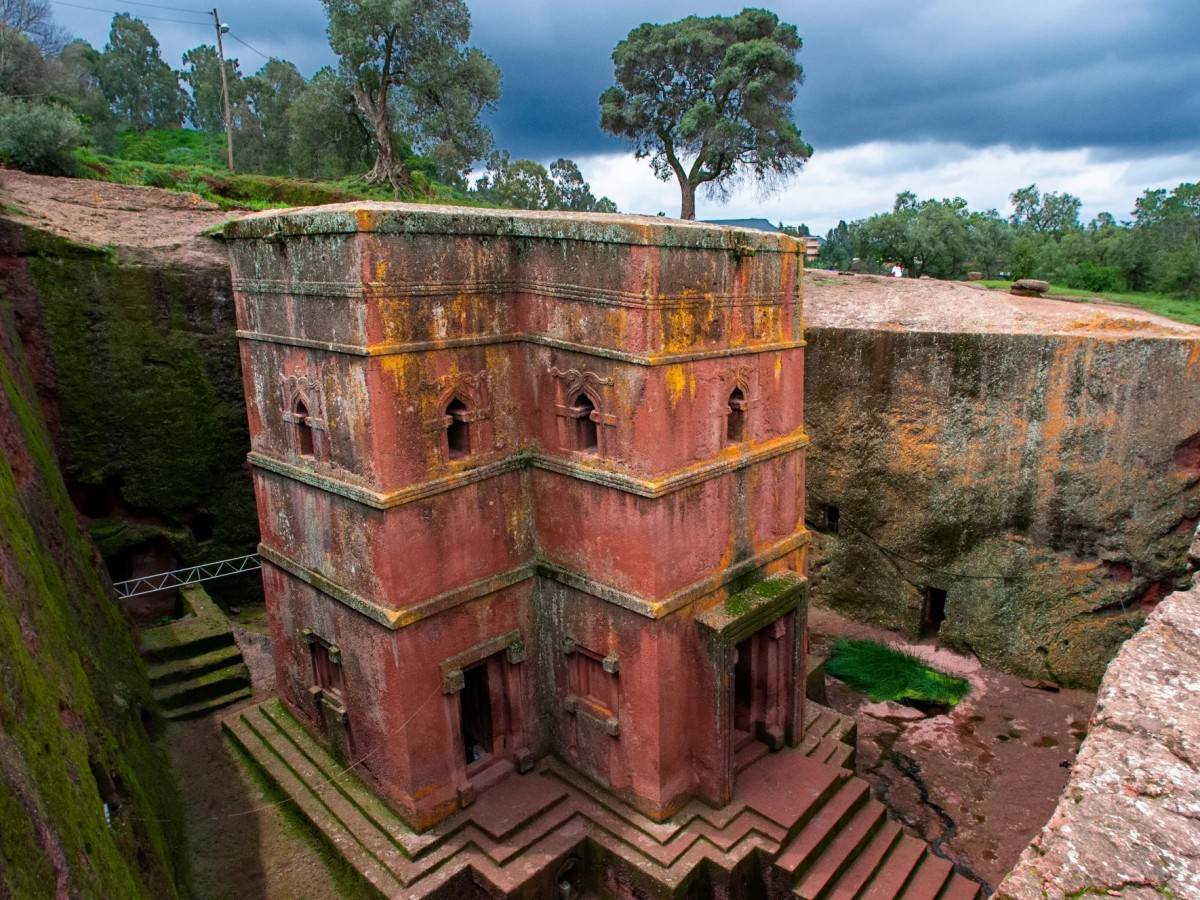
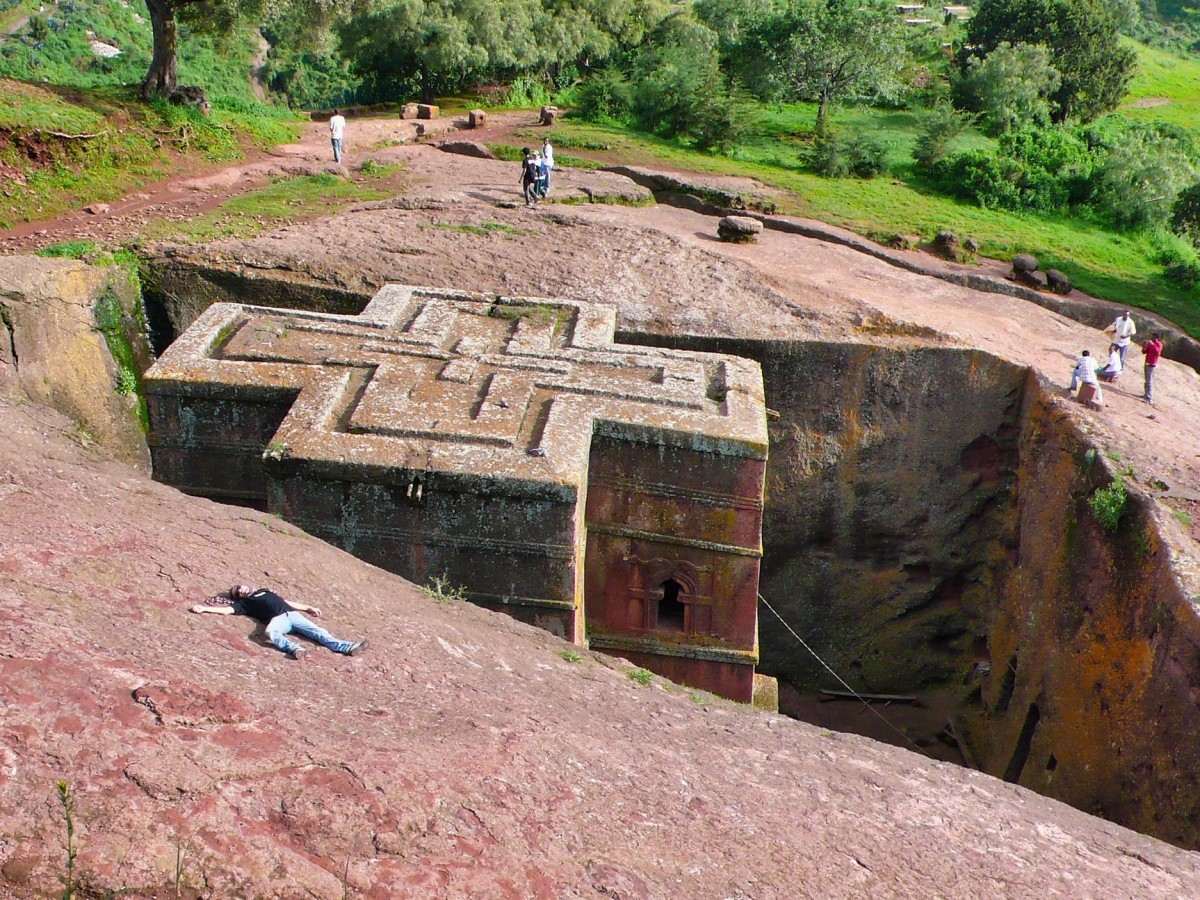
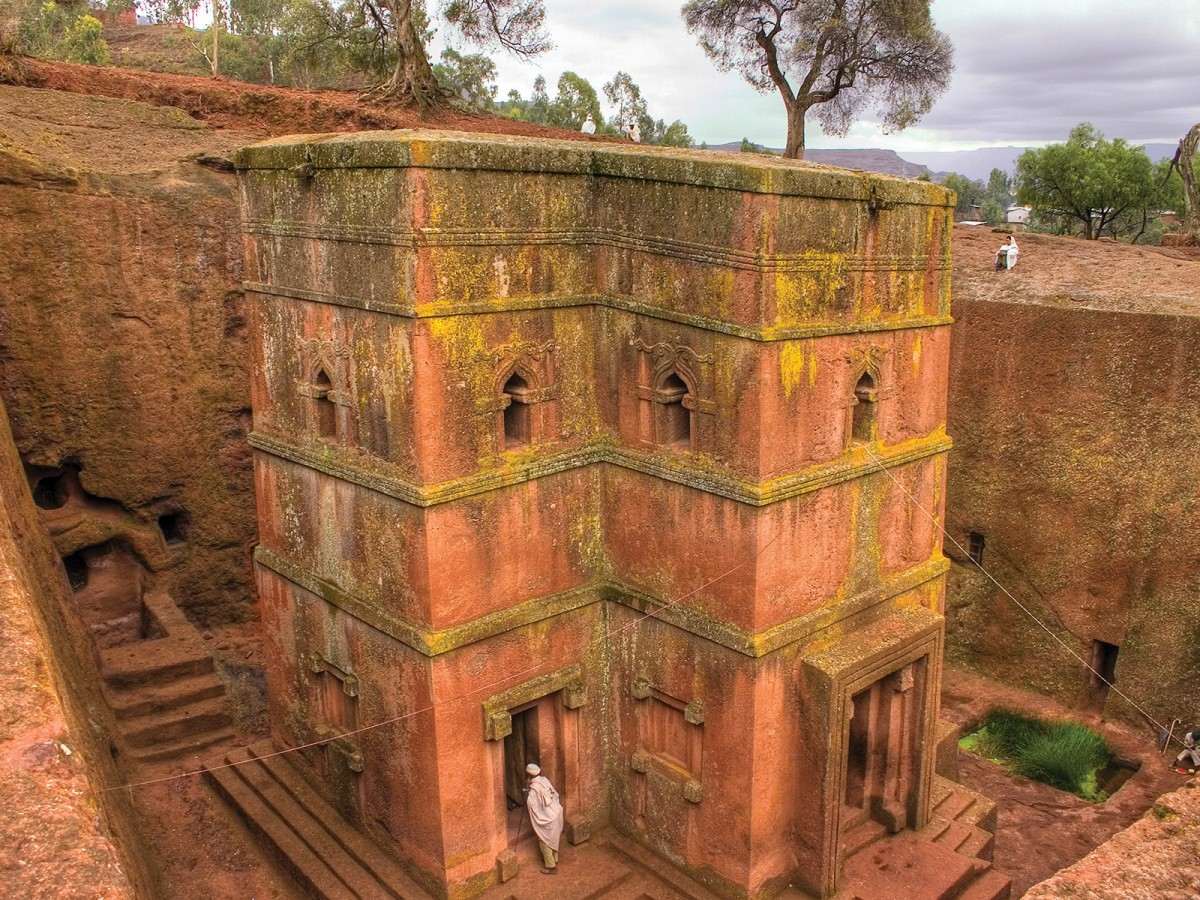
Bet Giyorgis is even more unique. This cross-shaped church is independent of the ground. Looking down from the sky, it looks like a silver cross embedded in the earth. Its exterior wall surface is as smooth as a mirror, and the four facades are carved with symmetrical geometric patterns and biblical scenes. How the craftsmen completed such delicate carvings on the vertical rock walls remains an unsolved mystery. Inside the church, the narrow passages and low arches create a mysterious and solemn atmosphere, which makes people hold their breath and feel the power of faith.
If you want to explore the Lalibela Rock Churches in depth, it is recommended to reserve at least two days. Early morning is the best time to visit. The soft sunlight shines on the reddish-brown rock walls of the church, giving this ancient building a golden glow. Visitors can start their journey from Bed Medhani Alem Church and visit other churches one by one along the winding underground passage. The passage is dimly lit and the ground is slippery, so you need to be extra careful when walking, but this also adds a sense of adventure.
During the tour, be sure to carefully observe the murals and carvings in the church. Despite thousands of years of wind and rain erosion, some murals are still brightly colored, vividly depicting biblical stories such as Adam and Eve, Noah's Ark, and the Crucifixion of Jesus. These murals are not only artistic treasures, but also a window to understand the religious culture of medieval Ethiopia. In addition, devout believers can often be seen in the church. They kneel down to pray and kiss the holy objects. Their concentration and piety will also deeply touch tourists.
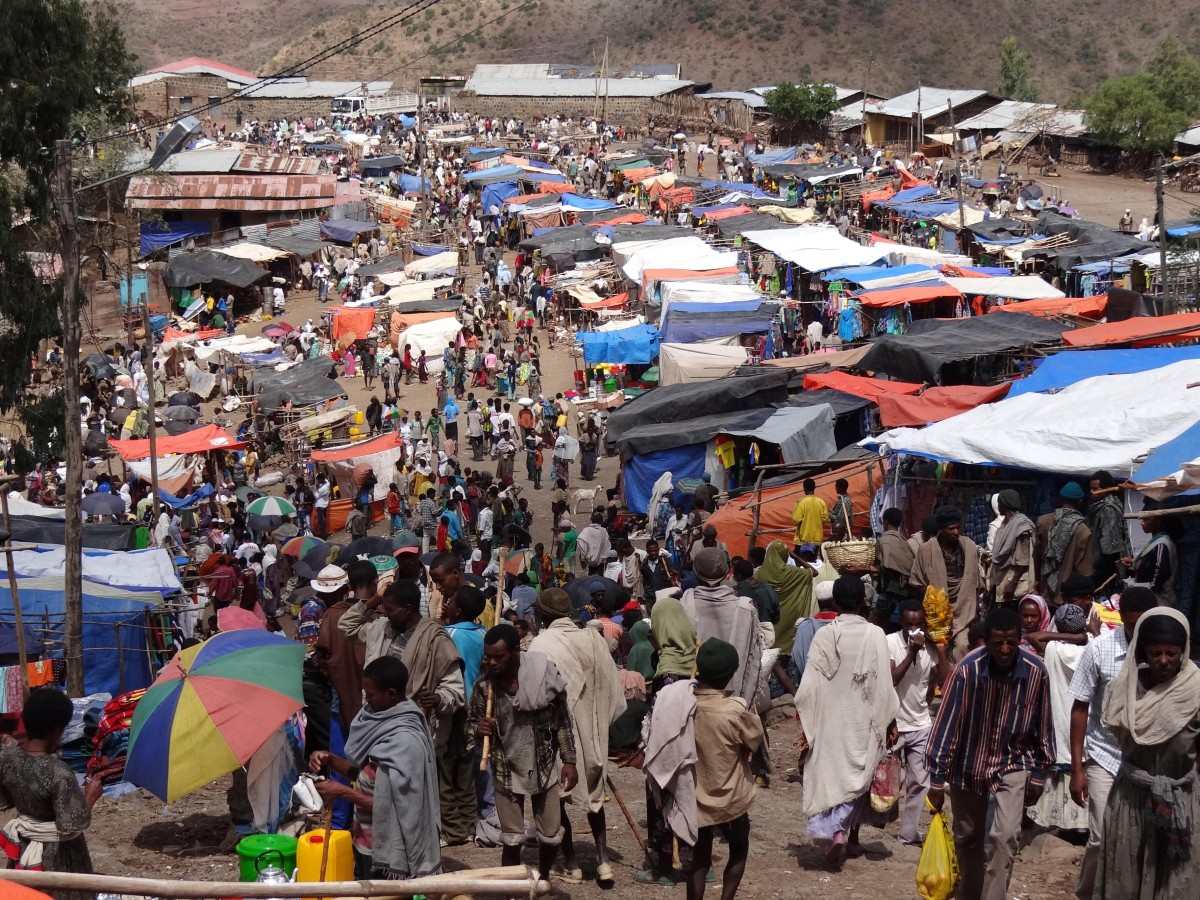
In the town of Lalibela, you can also experience the local culture. Every Sunday, the church will hold a grand worship ceremony. Believers in white robes gather together to chant scriptures. The singing echoes in the valley, and the scene is solemn. Visitors can participate in it and feel the unique charm of religious activities. The local traditional market is also not to be missed. It sells exquisite wooden crosses, hand-woven prayer towels and other souvenirs, as well as fresh fruits and vegetables, and special delicacies, such as the sour and rich Injera with spicy stews, which will make your taste buds bloom in the exotic flavors.
Transportation: From Addis Ababa, the capital of Ethiopia, you can choose to take a plane (about 1 hour) or a long-distance bus (10-12 hours) to reach Lalibela. It is recommended to give priority to flights, which saves time and is comfortable; if you choose a bus, you need to prepare food and water in advance. The scenery on the way is magnificent and you can enjoy the scenery of the Ethiopian plateau.
Accommodation: There are many accommodation options in the town of Lalibela, ranging from affordable homestays to high-end and comfortable hotels. It is recommended to stay in a hotel close to the church group, so that you can get up early to visit and enjoy the quiet beauty of the church at night.
Tickets: The ticket for the rock church group is 2,000 birr for foreign tourists. The ticket is valid for 5 days and can be entered and exited multiple times. It is recommended to keep the tickets properly after purchase for inspection.
Notes: Dress appropriately when entering the church, avoid shorts, short skirts, and off-shoulder clothes; do not use flash when taking photos to avoid damaging the murals; respect local religious customs and do not take photos of believers without permission; the local climate is dry, so pay attention to sun protection and hydration.
The chisel marks from the 12th century are still clearly visible, and the thousand-year-old prayers still echo among the rock walls. The Lalibela Rock Churches, a religious miracle built with faith and sweat, is not only a cultural treasure of Ethiopia, but also a common spiritual wealth of all mankind. It tells the glory of the past with a silent and shocking posture, and also calls on every awe-inspiring tourist to come here to feel the weight of history, the power of faith, and the infinite charm of human wisdom and creativity.