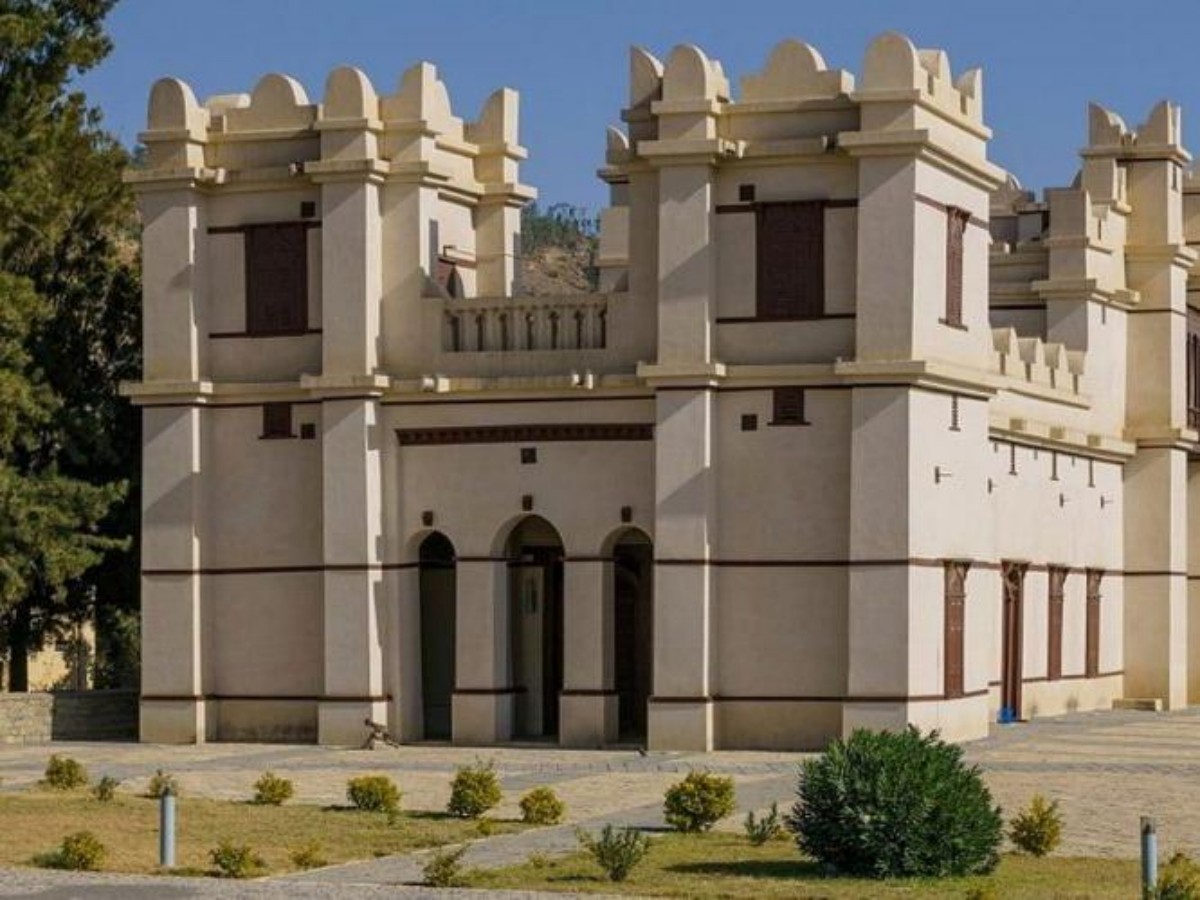
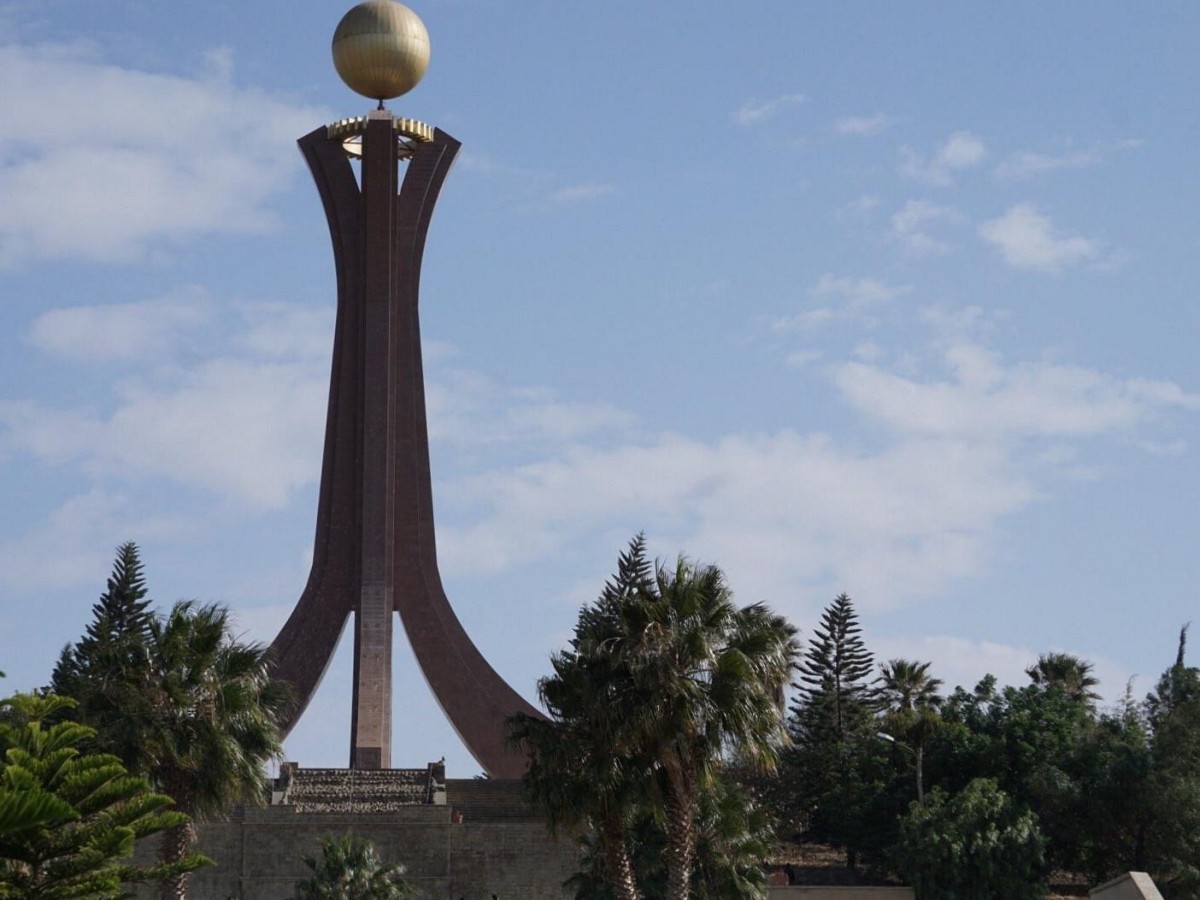
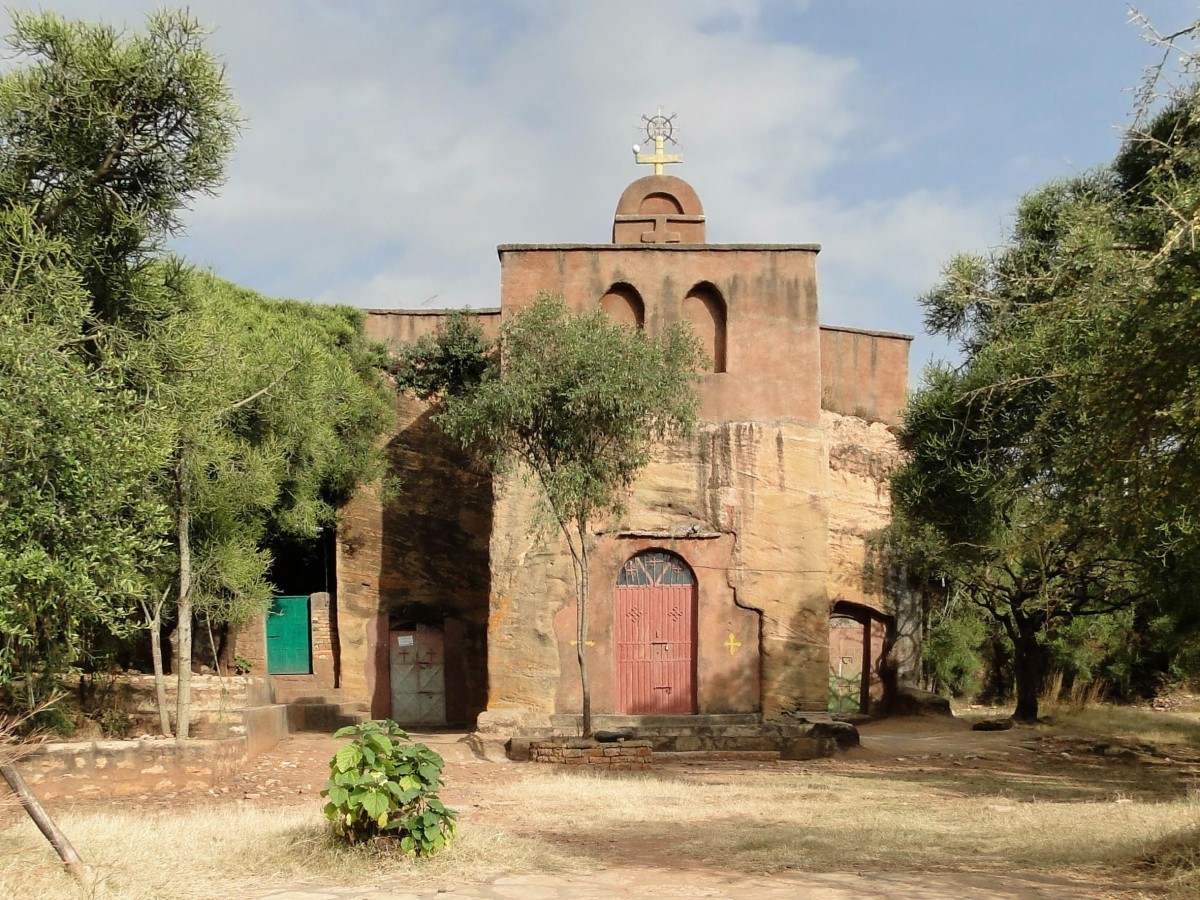
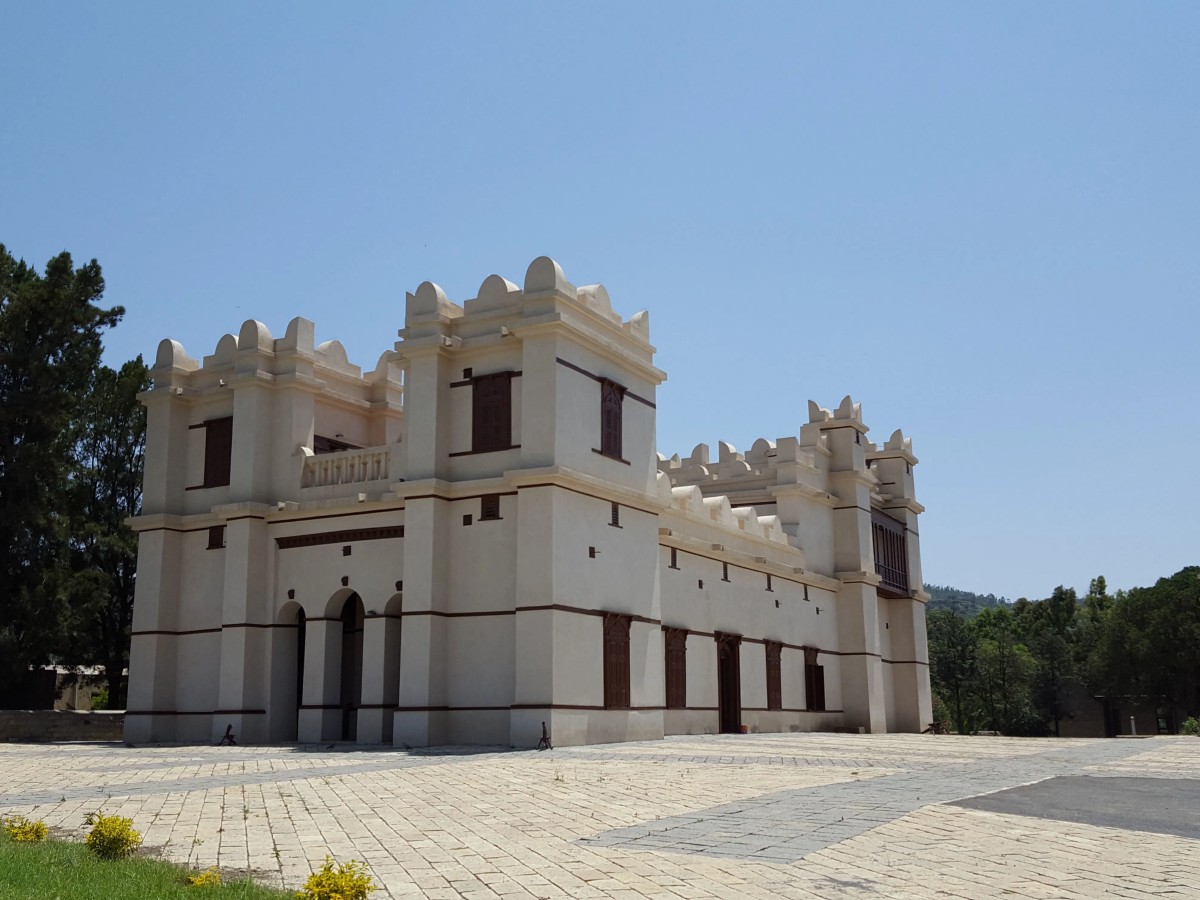
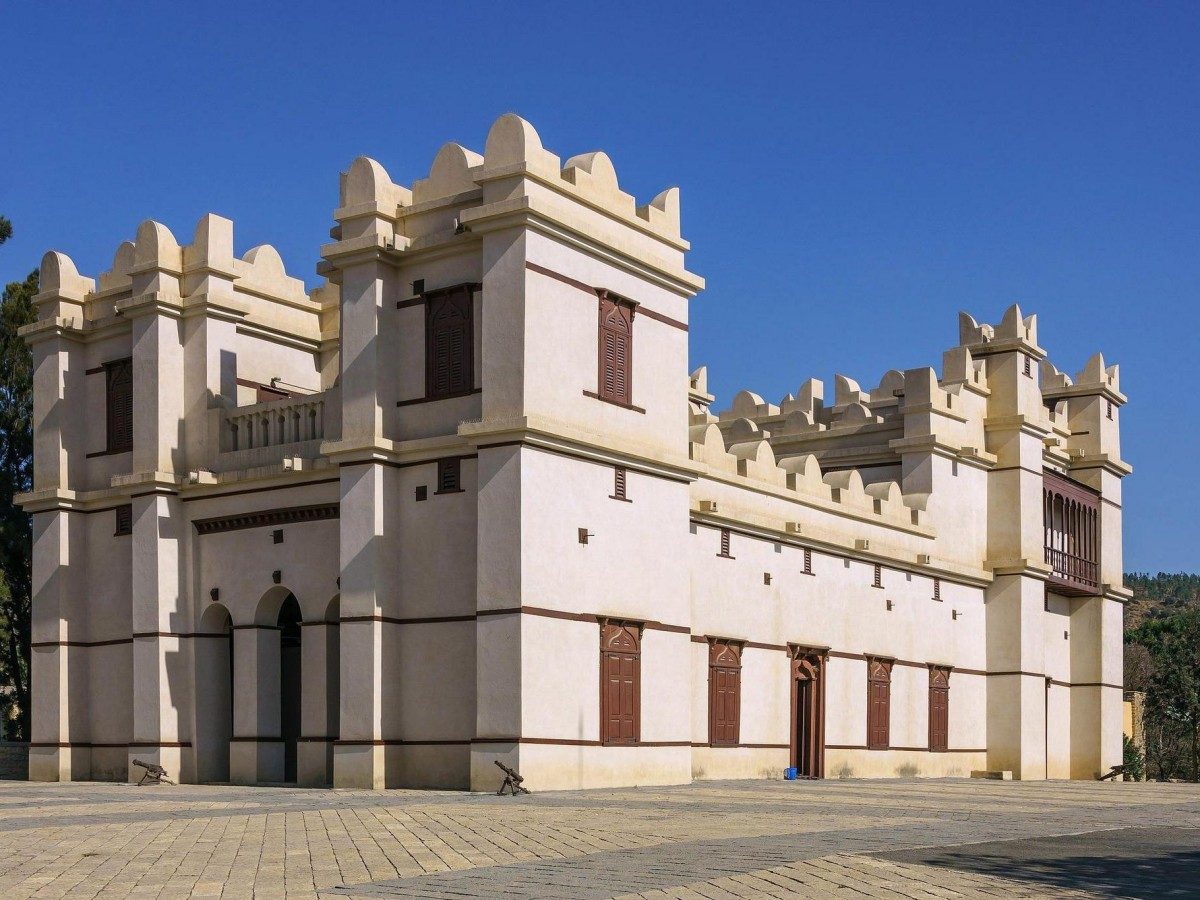
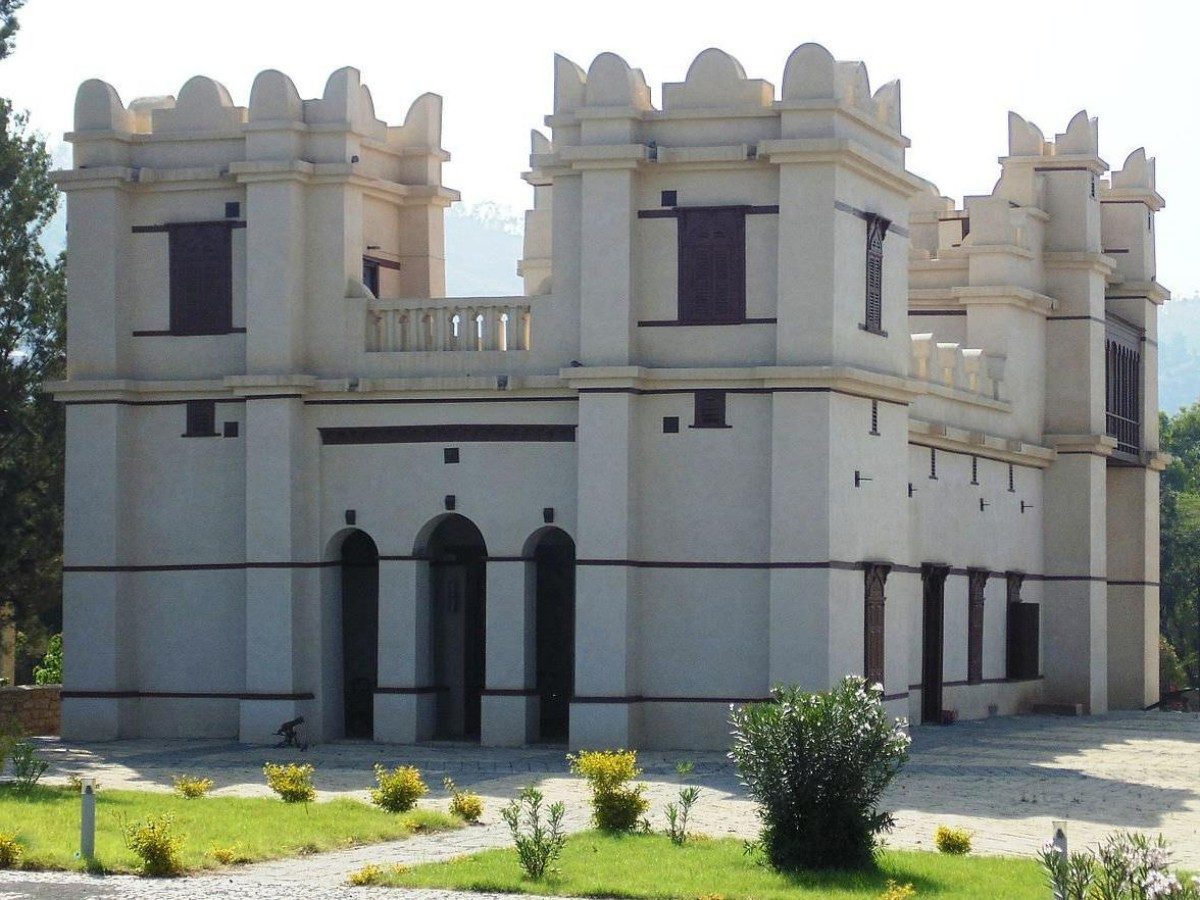
In Mekelle, the capital of Tigray State in northern Ethiopia, a palace that combines Tigray traditions with European craftsmanship stands quietly on the Me'am Anbessa hill, overlooking the city known as the "lion habitat". This is Emperor Yohannes IV Palace, the power center of Yohannes IV, the most legendary ruler of Ethiopia in the 19th century. Now it is a solidified history book, waiting for travelers to unveil its mystery.
Advertisement
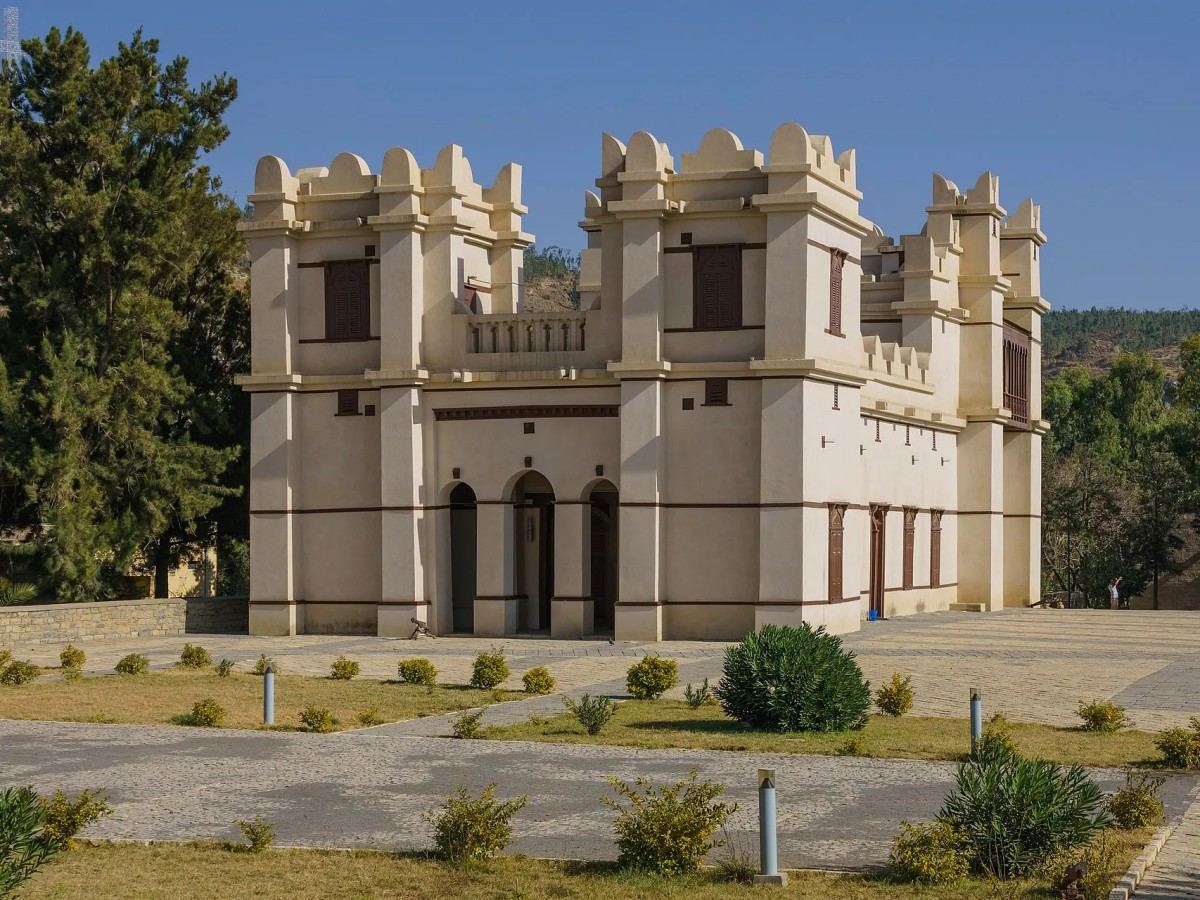
The Yohannes IV Palace was built in the 1870s and took nearly ten years to complete. The design of this palace can be called a "cultural melting pot" in the history of architecture: the main body adopts the unique **Hid Mo architectural style** of the Tigray region, with local granite as the base, the walls are built of sun-dried mud bricks, and the roof is covered with thatch, showing the ruggedness and simplicity of the Ethiopian plateau. But the emperor's pursuit of craftsmanship did not stop there - he invited Italian engineer Giacomo Naretti to participate in the construction and incorporate European woodworking technology into it. The doors and windows of the palace are carved with exquisite geometric patterns and plant patterns, especially the backrest of the emperor's throne, which is made of Lebanese cedar and inlaid with ivory and mother-of-pearl, as if it perfectly combines the elegance of the Mediterranean with the wildness of Africa.
Advertisement
Through the heavy wooden door and stepping into the core area of the palace, the first thing that comes into view is the **audience hall**. This was once the place where Johnnes IV received foreign envoys and issued decrees. It still retains its original appearance in the 19th century: the floor is covered with hand-woven Tigray carpets, and the walls are hung with tapestries depicting the emperor's battle scenes. The most eye-catching is the **Golden Throne** designed by Nareti. The center of the backrest is carved with a lion totem - this is the symbol of the Ethiopian royal family, and on both sides are angel reliefs from biblical stories. It is said that the emperor would pray here before major ceremonies.
Advertisement
On the other side of the palace is the royal living area, including Johnnes IV's bedroom, study and private chapel. The four-poster bed in the bedroom was made by local craftsmen, and the bedspread was embroidered with the cross star pattern of the Aksumite Empire; the walnut desk in the study was piled with parchment documents, one of which was a handwritten memorandum in 1888, which was still clearly visible, recording the emperor's tough attitude towards Italian colonists. The chapel is small but full of sacredness. The murals on the wall depict the story of St. George slaying the dragon. It is said that this is a theme selected by the emperor himself, implying his mission as the "guardian of Christianity."
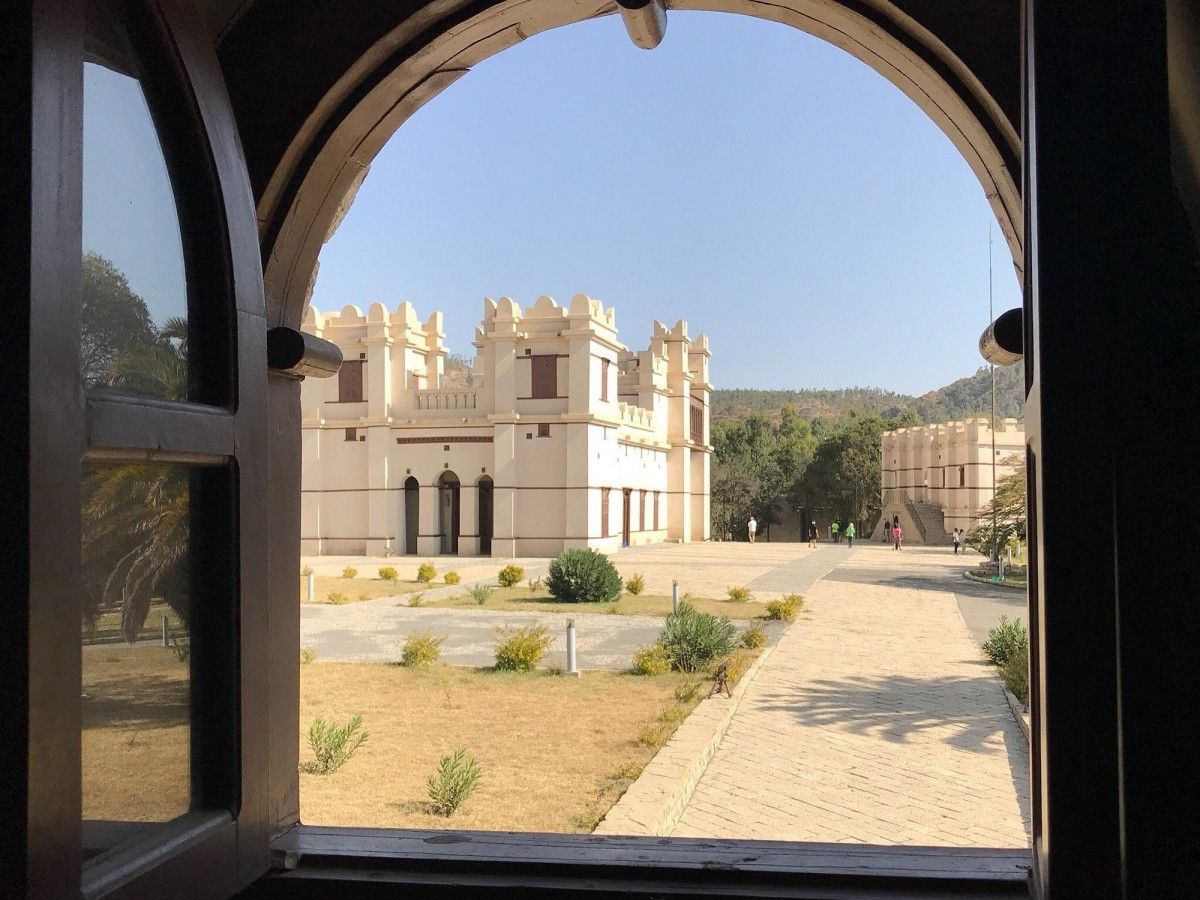
In 1889, Yohannes IV was killed in the Battle of Metema against the Mahdi Army, and the palace gradually declined. In the 1970s, with the support of UNESCO, the palace was transformed into a museum and became an important place for studying Ethiopia's modern history. However, the Tigray War that broke out in 2020 dealt a heavy blow here: some cultural relics were looted, the murals in the chapel were destroyed, and cracks appeared in the wooden doors and windows designed by Nareti. Today, although restoration work is still underway, the ruins of the palace have added a sense of tragic history.
Mekelle, where the palace is located, has been a key point on the trade route since ancient times. In the 19th century, salt merchants from the Danakil Depression came here in an endless stream, transporting white salt bricks here and then reselling them throughout East Africa. Today, the Ed Aga Suni market near the palace still retains the style of a traditional market, with the aroma of spices, handmade pottery and Ethiopian coffee intertwined, as if going back in time. The palace itself has become a cultural landmark in Mekelle. The annual Yohannes IV Cultural Festival attracts artists from all over the country, and traditional music and modern dance collide in the ancient courtyard to create wonderful sparks.
Opening hours: Currently, the palace is only open from 9:00 am to 4:00 pm and closed on Mondays (subject to on-site announcements).
Ticket information: Foreign tourists are charged about 200 birr, and students can enjoy half price with their ID.
Guide service: It is recommended to book a professional guide in advance (cost about 100 birr), who can not only explain the details of the building, but also share anecdotes about Yohannes IV, such as how he used the telegraph brought by Italian engineers to deal with European powers.
Transportation suggestions: It takes about 10 minutes to get there by taxi from the center of Mekele, and the cost is about 30 birr; you can also walk up the mountain road and overlook the panoramic view of the city on the way.
Yohannes IV Palace is not only a building, but also a symbol of the Ethiopian national spirit - it witnessed the life of an emperor fighting to defend national independence, and also carries the tenacity of the Tigray people to protect their cultural heritage in turmoil.