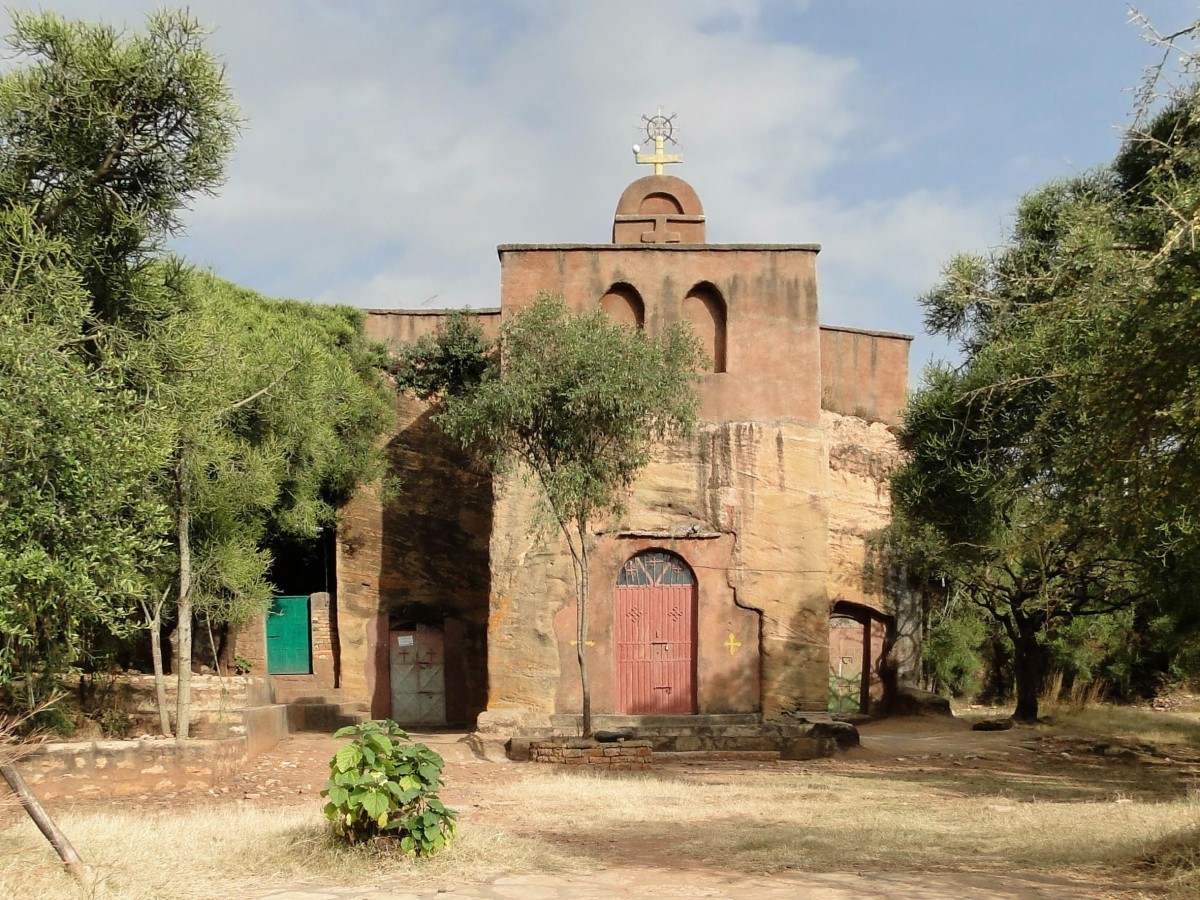
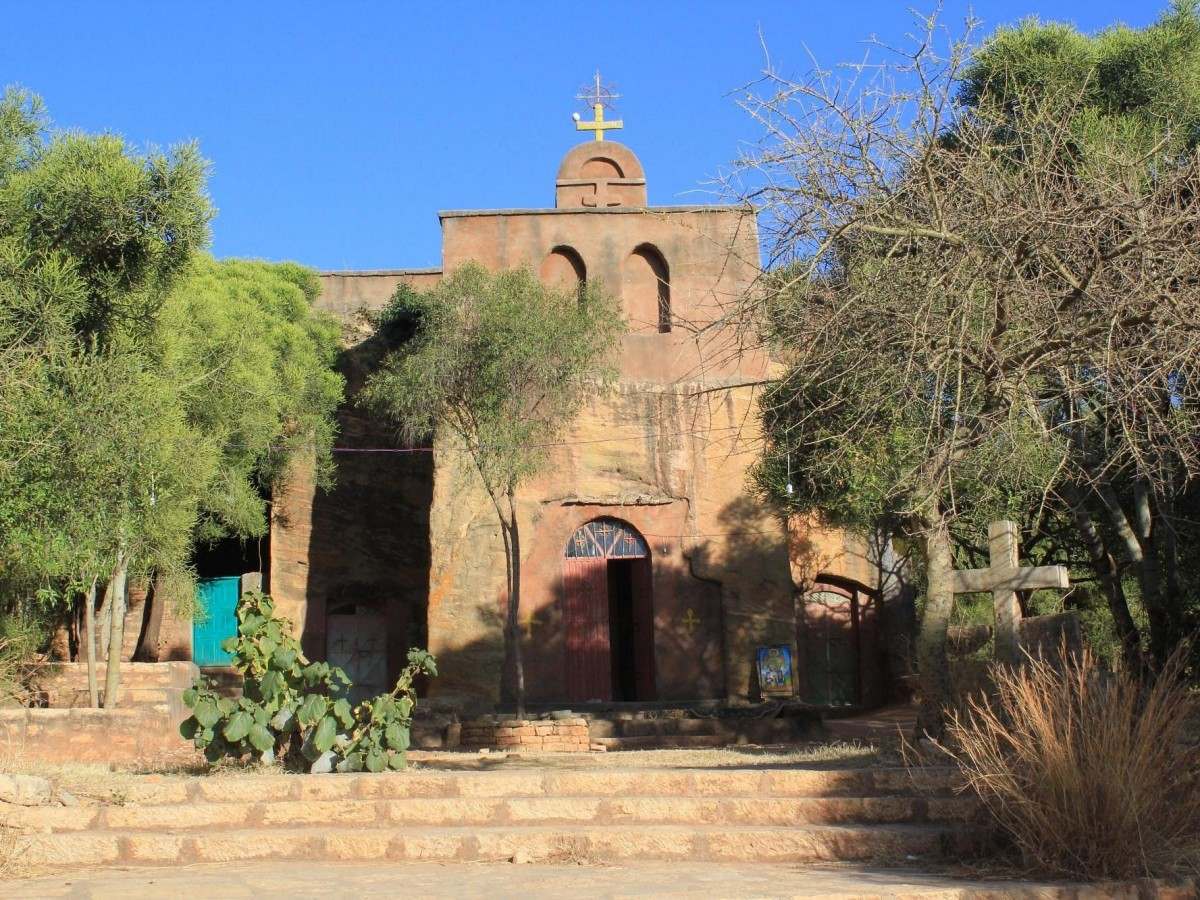
Wukro Chirkos, this church carved from a whole piece of rock, seems to be a miracle growing from the depths of the earth. Its history can be traced back to the 4th century AD, two or three hundred years earlier than the famous Lalibela Rock Church. It is located on the edge of the small town of Wukro, about 47 kilometers from the state capital Mekelle. Walking along the winding mountain road, when the huge cross-shaped building suddenly appears in front of you, you will instantly be hit by a sacred feeling beyond time and space - this is not an ordinary church, but a solidified historical epic, an eternal witness of faith and wisdom.
Advertisement
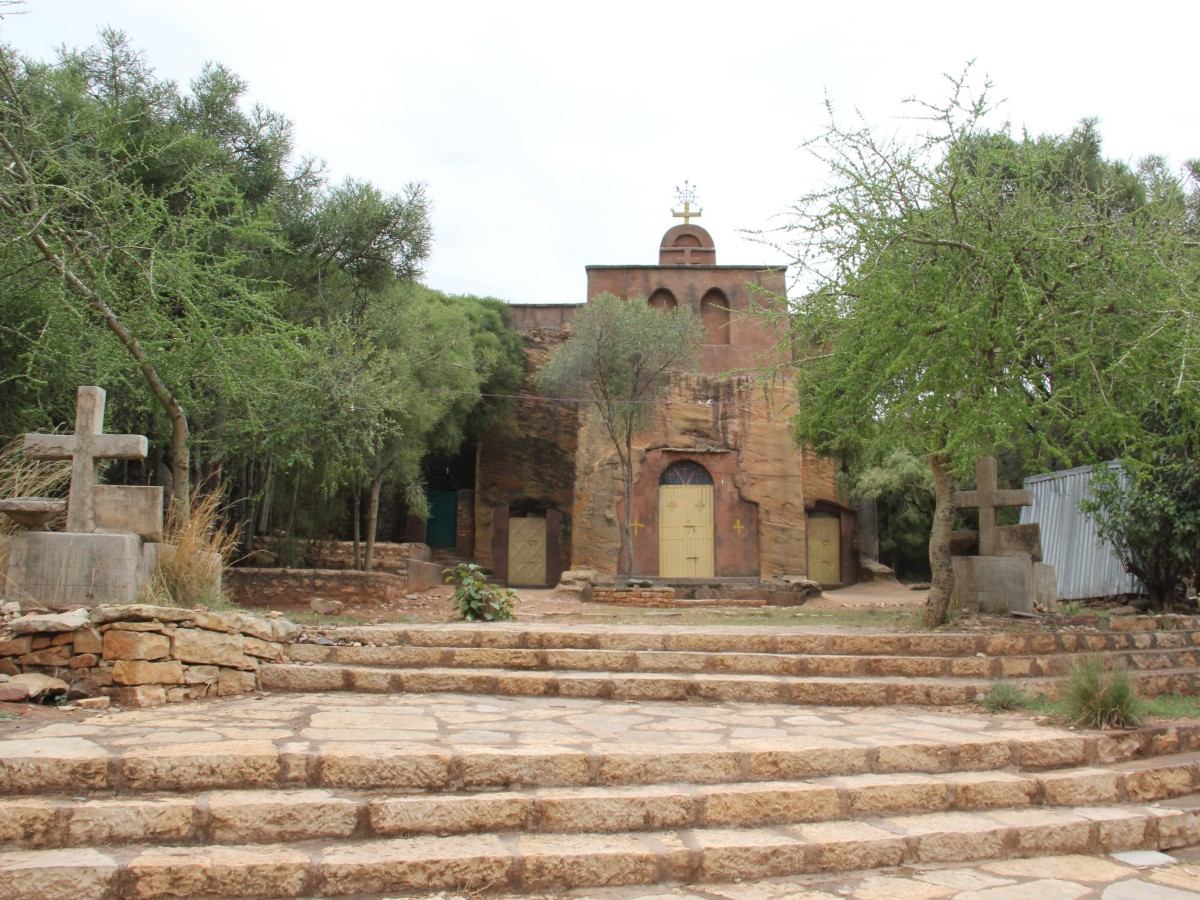
The construction of Wukro Chirkos is a feat in the history of architecture. With extraordinary patience and skills, the craftsmen carved the main structure of the church from the hard volcanic rock. The interior space is as high as 10 meters, and the cross-shaped layout symbolizes the core of Christian faith. The entrance design of the church is particularly ingenious. The central stone pillar forces believers to enter sideways, implying awe of the sacred space. Looking up, the ceiling is carved with exquisite geometric patterns and crosses. Although it has gone through thousands of years of wind and rain, you can still feel the craftsmen's ultimate pursuit of details.
Advertisement
Compared with other Tigray churches, Wukro Chirkos has fewer murals, but the purity of its architecture itself is more shocking. The interior of the church consists of three parts: the chanting area, the sanctuary and the holy of holies. Every stone pillar and every arch carries the legacy of Aksumite civilization. It is worth mentioning that a layer of building was later added to the edge of the roof of the church, imitating the style of the Gondar period, which marked the transition from the early rock carving tradition to architectural art.
1. Wukro Cherkos: a symphony of roughness and delicacy
Advertisement
As the most accessible rock church in the Tigray region, Wukro Cherkos is famous for its majestic volume and unique "cross-square" structure. The exterior of the church looks rough, but the interior hides amazing details: the elliptical chamfers on the capitals, the geometric reliefs on the walls, and the six rock-hewn altars in the Holy of Holies all show the exquisite skills of ancient craftsmen. The cemetery around the church also buries the remains of Italian soldiers during World War II, adding a sense of historical vicissitudes to this ancient building.
2. Abreha and Atsbeha Monastery: Heaven in the Frescoes
After about an hour's drive, you will arrive at another treasure - the Abreha and Atsbeha Monastery. This red rock church is famous for its well-preserved murals, with bright colors and delicate brushstrokes depicting biblical stories and the lives of saints. One of the murals depicting the Virgin Mary is particularly moving, with a soft face and smooth folds, as if she will walk down the wall in the next second. Photography is prohibited in the church, but you might as well calm down and let these medieval art masterpieces talk directly to your heart.
3. Abuna Yemata: Faith on the Cliff
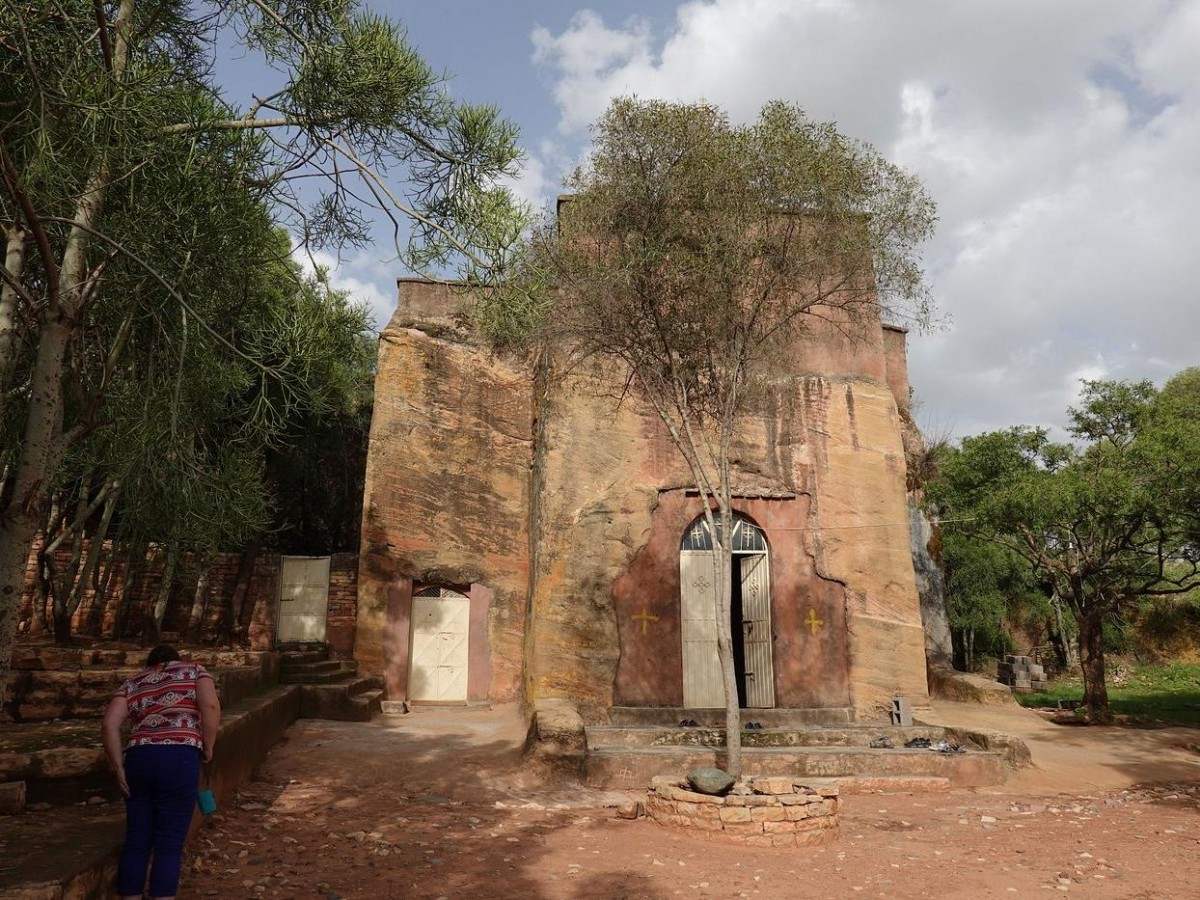
If you want to experience a real adventure, don't miss the Abuna Yemata Church. This church hanging on a 100-meter cliff requires climbing a nearly vertical rock wall to reach it. On the way, you need to use iron chains and chiseled stone steps. Every step tests your courage and physical strength. When you finally stand in front of the church, overlooking the deep valley below and the mountains in the distance, you will understand why it is called "the most dangerous church in the world"-the power of faith is enough to make people transcend fear and talk to heaven and earth.
1. Transportation: 4WD is a must-have partner
Due to the complex road conditions in the Tigray region, it is recommended to choose a 4WD or join a local tour group. Starting from Mekelle, drive northeast along the main road for about 1 hour to reach Wukro, but some sections may be difficult to pass due to muddy rainy season. If you want to explore more remote churches, such as Abuna Yemata, it is best to follow an experienced guide who is familiar with the route and can provide safety guarantees.
2. Accommodation: Set up camp in Mekelle
Accommodation in Wukro town is limited, so it is recommended to stay in Mekelle. There are options such as Planet Hotel and Moringa Hotel, with prices ranging from US$60-100, free breakfast and Wi-Fi. If you want to experience local culture, you can also try Tigray's traditional straw dome house to experience the lifestyle of nomads.
3. Tickets and guides: the key to cultural exploration
Churches in the Tigray region usually require tickets, which are included in the tour package (about US$700/person, including accommodation, transportation and guide). If you go on your own, you can hire a guide at the tourism office in Mekelle for about 50-100 birr/day. The guide can not only provide historical explanations, but also help coordinate church visits.
4. Best time: avoid the rainy season and conflict
The dry season in Tigray (October to April of the following year) is the best time to travel, when the weather is clear and the road conditions are good. It should be noted that although the Ethiopian government has resumed tourism in some areas, Tigray is still listed as an "avoid travel" area by the UK FCDO. Be sure to check the latest safety announcements before departure and avoid going to border areas.
5. Cultural etiquette: respect faith and tradition
You need to dress appropriately when entering the church (avoid shorts and short skirts), and women need to cover their heads with headscarves. You should ask the clergy for permission before taking photos, as some churches may prohibit photography. When interacting with local residents, you can prepare some small gifts (such as stationery, candy), which will make your journey warmer.
6. Food: Ethiopia on the tip of the tongue
In the streets and alleys of Mekelle, don't miss Ethiopia's national food - injera. This fermented teff flatbread is served with stew (wat) and has a slightly sour taste. It is the staple food of the locals. In addition, try a cup of coffee in the traditional coffee ceremony and feel the enthusiasm of the Ethiopians in the aroma of charcoal fire.
These churches are not only religious sites, but also symbols of the wisdom and tenacity of the Tigray people - in the arid and barren land, they used faith to create miracles and used art to record civilization. Today, despite the challenges that Tigray still faces, Wukro Chirkos still opens its arms and waits for brave explorers.