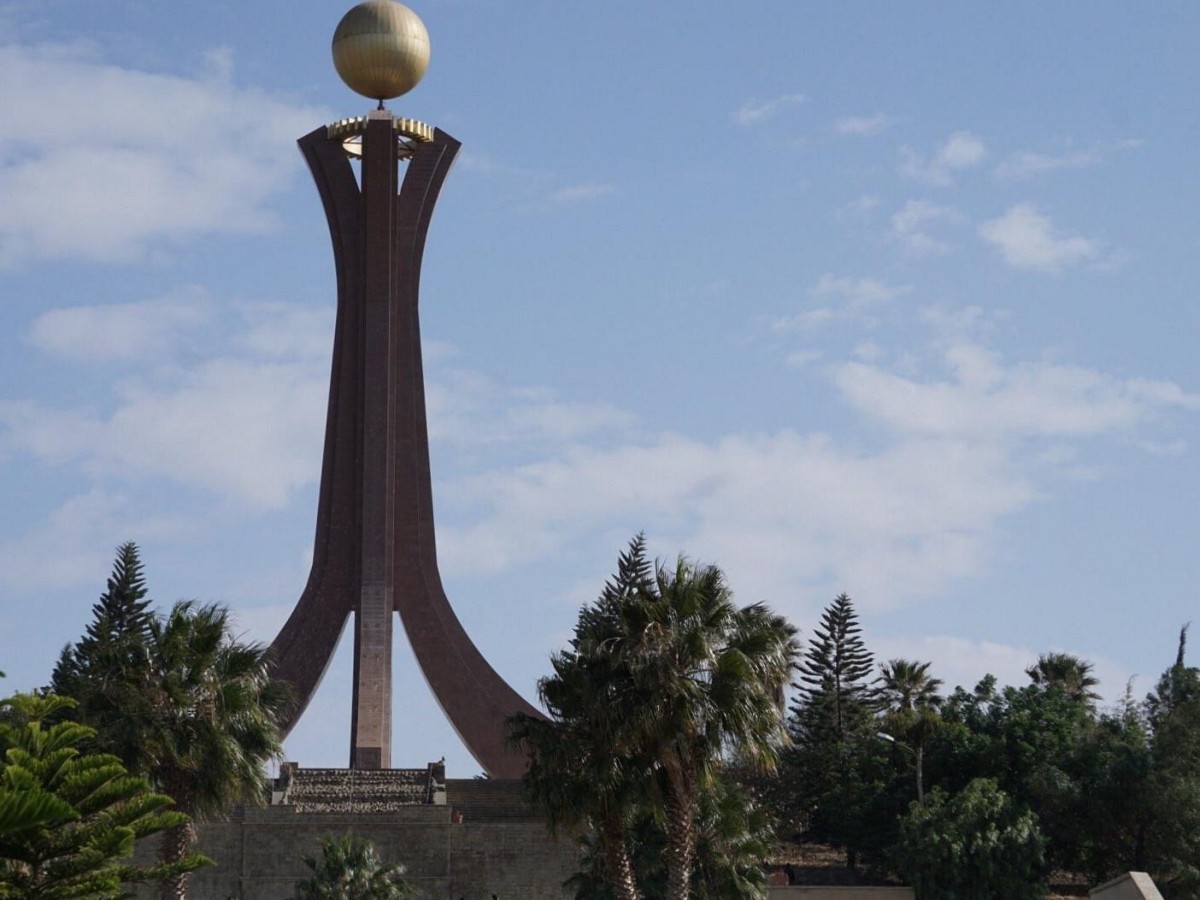
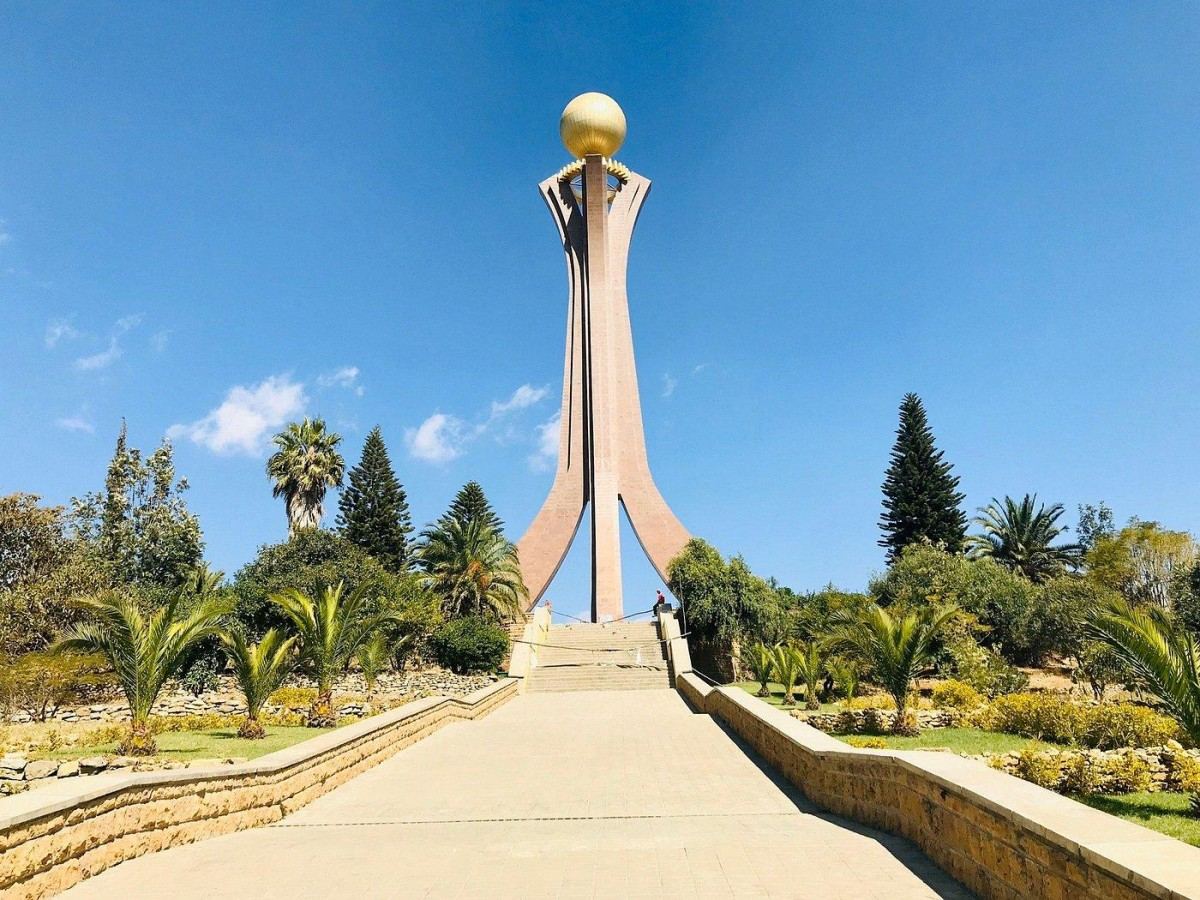
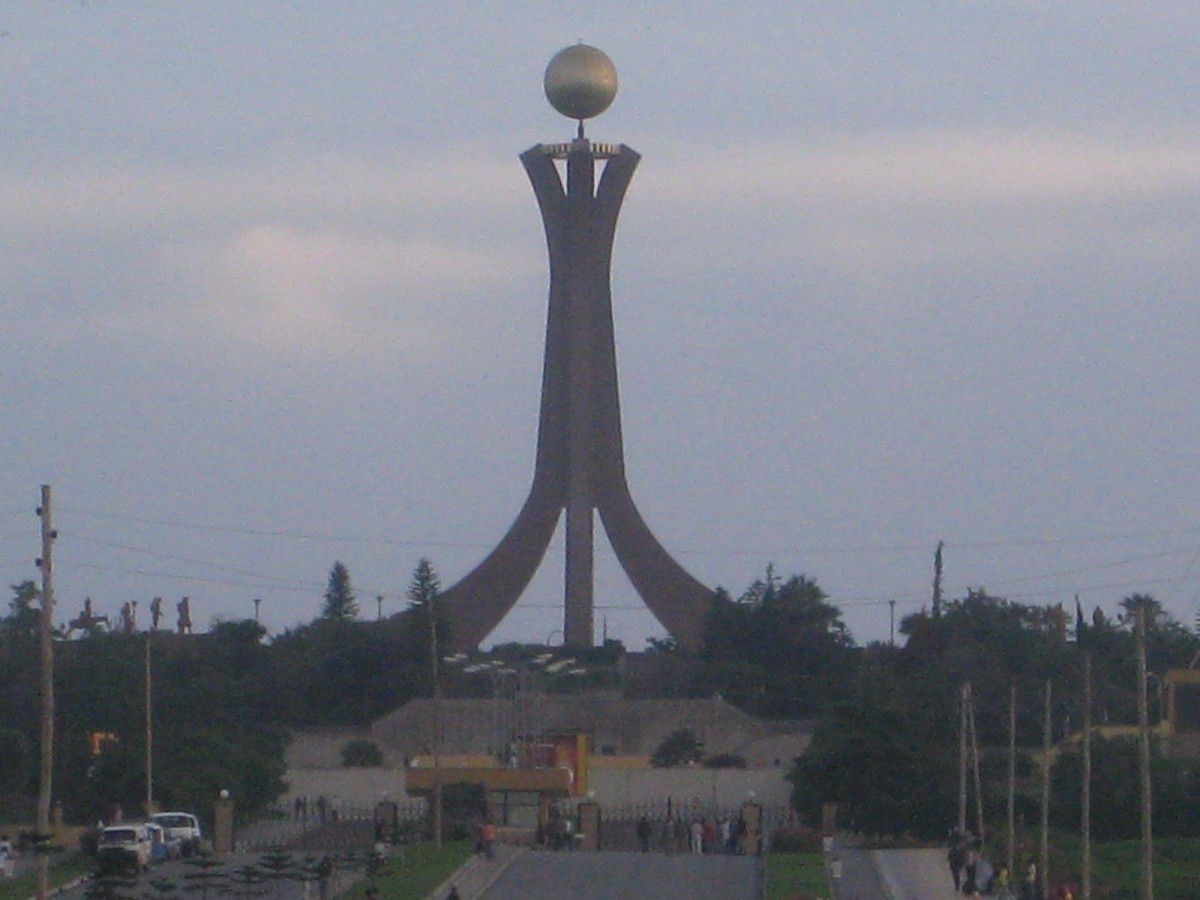
In Mekelle, the capital of Tigray State in northern Ethiopia, a building shaped like a giant golf ball and a tee stands abruptly on the edge of the city. When the morning sun penetrates the thin clouds on the plateau and the golden light shines on this concrete behemoth, you will find that it is far from as simple as it seems on the surface - this building, called the "Martyrs' Memorial Monument" by the locals, is actually a solidified epic, carrying the memory of the Tigray people's half-century struggle.
Advertisement
To understand this monument, you must first understand the land where it was born. In the 1970s, Ethiopia fell into military dictatorship, and farmers and students in the Tigray region took the lead in raising the banner of resistance and established the Tigray People's Liberation Front (TPLF). This 17-year armed struggle eventually overthrew the Mengistu regime in 1991, but at the cost of more than 100,000 lives and countless broken families. The land where the monument is located was once a secret base of the guerrillas, and there are still unexploded mines underground.
Advertisement
The architect deliberately used rough concrete materials when designing, and the exposed surface was not modified in any way, as if telling the cruelty of war. Looking down from the air, the hemispherical base with a diameter of 40 meters symbolizes the mother earth, holding up the 60-meter-high spire - this shape is not accidental. It is derived from the curves of traditional Tigray pottery and incorporates the spire elements of the Orthodox Church, cleverly combining local culture with spiritual beliefs. The base is surrounded by 17 stone pillars, corresponding to the 17 years of struggle. Each stone pillar is engraved with the name of the sacrifice, which is still clearly visible under the erosion of wind and rain.
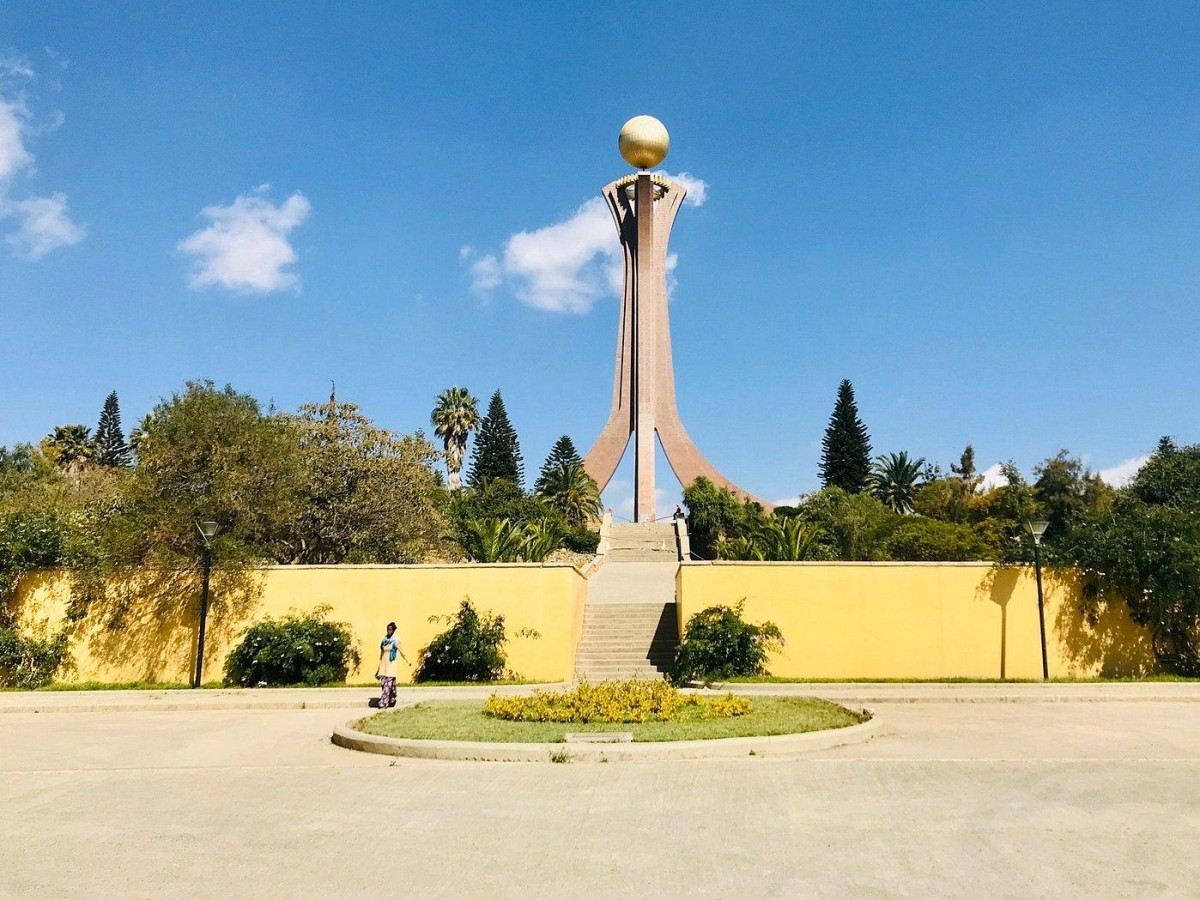
When you climb to the top of the monument along the spiral trail, you will have a 360-degree panoramic view of Mekelle. But what is really shocking is the giant relief embedded in the tower. These 5-meter-high and 200-meter-long bronze reliefs reproduce war scenes in a surreal way: twisted human bodies intertwined with flying doves of peace, bullets turned into thorns entangled in children's cradles, and wild poppies blooming in soldiers' helmets. The most controversial is the "Broken Sword" sculpture at the entrance - an AK-47 rifle cut in half, with an olive branch growing out of the muzzle. This tense image has sparked countless discussions. Some people think it symbolizes the end of violence, while others interpret it as the continuation of the spirit of resistance.
Advertisement
The design of the interior of the monument is also full of metaphors. The floor of the sunken exhibition hall is paved with black basalt, which will emit a dull echo when walking, as if it is a sigh of history. In the center of the exhibition hall is a pyramid made of 100,000 shells, each of which is engraved with the year of birth and death of the victim. On the wall hangs the battlefield photography of the year. One of the photos records the moment when a guerrilla used the last bit of clean water to moisten the baby's lips during the Great Famine in 1984, which forms a sharp contrast with the UN relief supplies displayed next to it.
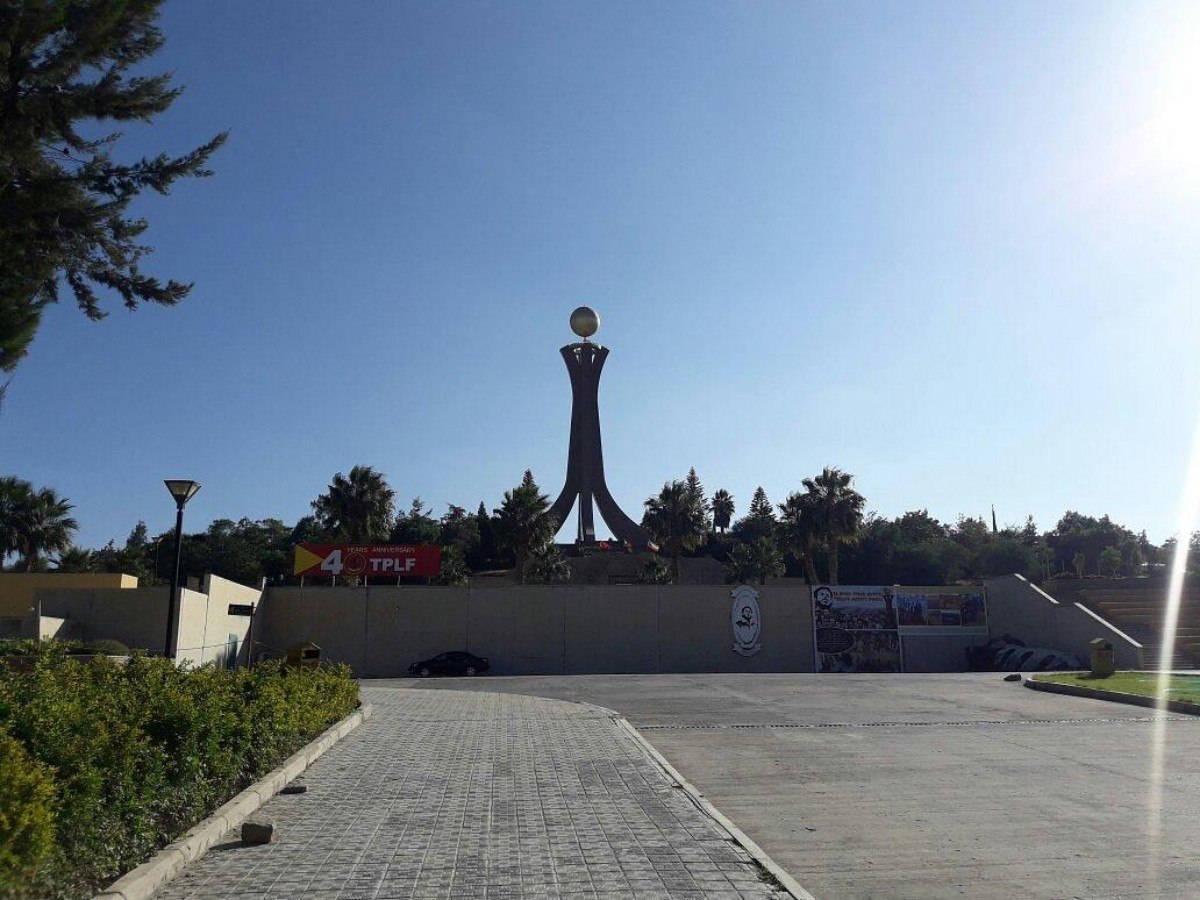
Every Friday afternoon, a special "memory sharing session" is held in the monument square. The white-haired old guerrillas will bring their grandchildren here and tell the story of the year in Tigray. They will point to a vague figure on the relief and say: "Look, that's your grandfather. He finally rushed towards the enemy with this knife." This way of oral history allows the younger generation to establish an emotional connection with the monument that transcends time and space.
The interactive installations in the museum are even more impressive. Wearing VR glasses, you will "travel" to the battlefield in 1987 and experience the tension and fear of the guerrillas during the night raid; touch the grenade model in the glass display case, and its production date and country of manufacture will pop up on the screen-most of these weapons came from the Soviet Union or China during the Cold War, silently telling the fate of small countries under the game of big powers. The most special thing is the "sound wall". Visitors can listen to the oral history of survivors by scanning the code. One of the recordings of a mother is tearful: "My son was only 18 years old when he died. In his last letter, he said that when the war is over, he will take me to Addis Ababa to see giraffes."
After visiting the monument, you may want to stroll to the nearby "free market". This was once a distribution center for supplies for the Tigray guerrillas, and it still retains a strong wartime color: in addition to spices and pottery, you can also see rusty military kettles, faded guerrilla badges, and even occasional old-fashioned mine detectors on the stalls. Smart stall owners will enthusiastically sell "war souvenirs" to tourists, but locals are more willing to talk about how the monument has changed their lives.
At dusk, climb the small hill next to the monument, and the whole building glows blood red in the sunset. At this time, you will find that the city skyline of Mekelle forms a wonderful echo with the monument - the newly built glass curtain wall office building stands side by side with the quaint Orthodox church, and the modern and the traditional have reached a subtle reconciliation on this scarred land. The church bells in the distance are intertwined with the children's playful sounds in the monument square, as if telling: the war will eventually pass, but the memory will never be erased. Before leaving Mekelle, you may wish to leave a message in the visitor book of the monument. Among the dense messages, a short poem written in Amharic is particularly eye-catching: "Our names are written on stones, and our stories are engraved in the sky." This seemingly cold concrete building is actually a spiritual home built by the people of Tigray with blood and tears.