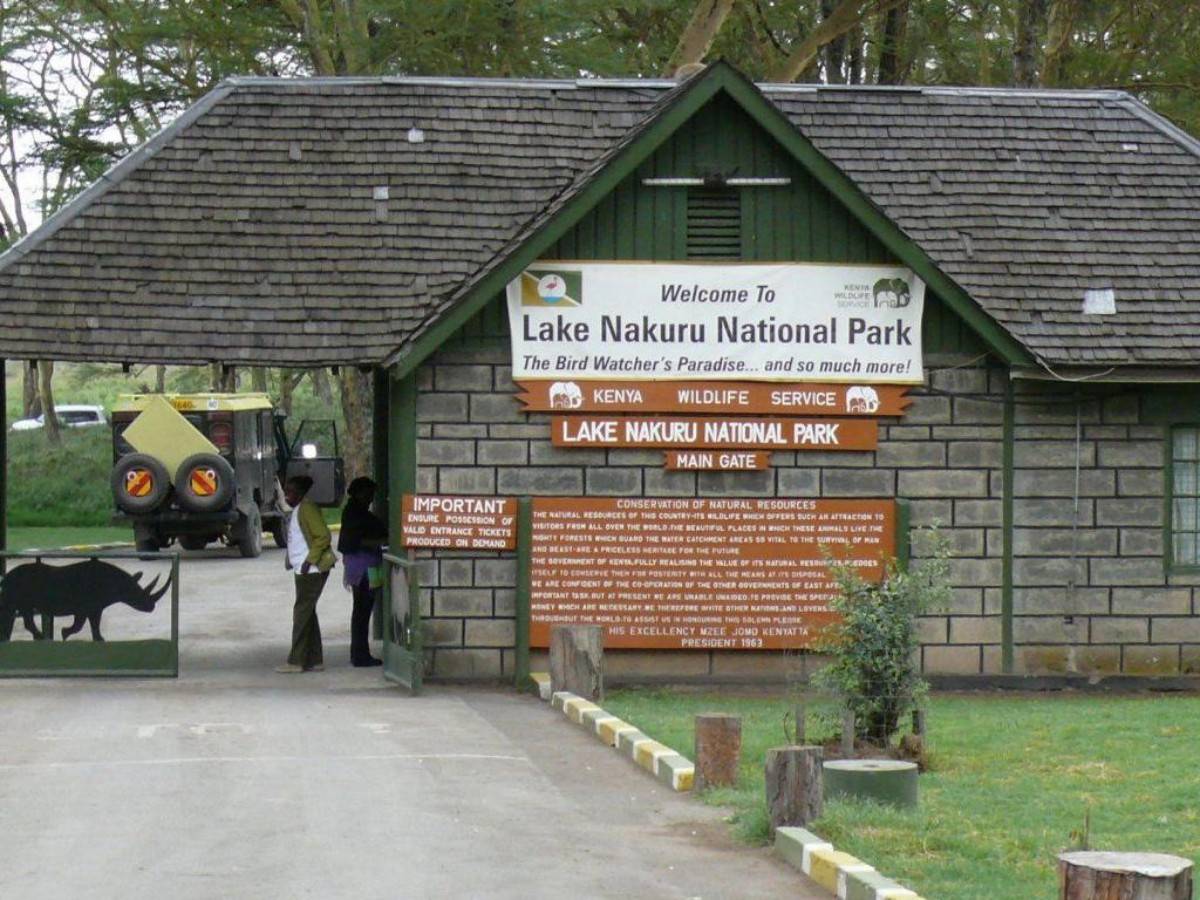
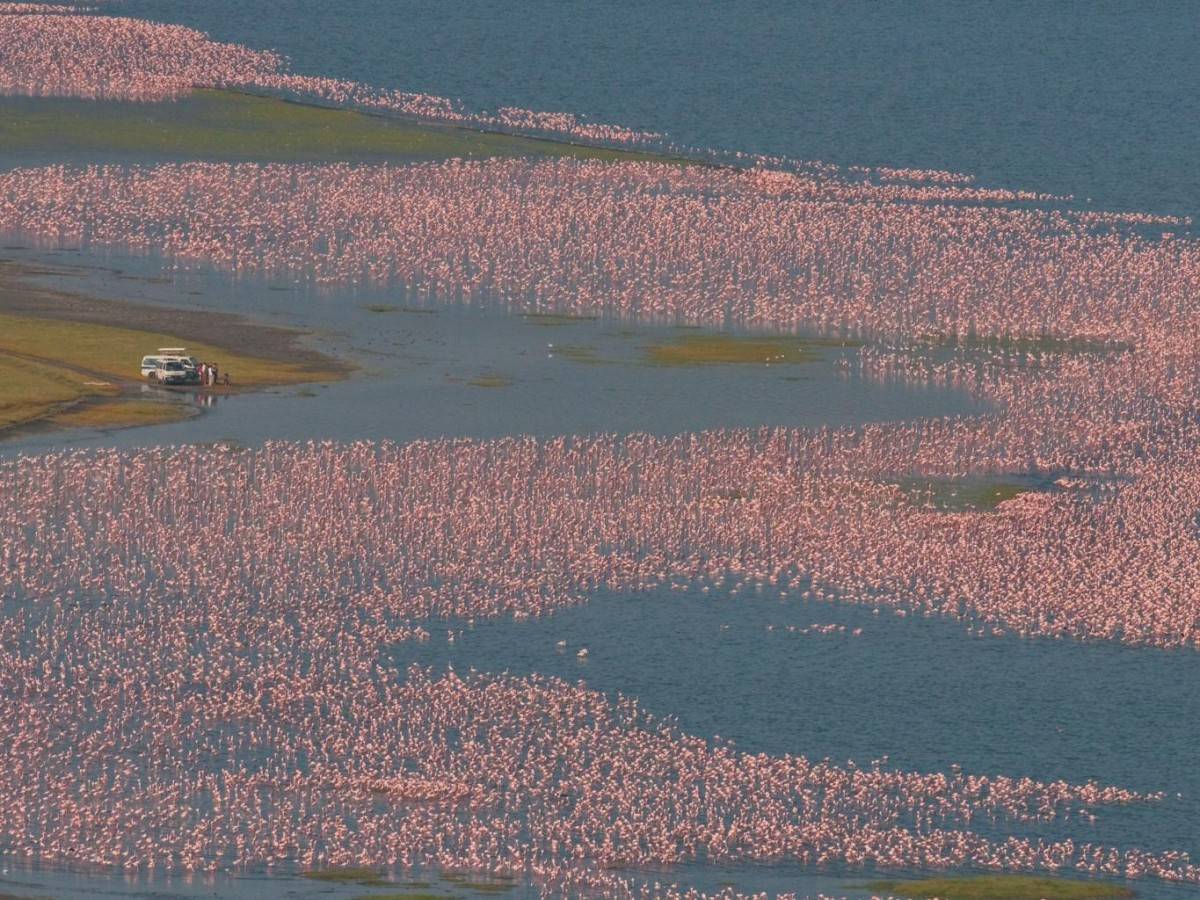
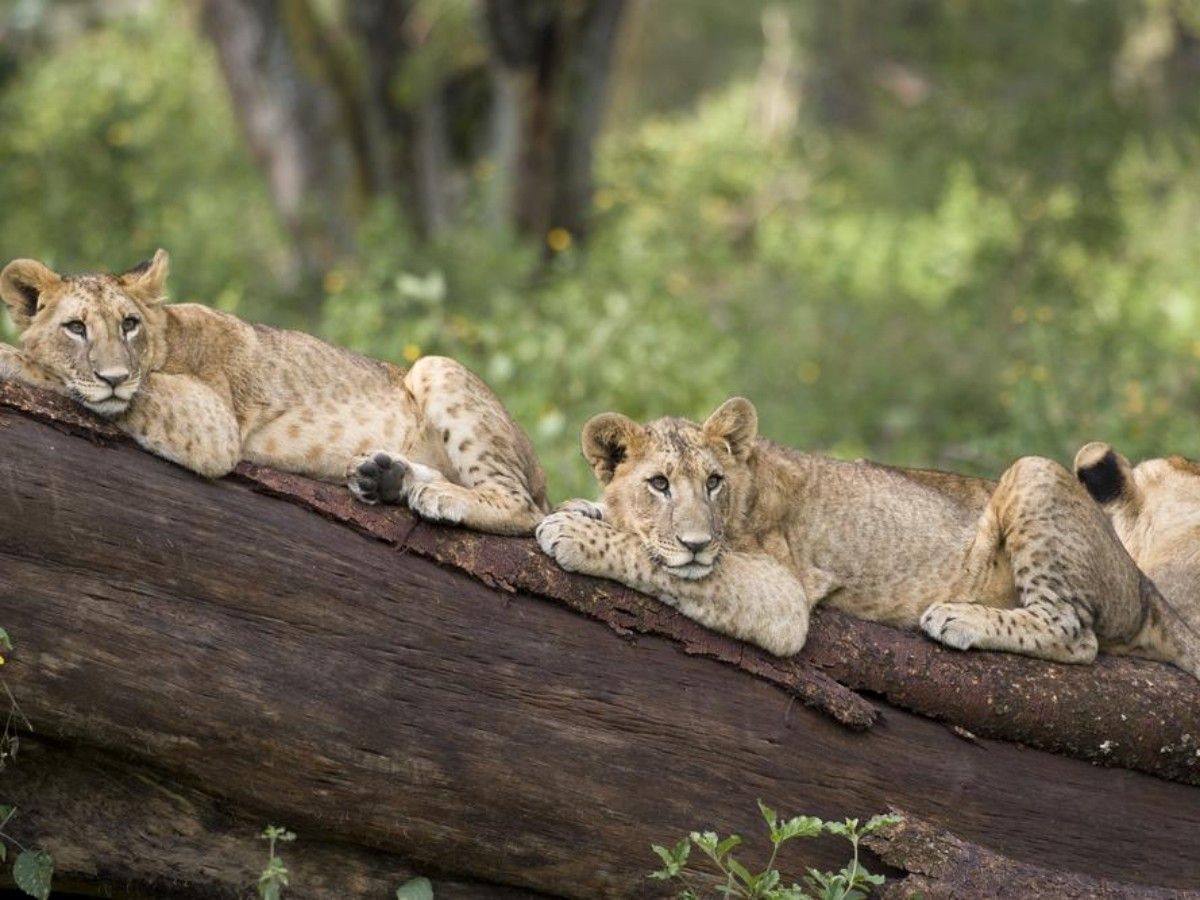
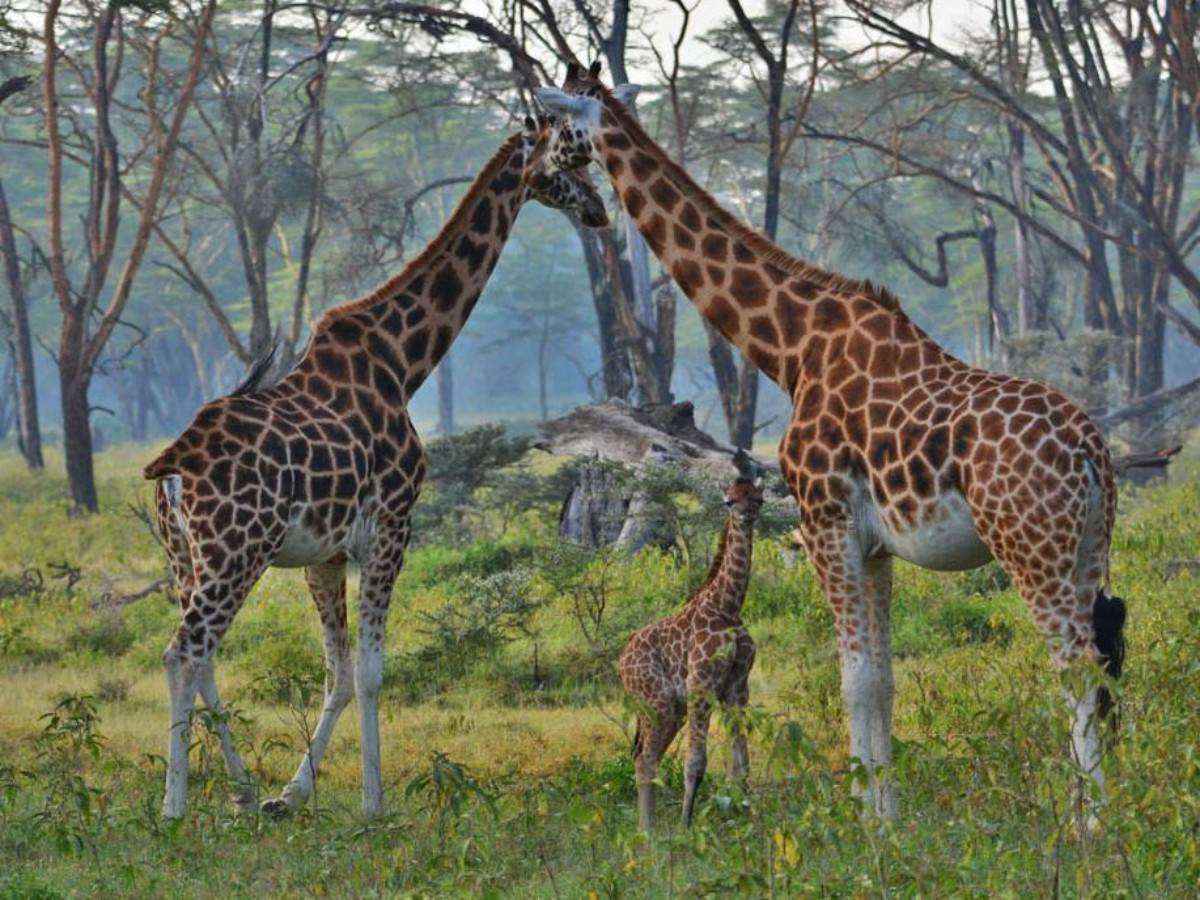
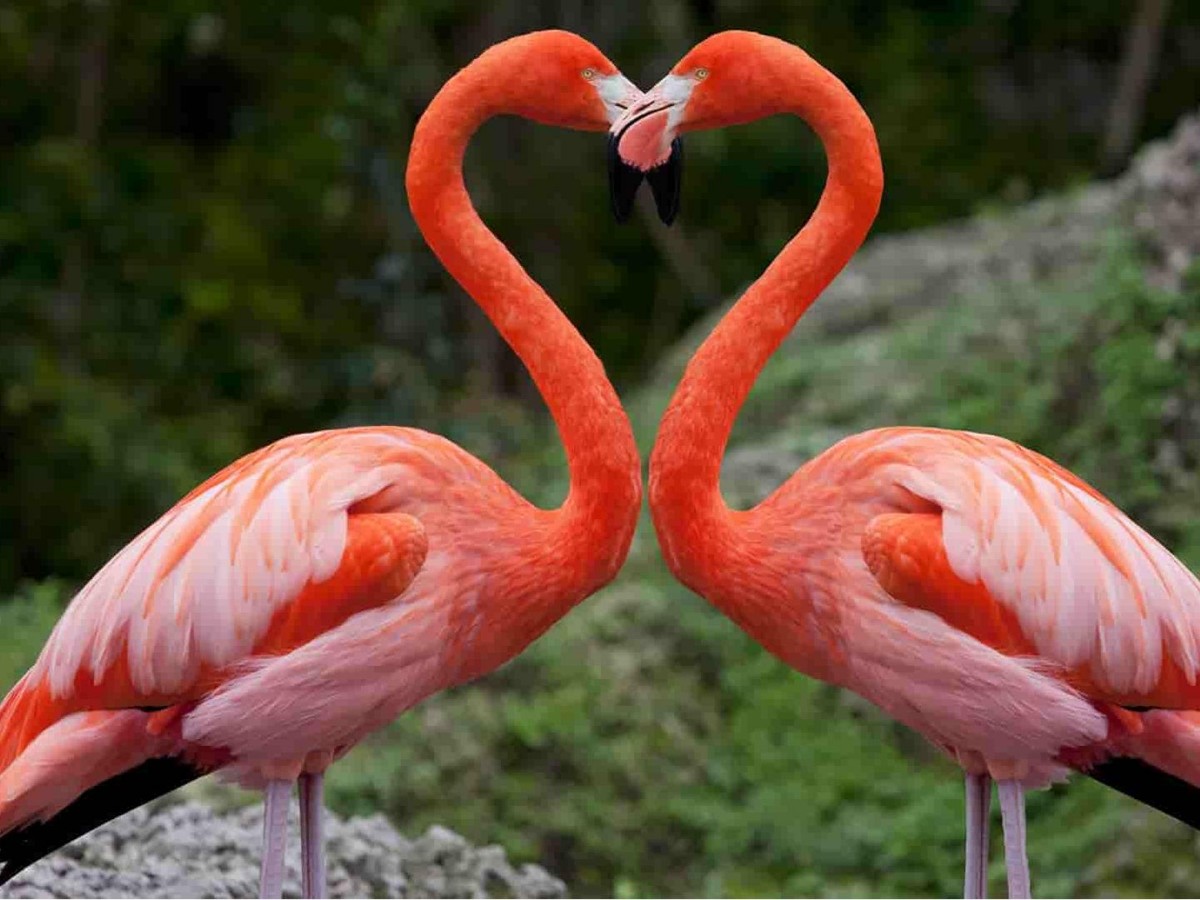
When it comes to the wild beauty of Africa, the Maasai Mara or the Serengeti may come to mind, but if you want something a little different, Kenya's Nakuru National Park is an absolute treasure! There are no crowds of tourists here, but you can see thousands of flamingos “whitewashing” the lake's surface up close and personal, as well as encounter rhinoceros, giraffe and zebra skulking in the grasslands. The most critical thing is that this place is not too big and not too small, easy to play and not tired, especially suitable for those who want to experience Africa in depth but do not want to sit in the car every day to the ass numb friends. Today I will be a “cloud tour guide”, hand in hand to tell you how to play Nakuru, from how to save money to buy tickets to which restaurant's barbecue meat can be fragrant to lick the plate, and then don't step on the mine of the local taboos, all for you to understand!
Advertisement
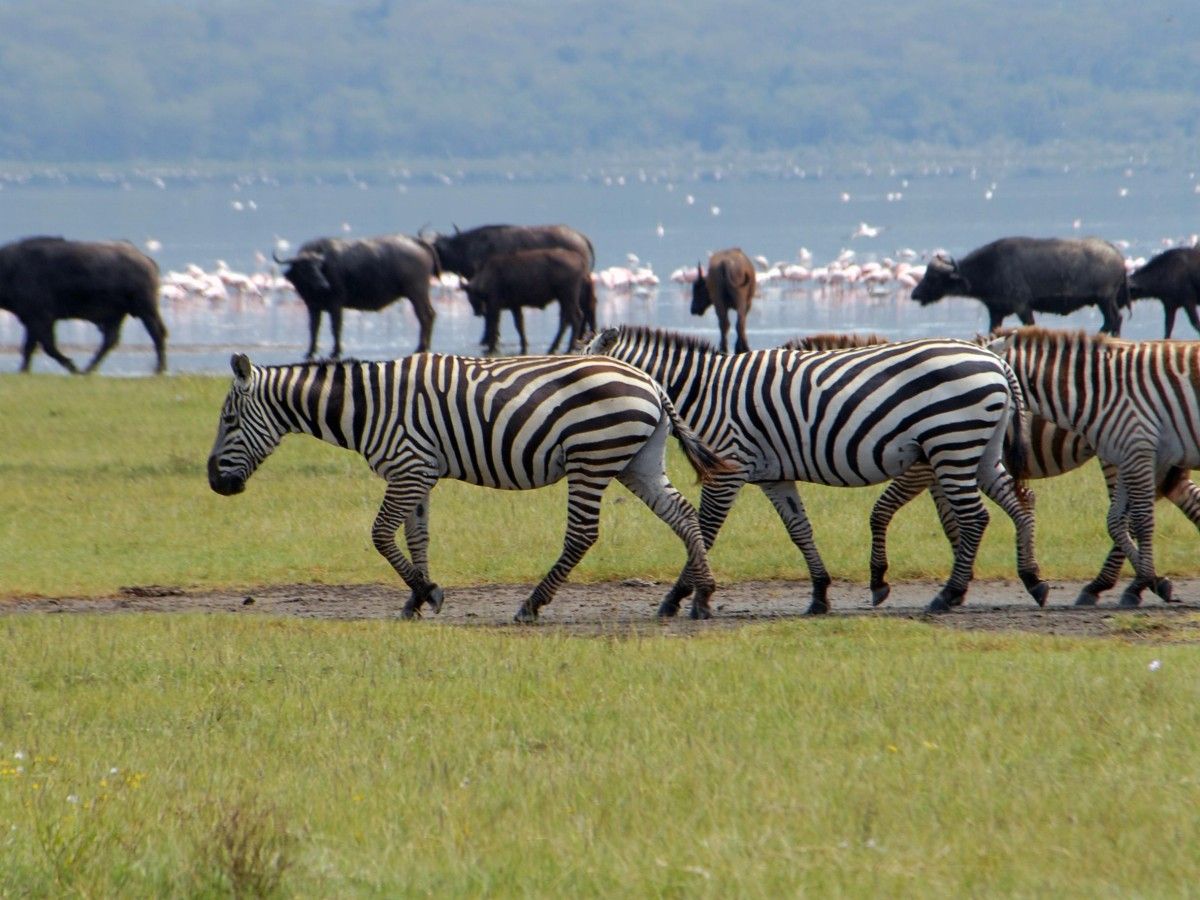
Nakuru National Park covers an area of about 188 square kilometers, which is similar to some large wetland parks in China, but this is a purely wild environment. If you are the first time to Africa, it is recommended to directly find the local travel agency chartered tour, driver and guide a day cost about 80-120 U.S. dollars (remember to cut the price), they know which piece of the lake recently more flamingos, which path can squat to the rhinoceros drinking water. Self-drive is also possible, but the dirt road to doubt life, no four-wheel drive vehicle do not hard just, and cell phone signal often “missing”.
Advertisement
There are two types of tickets: general tickets (80 dollars a day for foreign tourists) and annual passes (if you plan to play more than one park in Kenya, you can buy, cost-effective). Here's the kicker! The gate opens at 6am, when the animals are most active, and the tickets count 24 hours from the time you enter, so if you go in at 3pm, you can still play the next day before 3pm - it's a good deal!
Accommodation, the budget is enough to live directly in the park Lake Nakuru Lodge, push the window is the flamingo lake view, at night you can hear the hippo snoring. For poor travelers, choose a B&B outside the park, such as Naishi House, which costs $30 a night with breakfast, and the owner will also teach you to bargain in Kiswahili.
Must-hit spots:
1. Baboon Cliff: You can see the whole lake from here, and on a good day the flocks of pink flamingos look like strawberry jam spread all over the place.
2. Makalia Falls: Don't let the name fool you, the waterfall is only three stories high, but along the way you can bump into black and white colobus monkeys fighting in the branches of the trees.
3. Rhinoceros Sanctuary: a rare scene of black and white rhinoceros in the same frame, remember to bring a telephoto lens, but if you get too close, you'll get a “friendly reminder” from the forest rangers.
If you want to eat well in Africa, remember one truth - look for the pavilions where the locals pile up! The Kwa Mathee barbecue restaurant in Nakuru town has a signboard that reads Nyama Choma, which is actually charcoal-grilled goat ribs, served with a type of cornmeal dough called Ugali, which is only authentic when eaten by hand. If you're afraid of fishy flavors, order the grilled tilapia, which comes straight from the lake and is served on the grill with a splash of lime juice, and is so fresh that it takes off in one bite!
Advertisement
If you want to experience street food, go to Maziwa Market in the evening to visit the stalls, 500 shillings (about 3 U.S. dollars) can buy a big plate of Mandazi, with ginger tea to drink, sweet party ecstasy. Beware of the green Sukuma wild vegetables, which taste like chicory and are eaten by locals as antihypertensive vegetables, while outsiders may lose control of their expression after taking a bite.
Don't be a sucker for shopping at the scenic stores! Maasai Market on the west side of the town is open every Saturday, handicrafts is the basic operation of cutting prices in half: black wood carving rhinoceros opened price of 50 U.S. dollars, you directly shouted “20, or I go away,” the owner of the probability of stalls will be chasing you shouting “OK OK my friend! ”
Kenyans look enthusiastic, but there are some minefields that must be avoided:
Always ask before taking pictures! Especially the Maasai herdsmen, they feel that the camera can suck away the soul (although young people now also love to take selfies), must be taken if you give 100 shillings tip.
Don't use your left hand to pass food at dinner, as the locals think it's for wiping their asses (don't laugh, they really do use buckets and scoops in their toilets).
Many stores are closed on Sundays for worship, so avoid this day if you want to stock up.
If you time it right, be sure to attend these two events:
1. flamingo migration season (November-March): millions of flamingos meet, and any feather you pick up by the lake can be used as a fairy wand for photos.
2. Local Wedding: Kenyans get married like a carnival, you can dance along if you happen to be there, but you have to give gifts - stuff a 500 shillings red packet, and the groom will drag you to drink mead wildly.
Nakuru's year-round temperature ranges from 15-28°C, but the rains can knock you off your feet:
Dry season (June-October): prime time! Animals huddle around puddles and catch a break, but the sun is so hot at midday that you could fry an egg, so sunscreen SPF 50 to start.
Light Rainy Season (November-December): The flamingos are at their peak, but the dirt roads turn into quagmires, and your car may become a “pushbike competition” contestant.
Heavy Rainy Season (March-May): Exit warning! There are so many mosquitoes that you can form a bomber formation, and many campsites are closed.
Special note: Nakuru, at 1,754 meters above sea level, is cooler than Nairobi, so you'll have to wear a thin jacket in the morning and evening, or you'll be embarrassed if you freeze and get a runny nose.
In the end, Nakuru is like the “small but beautiful” masterpiece of the African land - there is no Maasai Mara that kind of epic horned horse crossing the river, but you can leisurely and rhino eye to eye here, hold up a cup of coffee to watch the flamingos take off when the sky is covered with a storm of pink. What's more, this place hasn't been overrun by an army of tourists, so you can enjoy VIP-level African wildlife for a fraction of the price. Finally, a local proverb: “Haraka haraka haina baraka”, come here do not rush, squatting by the lake half a day, may be more interesting than chasing the animals to run 10 kilometers. Pack your binoculars and mosquito repellent, and I'll see you in Nakuru!