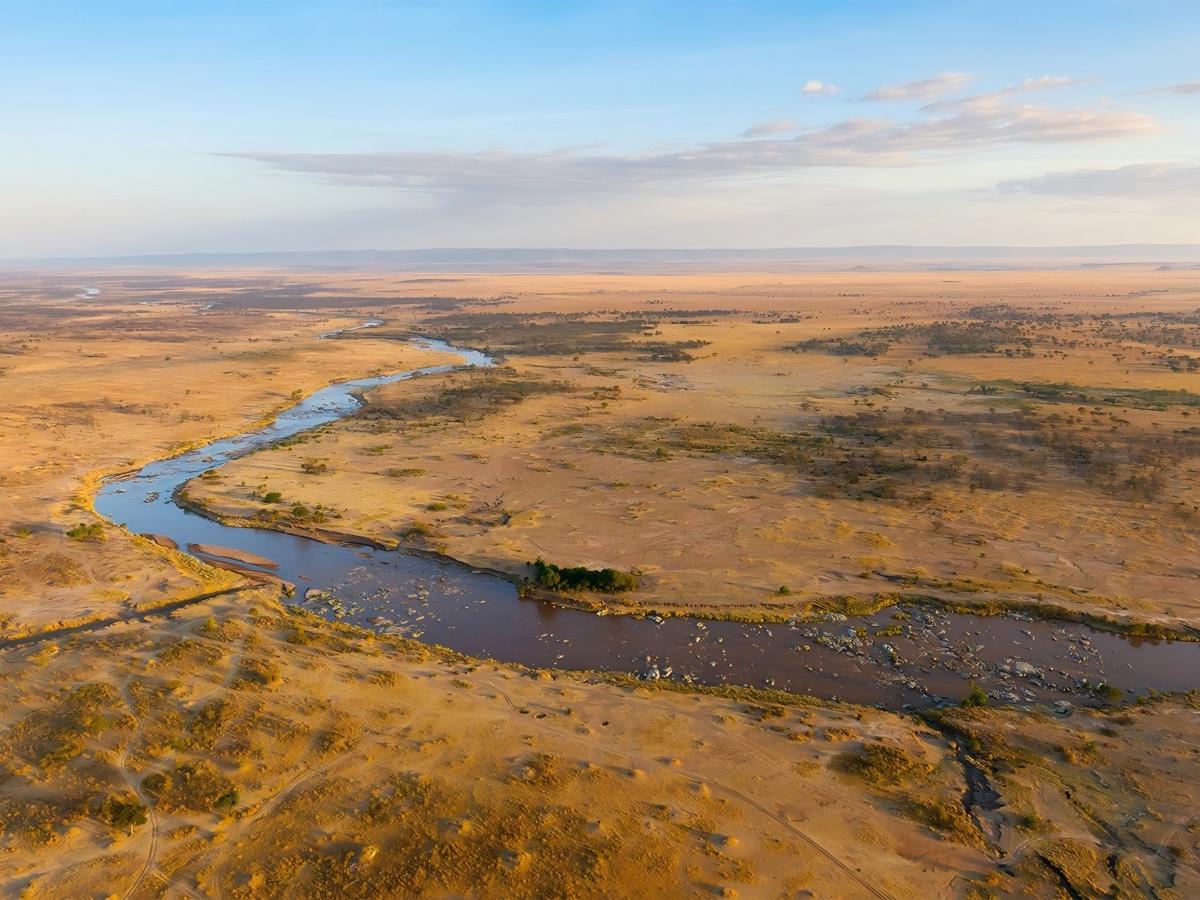
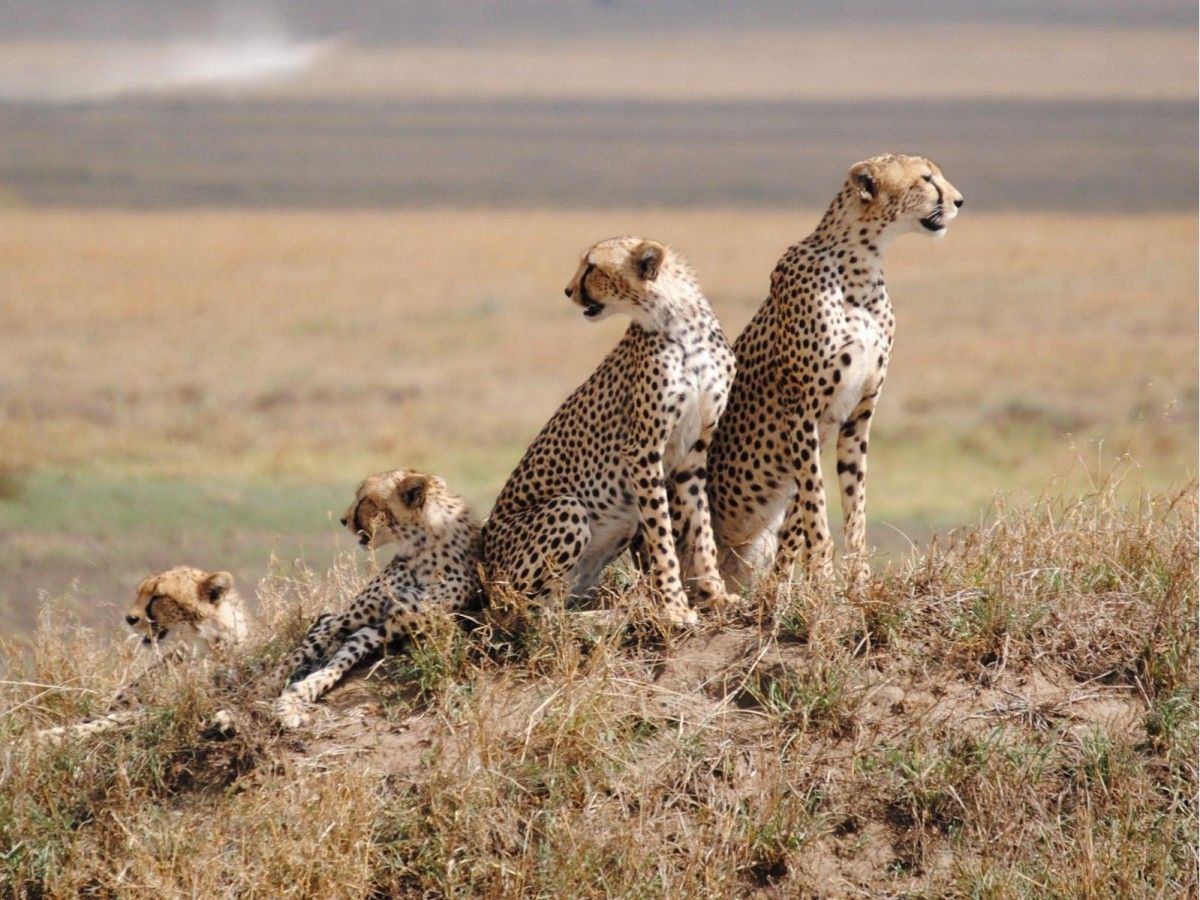
If you want to witness Africa's most pristine and spectacular wildlife world, then Serengeti National Park will be the ultimate destination for you. This is one of the world's most famous wildlife reserves, famous for the amazing Great Migration, a breathtaking spectacle of more than 2 million wildebeests, zebras and antelopes galloping across this vast grassland every year. It is a true “animal kingdom” with not only the five African champions (lion, elephant, rhinoceros, leopard and buffalo), but also countless giraffes, cheetahs, hyenas, wild dogs and other wildlife. In addition to the abundance of wildlife, the Serengeti, whose name means “endless plains” in Maasai, is a land of natural wonders as well as some of East Africa's oldest cultures. Whether it's exploring the vast grasslands, tracking wild animals or experiencing the traditional life of the local Maasai people, the Serengeti offers a trip of a lifetime.
Advertisement
The history of the Serengeti National Park dates back to the 1920s, when it began to be protected, and in 1951 it officially became Tanzania's first national park. Due to its unique ecosystem and rich wildlife resources, it was inscribed on UNESCO's World Heritage List in 1981.
Advertisement
But the history of the Serengeti goes much further than that; thousands of years ago, the land was home to the ancestors of mankind. Olduvai Gorge, near the park, is one of the world's most important ancient human sites, where scientists have found fossils of early humans dating back 2 million years, and is known as the 'cradle of humanity'.
Today, the Serengeti is still home to the Maasai. A predominantly nomadic tribe, they have coexisted with wildlife for generations and have a unique culture and way of life. You may see Maasai in red shawls walking with their cattle on your journey, their bravery, independence and culture of traditional song and dance are part of the Serengeti culture.
Great Migration
Advertisement
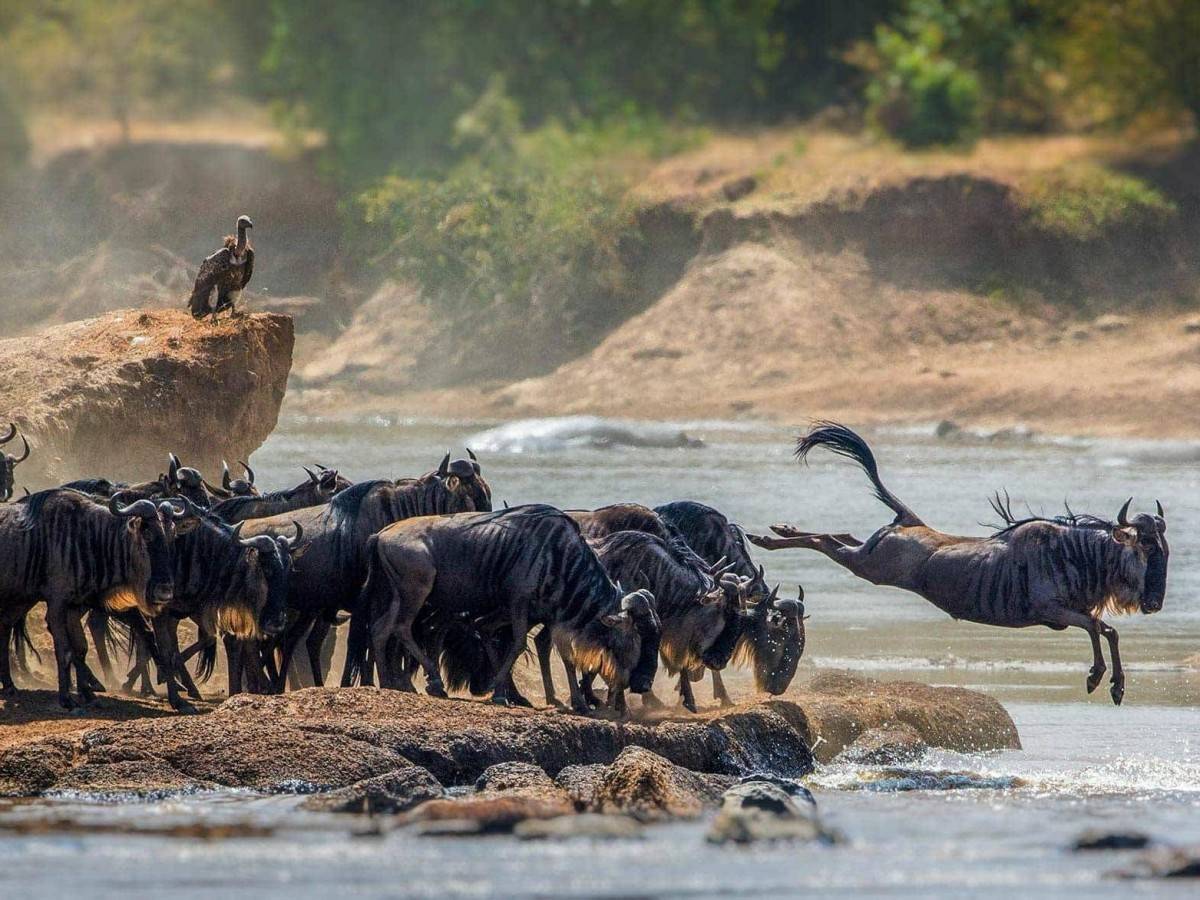
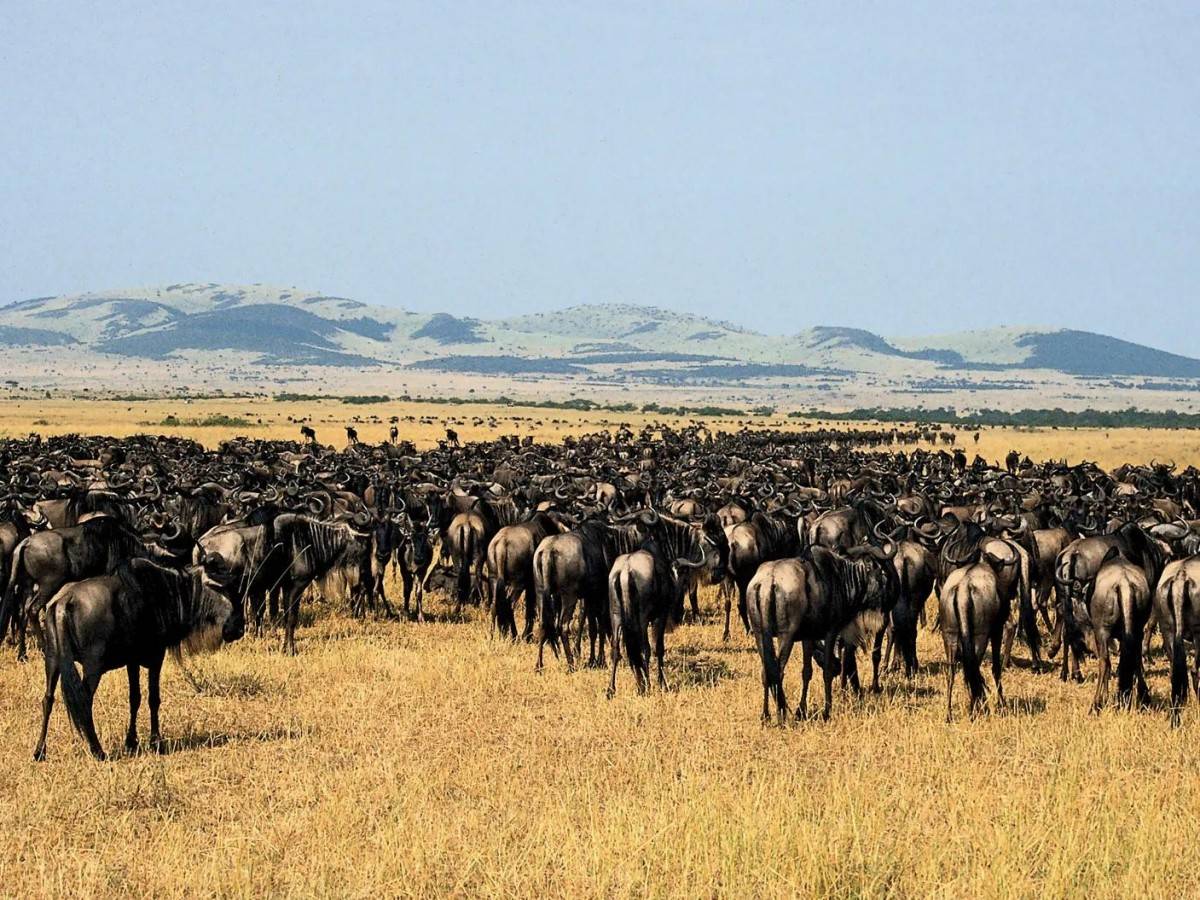
The absolute star of the Serengeti, the migration of more than 1.5 million wildebeests, hundreds of thousands of zebras and gazelles from the northern Serengeti to the Maasai Mara (Kenya) from June to October each year, crossing the crocodile-infested Mara River on the way to the Great Migration, which has been dubbed the “Greatest Wildlife Show on Earth”. If your goal is to see the migration, make sure you time it right!
Seronera
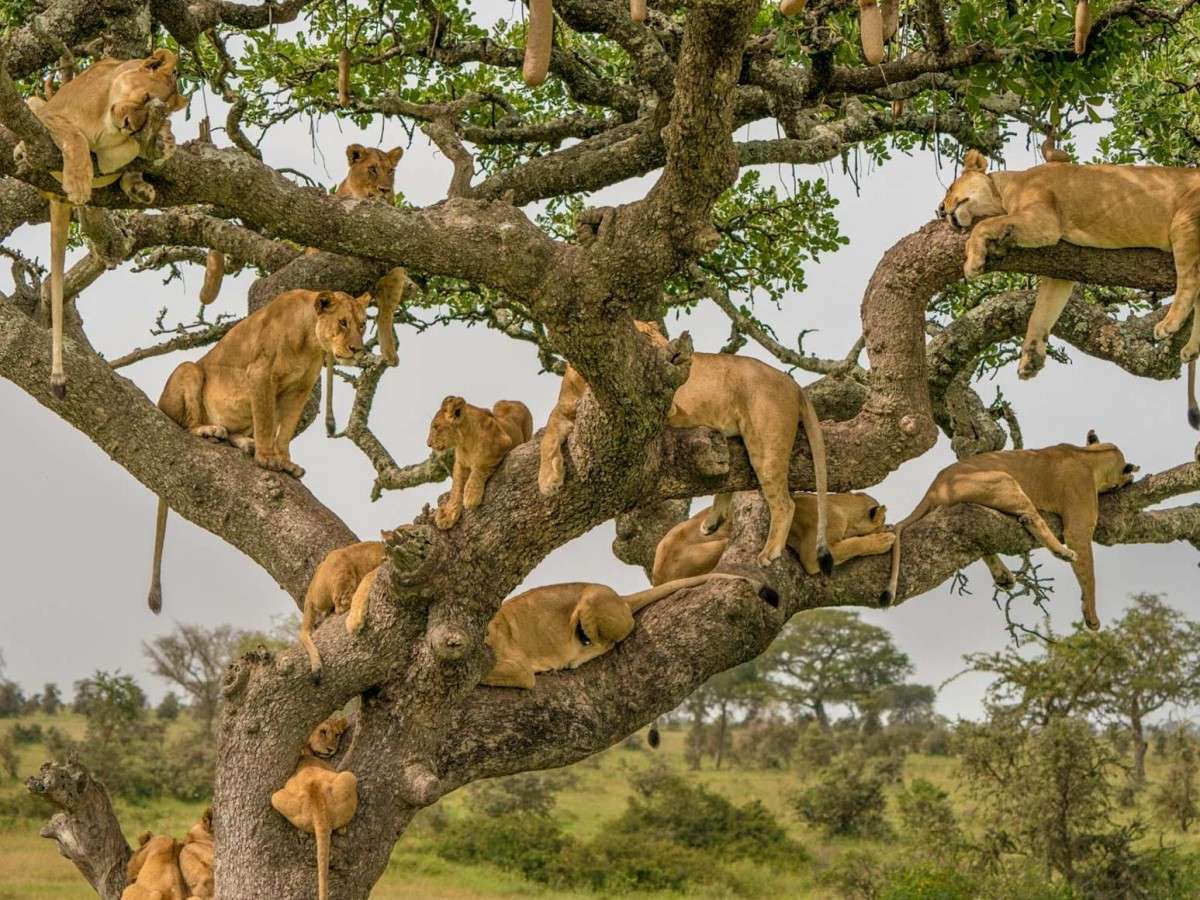
Seronera is the heart of the park and is home to the largest number of predators such as lions, cheetahs and hyenas. The terrain is rich with grasslands, forests and rivers, making it one of the best places to observe wildlife.
Western Corridor
Here you will find the Grumeti River, another life-and-death crossing for the migrating armies, where herds of wildebeest must face the giant crocodiles that lurk in the river in thrilling scenes.
Northern Serengeti
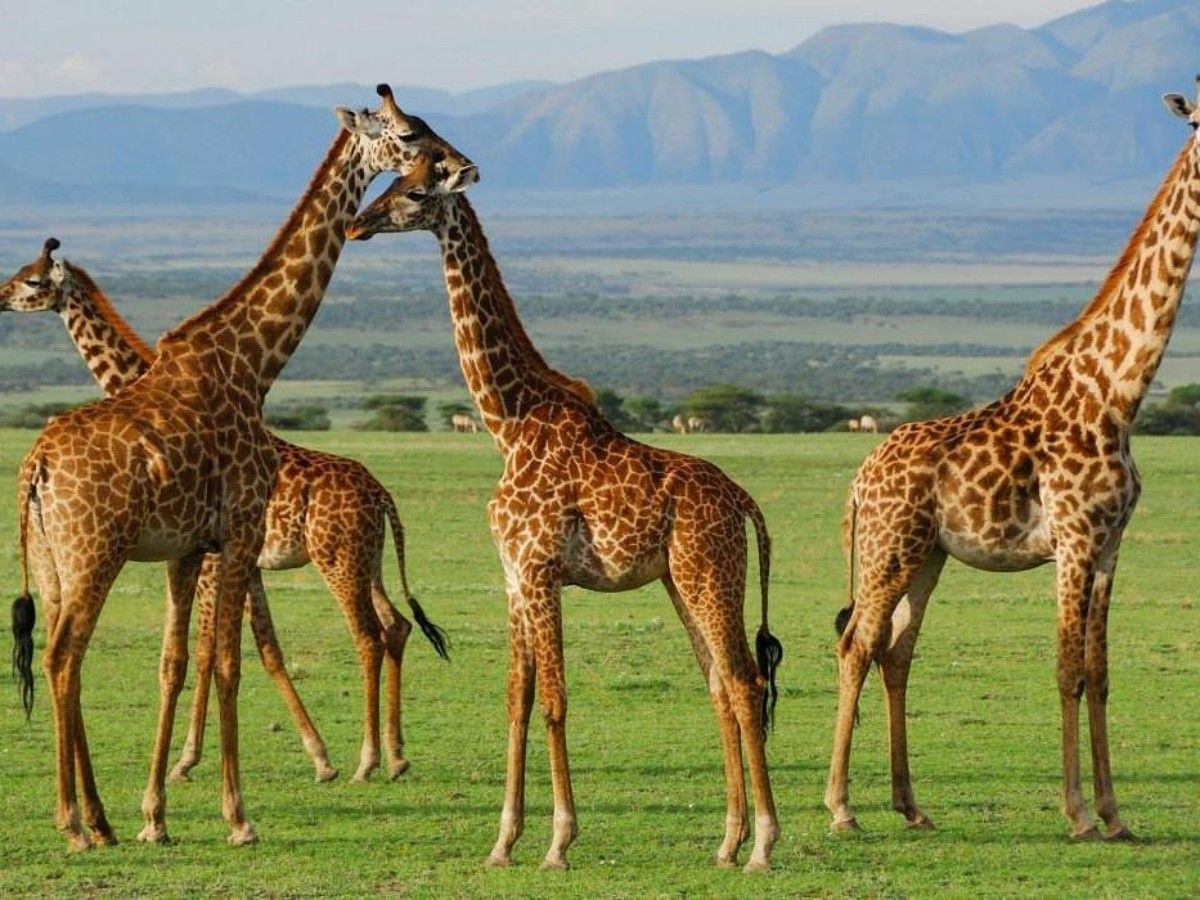
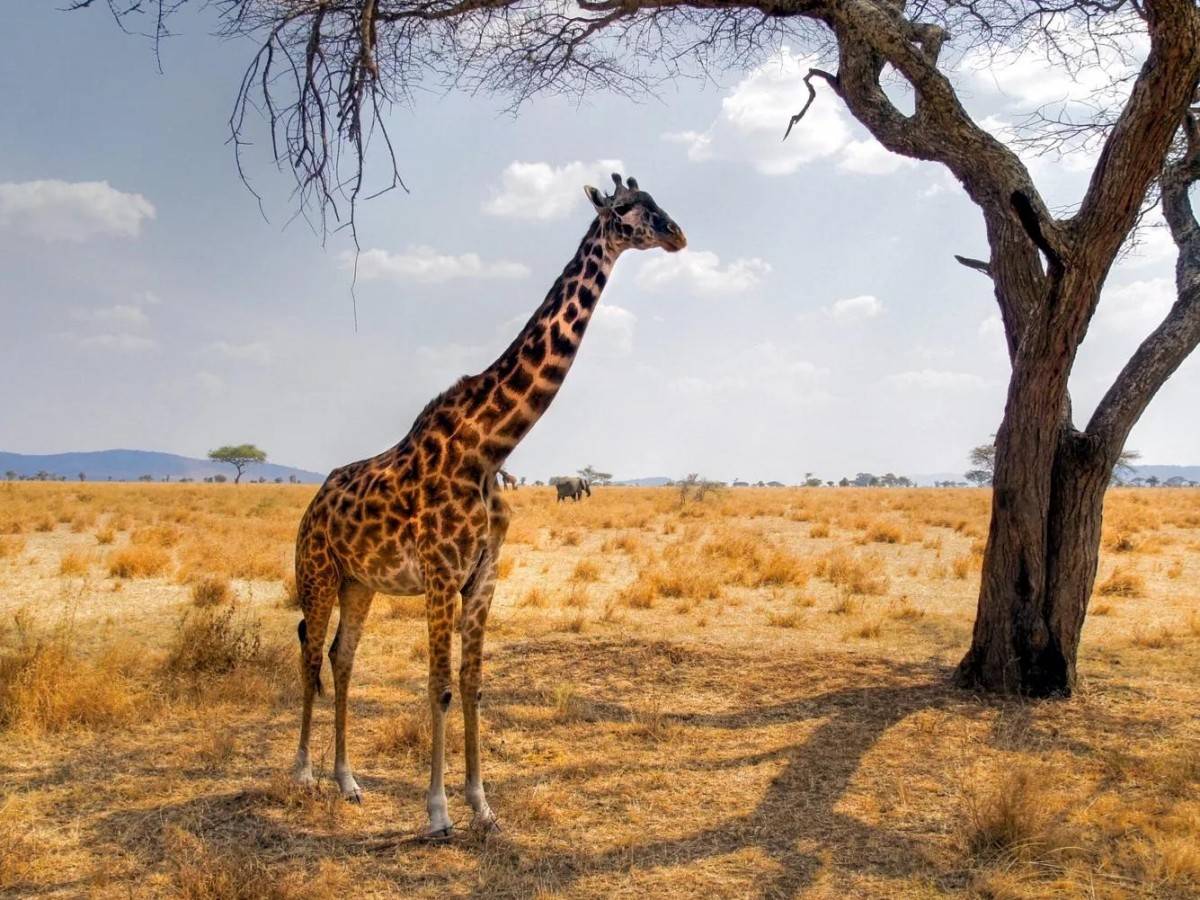
Close to the Kenyan border, this area offers spectacular scenery and dense forests for big game such as elephants, giraffes and leopards, as well as fewer tourists for more privacy and tranquility.
Hot Air Balloon Safari
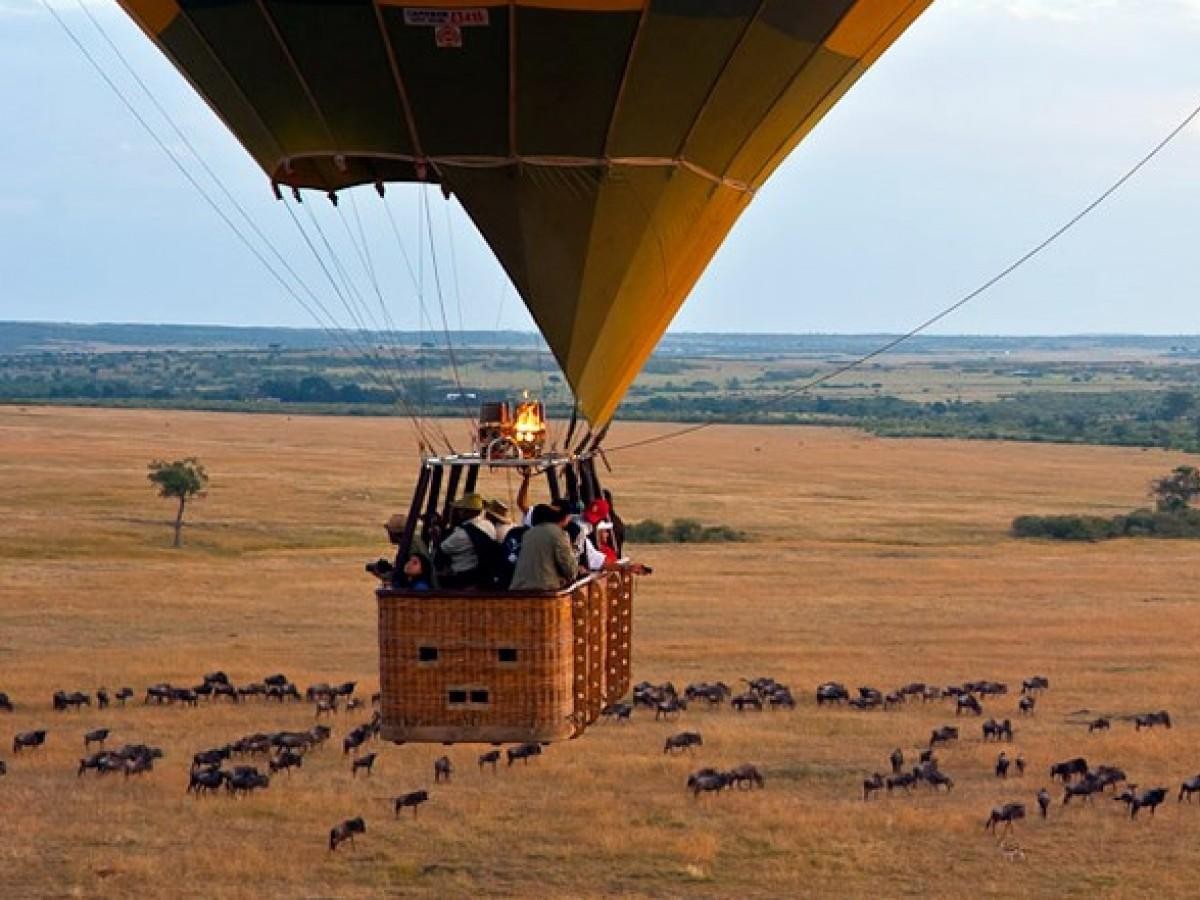
If you want to see the vastness of the Serengeti in the most unique way, you must try a hot air balloon safari. Take an early morning hot air balloon ride and experience an unparalleled awe-inspiring view of the vast grasslands and herds of wildlife from the air.
The Serengeti has a savannah climate and is suitable for traveling all year round, but different seasons offer different experiences:
Dry season (June to October): the best time for game viewing
With fewer water sources during this season, wildlife concentrates around rivers and waterholes, making it easier to see predators such as lions and cheetahs on the hunt.
It's also the peak of the Great Migration, so if you want to witness the spectacle of millions of Cape Horses stampeding, this is the best time to do it.
Rainy season (November to May): the time when the scenery is at its best
The grasslands become lush and green at this time of year, making it particularly suitable for photographers.
The rainy season is also the season for the birth of small animals. Many antelopes, zebras and wildebeests give birth at this time of year, and although there are more predators, many cute cubs can be seen.
March to May is the long rainy season, and some of the roads can be muddy and difficult to navigate, making it less suitable for self-drive tours.
Maasai Cultural Experience
In the Maasai villages near the park, you can visit their Manyatta, listen to the Maasai talk about their nomadic life, and even learn their traditional dance, the Adumu.
Serengeti Safari Marathon
This unique marathon is held in the Serengeti and allows runners to experience the scenery of the course like never before as they run through the animal sanctuary.
Tanzania Independence Day (December 9)
This day is celebrated throughout the country, including the towns around the Serengeti, with traditional dances and ceremonies.
Choose the right type of safari:Taking a wildlife safari is the most classic way to go on safari and it is advisable to choose an experienced guide to lead the safari to avoid getting lost or straying into dangerous areas.Self-drive safaris are suitable for experienced explorers, but be sure to have plenty of supplies and a reliable 4WD vehicle.
Book your accommodation in advance:There are luxury tented camps, safari hotels and budget lodges in the Serengeti, with prices varying in different seasons, so be sure to book in advance during peak season (June to October)!
Bring the right gear:Binoculars, a camera, sunscreen, a hat, light but waterproof clothing, and bug spray are a must.
Respect the wildlife:Keep a safe distance, don't be loud and don't feed the wildlife.
The Serengeti is not only a haven for wildlife, it is a land of ancient cultures and human history. Whether it's chasing herds of wildebeest on the Great Migration or taking a hot air balloon ride over the savannah at sunrise, every moment here is awe-inspiring and moving. If you desire to experience Africa's wild beauty in its purest form, come to the Serengeti for an adventure of a lifetime!