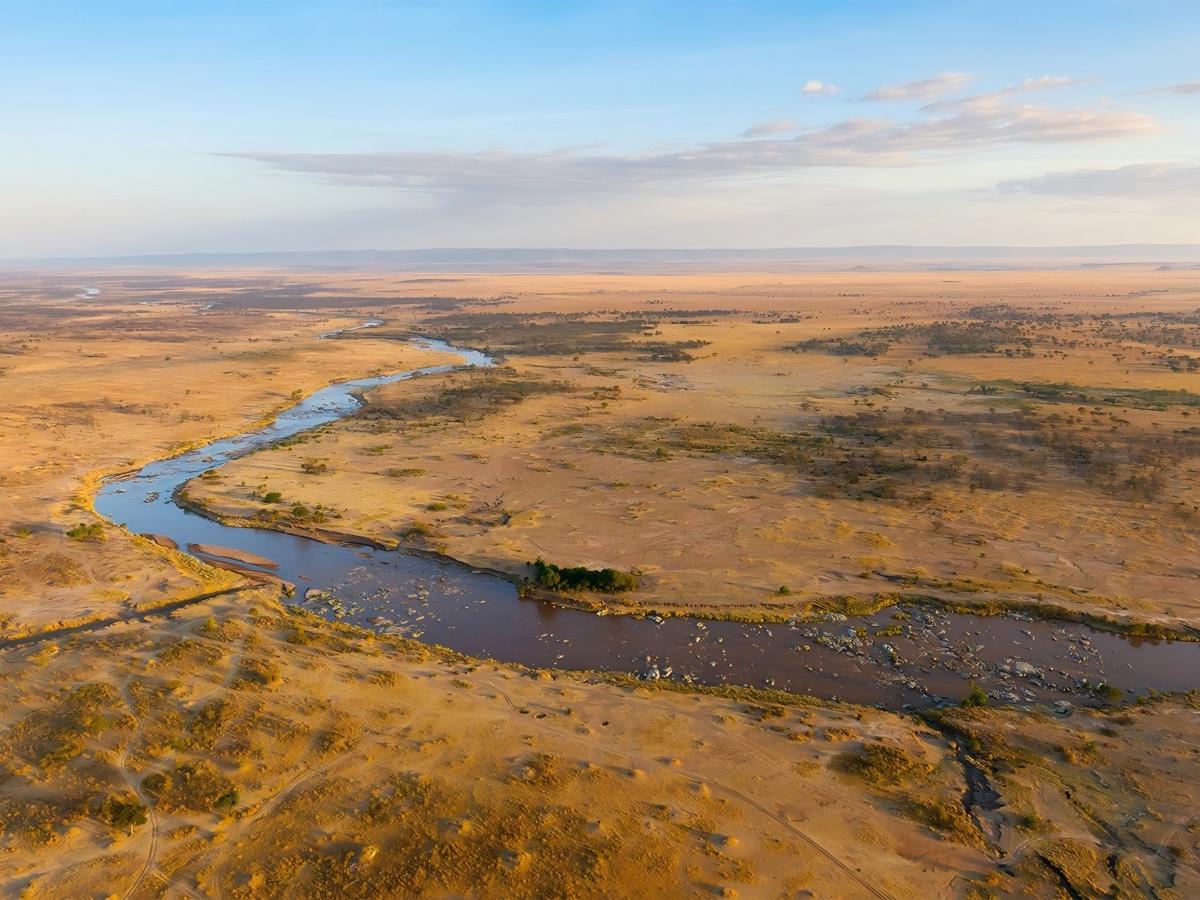
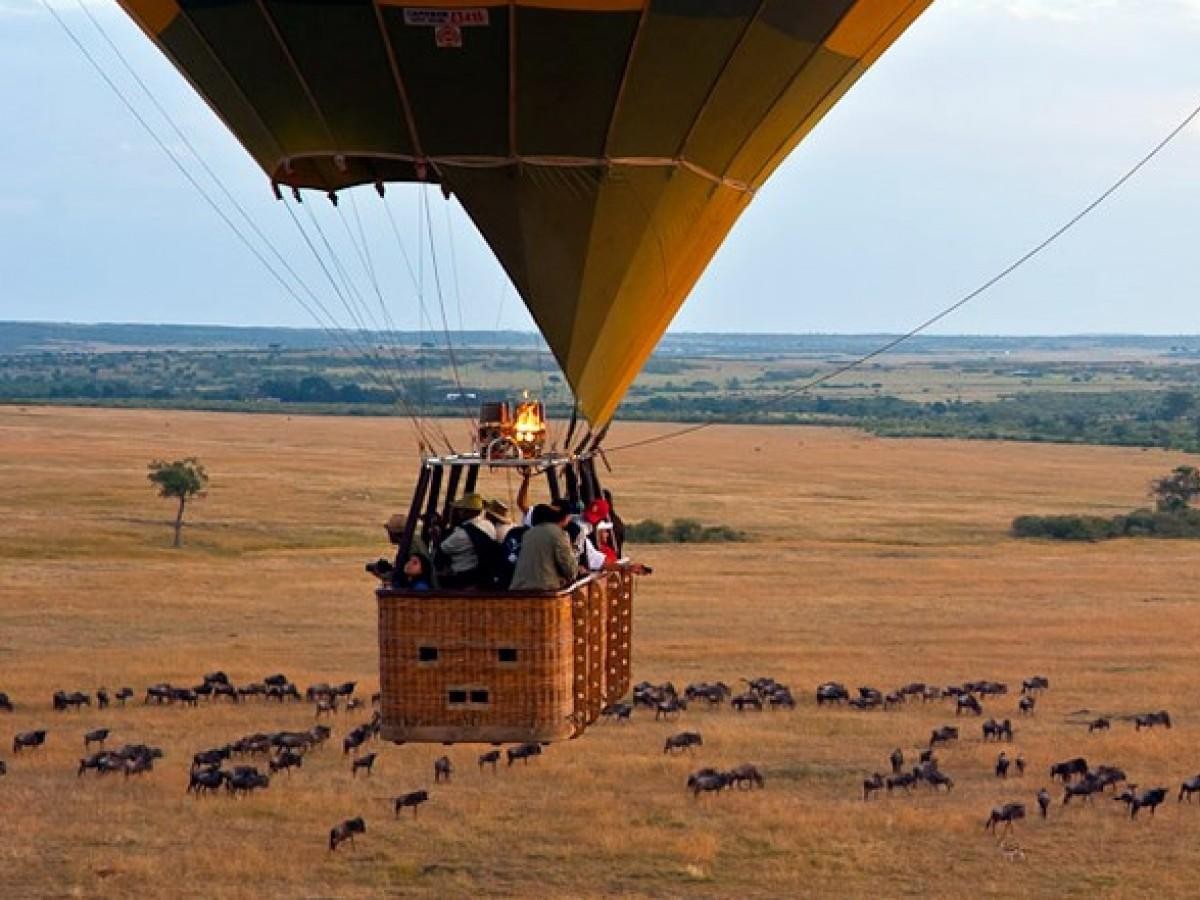
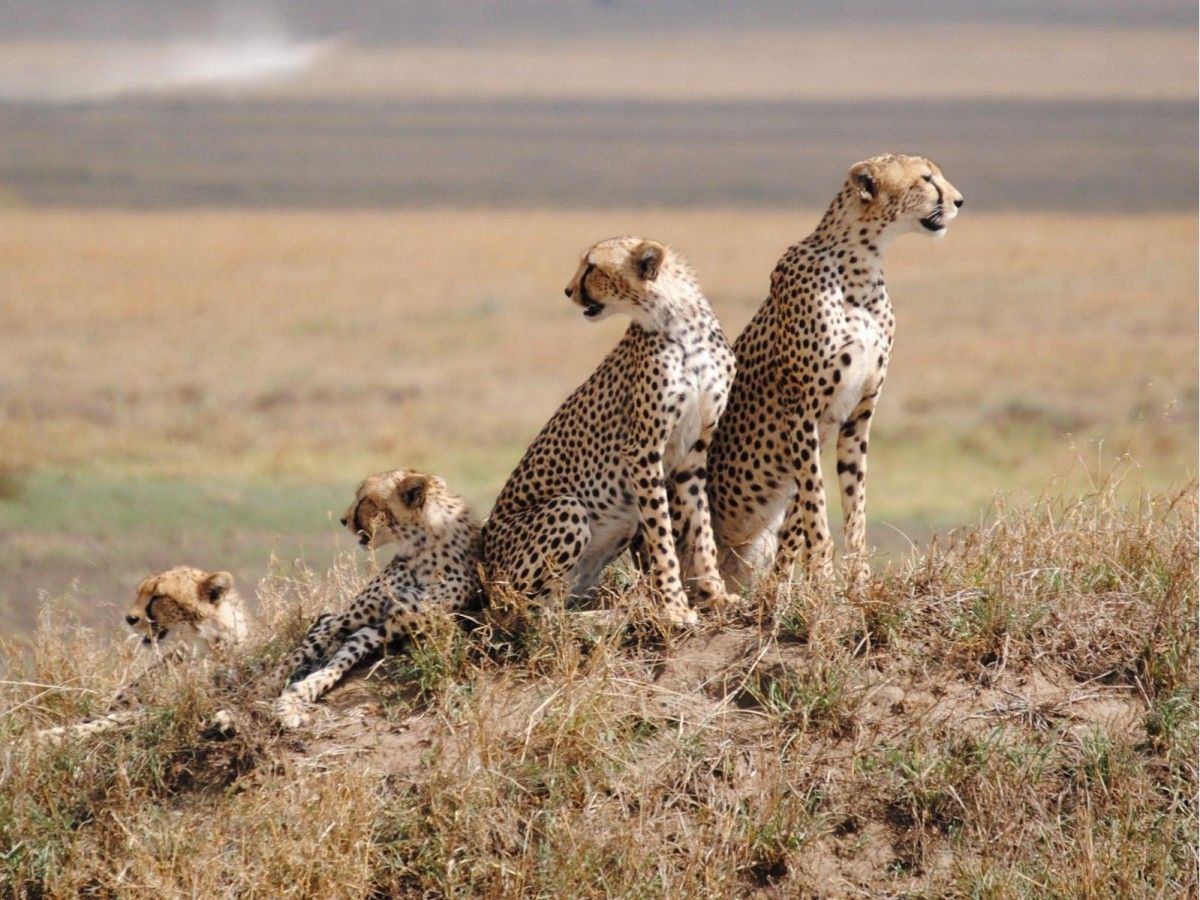
In the Serengeti plains of Tanzania, an annual natural spectacle that shakes the world - the Great Animal Migration - takes place. Millions of wildebeests, zebras and antelopes follow the rhythm of the rains as they move back and forth between the Serengeti plains and the Masai Mara in search of fresh grass and water. The Serengeti River is an important landmark along the migration route and has witnessed countless legendary moments of life. If you're thinking of embarking on this natural journey, here are some planning pointers to keep in mind.
Advertisement
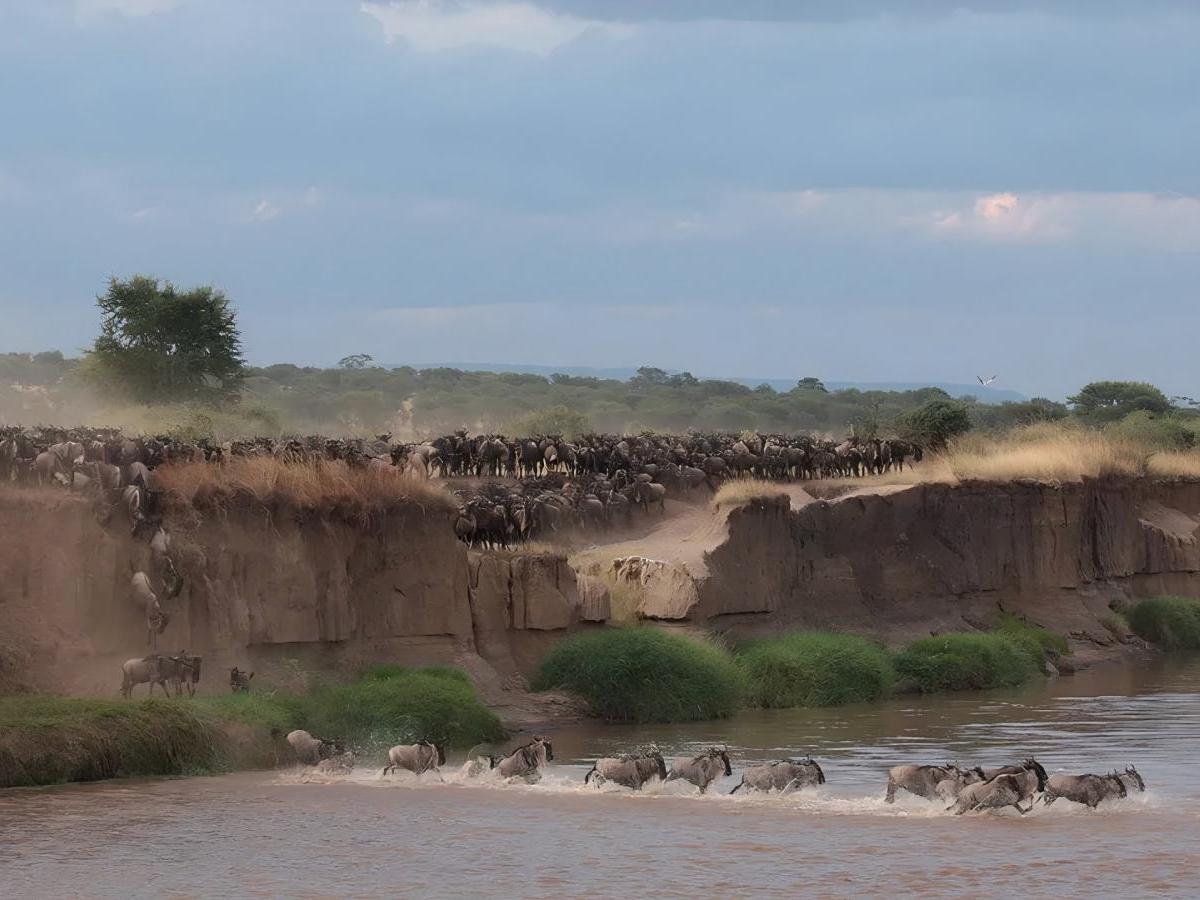
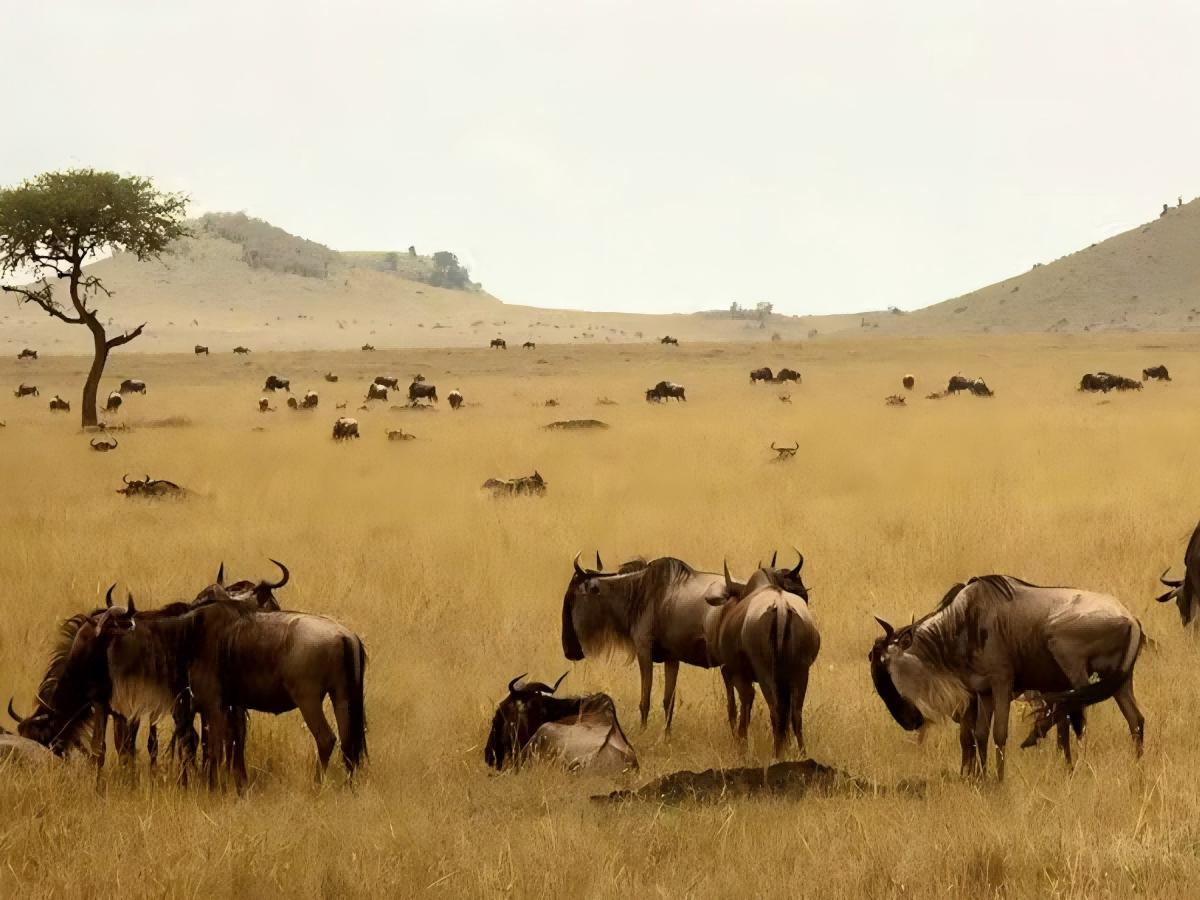
The route and timing of the Great Migration is closely related to the rainy and dry seasons in the Serengeti. From December to May, the southern Serengeti experiences the rainy season, when the grasslands are green and the animals thrive, and in late May, the dry season begins, when the grasslands turn yellow and the animals start to migrate north to the rich grasslands of the Masai Mara, where they arrive in large numbers from July to October, and then at the end of October, when the dry season begins in the Masai Mara, and the animals return to the southern Serengeti.
Advertisement
If you want to witness the thrilling “Crossing of the Kingdom”, July to October is the best time to do so, when the animals cross the Serengeti River in a life-and-death battle with crocodiles. For a quieter, more natural escape from the tourist rush, December to March is a good time to visit, when the animals are at ease in the southern Serengeti and there's a chance to see new life being born.
Most travelers arrive first at Tanzania's Kilimanjaro International Airport, which serves many major cities around the world. From home, there are transit options such as Ethiopian Airlines and Qatar Airways.
Advertisement
The distance from Kilimanjaro International Airport to Serengeti National Park is a long one, and you can choose to take a small plane or charter a bus. Small planes offer a unique visual experience overlooking the vast grasslands and migrating fauna, but are relatively expensive. Chartered buses are more flexible and you can stop at any time to enjoy the scenery on the way, but it just takes longer.
There is a wide range of accommodation options in and around the Serengeti National Park. Luxury tented camps are comfortable and some offer direct viewing of the animal migration, although they are more expensive. Budget campsites are more suitable for those on a budget, and although the facilities are relatively basic, they allow you to get up close and personal with nature. Hotels around the park are moderately priced and offer relatively good service.
Serengeti morning and evening temperature difference is big, the daytime sunshine is strong, high temperature, need to carry light and breathable short sleeves, shorts and other clothing. At night, when the temperature plummets, you should prepare warm jackets such as a jumper or fleece jacket. In addition, long-sleeved clothes and long pants can protect you from the sun and mosquito bites, so it's worth bringing.
For photographers, a professional camera is essential. Equipped with a 70 - 200mm or 100 - 400mm telephoto lens to capture the animals' moments. Remember to bring enough memory cards and spare batteries to avoid missing precious images. If possible, you can bring a drone to record the migration from the air, but you have to follow the rules of the park.
In addition, prepare high-powered sunscreen, sunglasses, and a wide-brimmed sun hat to protect your skin and eyes from UV rays. Bring anti-mosquito supplies such as anti-mosquito spray and mosquito coils to prevent mosquito bites. Common medicines such as cold medicine, antipyretic, anti-inflammatory medicine and gastrointestinal medicine should not be forgotten in case of emergency.
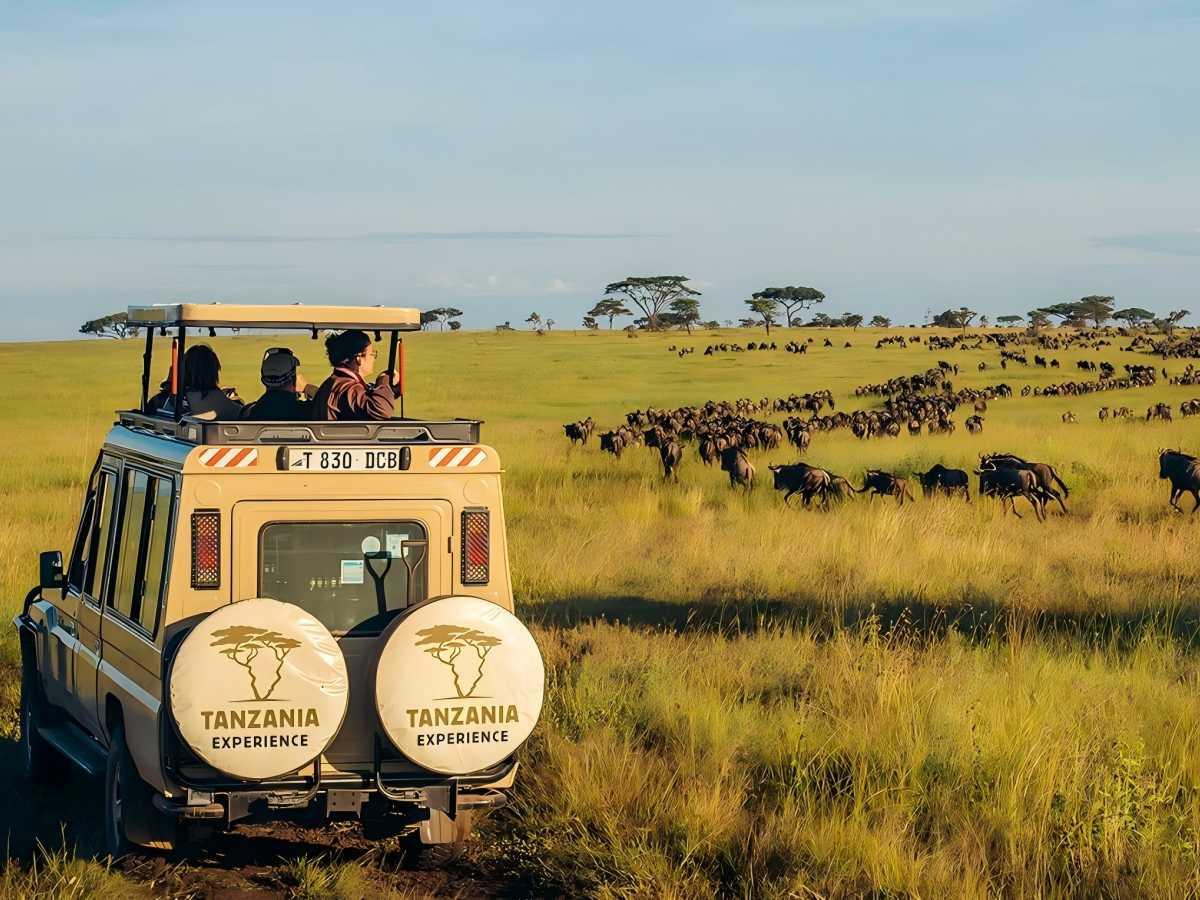
Travel deep into the Serengeti grasslands in an open-top safari vehicle with a professional guide. The guides are experienced in finding the exact migration routes and gathering places of the animals. During the safari, you can observe herbivores such as wildebeests, zebras and antelopes, as well as carnivores such as lions, cheetahs and hyenas, and experience the cruelty and beauty of nature.
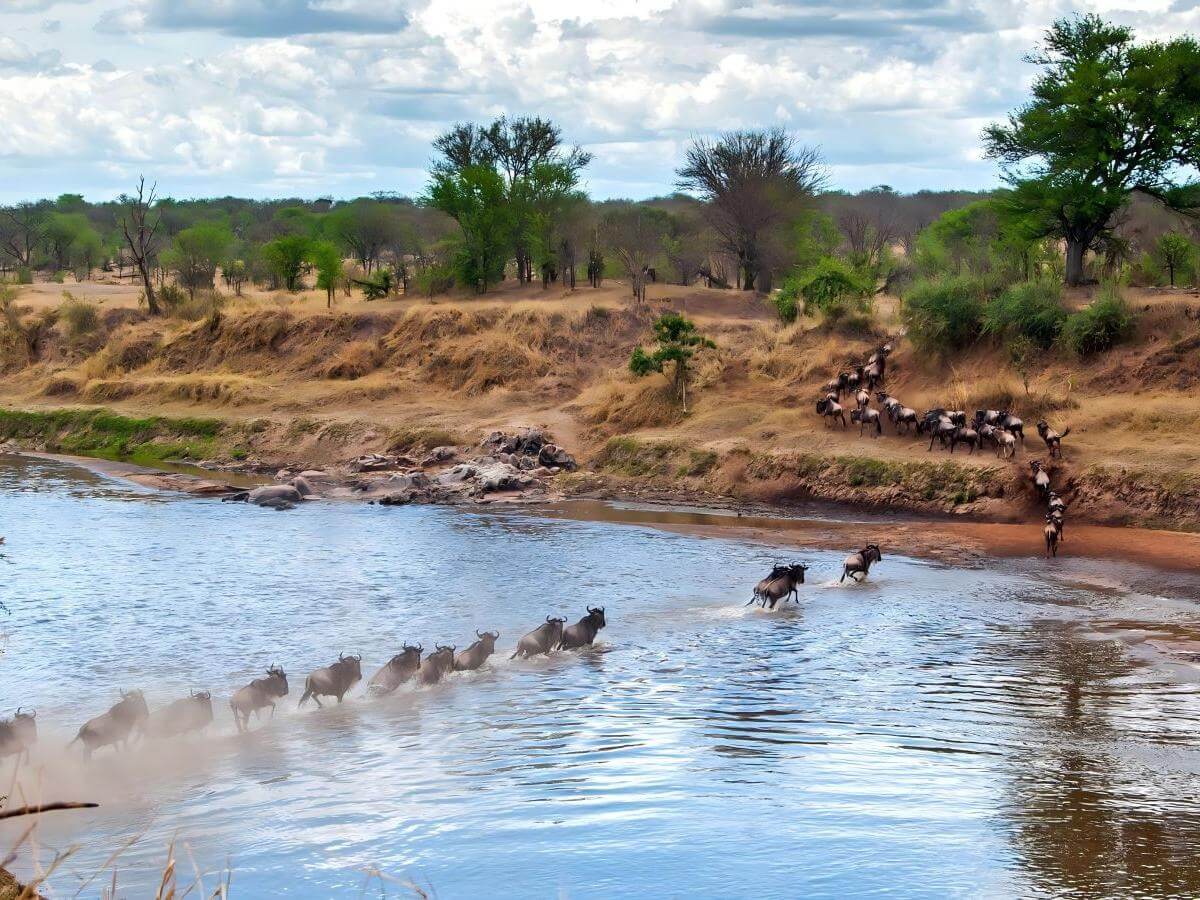
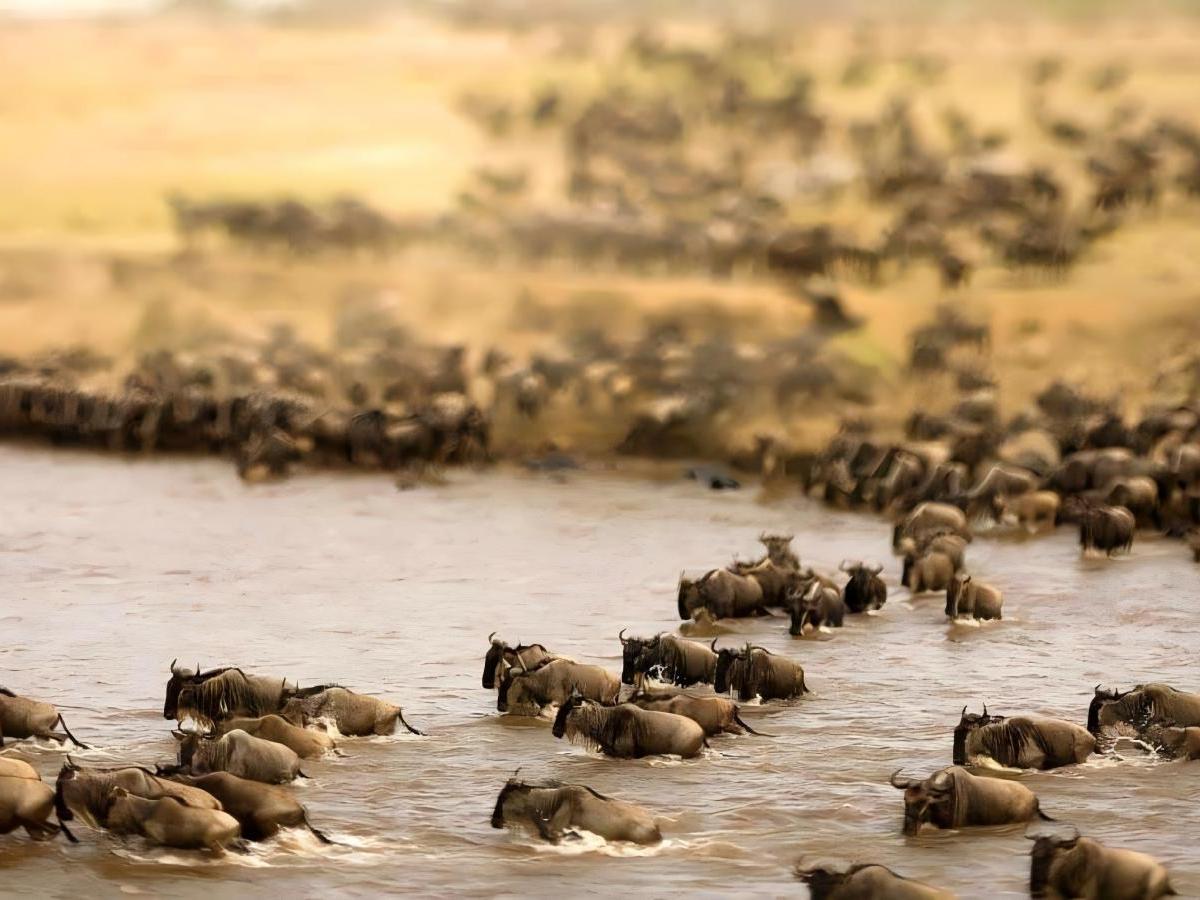
Travel to the Serengeti River and wait for the spectacular moment when the animals cross the river. Tension fills the air as herds of Cape Horns gather at the river's edge, hesitating to cross. As soon as one of the wildebeests takes the lead, the whole herd follows, the water becomes murky and the crocodiles take advantage of the situation to attack in a fight to the death.
Take a short walking safari with a professional guide. Get a close-up look at the plants and small animals of the grasslands and learn how they live. The walk will give you a deeper understanding of the Serengeti's ecosystem and the wonders of nature.
When you are in Serengeti National Park, you must strictly follow the rules of the park. Don't get off the bus and walk around freely, don't feed the animals and don't use flash to take photos so as not to disturb the animals. At the same time, follow the instructions of your guide to ensure your safety.
The ecological environment of the Serengeti is very fragile, and you should take care of the natural environment during your trip. Don't throw away garbage, bring it back to your accommodation or designated garbage disposal point. Avoid the use of disposable plastic products as much as possible to minimize pollution to the environment.
As long as you fully understand the pattern of the great migration, reasonably plan transportation and accommodation, prepare travel equipment, pay attention to protecting the environment and your own safety, you will be able to experience the shock and beauty of nature and leave an unforgettable memory in this magical land of the Serengeti.