
Advertisement
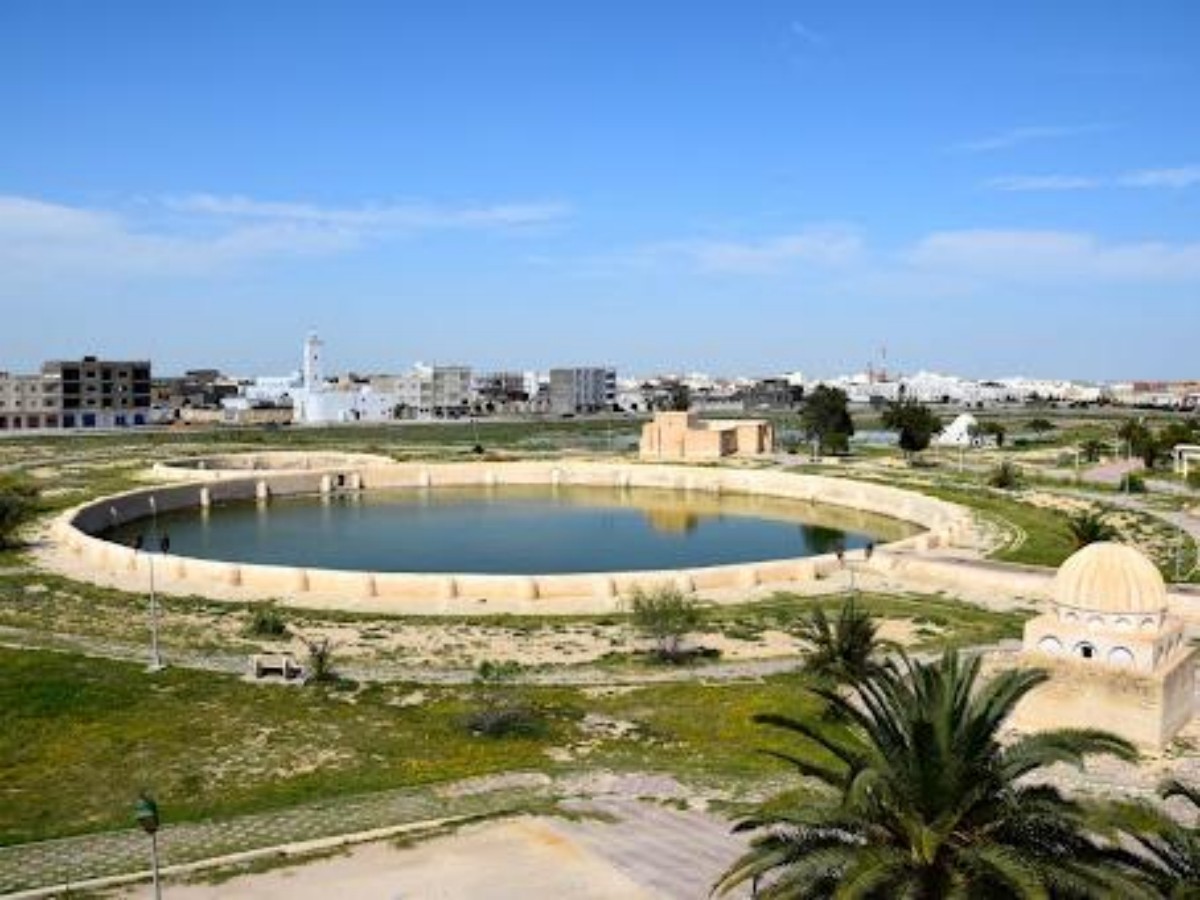
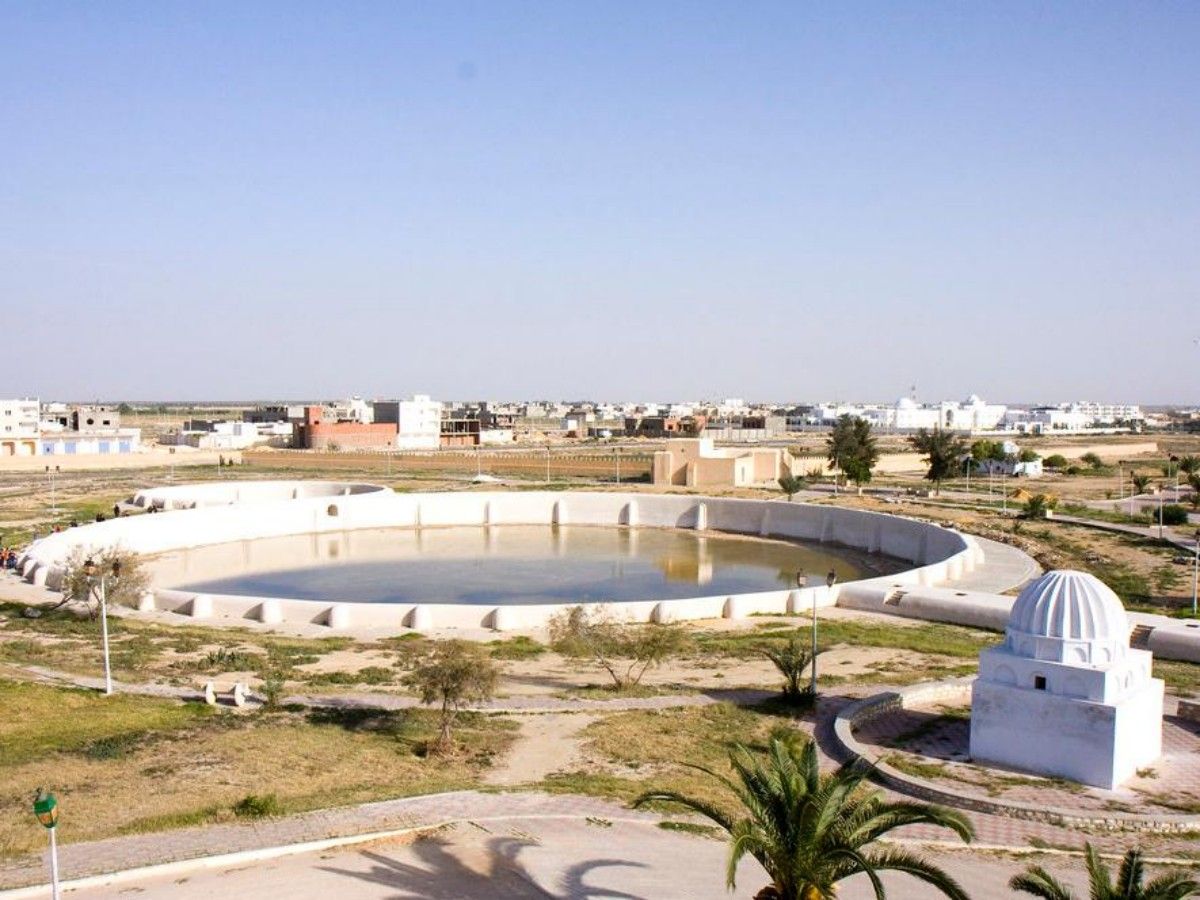
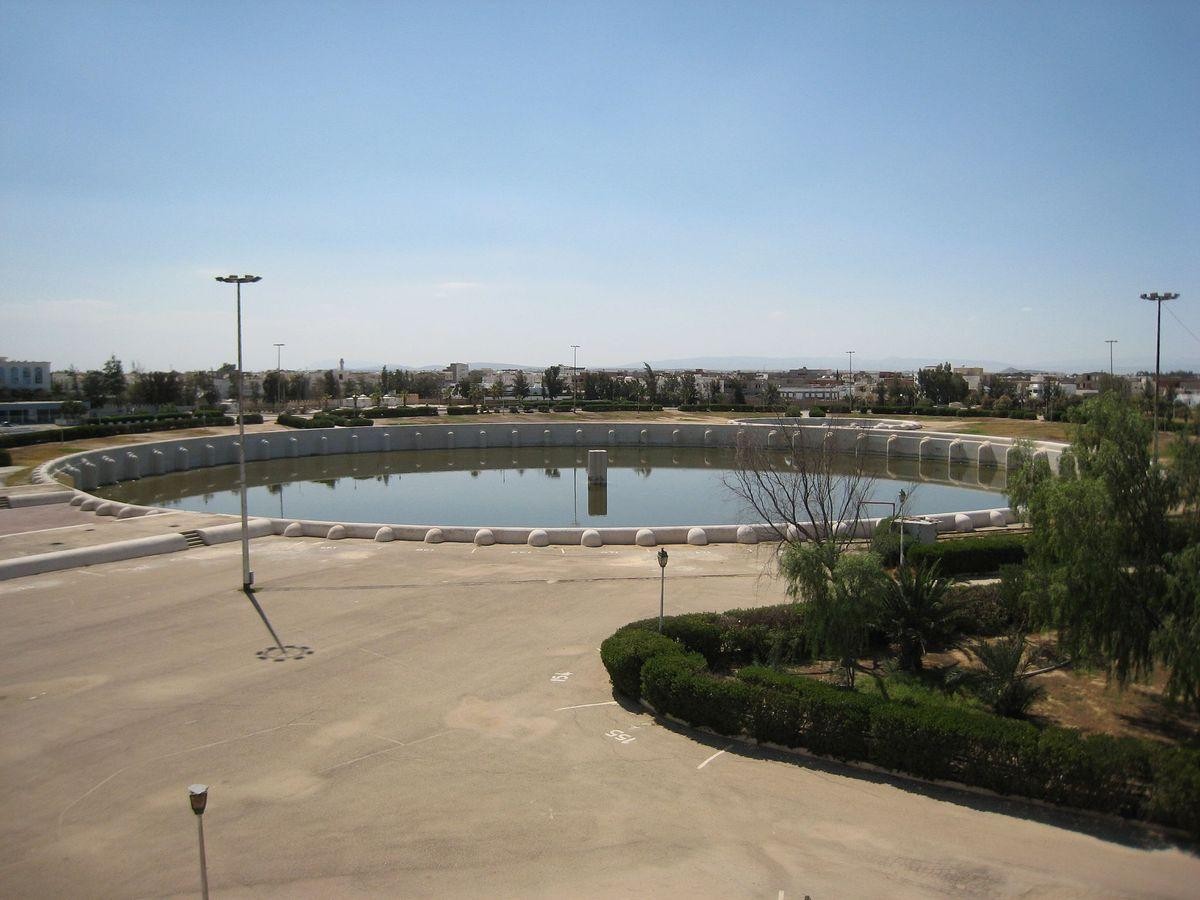
In the golden desert of central Tunisia, Kairouan is like a thousand-year-old holy city forged by the scorching sun and faith. This ancient city, listed as a World Heritage Site by UNESCO, is not only the fourth holiest site in Islam, but also hides an engineering miracle that rewrote the course of North African civilization - the Basins of Aghlabid. In the 9th century AD, when the rulers of the Arab Aghlabid dynasty faced the extreme drought in Kairouan, they did not choose to retreat, but with amazing wisdom, combined the Roman water conservancy heritage with Islamic innovative technology, built 15 giant reservoirs, and introduced mountain springs 36 kilometers away into the desert, nourishing the prosperity of the entire city. Today, only two pools, one large and one small, remain here. The 128-meter-diameter giant structure silently tells the story of this cross-civilization dialogue: from the ruins of the Roman aqueduct to the precise calculations of Islamic geometry, how did Kairouan's water conservancy project become a catalyst for the rise of North African civilization?
Advertisement
In the 7th century AD, when the Arabs conquered North Africa, they faced not only the resistance of the Berbers, but also the water conservancy ruins left by the Roman Empire. The central plain of Tunisia, where Kairouan is located, was once the granary of the Roman North African province "Africa", and the aqueducts and reservoirs built by the Romans were spread all over the place. However, with the decline of the Roman Empire, these facilities gradually fell into disuse, and the desert swallowed up the oasis again.
Advertisement
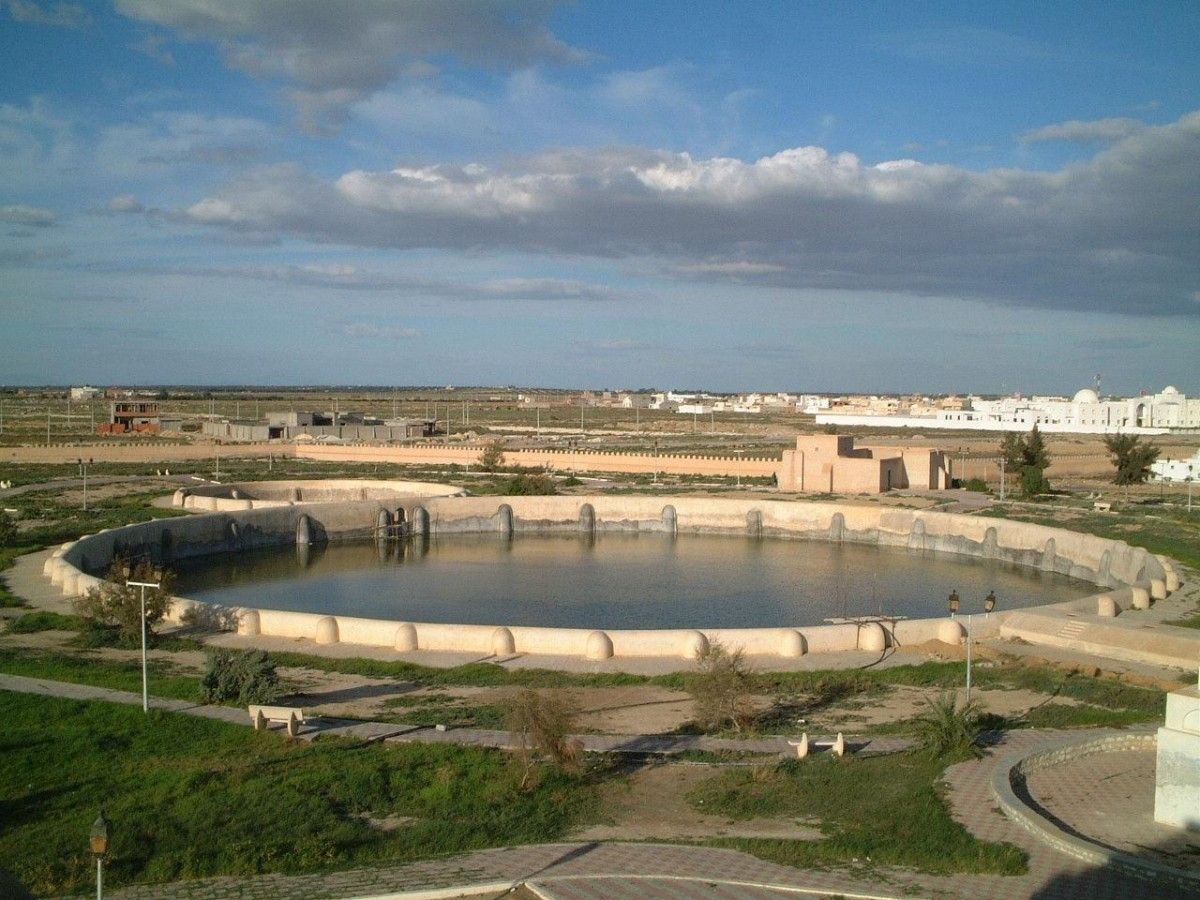
The engineers of the Agrabit Dynasty did not abandon these legacies, but drew inspiration from them. They found that the Romans were good at diverting water over long distances through aqueducts, but lacked strategies to deal with desert evaporation. Therefore, the Arabs localized Roman technology: taking advantage of the fact that Kairouan is lower than the water source, they used aqueducts to bring in mountain springs, and innovatively designed a double-layer water storage system - a small pool (34 meters in diameter) for sedimentation, a large pool (128 meters in diameter) for storing clean water, and guiding rainwater into the underground filtration pool through the slight slope of the ground48. Even more cleverly, the surface of the reservoir was covered with sheepskin or camel skin to reduce evaporation. This primitive but efficient anti-evaporation method is still amazing.
If the Romans provided the skeleton of water conservancy, Islamic civilization injected soul into it. Agrabit Reservoir is not only a practical project, but also a crystallization of faith and science.
Advertisement
1. Sacred Expression of Geometry
The perfect circular outline of the reservoir is not accidental. In Islamic culture, the circle symbolizes the harmony of the universe and the eternity of Allah. The architects used geometric calculations to ensure that the ratio of the pool diameter to the circumference met the "golden ratio", and even used sundial projection to calibrate the orientation so that the water storage system was synchronized with the prayer time - whenever the shadow of the minaret pointed to a specific angle, it was time to purify and take water. This design that integrates mathematics into daily life reflects the philosophy of "science and faith as one" of Islamic civilization.
2. Religious governance of water resources
In Islamic doctrine, water is "a gift from God" and must be distributed fairly. The Agrabit dynasty established a strict water use system for this purpose: the reservoir was managed by full-time officials, and residents took turns to take water according to the neighborhood. Violators would face religious court trials. This system not only solved the problem of survival, but also strengthened the authority of Islamic law in North Africa, transforming Kairouan from a military fortress to a religious and political center.
1. The blood of the economy
With a stable water source, Kairouan quickly developed into a Sahara trade hub. Camel caravans brought gold from Timbuktu and spices from Egypt, while leather workshops, pottery workshops and date palm plantations that emerged around the reservoir transformed these goods into wealth in North Africa. According to records, Kairouan had a population of more than 100,000 in the 9th century, and its prosperity was comparable to that of Baghdad.
2. The crossroads of culture
The reservoir has become a symbol of the fusion of civilizations. Among the 300 stone columns used in the construction, there are both Corinthian capitals of Roman temples and cross reliefs of Byzantine churches. Arab craftsmen deliberately used the Roman stone columns engraved with the name of "Jupiter" inverted, which not only declared the conquest of pagan civilizations, but also implied the inheritance of technology. This "hybrid aesthetics" later influenced the Alhambra Palace in Spain and became a symbol of Islamic art.
3. Fortress of Faith
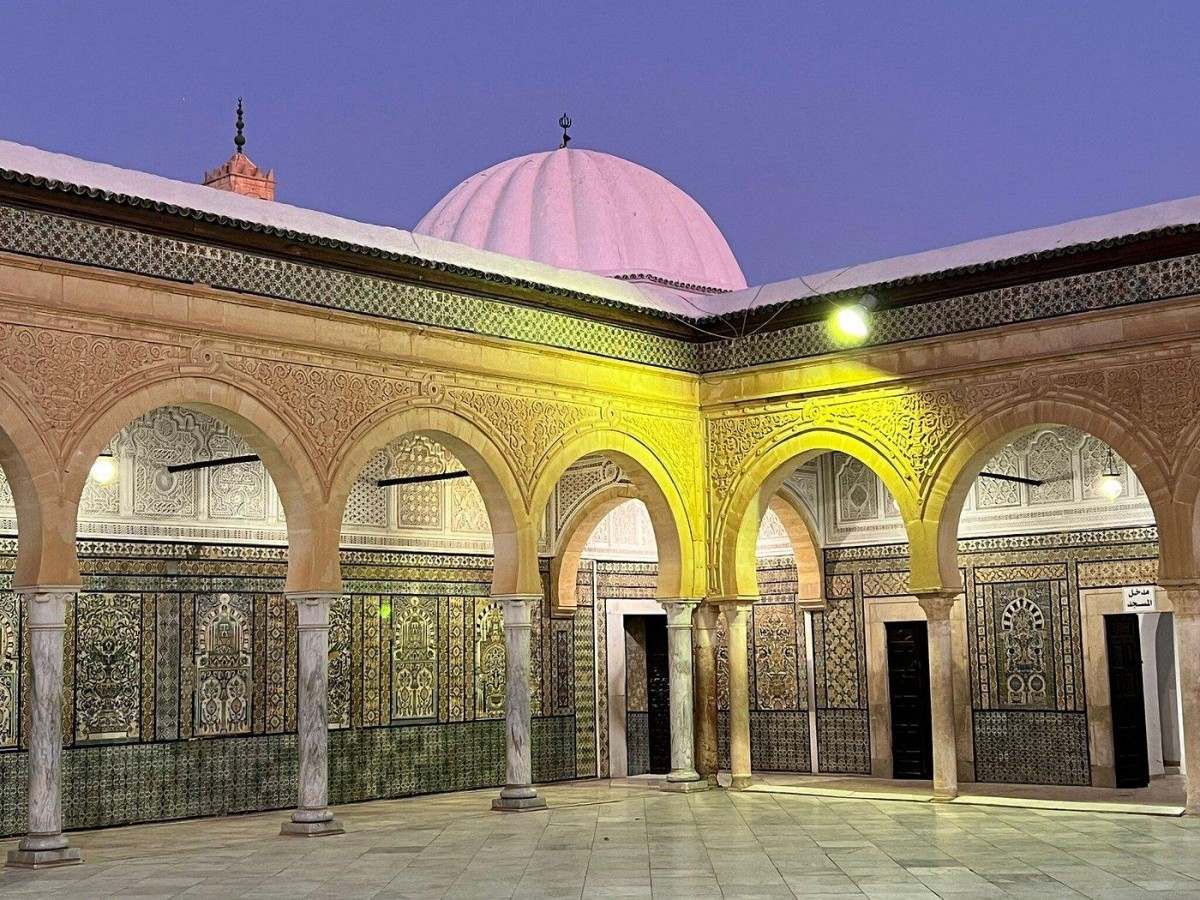
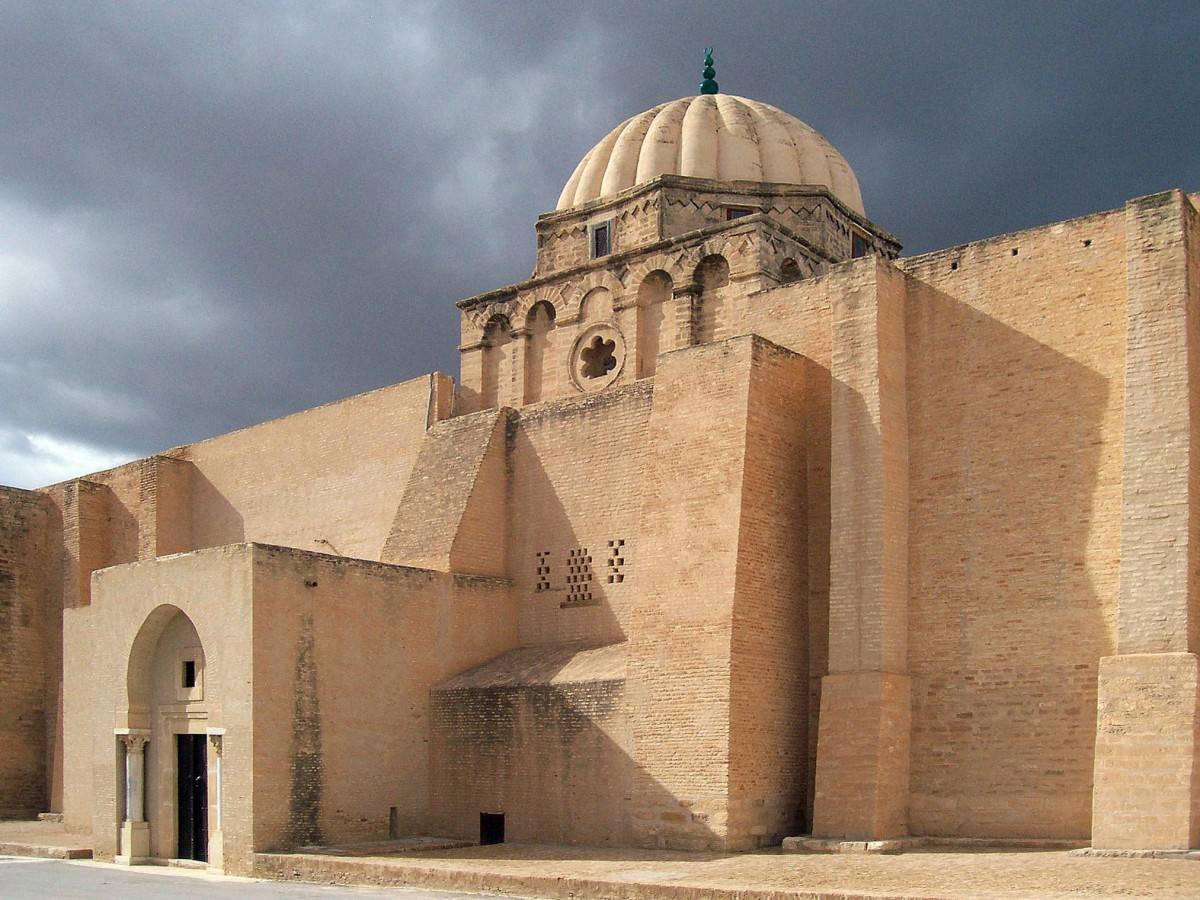
The guarantee of water source enables Kairouan to carry out religious mission. As the first capital of Islam in North Africa, the Great Mosque of Oqba, which is as famous as Mecca, was built here, and the reservoir provided the necessary water source for the purification ceremony before the five daily prayers. Tunisian Muslims even believe that "seven pilgrimages to Kairouan are equivalent to one pilgrimage to Mecca".
Standing on the observation deck of the Agrabit Reservoir, overlooking the huge ring that has been silent for thousands of years, it seems that you can hear the sound of water flowing in the Roman aqueduct and the measurement horns of Arab craftsmen. This is not only a masterpiece of water conservancy engineering, but also a micro-history of North African civilization-the technological heritage of Rome, the scientific beliefs of Islam, and the survival wisdom of the Berbers are melted here, and finally gave birth to the glory of a desert holy city. Today, although the reservoir in Kairouan no longer undertakes the mission of water supply, it is still the coordinate of the spiritual world of Tunisians. When visitors touch the mottled stone pillars or taste the traditional dessert maqroudh under the date palm trees beside the reservoir, they are touching not only history, but also how a civilization wrote eternity in the desert in the name of water.