
Advertisement
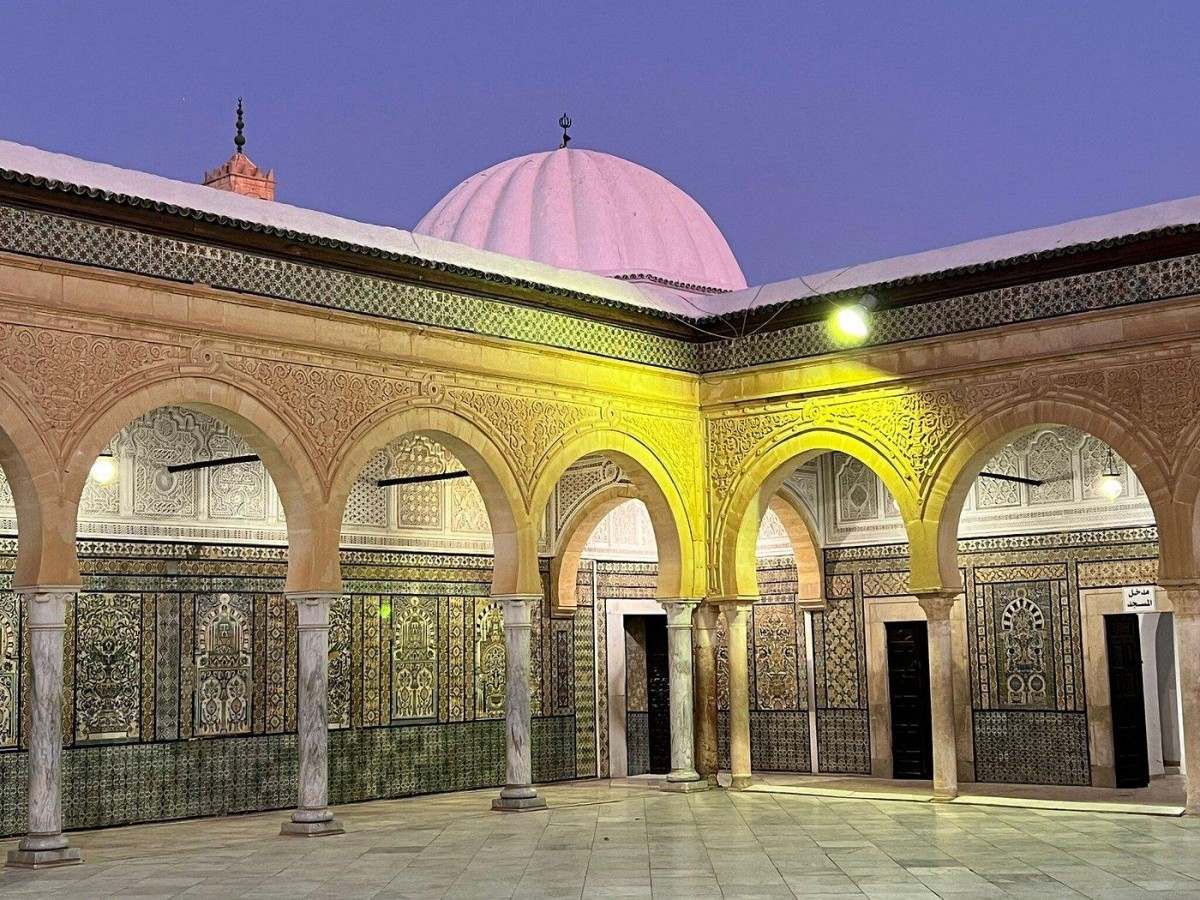
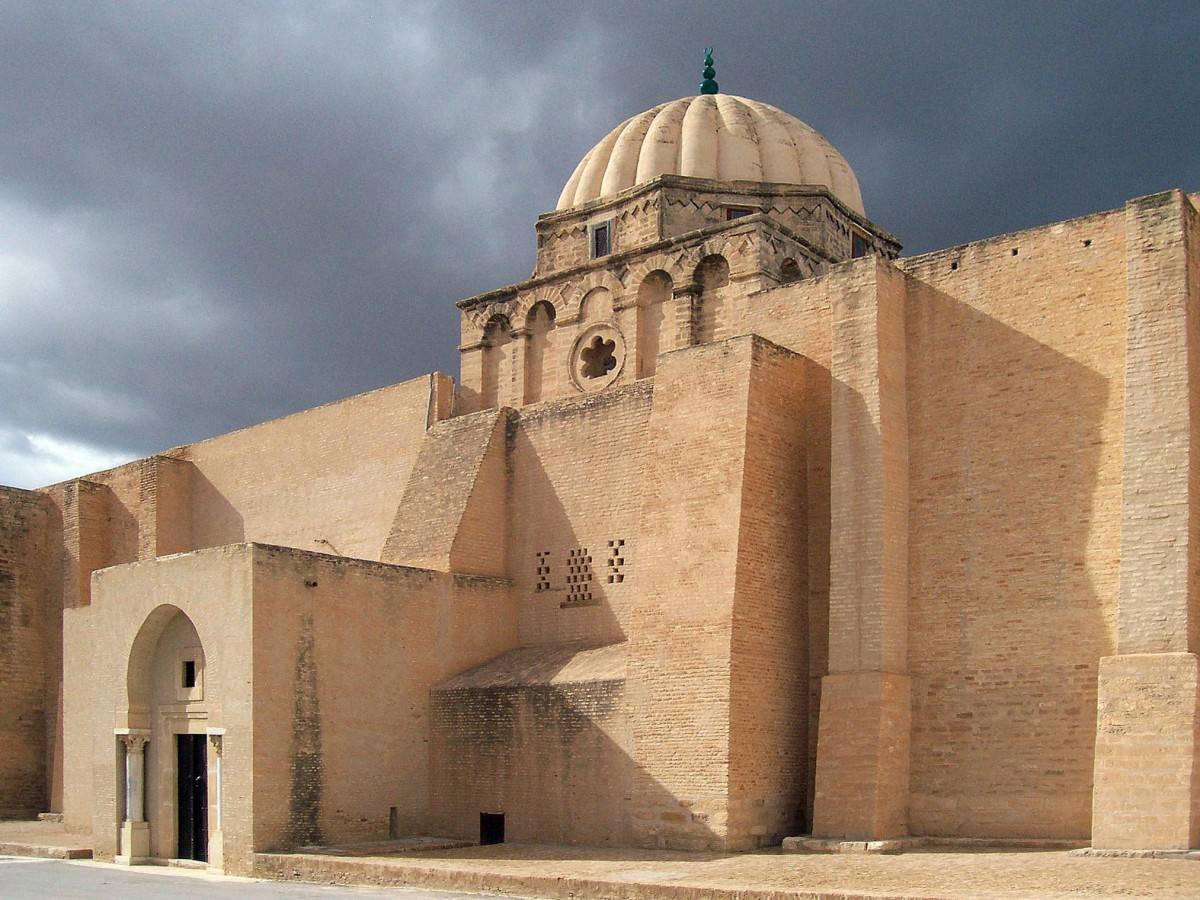
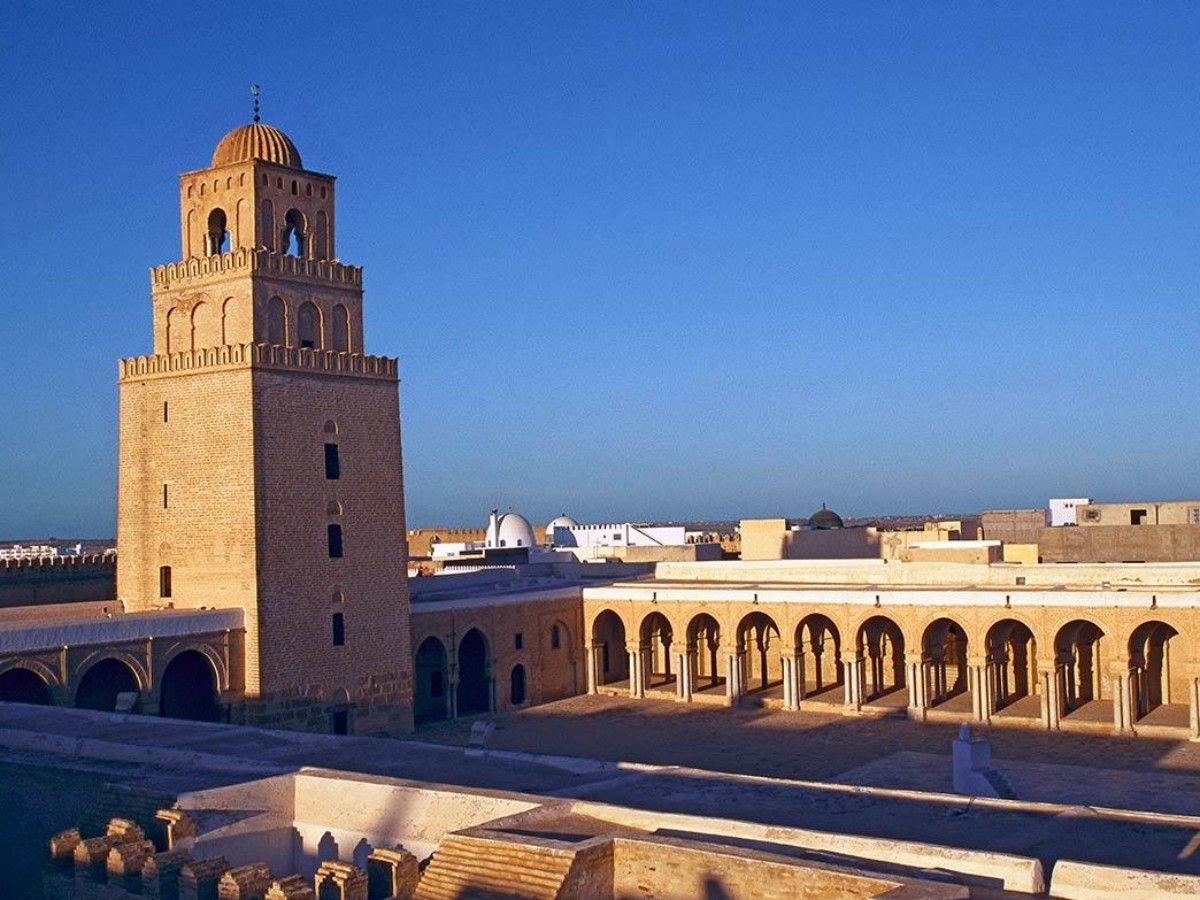
Kairouan is not only the birthplace of Islam in North Africa, but also famous for its title of "City of Three Hundred Mosques". The Great Mosque of Kairouan in the northeast corner of the city is like a geometric fortress in the desert. With its towering 35-meter minaret, 300 Roman stone columns and a religious status on par with Mecca, Medina and Jerusalem, it has become the most shocking civilization landmark in Tunisia139. This mosque, built in 670 AD, is the "spiritual fortress" left by the Arab general Oqba Ben Nafi after conquering North Africa. It is not only a textbook example of Islamic architecture, but also hides the wisdom of the ancients in dealing with the heat: from water storage wells to sundial timing, from marble cooling to the design of light and shadow corridors, all of which reflect the ingenuity of desert survival. Visiting here in summer, the high temperature of 45℃ seems to ignite the air, but as long as you master the time and skills, you can avoid the scorching sun and immerse yourself in the solemnity and coolness of this temple.
Advertisement
1. 6:00-8:00 in the morning: Capture the golden light
Advertisement
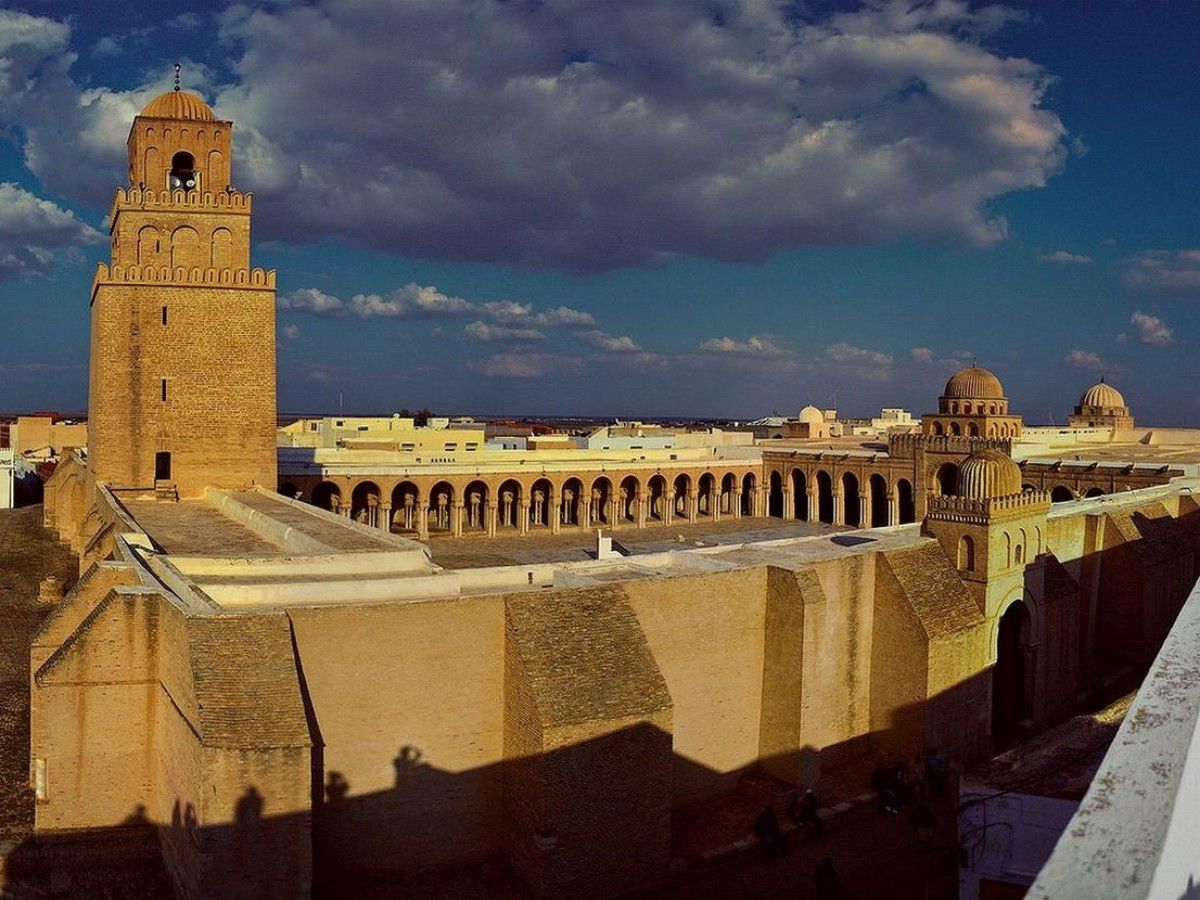
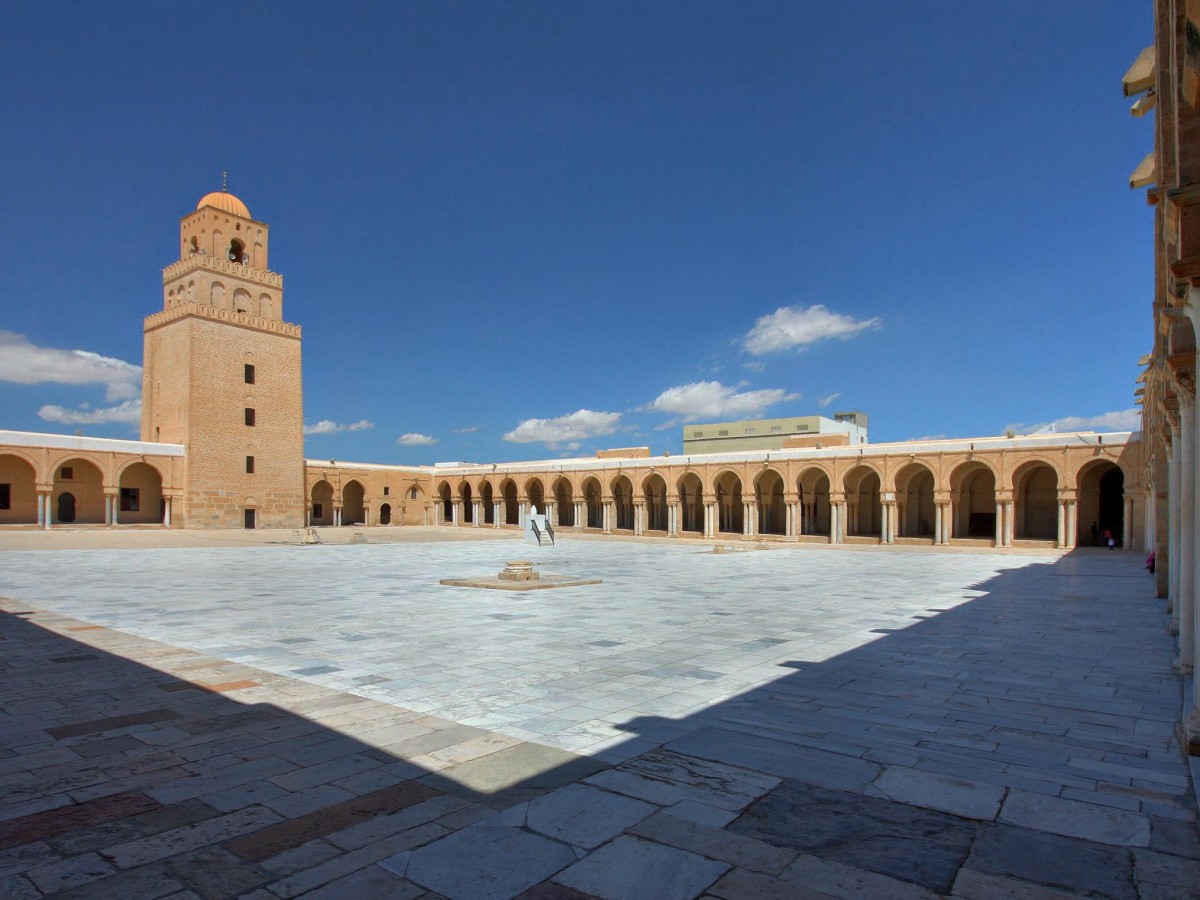
In Kairouan in summer, it is already bright at 6 o'clock in the morning, and the temperature is only about 25℃, which is the most pleasant time of the day. The mosque gradually wakes up in the morning light, the 35-meter-high minaret is plated with a layer of gold, and the 300 stone pillars under the corridor cast slender shadows, forming an excellent light and shadow composition. At this time, there are few tourists, and you can enjoy the sundial square in the center of the courtyard alone - this ancient timepiece composed of four pointed pillars is quietly turning with the angle of the sun.
2. Before 10:00 in the morning: Explore the architectural details
Go deep into the prayer hall before the high temperature arrives. The hall can accommodate 3,000 people, and the straw mats and carpets on the ground still retain the coolness of the night. Looking up, you can see Venetian chandeliers and painted domes. Among the Roman stone columns supporting the roof, there are even inverted carvings "recovered" from the ruins of Carthage, which hide the humorous conquest of pagan civilization by the Arabs.
3. Noon 12:00-16:00: Absolute lightning protection period
The temperature at noon in Tunisia in summer often exceeds 45℃, and the surface temperature is as high as 50℃ or above. At this time, the open-air courtyard of the mosque is like an oven, and the marble floor is so hot that you can't stand barefoot (you need to take off your shoes to enter the prayer area). It is recommended to go to the library or museum attached to the mosque, which houses the 8th-century Quran manuscripts and architectural floor plans, and the air conditioning and historical coolness are double cooling.
4. Evening 17:00-19:00: Sunset and Blues Time
The temperature in the evening drops to around 35℃, and the shadow of the minaret gradually lengthens. Climb up the three-story trapezoidal minaret in the northwest of the mosque (approval must be applied in advance) to overlook the khaki buildings of the entire city of Kairouan and the desert horizon in the distance. Within 20 minutes after sunset, the sky presents a deep "Islamic blue", which forms a sharp contrast with the sandy exterior of the mosque, which is the "golden hour" that photographers dream of.
1. Dressing: Practical aesthetics of robes and headscarves
Advertisement
The mosque requires women to wear headscarves, and both men and women must wear long pants or knee-length skirts. It is recommended to bring your own thin cotton and linen robes , which can protect against the sun and conform to etiquette. If you don't prepare, there is a free rental service at the entrance, but the style is single and used by multiple people, and the hygiene is poor.
2. Equipment: Desert survival three-piece set
Water bottle + electrolyte tablets: There is no direct drinking water in the temple, but the vendors at the door sell iced cactus juice for 1 dinar, which is sour and sweet to relieve the heat.
Folding cushions: The shade under the stone pillars of the corridor is a good place to rest, but the marble floor is freezing cold, and the cushions can isolate the cold.
Sunscreen spray: The UV index in Tunisia often reaches 10+, and it needs to be reapplied every 2 hours, especially the back of the neck and the instep (there is no shelter in the shoe removal area).
3. Hidden benefits: the chain value of tickets
You can enjoy discounts around Kairouan with the mosque ticket: such as 10% off at the market carpet shop and 10% off for the desert tour (reservation is required 1 day in advance). If you plan to go to Tozeur Oasis, you might as well match it with your itinerary - the temperature difference between the two places can reach 15℃, and Tunisians jokingly call it "roasting camels in the morning and wearing jackets in the afternoon."
1. Water storage system: "water conservancy project" in the desert
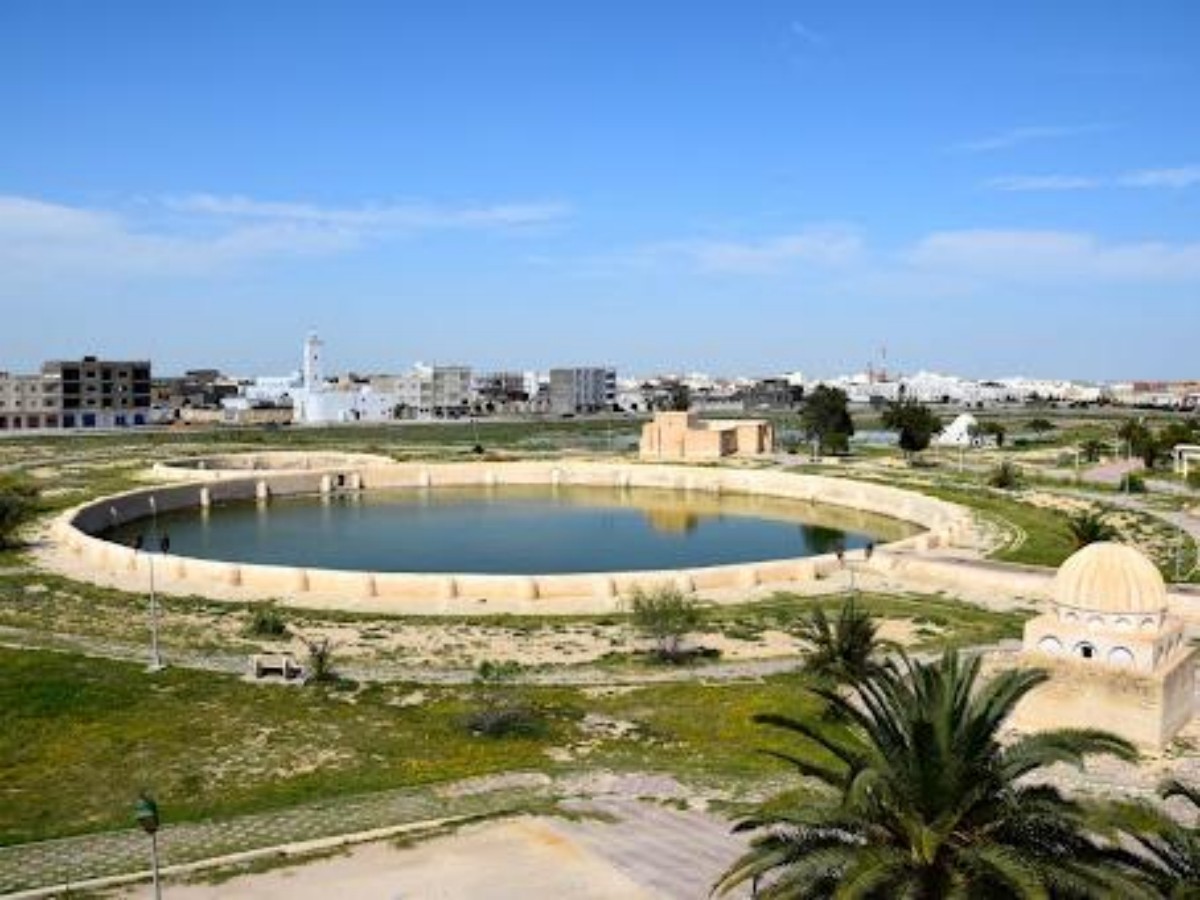
The ground of the mosque square is slightly inclined toward the center, and rainwater flows into the central water storage well through the underground channel, and then is diverted to the surrounding water storage cellars. This set of 7th-century design still provides believers with water for purification before worship. If you look closely at the holes in the ground, you can also find traces of ancient people using pottery to filter sand.
2. Mixed-blood stone columns: a history of North African conquest
Among the 300 stone columns in the corridor, there are both Corinthian capitals of Roman temples and relief fragments of Byzantine churches. The Arab builders did not understand Latin and used the stone columns engraved with the name of "Jupiter" upside down, forming a black humor that transcends civilization.
3. Geometric code: the faith of mathematicians
The horseshoe arch of the prayer hall is the first of its kind in Islamic architecture, and the diamond-shaped splicing pattern on the ground of the courtyard is actually an auxiliary line for measuring the sun's shadow in ancient times. Scholars speculate that the designer determined the best tilt angle of the minaret by calculating the length of the sun's shadow at the summer solstice.
A visit to the Great Mosque of Kairouan is a journey through time and space that is a game of heat. When you touch the lines of the Roman stone columns in the cool breeze of the morning, or look up at the silhouette of the minaret in the blue hour of the evening, you will understand that the 45°C heat makes the solemnity of this desert temple more impactful. There is no shelter from air-conditioned rooms here, but in the most primitive way, faith, wisdom and the power of nature are melted into eternity. If you are willing to leave your journey to the rhythm of light and shadow, Kairouan will eventually give you a tranquility beyond the scorching heat in its own way.