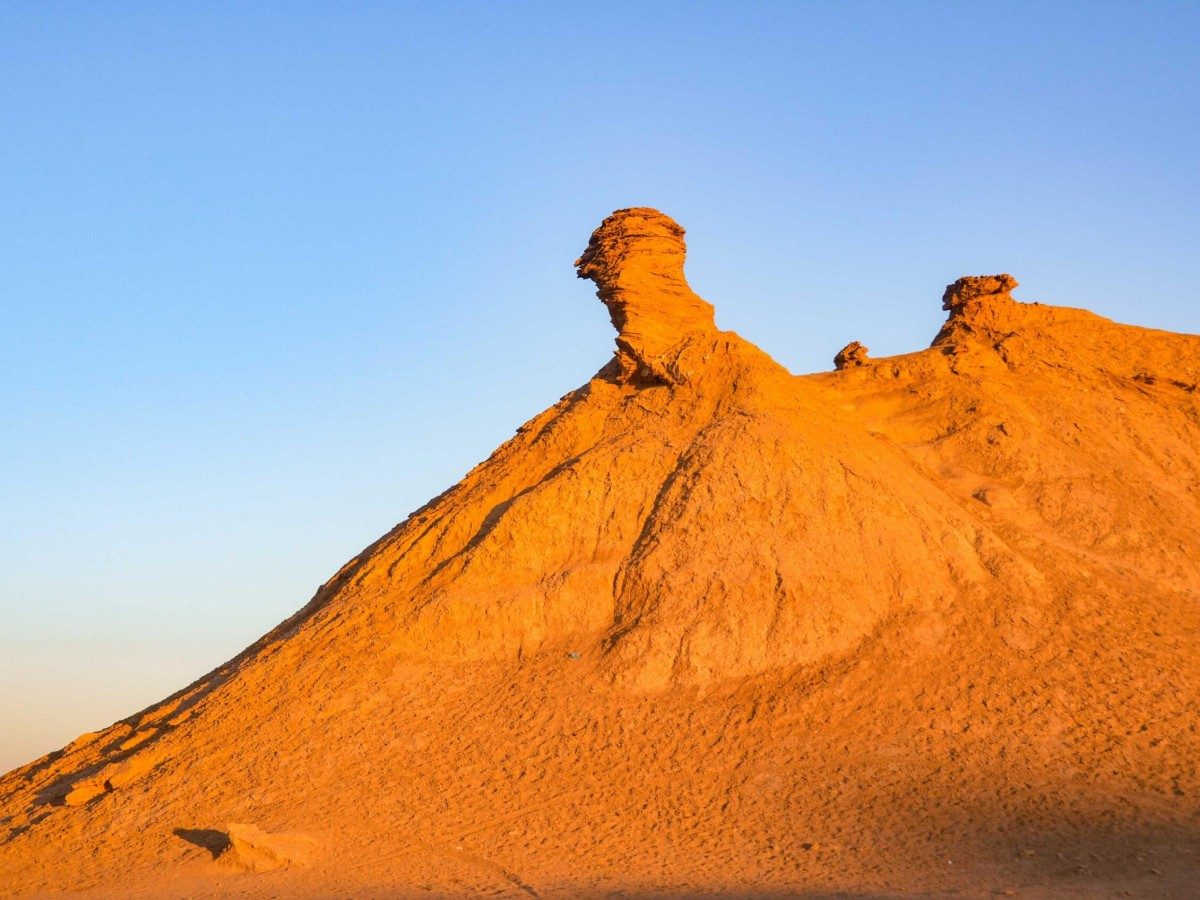
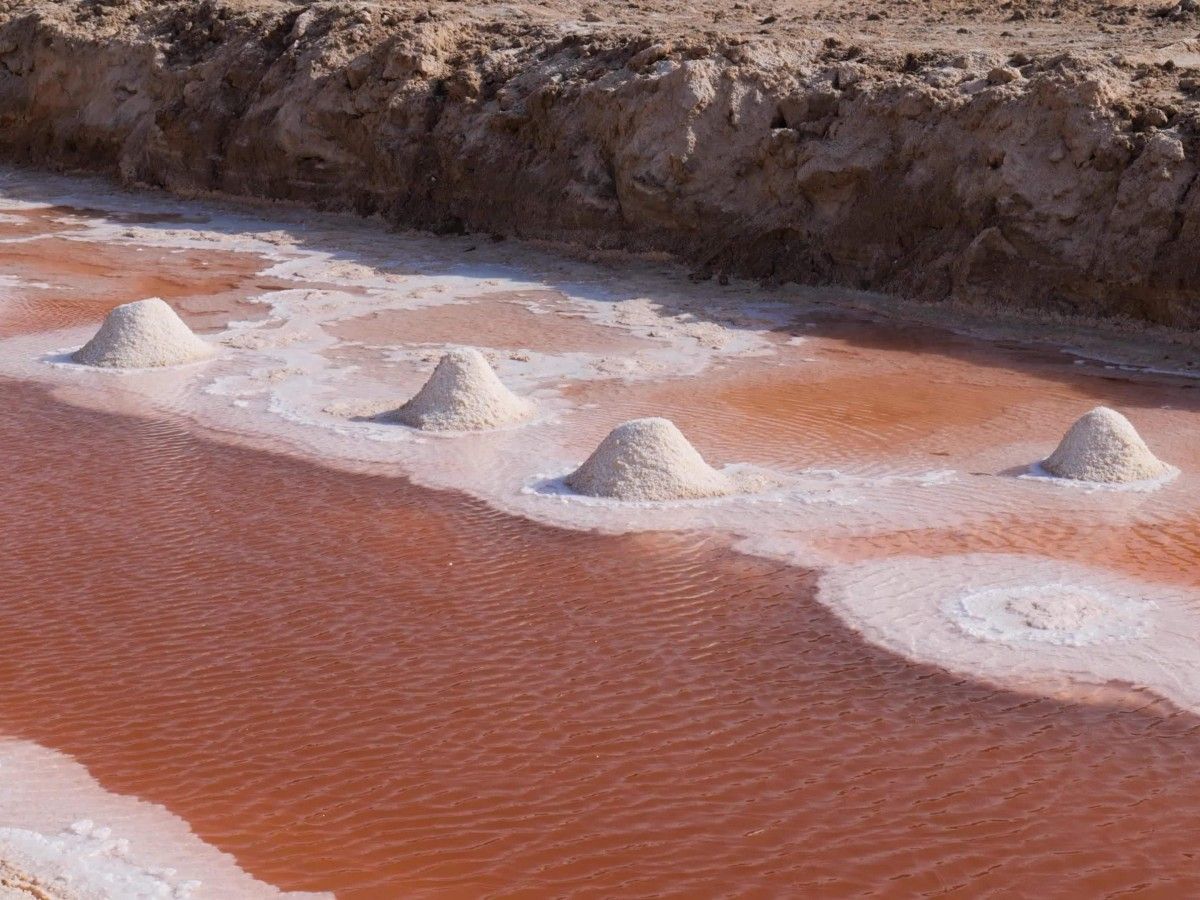
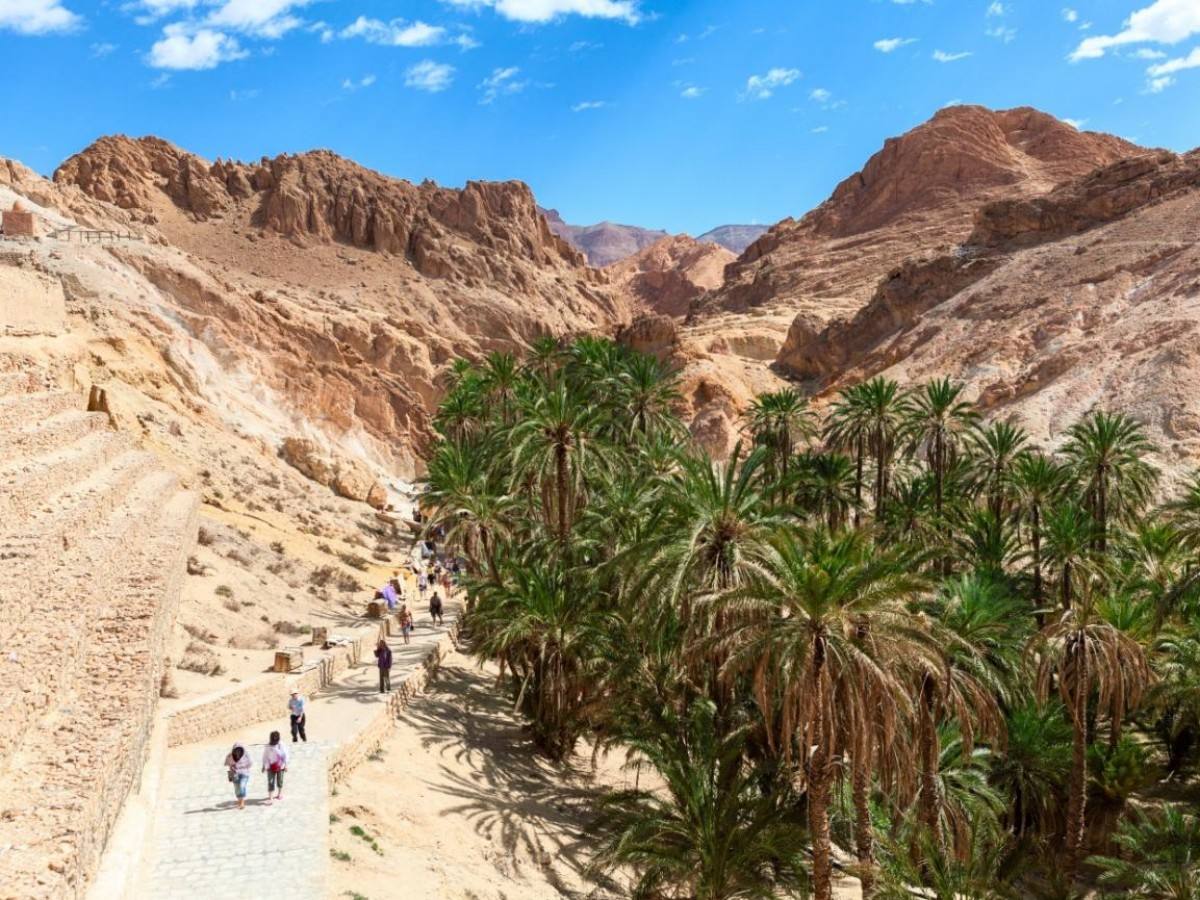
In southwestern Tunisia, near the edge of the Sahara Desert, there is a fantasy land that seems to be not on Earth - Chott El Djerid*. This largest salt lake in North Africa, covering an area of more than 5,000 square kilometers, cracks into countless white salt blocks during droughts, and turns into a shallow mirror in the rainy season, reflecting the sky, like a dream. It is not only the filming location of "Star Wars", but also the "alien world" in the hearts of travelers. But when can you see the most shocking scene? Will the car get stuck if you drive by yourself? How to avoid extreme climate? This guide will take you to an in-depth analysis of Chott El Djerid in the dry season and rainy season, making your adventure safe and unforgettable.
Advertisement
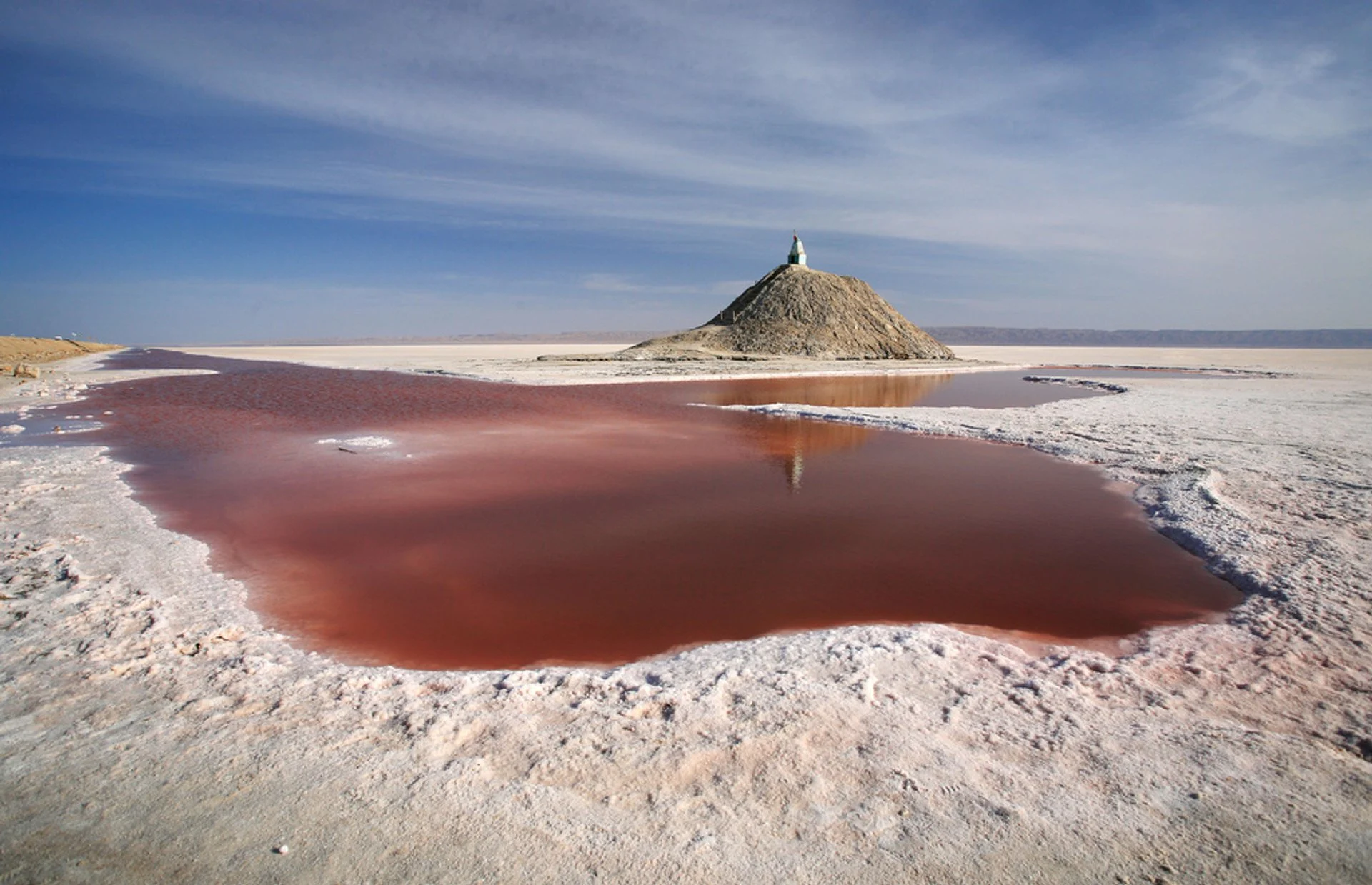
Chott El Djerid is completely dry in the dry season, and the lake bed cracks into huge white salt pans, shining dazzlingly under the scorching sun. At this time, the salt lake looks like an alien landform, and is even used by NASA to simulate the Martian environment for research.
Advertisement
Advantages of the dry season
Suitable for self-driving: The lake bed is hard, and ordinary vehicles can also drive in (but four-wheel drive is recommended for safety).
Surreal landscape: Salt crystals pile up into mountains, and cracks extend to the horizon, which is very visually impactful for taking pictures.
Beautiful sunset: The sunset dyes the salt lake into pink gold, which is the "golden moment" favorite of photographers.
Disadvantages of the dry season
Extremely high temperature: In summer (June-August), the daytime temperature can reach **50°C**, so you need to avoid noon and travel in the early morning or evening.
Mirage interference: High temperature causes light to refract, and it seems that there is water in the distance, but it is actually an illusion, which is easy to mislead the direction.
Tips for dry season travel
Sun protection! Sun protection: Wear a wide-brimmed hat, sunglasses, and apply high-multiple sunscreen.
Bring enough water: There is no supply station around the salt lake, and at least 3 liters of water per person.
Navigation is essential: There is no clear road around the salt lake, download an offline map or follow a local guide.
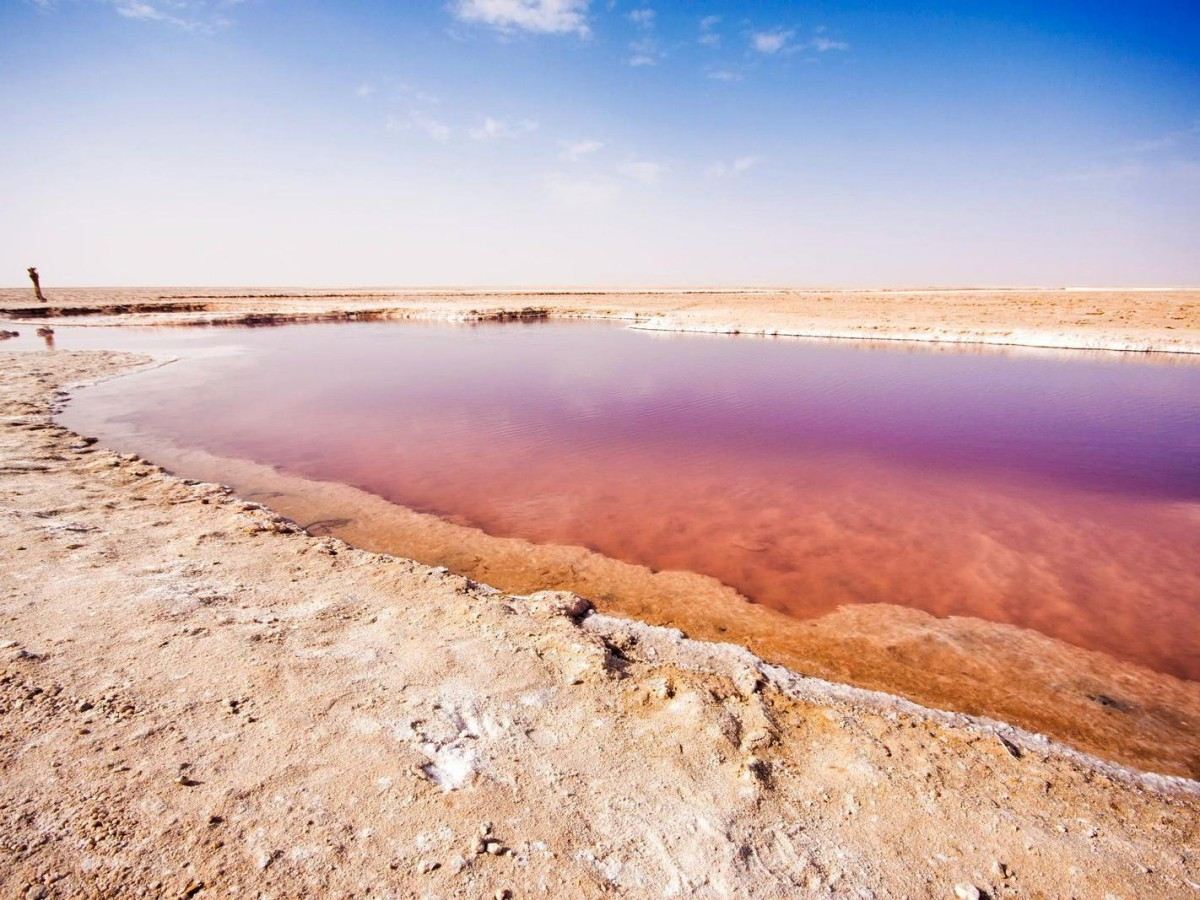
The short rainfall in winter covers some areas of Chott El Djerid with shallow water, forming a "mirror of the sky" effect, especially in January-February, when the water layer is most stable and beautiful reflections can be photographed.
Advertisement
Advantages of rainy season
Dreamlike mirror lake: When the water is shallow (about 5-10cm), the lake surface reflects the sky like glass, comparable to the Uyuni Salt Flats in Bolivia.
Comfortable climate: 20-25°C during the day, suitable for long-term outdoor exploration.
Migratory bird migration: In winter, the salt lake becomes a temporary habitat for birds such as flamingos, a surprise for eco-travelers.
Disadvantages of rainy season
Some areas are prohibited: the lake softens the salt crust, and vehicles are easy to sink, so you need to strictly follow the local signs.
Short window period: The water layer only lasts a few days to two weeks, so you need to check the weather in advance.
Tips for rainy season travel
Confirm road conditions: Ask the Tozeur Tourism Center for the latest traffic conditions of the salt lake.
Waterproof shoes: The salt concentration in shallow water is high, so avoid walking barefoot (highly corrosive).
Morning and dusk photography: Direct sunlight at noon weakens the reflection effect, and the best time is sunrise and sunset.
Transportation and safety guide
Regardless of the dry season or rainy season, Chott El Djerid needs to depart from Tozeur or Douz. It is recommended to choose the following methods:
Self-driving: Rent a four-wheel drive vehicle (ordinary cars are feasible in the dry season), GPS coordinates 33.7°N, 8.4°E.
Chartered car guide: Local drivers are familiar with the salt lake pits, about US$50-80/day.
Taboo: Never go deep into the center of the lake alone, the thickness of the salt layer is uneven, and there have been vehicle sinking accidents!
The magic of Chott El Djerid lies in its "dual personality" - the dry season is a blazing white alien desert, and the rainy season is a misty mirror world. When you choose to go determines which side of it you will encounter. But no matter what season, this salt lake will remind you of the magnificence and impermanence of nature with the ultimate wonders of the earth. If time permits, you might as well stay a night in Tozeur, wait for the stars to come out, and watch the salt crystals sparkle in the moonlight. At that moment, you will understand why this place is called the "Silver Dream of the Sahara".