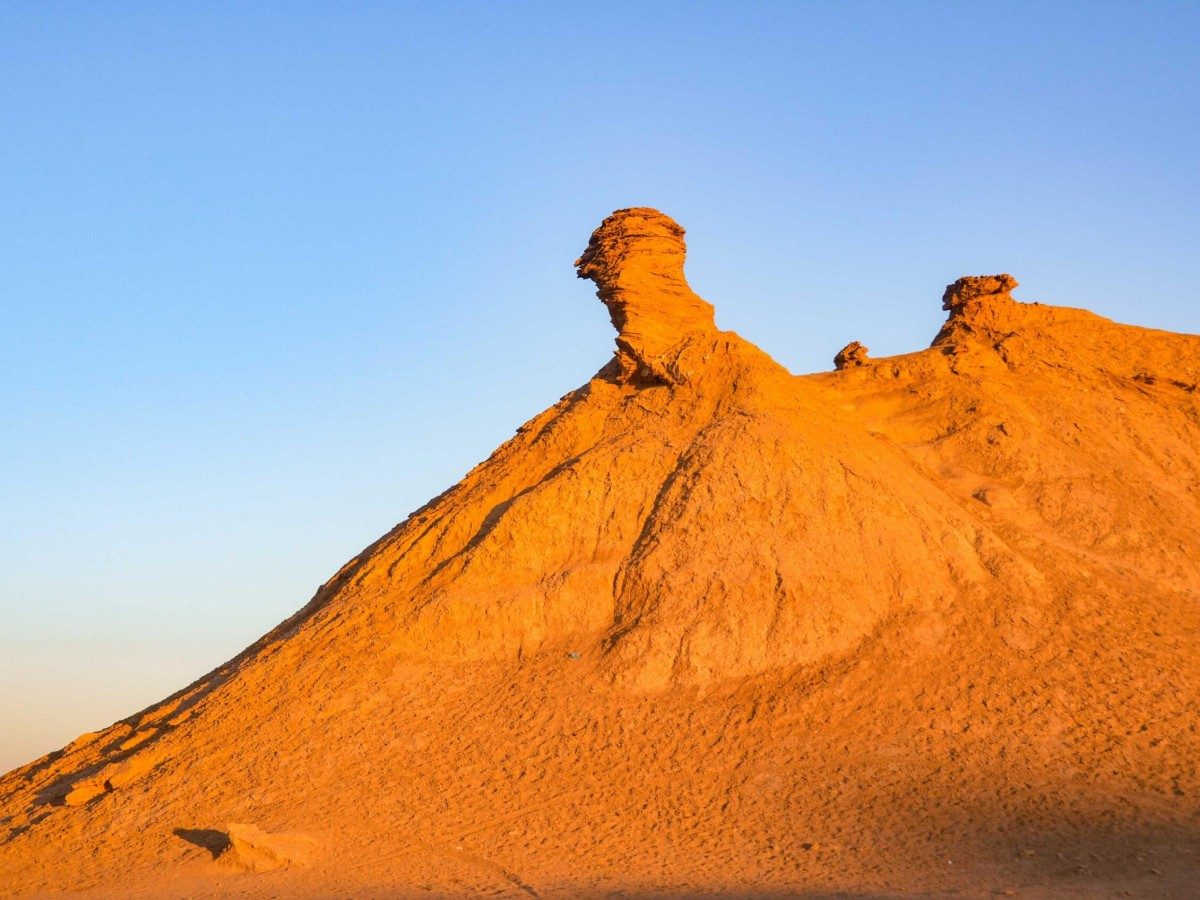
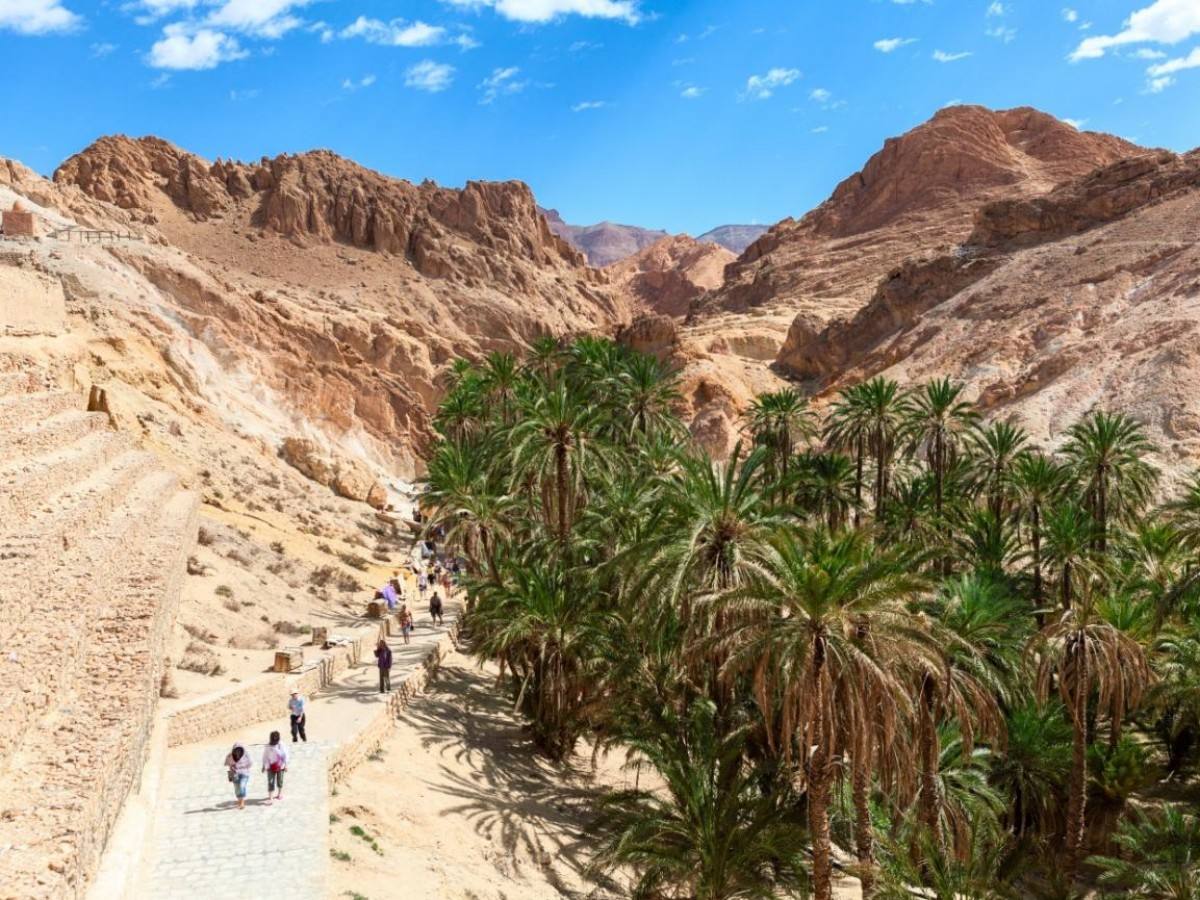
On the edge of the Sahara in southwestern Tunisia, Tozeur Oasis is like a piece of emerald polished by wind and sand for thousands of years, quietly lying in the embrace of the golden desert. This is the location of Tatooine in Star Wars, but the real magic is not in the movie scenes, but in the Berber life wisdom that has continued for more than a dozen centuries in the oasis. If you want to go beyond the ordinary tourists' cursory sightseeing, why not try to "play" a Berber for a day - learn their secrets of water diversion, weave daily necessities with palm leaves, and even drink mint tea and tell stories under the stars like the locals.
Advertisement
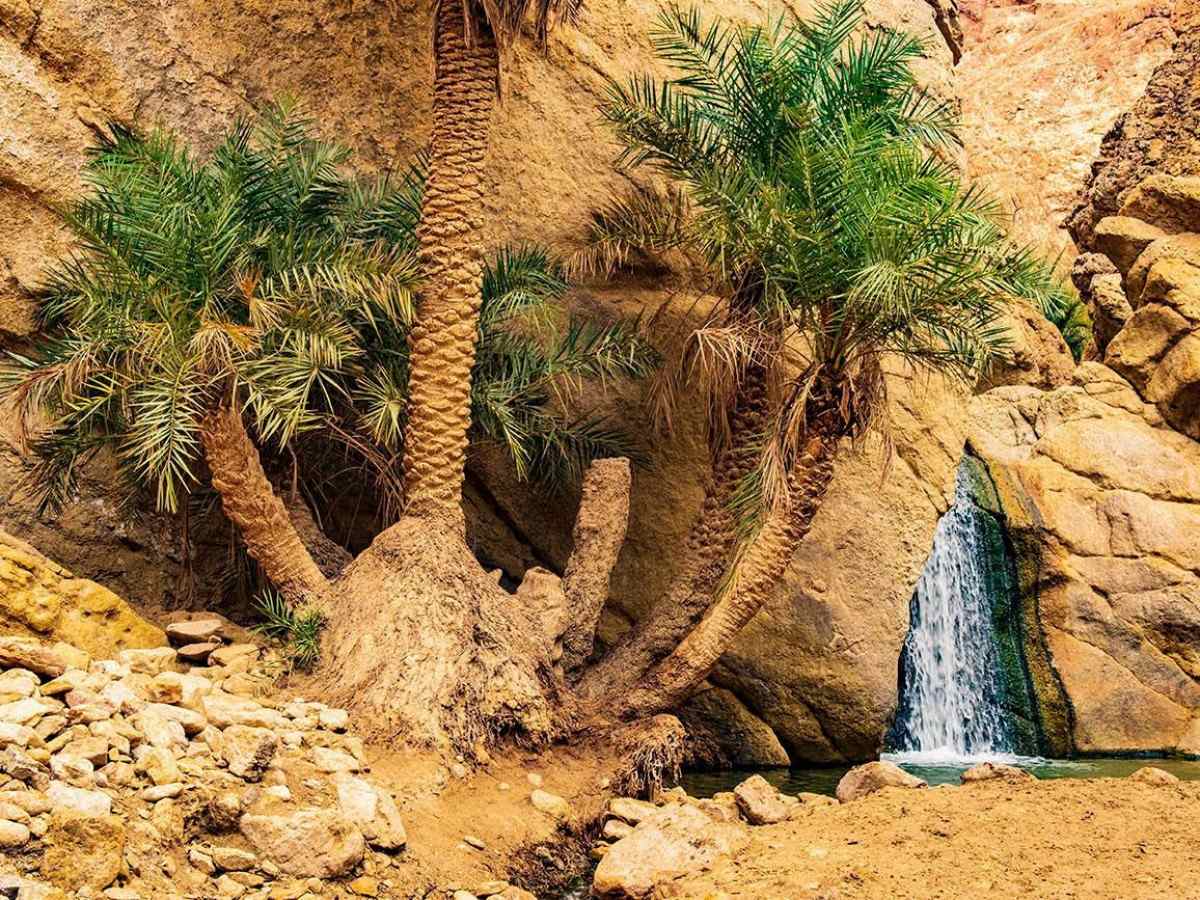
The day of the Berbers starts with water. The palm forest of Tozeur can survive in the desert thanks to an underground irrigation system called "Foggaras" - which is older than the Roman aqueduct, but more sophisticated. Follow the local guide into the earthen ditch between the palm trees, watch them use shovels to clean the mud and sand, and explain how to use gravity to make water flow from the underground canal to each tree. The most amazing thing is that this system does not have any modern machinery, and it is entirely maintained by people's memory of the terrain and touch. Try to dig a canal by yourself, and you will be sweating in less than ten minutes, and the Berbers have repeated this work for generations.
Advertisement
After the irrigation is completed, the guide will take you to visit the date palm forest. The "Fingers of Light" dates produced in Tozeur are a national treasure of Tunisia. Pick a ripe fruit and take a bite, and the honey-like juice will subvert your perception of dates. The locals will also demonstrate how to twist ropes with tree trunk fibers - this is the basic skill of the Berber "Desert Hardware Store".
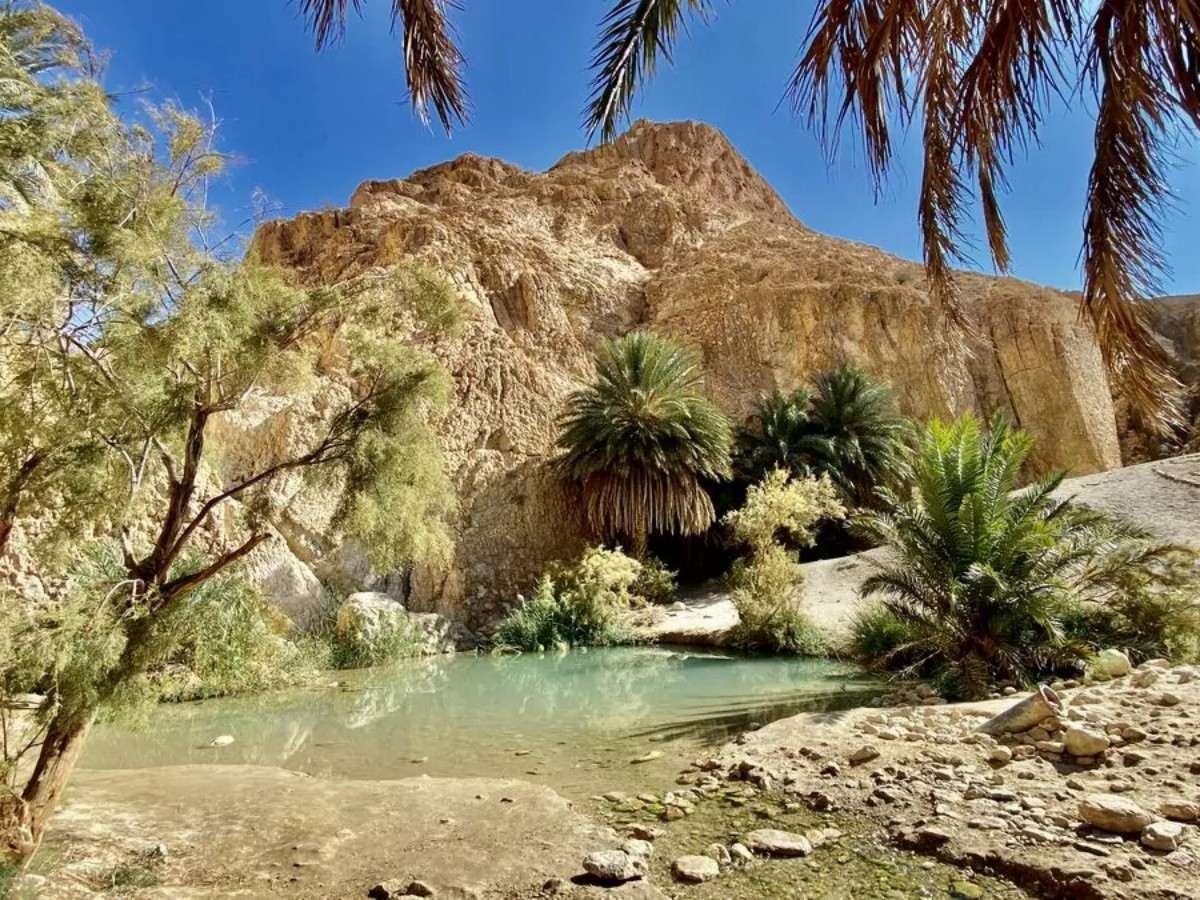
The architecture of the old city of Tozeur is like a three-dimensional math book: each wall is made of dried mud bricks into a honeycomb-like geometric pattern, which is both sun-proof and wind-proof. Under the guidance of local craftsmen, you can learn to make traditional bricks - mixing clay, straw and natural adhesives, pressing into wooden molds and drying them. Try to lay a brick, and you will find that the seemingly random patterns actually strictly follow the Berber orientation: the south-facing wall has dense holes for ventilation, while the north-facing wall is dense and windproof.
Advertisement
Lunch is usually enjoyed in the courtyard of a local family. The housewives will bring out clay pot stews, slowly baked with date palm wood, and served with freshly baked flatbreads. The Berbers believe that the dining table is a sacred place for listening to stories. While dining, you may hear ancient legends about how the ancestors used brick patterns to identify directions in sandstorms.
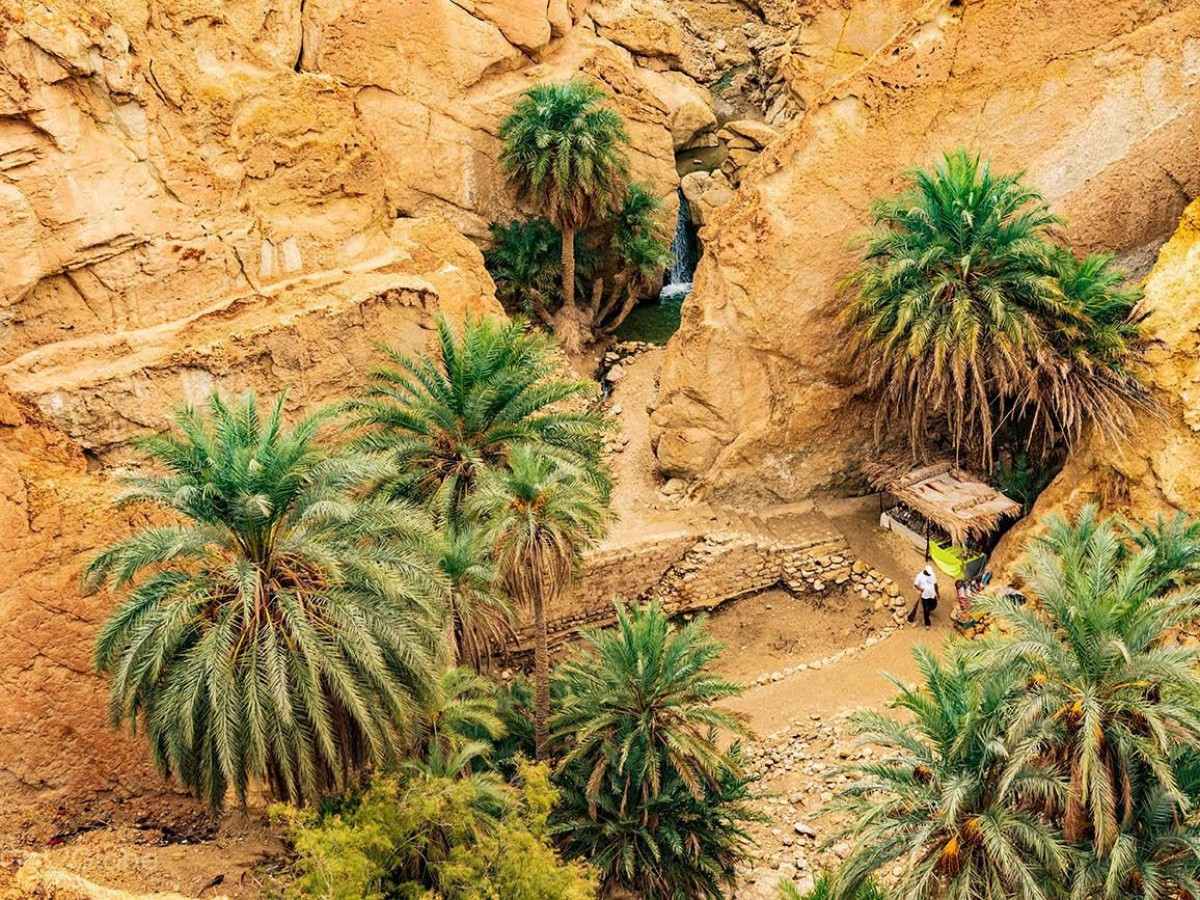
In the palm leaf workshop on the edge of the oasis, local female craftsmen will teach the art of weaving baskets with dried leaves. The action seems simple, but if you want the leaves not to crack, you need to soak and beat them to soften them - they smiled and said that this is "letting the leaves learn to bend." Watch the craftsmen turn the leaves into the skeleton of the storage basket with their fingers flying, while the materials in the hands of beginners may only be enough to make a coaster.
In the corner of the workshop, there are finished handicrafts such as brooms and straw sandals, which are the most popular souvenirs for tourists. Experienced craftsmen will reveal that baskets with wavy patterns are particularly popular because "people in the desert believe that waves can summon rain."
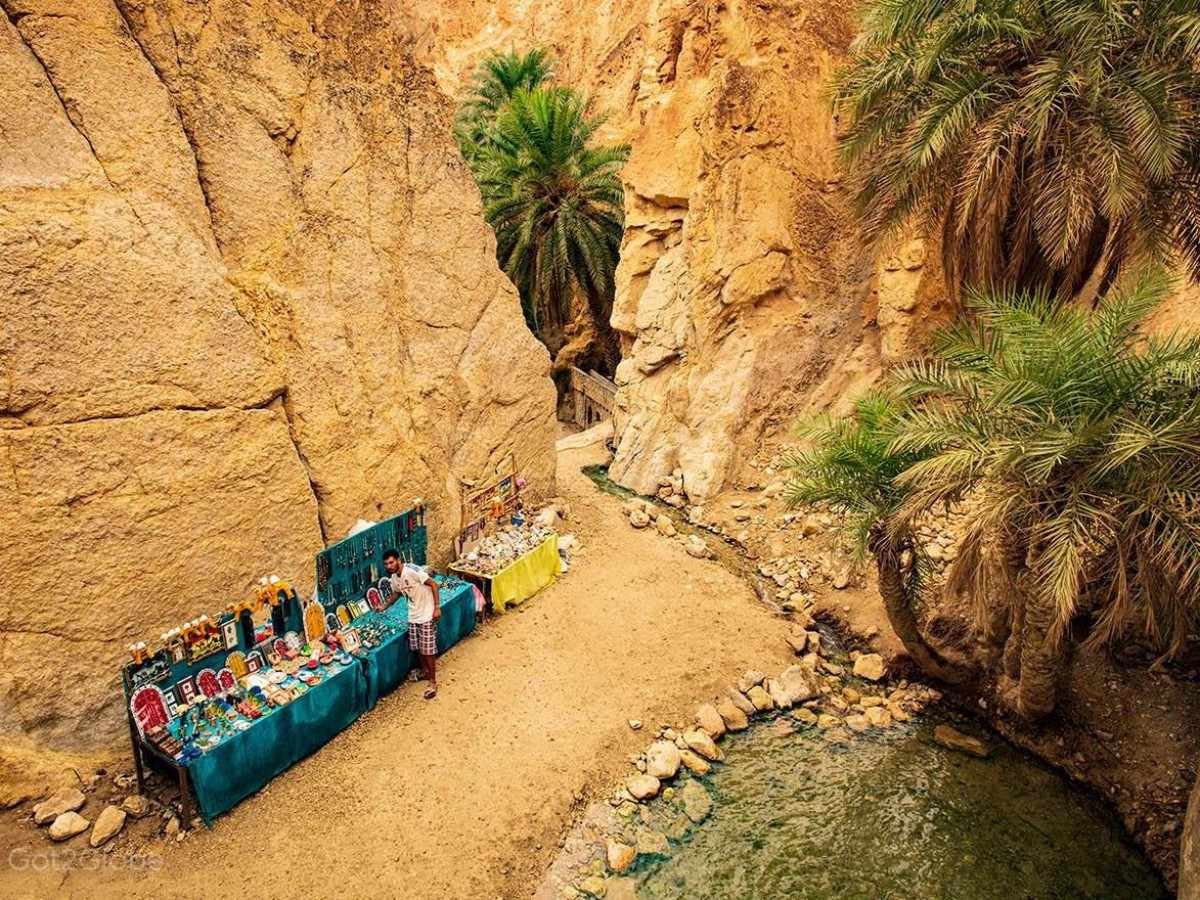
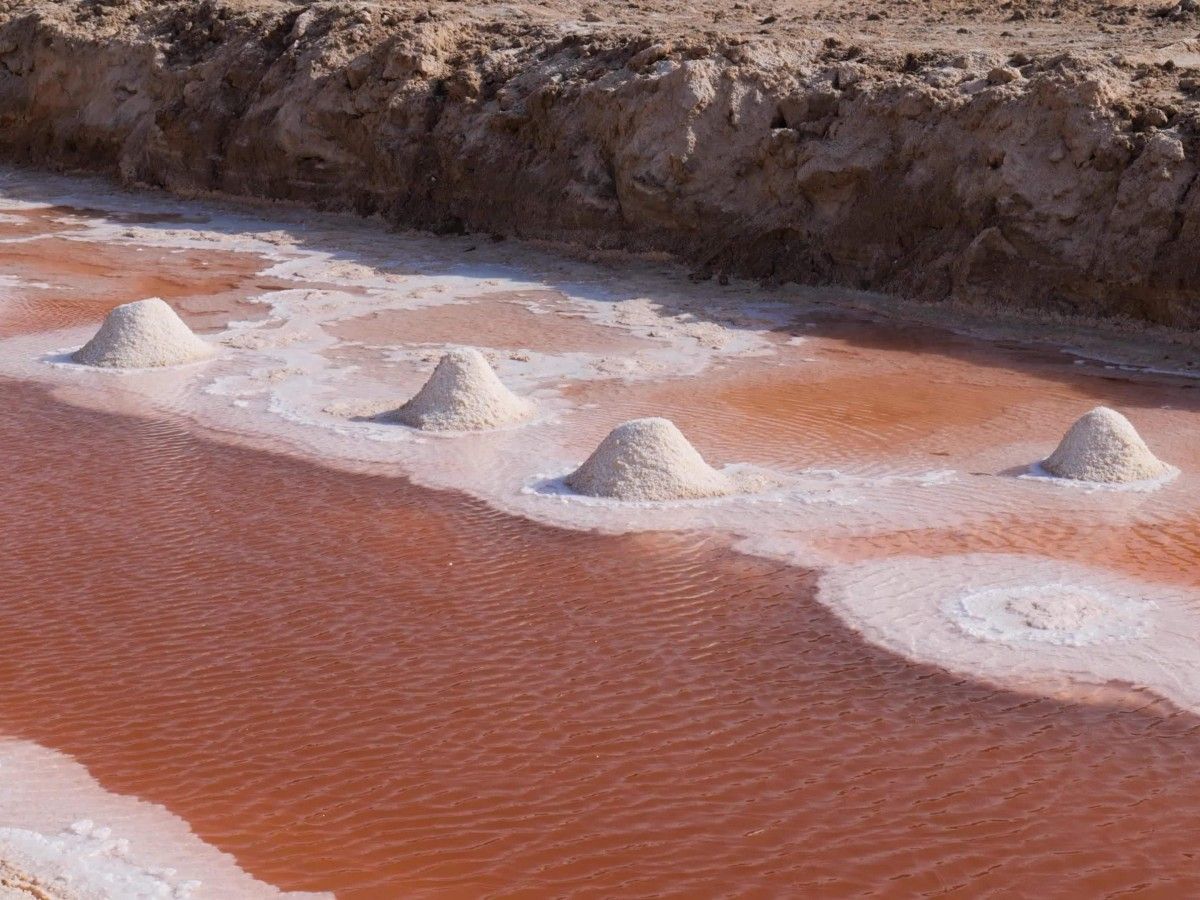
Before sunset, riding a camel to the salt lake is the most wonderful experience. When the sunset dyes the salt crust pink, the guide will spread the blanket and set up a small charcoal stove to boil mint tea. The Berber tea ceremony is full of ritual: the first cup is bitter like life, the second cup is sweet like love, and the third cup is gentle like death. While tasting tea, the guide will teach the ancient wisdom of navigating with the stars-in the desert, the Southern Cross is more reliable than the Big Dipper, and the direction of the rising moon can predict whether there will be a sandstorm tomorrow.
On the way back, the sound of camel bells mixed with the singing of Berber herders in the distance made people suddenly realize that what they learned about irrigation, construction, weaving and stargazing that day was actually the same thing - how to live gently and tenaciously in the desert.
When leaving Tozeur, you take away not only dates and handicrafts, but also the philosophy of the Berbers towards the harsh environment: they do not "conquer" the desert, but learn to communicate with it. The direction of the irrigation canals, the holes in the brick walls, and the patterns of the woven fabrics are all codes written into daily life for thousands of years. The next time you see the alien desert in "Star Wars", you will probably smile knowingly - the real wisdom of the other world has been growing in this oasis on Earth.