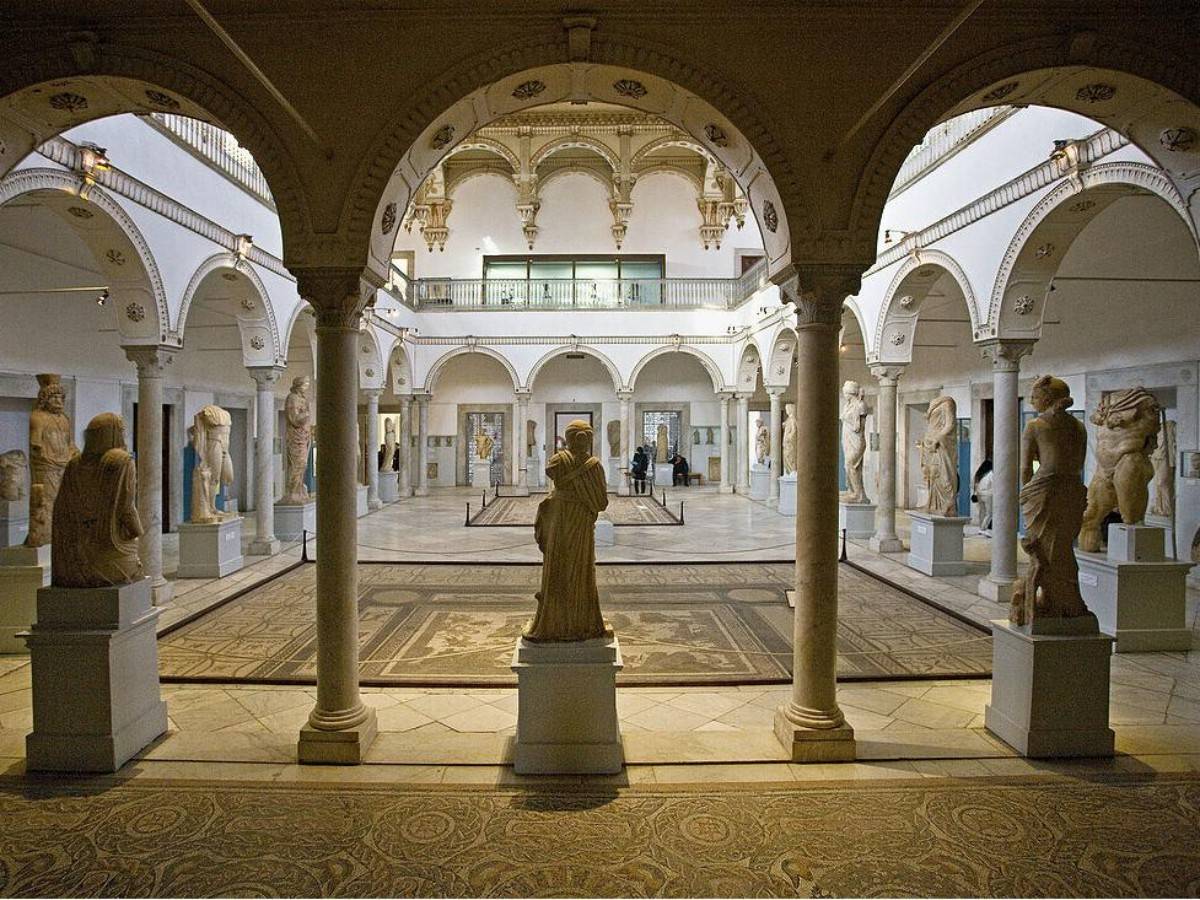
Tunisia is a country that is neither too big nor too small, but it has a lot of history. In the capital city of Tunis alone, there are a few old places that can take you on a full day's stroll and you still can't get enough of them. Among these places, the most noteworthy and not to be missed is probably the Bardo Museum. This museum is not only one of the most important cultural landmarks in Tunisia, but also in the whole of Africa and the Mediterranean coast. You may not have heard of it, but if you have even the slightest interest in ancient Roman, Phoenician, or Islamic art, this place will definitely blow your mind. It's not like the Louvre in Paris which is packed with people all day long, or the Metropolitan in New York which is so jarring and dizzying as soon as you walk in. Bardo Museum is more of a “hidden in the old house” quiet temperament - low-key but content, simple but enough flavor. It's a great place to visit if you're looking for a relaxing and informative time on the road.
Advertisement
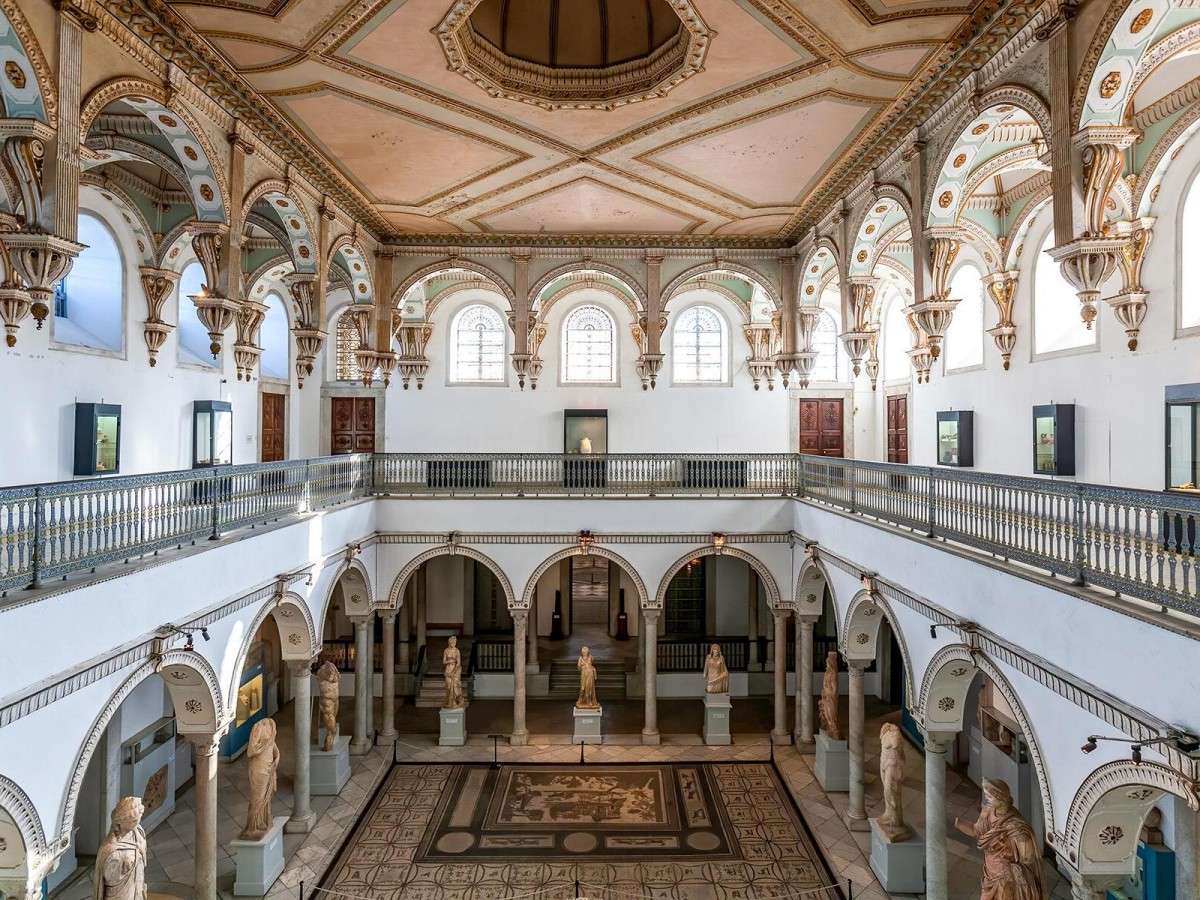
The origins of this museum date back to the late 19th century. In the beginning, this place was the palace of one of Tunisia's Turkish rulers, which was slowly transformed into a museum. As soon as you enter, you can feel that this place is not an ordinary pavilion, just those vaults, carved windows and doors and mosaic tiles walls, it is already enough for you to take pictures for a while. The whole building is a work of art, and you will unconsciously slow down as you walk through the gallery - this is not one of those high-tech, cold, modern museums, but a historical space with a flavor of life, steeped in the traces of time.
Advertisement
It's also conveniently located right in the Bardo district of Tunis, a ten-minute taxi ride from the city center. You can't tell how big it is from the outside, but you realize once you're inside that it's really big enough for you to wander around for most of the day. Especially the light design of the museum, the sunlight through those small windows sprinkled down, shining on the stone carvings and mosaics, there is a kind of indescribable quiet beauty, so people can not help but want to sit down and laze around for a while.
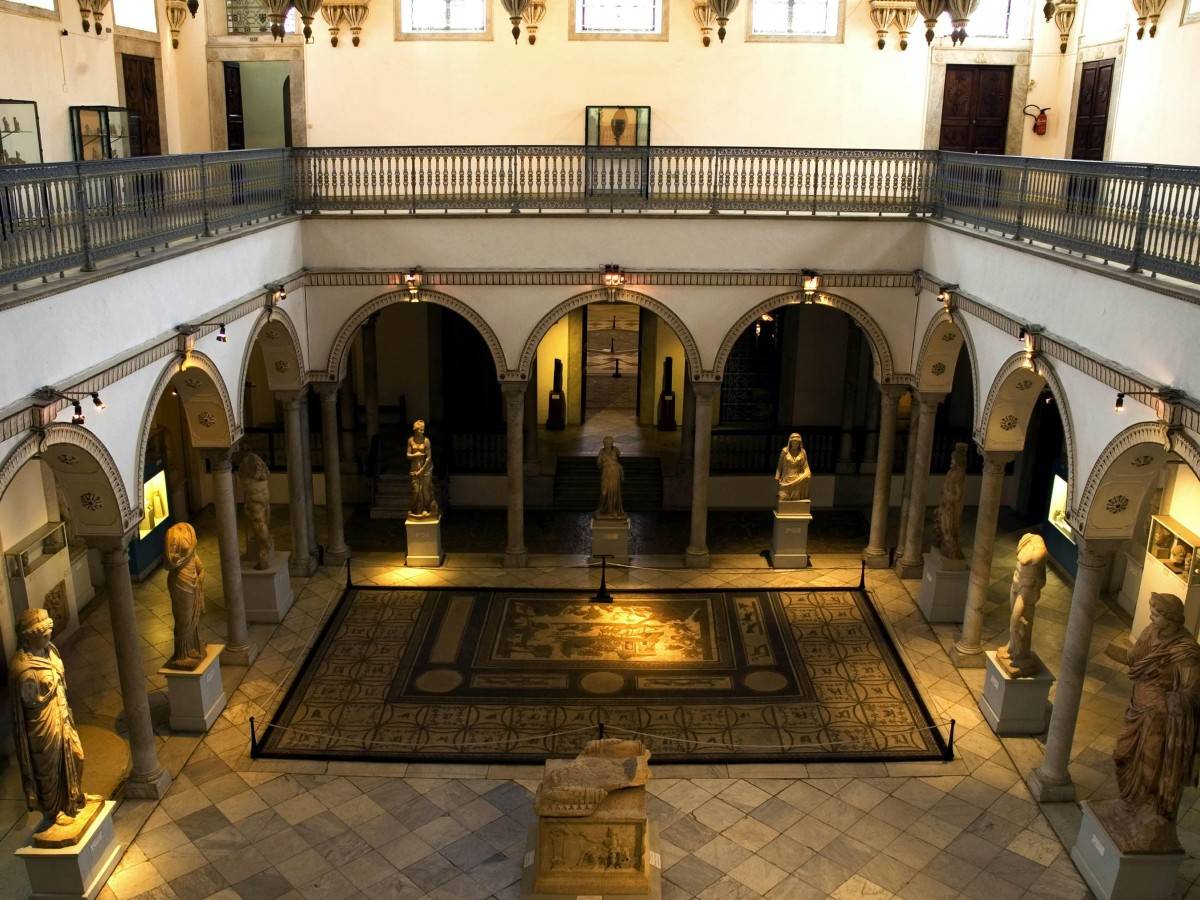
This museum is best known for its world-class collection of ancient Roman mosaics, arguably one of the most numerous and best preserved in the world. You might think that mosaics are the kind of decorations that bathroom wall tiles put together, but when you stand in front of the super-large mosaic paintings that have been dug up from the ruins of the ancient city, you realize just how good people were at making art back in the day.
Advertisement
Many of the images are so exquisitely detailed that one wonders if they were drawn with a paintbrush, only to look closer and see that they are actually really pieced together from a small stone. Some of them are painted with mythological stories, and some of them show the life scenes of the aristocrats hunting, eating and dancing, which is almost a “high-definition documentary” of the ancient world.
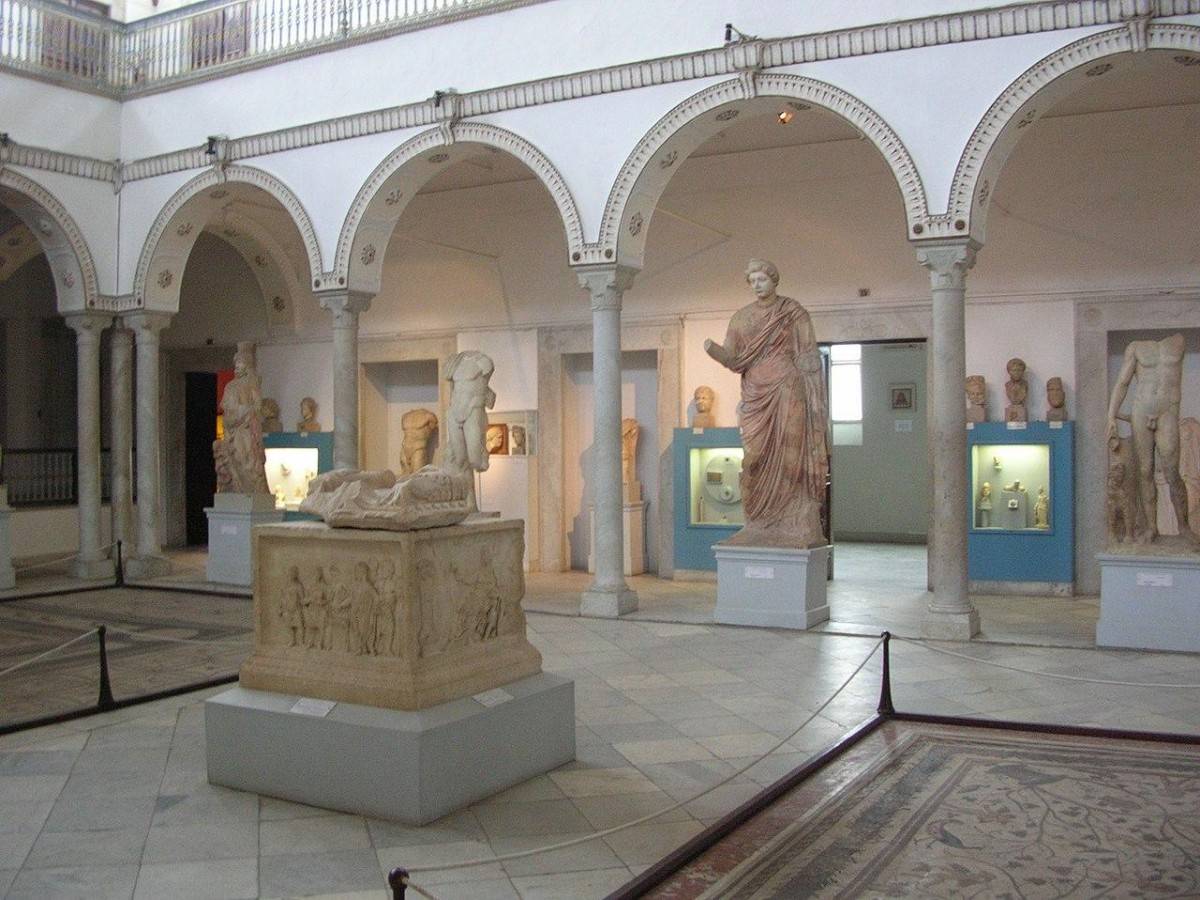
In addition to mosaics, there are also many artifacts from the Phoenician and Carthaginian eras, such as pottery, gold ornaments, statues, as well as some calligraphy and religious items from the Arabian period, a rich variety of time spanning from thousands of years ago to the Middle Ages. With a quick stroll around, you can pretty much walk through thousands of years of Tunisian civilization.
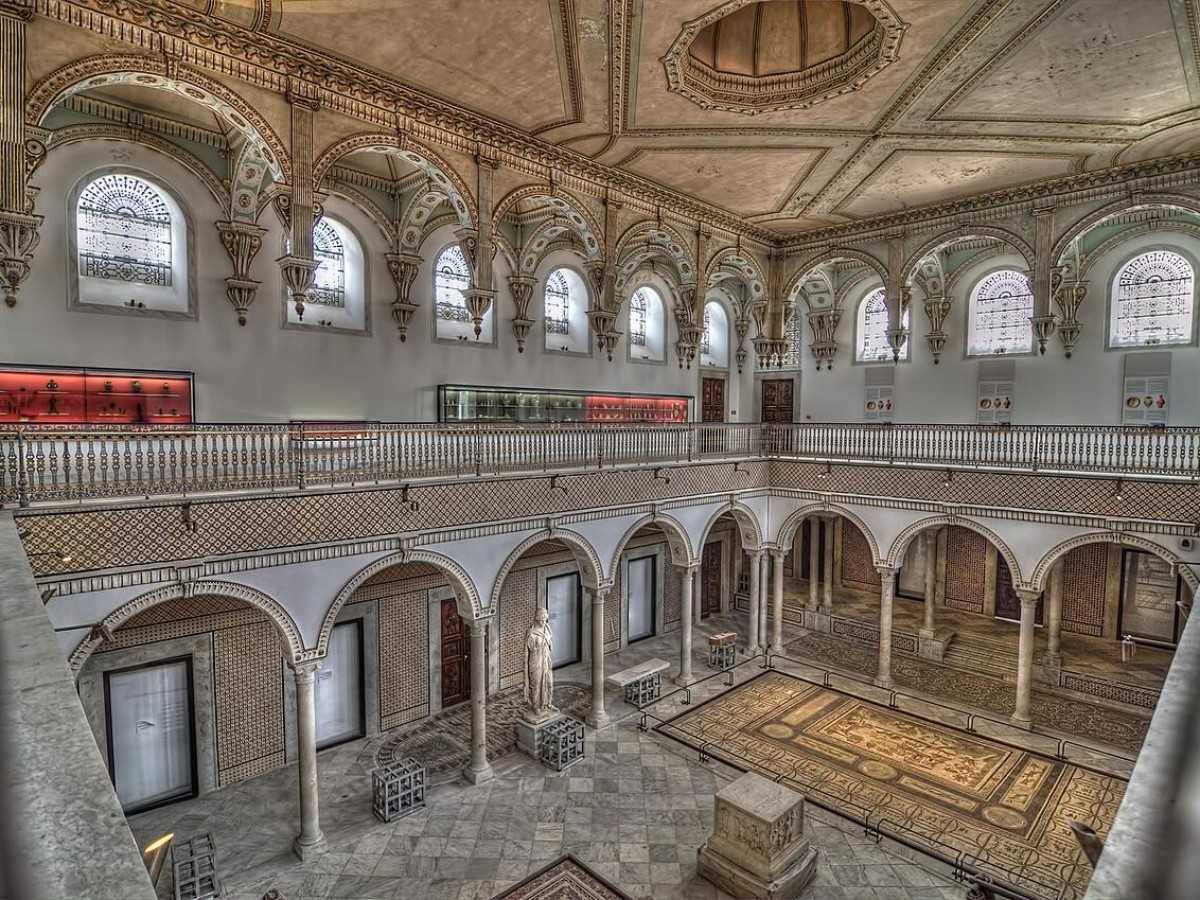
While the Bardou Museum isn't one of those fancy new museums, the way it's laid out is pretty sweet. The halls are clearly organized, each exhibit has a description in French and Arabic (and some in English), and the space is airy without feeling cramped and depressing. If you're particularly interested in history, you can also hire an English-language guide, which is provided by the museum (for an extra fee, of course), so you can hear more details that aren't on the presentation boards.
Ticket prices are not too expensive for foreign visitors, converting to about $10 USD, with discounts for students and groups. Opening hours are generally from 9am to 5pm, although some of the galleries are sometimes closed briefly at midday, so it's advisable to get there early to have plenty of time.
A word of warning, though: this pavilion was the site of a terrorist attack in 2015, and while security measures have long since been tightened and nothing has happened again, if you're particularly sensitive to security, you can check in advance to see what's been going on lately. But as far as I can tell, it's still pretty safe, and security is pretty strict, with metal detectors to go through before entering and bags to be opened and checked, much like most European museums.
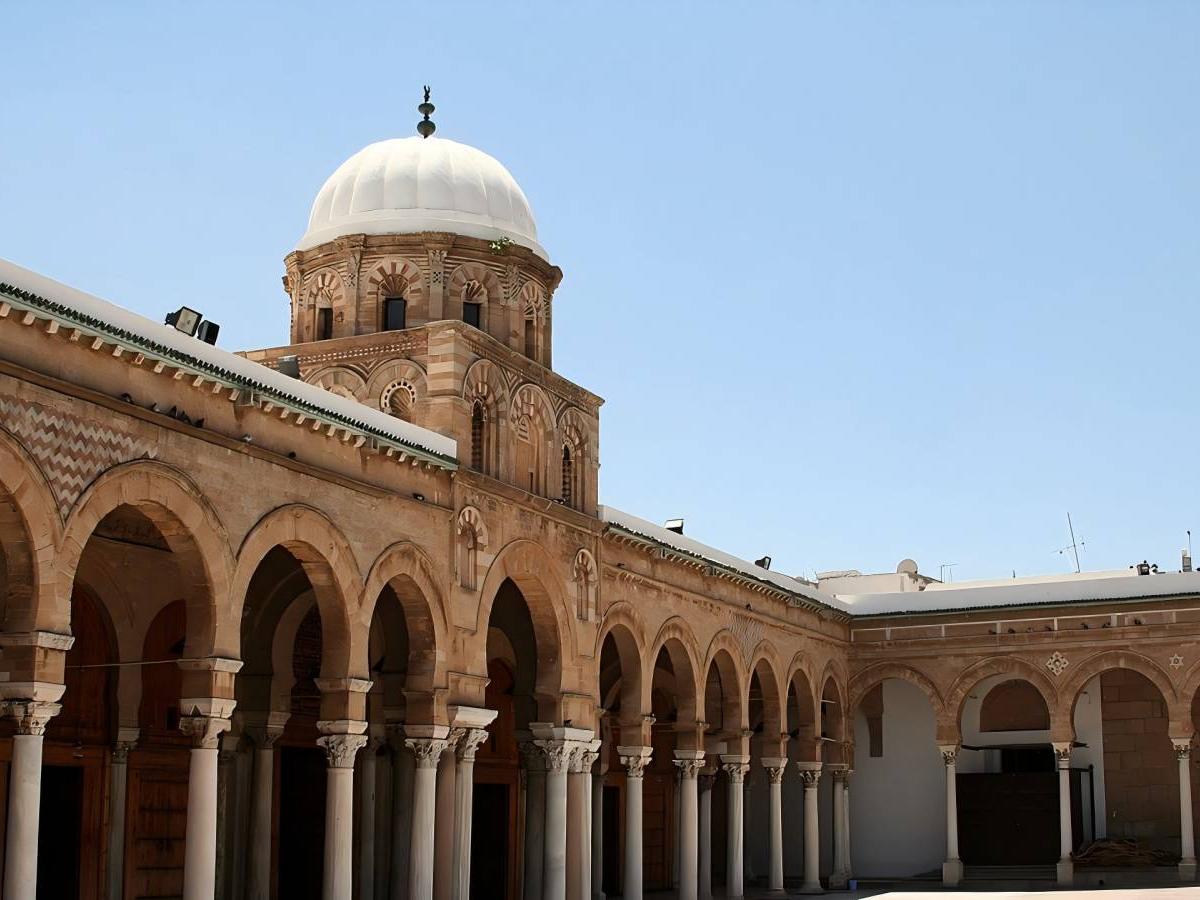
Come to the Bardou Museum, may wish to take this trip by the way even with the neighboring arrangements. For example, the old town of Tunis, Medina (Medina), there are a lot of handicraft stores, spice market, and very beautiful mosques and old buildings, very flavorful. And it's only a 20-minute taxi ride from the museum to the Medina, so it's very convenient.
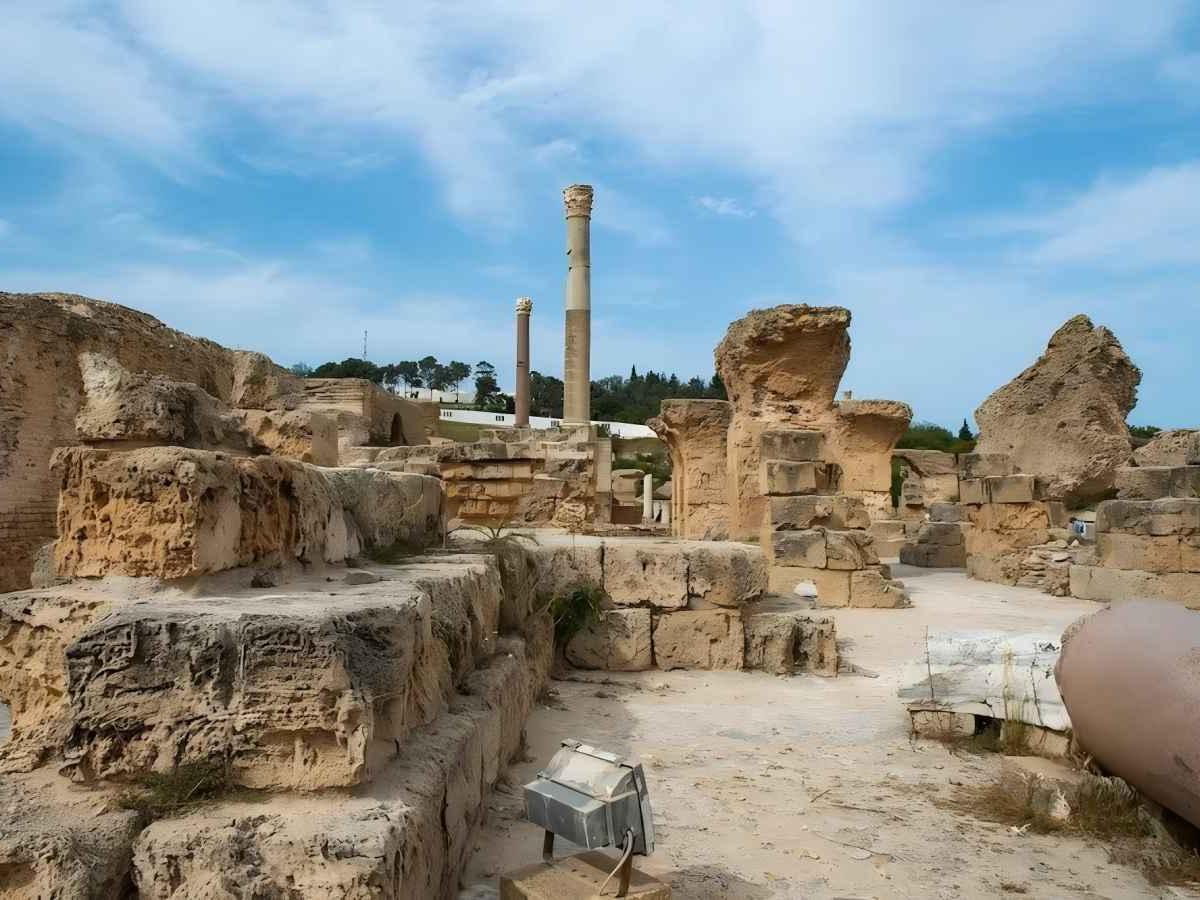
If you are particularly interested in ancient monuments, there are also the ruins of Carthage and the village of Sidi Bou Said around Tunis, which are also super worth seeing. Carthage was once one of the most powerful city-states in the ancient Mediterranean, now the ruins are only broken walls, but with the Mediterranean landscape, there is a kind of contemplative beauty; and Sidi Bou Said village is a holy place to take pictures of the white walls and blue windows, at first glance, it is very “Mediterranean style”, suitable for a leisurely walk and a cup of coffee.
The Bardu Museum is not a “must-visit” Netflix attraction, but it is definitely one of those “take time to realize how good it is” treasures. You can look at thousands of years old art and learn about Tunisia's complex and fascinating history, or you can soak up the sun in its courtyard, take pictures of the old building's windows and brickwork, and experience the unique atmosphere of history mixed with the everyday.It's the kind of place where you don't walk in and say “wow”, but you walk out thinking “this trip was worth it”. If you're planning to visit Tunisia, don't miss it. And if you weren't planning on coming to Tunisia in the first place, maybe it's worth rethinking your bucket list just because of this museum.