
Advertisement
If you are interested in history and culture, walking into the Indian Museum, Kolkata may feel like “stepping into the corridor of time”. This place is no ordinary museum, it is the oldest museum in the whole of India, and even in the whole of Asia. Its birth than the Taj Mahal as a tourist attraction earlier, when the British built in India, originally for the collection and study of India's various cultural heritage, the results of the more and more big, into an immensely complex historical treasure trove. Now, it's one of Kolkata's most important landmarks, with both stunning ancient ruins and strange natural specimens - even mummies can be seen here.
Advertisement
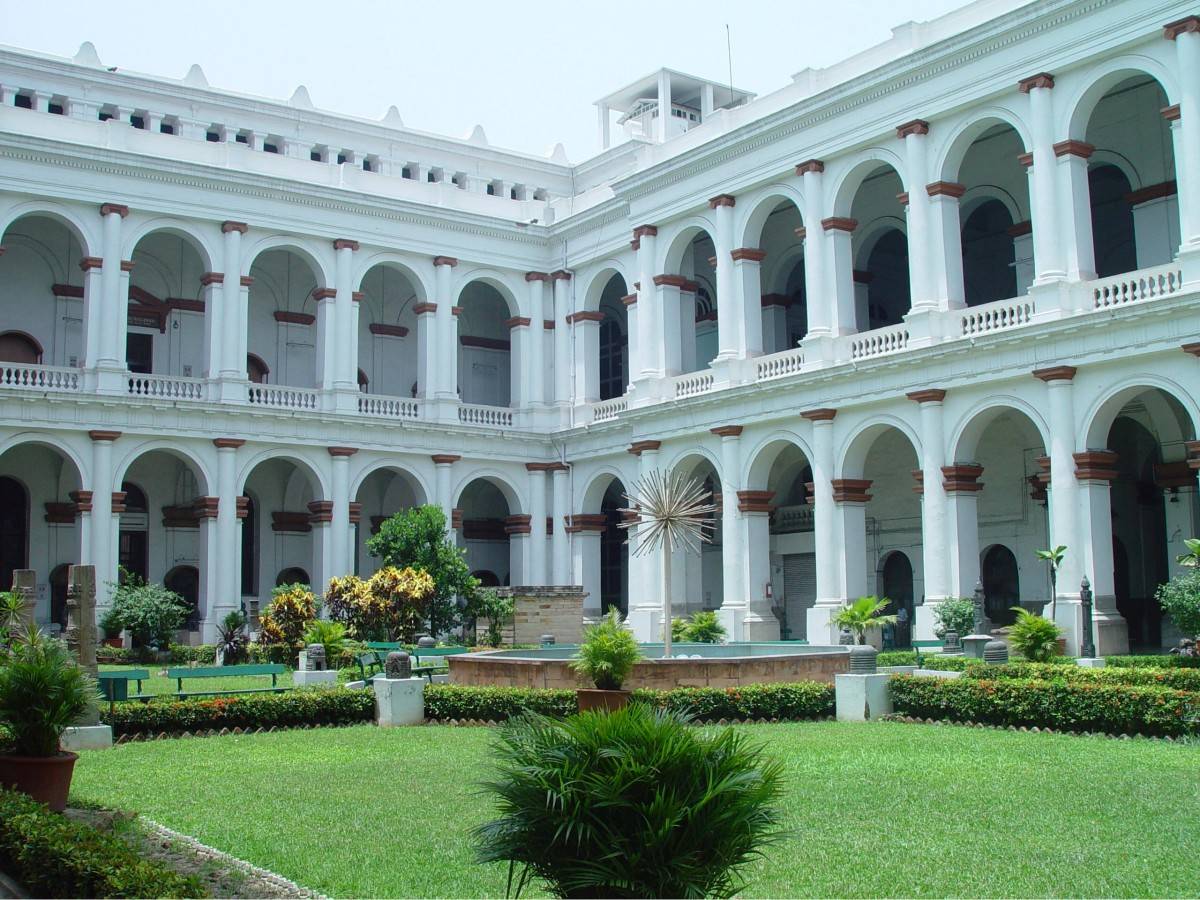
The history of this museum dates back to 1814, when India was still under British rule. The British were so intrigued by the land, culture, and history of India (with a fair amount of possessiveness, of course) that they founded the Asiatic Society, which specialized in the study and collection of Indian antiquities of all kinds. As the collection grew, so did the size of the museum, which eventually moved into its current grand neo-classical building in 1875 and has stood there for almost 150 years now.
Advertisement
Imagine if you will, when the museum was first opened, it was not accessible to ordinary Indians, and was mainly for British scholars and officials. Later, when India became independent, the museum slowly went from being a symbol of the colonial era to being part of the country's cultural heritage, and now it is open to the world, with countless tourists and researchers coming here every year to seek out its treasures.
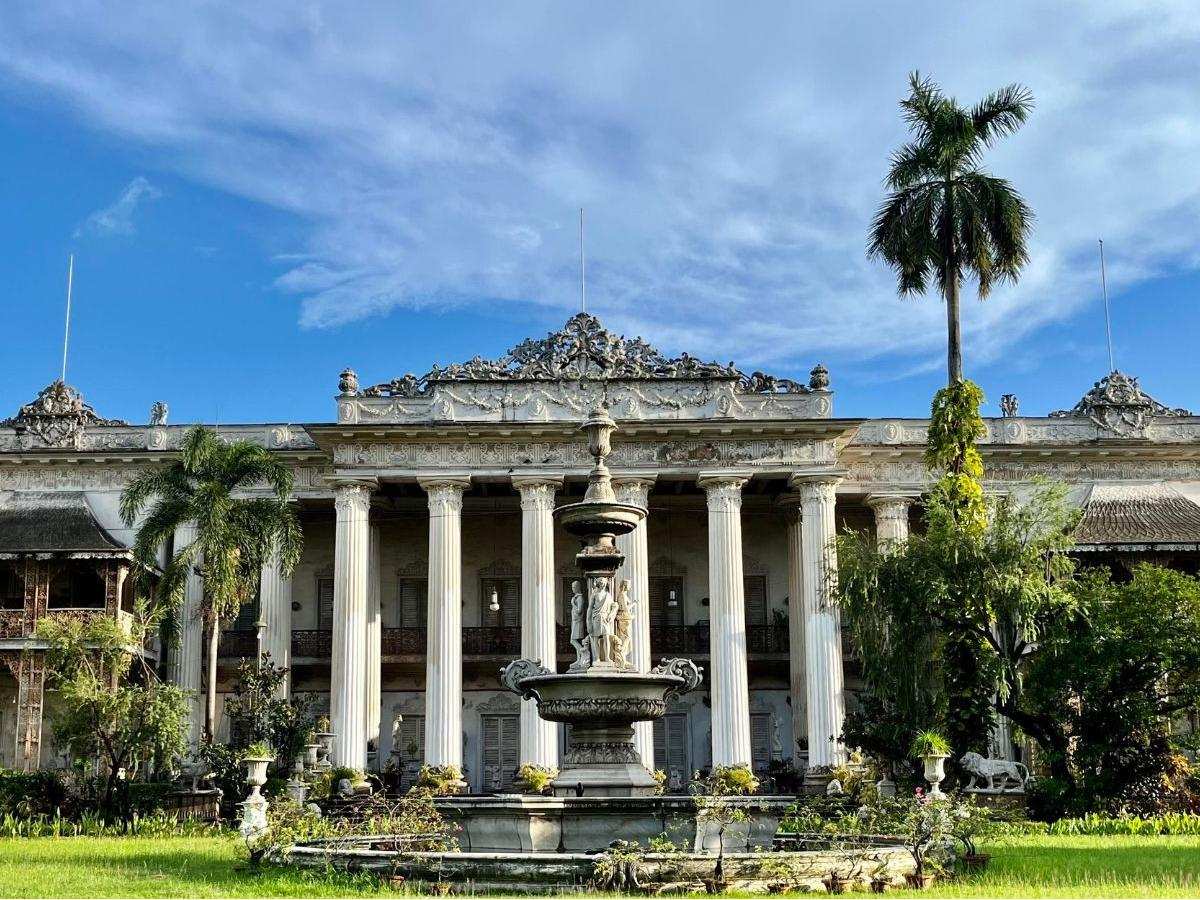
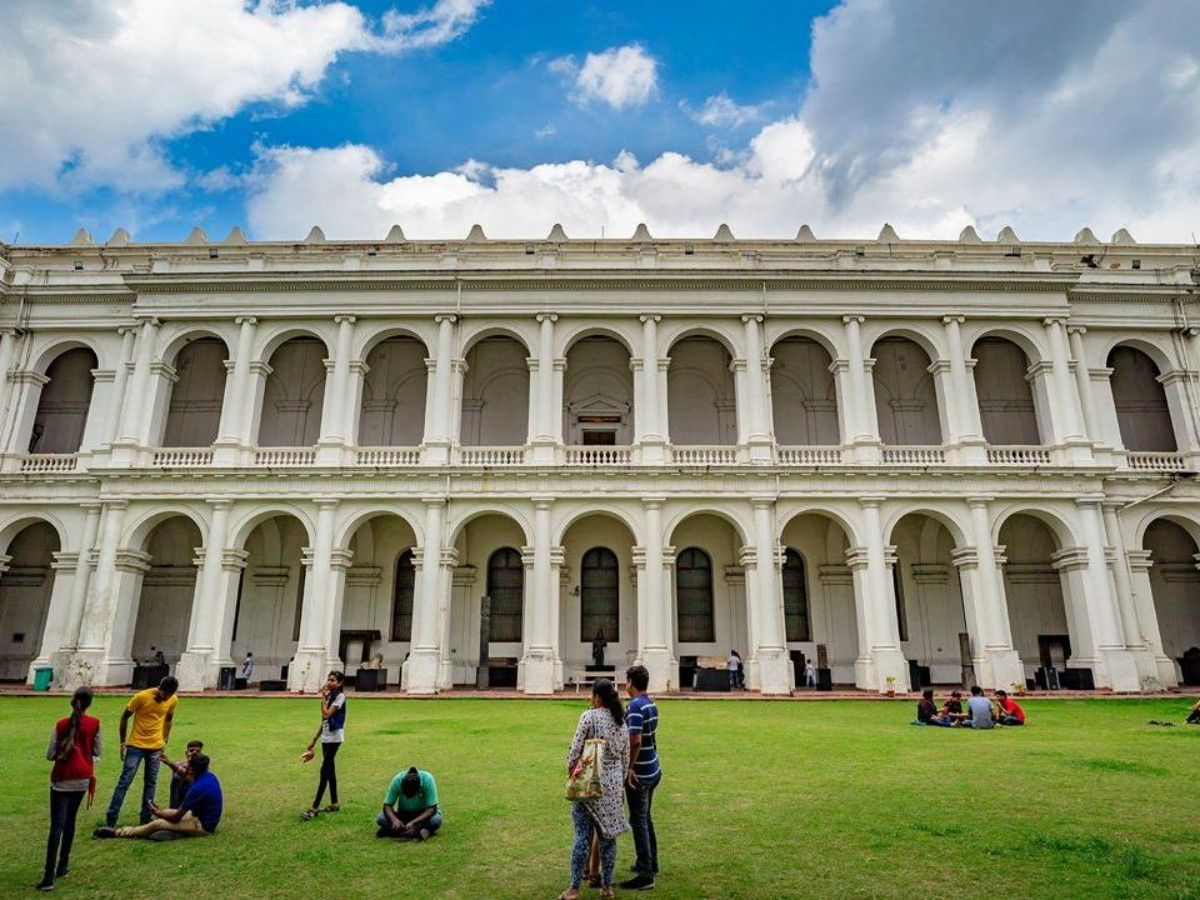
From the outside, the museum looks a bit like a European palace, with white marble walls, huge colonnades, and a symmetrical design in the style of 19th-century British architecture. The wide courtyard at the main entrance is also a good place to take photos, so you can take historical photos just by standing there.
Advertisement
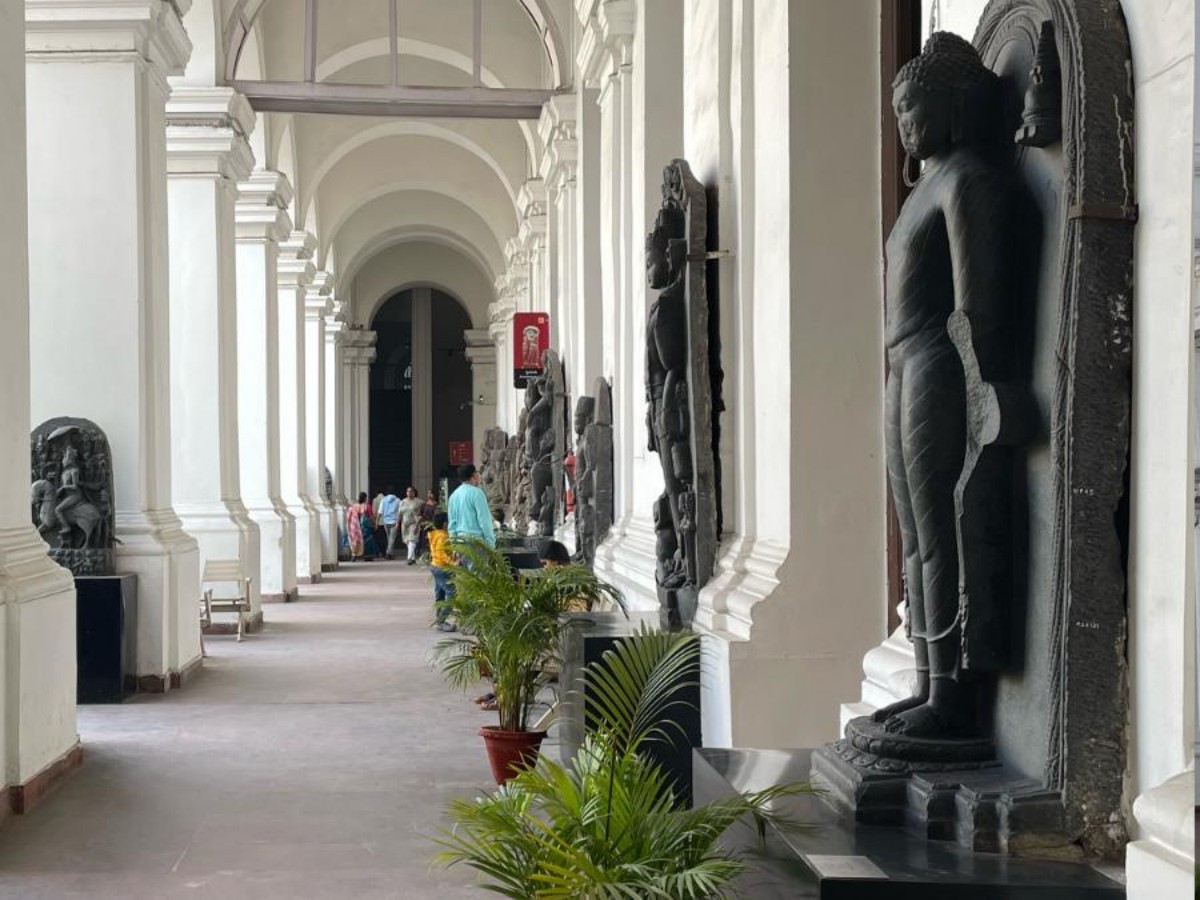
But the real highlight is the collection inside. Divided into six main sections, including archaeology, anthropology, art, geology, zoology and economic botany, the museum has a dizzying array of exhibits. There's one of India's oldest stone carvings, a 2nd century B.C. Buddhist carving from Bharat; coins thought to be the earliest in India's history; and even a real mummy from ancient Egypt, which properly pulls the timeline back thousands of years.
If you're interested in ancient Indian culture, you can't miss the Buddhist, Hindu and Jain sculptures from B.C. that are so beautiful you can't believe they were carved by hand. And if you're into archaeology, the pottery, seals, and tools that have been dug up from the ancient cities of Mohenjo-Daro and Harappa may give you a new insight into the Indus civilization.
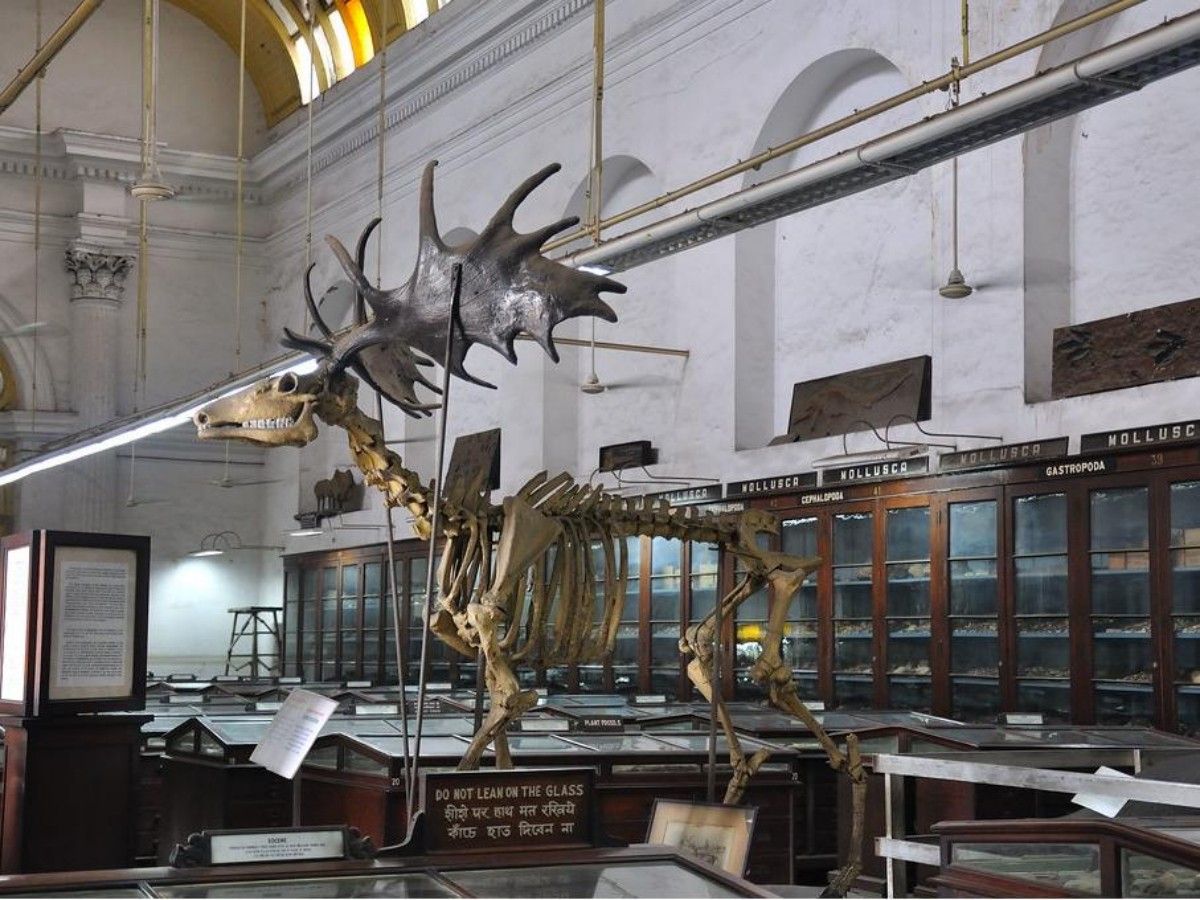
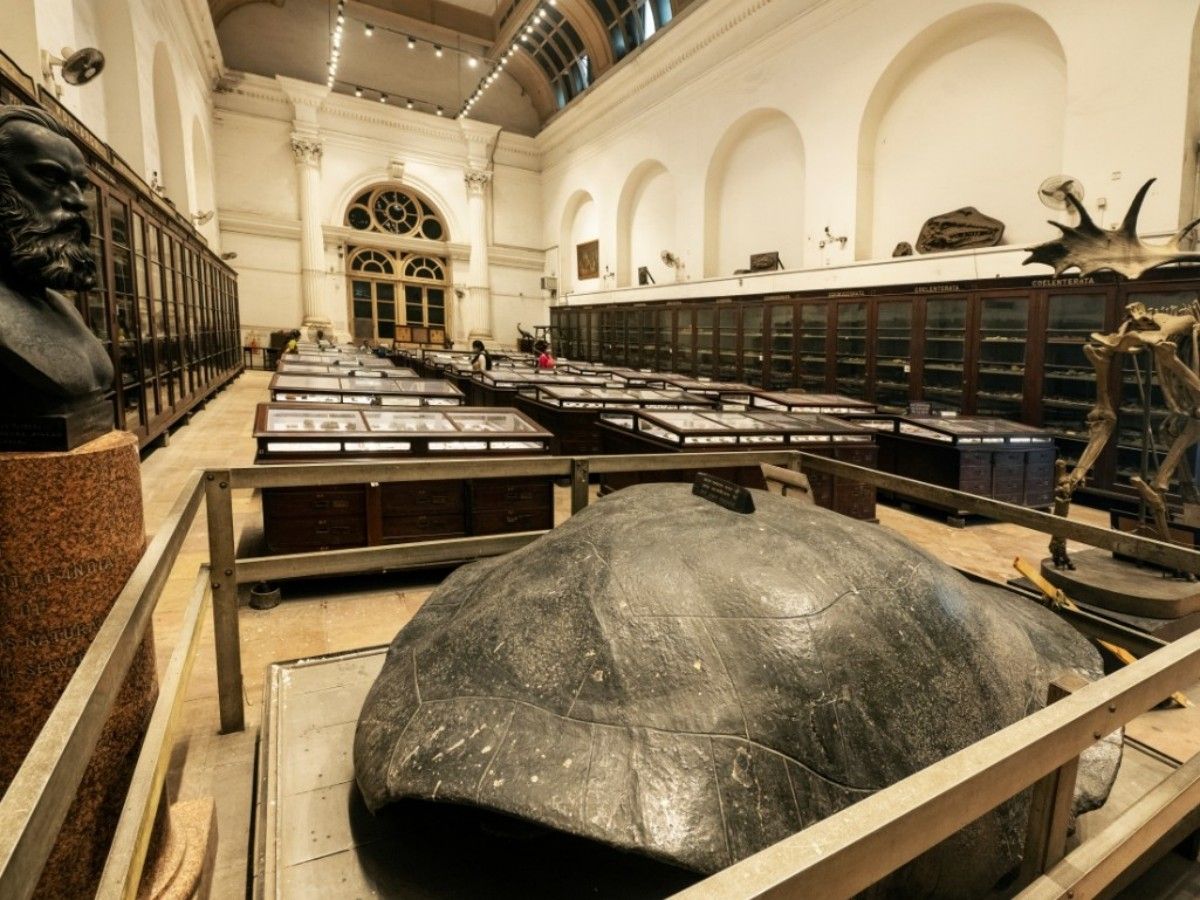
But Indian museums are not just for history buffs, even those interested in natural sciences can find delight here. The Zoology Pavilion is filled with a wide variety of animal specimens, from the skeletons of ferocious beasts to colorful butterflies, and looks like an open encyclopedia of nature. The Geology Pavilion displays various kinds of ores and fossils, some of which are dinosaur fossils older than human history.
Compared to the artifacts displayed in glass cabinets, these “living” exhibits may be more attractive to children's attention. The Indian Museum is not only a history classroom, but also a place of immense curiosity.
Before visiting the Indian Museum, it's a good idea to know some basic information, lest you realize you've made a small mistake when you arrive at the door. First of all, the museum is closed on Mondays and is open from 10am to 5pm at other times, so remember to avoid Mondays if you have a trip to Kolkata scheduled. Ticket prices are a bit more expensive for foreign tourists, around Rs. 500, and quite a bit cheaper for local tourists. If you are a student, you can also get cheaper tickets with your documents.
As for photography, while cell phone photography is generally fine, there are some pavilions where photography is prohibited, especially those involving ancient manuscripts and certain sculptures, so it's best to look at the signage on the wall before entering. In addition, large luggage is not allowed inside the museum, and you may be asked to deposit your backpack when you enter, and food and drinks can only be taken outside the museum.
If you're planning to spend the whole day in the museum, it's recommended to wear a pair of comfortable shoes because the exhibition halls are really big and you'll definitely feel tired after walking for a couple of hours. If you come in the summer, try to arrive a little early to avoid the hottest part of the day in the middle of the day, after all, the weather in Kolkata can be so hot that it can make you wonder about life sometimes.
The Indian Museum is more than just an old building or a few galleries housing artifacts, it is a place full of stories and part of India's cultural memory. From prehistoric civilizations to modern India, from Buddhist sculptures to Egyptian mummies, from taxidermy to fossilized minerals, each exhibit is a mark left by time. If you're that interested in history, or just want to see the diversity of Indian culture, it's definitely worth spending an entire afternoon exploring. Even if you're not a history buff, just walking into this two hundred year old building and feeling the flow of time is a unique experience. Kolkata is a city with a strong sense of history, and the Indian Museum, is one of its most important pages.