
Advertisement
In a city like Kolkata, full of colonial heritage and modernization, there are a number of traditional Hindu cultural treasures hidden, Sun Temple is one of them, it is not as world-famous as the Taj Mahal, or as crowded with pilgrims as Varanasi, but its unique atmosphere is enough to make you stop and stare, feel the solemnity and mystery of the fusion of faith and architectural aesthetics. Although it is not an ancient temple, but its existence, still carries the glory of the sun god Surya. In Hinduism, the Sun God does not only represent light and energy, but also symbolizes wisdom, health and the cycle of life. So even if you're not a religious person, you can still feel a different kind of power when you come here - the kind that comes from thousands of years of people worshipping the sun and being devout day in and day out.
Advertisement
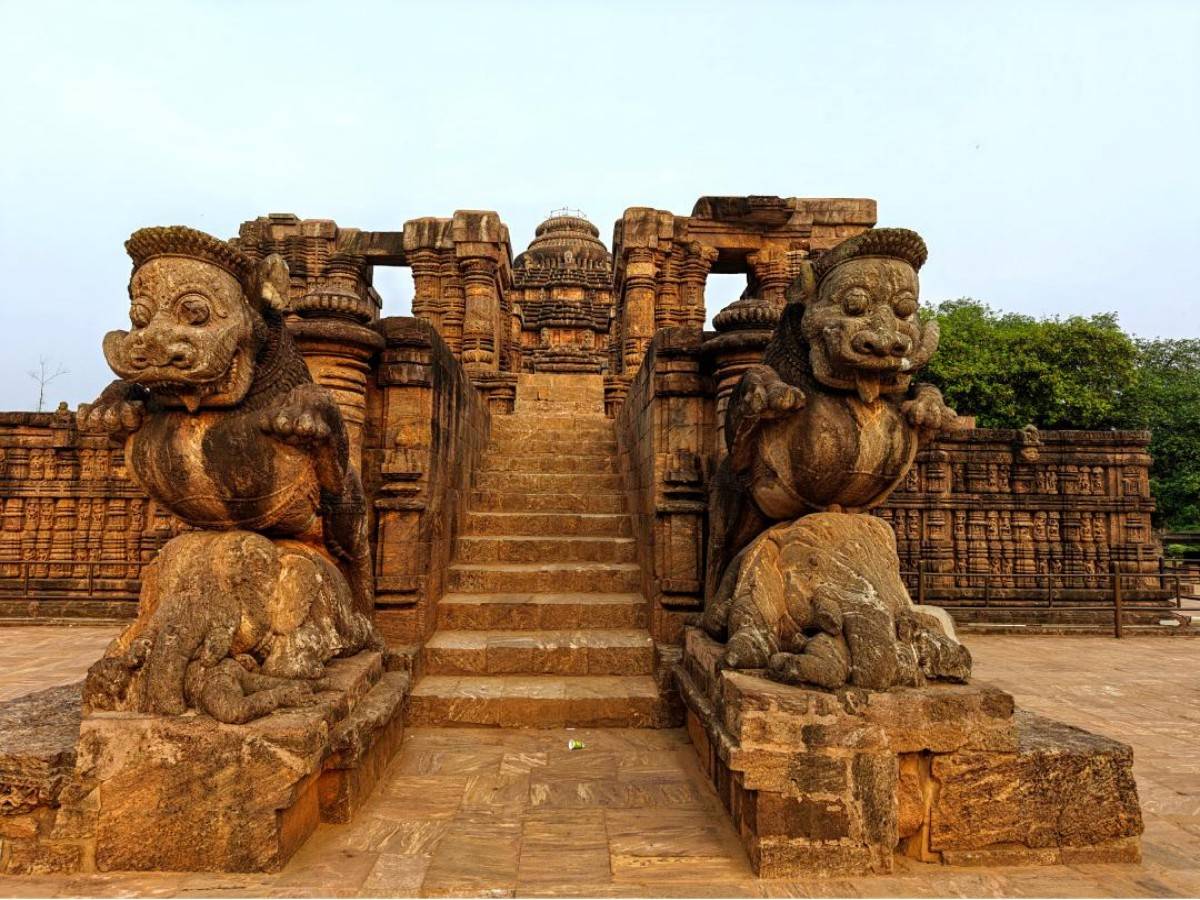
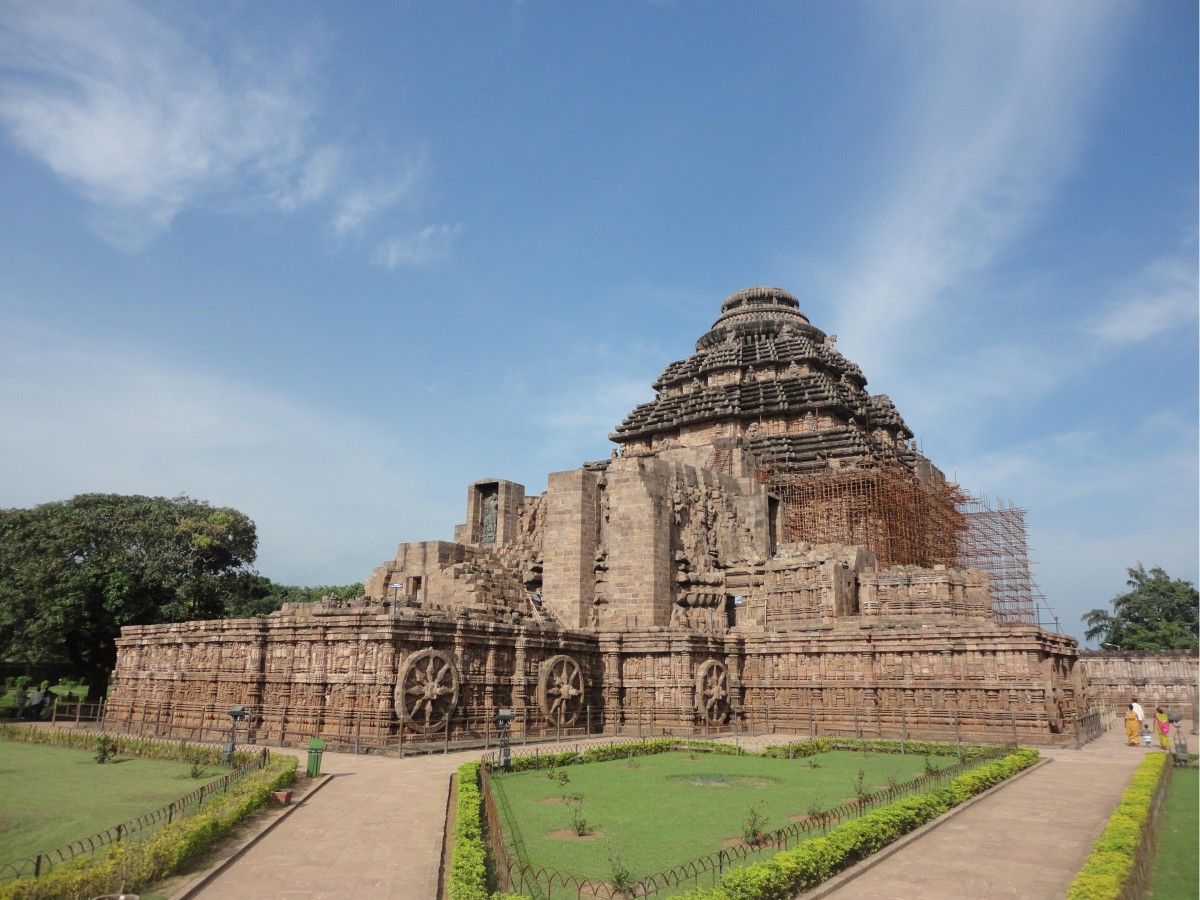
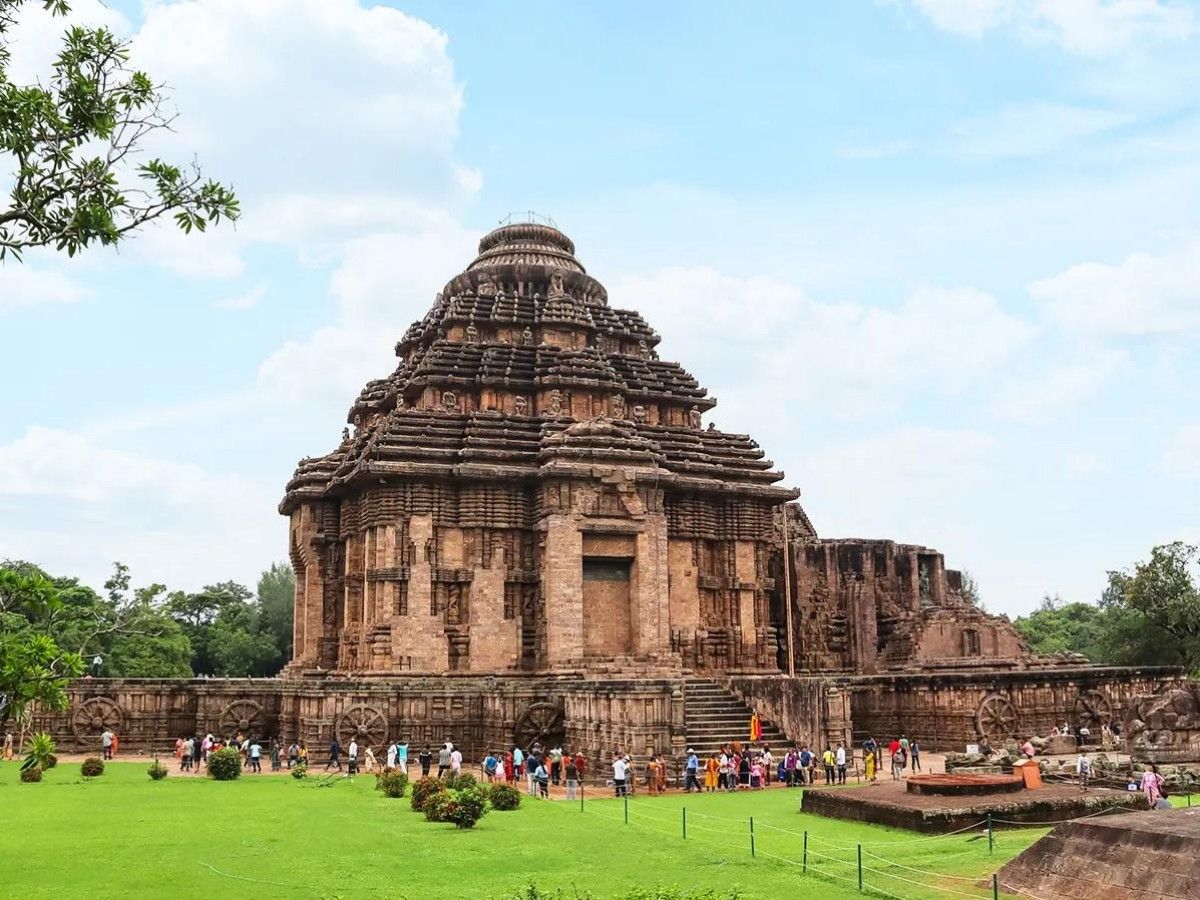
The history of the Sun Temple is not as impressive as that of the thousand-year-old temples in India. Its existence is more for the continuation of Hindu culture, to meet the spiritual needs of believers. The architectural inspiration for the Sun Temple was more or less influenced by the Konark Sun Temple in Odisha. While the Konark temple, built in the 13th century, is known for its beautifully shaped wheel, the Sun Temple in Kolkata, though not as grand, incorporates a number of unique designs that make its religious background instantly recognizable.
Advertisement
There are more religious festivals in India than you can count, but none is more important for the Sun Temple than Makar Sankranti (Sun Festival). Every January, it welcomes thousands of devotees to bathe in holy water, worship idols and recite scriptures in a very lively scene. If you happen to be in Kolkata at this time of the year, don't miss this rare experience to see a different India and feel how the power of faith is deeply rooted in the country's culture.
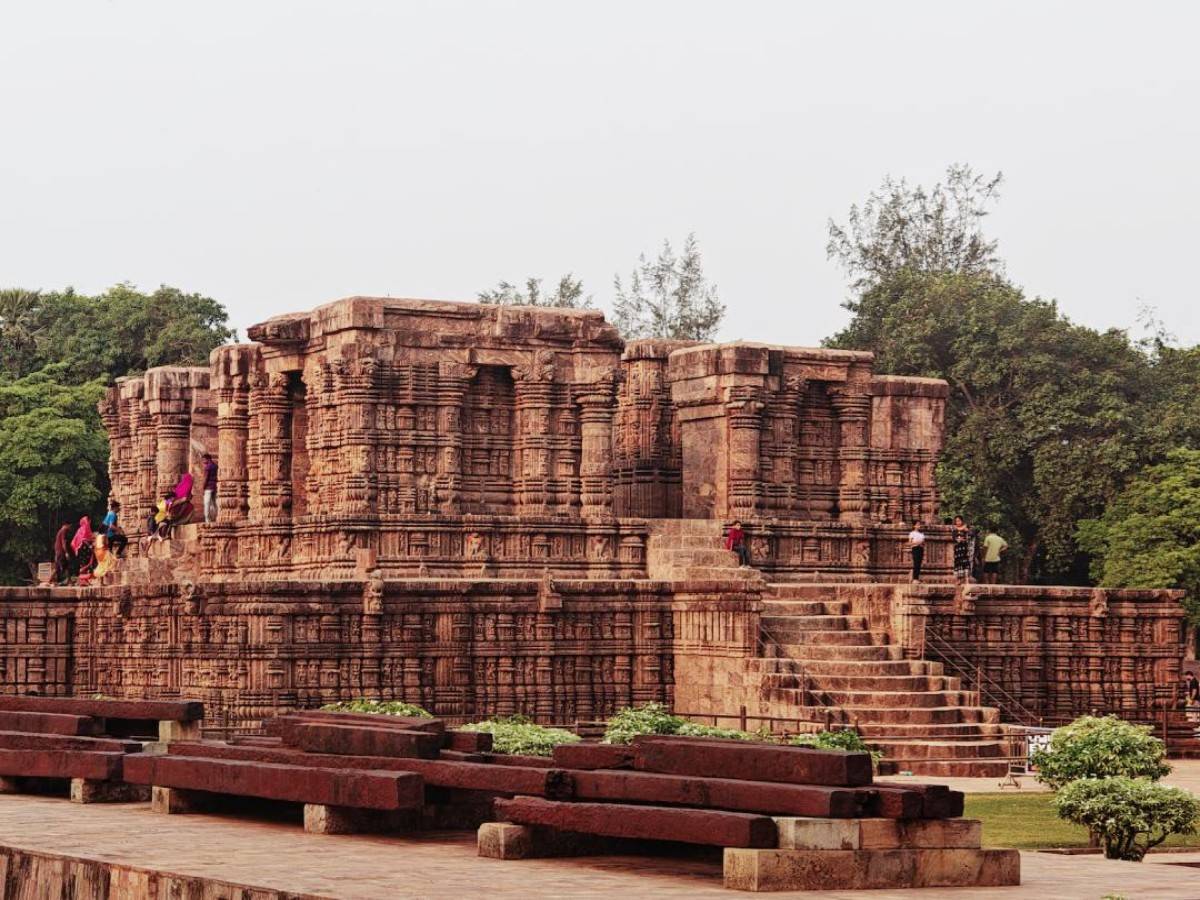
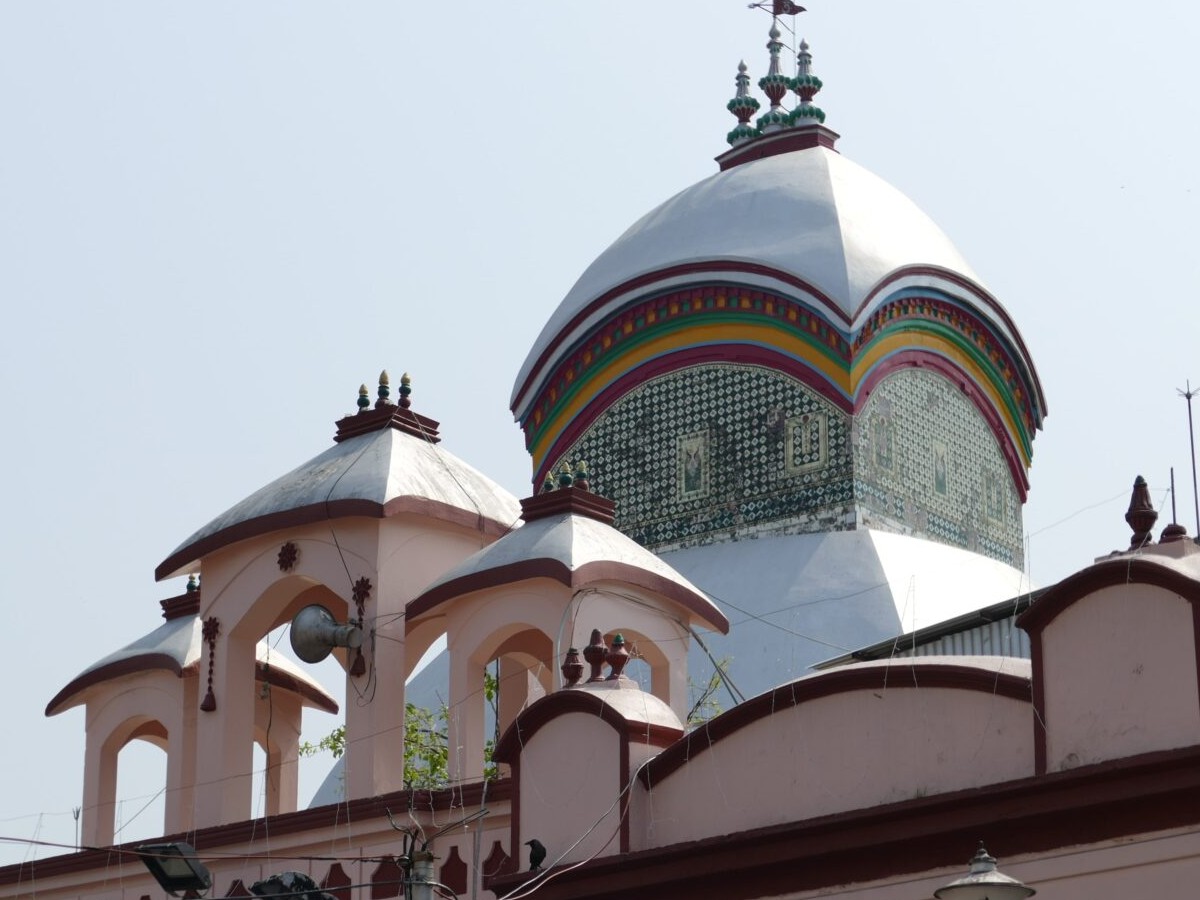
From the outside, the Sun Temple isn't particularly huge, but its details are intriguing. Its Shikhara stands tall, topped with sacred symbols of the Sun God, and its walls are carved with various mythological scenes, including the classic image of the Sun God galloping across the sky on his seven steeds. The color palette throughout the temple is dominated by red and orange, colors that represent energy and enthusiasm in Hindu culture, and aptly reflect the light of the sun.
Advertisement
The main hall of the temple is dedicated to Surya, the sun god, and the statues here are usually holding lotus flowers, symbolizing light and wisdom. Surrounding the main hall are smaller shrines dedicated to other Hindu deities, such as Vishnu and Shiva, reflecting the polytheistic beliefs that characterize Hinduism. The temple is also surrounded by a spacious courtyard for devotees to meditate and rest, and the air is always lightly scented with sandalwood, giving it a peaceful and sacred feel.
Kolkata's weather is, to put it bluntly - hot and skeptical in summers, and most comfortable in winters. So if you're planning to visit the Sun Temple, don't do it from April to June, when the temperature often exceeds 40°C and the humidity is so high that you'll be drenched in sweat within minutes of standing in the sun, making your visit less enjoyable.
The best time to visit is November through February, when the weather is mild and daytime temperatures range from 15-25°C, making it ideal for outdoor activities. This is especially true in January during Makar Sankranti, when grand ceremonies are held at the temples, making for a more lively atmosphere and a unique experience of Indian religious culture.
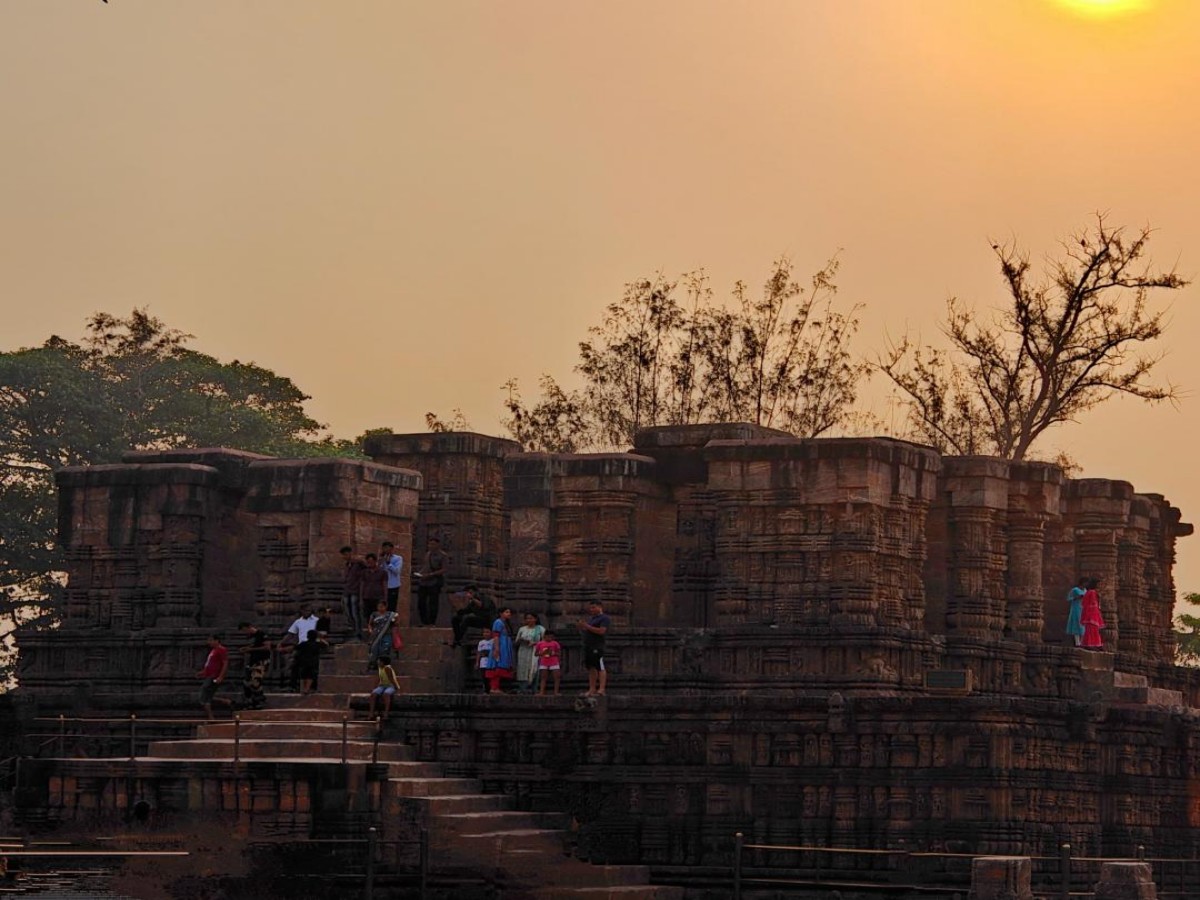
If you do not like too many people, it is recommended to choose a weekday morning or evening to visit. The temple is quiet in the early morning, the sunlight sprinkles down through the cracks of the temple, and the whole environment looks very peaceful. And in the evening, the light of the setting sun reflects on the red temple walls, that golden glow, it is so beautiful that you can't help but want to stay a little longer.
When visiting temples in India, there are some basic etiquette that you must know, otherwise you may make jokes or even be persuaded to leave.
First of all, you have to take off your shoes when you enter a temple, which is a rule in Hindu temples. You can bring a plastic bag for your shoes, or just deposit them in the depository at the entrance of the temple. As for the dress, try to avoid too exposed clothes, girls can bring a scarf to cover their shoulders, and boys do not wear too short shorts.
In addition, special attention should be paid to the issue of photography. The exterior of most temples can be photographed at will, but inside the temple, especially near the altar, photography may not be allowed. It is best to ask the temple staff before taking photos to avoid unnecessary trouble.
One more important point - don't make loud noises in the temple, and don't touch the idols or ritual objects at will. Devotees are very respectful of these things, and foreign visitors should also try to follow the customs of the local community and maintain respect for their religious beliefs.
The Sun Temple in Kolkata may not be as famous as the one in Konark, but it is still an important part of the city's religious culture. It is not just a temple dedicated to the Sun God, it is a symbol of faith and a cultural imprint that has been steeped in time. Whether you're a history buff or just looking for a place to soak up India's religious atmosphere, it's worth a visit. Here you can see the devotion of the Hindu faith, appreciate the temple architecture full of artistic sense, and feel a different kind of tranquility from the hustle and bustle of the city. If you happen to be in Kolkata, you may want to take some time to visit here, and perhaps have an unexpected cultural journey.