
![[More Relaxing Than Disneyland] 5 Fun Things to Do with Kids on Uminonakamichi](/uploads/article/30a0487b7b0a7824e66d1b3318a198a7.jpg)
Advertisement
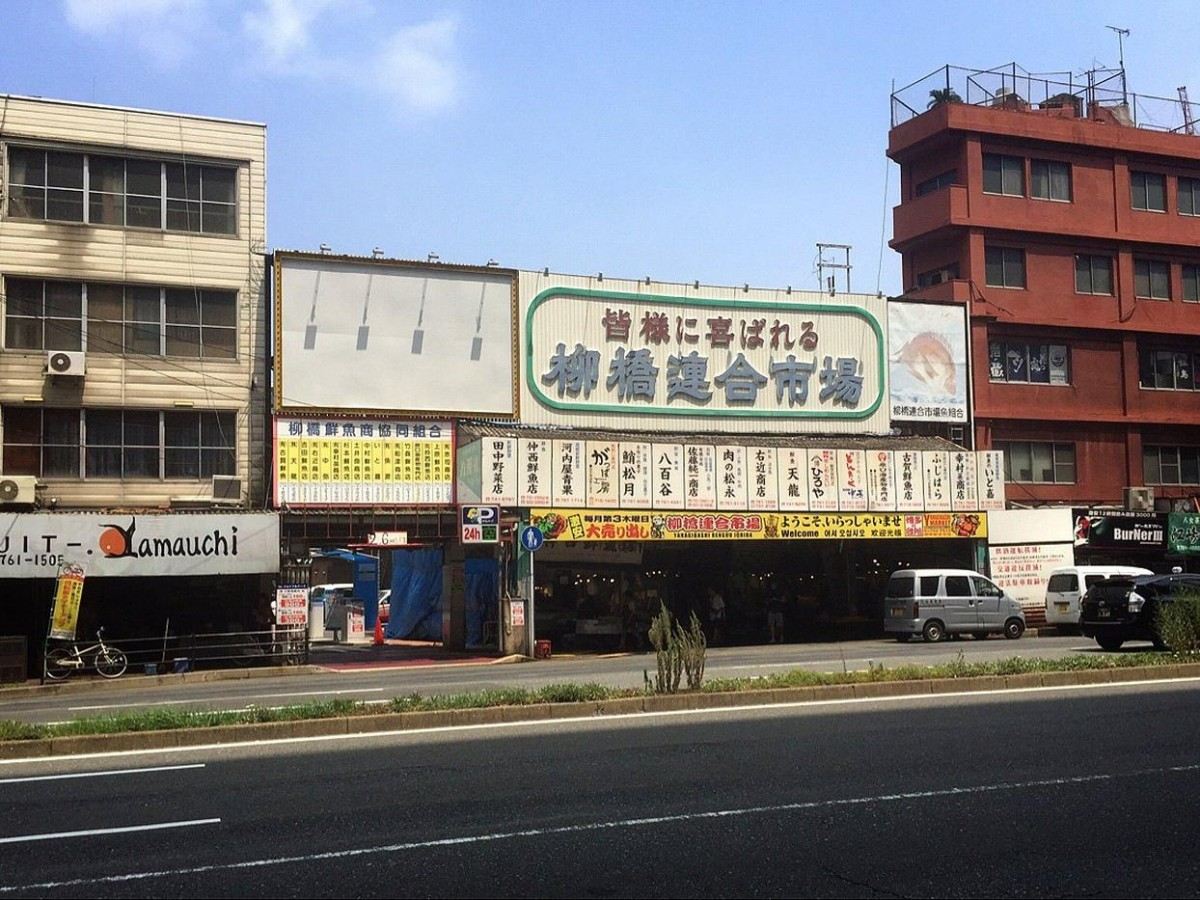
A 15-minute walk south from Hakata Station, the bustling street gradually quiets down until you turn into an unassuming alley. Suddenly, the scene brightens—rows of red lanterns sway gently in the morning light, casting a warm glow over the shops’ entrances piled high with seafood, vegetables, and smiles. This is Fukuoka’s Yanagibashi Rengo Market. An adventure for the taste buds and the streets begins here.
Advertisement
Yanagibashi Rengo Ichiba, known as “Hakata’s Kitchen,” has a history spanning nearly a century. It originated in the early Taisho era as a “joint market” formed by local merchants to facilitate wholesale and distribution. Over time, as Hakata’s culinary culture evolved, it became the daily hub for residents and chefs to source ingredients.
Advertisement
Unlike Tokyo's Tsukiji or Osaka's Kuromon, it is not grand or bustling, nor does it cater to tourists. Instead, it steadfastly upholds its daily commitment to “freshness.” Upon entering the market, you will realize that a “market” is not merely a place to buy goods, but a microcosm of a city's daily rhythm—the warmest embodiment of Hakata culture.
The name “Yanagibashi” is not just a place name but a bridge connecting the past and present. You can see traditional wooden stalls and old-fashioned abacuses coexisting with POS machines, and newly opened coffee stalls blending seamlessly with old shops. Here, every meal tells the story of a Hakata family's daily life.
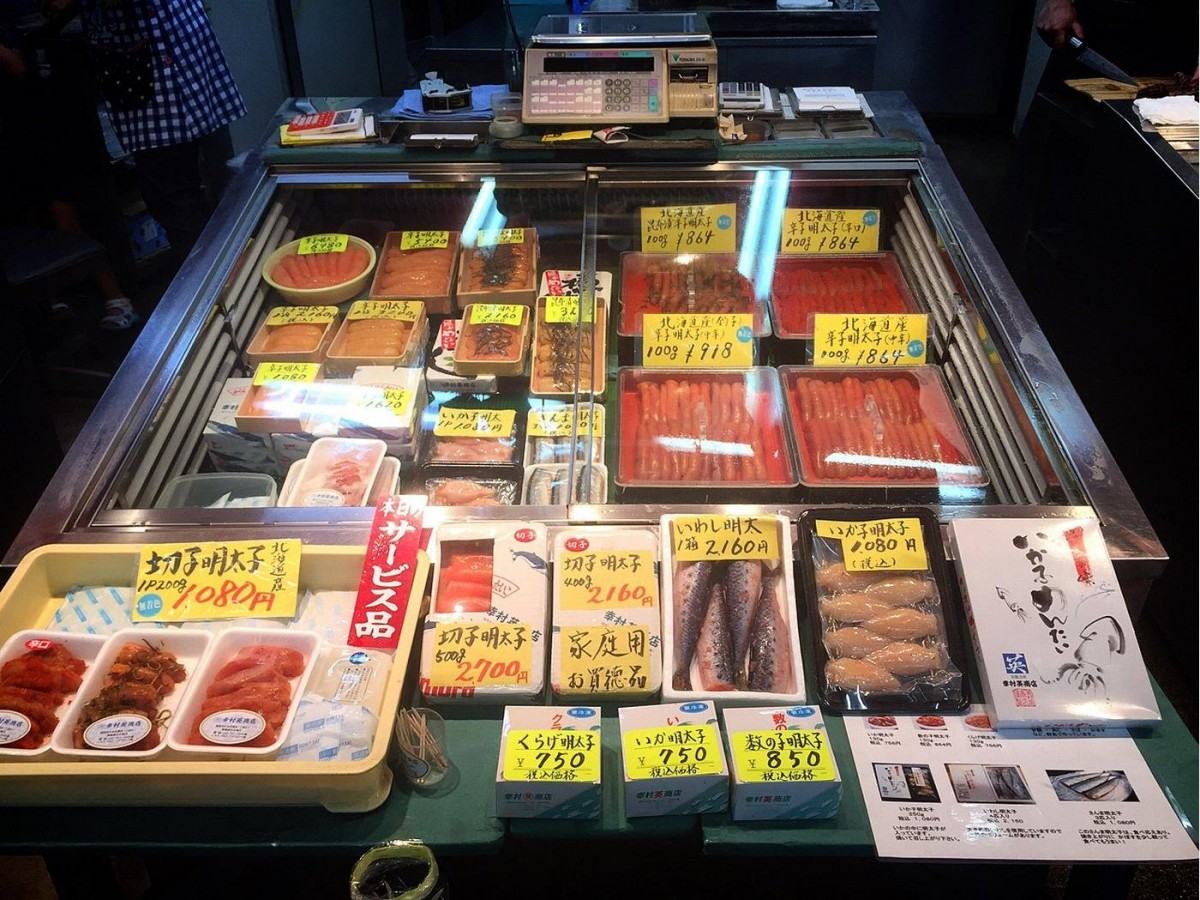
At six in the morning, the first batch of seafood arrives at Yanagibashi Market from ports in Fukuoka Bay, Shin-kyo, and Yabu. Even before you get close, the air is already filled with that distinctive salty, briny, and moist scent of a fresh market. But don't frown just yet—Fukuoka locals know that this scent is actually a sign of freshness.
Advertisement
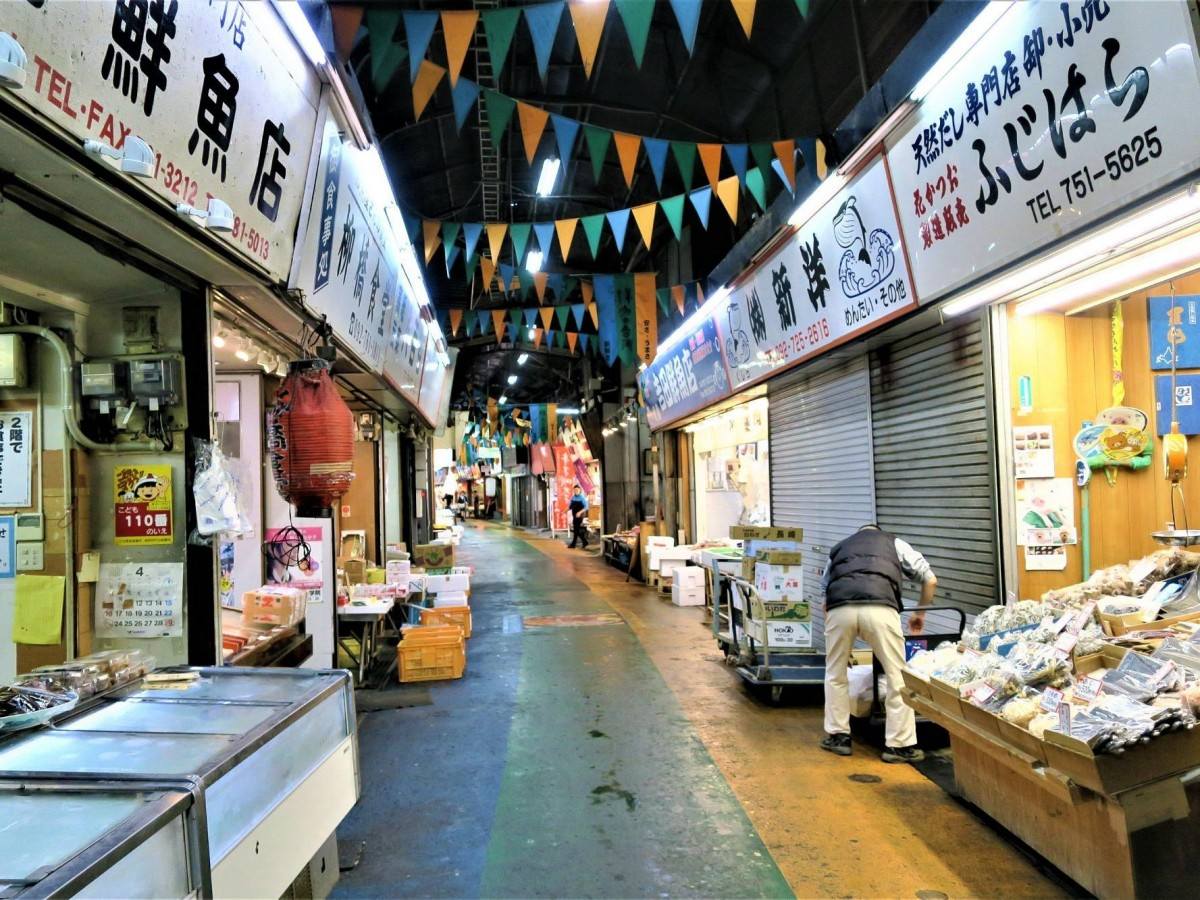
The market isn't very large, with just a single corridor about 100 meters long, lined on both sides by three or four dozen stalls selling fish, meat, pickles, dried goods, and a few snack stalls and sushi counters. Red lanterns hang from the ceiling, simple yet warm, blending with the sounds of hawking and laughter, evoking the scene of an old Japanese market from a documentary.
The most eye-catching section is the seafood area. From tuna and sea bream to crabs, abalone, sea urchins, and oysters... every item is vibrant and fresh. Some vendors even display whole, dissected sea bream or precise slices of tuna sashimi, explaining the cutting technique while letting you sample the fish—truly an immersive experience.
Don't miss the small shops specializing in mentaiko (spicy cod roe)—a signature dish of Hakata. You can see mentaiko of various saltiness and spiciness neatly arranged, and there's even a modern fusion flavor like “cheese mentaiko,” making it hard to resist trying again and again.
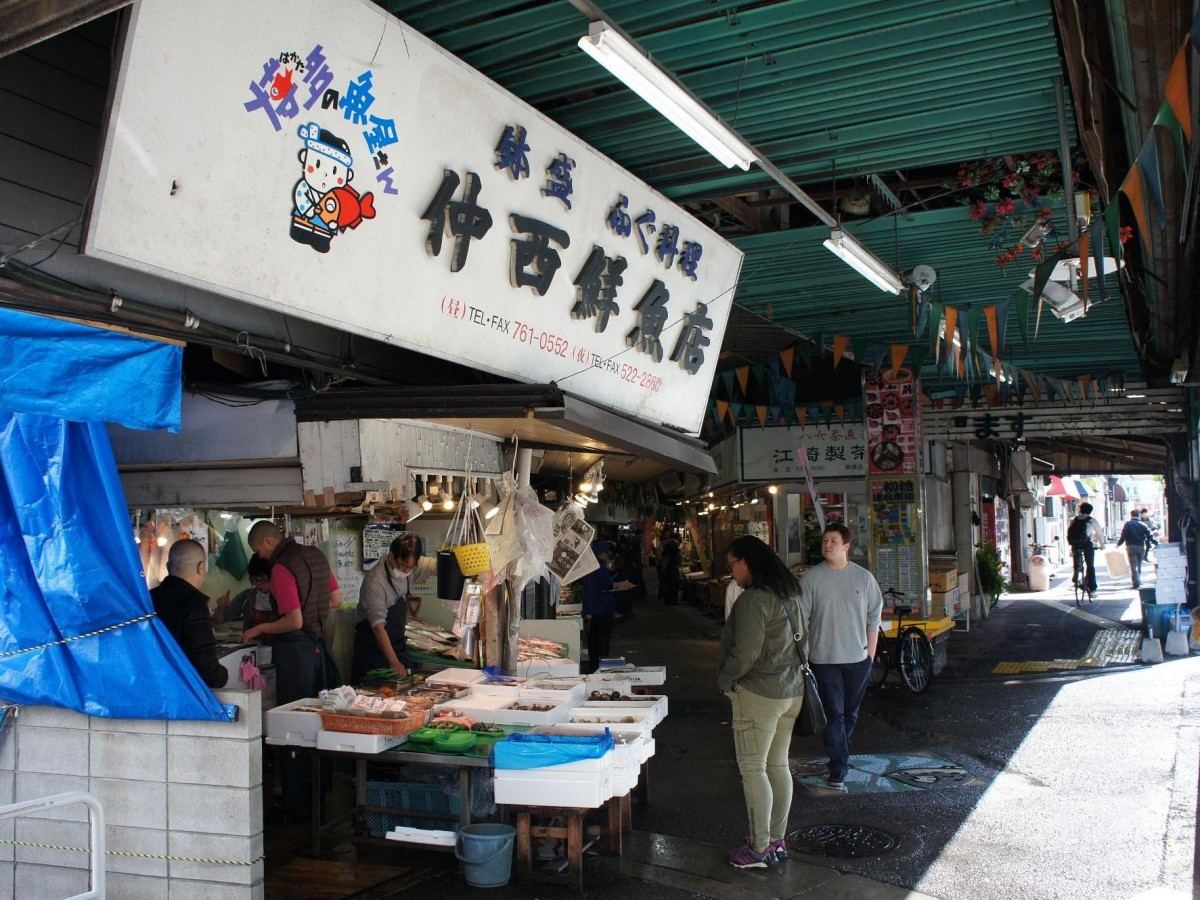
Fukuoka has distinct seasons, but the charm of Yanagibashi Market remains unchanged year-round.
Spring (March–May) is the season when sea bream, mackerel pike, and sweet shrimp are at their most delicious, and you can also enjoy the backdrop of cherry blossoms blooming inside and outside the market, combining delicious food with beautiful scenery.
Summer is perfect for trying refreshing sashimi and abalone, and there are also more stalls selling shaved ice and cold drinks around the market, making it feel even more lively.
Autumn is the golden season for Fukuoka ingredients, with mackerel, chestnuts, and mushrooms in abundance, making the market rich in variety and depth.
Winter (December to February) may be cold, but it's the perfect time to enjoy crab and oyster hot pot. Many vendors in the market sell “hot pot combo packs,” complete with all the ingredients and broth for a full pot.
It is recommended to visit between 8 AM and 11 AM, when the market is most bustling, vendors have just opened, and ingredients are freshest; arriving too late may find some stalls beginning to close, especially fresh produce, which tends to sell out quickly.
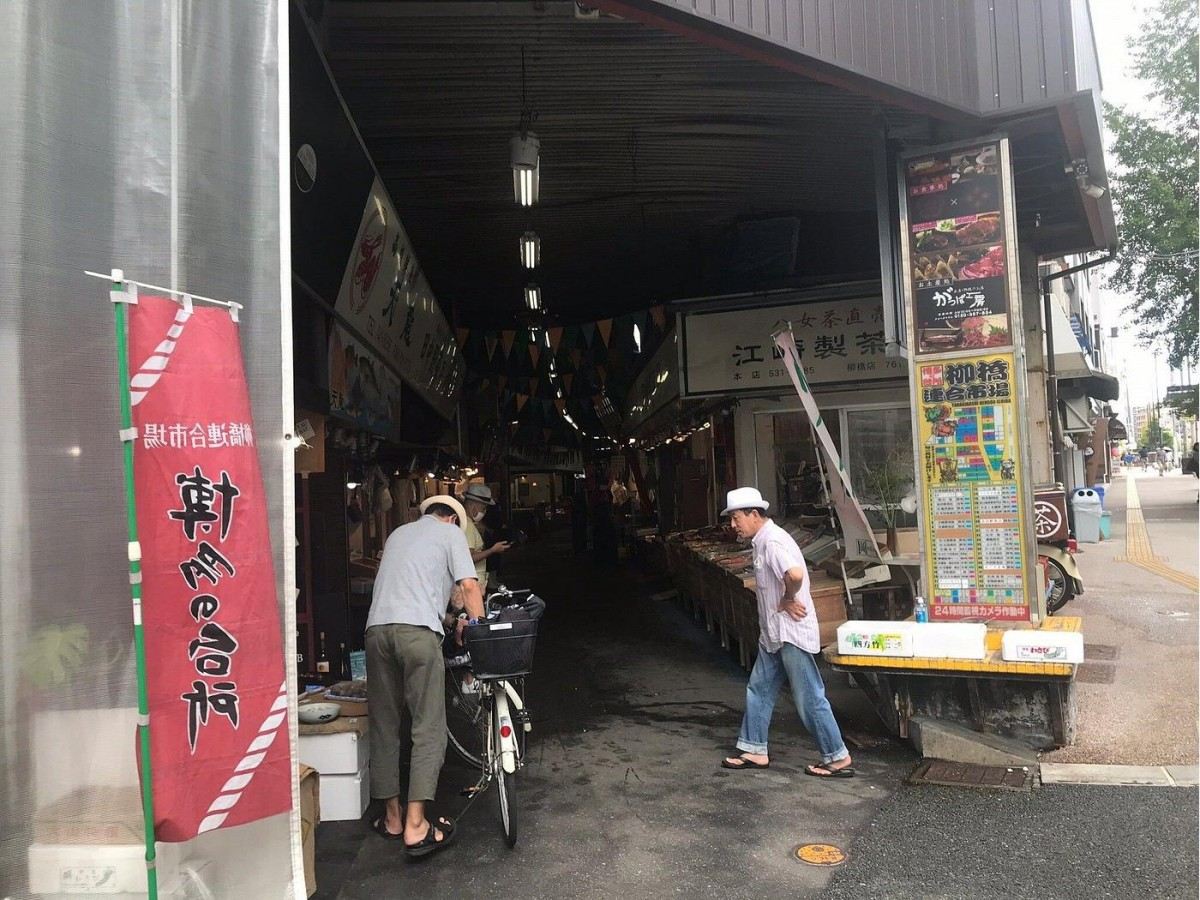
When it comes to “temptation,” at Yanagibashi Market, just looking isn't enough—you must try the food.
Ready-to-eat sashimi platter: Many stalls offer freshly sliced sashimi. You can specify the type of fish or choose a mixed platter, which comes with soy sauce and wasabi. You can eat it right there on the spot.
Mentaiko rice balls: Some vendors make rice balls on-site, filled with homemade mentaiko (spicy cod roe). The rice used is “Yume Bijin” rice from Kyushu, which is soft, sticky, and fragrant.
Freshly Fried Tempura: Some corner stalls sell freshly fried shrimp and lotus root tempura, handed to you in a paper bag, with the hot aroma tempting you.
Dried Seafood & Pickles: These make excellent souvenirs, especially Fukuoka-produced wasabi pickles and dried mackerel, packaged in retro, elegant designs perfect for gifts.
Just outside the market is the Nakagawa River. If you’ve purchased cooked food or a sashimi platter, why not take it to the riverbank to enjoy while watching the water flow? On the other side is the Watanabe-dori commercial district, home to several old-fashioned cafés and dessert shops. After eating, why not treat yourself to a cup of hand-brewed coffee or a Uji matcha milkshake?
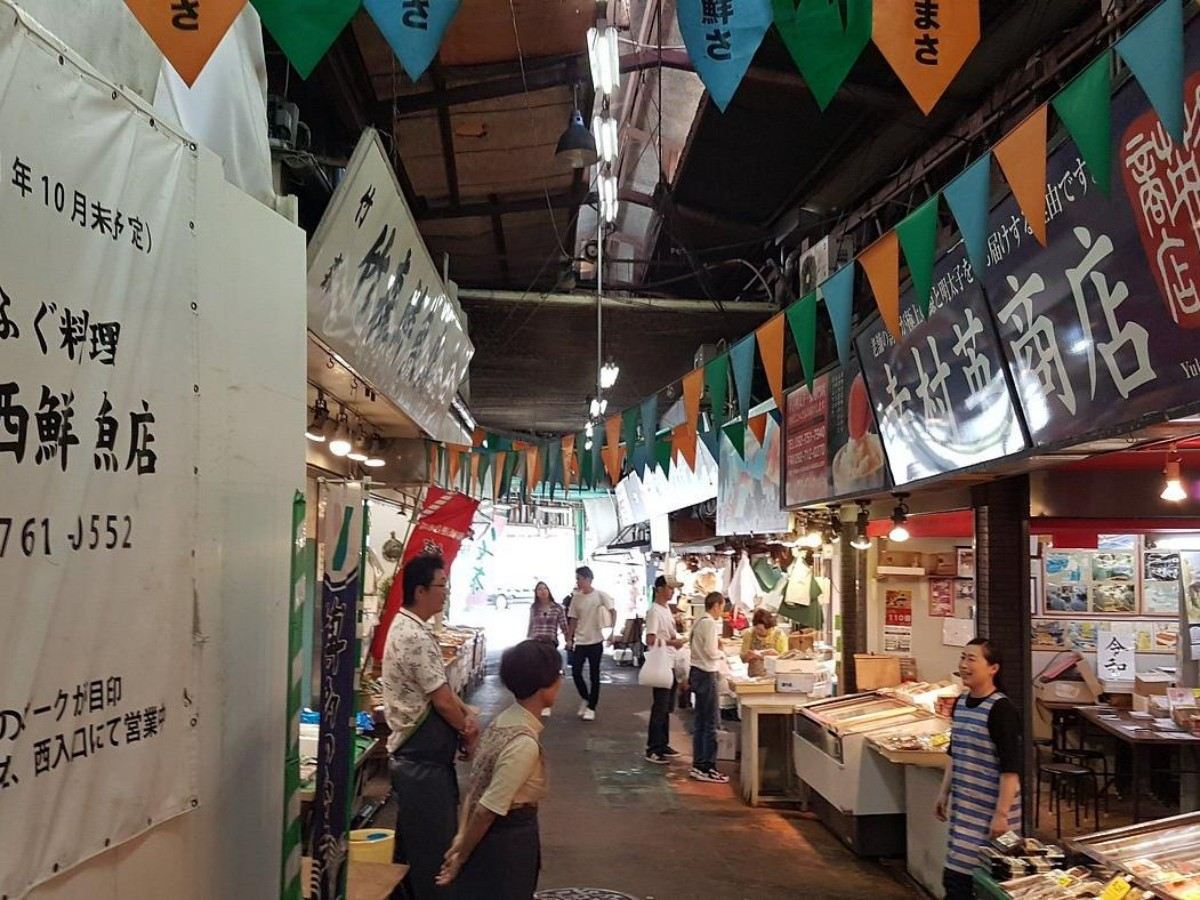
Although Yanagibashi Market is primarily aimed at locals, tourists can still have a great time as long as they follow a few tips:
Don't worry about language barriers: While most vendors don't speak English, communication via gestures and translation apps is smooth, and they are very friendly to foreign customers.
Bring cash: Most stalls only accept cash, with a few supporting mobile payments like PayPay. It’s advisable to have some change on hand.
Bring an eco-friendly bag: Japanese markets rarely provide plastic bags, so remember to bring your own shopping bag or purchase a simple paper bag from the stall.
Be polite when taking photos: Many vendors welcome photos, but it’s best to ask first with a glance or a simple Japanese phrase like “写真いいですか??” (May I take a photo?).
Don’t miss out on tastings: Vendors often invite you to try samples, especially for mentaiko (spicy cod roe) and pickles. Not only can you taste the flavors, but you can also chat with the vendor and experience the warmth of the local community.
Yanagibashi Market isn't one of those “must-visit” tourist spots, but it's precisely because of its understated authenticity that it holds a special place in my heart as Fukuoka's most charming spot. Under the red lanterns, it's not just seafood, vegetables, and pickles that flow through the market—it's the pulse of the city and the daily lives of its people. You don’t need to make any special preparations; just bring a curious mind and a willingness to explore, and you’ll discover Fukuoka’s deepest “umami” in this hundred-meter-long corridor. Next time you walk the streets of Japan, skip the map’s highlighted hotspots and head to Ryobashi Market. In a bowl of seafood rice or a piece of mentaiko rice ball, you’ll discover the true face of a city.