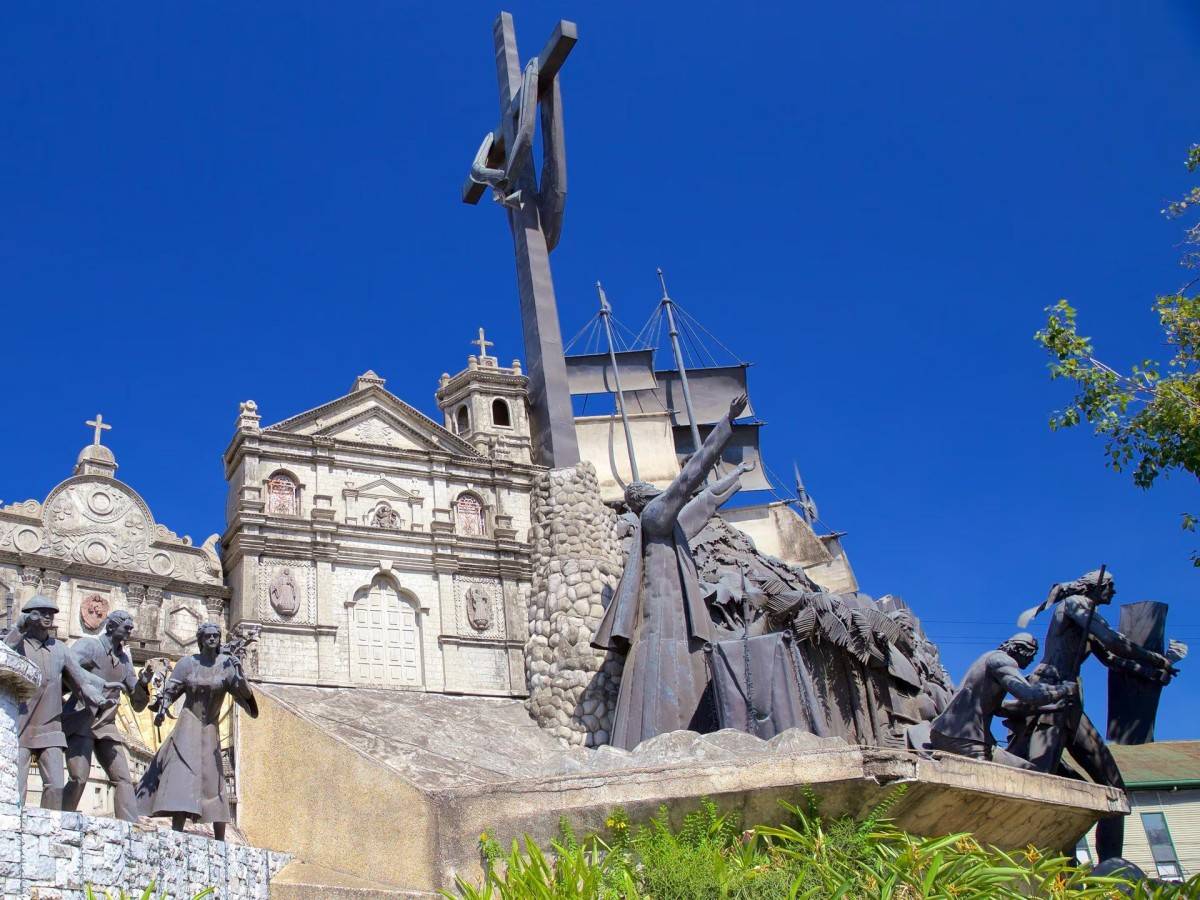
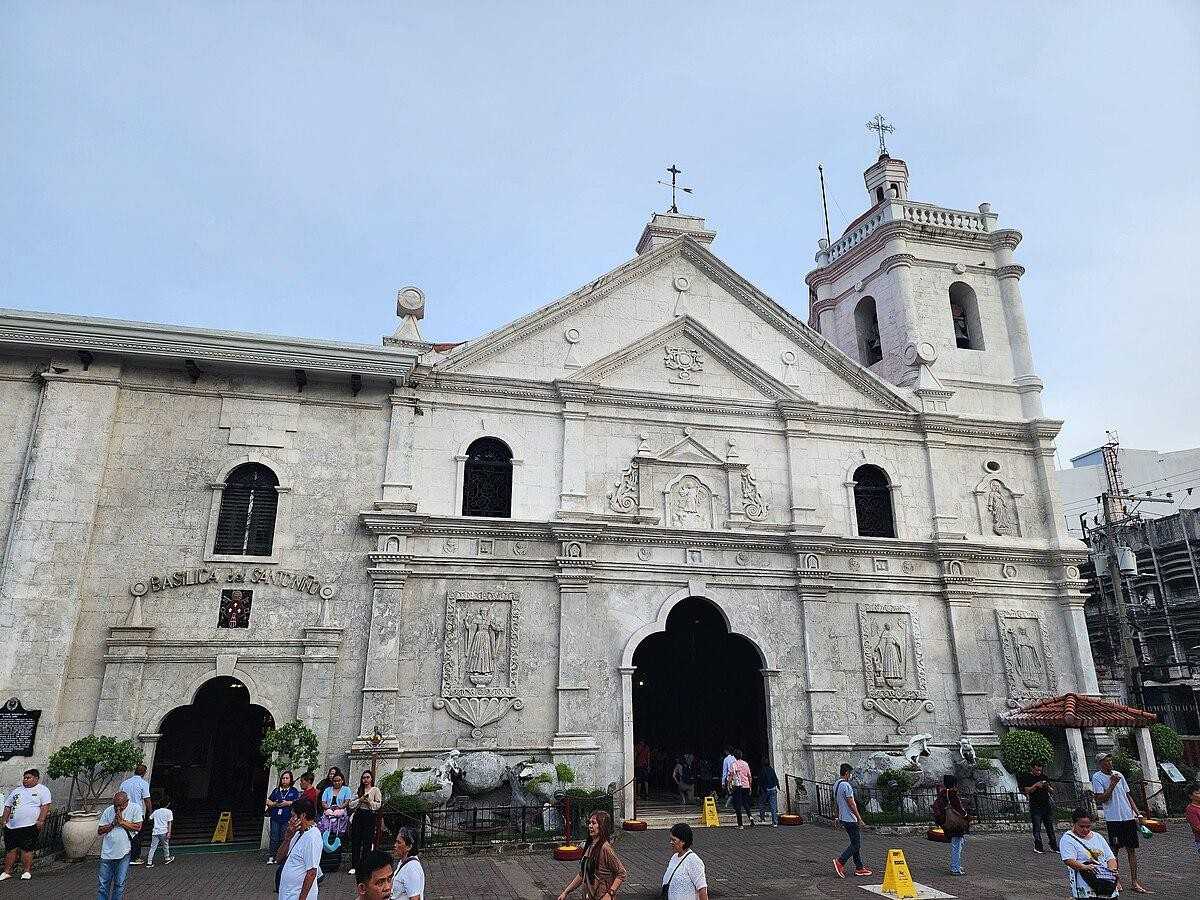
In the history and religious landscape of Cebu City, Philippines, Basilica del Santo Niño occupies an irreplaceable and important position. This ancient church is not only the core symbol of Philippine religious beliefs, but also a vivid history book that records the changes in history, attracting tourists and believers from all over the world to explore its stories.
Advertisement
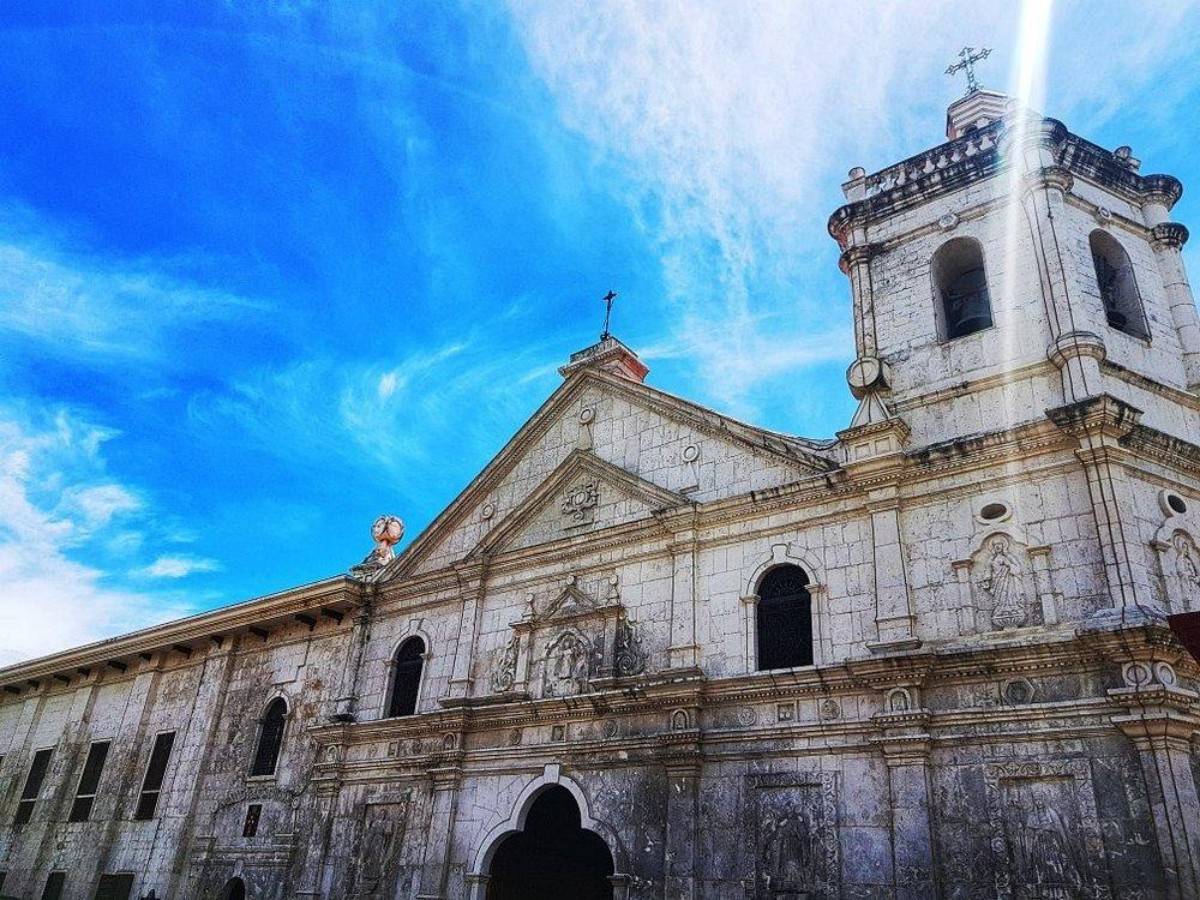
The Church of the Holy Child was built in 1565, and its birth is closely linked to the Age of Exploration. In 1521, the Portuguese navigator Ferdinand Magellan led a fleet to Cebu Island in the Philippines. In the process of spreading Catholic doctrines, the local chieftain Rajah Humabon and his wife Queen Juana, as well as about 400 indigenous people, were deeply influenced and decided to accept Christianity. As a commemoration, Magellan presented Queen Juana with a black-skinned wooden "Statue of the Holy Child".
Advertisement
In 1565, Captain Miguel Lopez de Legaspi and Fr. Andres Urdaneta built the Church of the Holy Child on this basis. However, fate was unfortunate. Cebu suffered a terrible fire, and the entire city was almost razed to the ground. Surprisingly, the statue of the Holy Child was miraculously intact. This incident was regarded as a miracle by the locals, which deepened their devout worship of the statue of the Holy Child, and also prompted the Church of the Holy Child to be continuously repaired and expanded in the future, becoming an important landmark of religious belief in the Philippines.
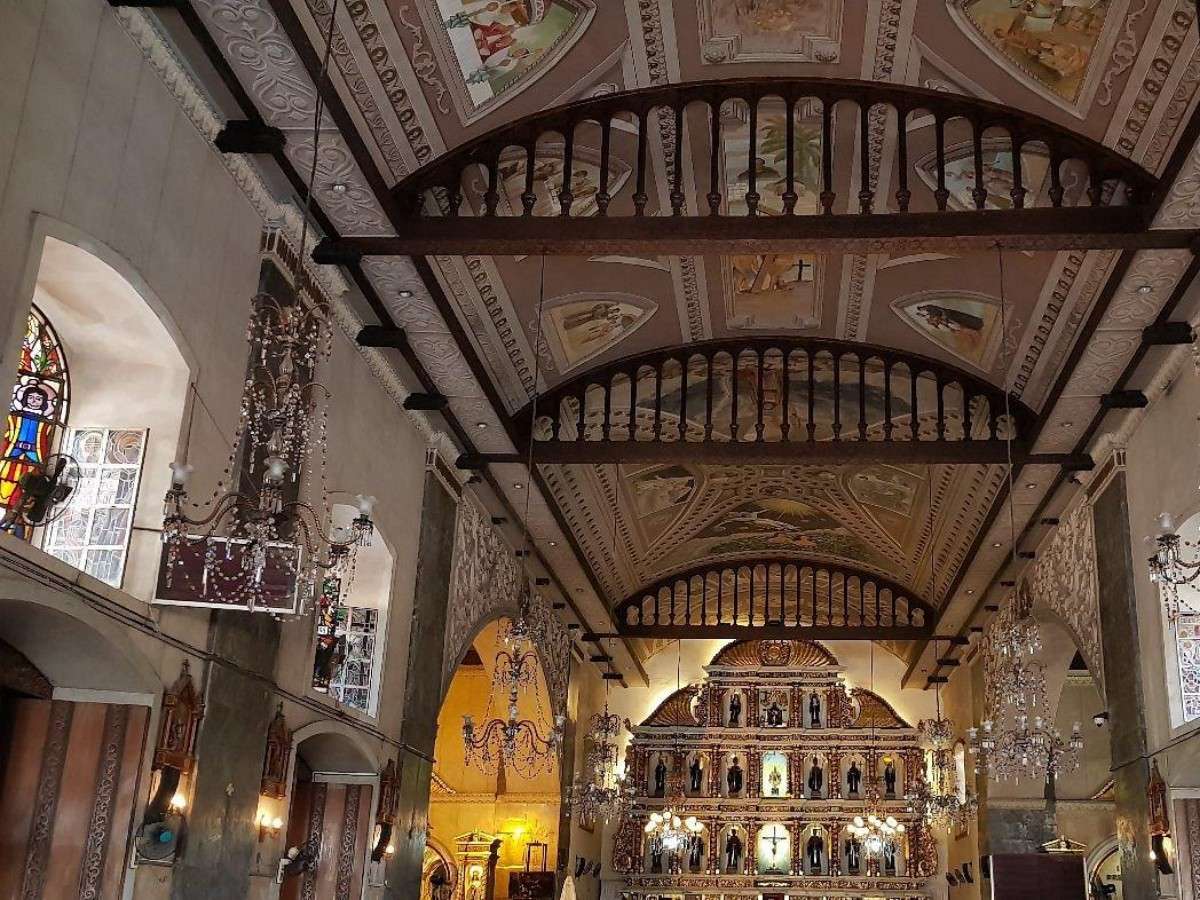
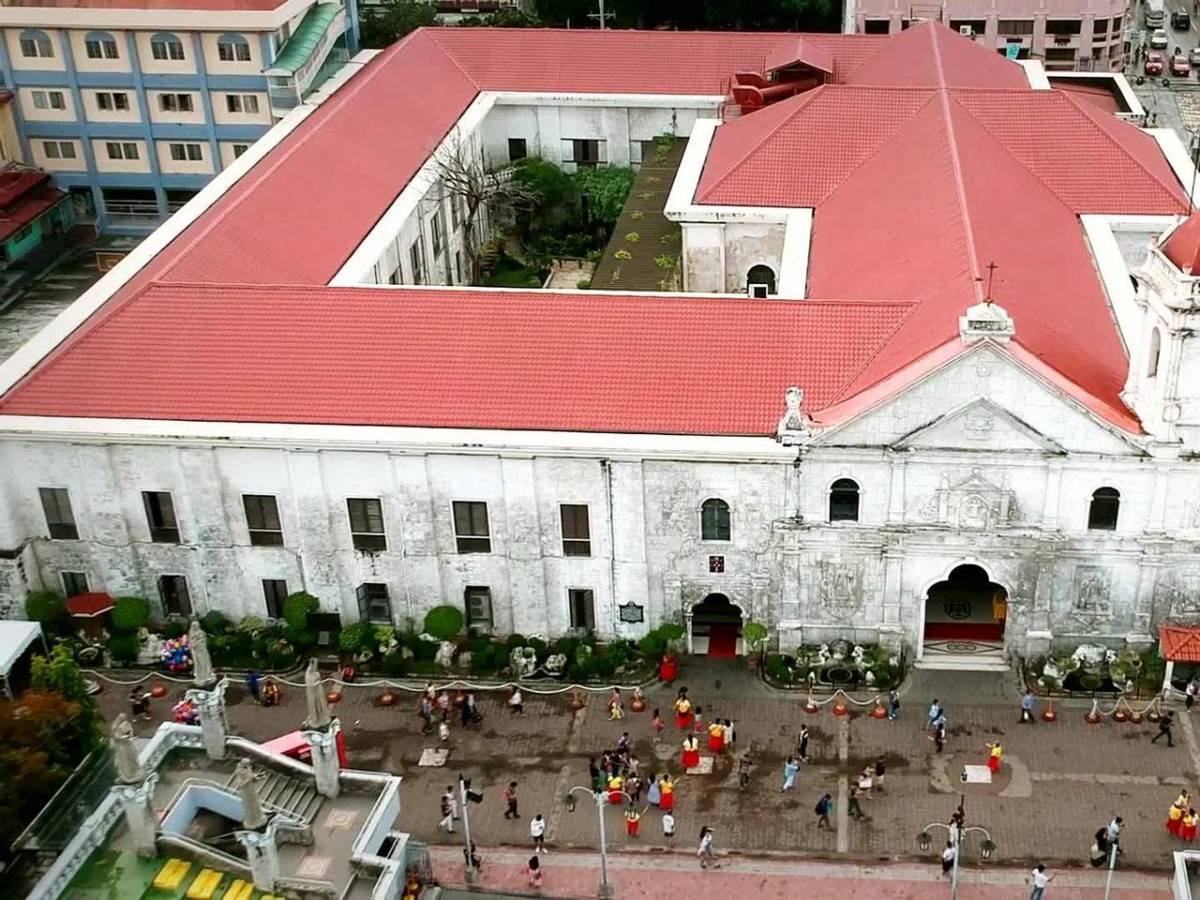
After many renovations and reconstructions, the church that is preserved now is the version rebuilt in 1740, and its overall style combines Baroque and neoclassicism. The exterior of the church is magnificent, and the tall bell tower stands beside it, as if telling stories of the past. When you step into the church, you will be infected by its solemn atmosphere. The simple and generous layout, the sunlight shines on the ground through the stained glass windows, forming colorful light and shadow, making the whole space more sacred. The exquisite portrait of Christ on the ceiling is lifelike, as if examining every believer who comes to worship. In one of the rooms of the church, the famous statue of the young Jesus is placed. Although it has gone through hundreds of years, it still exudes a unique charm, attracting countless people to come and admire.
Advertisement
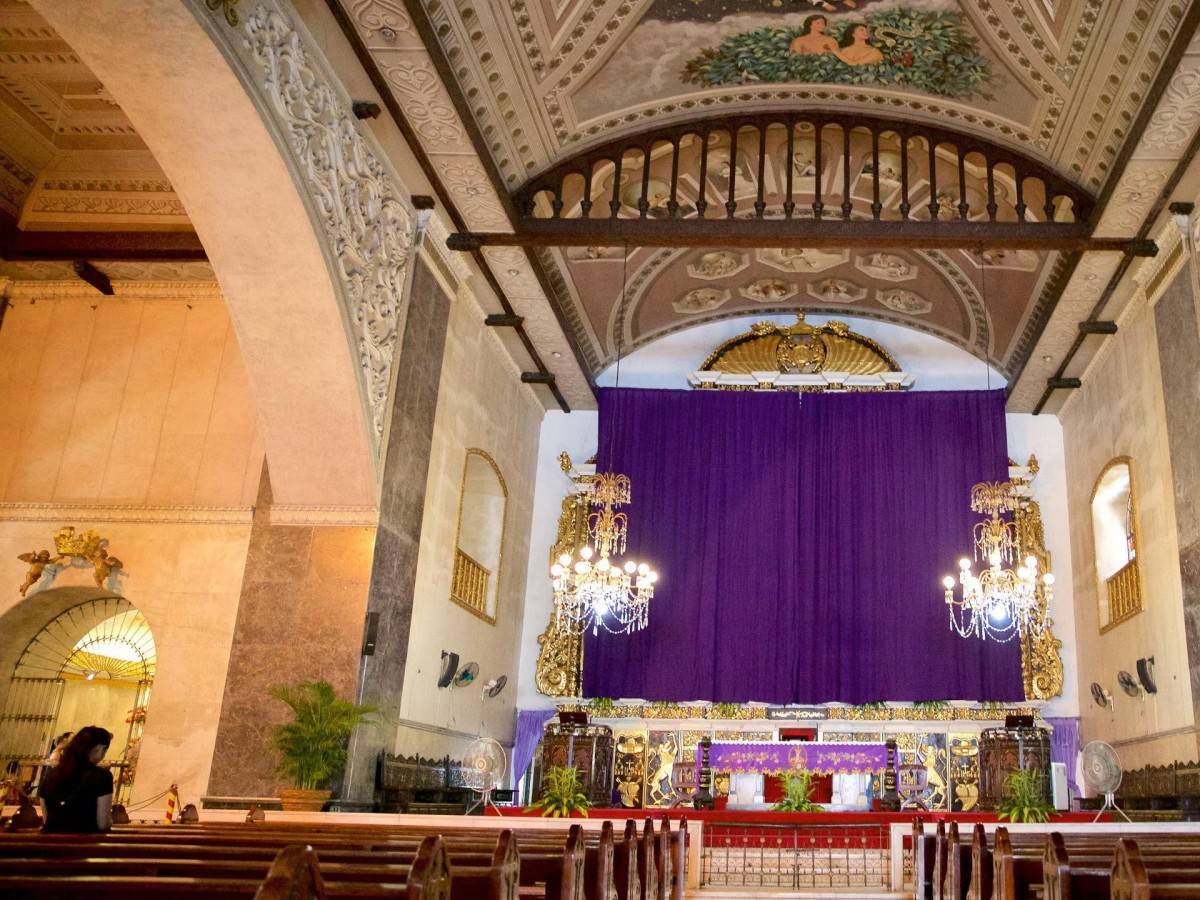
For Filipinos, the significance of the Basilica of the Holy Child goes far beyond an ordinary building. From a religious perspective, it is one of the sources of the Catholic faith in the Philippines. The ancient statue of the Holy Child, regarded as the oldest and most respected statue in the Philippines, is the hope and sustenance in the hearts of countless believers. Every year, a large number of believers travel long distances to come here and pray devoutly, hoping to be blessed by the Holy Child and gain peace and good luck.
On the cultural level, the Basilica of the Holy Child has witnessed the deep integration of the local culture of the Philippines and the foreign Catholic culture. This integration is reflected in the local folklore, art, festivals and other aspects, shaping the unique cultural style of the Philippines. It is an important carrier of the Filipinos' historical memory and represents the country's indomitable national spirit.
Every year on the last Sunday of January, Cebu welcomes a grand celebration - Sinulog Festival. This festival was established to commemorate the statue of the Holy Child and is one of the most famous festivals in the Philippines. During the festival, the entire Cebu city is immersed in a joyful and warm atmosphere. The parade meanders along the main roads of the city, and the participants wear colorful traditional costumes and sing and dance. They hold replicas of the Holy Child and shout out words of prayer, showing the world their reverence and love for the Holy Child. In addition to the parade, there are various religious ceremonies, music performances, dance competitions and other activities, attracting tourists from all over the world to watch and experience this rich religious and cultural atmosphere together.
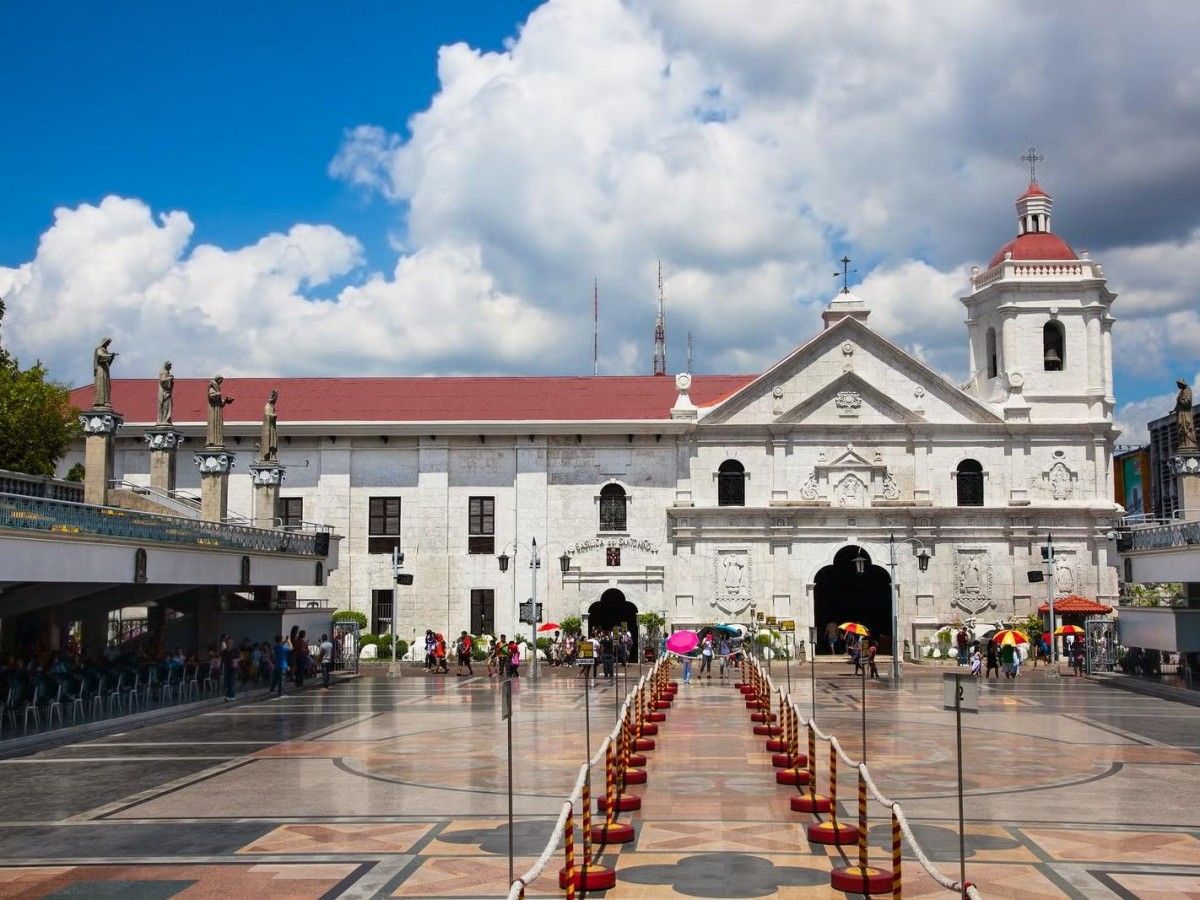
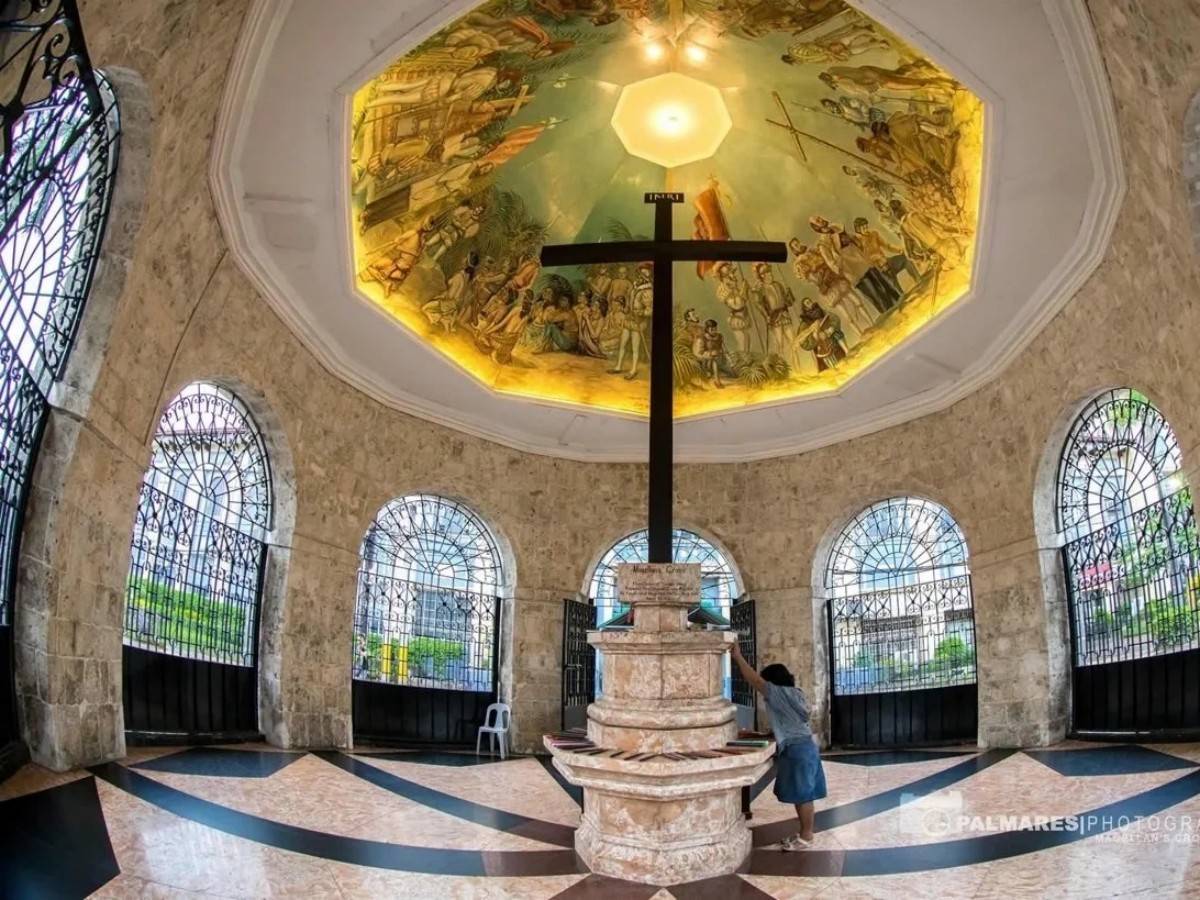
The Basilica del Santo Niño is located in a very advantageous location, surrounded by many attractions worth visiting. Not far in front of the church is the Magellan's Cross, which is also of great historical significance. This was erected by Magellan when he arrived in Cebu in 1521, marking the official spread of Christianity in the Philippines. Together with the Basilica del Santo Niño, it constitutes the core area of Cebu's history and culture.
On the south side of the church is a museum that introduces the history of the Basilica del Santo Niño. The museum houses many cultural relics, ancient books and religious artworks related to the history of Philippine Christianity. Through these exhibits, visitors can gain an in-depth understanding of the development of the Basilica del Santo Niño and the spread of Catholicism in the Philippines. In addition, there are bustling markets in Cebu's historic city, where you can taste authentic Filipino food such as roast suckling pig and adobo stew, and buy various special handicrafts and souvenirs to experience the unique atmosphere of Cebu's market life.
The Basilica del Santo Niño is like a shining pearl, inlaid on the land of Cebu City. With its profound historical heritage, unique architectural style, important cultural and religious significance, and grand festivals, it attracts people from all over the world to explore. Whether you are a history and culture enthusiast, a religious believer, or a traveler who simply wants to experience the charm of different cultures, the Basilica of the Holy Child is definitely worth adding to your itinerary to experience its unique charm.