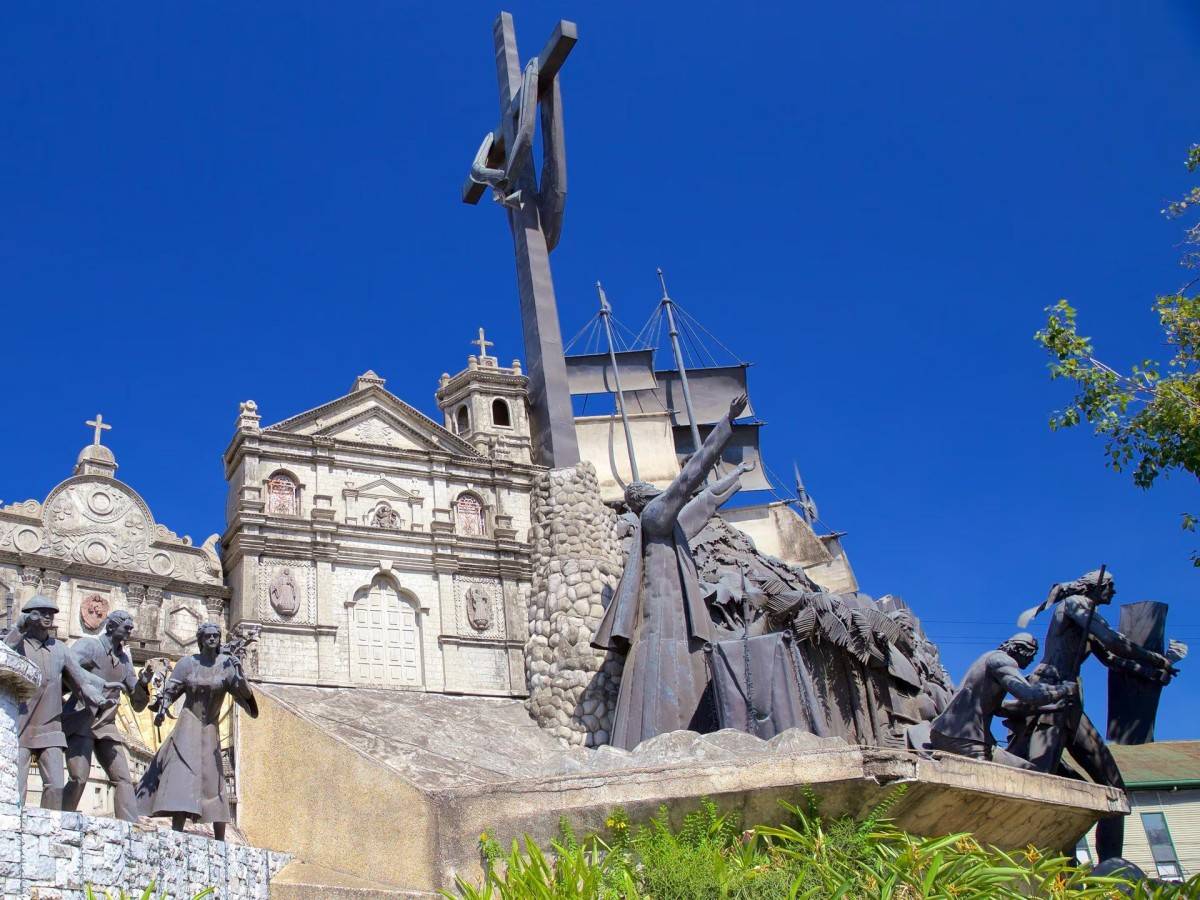
In the long history of Cebu City, Philippines, Heritage of Cebu Monument is like an immortal monument. With its unique sculpture art form, it vividly engraves the past of this city and even the entire Philippines, becoming an excellent place for tourists to explore history and experience culture.
Advertisement
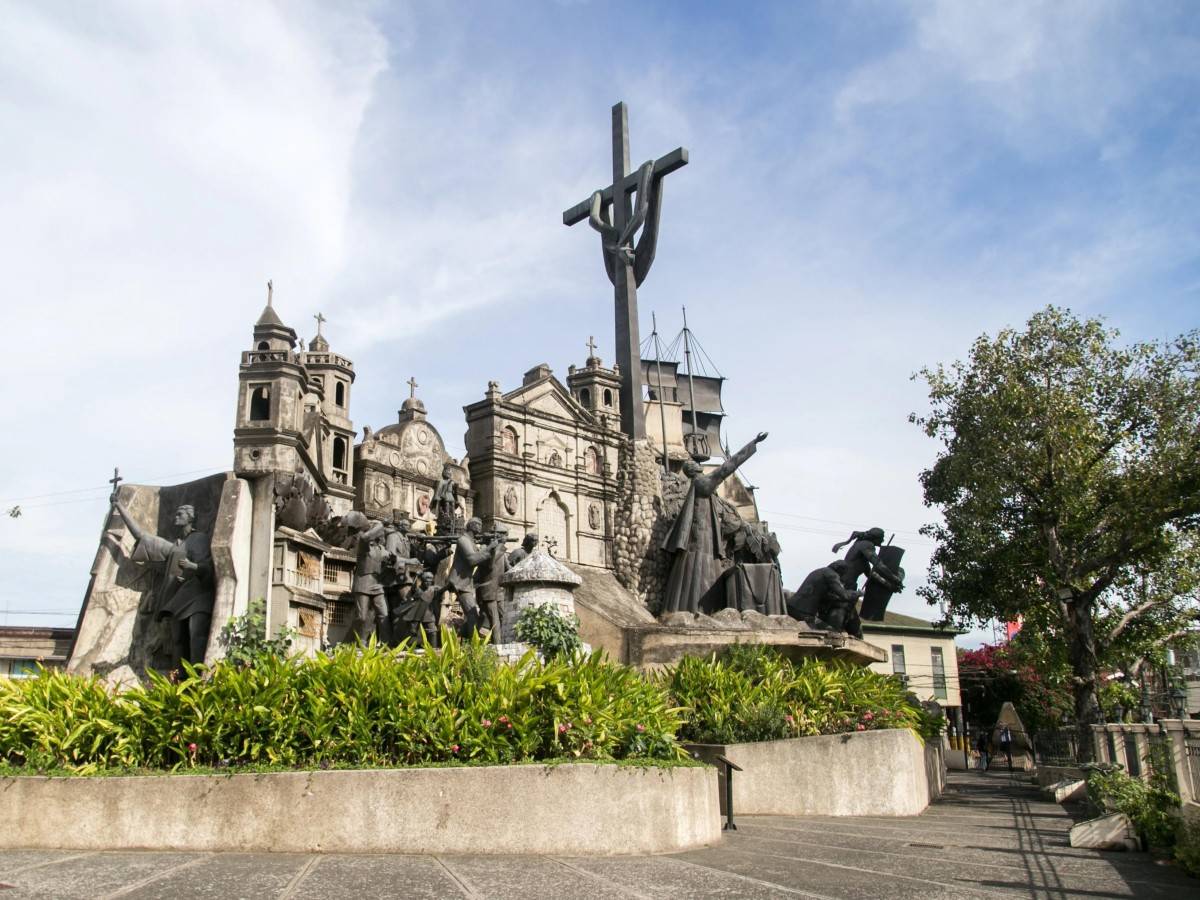
The Cebu Heritage Monument was officially completed in 1997 and was carefully created by Edgardo Castrillo, a famous Filipino sculptor. The birth of this monument aims to commemorate key events and important figures in the history of Cebu and even the Philippines, leaving a tangible history textbook for future generations. From the vicissitudes of the Age of Discovery, to the rise and fall of the native civilization of the Philippines, to the struggle and development under colonial rule, all are reflected in this monument. With his profound artistic attainments, Mr. Castrillo spent several years of hard work to condense the complex historical stories into a group of lifelike sculptures, giving the cold stone a fresh vitality and soul.
Advertisement
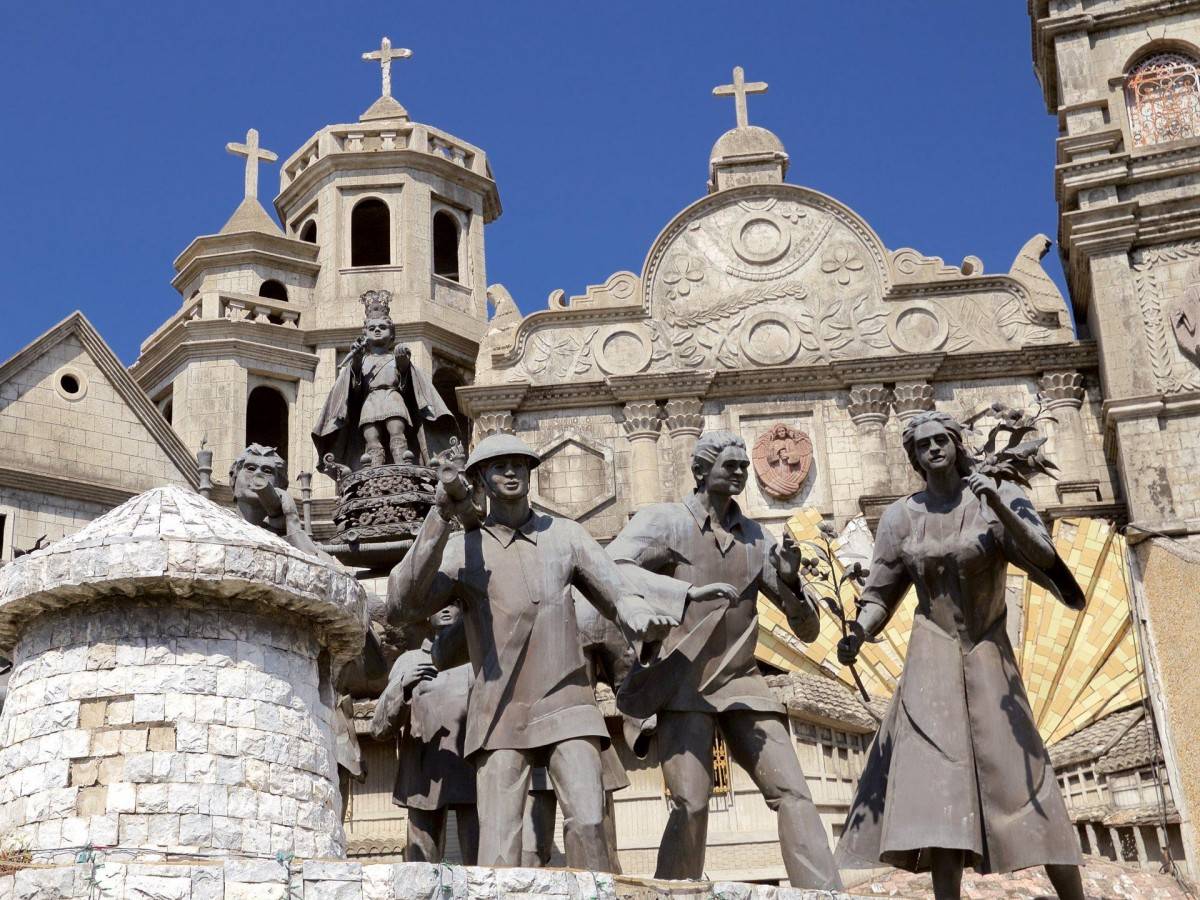
The entire monument is composed of more than 100 sculptures of various sizes and shapes, which are arranged in sequence along the winding trail, like a slowly unfolding historical scroll. At the starting point, the life scenes of the indigenous people of the Philippines are displayed. People wear traditional costumes and engage in farming, fishing and hunting. Their simple faces and working postures outline the primitive style of early Philippine society, allowing tourists to get a glimpse of the original appearance of this land.
Advertisement
As the footsteps move forward, the sculpture of Portuguese navigator Ferdinand Magellan comes into view. He has a resolute expression, holding a nautical chart, and behind him is a mighty fleet, vividly reproducing the historical moment when Magellan led the fleet to Cebu Island in 1521. This event not only opened the door to communication between the Philippines and the Western world, but also profoundly affected the subsequent religious, cultural and social development of the Philippines.
Continuing forward, there is a sculpture of the Philippine national hero Lapu-Lapu. He holds a weapon and looks firmly into the distance, as if he is preparing for a battle. In the Battle of Mactan Island in 1521, Lapu-Lapu led the local residents to bravely resist the invasion of Magellan's fleet and successfully repelled the enemy, becoming the first hero in Philippine history to resist foreign enemies. His story inspired countless Filipinos and became a symbol of national spirit.
In addition, there are many sculptures on the monument that reflect the Philippines during the colonial period, the independence movement and the modern development process. From the image of Spanish colonial officials, to the scene of Filipino revolutionaries fighting for freedom, to the group portraits showing the diverse features of modern Philippine society, each sculpture carries a unique historical memory and together constitutes a magnificent chapter in the history of the Philippines.
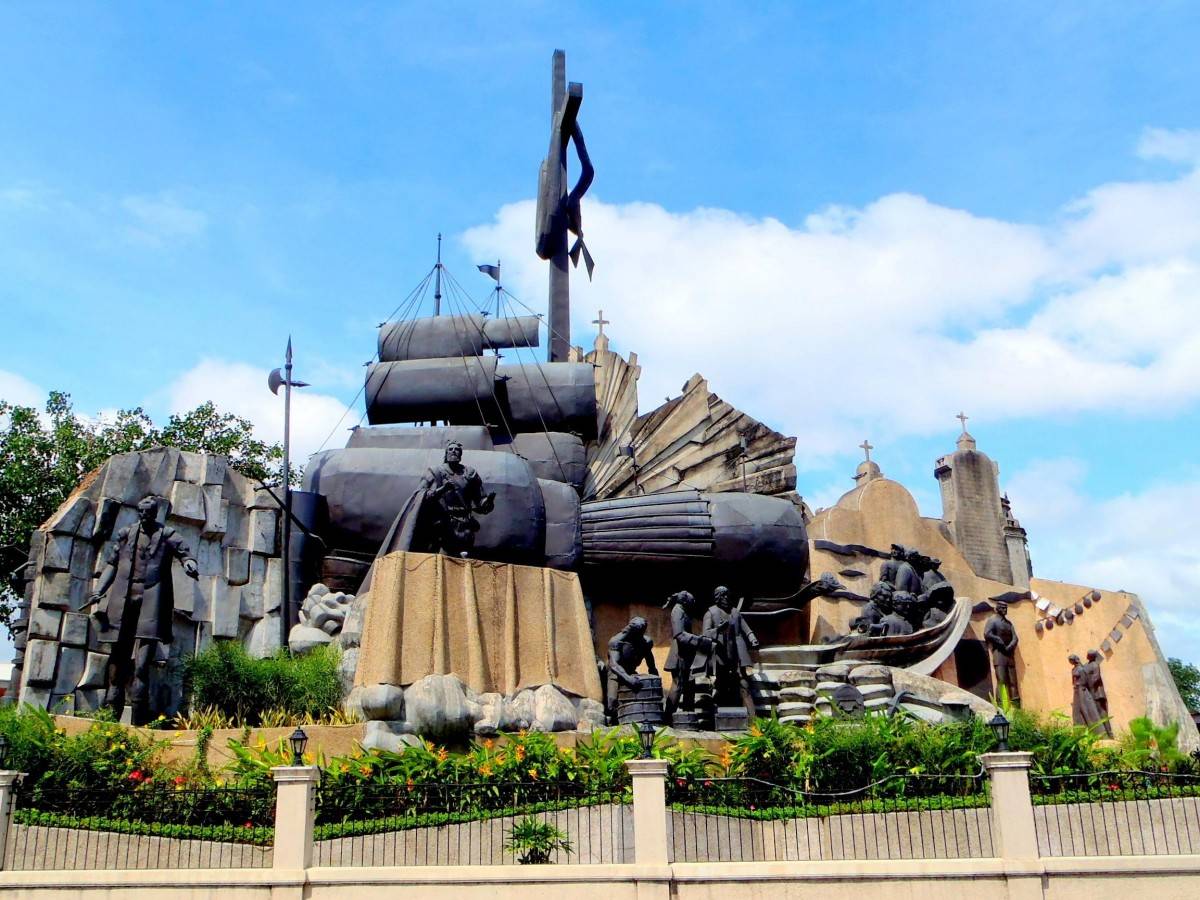
The Cebu Heritage Monument is of inestimable value to the cultural heritage of the Philippines. It transforms abstract historical knowledge into intuitive visual images, allowing the younger generation to understand the country's past more easily and deeply. In the field teaching activities organized by the school, students visited the monument as if traveling through time and space, feeling the pulse of history firsthand, and enhancing their sense of identity and pride in national culture.
For the Filipino people, the monument is a symbol of spiritual cohesion. It allows people to remember the struggles and sacrifices of their ancestors and reminds everyone to cherish the hard-won peace and independence. On every important festival or anniversary, local people will spontaneously come to the monument, hold a memorial ceremony, offer flowers, commemorate historical figures, and pass on the national spirit.
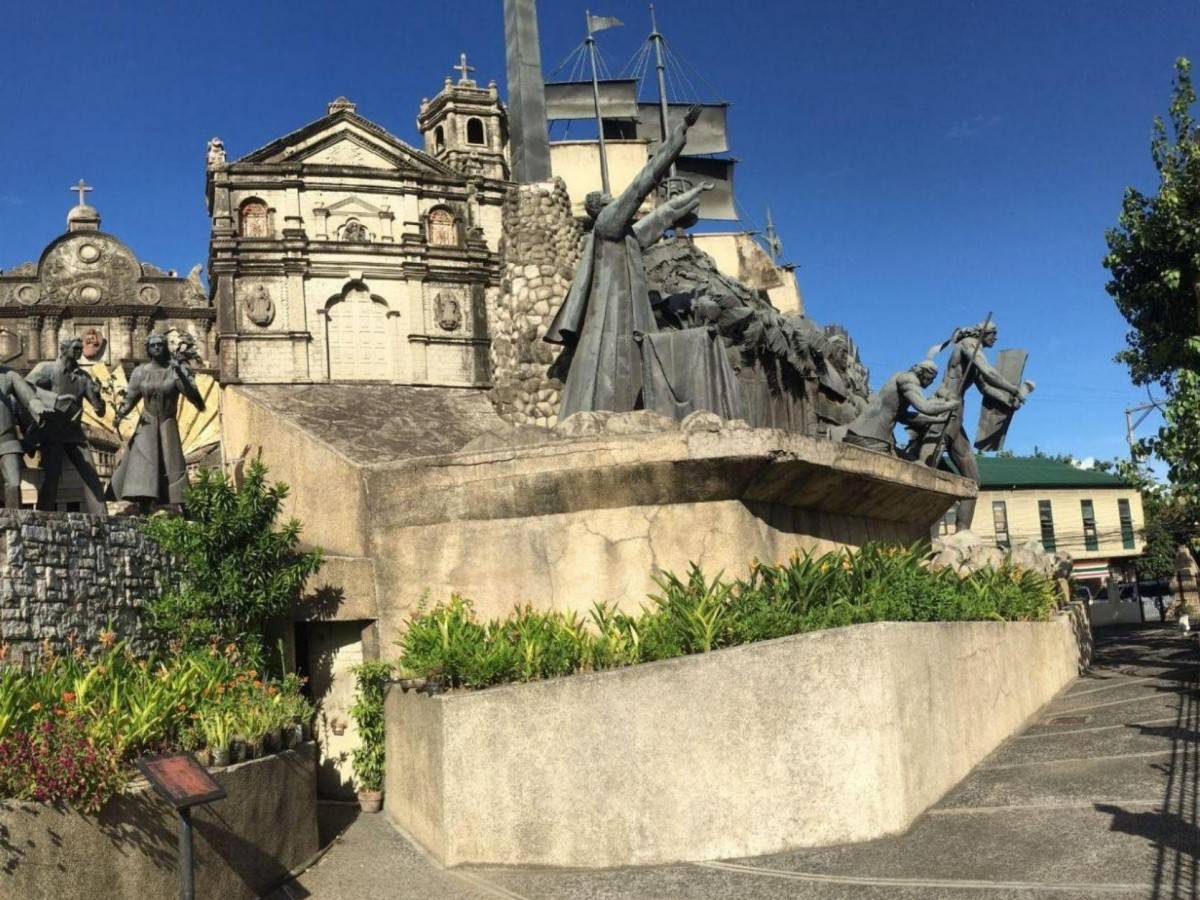
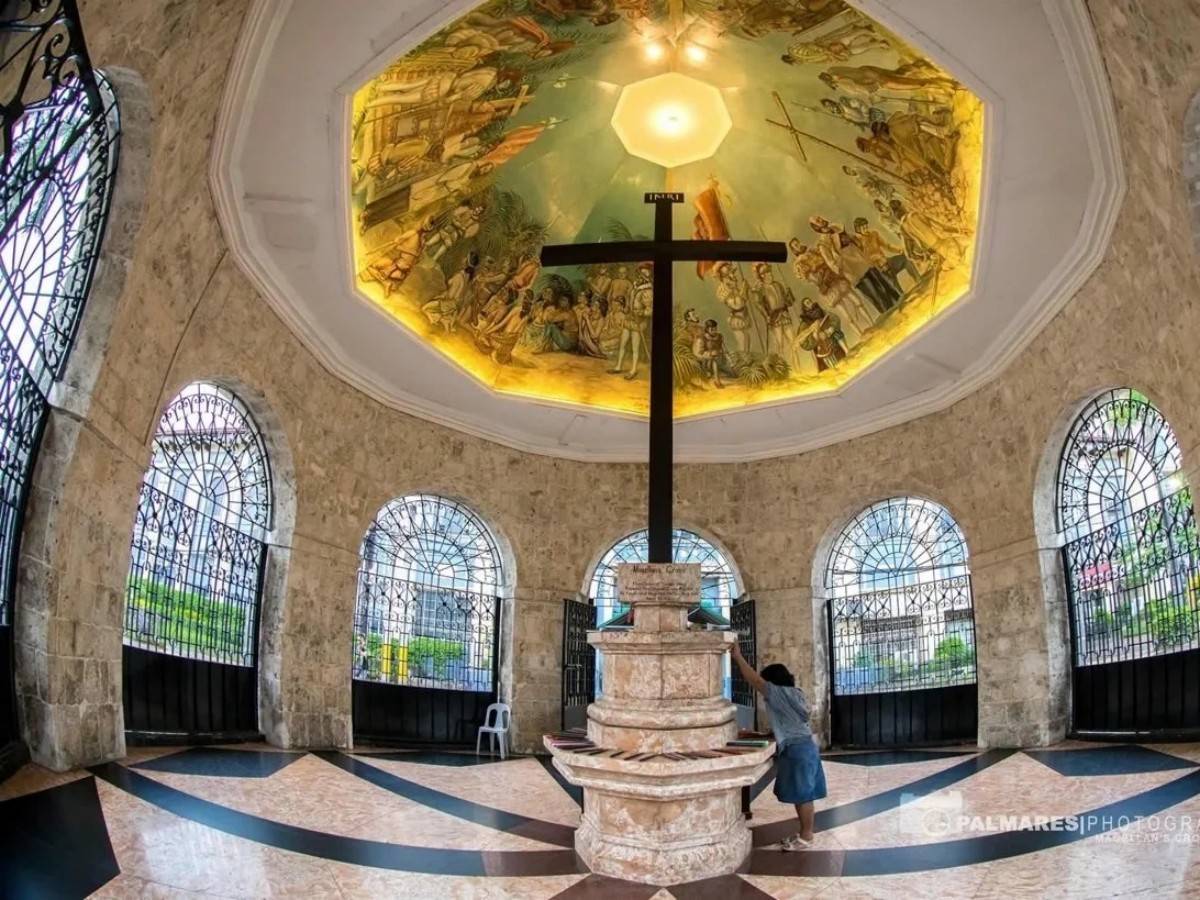
The Cebu Heritage Monument is located in the core area of Cebu City, with complete supporting facilities and many attractions worth visiting. The Cebu Museum near the monument houses a large number of cultural relics related to Philippine history, culture and art, from ancient pottery, exquisite wood carvings to precious historical documents, providing tourists with a more comprehensive window to understand the Philippines.
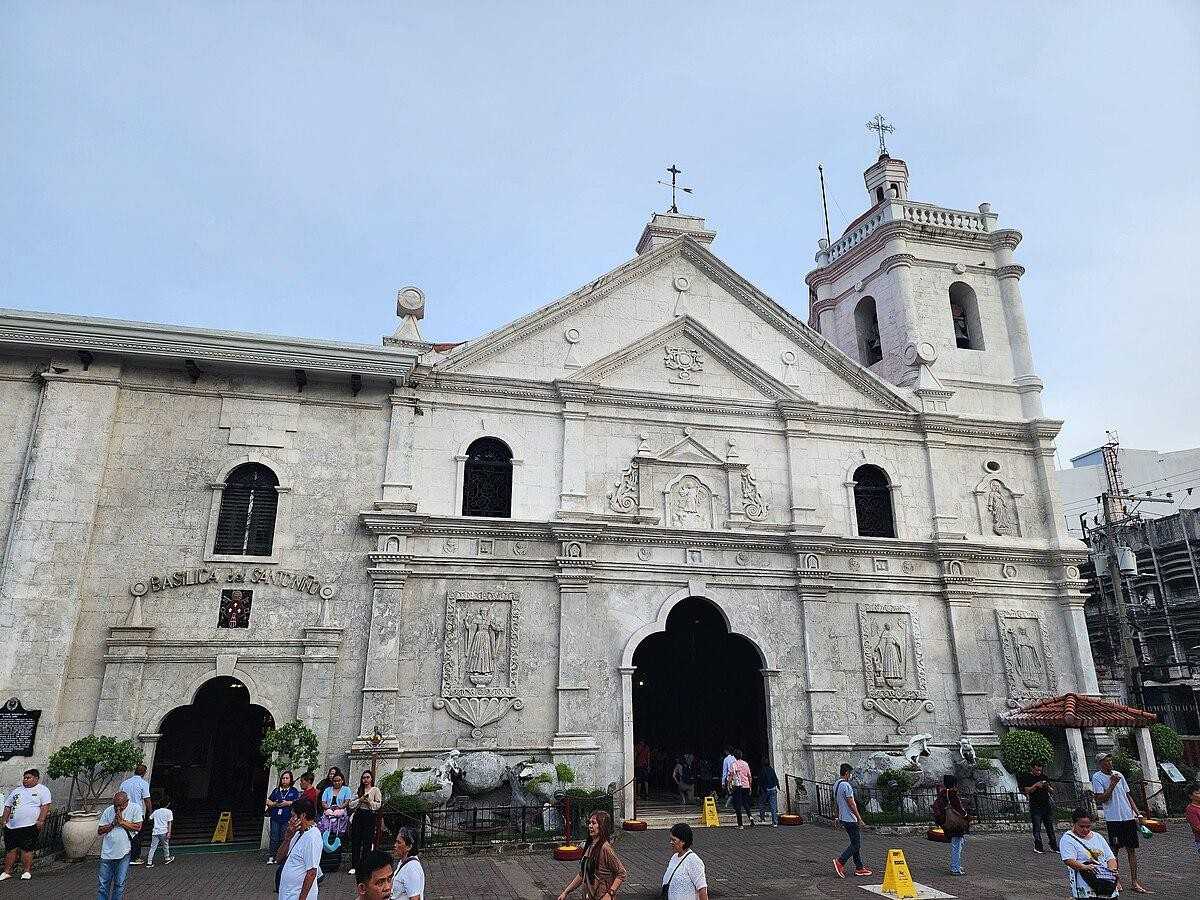
Not far away, Basilica del Santo Niño, as one of the oldest churches in the Philippines, has a long history and profound religious and cultural heritage. The statue of the Holy Child enshrined in the church attracts countless believers to worship, and its Baroque-style architectural appearance and exquisite interior decoration also make tourists linger. In addition, the bustling streets of Cebu City are also within easy reach. Here, tourists can taste authentic Filipino food such as roast suckling pig, adobo stew, etc., and can also buy various special handicrafts and souvenirs to experience the rich atmosphere of market life.
The Heritage of Cebu Monument has become a landmark attraction in Cebu and even the Philippines with its unique artistic charm and profound historical and cultural significance. It is not only a tribute to the past, but also an expectation for the future. When visitors come here, it is as if they have walked into a vivid historical masterpiece. While appreciating the beauty of art, they can also deeply understand the tenacious and courageous national spirit of the Filipino people. Whether you are a history lover, an art appreciator, or an ordinary traveler, you can have an unforgettable experience in front of this monument, leaving a deep impression of Philippine history and culture.