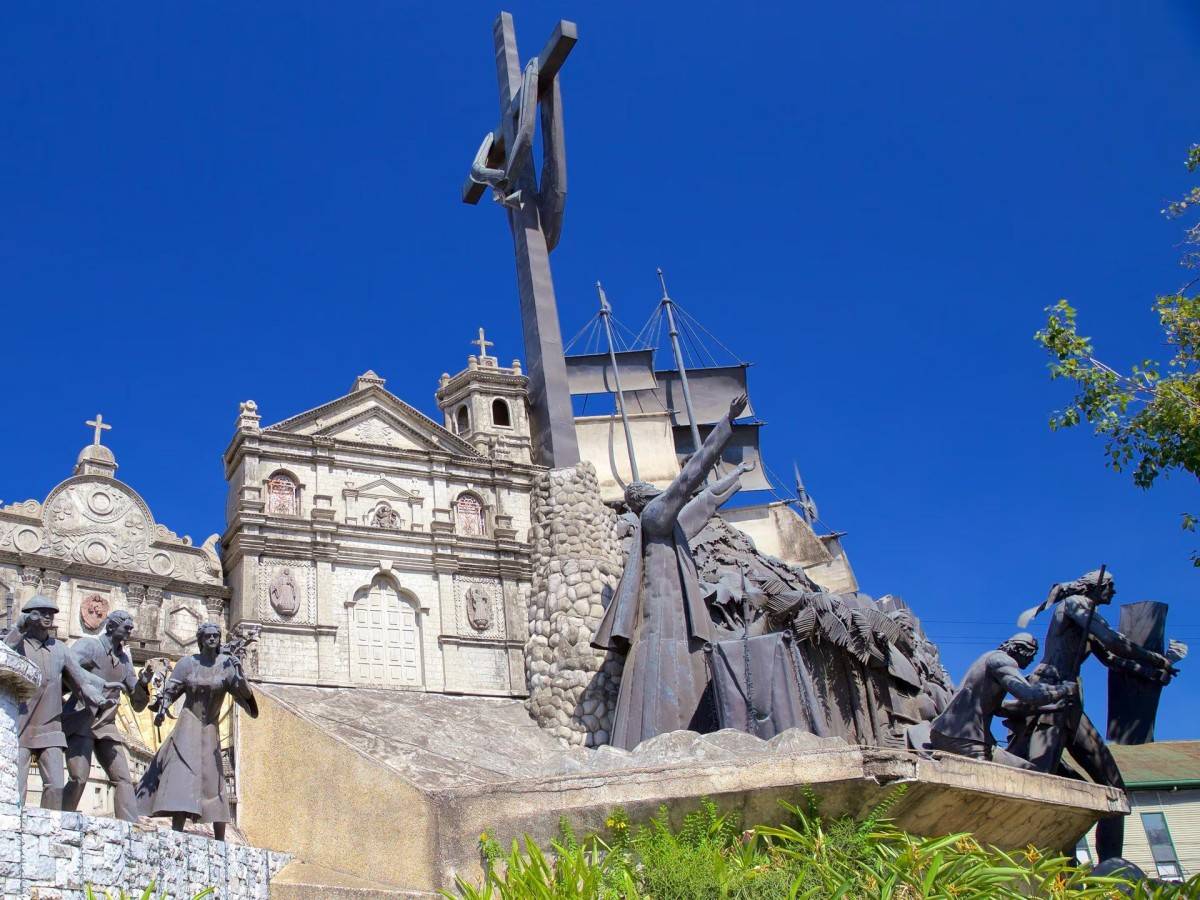
In the long history of Cebu City, Philippines, Magellan's Cross occupies an extremely important position. It is not only a historical relic, but also a key witness to the evolution of Philippine religion and culture, attracting tourists from all over the world to explore the story behind it.
Advertisement
In 1521, Portuguese navigator Ferdinand Magellan, ordered by the King of Spain to embark on a journey to find the Spice Islands, led his fleet to Cebu Island in the Philippines. At that time, Magellan not only brought advanced European navigation technology and culture, but also spread Catholic doctrines. On Cebu Island, local chief Rajah Humabon and his wife Queen Juana, as well as about 400 indigenous people were deeply influenced and decided to accept Christianity. To commemorate this important religious ceremony, Magellan erected the Magellan's Cross on April 14. This event marked the official entry of Christianity into the Philippines and also laid the groundwork for the subsequent Spanish colonial rule in the Philippines for more than 300 years. Since then, the Philippines has gradually undergone profound changes in religious beliefs, social culture, etc.
Advertisement
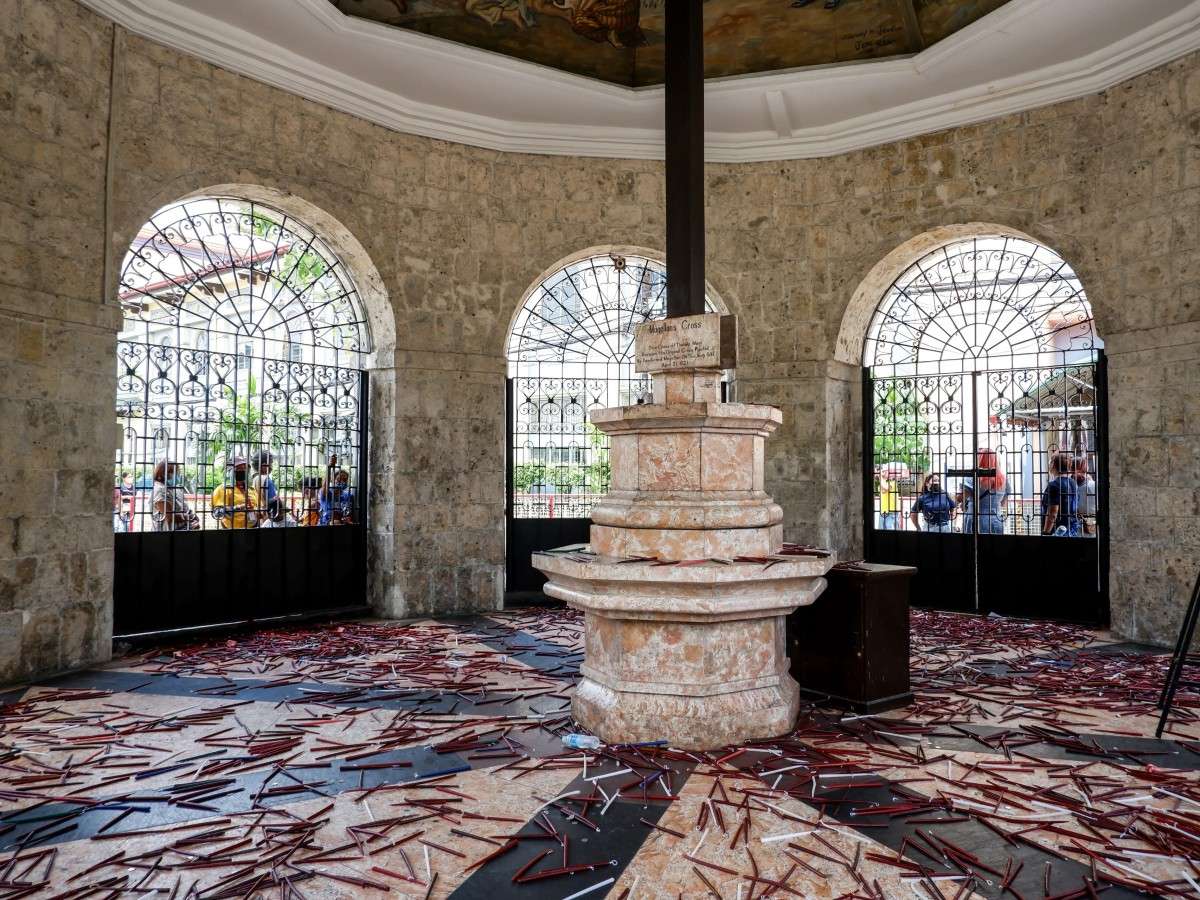
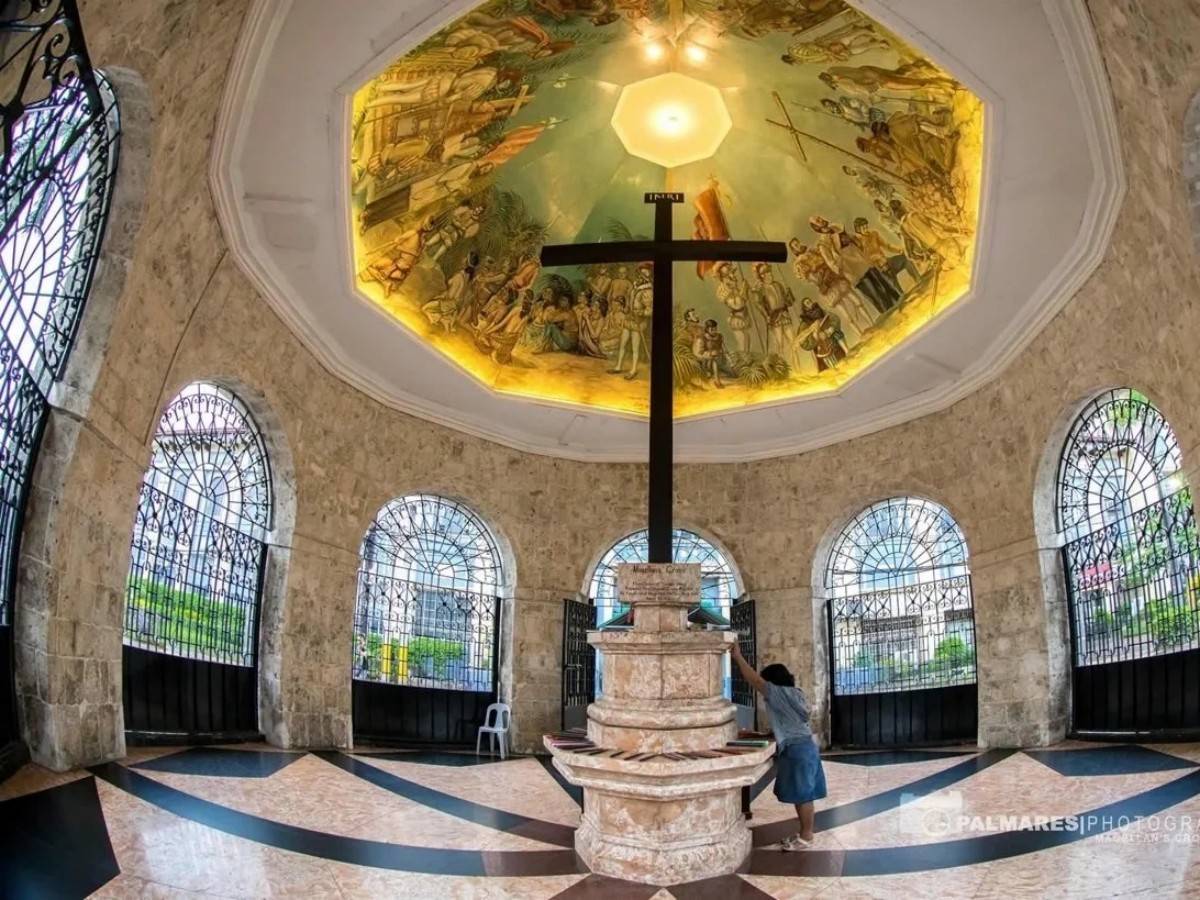
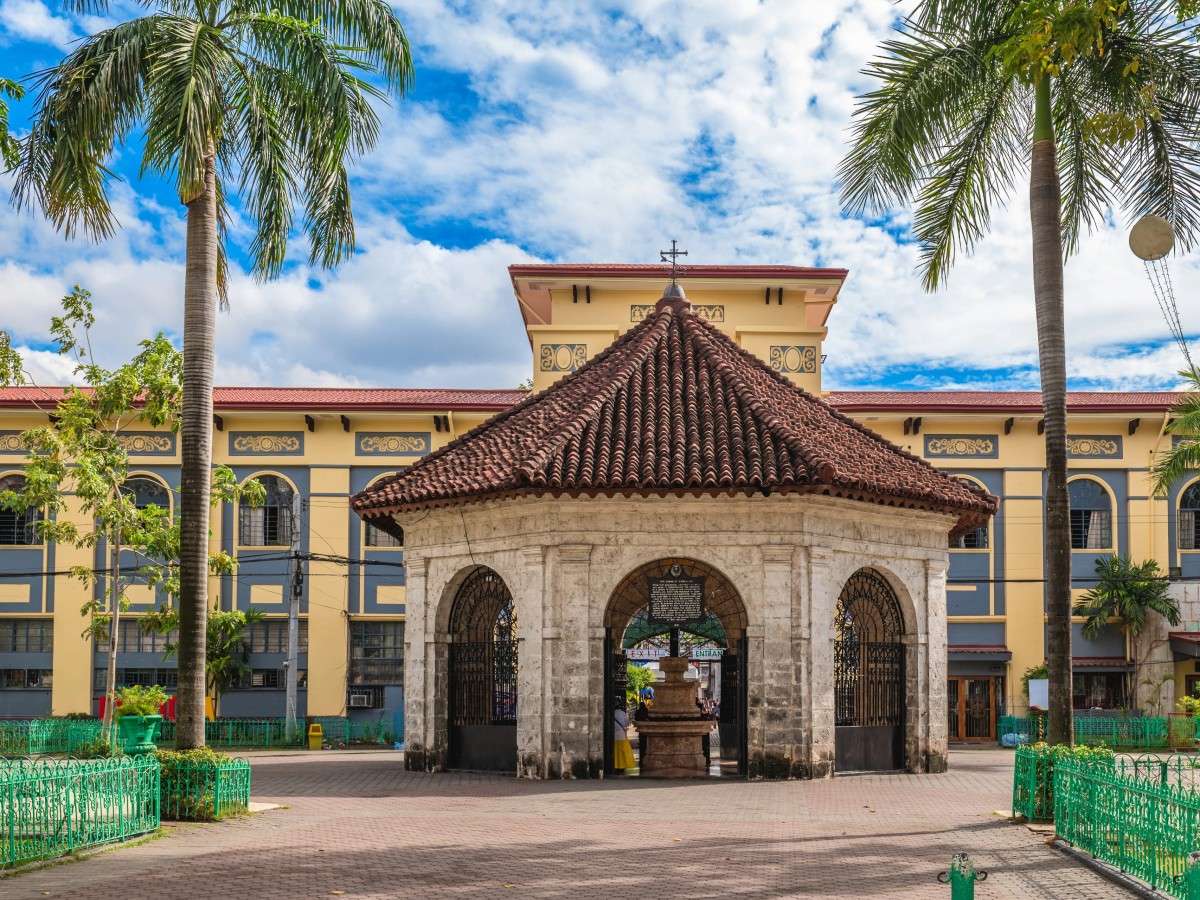
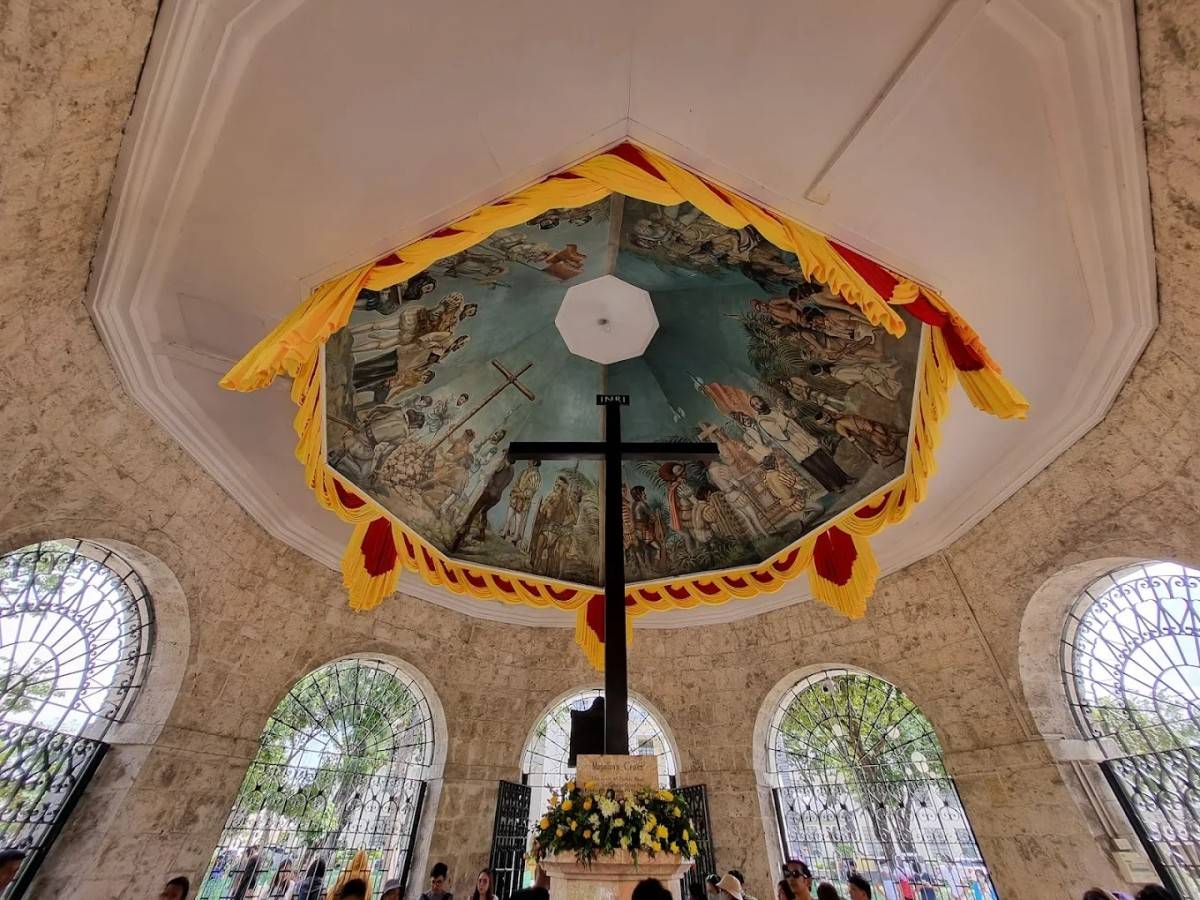
Since its erection, Magellan's Cross has experienced wind, rain and human influence. Between 1525 and 1740, monks from the Agustinas Church built an open-air altar for the cross. However, local people believed that shavings of the cross and taking them could cure all diseases, so they peeled off the skin and took it away. To protect this precious historical relic, people built a pavilion on the way from the Church of the Infant Santo to Fort San Pedro to store it. Today, Magellan's Cross is enclosed in a hollow frame made of Tinadalo wood. The hexagonal ceiling murals of the chapel where the cross is stored retain their original appearance. The colorful and lifelike colors depict scenes such as Magellan's landing in Cebu and the erection of the cross, presenting a vivid historical picture for tourists.
Advertisement
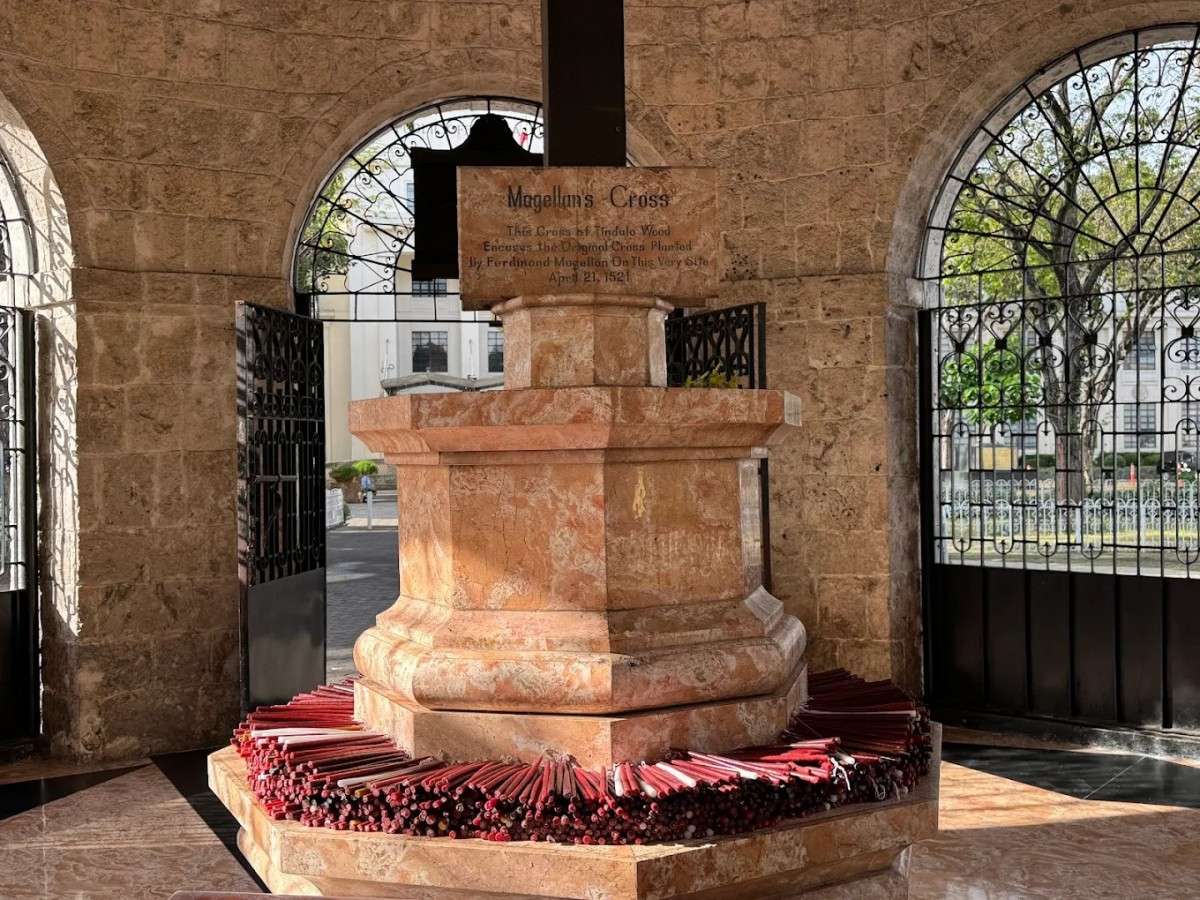
For Filipinos, Magellan's Cross is a cultural and religious treasure. From a religious perspective, it symbolizes the rooting and spread of Christianity in the Philippines. Today, most Filipinos believe in Catholicism, and the origin of this belief can be traced back to the moment when Magellan erected the cross. Every Sunday morning, countless believers go there with incense and candles to pray devoutly, hoping to gain peace and good luck, continuing the tradition for many years. From a cultural perspective, it witnessed the first collision and fusion of Philippine native culture and Spanish culture. Over time, this fusion gradually shaped the unique cultural style of the Philippines, which is reflected in many aspects such as language, art, and architecture. Magellan's Cross carries the memory of the Filipinos' past and represents their tenacious national spirit.
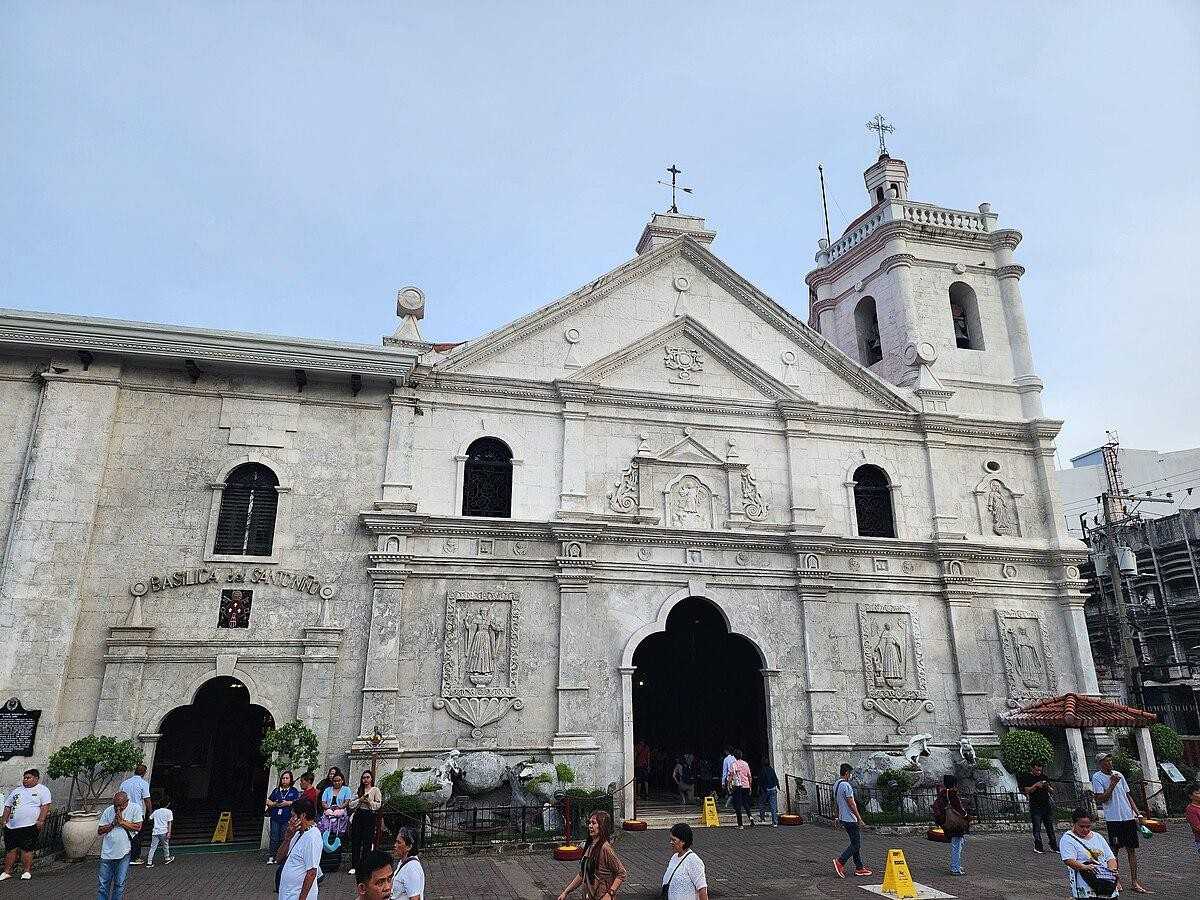
Magellan's Cross is located in a prime location surrounded by many worthwhile attractions. It is directly opposite Cebu's City Hall, which showcases the local administrative style and architectural features. Not far away, the Basilica Minore del Santo Niño is also famous. It houses the highly respected statue of the Holy Child and is a holy place in the hearts of Filipino Catholics. The museum in the basilica houses many artifacts related to the history of Christianity in the Philippines, helping visitors to gain a deeper understanding of the development of religion in this land. In addition, there are bustling markets in Cebu's historic city, with a wide range of specialty goods and local delicacies that are dazzling, allowing visitors to fully experience the city life and fireworks of Cebu while exploring history.
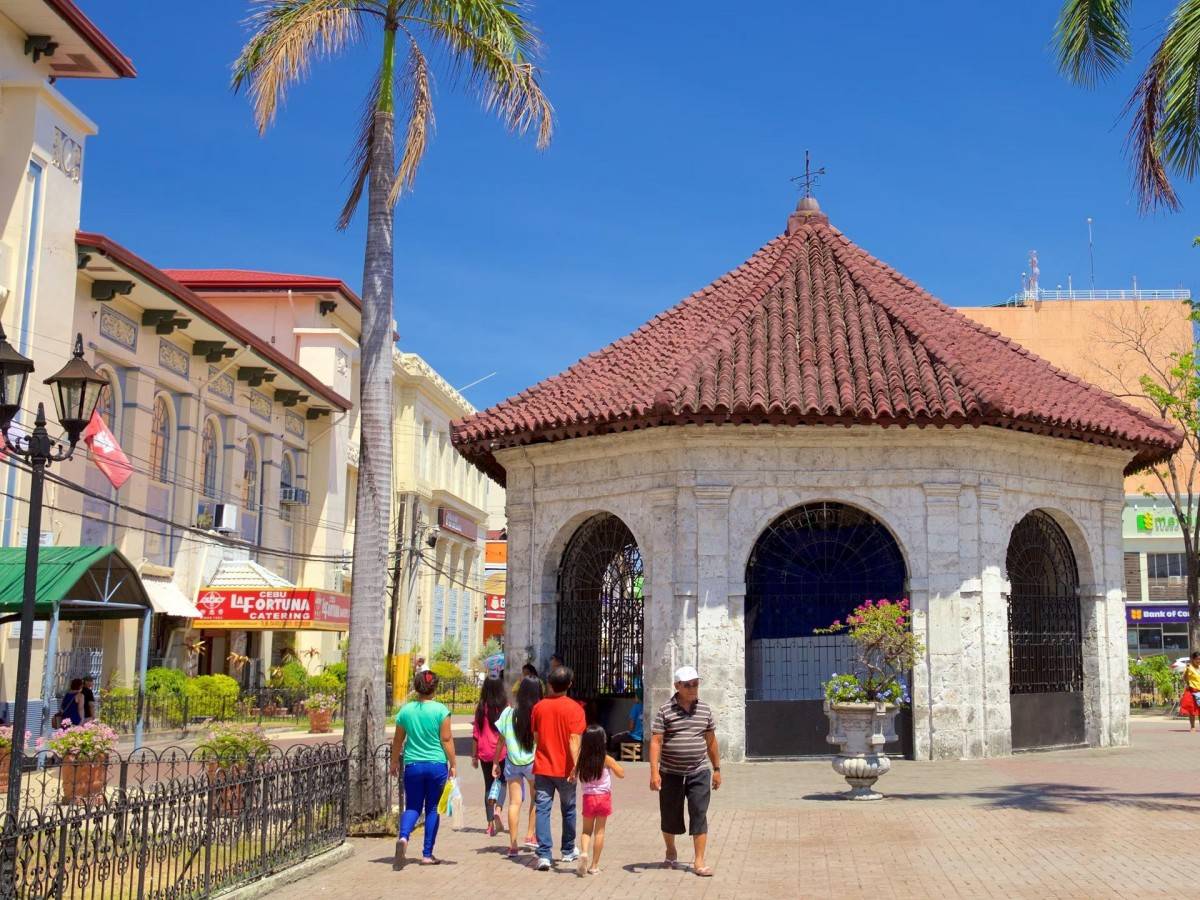
Magellan's Cross is open to the public free of charge from 8:00 am to 6:00 pm daily. Visitors can choose from a variety of transportation options when visiting. If you are in Cebu City, it is more convenient to take a taxi; you can also take a local Jeepney to experience the unique public transportation culture of the Philippines. After entering the chapel where the cross is stored, please remain quiet and respect the believers who are praying. Photography is allowed in the chapel, and visitors can enjoy recording this precious historical relic and the exquisite ceiling murals. During the visit, you may wish to communicate with the vendors selling candles around. They often share many interesting local stories and let visitors have a deeper understanding of Cebu culture.
Magellan's Cross is like a three-dimensional history book. When you open it, the historical picture of the Philippines in the past slowly unfolds. Whether you are a history lover, a religious believer, or an ordinary tourist, you can gain unique insights and experiences here. It is an iconic attraction that cannot be missed in Cebu and even the Philippines.