
Advertisement
Walking through the streets and alleys of Iloilo City in the Philippines, there is always a feeling of returning to the Spanish colonial period of the old century. The sun lazily sprinkles on the colorful eaves, and the laughter of children is intertwined with the church bells. If you are willing to slow down and follow the rhythm of the morning bells and evening drums into Jaro Cathedral, this sacred temple that has experienced the baptism of time, perhaps you will not only encounter a visual shock, but also usher in a silent awakening of the soul.
Advertisement
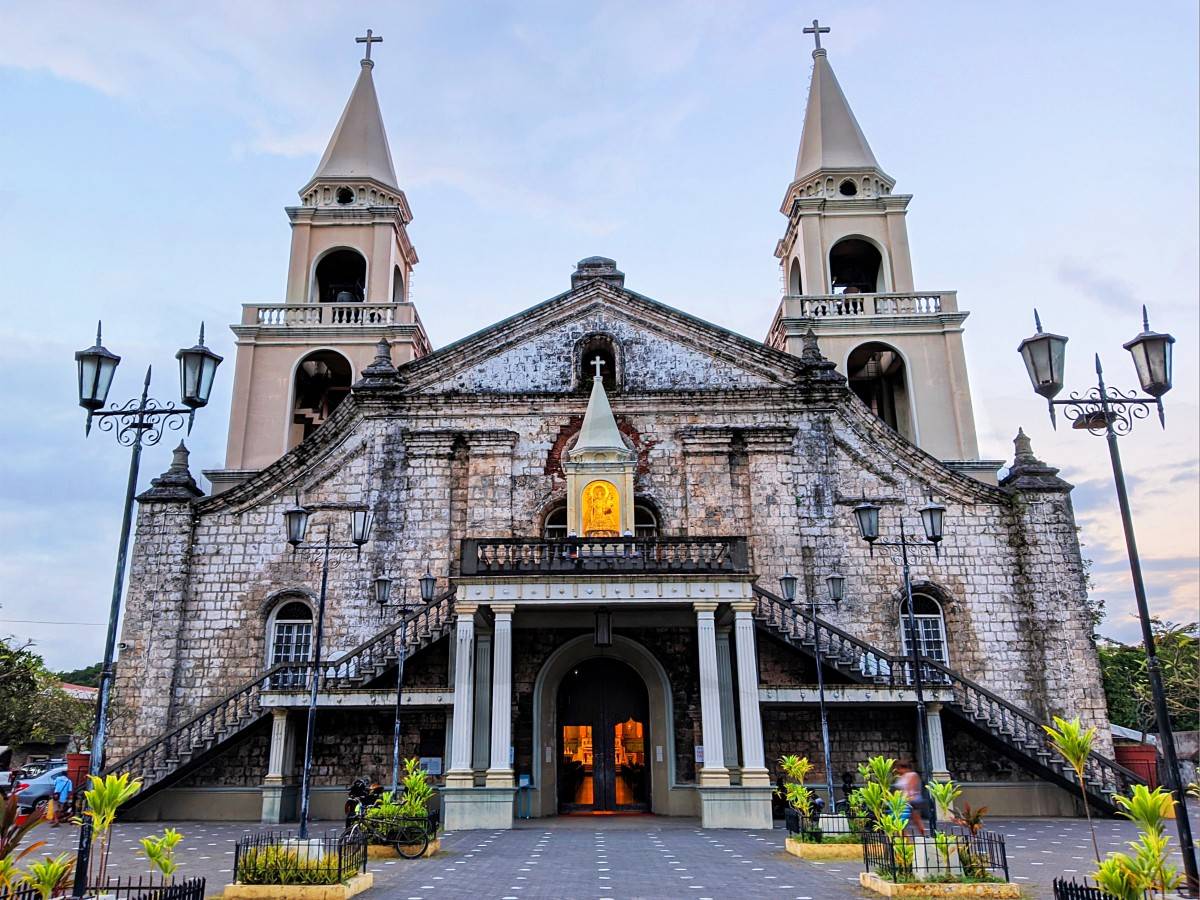
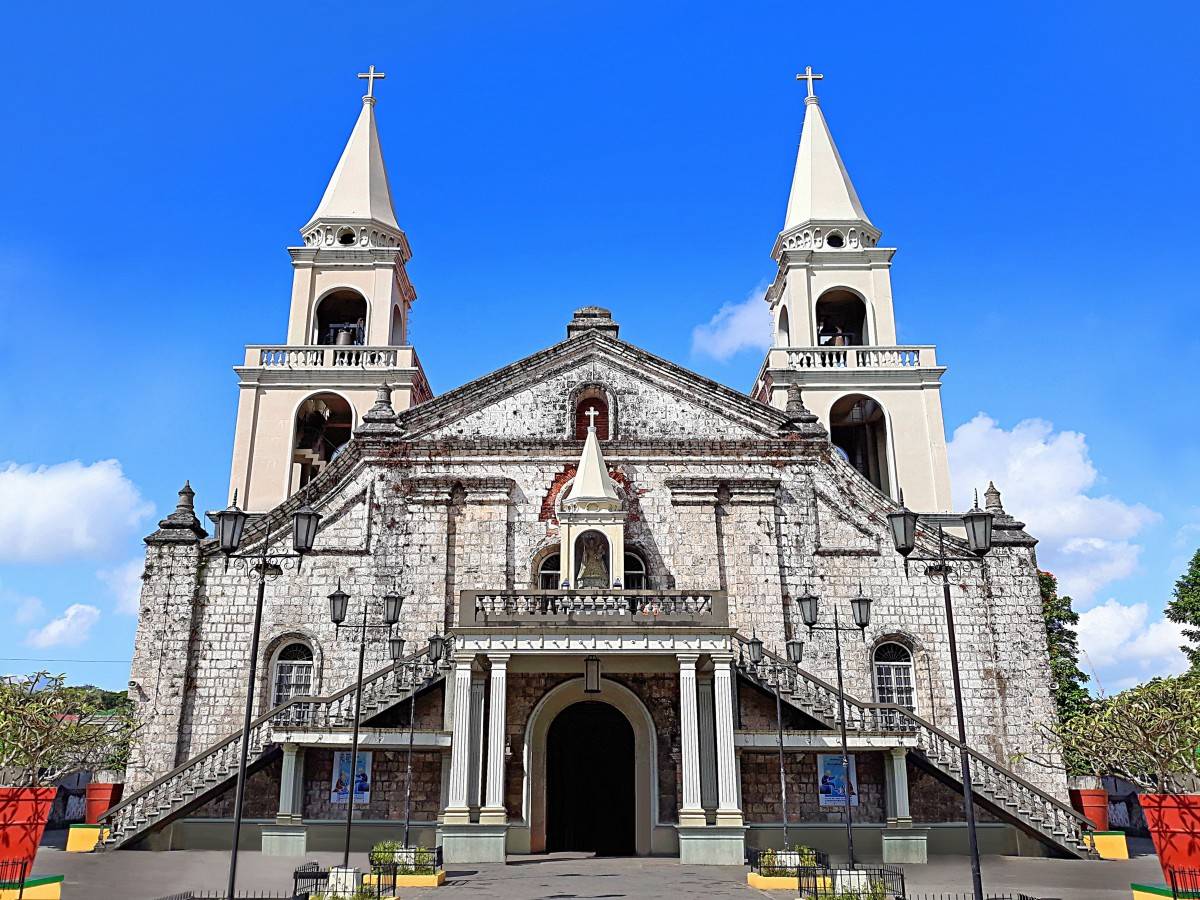
Jaro Cathedral, full name "Metropolitan Cathedral of Saint Elizabeth of Hungary", is the most famous and historical Catholic church in Iloilo. It is not ostentatious, but has a quiet power, like an old man who has experienced wind and frost but still stands upright, telling a century-old story in silence.
Advertisement
Built in 1874, Jaro Cathedral has become the center of faith in the Iloilo area since its completion. Even after a strong earthquake in 1948 destroyed the main body of the church, it was rebuilt and restored with the persistence of believers, and was upgraded to an archbishop's cathedral in the 1970s. Today, it is not only a symbol of religion, but also the core of Iloilo's historical and cultural memory.
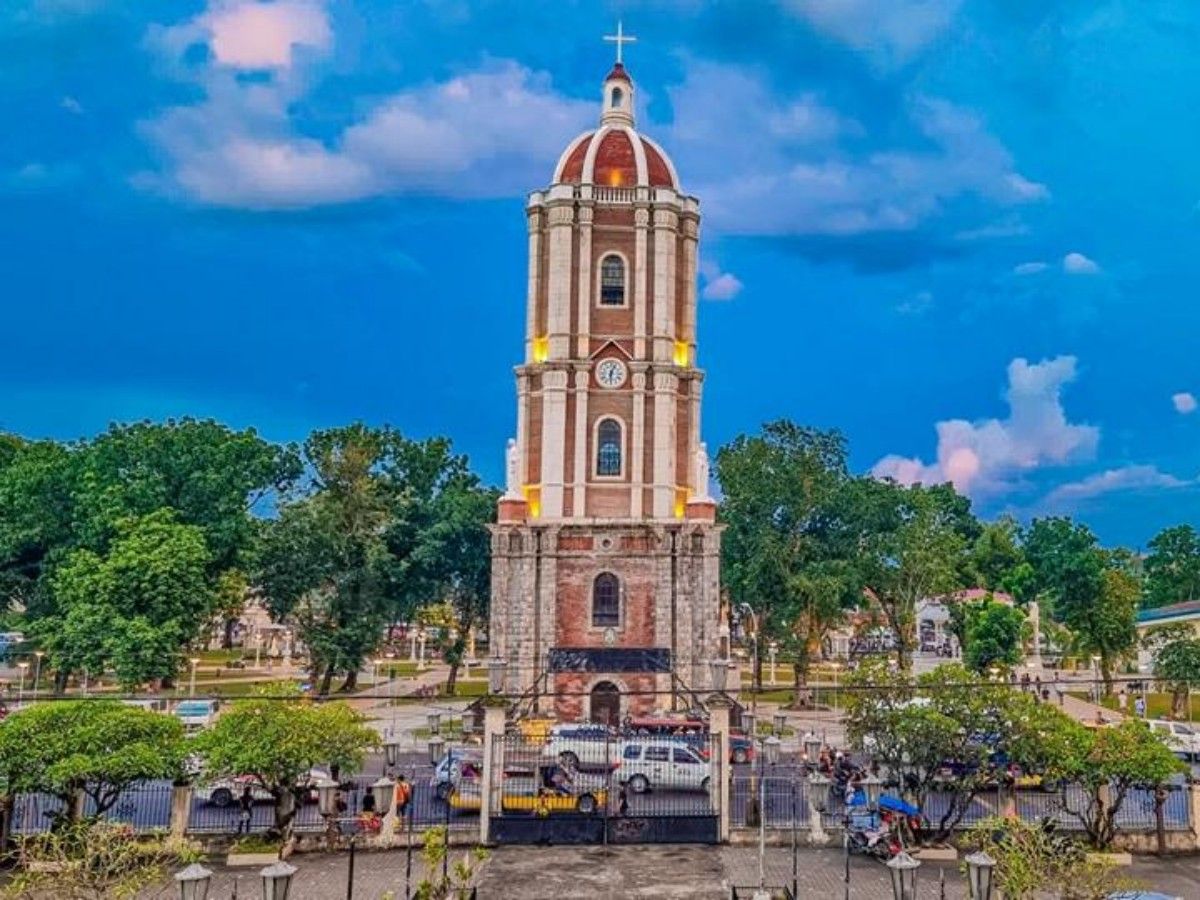
To come to Jaro Cathedral, you don't need to plan a complicated route or wait in a long line. You just need to quietly approach the square outside the church at dawn, and the heavy bells on the bell tower will take you through the dust of time.
Advertisement
This unique independent bell tower (belfry) is not on the main body of the church, but stands isolated across the street. Many people will be confused when they see it for the first time, but this is part of its architectural charm. The bell tower was built in 1744 and has survived two earthquakes. It is one of the oldest independent bell towers in the Philippines. In the early morning or at dusk, the bells echo over the city, neither hurried nor slow, like a wise soul saying to you: "Stop and listen."
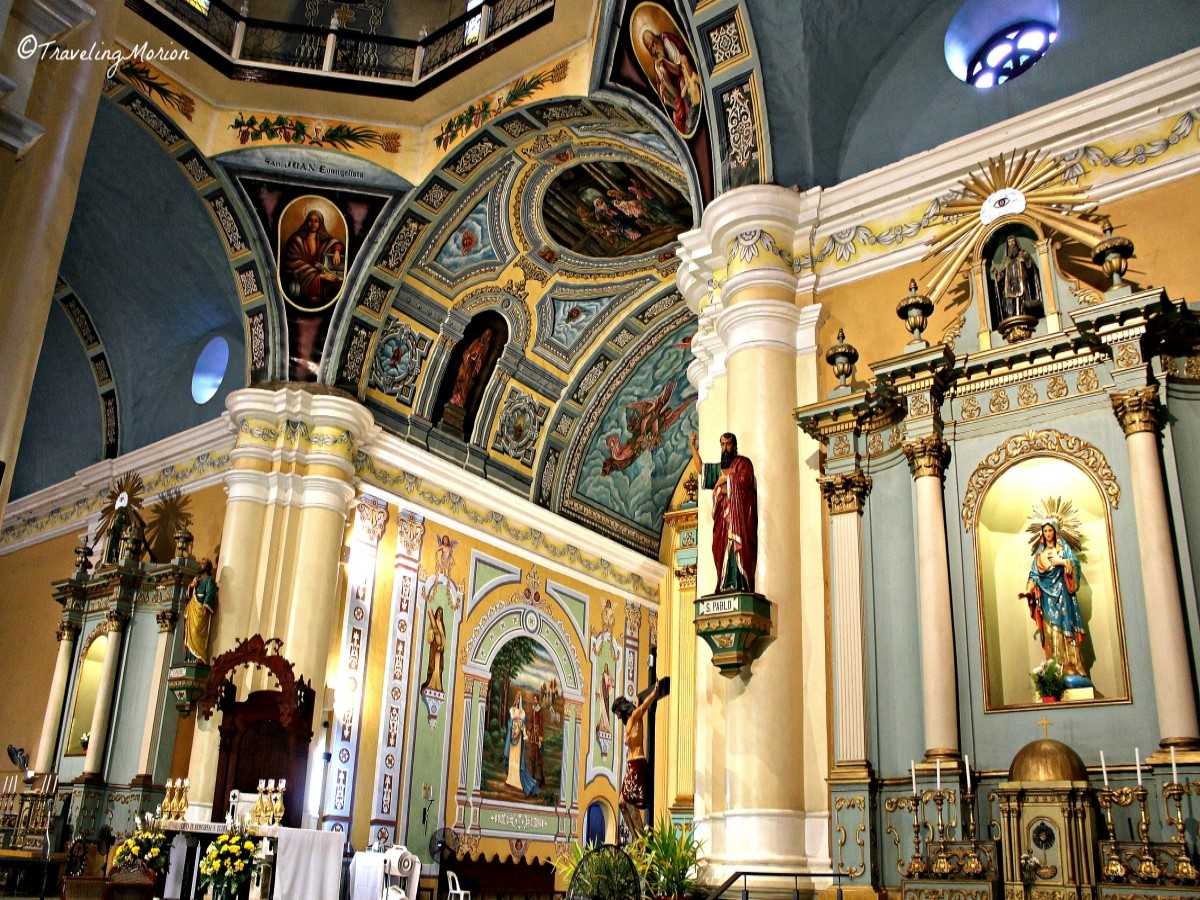
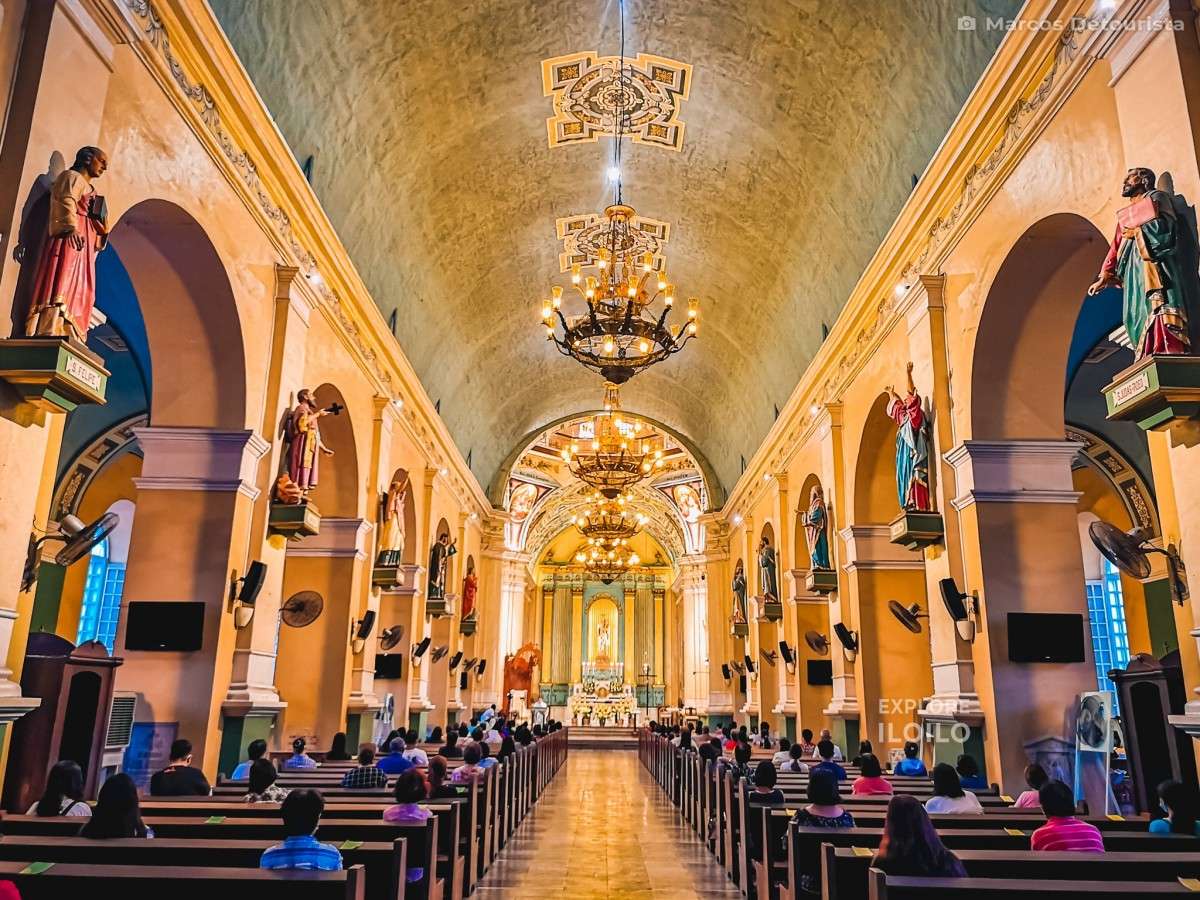
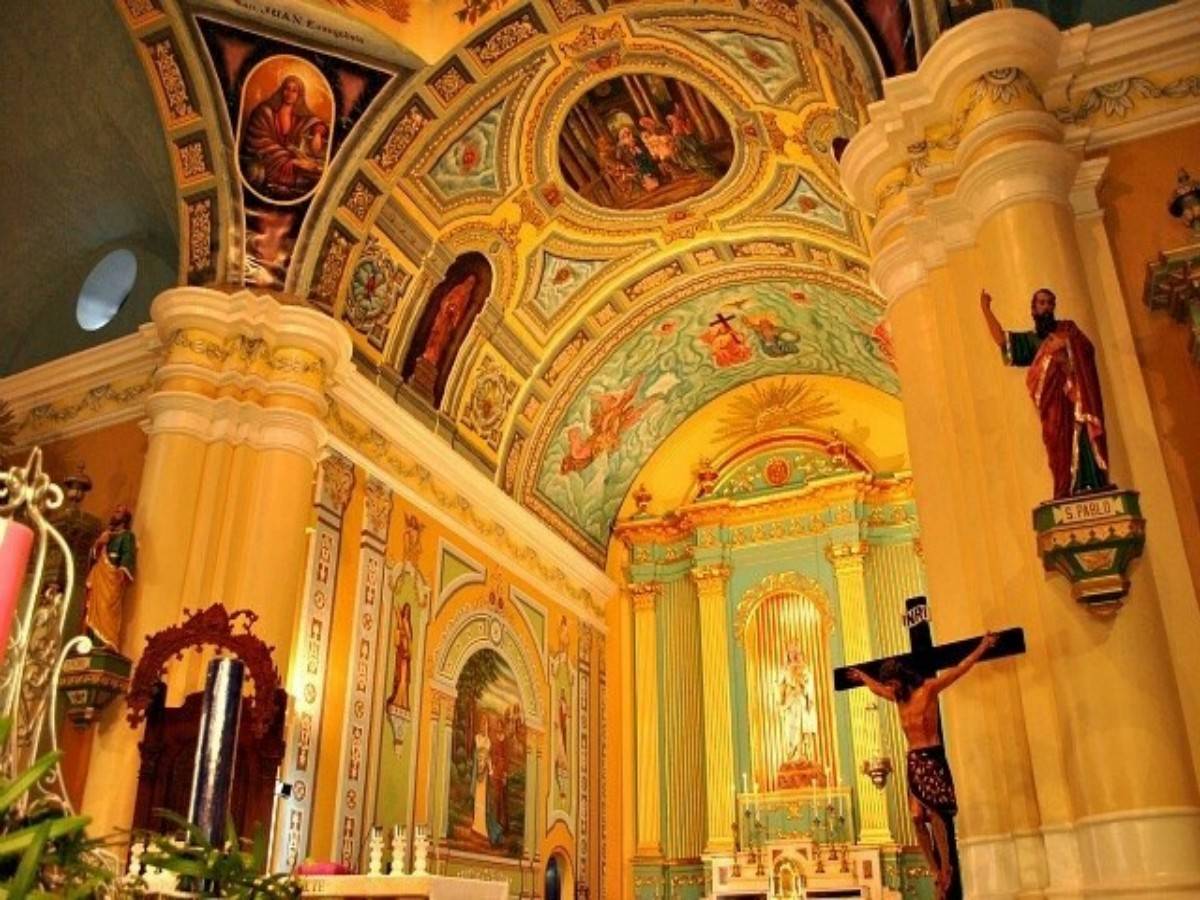
Push open the door and walk into the church, you seem to step into a temple built with tranquility and faith. The towering vaults, exquisite stained glass windows, classical altars, and stone walls that reveal the texture of time everywhere, together create a solemn but not oppressive atmosphere.
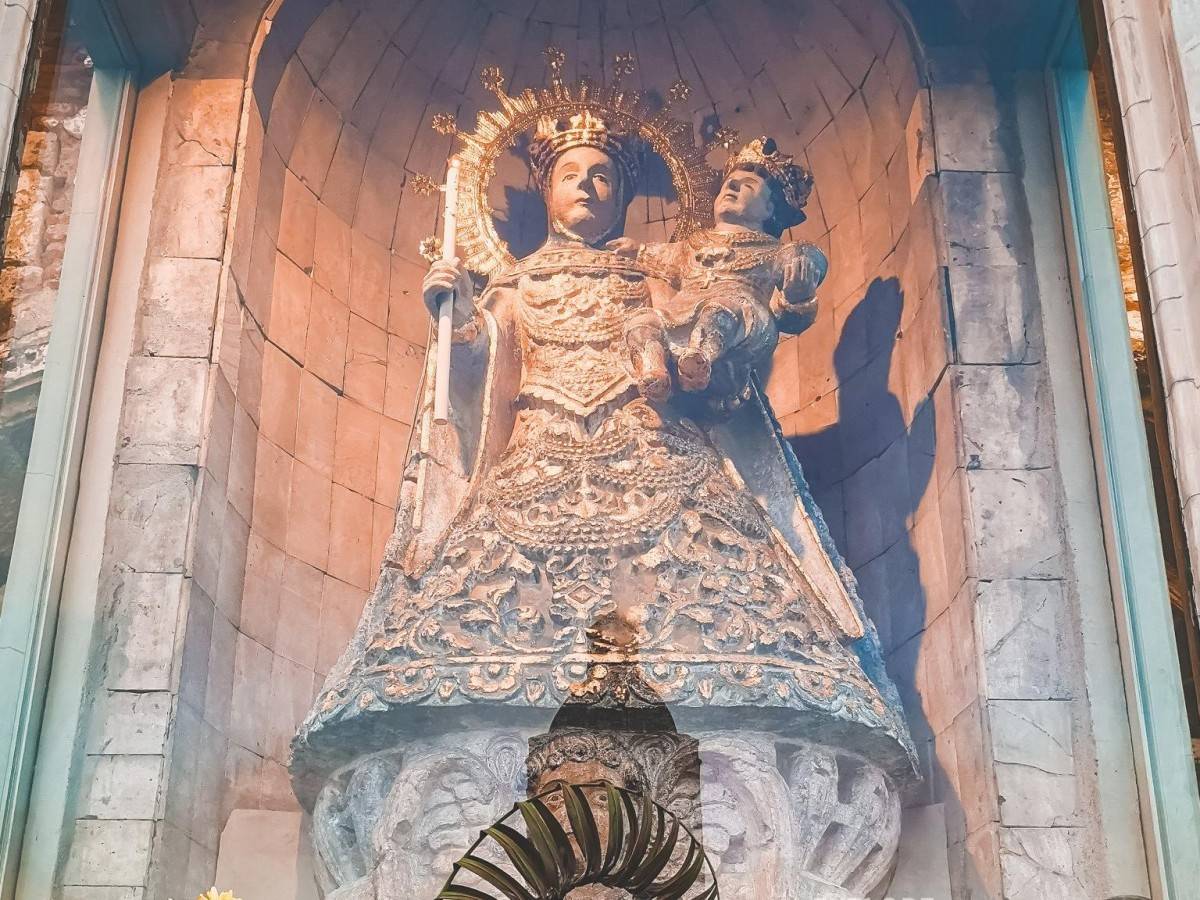
The most attractive thing for tourists and believers is the Nuestra Señora de la Candelaria (Candlelight Virgin Mary) enshrined above the central altar. This statue of the Virgin is said to have miraculous power, and countless believers come here to pray and fulfill their vows. It is the only statue of the Virgin in the Philippines crowned by the Pope himself (Crown by St. John Paul II in 1981), which also makes Jaro Cathedral one of the pilgrimage sites in the entire country.
Jaro Cathedral is not just a religious place, it has long been deeply rooted in the cultural identity of the locals. It has witnessed the changes in Spanish colonial rule, the smoke of the Spanish-American War, the difficulties of post-war reconstruction, and even the impact of the wave of modern urbanization.
Every February 2, Iloilo will hold a grand "Jaro Fiesta"-Memorial to the Virgin Mary. This is not only a festival of faith, but also a cultural gathering that combines food, music, dance and history. You can see women in traditional costumes, pious old people, and excited children running. Everyone's face is full of faith and belonging.
We always say that traveling is to find scenery, but sometimes we are looking for ourselves.
Jaro Cathedral has no noisy crowds of tourists, nor exaggerated commercial decorations. It is like a poem hummed by time. Here, no one urges you to go fast, no one urges you to check in and take pictures. You can sit on a church bench for an hour, doing nothing but watching the holy light pouring down from the stained glass and reflected on the cold stone ground. You will find that tranquility has a shape, comfort has weight, and faith can be touched.
For modern people, mental fatigue is heavier than physical fatigue. When you stand in front of the altar of Jaro Cathedral or sit on the stone bench under the bell tower in a daze, for some reason, the impetuousness, anxiety, and fatigue in your heart will slowly settle and dissipate.
The best time to visit: before 6 am or after 4 pm, when the sun shines obliquely, suitable for taking pictures and meditating.
Recommended clothing: Try to dress appropriately and respect local religious customs. If women wear short skirts, they can prepare a shawl.
Experiences not to be missed:
Listen to the bells and Sunday Mass.
Visit the independent bell tower, chat with local elders, and learn about the story behind the church.
Try local desserts such as bibingka (rice cake) and pancit molo (wonton noodle soup) at the stalls around the church.
Another definition of belonging We always think that "belonging" requires a home, a job, and a stable lifestyle. But sometimes, a short journey, a silent gaze, and an unexpected spiritual touch are enough to constitute a temporary belonging of the soul. Jaro Cathedral is such a place. It does not require you to be a devout believer or to understand every religious doctrine. It only requires you to be willing to stop and let the bell penetrate your heart, even if it is only for one second, it is enough to recalibrate the direction of your life. So, if you are tired of Internet celebrity check-ins and commercial travel routes; if you are at a fork in your life and need a voice to tell you to "calm down"; then please come to Jaro Cathedral. Not just for taking pictures and pilgrimage, but for yourself.