
Advertisement
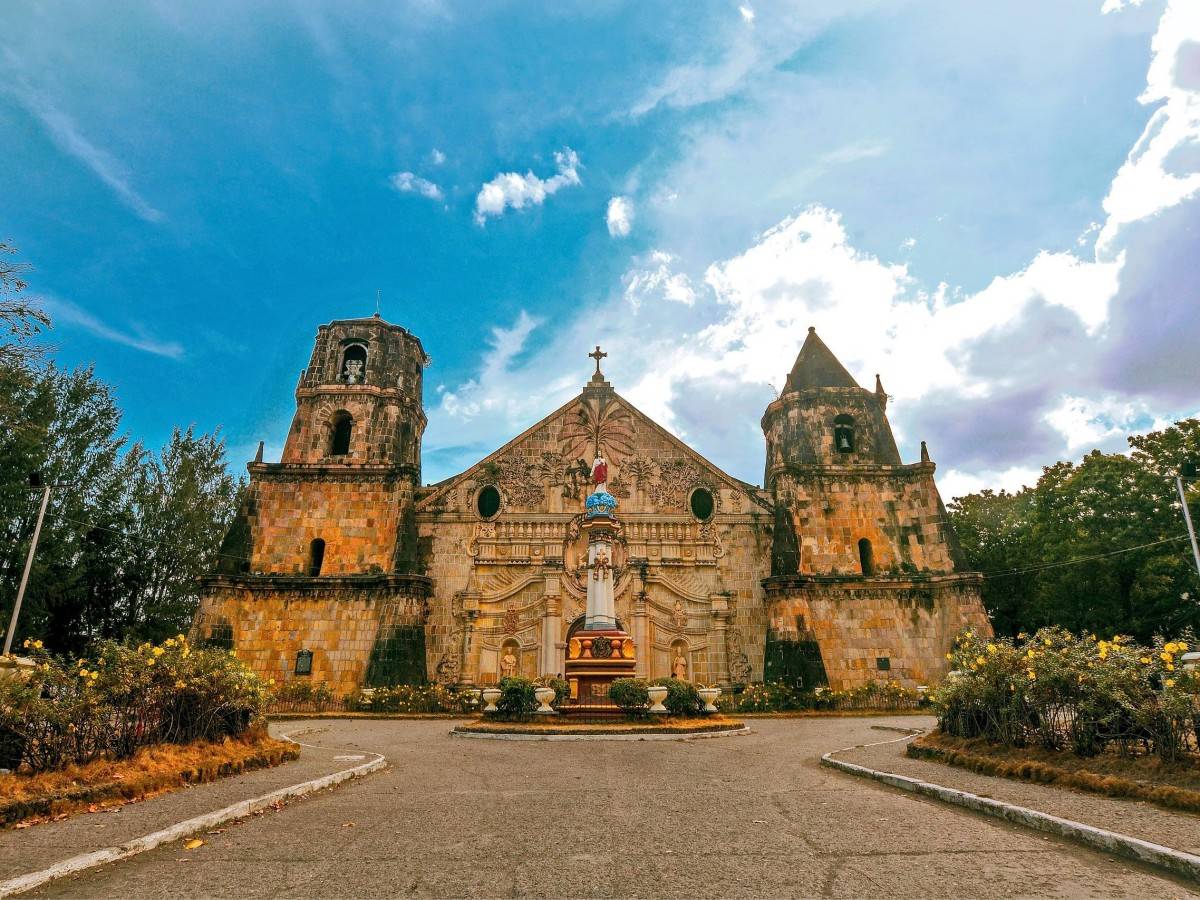
If you have ever dreamed of walking into a painting interwoven with sunshine, faith and history, then Miagao Church in Iloilo Province, Philippines is undoubtedly the center of that painting. It is not among the skyscrapers of the bustling city, but in a small town with swaying palm trees and leisurely villagers, standing quietly for more than three centuries. Approaching it, it seems to travel back to the Spanish colonial period, and every brick and stone is whispering, telling the story of glory, protection and permanence.
Advertisement
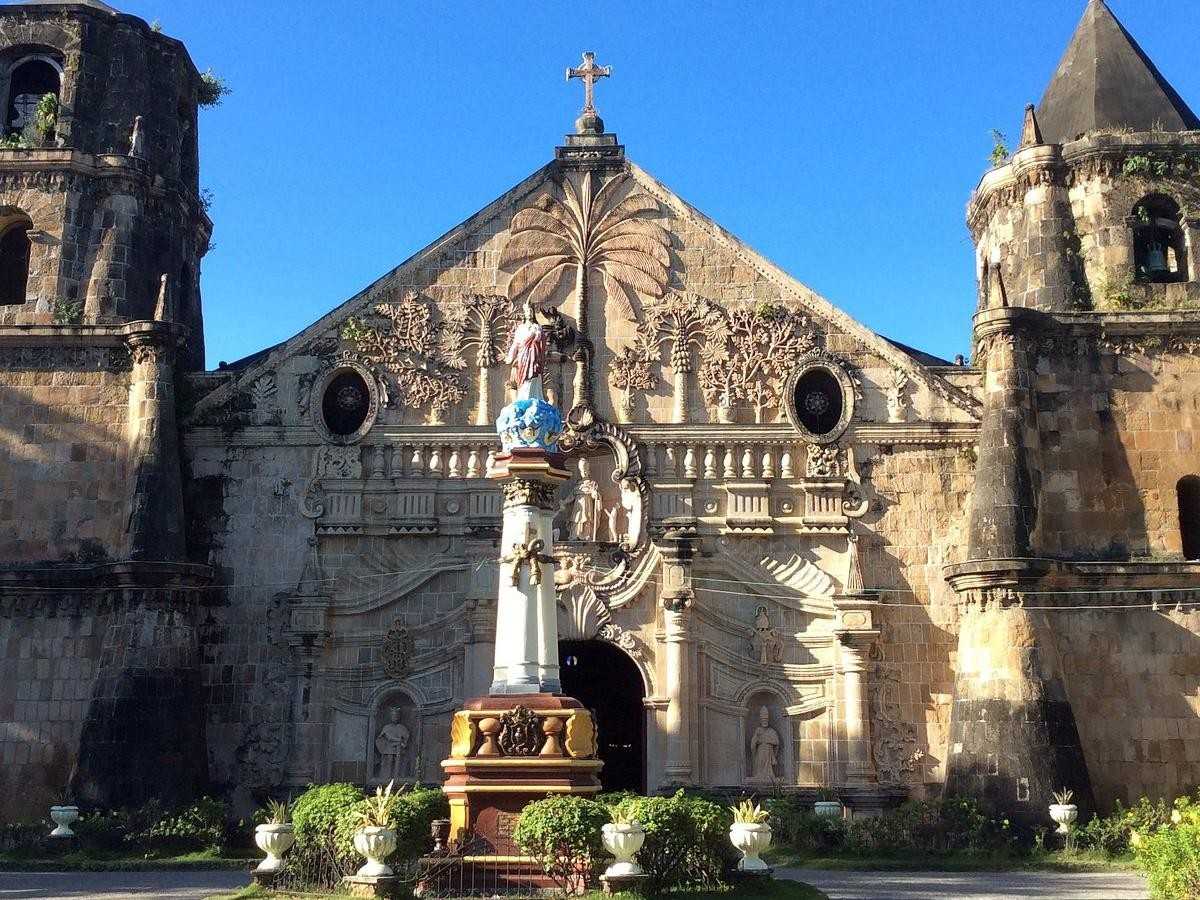
Miagao Church, also known as St. Thomas of Villanova Church, was built in 1787, more than two centuries ago. It is not only a religious place, but also a shining pearl of the Philippine World Cultural Heritage. In 1984, this church, along with three other Philippine Baroque churches, was listed as a UNESCO World Heritage Site, becoming one of the "Four Major Baroque Churches in the Philippines".
Advertisement
However, unlike other churches with gorgeous carved beams and painted buildings, the beauty of Miagao Church is not ostentatious. It does not have a magnificent dome or dazzling glazed windows. Its charm is hidden between the thick walls made of golden coral stones, in the warm golden light reflected by the stone walls at sunset, and in the ancient reliefs, which are a profound interpretation of the integration of faith and culture.
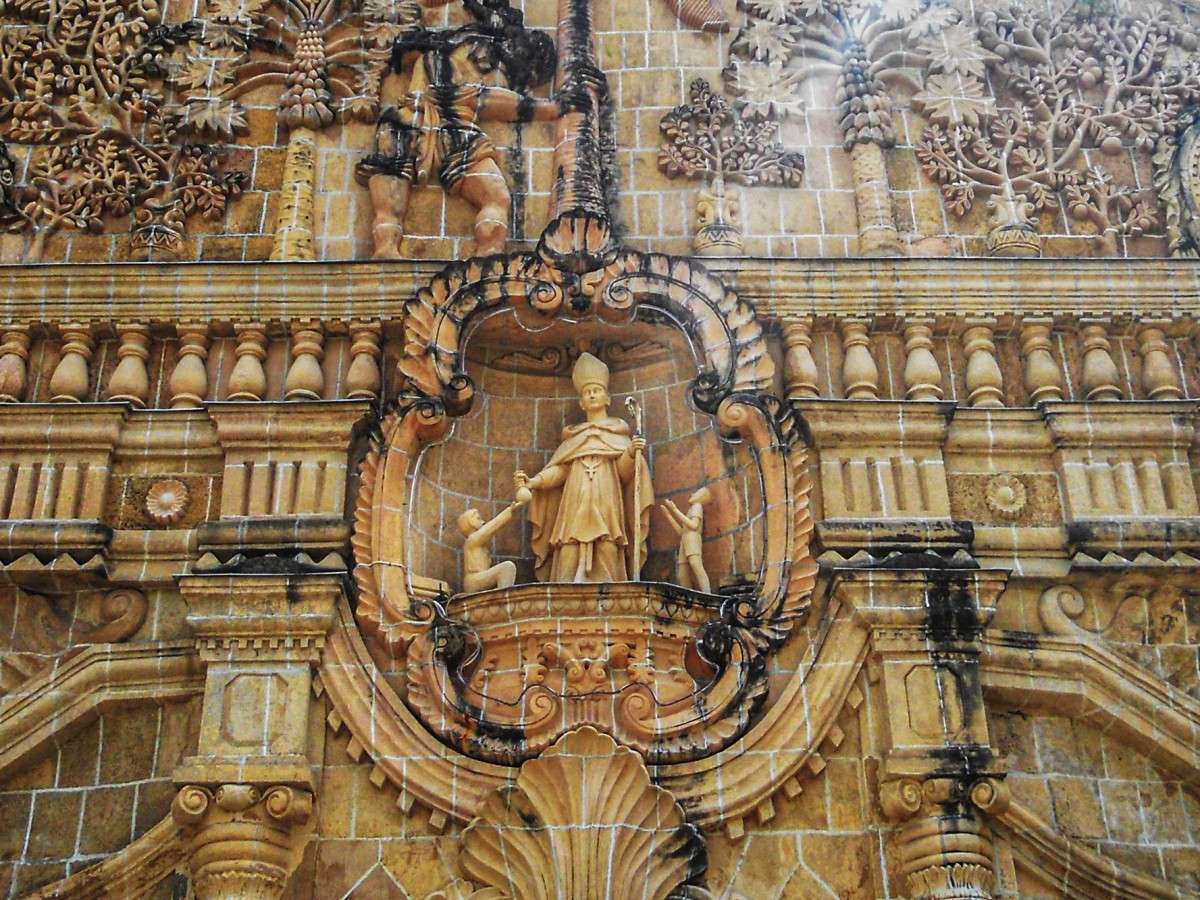
The most amazing part of Miagao Church is undoubtedly its facade. Standing in front of the church, you can't help but hold your breath: this is not only a building, but also a huge cultural relief mural.
Advertisement
You will see Jesus incarnated as a local farmer, wearing traditional Philippine costumes - this is extremely rare in Catholic art, fully demonstrating the integration of Spanish colonists and local culture in faith. The coconut trees, papayas, and pineapples in the background are all portrayals of tropical life in the Philippines. And at the feet of Jesus, there is a lush "Tree of Life", symbolizing the eternal faith. Further up, there is the heroic scene of St. Thomas riding a horse to repel the Moors, showing that the church is not only a place of prayer, but also a spiritual fortress symbolizing protection and victory.
These carvings are all hand-carved on locally collected coral stones. As time goes by, their corners have been slightly worn, but they tell the vicissitudes of history and immortal spirit more powerfully.
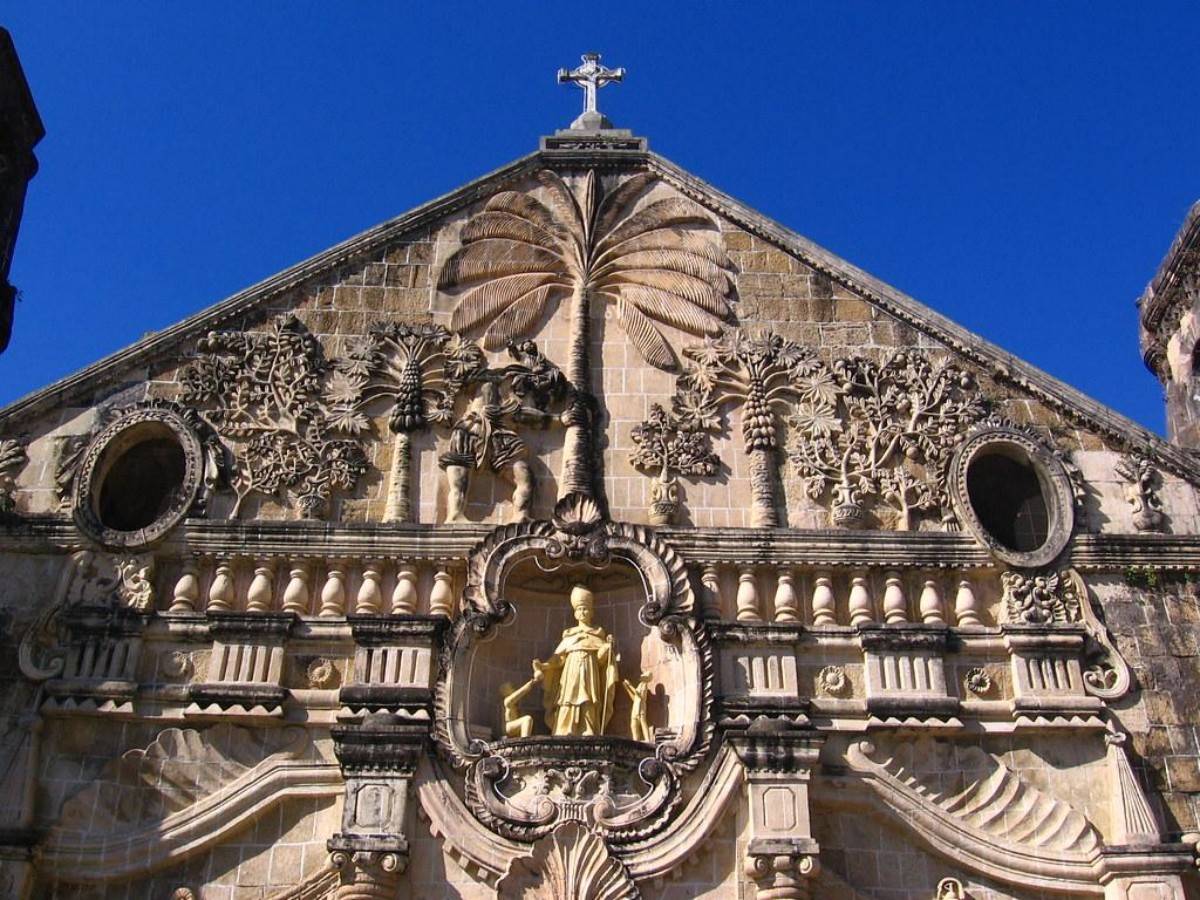
Unlike other Gothic-style churches, Miagao Church is a "defensive Baroque building" with 1.5-meter-thick stone walls and two towers. Historically, it is not only a place of prayer, but also a front-line fortress against Moorish invasions. The church has a solid structure, and several major earthquakes and fires have failed to destroy it. This tenacious vitality also symbolizes the firm protection of the people of Miagao town for their faith and homeland.
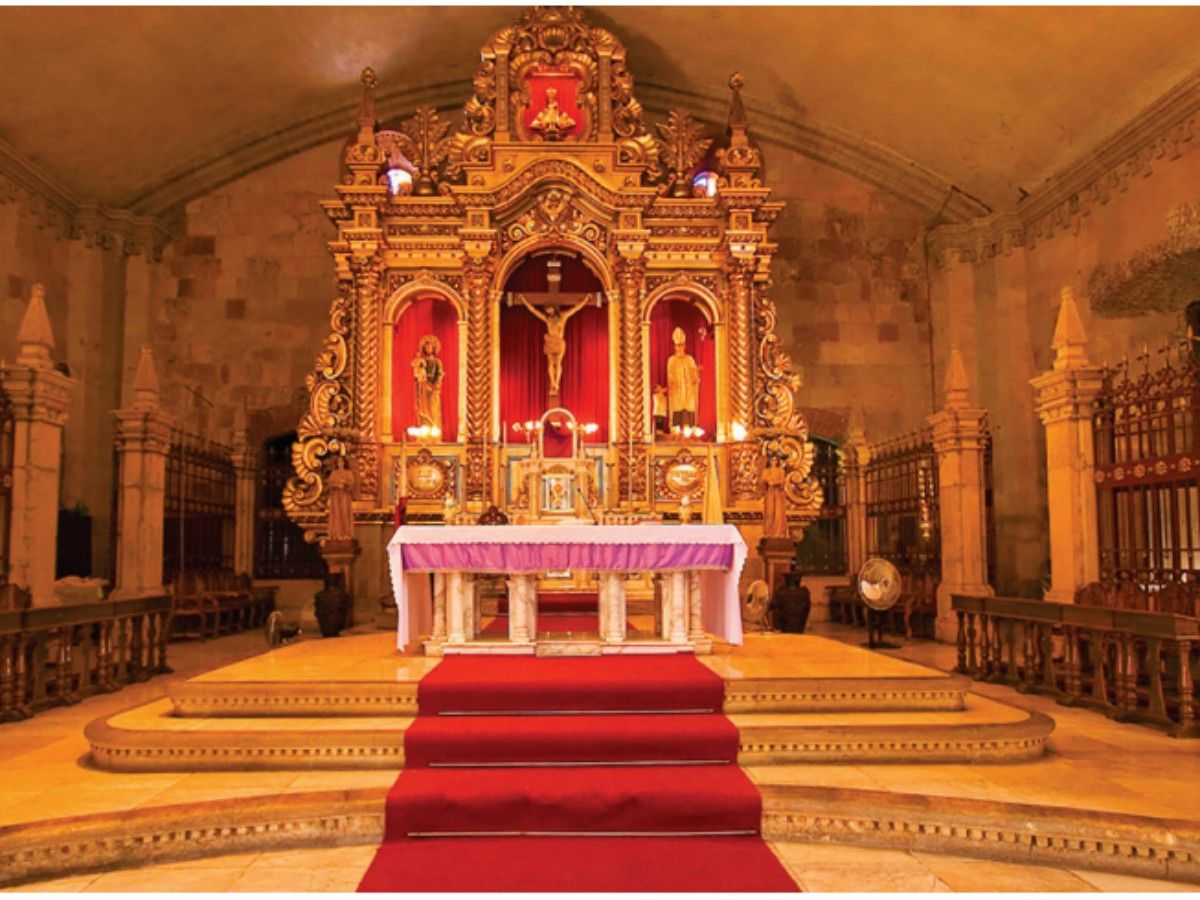
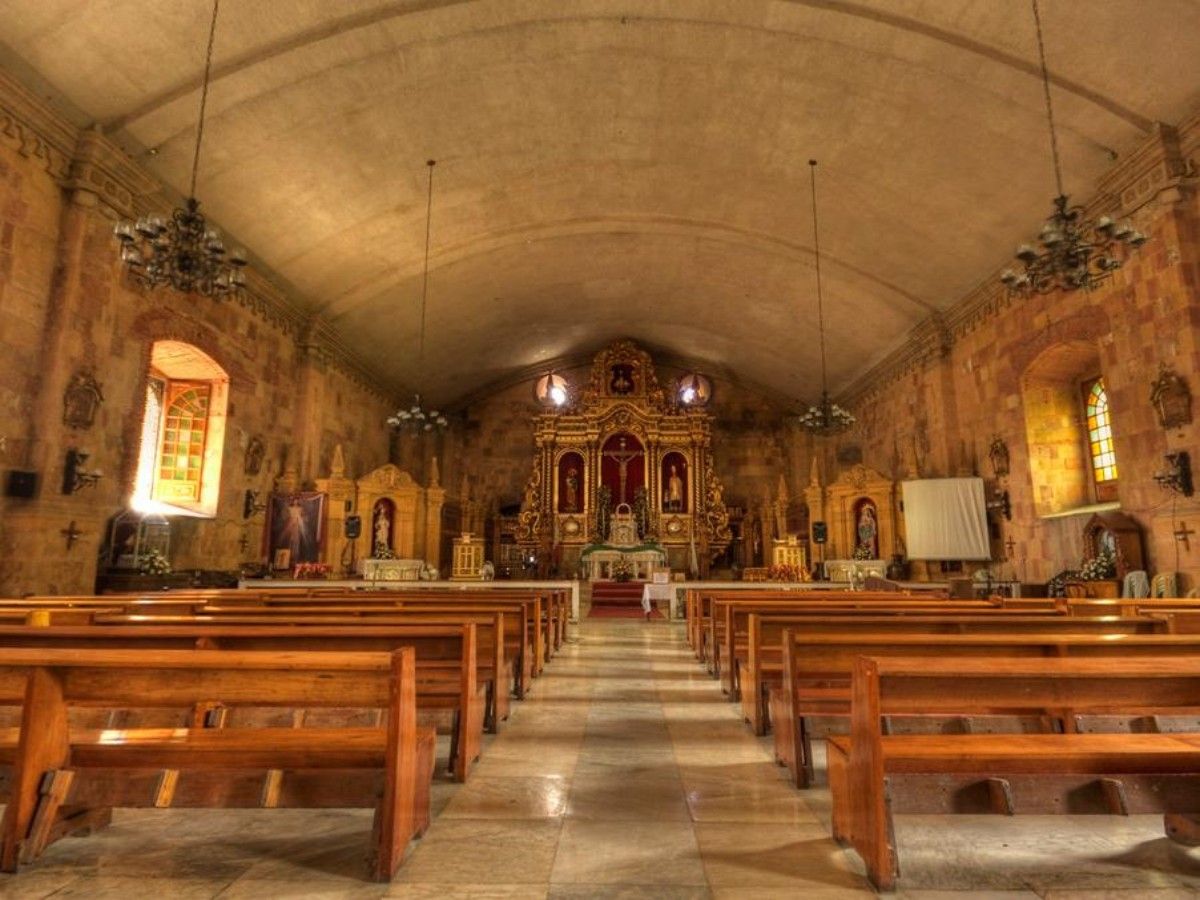
Although the interior of the church is not as complexly carved as the exterior, its arched ceiling and slightly rustic wooden benches create a restrained solemnity. When you sit in the center of the church, the sun shines through the high windows, as if time has frozen at this moment, leaving only the heartbeat and the sacred tranquility resonating.
If you are a photography enthusiast, then Miagao Church is definitely worth your whole afternoon. Whenever the sun sets, the exterior wall of the church is dyed golden by the afterglow, and every line and leaf pattern on the relief seems to be lit up. This golden light and ancient charm is a miracle that even natural lighting technicians cannot replicate.
At dawn, the outline of the church is looming in the morning mist, like a fairyland. If you are lucky enough to encounter the festival, you can also record the scene of the townspeople dancing folk dances and singing ancient hymns in front of the church. It is a visual and cultural feast.
If you plan to visit Miagao Church, here are a few intimate suggestions:
Best time to visit: Early morning and evening are the most charming times, especially after 4 pm, when the golden sun puts a "golden robe" on the church.
Dress code: The church is still an active parish church, so it is recommended to dress appropriately to show respect.
Transportation: Take a bus or charter from Iloilo City, which takes about 1.5 hours.
Visiting the surrounding area: You can stop by the traditional market and rice field trails in the town to experience the simple and authentic Philippine rural life.
Cultural etiquette: Try to avoid the worship time when taking photos. Please keep quiet when entering the church, and do not eat or make noise.
A harbor for the soul In the fast-paced modern life, Miagao Church is like a stone tablet of time. It is not ostentatious or cater to others. It just stands there quietly, watching people coming and going, and watching the sun rise and the moon set. It is not only the crystallization of architectural art, but also a microcosm of Philippine history and faith. It is a past illuminated by golden light, and it is also a calm and firm existence. When you stand in front of it, you may suddenly understand: the meaning of travel is not just to see new scenery, but also to be touched by the tranquility somewhere. The century-old stone walls are silent, and the ancient golden light is eternal. Miagao Church is not only a landmark, but also a spiritual pilgrimage. If you are looking for a place that can really slow down your heart, then it is waiting for you.