


Advertisement
If Chiang Mai is a northern Thai city, blending ancient charm with modern vitality, then Doi Suthep stands as a natural barrier and spiritual symbol protecting this land. Towering over the city's west, its winding paths create a natural green curtain, separating the bustling city from the tranquility of nature. Climbing Doi Suthep offers not only fresh air and breathtaking mountain scenery, but also panoramic views of Chiang Mai from a height, making it an ideal starting point for exploring the charm of northern Thailand.
Advertisement
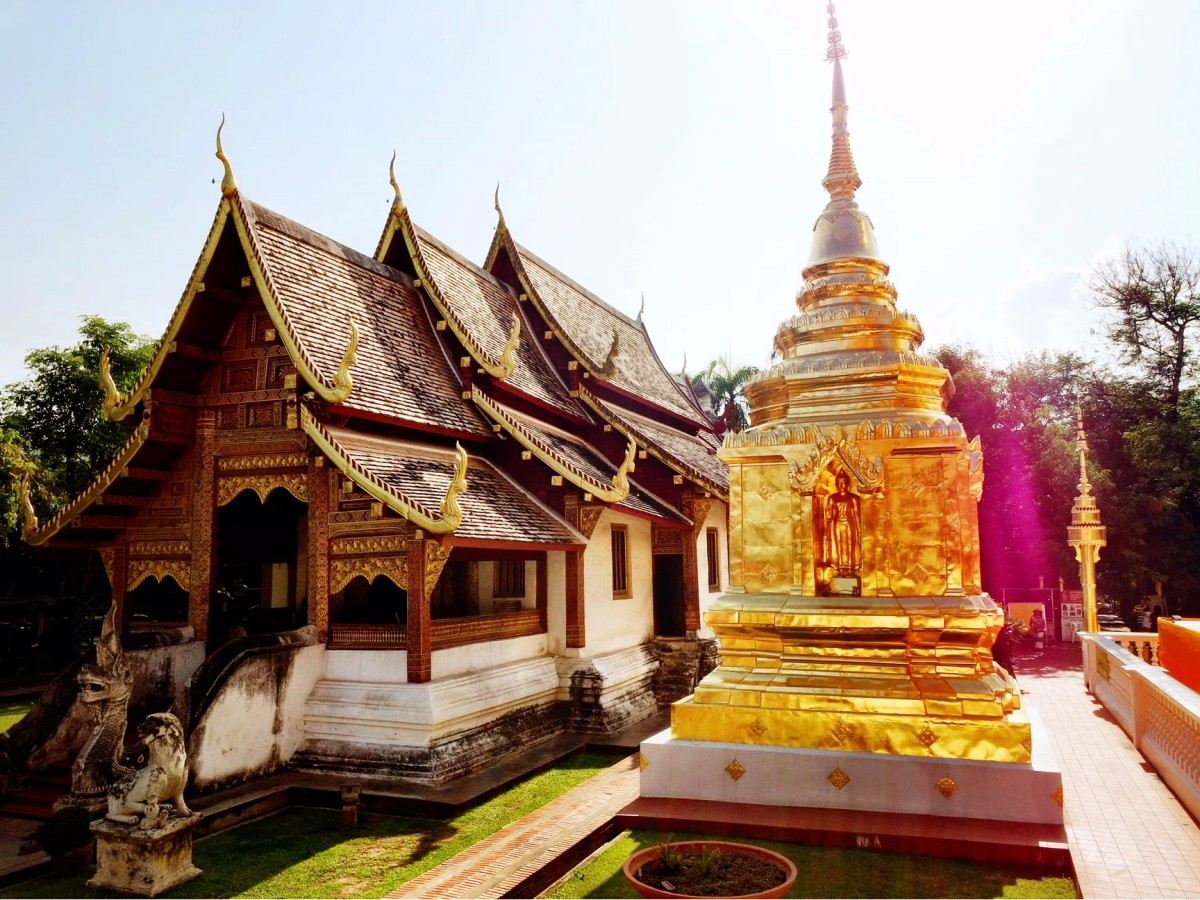
Doi Suthep is not only a natural wonder but also a treasure trove of religious and historical significance. Nestled on the mountain is the renowned Wat Phra That Doi Suthep, renowned for its gilded pagoda, exquisite murals, and Buddhist legends. Built in the 14th century, the temple remains a sacred site for Chiang Mai Buddhists. Locals often say, "You haven't truly visited Chiang Mai if you haven't climbed Doi Suthep." This statement perfectly captures its importance to the people of Chiang Mai.
Advertisement
Beyond the temples, Doi Suthep's natural beauty is equally breathtaking. Dense tropical forests teem with the fragrance of plants and earth. Early morning climbs often reveal a mist shrouding the mountainside, reminiscent of stepping into an ink painting. In the evening, the setting sun paints the mountains a vibrant red, illuminating the entire sky with a warm orange, a truly captivating experience.
The journey to Doi Suthep is a delight in itself. From Chiang Mai Old Town, it takes approximately 30 minutes to reach the base of the mountain. Visitors can choose to take a songthaew (a local mode of transportation), rent a motorbike, or join a day tour. The winding mountain path offers ever-changing scenery, transitioning from urban neighborhoods to lush jungle, and the air becomes increasingly fresh.
Advertisement
For a more challenging hike, you can also hike the mountain. From the base of the mountain, there's a "pilgrim's path" that takes approximately two hours to reach the temple. Along the way, you'll encounter gurgling streams, chirping birds, and the occasional wildflower. While the climb may be a bit strenuous, the feeling of accomplishment when you reach the summit and are greeted by a golden pagoda and panoramic views of the city is unparalleled.
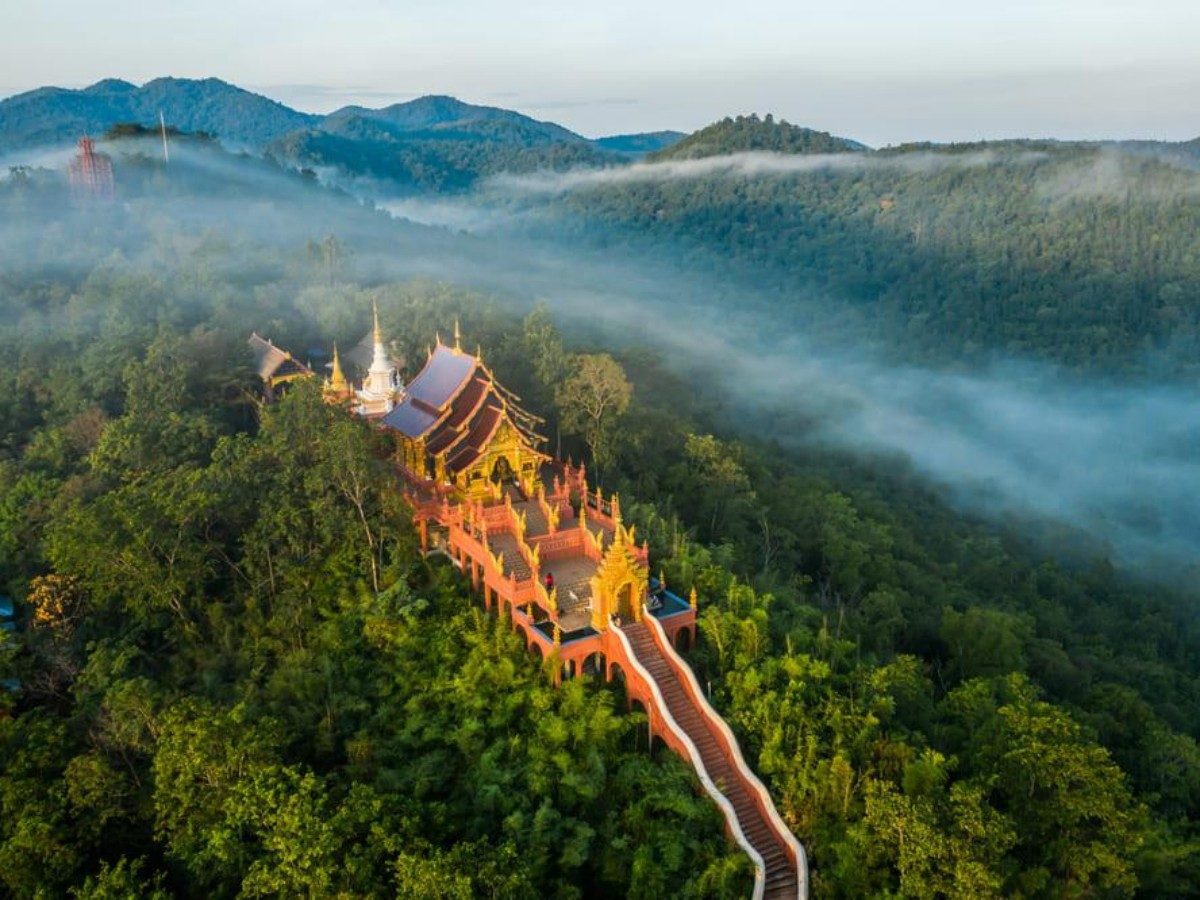
Doi Suthep is a must-see on any visit to Doi Suthep. Two exquisite seven-headed dragon sculptures flank the more than 300 steps leading to the temple, earning it the name "Doi Suthep." While the steps may be long, the sight upon reaching them will make you forget your fatigue.
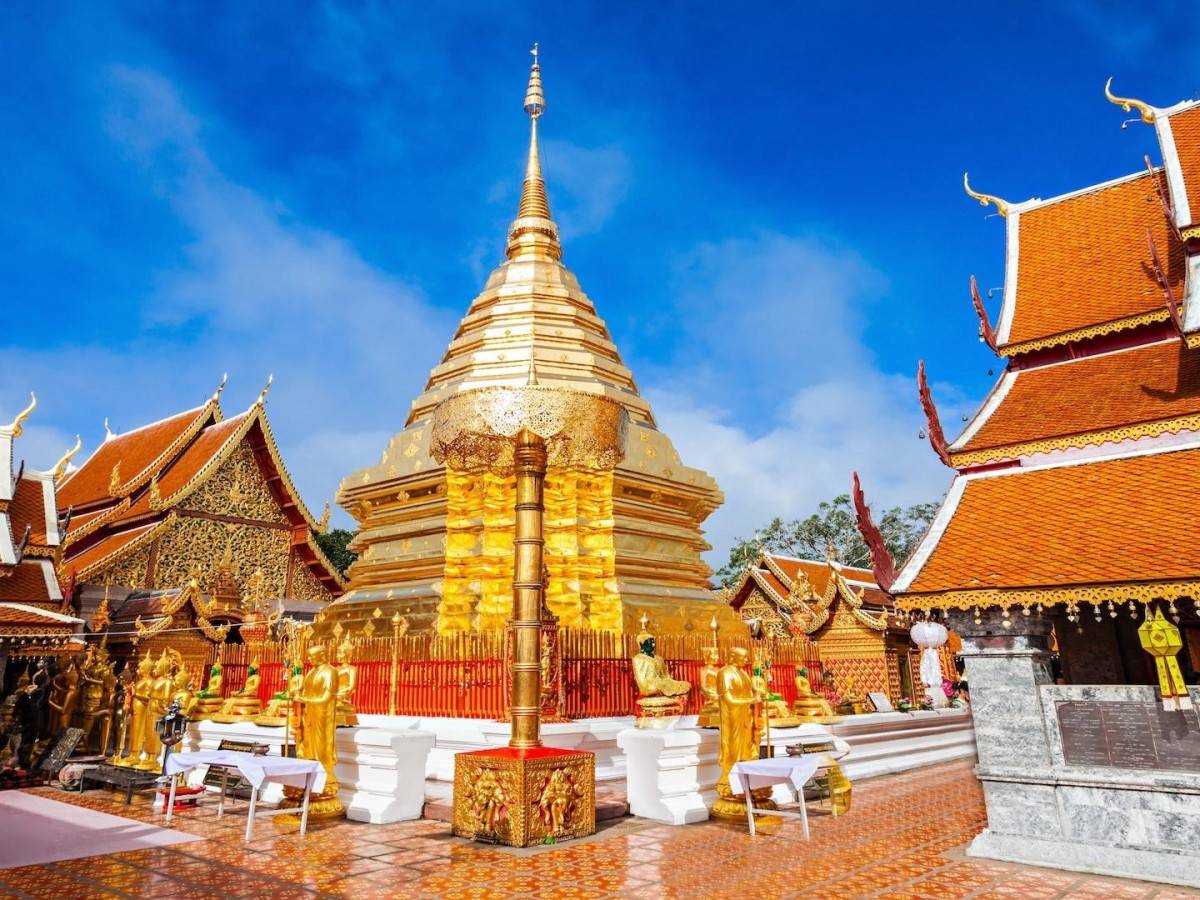
At the center of the temple lies a dazzling golden pagoda, towering into the clouds, its shimmering in the sunlight. Devotees gather around the pagoda, holding flowers, lighting candles, and quietly chanting, creating a reverent and tranquil atmosphere. The temple's murals, depicting stories of the Buddha, are a delight to admire with their delicate brushwork and vibrant colors.
Whether you're a Buddhist or not, this place offers a peaceful retreat. Whether you fold your hands in prayer beside the pagoda, or simply sit quietly in a corner and feel the breeze, you'll feel the unique power emanating from this sacred site.
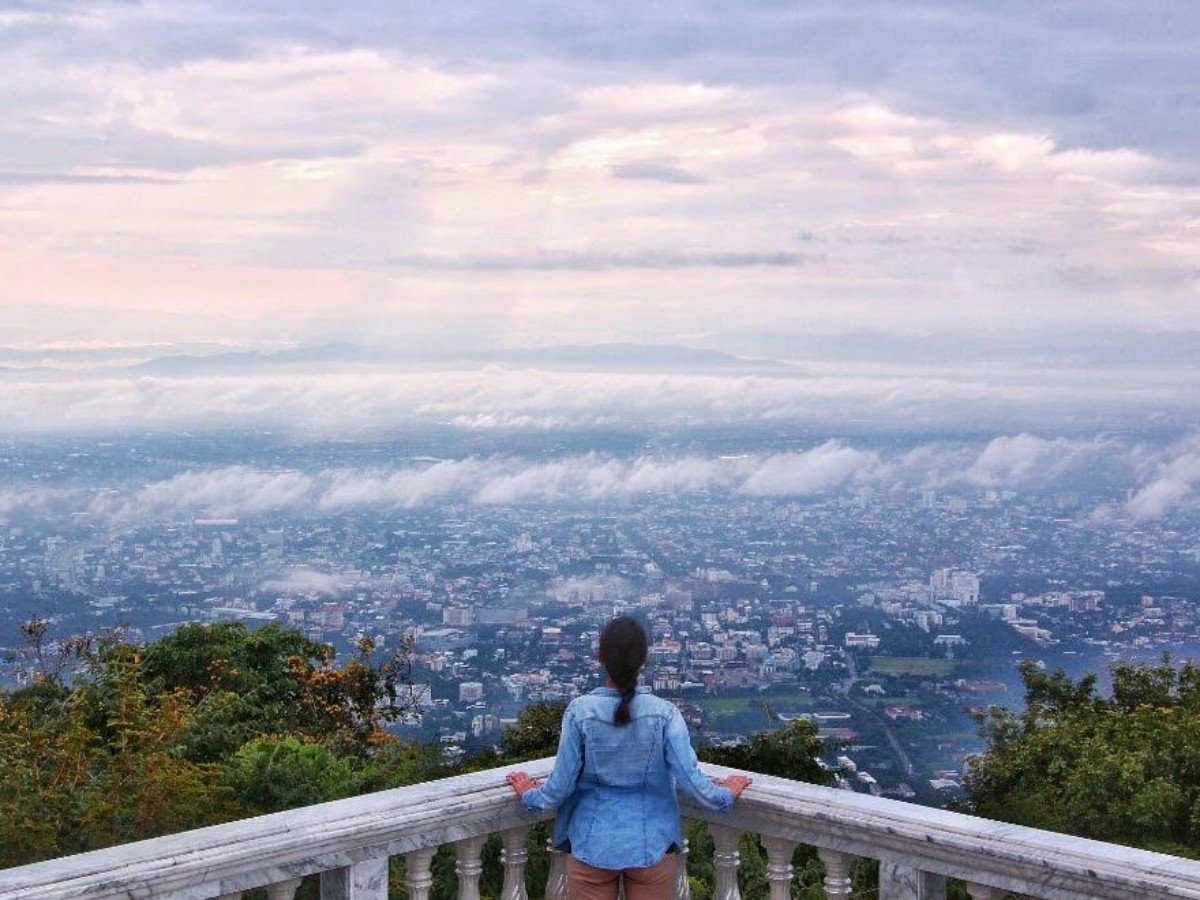
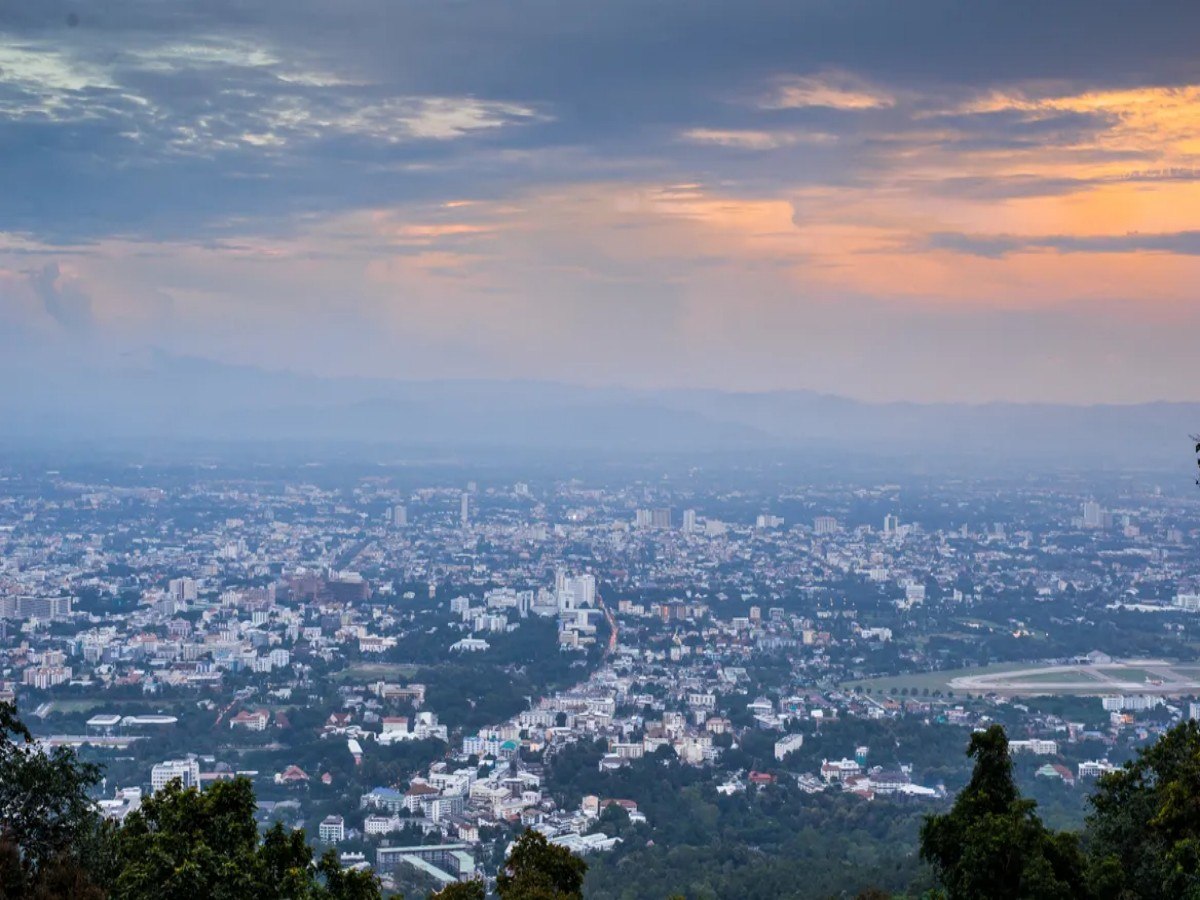
Doi Suthep is a popular destination for tourists, not only for its religious significance but also for its prime vantage point overlooking Chiang Mai. From the observation deck, the entire city is breathtaking: the square structure of the ancient city is clearly visible, while in the distance, modern buildings and the airport runway stretch towards the horizon. On a clear day, you can even see the layers of mountains beyond the city, creating a three-dimensional natural landscape.
At night, the lights of Chiang Mai twinkle like stars scattered against a black sky. Standing at the top of the mountain and quietly admiring the night view, you feel as if time has stood still, as if the world has frozen in time. Many couples choose to climb in the evening to witness the romantic moment of sunset and the beginning of night.

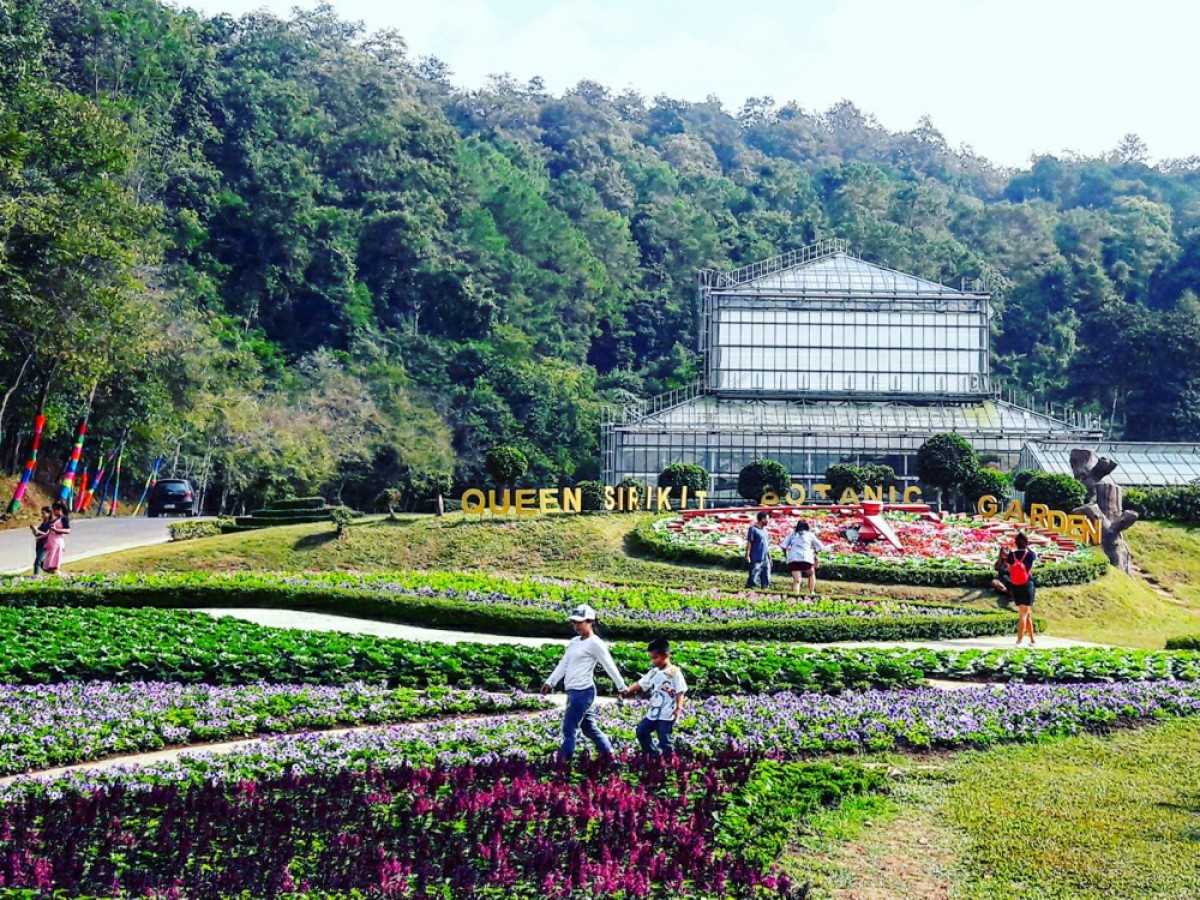
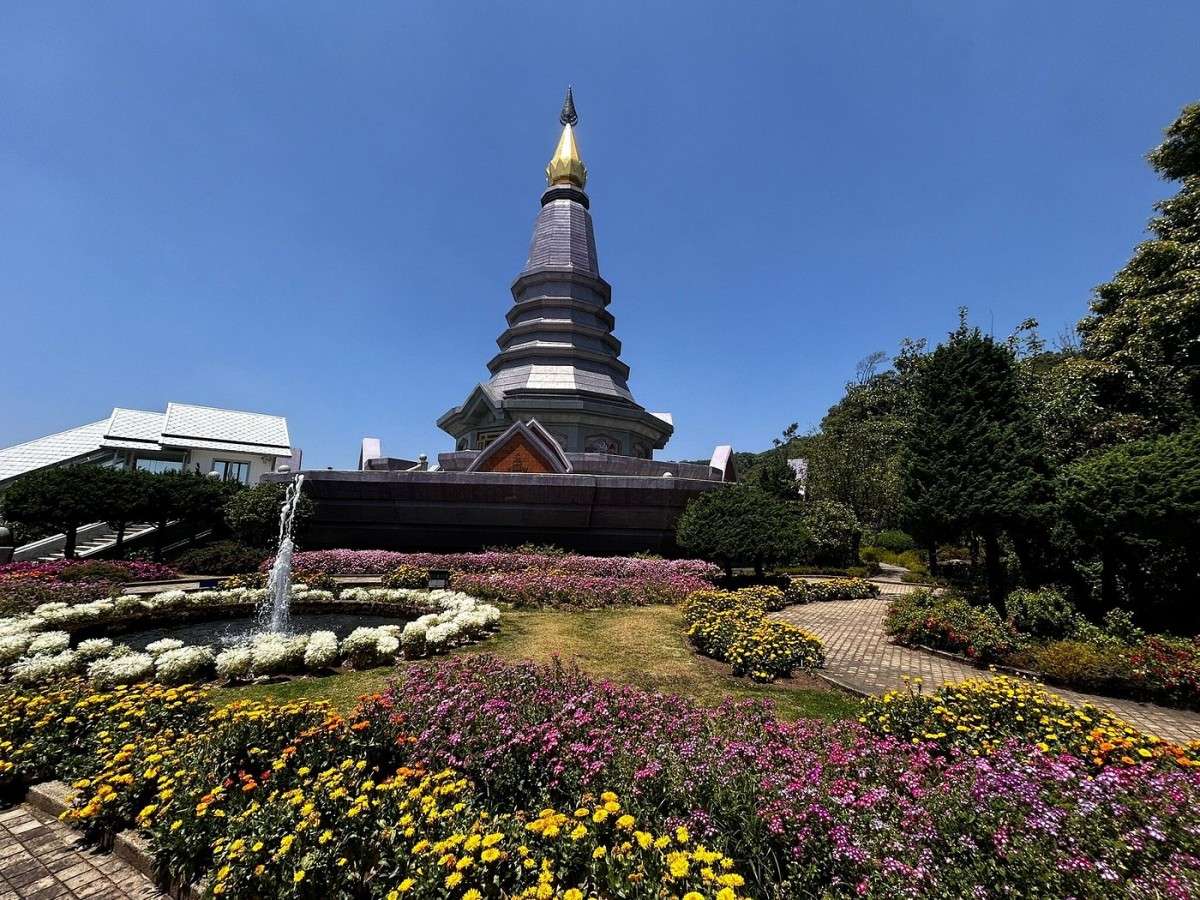
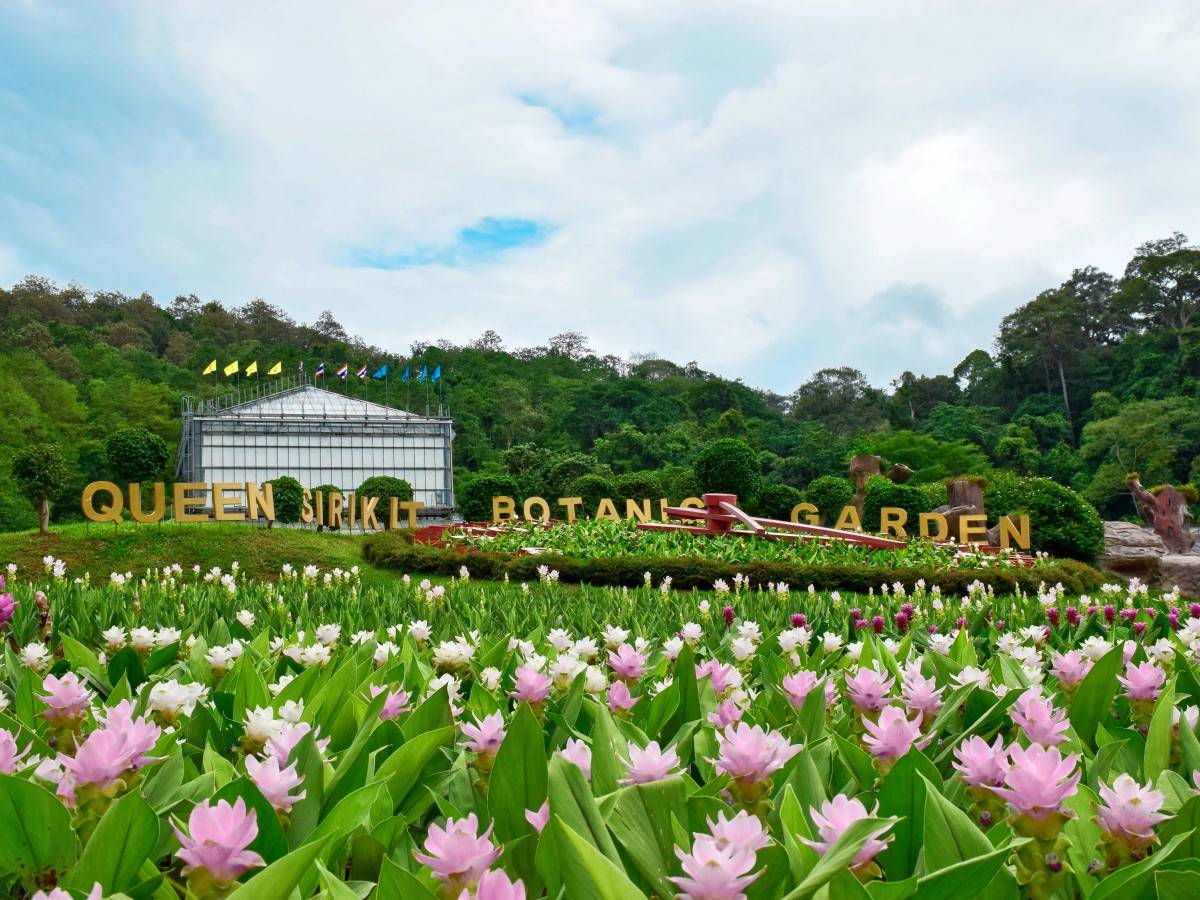
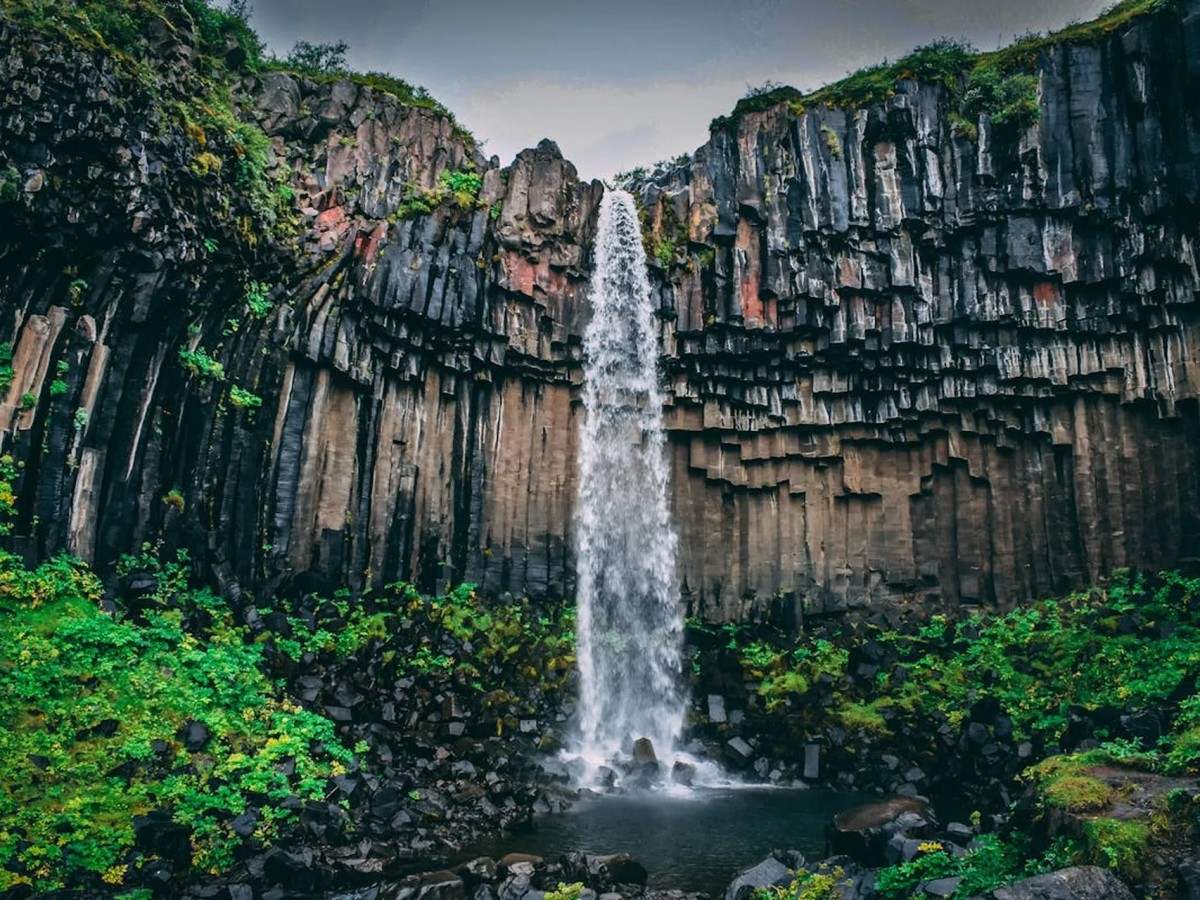
Besides Wat Phra That Doi Suthep, there are many corners of Doi Suthep worth exploring. For example, Mon Tha Than Waterfall, located on the hill behind Chiang Mai University, is a tranquil natural waterfall perfect for those seeking to escape the crowds and connect with nature. Further afield, Phu Phing Palace, the summer residence of the Thai royal family, boasts elegant gardens and blooming flowers year-round.
For nature lovers, Doi Suthep National Park is a must-see. There are numerous hiking trails where you can encounter rare flora and fauna. The chirping of birds in the morning and the hum of insects at night immerse you in the pristine symphony of nature.
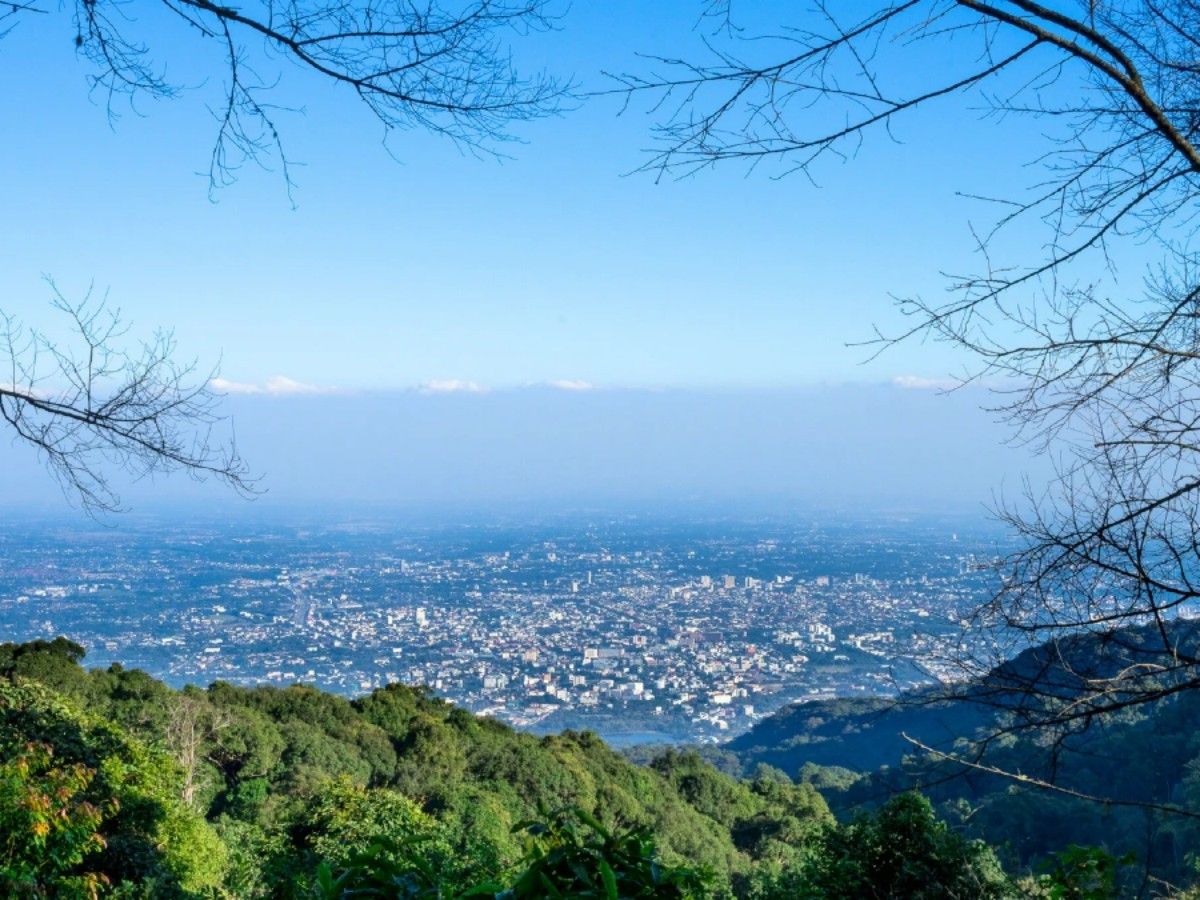
Best Time: November to February is Chiang Mai's cool season, with pleasant weather and clear skies, perfect for hiking and scenic viewing.
Transportation Options: Songthaews are the most economical, but for more flexible travel arrangements, renting a motorbike or chartering a car is more convenient.
Dress Recommendation: When visiting Wat Phra That Doi Suthep, be mindful of your attire and avoid overly short or revealing clothing to show respect for the temple. Best Time to Visit: Early morning and evening are a photographer's paradise, with the play of light and shadow adding countless layers to your photos.
Recommended Experience: Try hiking up the mountain or participating in a brief prayer ceremony at a temple to make your trip even more memorable.
Encountering Chiang Mai from a Height Climbing Doi Suthep is more than just a simple climb to the top for a panoramic view; it's a journey that blends nature, culture, and the soul. Here, you'll find magnificent temples and pristine forests; you'll hear the devout prayers of believers and gaze down upon the city lights in the tranquility of the night. For first-time visitors to Chiang Mai, Doi Suthep is a welcome gift; for those departing, it's a gentle farewell. Here, you'll understand why countless people say, "Doi Suthep is the first step to discovering Chiang Mai, and the last stop to savor it."