Advertisement
Walking through the streets of Chiang Mai's Old Town, it's almost impossible to miss Wat Phra Singh. Its red brick walls and ancient moat seem to protect it, while the temple's golden radiance gleams in the sunlight. Some say that if you only visit one temple in Chiang Mai, it must be Wat Phra Singh. Not only is it one of the most popular temples in the old town, it's a condensed piece of history, a living cultural stage. But faced with such a vast temple complex and numerous halls, first-time visitors often wonder: Which are the "must-sees"?
Advertisement
Wat Phra Singh was built in the 14th century, when Chiang Mai was still the capital of the Lanna Kingdom. Originally a small pagoda built by the king for his father, it rose to fame after the invaluable Phra Singh Buddha statue. Legend has it that this statue, originating from Sri Lanka, symbolizes Buddhist orthodoxy and wisdom, and has become a spiritual symbol of Northern Thai Buddhism. For this reason, the temple is named "Wat Phra Singh," meaning "Temple of the Lion Buddha."
Advertisement
This temple is more than just a tourist attraction; it serves as a center of daily devotion for locals. Every Songkran (Thai New Year), the Phra Singh statue is carried out of the temple for a grand water-splashing ceremony, attracting countless devotees and tourists. This is a sense of continuity that transcends time, allowing one to feel that the temple not only carries history but is also part of Chiang Mai's present-day life.
Wat Phra Singh is vast, and it's easy to miss its true essence if you just wander around casually. The following are definitely worth stopping by:
Advertisement
1.Wihan Lai Kham
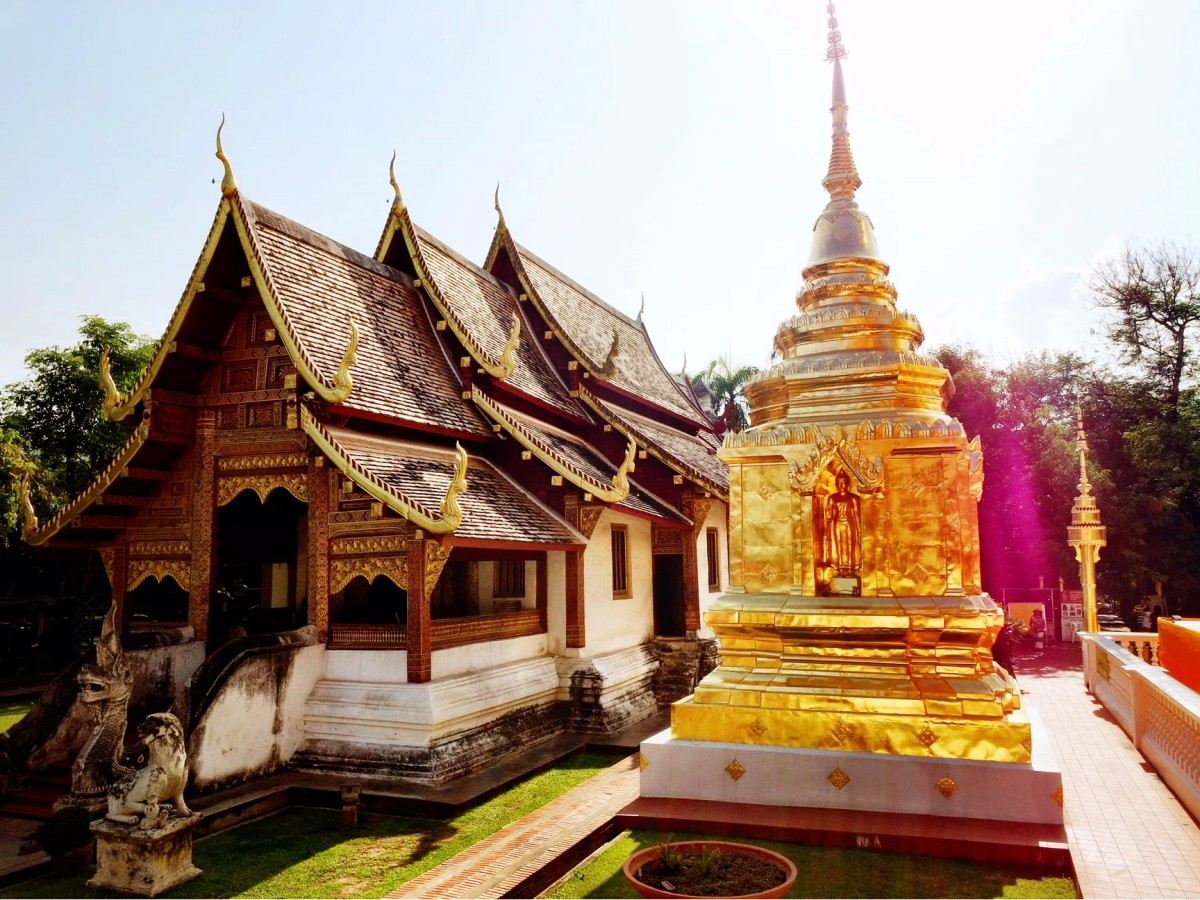
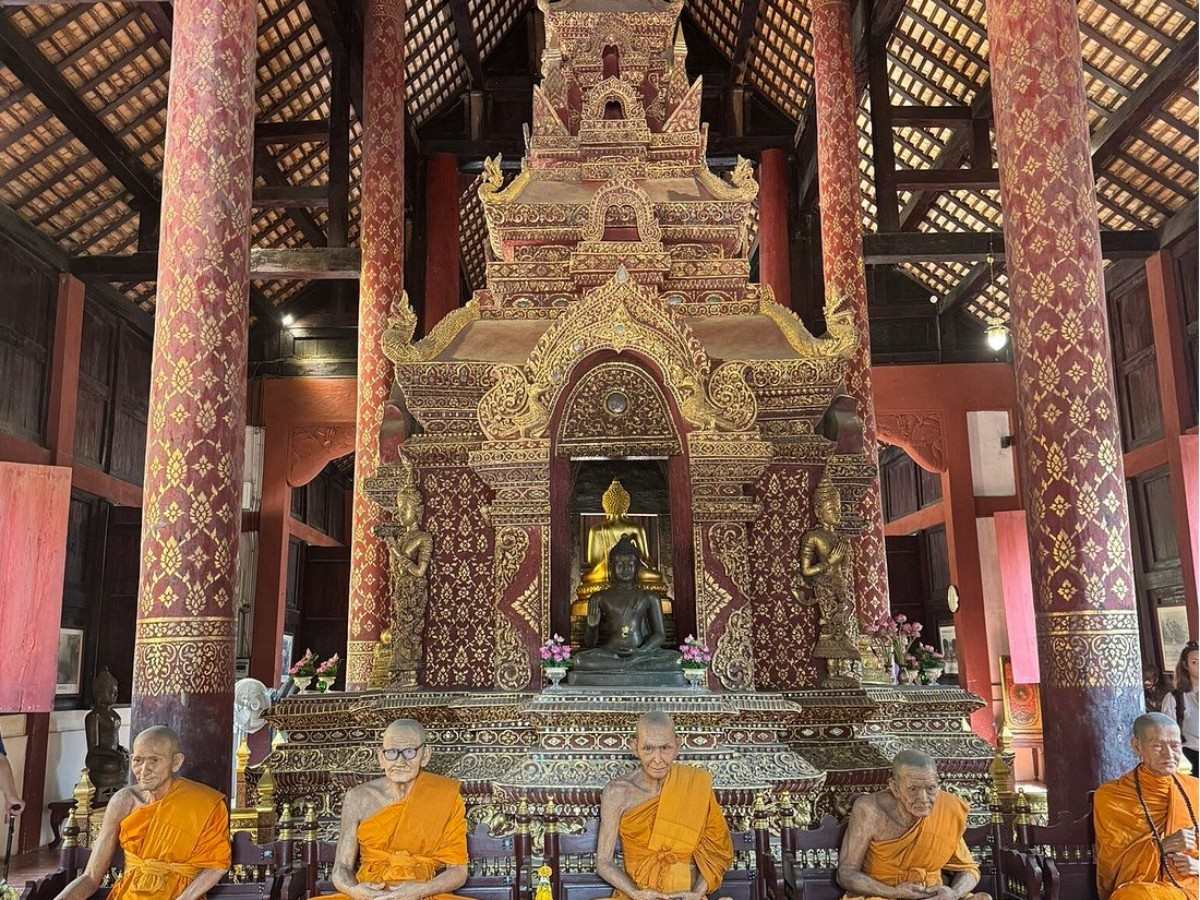
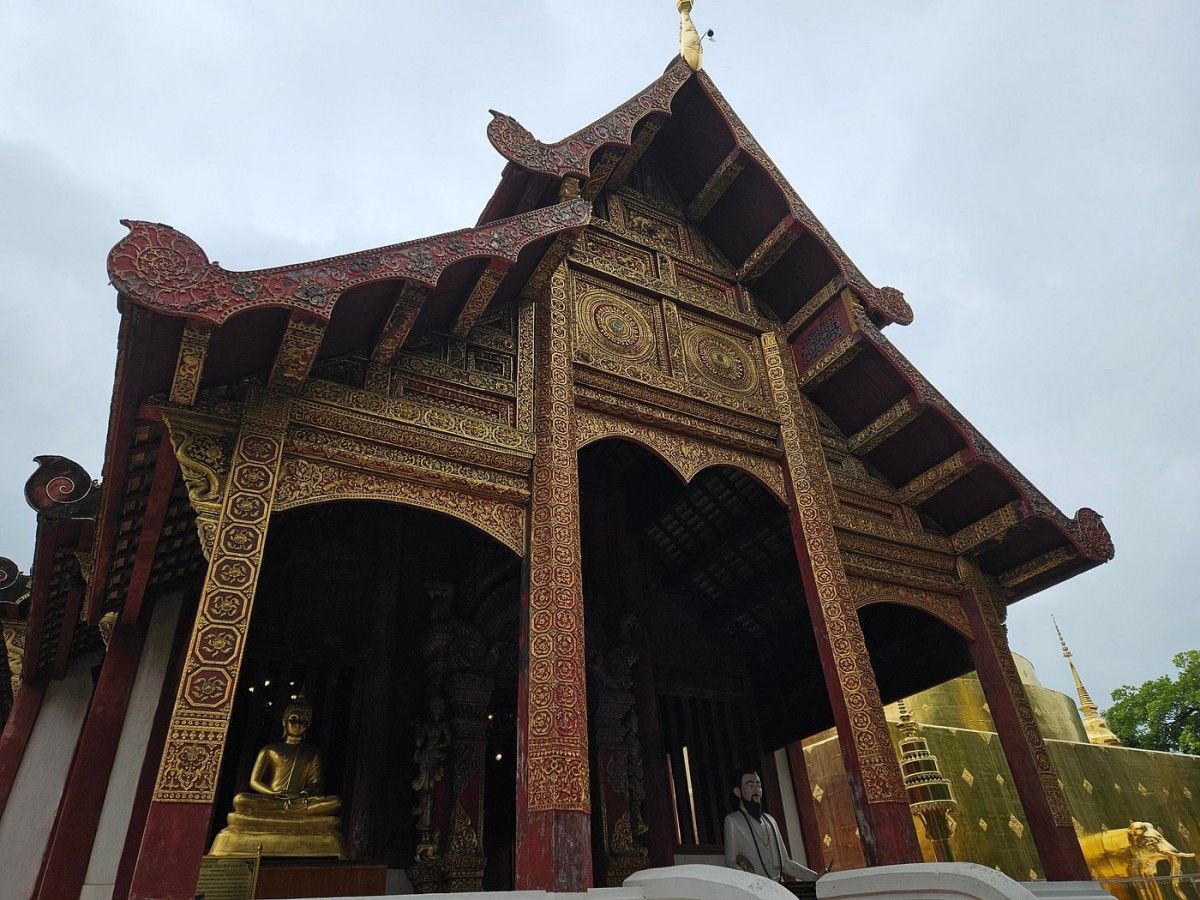
This is the temple's most famous building and the resting place of the Phra Singh statue. The hall's exquisite exterior features a stunning Lanna-style carved wood roof and golden decorations. Entering the hall, you'll be greeted by the enigmatic Phra Singh statue—its expression serene and its demeanor majestic. Devotees kneel in silent devotion, filling the air with tranquility and reverence. The ancient murals on the walls are also worth a closer look. They vividly depict social life at the time, even including scenes from traditional Northern Thai costumes and festivals, creating a living historical scroll.
2. Great Buddha Hall
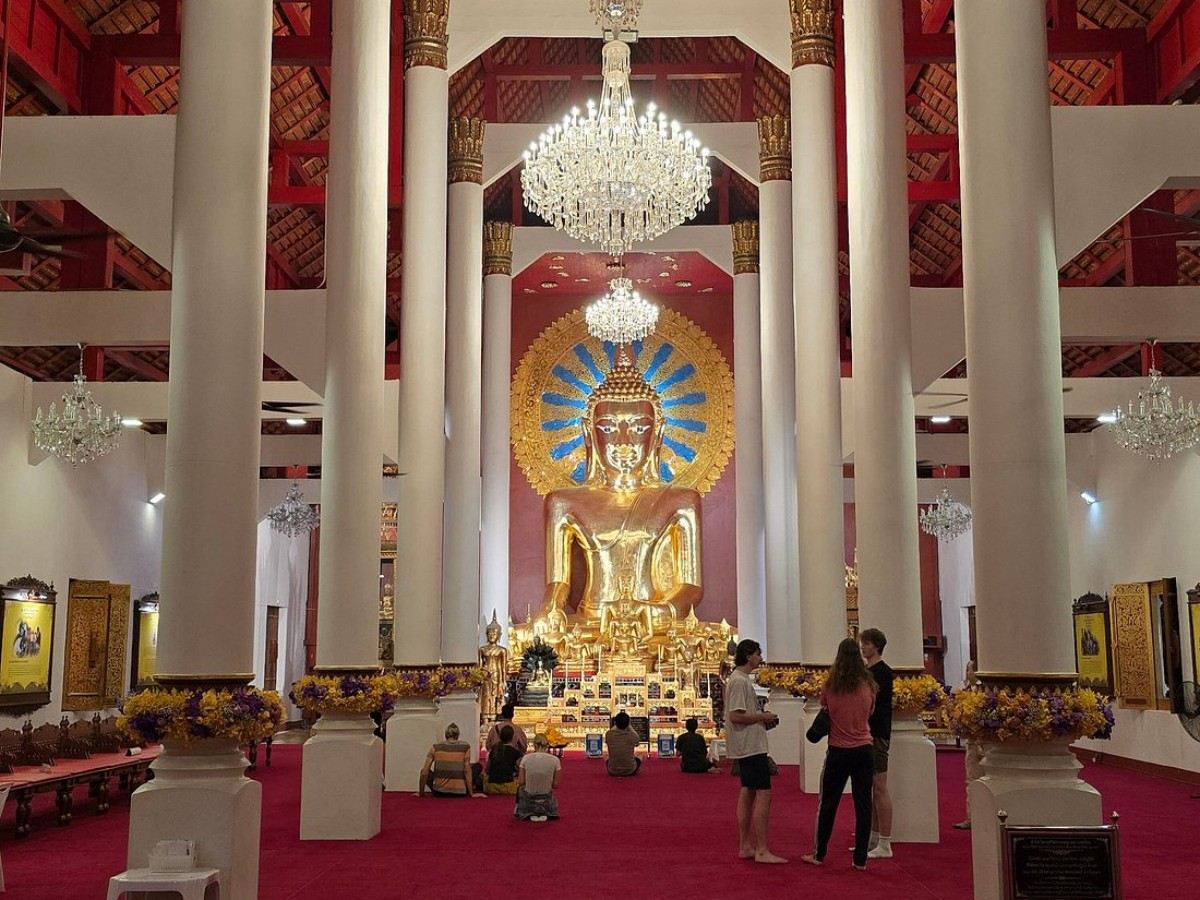
This is Wat Phra Singh's main hall, magnificent and resplendent in golden glory. A massive Buddha statue is enshrined in its center, creating an atmosphere of profound solemnity. During Buddhist festivals, the hall is bustling with chanting monks and worshippers, making it one of the temple's most vibrant areas.
3. Golden Pagoda
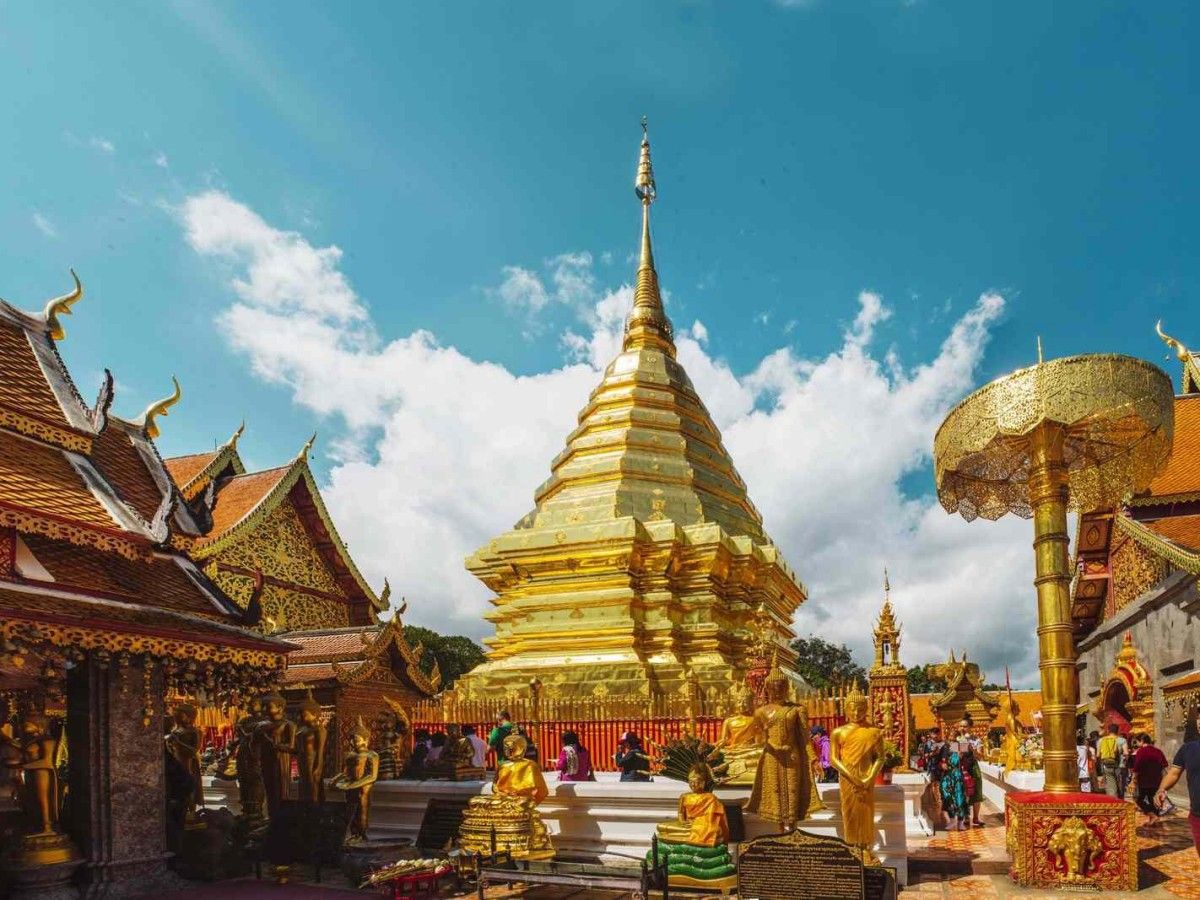
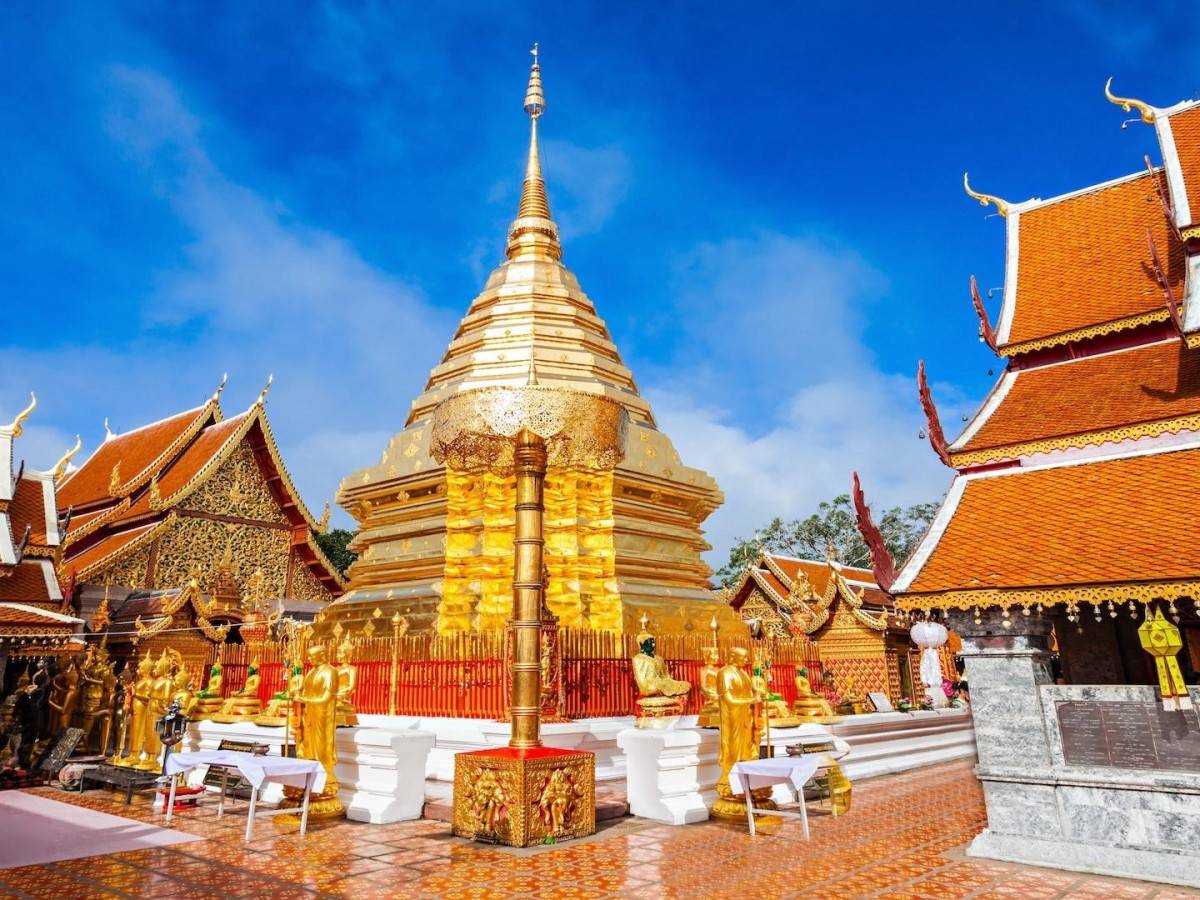
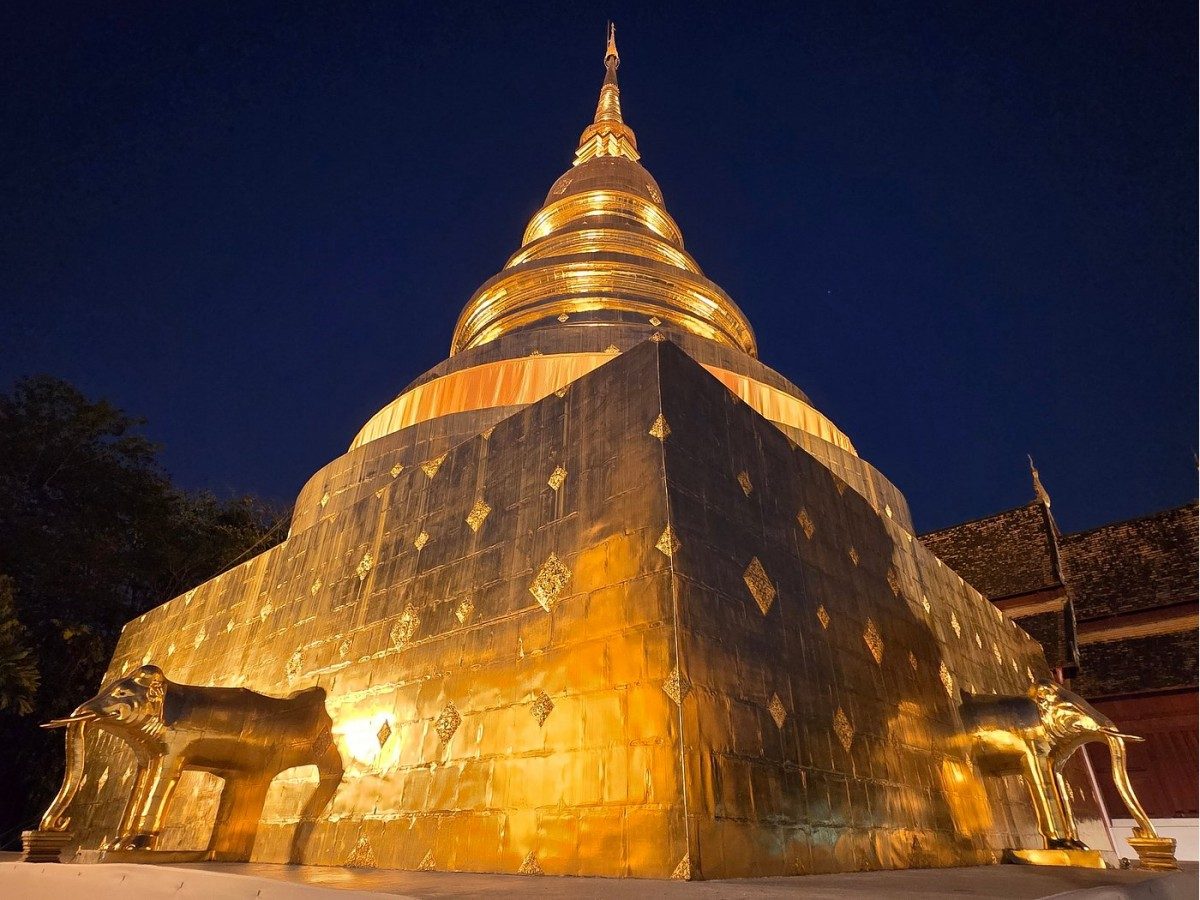
The golden Chedi at the rear of the temple is one of Wat Phra Singh's most dazzling landmarks. Its gold-leafed surface gleams in the sun, and people often circumambulate the pagoda to offer blessings. In the evening, the lingering sunlight bathes the pagoda, creating a golden glow that seems to illuminate the ancient city skyline.
4. Library
Although small in size, it is a true gem among the temple's architectural gems. It's a typical Lanna-style wooden house on stilts, elevated on a stone foundation to protect it from moisture. Its upper floors are decorated with intricate carvings and gold lacquer. Once a repository of Buddhist scriptures, it's now admired more for its architectural art.
5. Details of the Monastery and Courtyard
Wat Phra Singh isn't just about its magnificent temple; its courtyard is also worth a stop. Beneath the lush greenery, monks often sit in meditation or interact with visitors, smiling and answering questions. Small shrines, prayer bells, and devotees offering flowers in corners of the temple provide a glimpse into the authentic, everyday atmosphere of the temple.
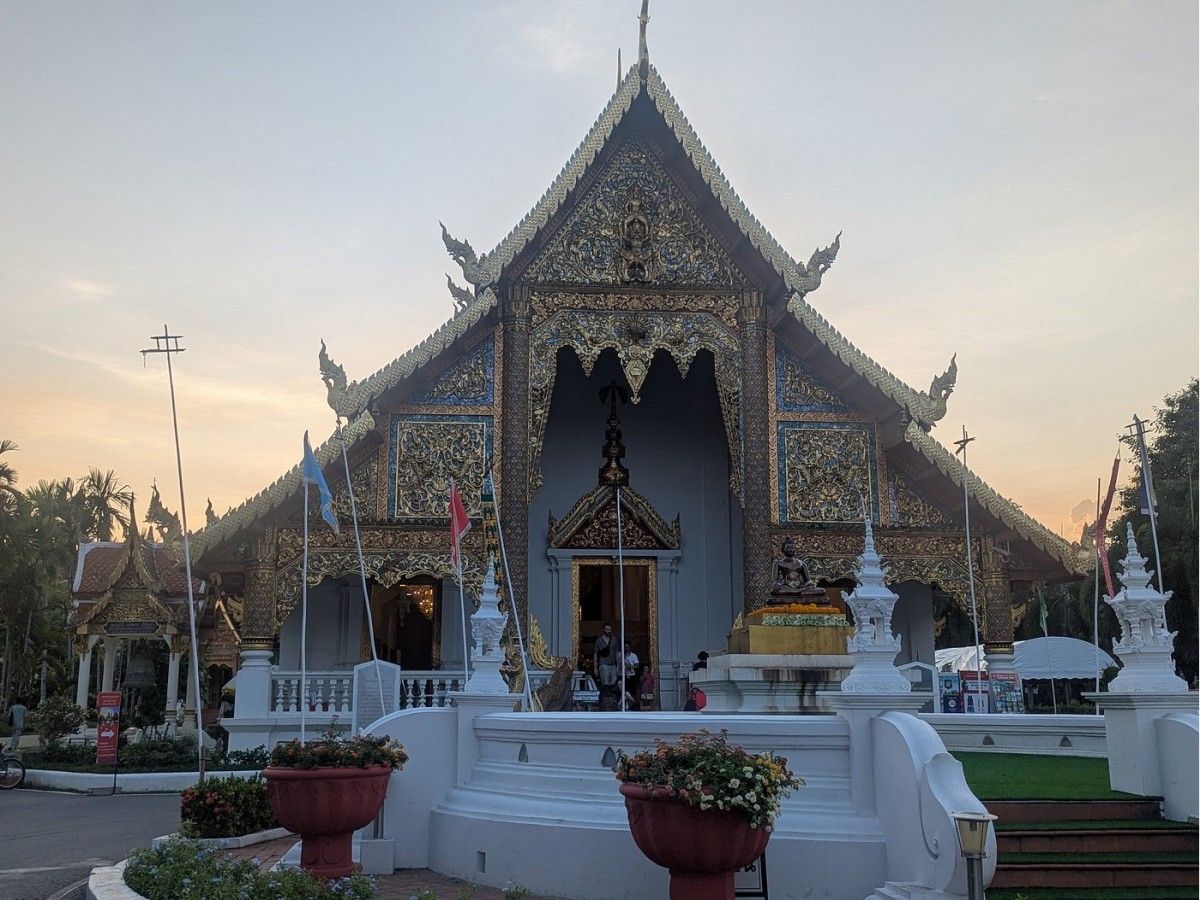
Wat Phra Singh is open throughout the day, but choosing the right time is crucial to experience the most beautiful atmosphere.
Early Morning (6:00-8:00 AM)
The temple is at its most tranquil at this time. The morning light filters through the eaves as the monks perform the alms offering (Tak Bat). You can see locals kneeling on the street with trays of food, placing them into the monks' alms bowls. This is a truly iconic scene in Thai Buddhist culture and a pure act of kindness. Morning (9:00-11:00 AM)
The temple begins to bustle with visitors, but the sun isn't blazing yet, making it perfect for photography. The pagoda and the Buddha Hall are particularly dazzling in the sunlight, making it a great time for capturing stunning shots.
Evening (4:00-6:00 PM)
The pagoda takes on a gentle golden hue under the setting sun, and the courtyard becomes quiet. Many photographers enjoy capturing the play of light and shadow at this time.
If you happen to be in Chiang Mai during Songkran in April, don't miss the procession of the Phra Singh Buddha statue. The vibrant atmosphere is a stark contrast to the tranquility of the usual days.
Transportation and Accessibility
Wat Phra Singh is conveniently located west of Chiang Mai's Old City. Staying within the Old City, it's easily accessible by foot or bicycle.
Walking: Starting from Tha Pae Gate, the walk takes approximately 15-20 minutes. Enjoy the Old City's streetscape along the way.
Songthaews (red minibuses): This is the most common mode of transportation in Chiang Mai. You can hail a taxi anywhere in the Old City and tell the driver "Wat Phra Singh," and they'll usually take you straight to the entrance.
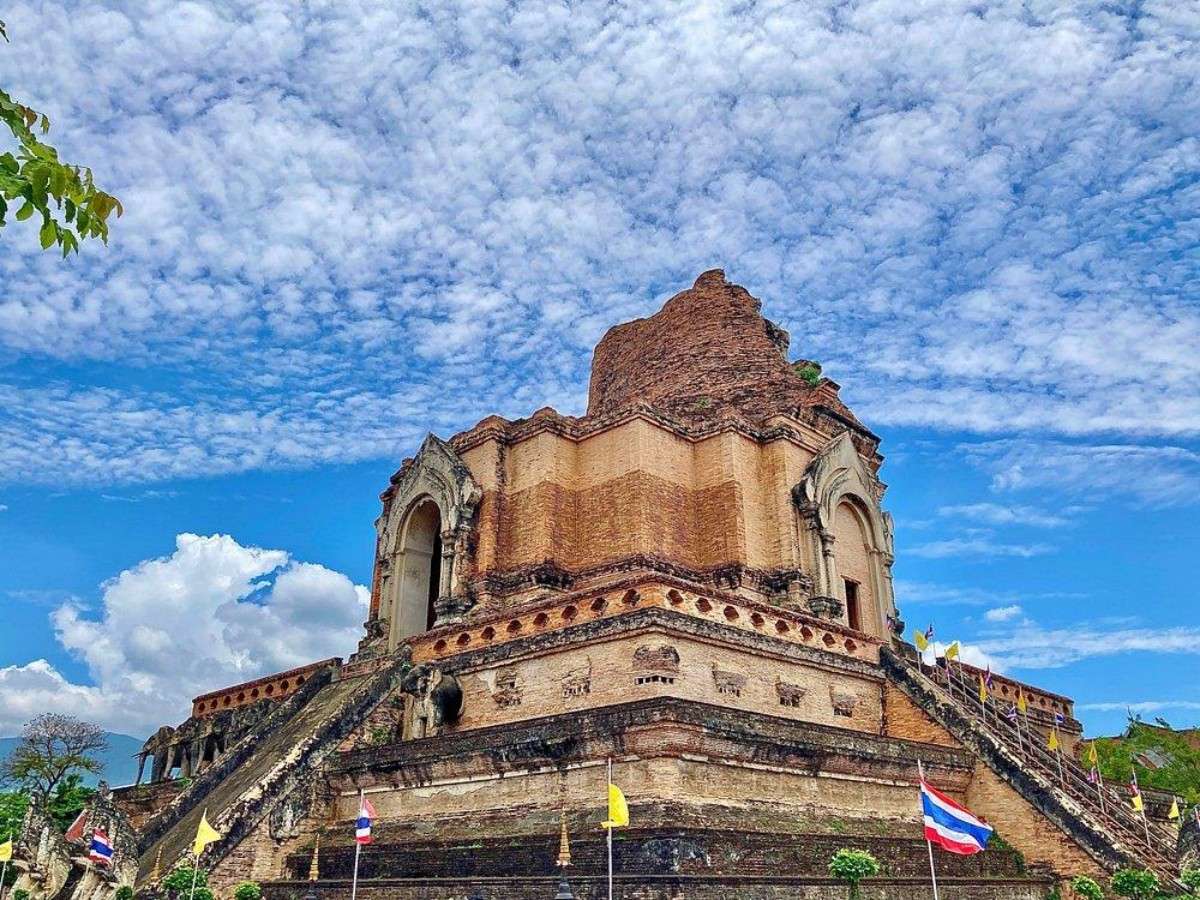
Motorcycle/Bicycle: Many tourists choose to rent a car to tour the Old City, allowing them to visit several temples in a single day, including Wat Chedi Luang, Wat Phra Singh, and the Three Kings Monument.
Ticket Information: Foreign visitors are charged 20 baht (approximately 4 RMB), which is practically worth the money.
Inside the temple, there are several rest areas and stalls selling cold drinks and souvenirs, making it very convenient to explore. If you'd like to learn more about the temple culture, you can also find an English-speaking guide on site.
Dress Code: As a sacred Buddhist site, proper attire is required. Avoid sleeveless tops and shorts. If you don't have any, shawls are available for rent at the entrance.
Photography Etiquette: Photography is permitted, but avoid posing in front of the Buddha statues, and avoid facing away from them.
Interactive Experiences: The temple is home to many friendly monks who are willing to share Buddhist philosophy and life insights in English. If you're interested, spend some time chatting with them. Visiting Order: We recommend starting with the Great Buddha Hall, then visiting Phra Singh and the Golden Pagoda, and finally slowly wandering the courtyards. This layout is both logical and allows for a gradual immersion in the experience.
Integrating Your Itinerary: Nearby temples include Wat Chedi Luang and the Chiang Mai City Art and Cultural Center, making it possible to plan a half-day or full-day cultural tour of the ancient city.
Entering Wat Phra Singh, you'll discover that it's more than just a temple; it's a mirror, revealing Chiang Mai's past and present. The majestic temple, the golden pagoda, and the tranquil courtyard—every detail tells a story spanning thousands of years. Sitting quietly in a corner of the temple, watching the monks chant or the tourists pass by, you'll feel an indescribable sense of peace. Therefore, if you can only choose one temple in Chiang Mai, make it Wat Phra Singh. Its charm lies not only in its "must-see" nature but also in its ability to experience the natural interweaving of faith and life. This is perhaps the most captivating aspect of travel—you arrive as a tourist, but leave with a sense of peace and strength.