
Advertisement
In the western part of Chiang Rai, there is a temple with a profound history and cultural heritage - Wat Phra Kaew Chiang Rai. It is not only an important Buddhist holy place in the local area, but also a witness to the inheritance and development of Thai Buddhist culture.
Advertisement
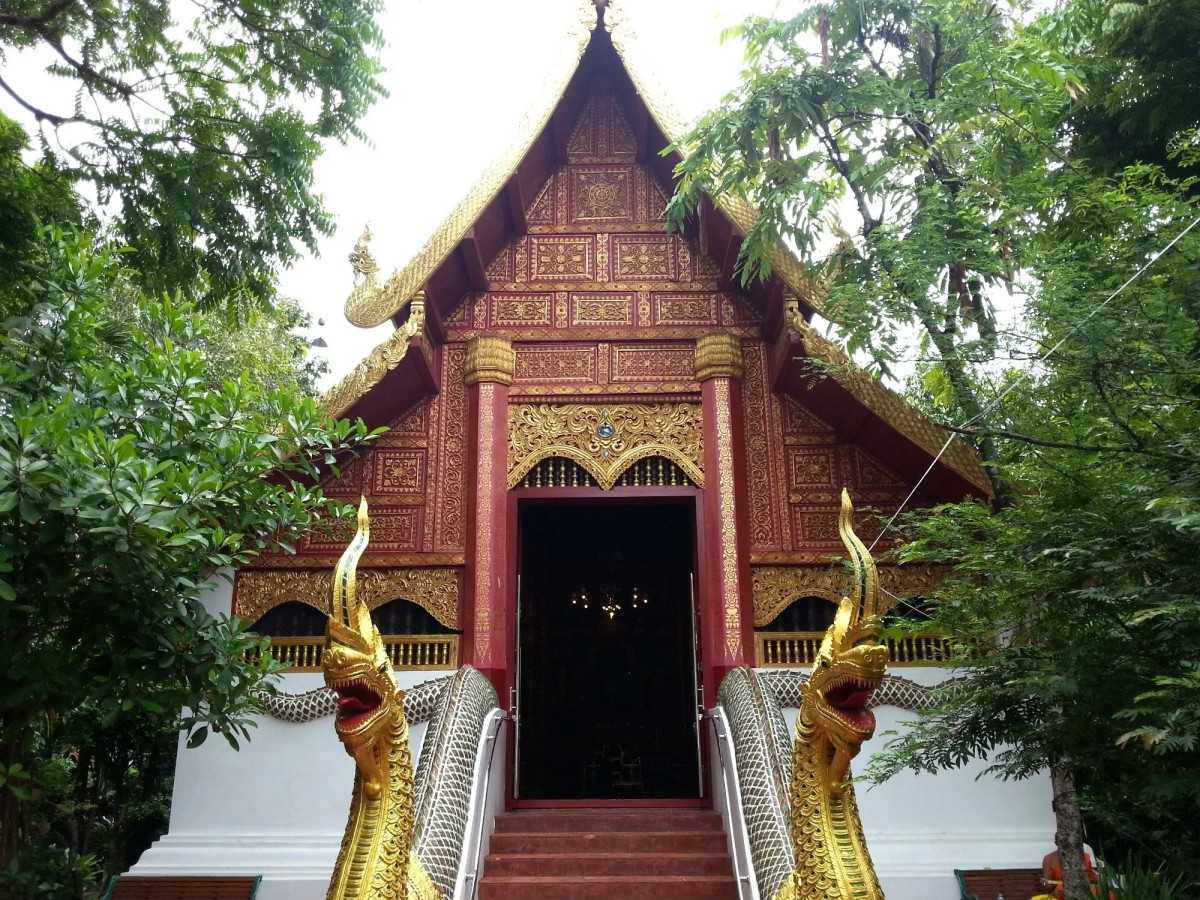
The history of the Wat Phra Kaew Chiang Rai can be traced back to the distant 14th century. It was originally called "Wat Pa Yeah", which means "Bamboo Forest Temple". This ancient temple is really famous because of a shocking discovery.
Advertisement
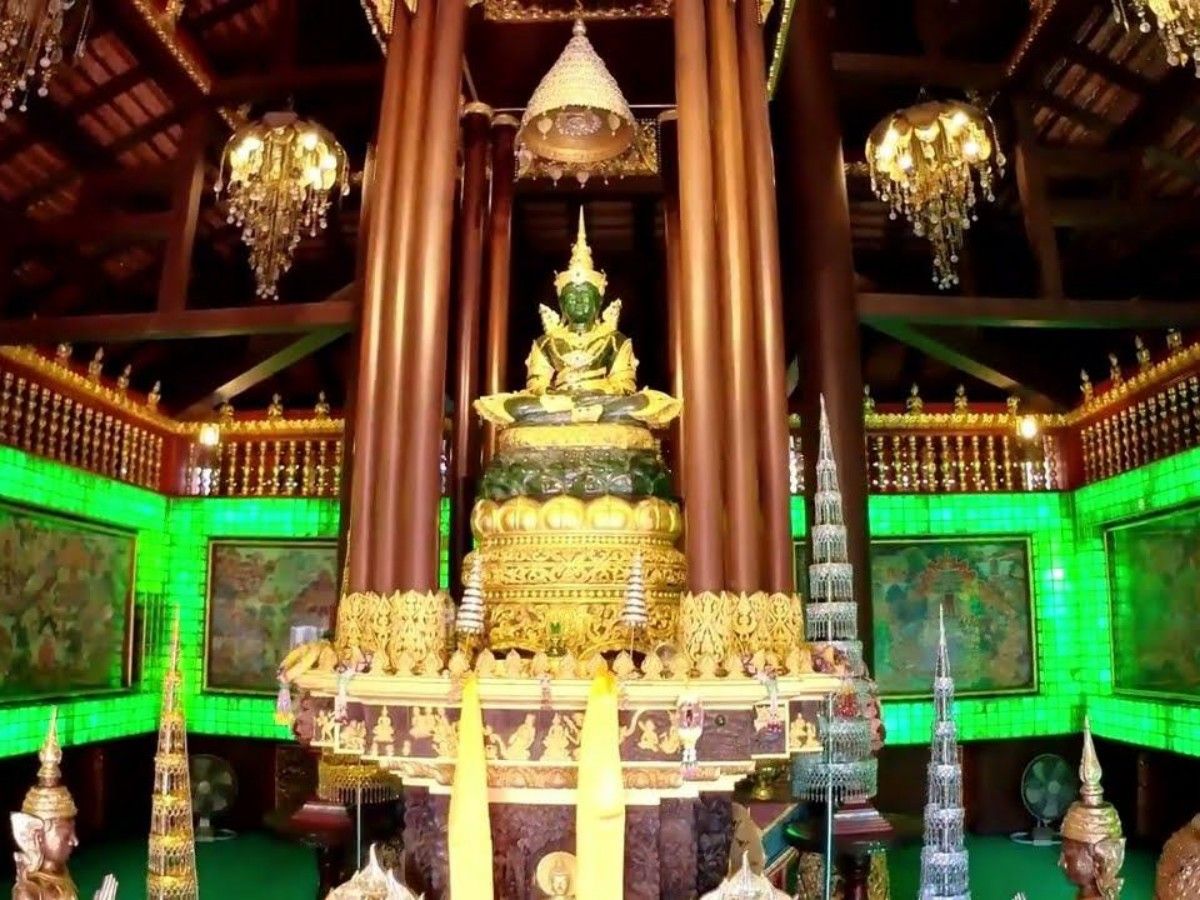
In 1434, a lightning bolt struck a pagoda in the temple. This accident was like a fateful arrangement. When people cleared the ruins of the pagoda, a precious jade Buddha was re-exposed. This jade Buddha is about 45 cm tall and is carved from a whole piece of jade. It has smooth lines, a kind face, and exudes a sacred light. It is said that the Emerald Buddha was originally carved by the gods in 234 BC as a gift to the world. After that, it moved to Sri Lanka, Cambodia, and finally to Thailand. After the discovery of the Emerald Buddha, Samfangkaen, the king of the Lanna Kingdom, who ruled northern Thailand, hoped to transport it to Chiang Mai for worship. However, three attempts failed, and the elephants that transported the Emerald Buddha each time took it to Lampang for worship. It was not until 1468 that the Emerald Buddha was finally placed in Wat Chedi Luang in Chiang Mai. In the years that followed, the Emerald Buddha underwent several more moves, being transported to the capital of Luang Prabang in 1552 and then to Vientiane in 1564. After being seated in Laos for about 200 years, the Thai general Chao Phraya Chokri captured Vientiane in 1779, took back the Emerald Buddha, and placed it in Bangkok's Wat Phra Kaew with a grand ceremony on March 22, 1784. Although the original Emerald Buddha has been moved to Bangkok, the Emerald Buddha Temple in Chiang Rai still holds a very important position in the hearts of the Thai people. It witnesses the inheritance and continuation of Thai Buddhist beliefs.
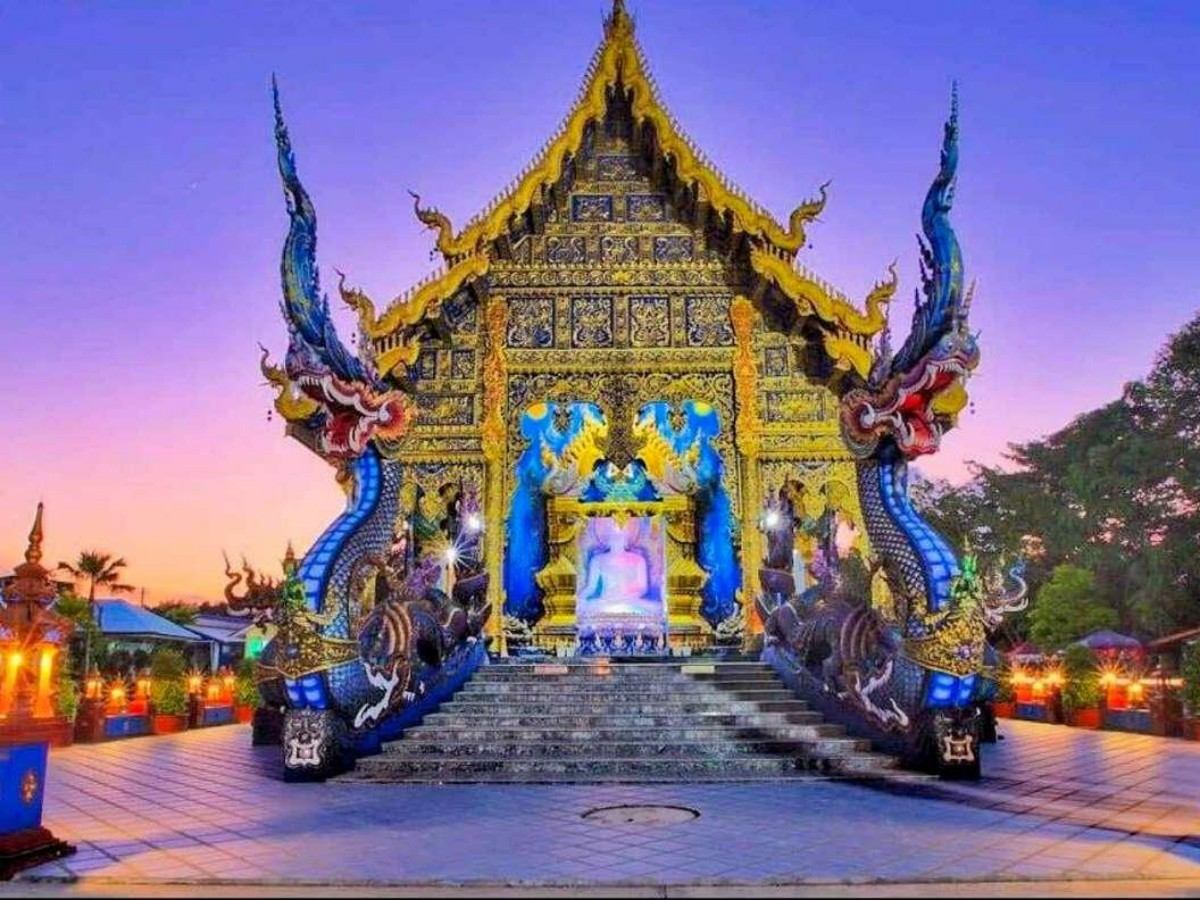
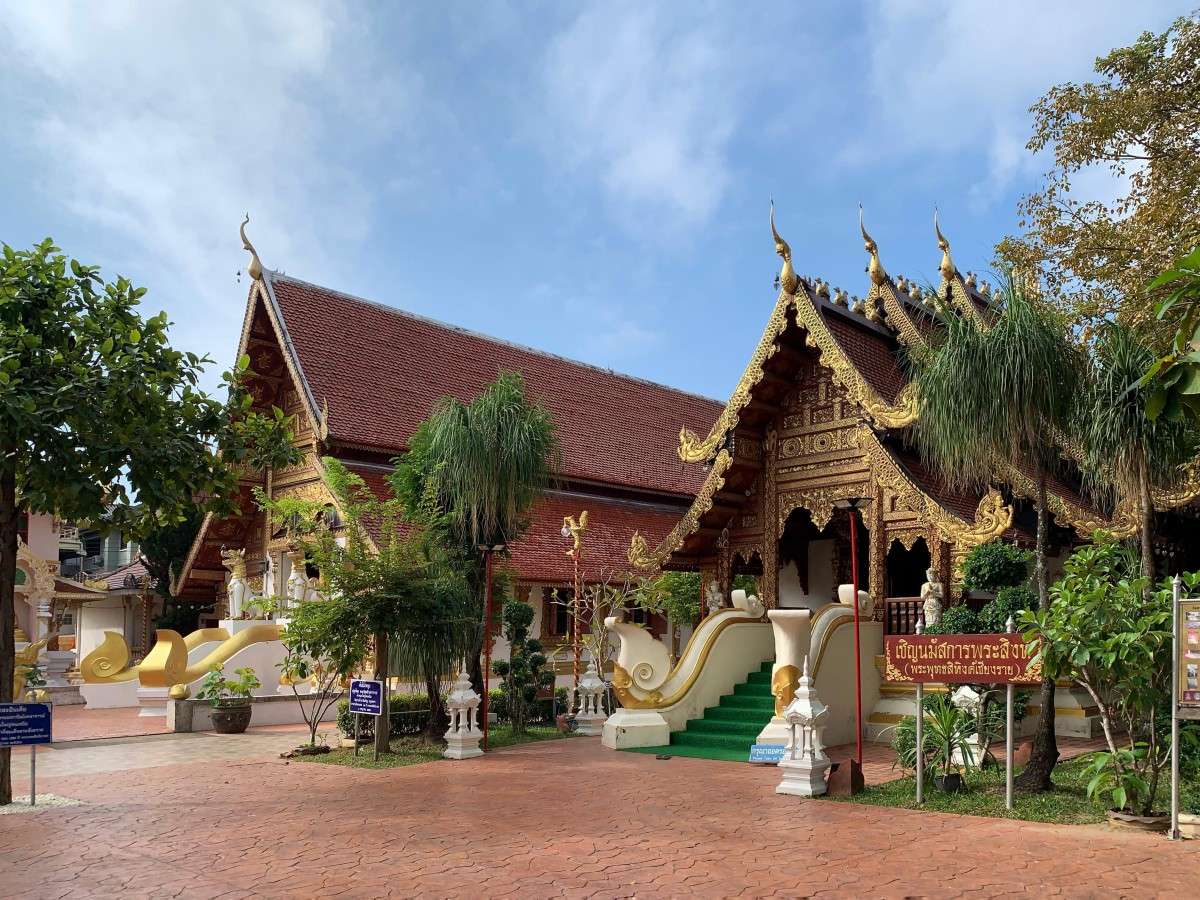
The architectural style of the Emerald Buddha Temple in Chiang Rai is unique, perfectly integrating the traditional Lanna architectural art and Buddhist cultural elements. When you step into the temple, the first thing that catches your eye is the winding sculpture of the Naga snake next to the entrance stairs. In Thai culture, the Naga snake is regarded as a guardian deity. They majestically guard the temple, adding a mysterious and solemn atmosphere to the place.
Advertisement
The main hall (Vi harn) of the temple is also eye-catching, and its architectural style shows the unique charm of the Lanna Dynasty. The roof of the main hall has a steep slope, the eaves are slightly upturned, and it is decorated with exquisite wood carvings and paintings. Every detail shows the exquisite craftsmanship of the craftsmen. Entering the main hall, the interior is spacious and bright, and the replica carved in the style of the original Emerald Buddha is enshrined. This jade Buddha is also carved from jade. Under the soft light, it exudes a peaceful and tranquil atmosphere, which makes people feel awe.
Behind the main hall, a golden stupa (chedi) stands quietly. The stupa has a beautiful shape, and the tower body is inlaid with exquisite gems and gold foil, which shines brightly under the sun. It is not only a landmark building of the temple, but also a symbol of Buddhist faith, carrying people's respect and admiration for the Dharma.
In addition, there is a museum in the temple. The museum displays many cultural relics and Buddha statues from the Lanna Kingdom. These precious exhibits are like vivid history books, telling people about the glorious history and splendid culture of the Lanna Kingdom. Visitors can appreciate the charm of ancient artworks up close and feel the thickness and depth of history.
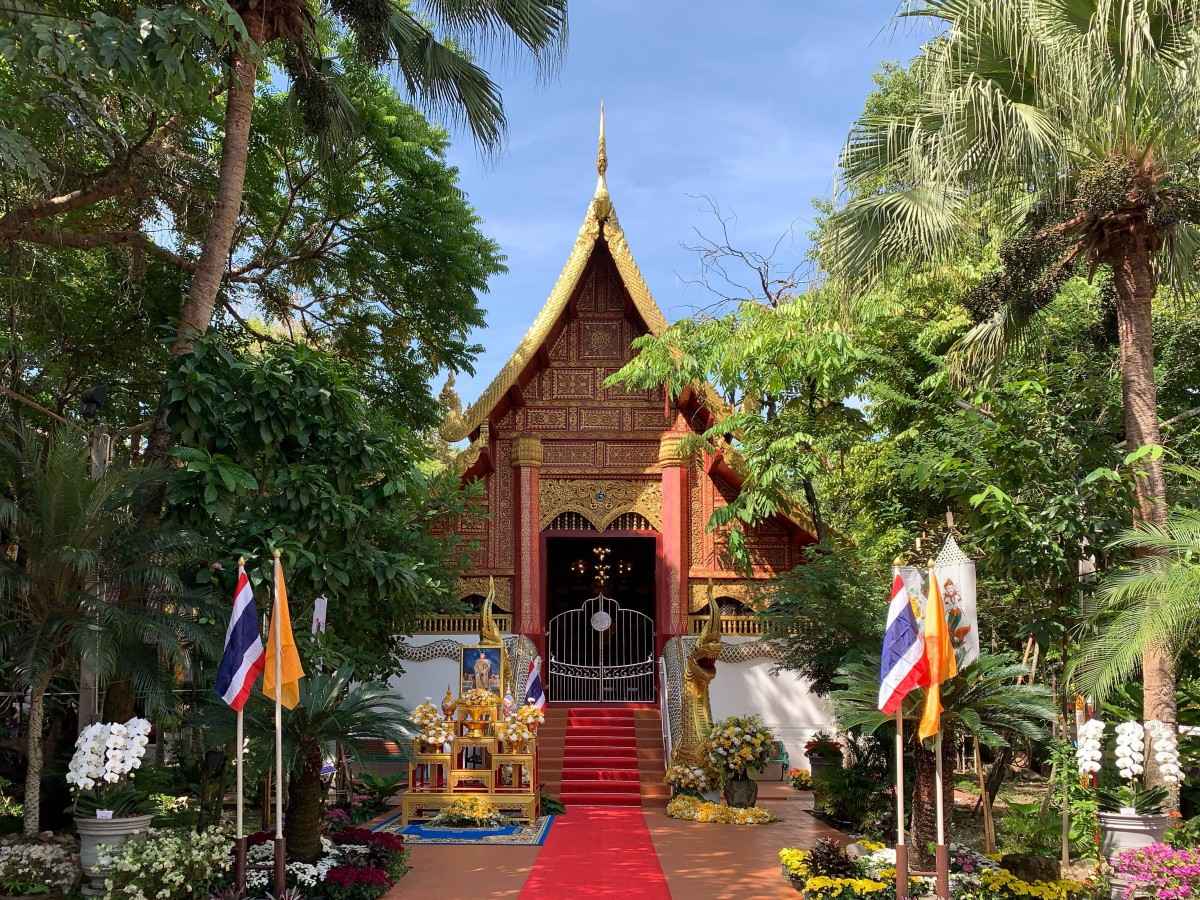
If you are planning to visit the Emerald Buddha Temple in Chiang Rai, the following information may help you on your journey.
Opening hours: The temple is open from 7 am to 6 pm, and the museum is open from 9 am to 5 pm. It is recommended to visit during the day when there is plenty of light, so that you can better appreciate the temple's architecture and artifacts.
Ticket information: The Emerald Buddha Temple in Chiang Rai is open to tourists free of charge, which allows more people to have the opportunity to appreciate its charm.
Transportation: The Emerald Buddha Temple in Chiang Rai is located on Trai Rat Road in the west of Chiang Rai City Center, and transportation is very convenient. If you start from Chiang Rai City, you can choose to walk there, which is only 1.6 kilometers away from Chiang Rai's famous King Mengrai Monument, and you can also enjoy the city scenery of Chiang Rai along the way. In addition, you can also take a taxi or tuk-tuk, which is convenient and fast.
Dress code: Like other temples in Thailand, visitors are required to dress appropriately and conservatively when visiting the Emerald Buddha Temple in Chiang Rai. Make sure your knees, shoulders and abdomen are covered with clothing to show respect for religious sites.
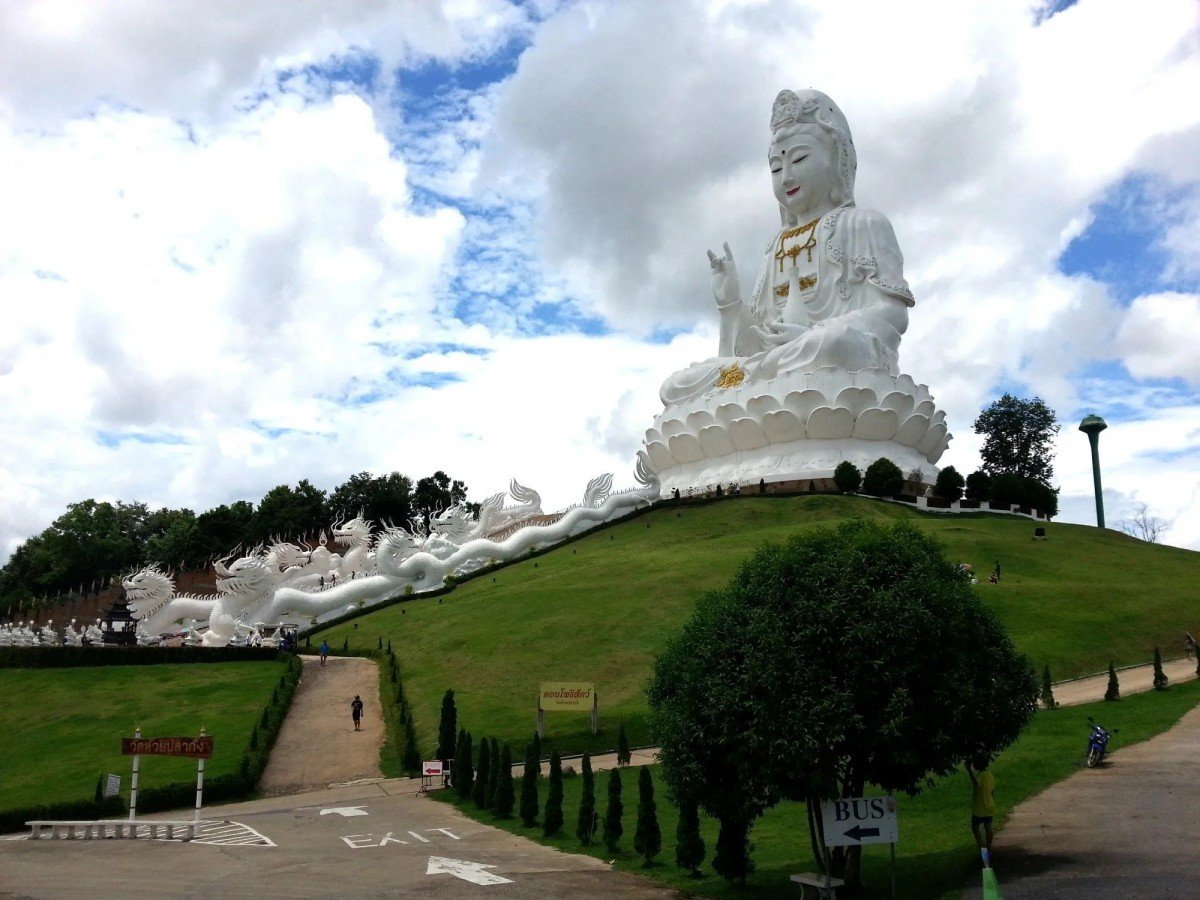
Nearby attractions: There are many other attractions worth visiting around Wat Phra Kaew in Chiang Rai. The Singh Temple in Chiang Rai, which is only 300 meters away from the temple, also has a unique architectural style and profound Buddhist cultural heritage; the Guanyin Temple not far away is famous for its 79-meter-high giant Guanyin statue and is a popular check-in point in Chiang Rai. In addition, Chiang Rai has many beautiful natural scenery and characteristic towns waiting for you to explore.
The Emerald Buddha Temple in Chiang Rai, an ancient and sacred temple, attracts tourists from all over the world. Here, you can feel the profoundness of Thai Buddhist culture and appreciate the charm of history and faith. When you step into this temple, it seems as if you are traveling through time and space, talking to the past years, and your heart will also get a moment of peace and comfort in this quiet holy land.