
Advertisement
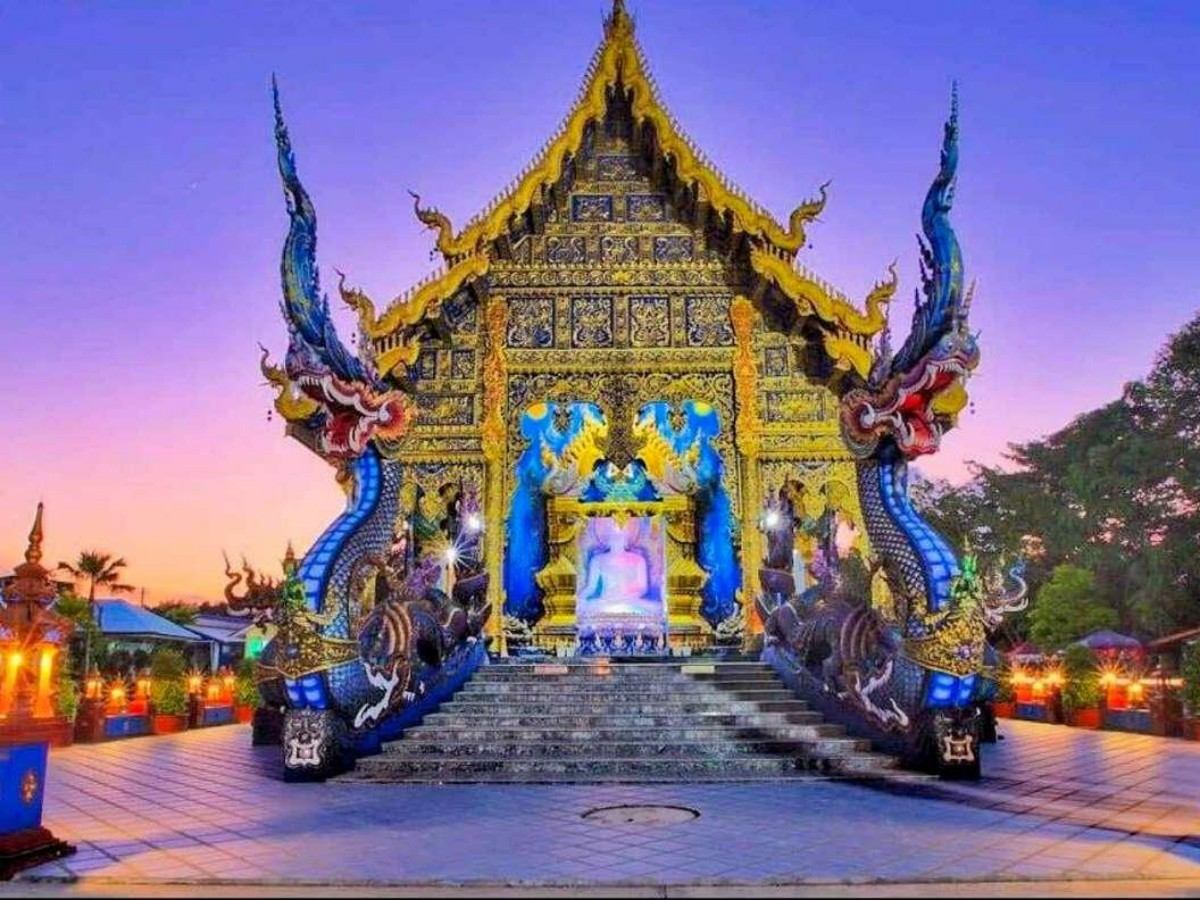
In Chiang Rai, Thailand, besides the world-renowned White Temple (Wat Rong Khun), another equally striking Buddhist temple is quietly attracting a growing number of visitors: the Blue Temple (Wat Rong Suea Ten). Located approximately 3 kilometers from downtown Chiang Rai, it's easily accessible, but what truly captivates visitors is its striking, almost eye-watering blue hue. The temple's primary blue hue, inlaid with gold and intricate carvings, creates a sacred yet dreamy, modern feel. Want to visit the Blue Temple for stunning photos, to soak in the artistic atmosphere, or even simply to check in? Before you go, here are 5 essential things to know.
Advertisement
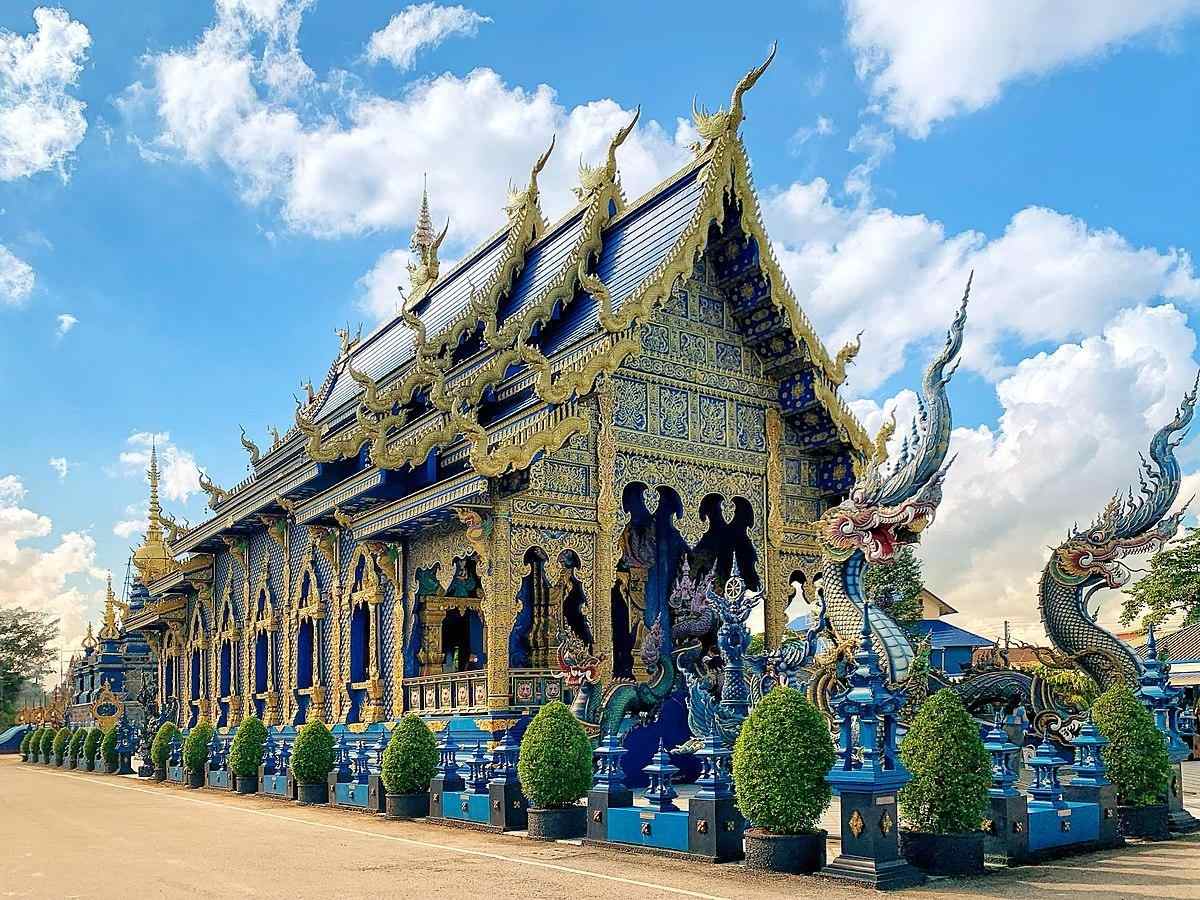
The Blue Temple's full name is Wat Rong Suea Ten, which literally translates to "Dancing Tiger Temple," referring to the ruins of an old temple where wild tigers once roamed. It wasn't until 2005 that the Blue Temple was rebuilt, led by artist Phuttha Kabkaew, a disciple of Chalermchai Kositpipat, the "Father of the White Temple." Therefore, the Blue Temple exhibits a clear continuity in its artistic style.
Advertisement
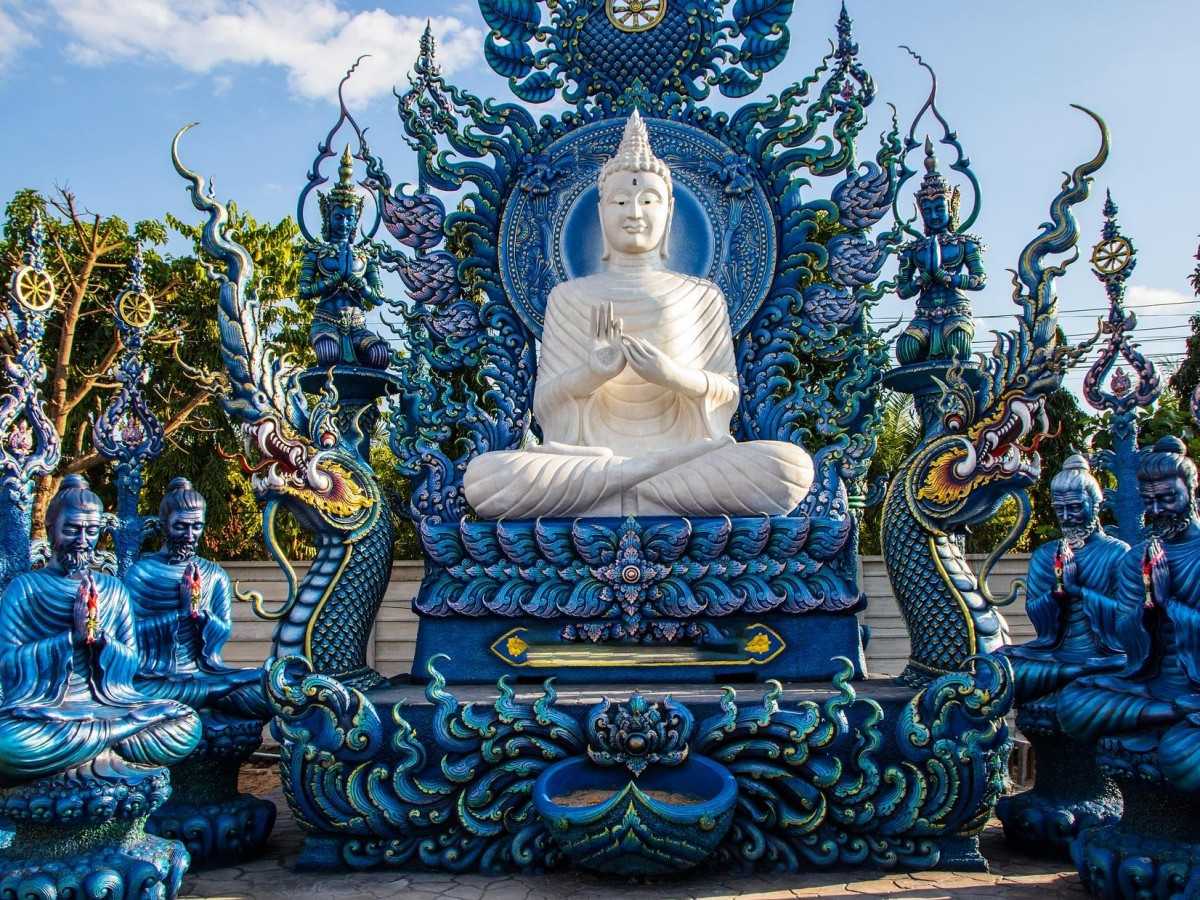
So, why blue? In Thai Buddhist culture, blue symbolizes wisdom, purity, and the vastness of the universe. Paired with gold accents, it implies that the Dharma is as boundless as the vast sky. Upon entering the temple, you'll notice that even the Buddha statues themselves feature a rare white and blue combination, creating a surreal sense of tranquility. Understanding this meaning, your view of the Blue Temple becomes more than just beautiful; it's filled with understanding and respect.
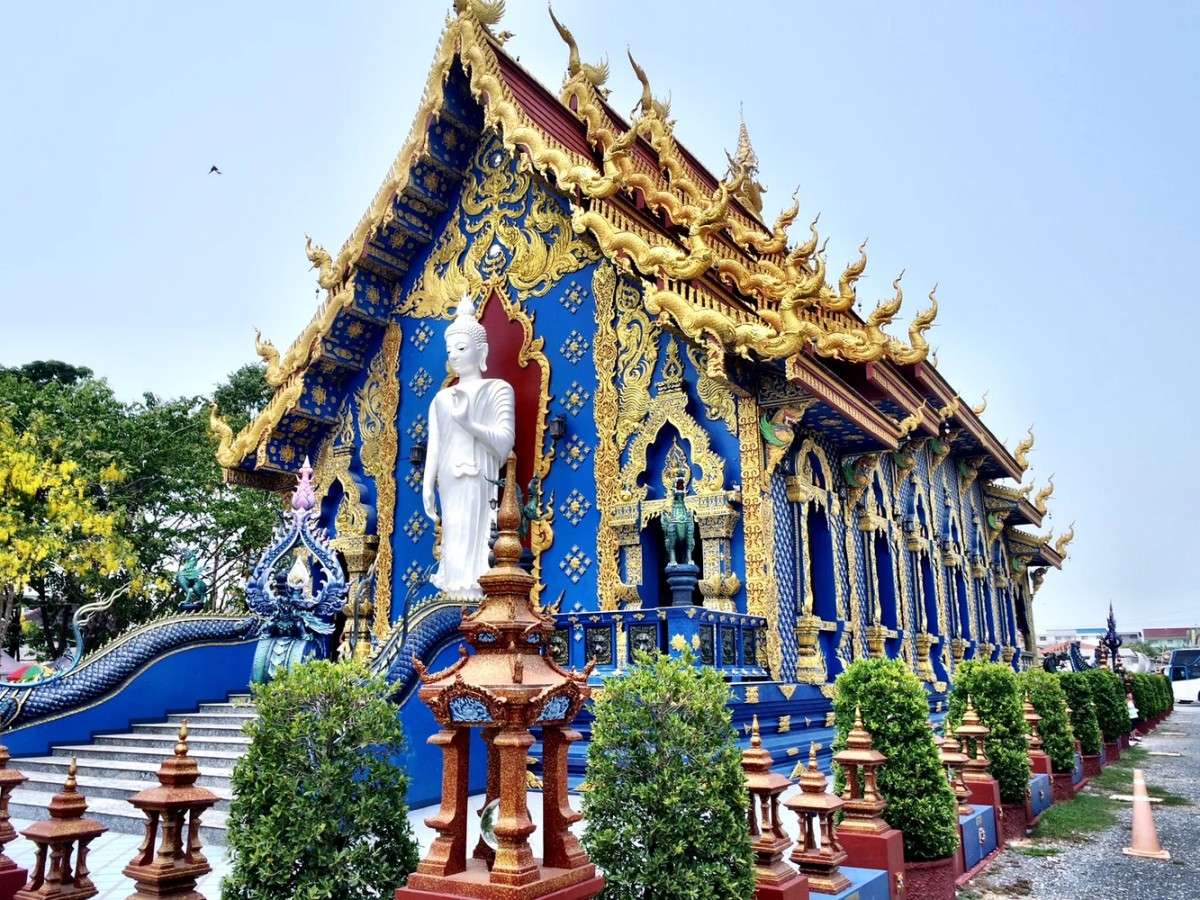
The Blue Temple is open from 7:00 AM to 8:00 PM, which is more flexible than the White Temple and allows for more flexibility in your itinerary.
Advertisement
If you're looking for good light and fewer crowds, around 8:00 AM is the best time to visit. The soft sunlight at this time of year shines brightly on the blue exterior and golden carvings, making the colors appear even more translucent. It's also relatively quiet, so you can take your time taking photos. If you enjoy night views, the Blue Temple takes on a whole new charm when illuminated, especially the contrast between blue and gold, which creates a dreamlike effect.
Tip: Admission to the Blue Temple is free, but if you'd like to learn more, you can purchase a guidebook or make a small donation at the entrance to support its maintenance and enhance your visit.
The Blue Temple is approximately 3 kilometers from downtown Chiang Rai. Getting there is relatively simple:
Tuk-tuks/songthaews: Hail them in the city center; fares are approximately 50-100 baht.
Grab: The most convenient way to hail a ride is through your phone, with transparent pricing, making it ideal for independent travelers.
Motorcycle: If you're used to renting a motorbike in Thailand, you can ride there in about 10 minutes.
If you're traveling from Chiang Mai to Chiang Rai, most tourists choose a day trip combining the White Temple, Blue Temple, and Black Temple. Tour operators typically schedule the Blue Temple visit in the afternoon because the lighting is bright and photogenic. However, if you want to avoid the crowds, we recommend planning your visit in the morning.
Although the Blue Temple's exterior boasts a modern aesthetic, resembling an art gallery, it is still a Buddhist temple, and basic etiquette should be observed upon entering:
Dress Code: Avoid wearing short pants or skirts, and avoid revealing your shoulders. Shawls are usually provided at the entrance, but it's best to bring a light jacket for convenience.
Shoes: You must remove your shoes before entering the main hall. You may wish to bring a pair of slippers or flip-flops.
Photography: The Blue Temple interior is indeed ideal for photographs, but please avoid posing in front of the Buddha statues in an exaggerated or disrespectful manner.
Visit in silence: Despite the large number of visitors, it's recommended to keep your voice down and avoid disturbing the locals who are praying.
By paying attention to these small details, your trip will not only be comfortable but also demonstrate respect for local culture.
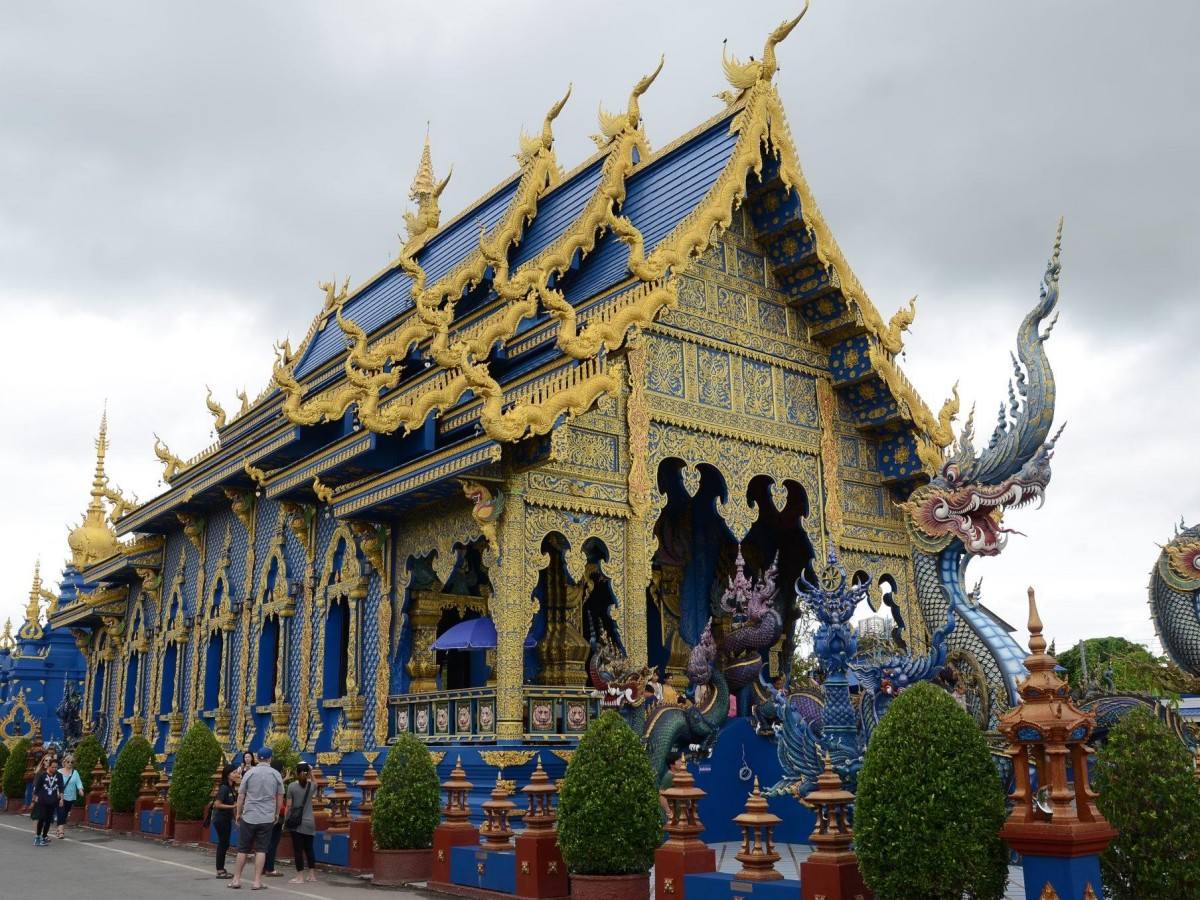
When talking about the Blue Temple, the topic of photography is inevitable. Almost every corner here is naturally photogenic, but if you want to capture exceptional photos, consider the following angles:
Main Gate Corridor: The blue and gold statues of the guardian beasts on either side complement the main hall, creating a stunning opening scene.
Inside the Main Hall: The white Buddha statues appear exceptionally pure against the blue dome, so a wide-angle lens is recommended.
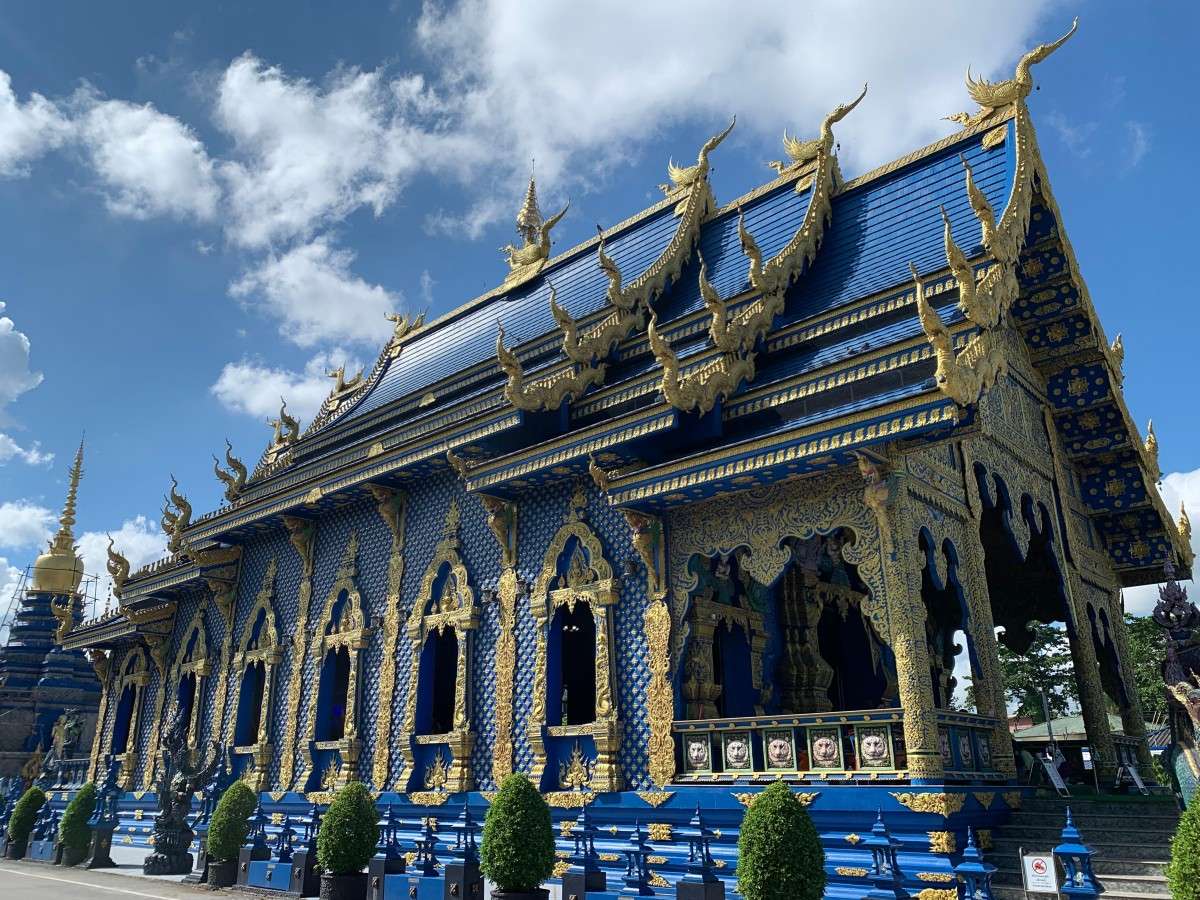
Exterior details, such as the dragon carvings and golden patterns on the roof, are perfect for close-up shots.
Night View: At night, the Blue Temple's illuminated atmosphere transforms, creating an even more magical atmosphere.
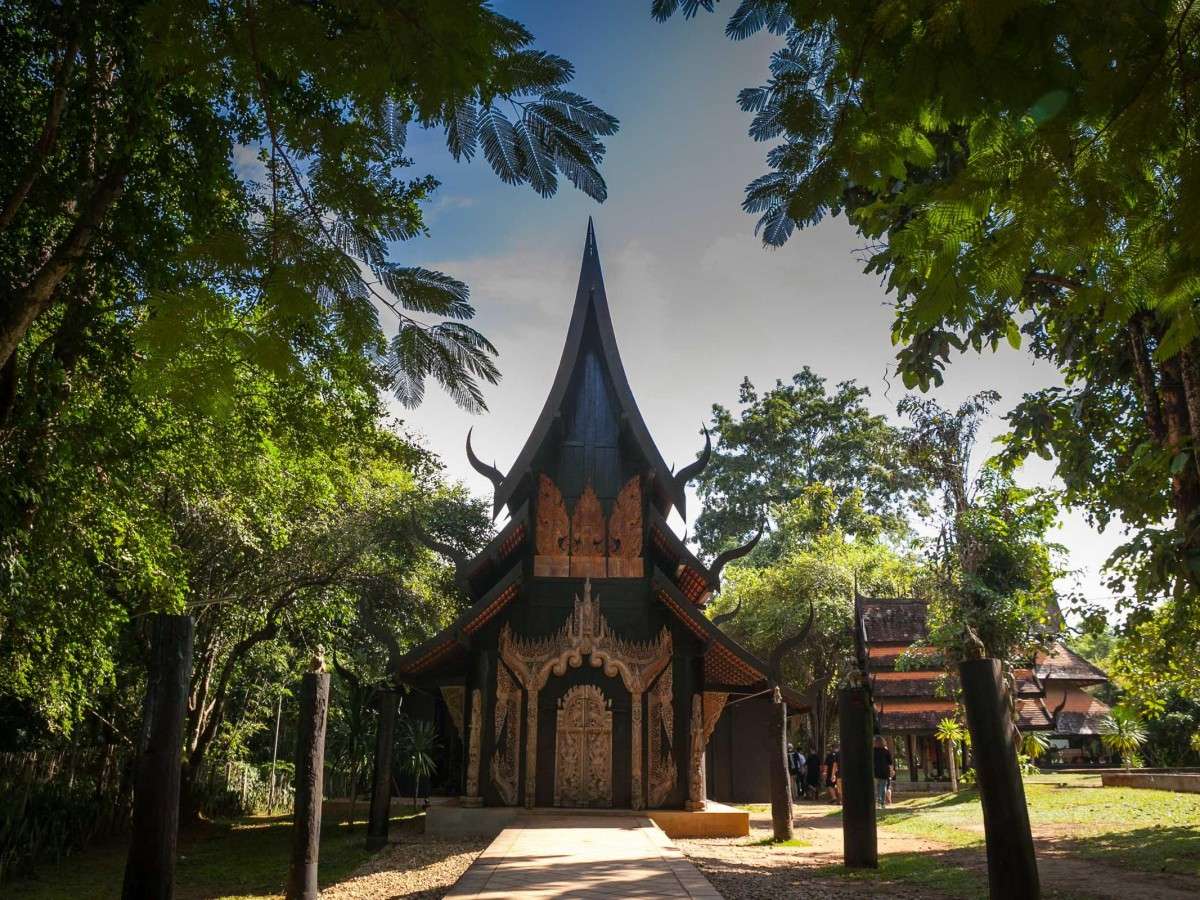
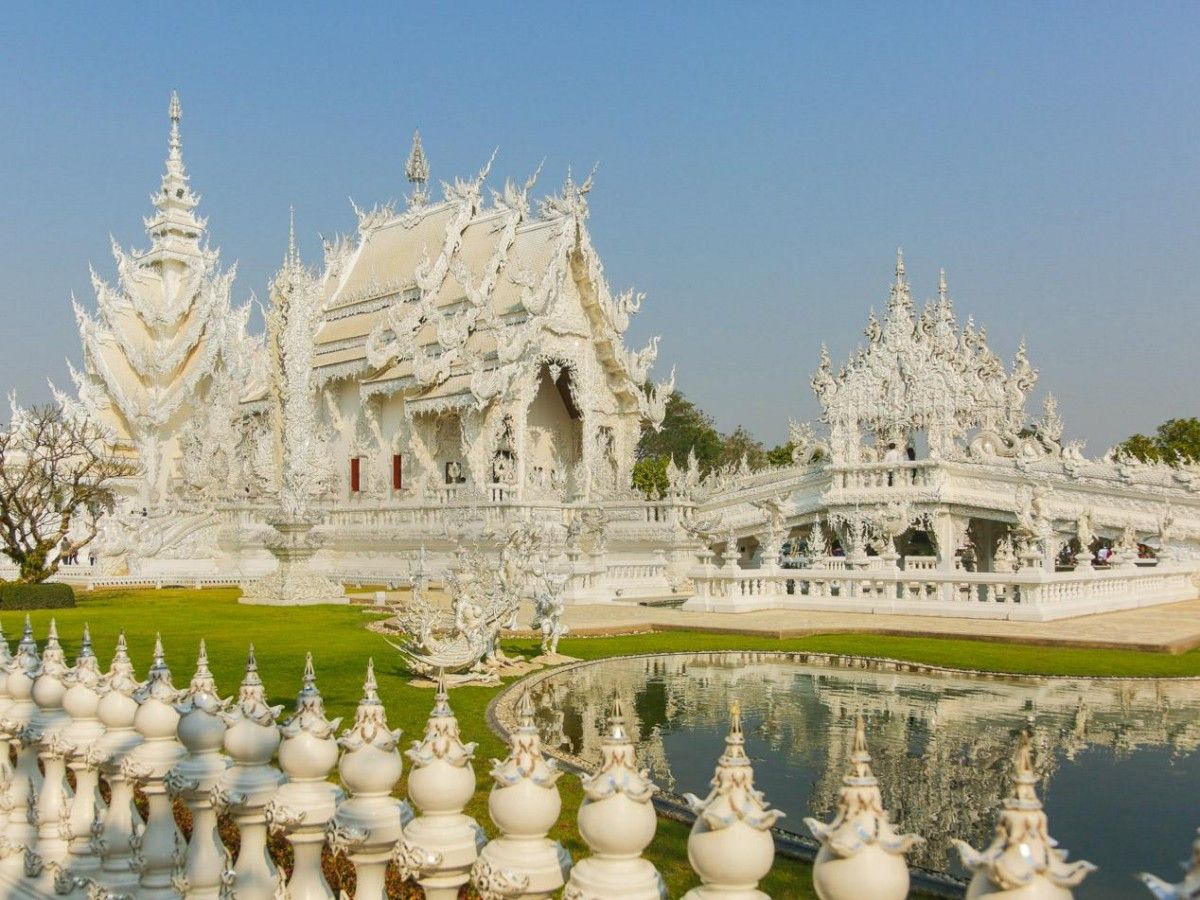
Additionally, there are a number of small cafes and stalls around the Blue Temple where you can enjoy a Thai milk tea or iced coffee after your visit and immerse yourself in the slower pace of Chiang Rai. If you have more time, you can also visit the nearby White Temple (Wat Rong Khun) or the Black Temple (Baan Dam Museum). These three landmarks, combined, offer a unique experience of Chiang Rai's artistic charm.
The Blue Temple is more than just a photo op; it embodies the fusion of contemporary Thai art and traditional Buddhist beliefs. The tranquility of blue and the solemnity of gold create a unique atmosphere. Know these five things before visiting the Blue Temple, and you'll discover that your trip is more than just a quick tour; it's a deep conversation with color, culture, and faith. Don't miss this enchanting blue world on your next trip to Chiang Rai.