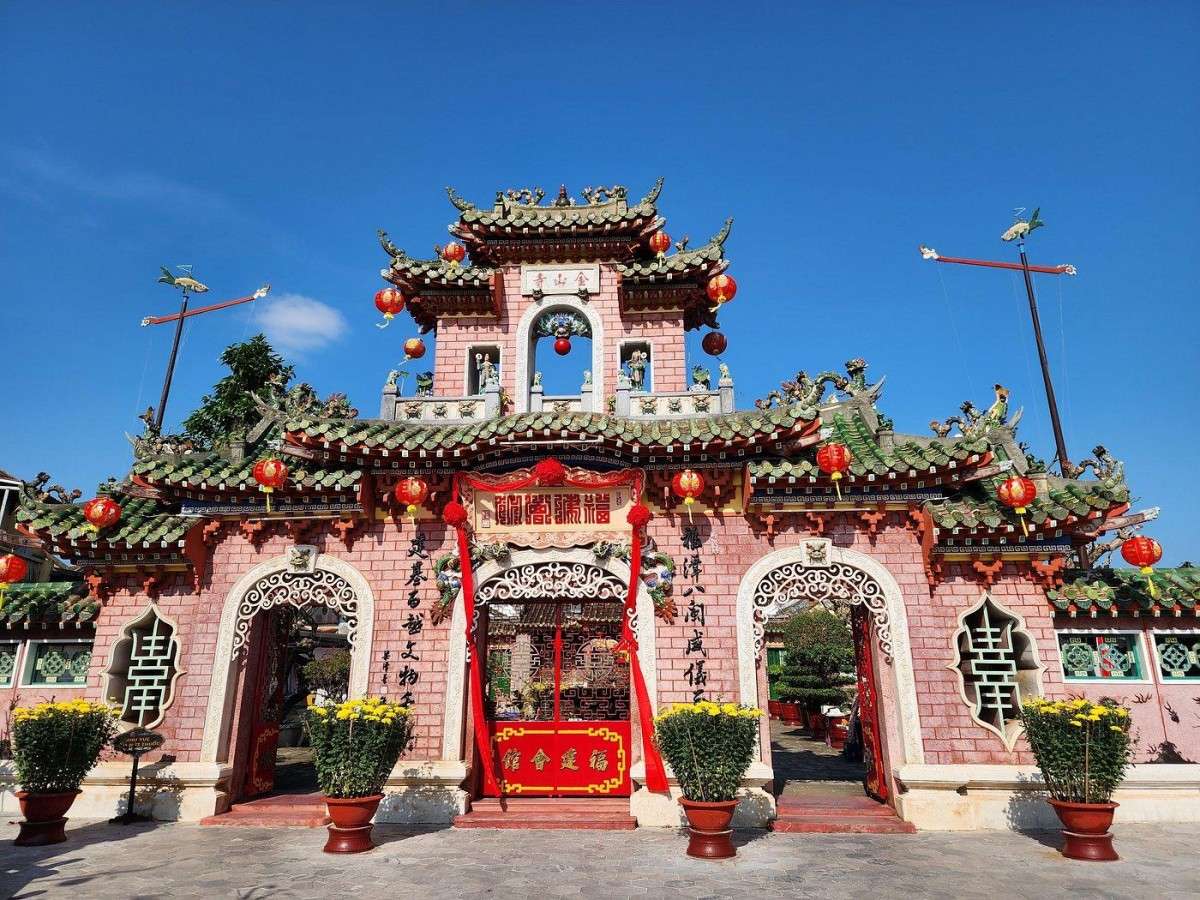
In the center of Hoi An in central Vietnam, there is a scenic spot that shines with historical glory - Fujian Assembly Hall. It is not only a building, but also a witness of history, carrying precious memories of the exchange and integration of the people of China and Vietnam.
Advertisement
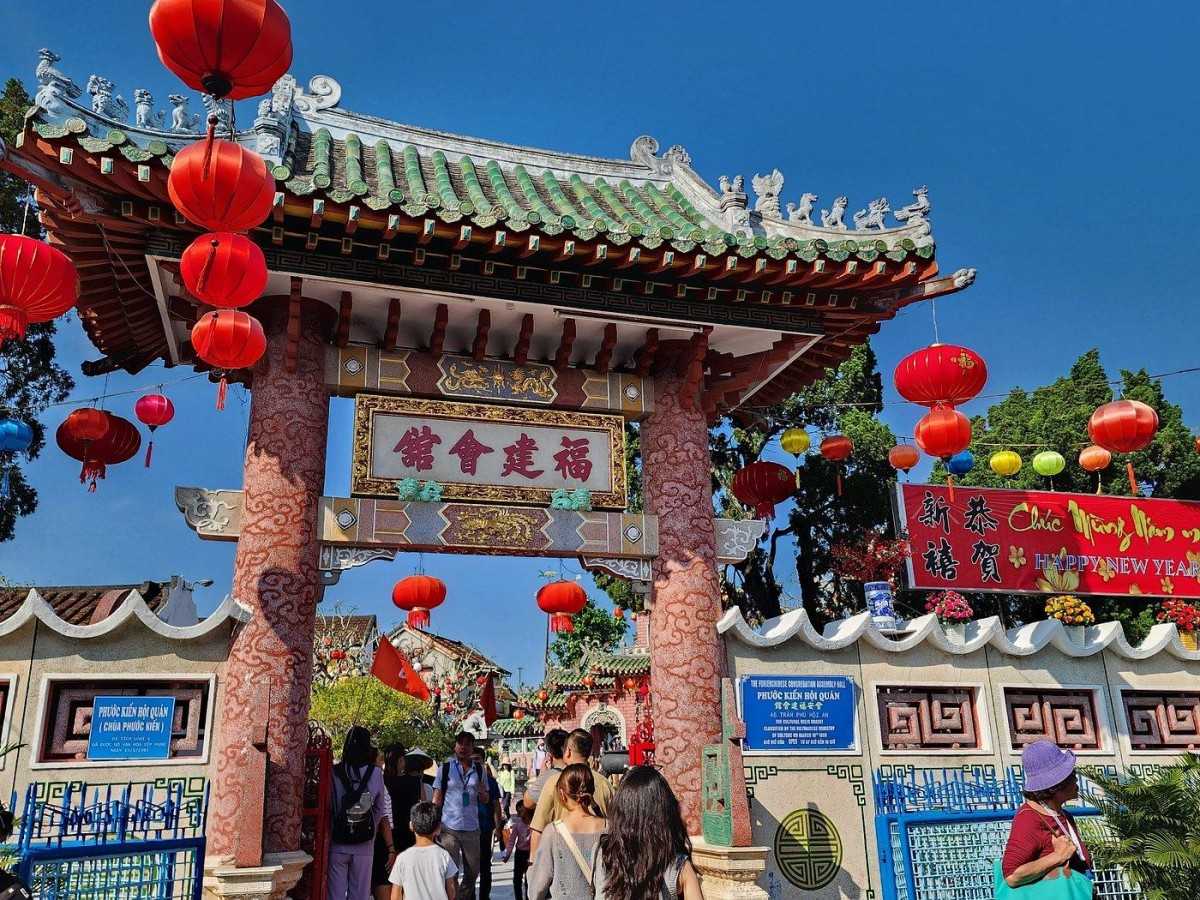
The Fujian Guild Hall was built in 1690 by Fujian immigrants who traveled across the ocean to Vietnam. In the Age of Exploration, Hoi An, as an important trading port in Southeast Asia, attracted countless merchants from China, Japan and other countries. In this unfamiliar land, Fujian immigrants built this Fujian Guild Hall in order to seek spiritual sustenance and strengthen the connection between fellow countrymen.
Advertisement
For centuries, the Fujian Guild Hall has experienced the baptism of wind and rain, but it has always stood firm. It has witnessed the rise and fall of Hoi An, from a prosperous trading port to the vicissitudes of war, and now it has become part of the world cultural heritage. In these long years, the Fujian Guild Hall has always been the spiritual home of Fujian compatriots and an important place for cultural exchanges between China and Vietnam.
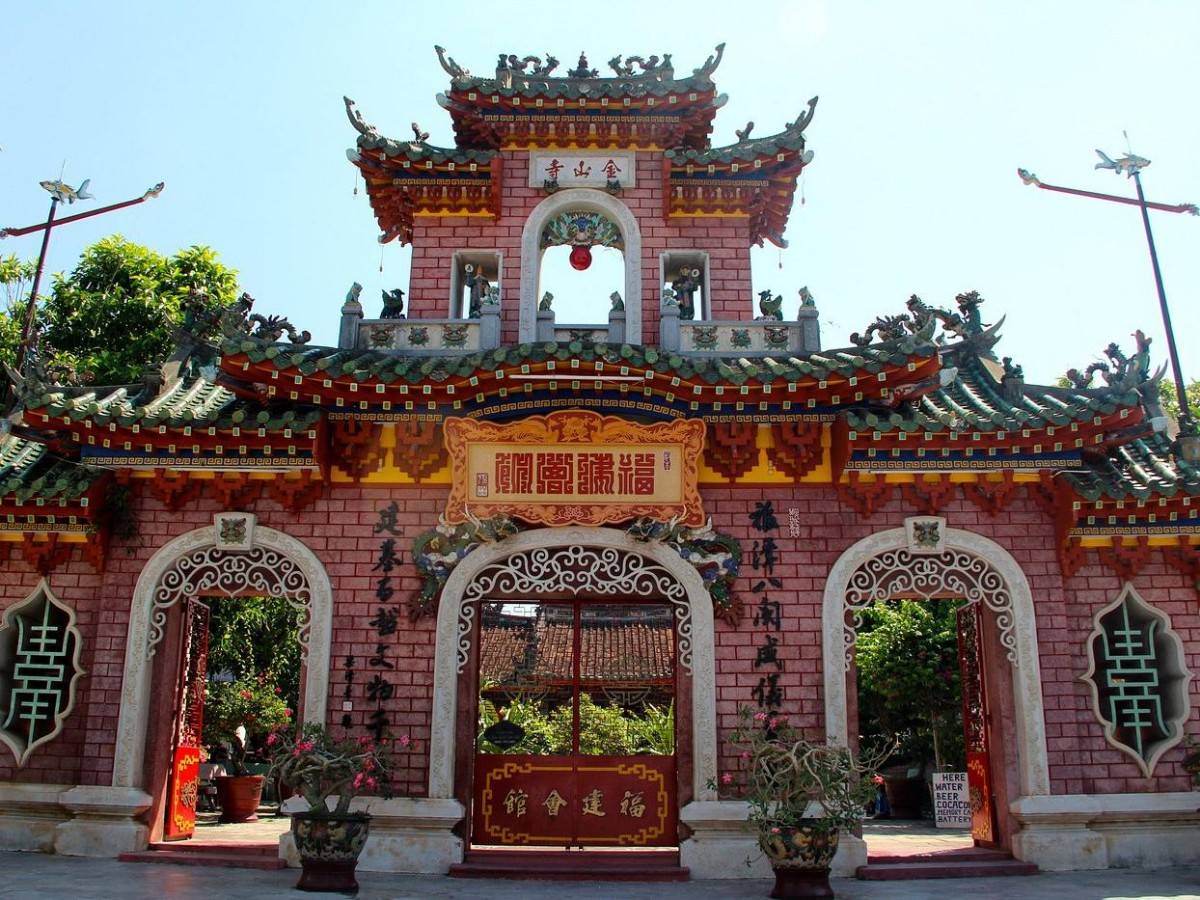
The architectural style of the Fujian Guild Hall is very distinctive, perfectly integrating the elements of traditional Chinese architecture and local Vietnamese culture. From a distance, the first thing that catches your eye is its tall and solemn front door and middle door. Although the door archway is not large, it has a unique charm. The double-layer archway is carved with exquisite patterns. The upper layer reads "Jinshan Temple", the lower layer reads "Fujian Guild Hall", and the back is engraved with words such as "Tianhou Palace" and "Benefiting My Tongren". Each inscription contains profound cultural connotations.
Advertisement
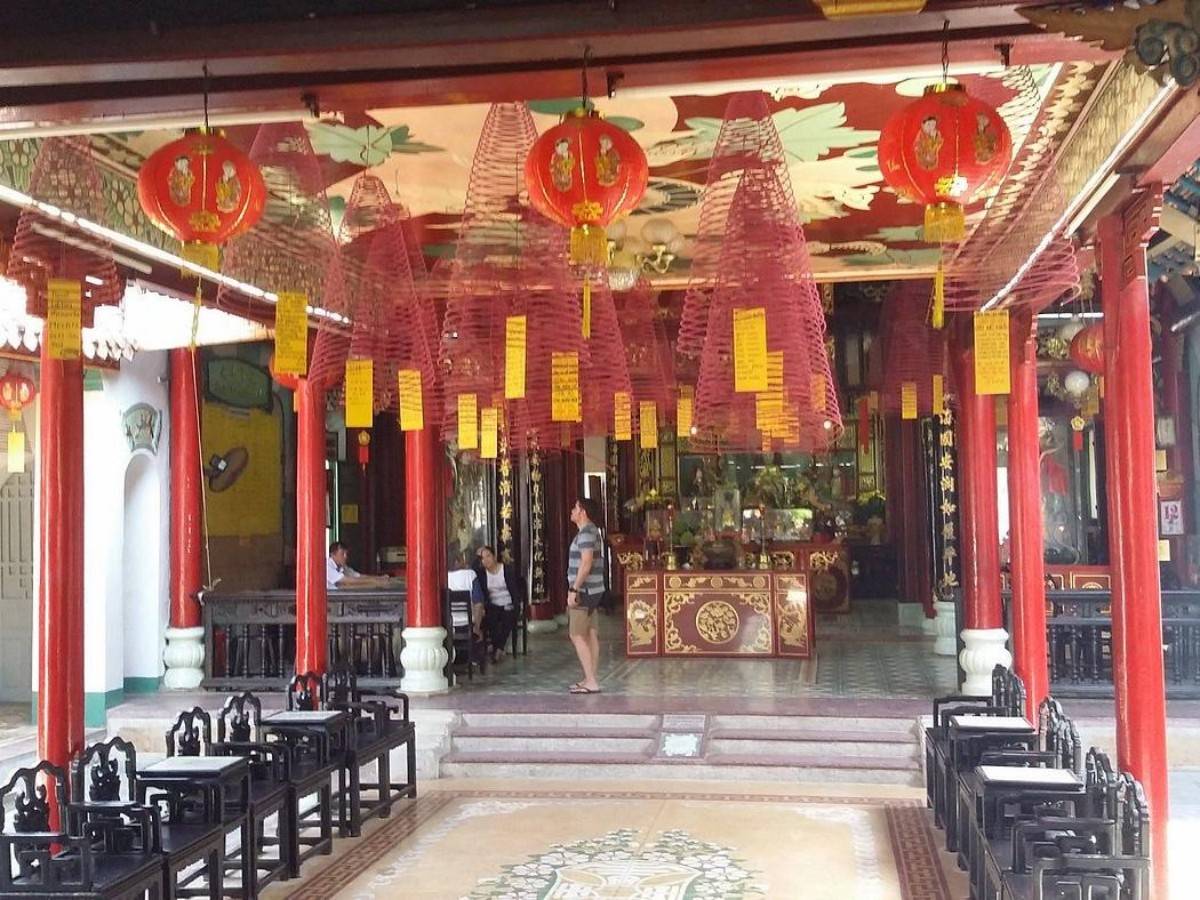
Walking into the interior of the guild hall, it is like stepping into a palace of art. Exquisite bonsai are placed in the patio, and the blooming flowers add a bit of vitality to this ancient building. The decoration inside the hall is even more amazing. The stained glass windows cast colorful light and shadows under the sunlight; the exquisitely carved wooden doors and window frames show the superb skills of the craftsmen; the exquisite stone carvings on the walls, whether they are people, animals or flowers, are lifelike, as if telling an ancient story.
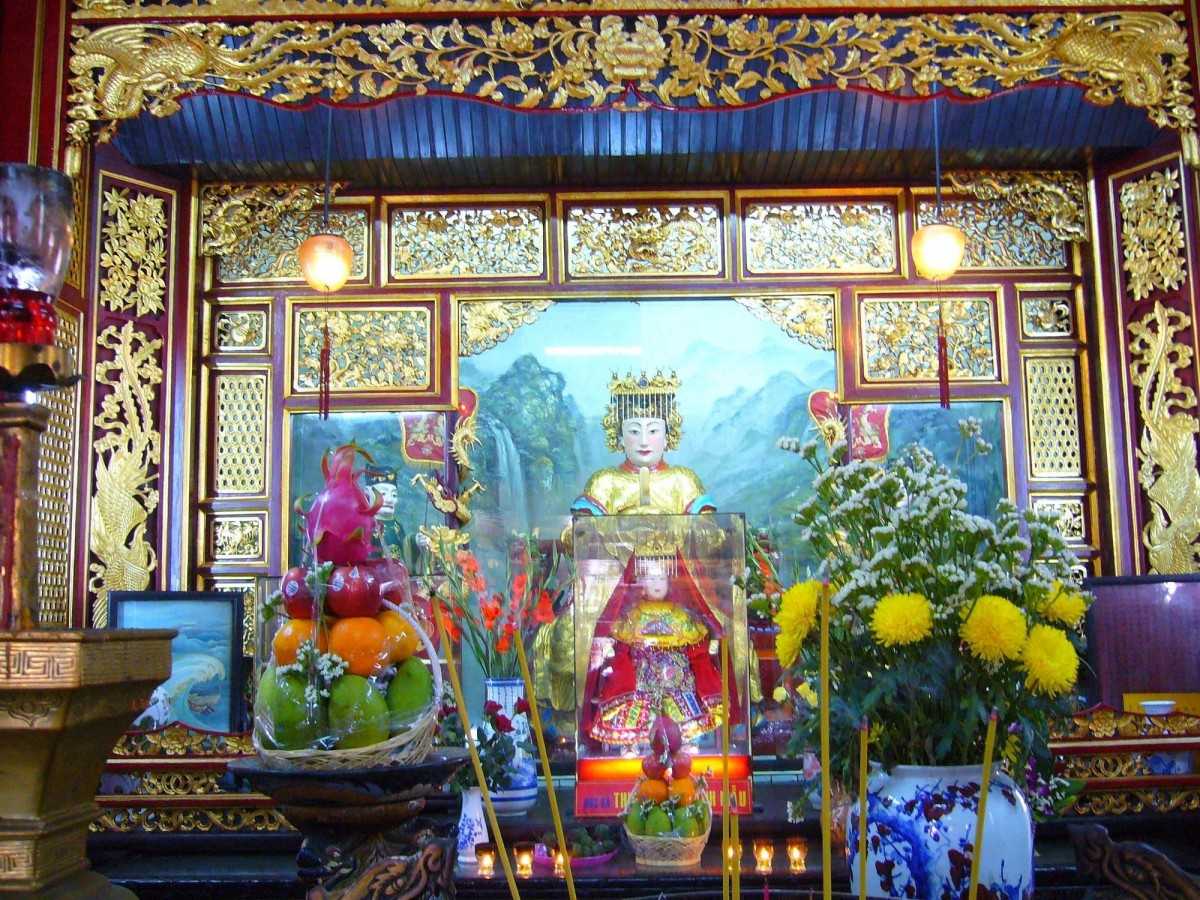
It is particularly worth mentioning that there are many elements related to traditional Chinese culture in the guild hall. The Queen of Heaven, Mazu, is enshrined here. According to legend, Mazu can protect fishermen engaged in sailing from disasters. She has always been one of the important beliefs of Chinese people going overseas. In addition, animal elements such as dragons, turtles, and phoenixes are also incorporated into the interior design. The dragon represents power, the turtle symbolizes endurance, and the phoenix symbolizes nobility. These elements fully reflect the charm of traditional Chinese culture.
Fujian Guild Hall has immeasurable significance for the cultural heritage of Hoi An and the cultural exchanges between China and Vietnam. It is a showcase of Fujian culture in Vietnam, allowing Vietnamese people and tourists from all over the world to intuitively feel the profoundness of Chinese traditional culture.
Here, people can learn about the folk customs, traditional handicrafts and unique architectural style of the Fujian region. At the same time, Fujian Guild Hall has also become a platform for the people of China and Vietnam to learn from and understand each other. During major festivals, various celebrations are held in the Guild Hall, and the people of China and Vietnam gather together to share joy and enhance friendship between each other.
For the descendants of local Chinese, Fujian Guild Hall is an important place for them to trace their roots and understand their family history and culture. By visiting the cultural relics in the Guild Hall and understanding the struggles of their ancestors, they can better inherit and carry forward the excellent traditions of the Chinese nation.
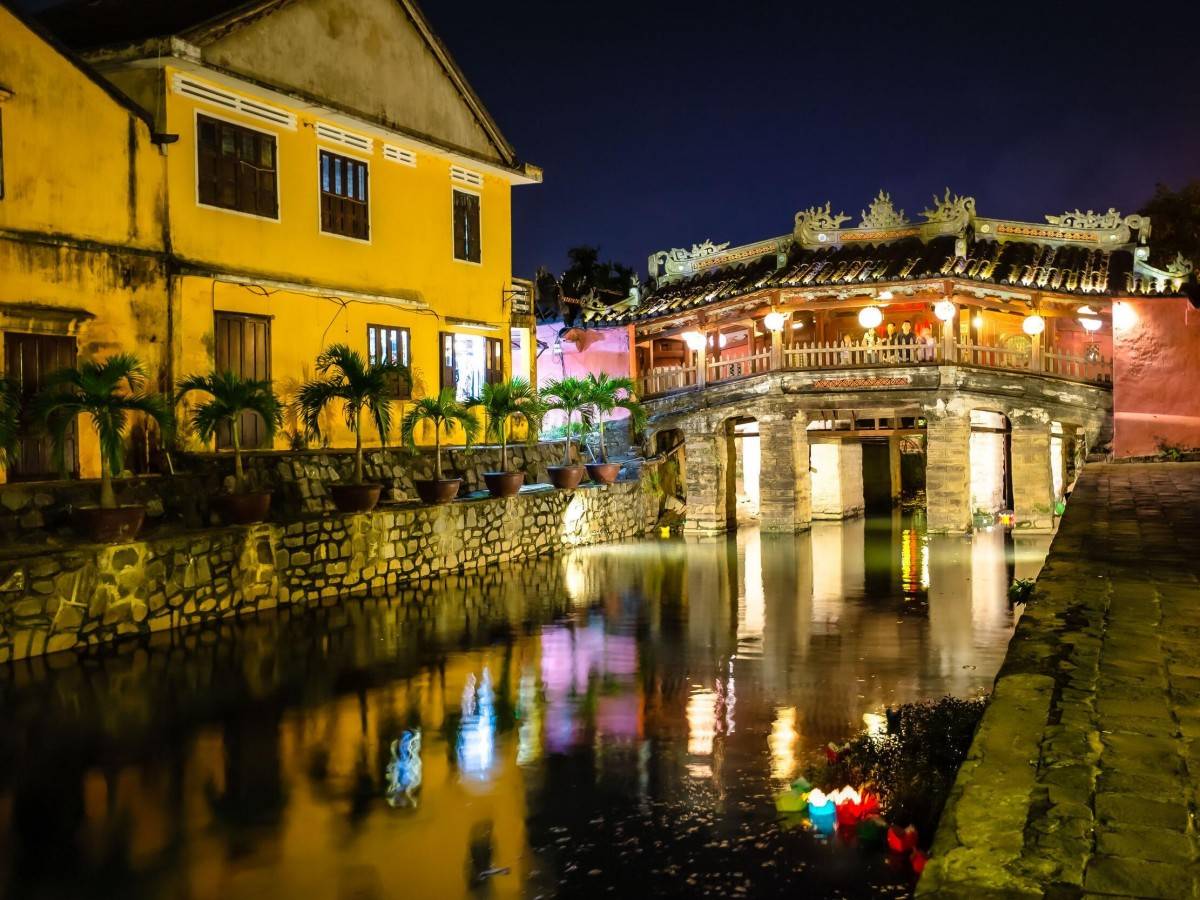
The Fujian Guild Hall is located in the heart of Hoi An Ancient Town, and there are many attractions around it that are also worth visiting. From the Guild Hall, it is a few minutes' walk to the famous Japanese Covered Bridge. The bridge was built in 1593 and was originally built by the Japanese. It was rebuilt by the Chinese in the Ming Dynasty and a monument was erected as a witness. One end of the bridge is guarded by a monkey and the other end is guarded by a dog, which is very interesting and represents the 12 Chinese zodiac signs. The bridge is about 2 meters wide, and the bright yellow French buildings and tall coconut trees are reflected on the river. Accompanied by the afterglow of the sunset, the scenery is very charming.
In addition, there are many ancient buildings in Hoi An Ancient Town, such as the Chinese Guild Hall and Guandi Temple. The Chinese Guild Hall is the earliest Chinese Guild Hall. It is said to have been built during the Chenghua period of the Ming Dynasty. It enshrines gods such as Mazu, the Queen Mother of Heaven. Guandi Temple highlights the respect for loyalty and righteousness in Chinese culture. The building is gorgeous and maintains the traditional Chinese architectural style.
The night market in Hoi An Ancient Town is also an experience not to be missed. As night falls, the ancient city is brightly lit, with a variety of handicrafts and souvenirs. Here, tourists can taste authentic Vietnamese food, such as Vietnamese spring rolls, fried rice noodles, and rice noodles, and experience the unique nightlife atmosphere of Hoi An.
The Fujian Assembly Hall is like a bright pearl inlaid in the center of Hoi An, exuding an ancient and charming charm. It attracts tourists from all over the world with its unique history, exquisite architecture and profound cultural significance. Coming to Hoi An and walking into the Fujian Assembly Hall is like traveling through time and space, appreciating a magnificent historical picture scroll, and feeling the unique charm of the cultural fusion of China and Vietnam. Whether you are a history and culture enthusiast, or interested in architectural art, or simply want to explore different exotic customs, the Fujian Assembly Hall is definitely worth your visit.